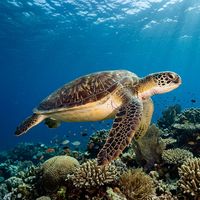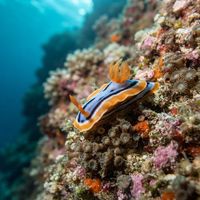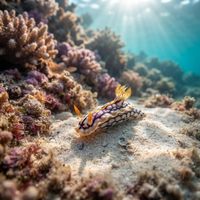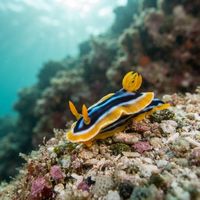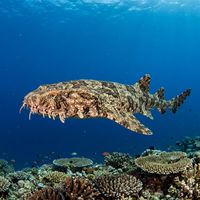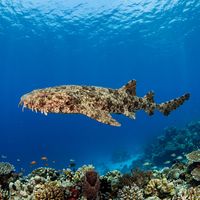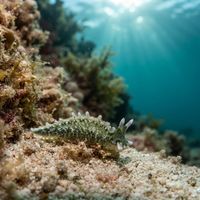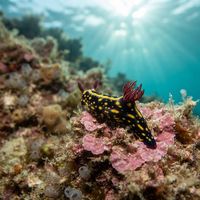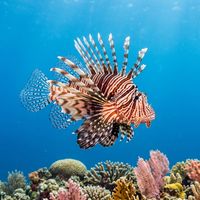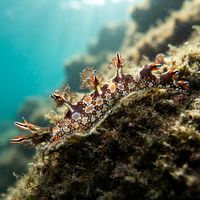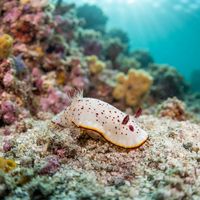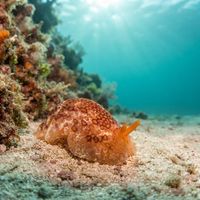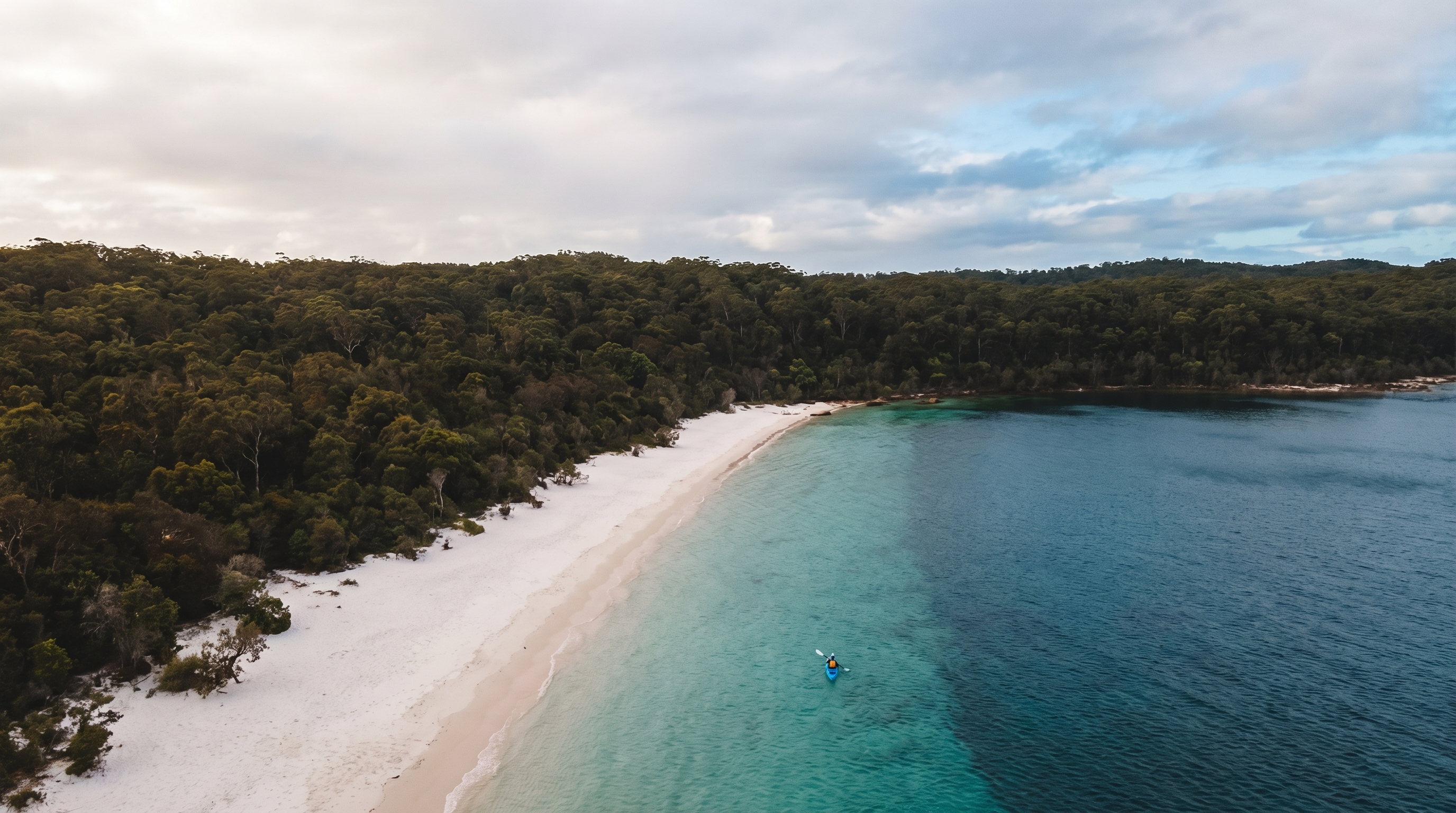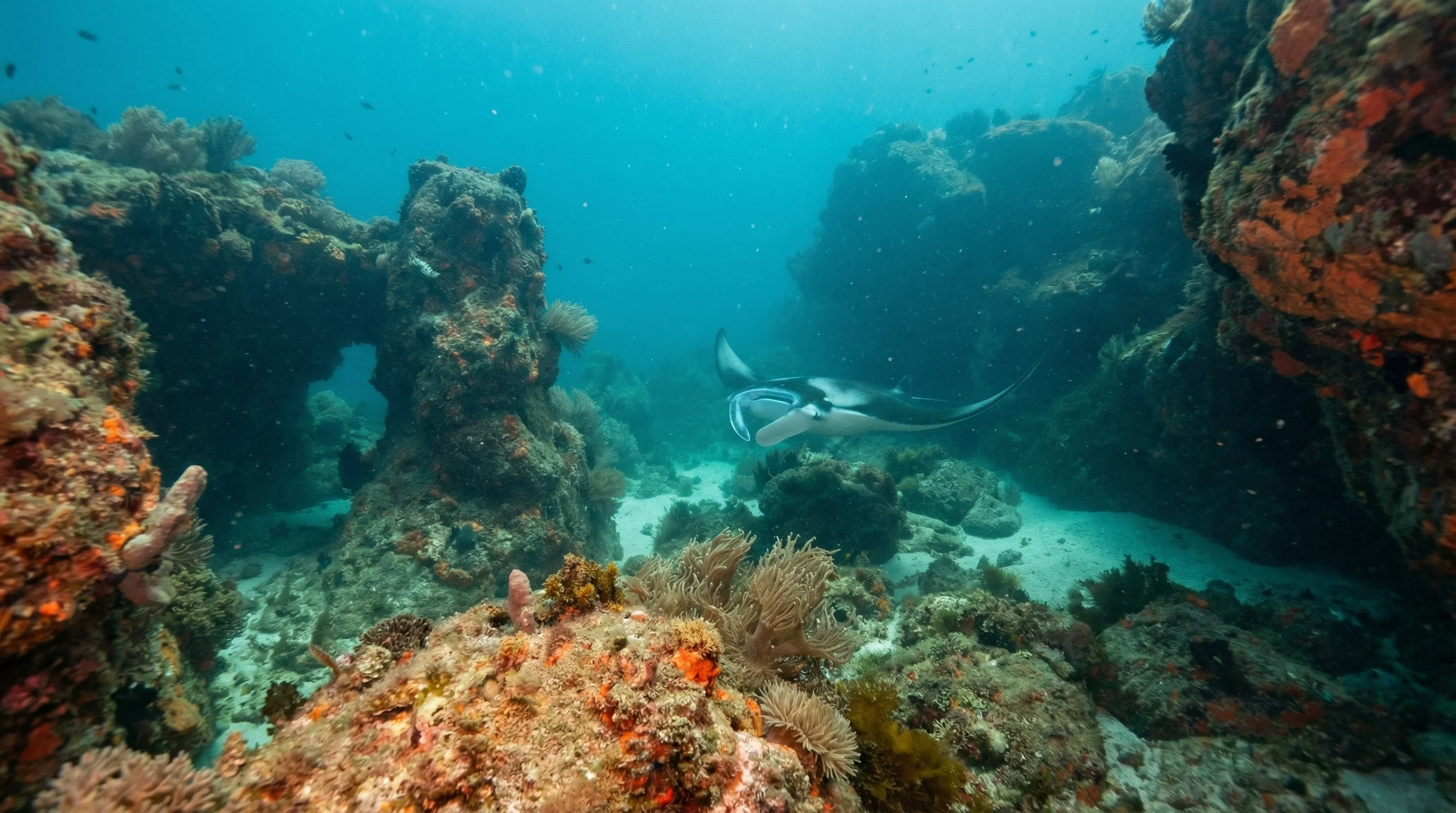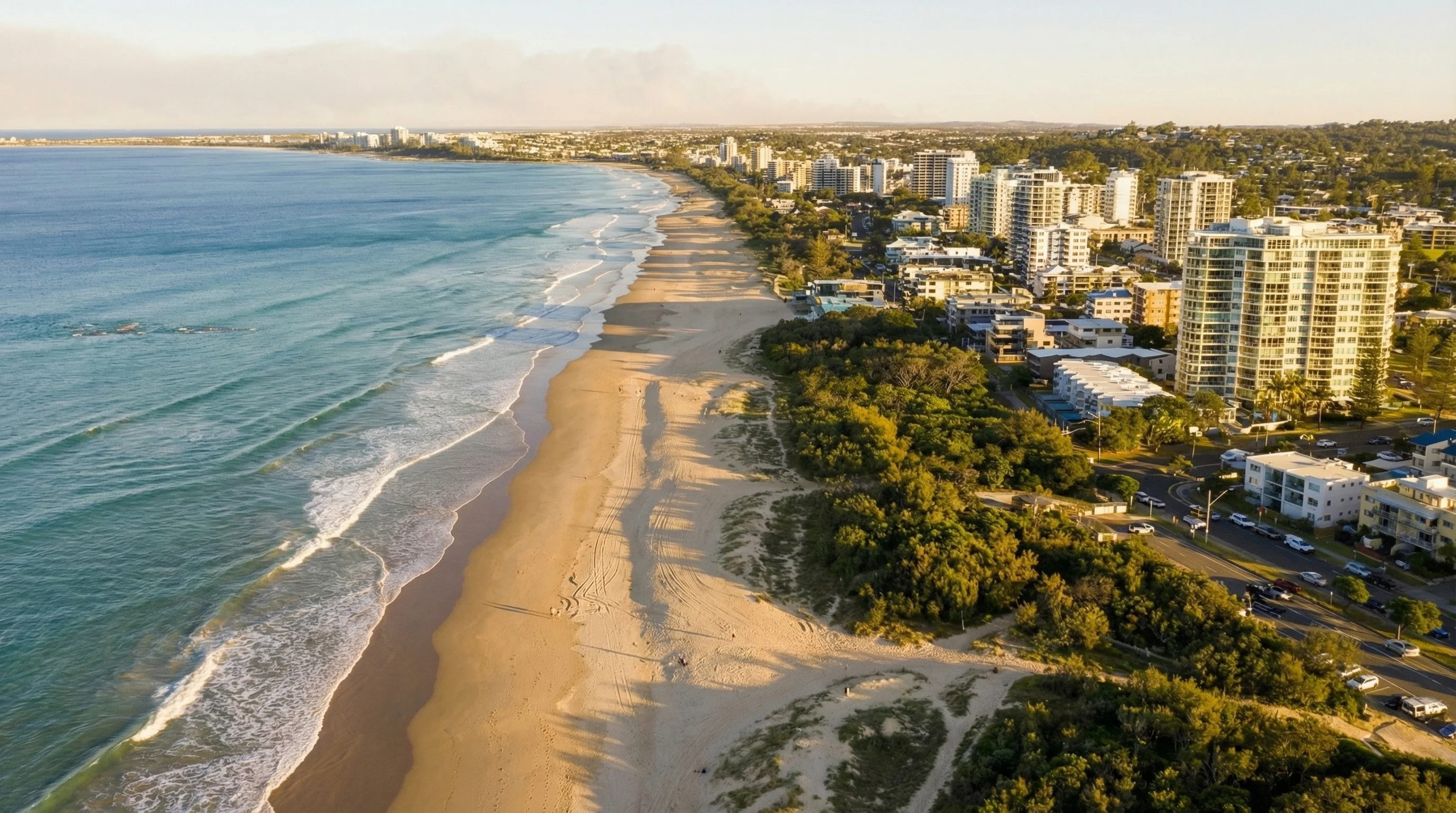
The Sunshine Coast offers a varied diving landscape anchored by the sub-areas of Mooloolaba, Flinders Reef, Noosa, and Double Island Point. Mooloolaba hosts the iconic HMAS Brisbane wreck alongside a concentration of beginner-friendly reefs and cave systems. Flinders Reef adds deep wrecks and offshore rocky sites for more experienced divers. Wolf Rock at Double Island Point draws advanced divers for its volcanic pinnacle, drift conditions, and resident Grey Nurse Shark aggregations. Nudibranchs are a defining feature across the region, with the Varicose Wart Slug and Crested Morwong encountered very commonly.
4 areas
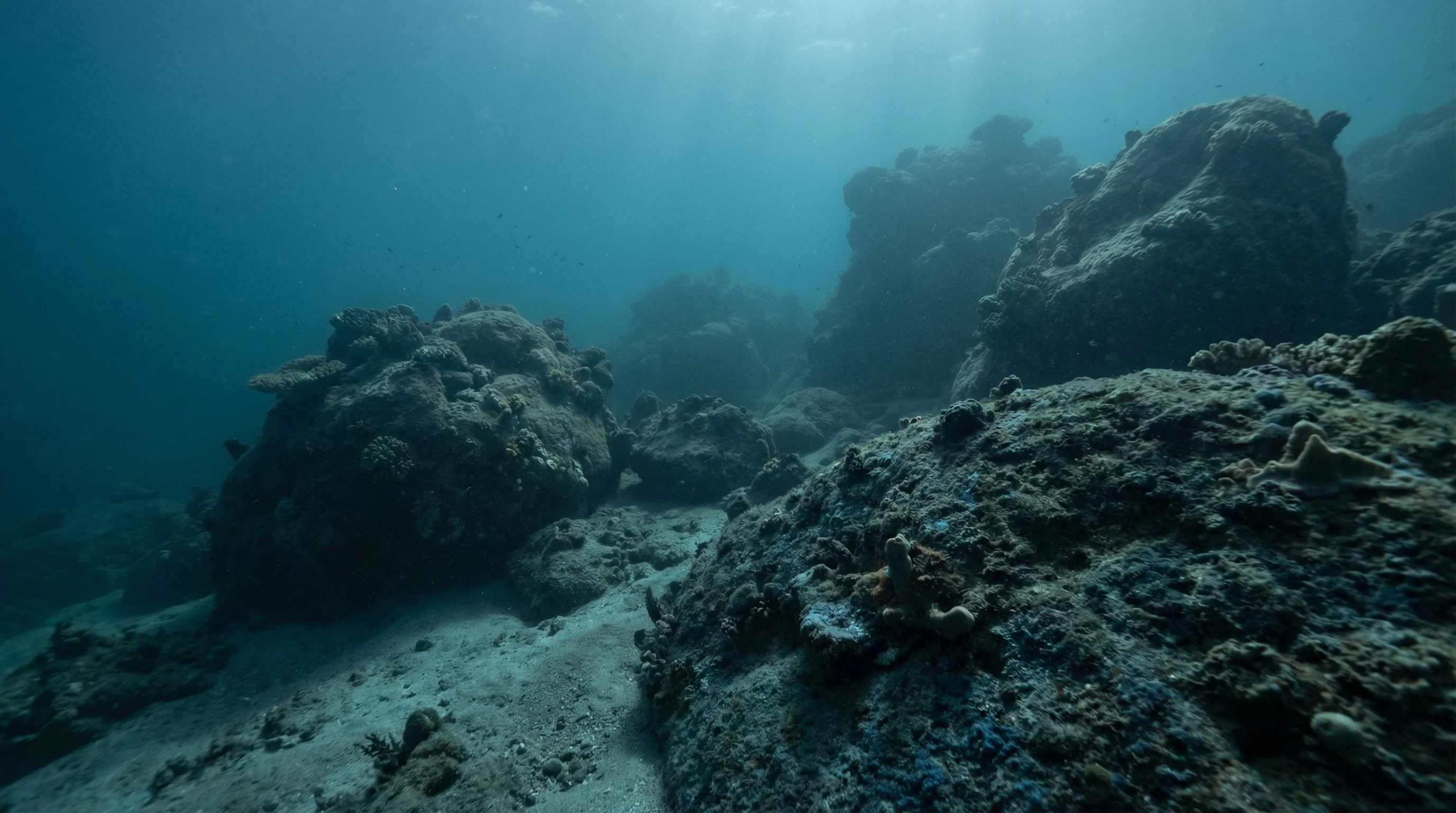
Monthly water temperature across Sunshine Coast's sites, from satellite sea-surface data corrected for depth. The band shows the site-to-site spread.
Water temperature peaks through late summer and falls to its coolest around the middle of the year, making a broader range of thermal protection useful across seasons. The best-months data shows relatively even year-round diving appeal, with a slight lean towards autumn and the cooler mid-year period when visibility tends to improve. Wolf Rock and the deeper Flinders Reef sites are most rewarding in settled conditions, while Mooloolaba's sheltered reefs are diveable throughout the year.
5 operators
24 more sites to explore
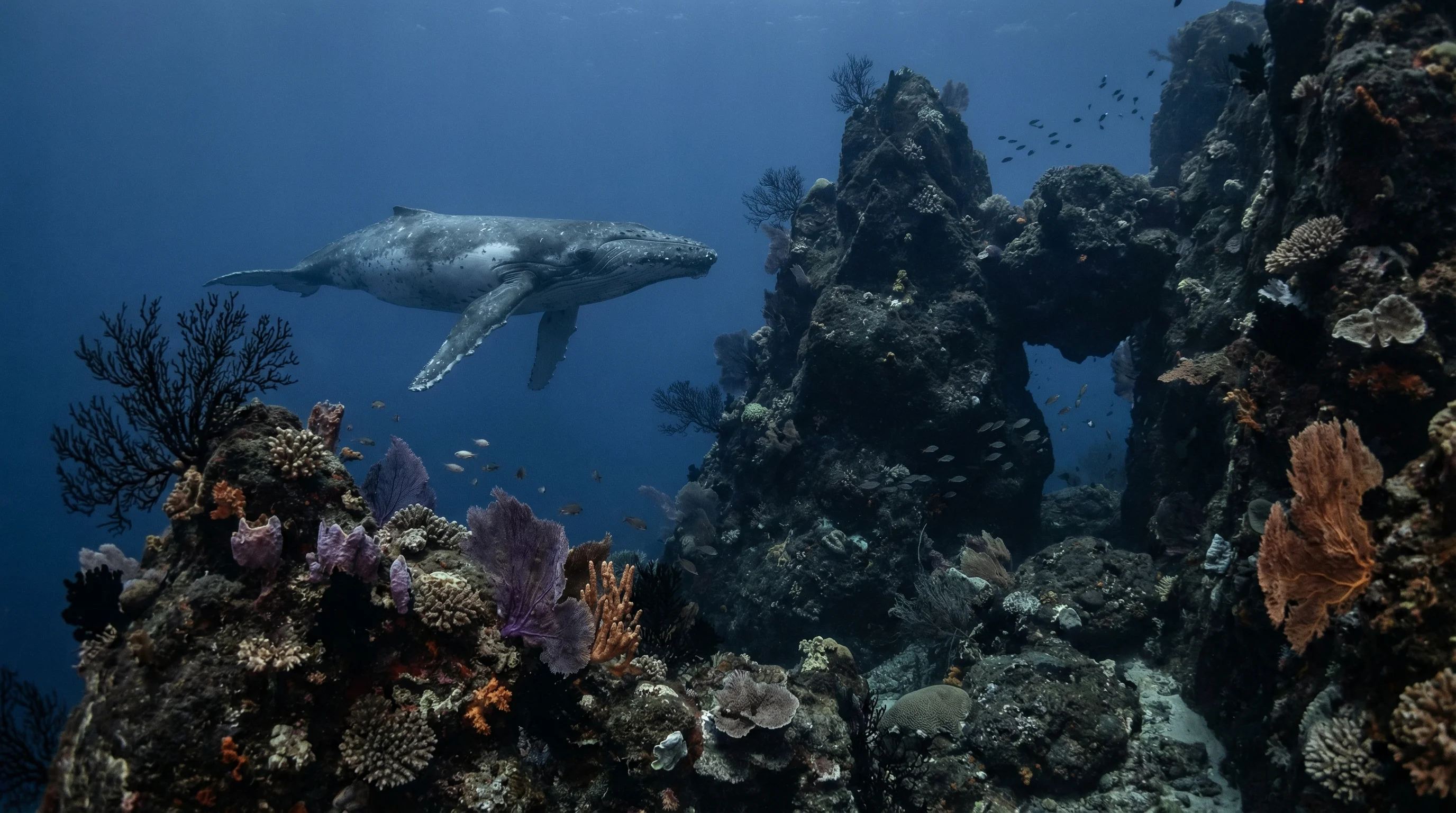
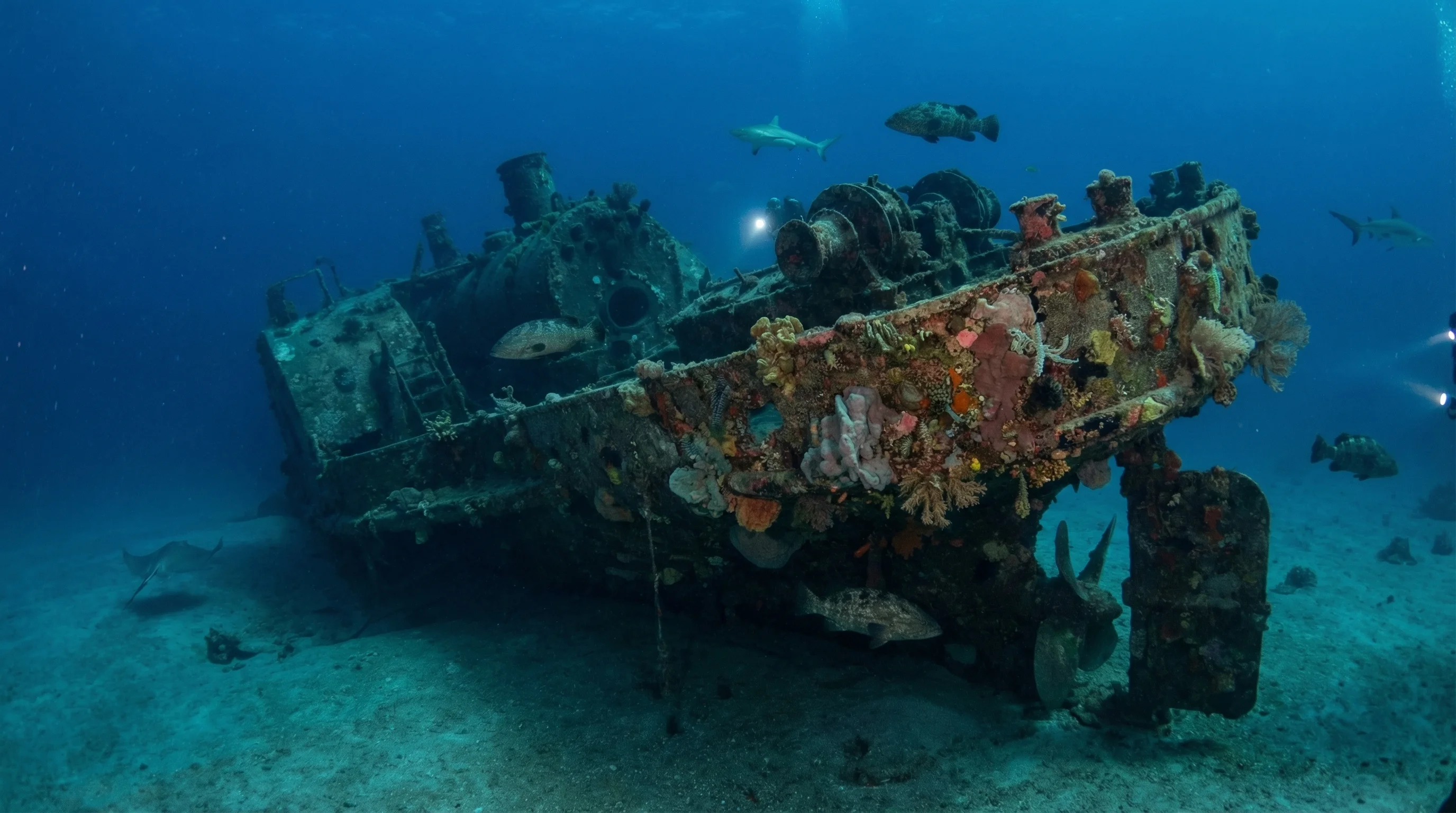
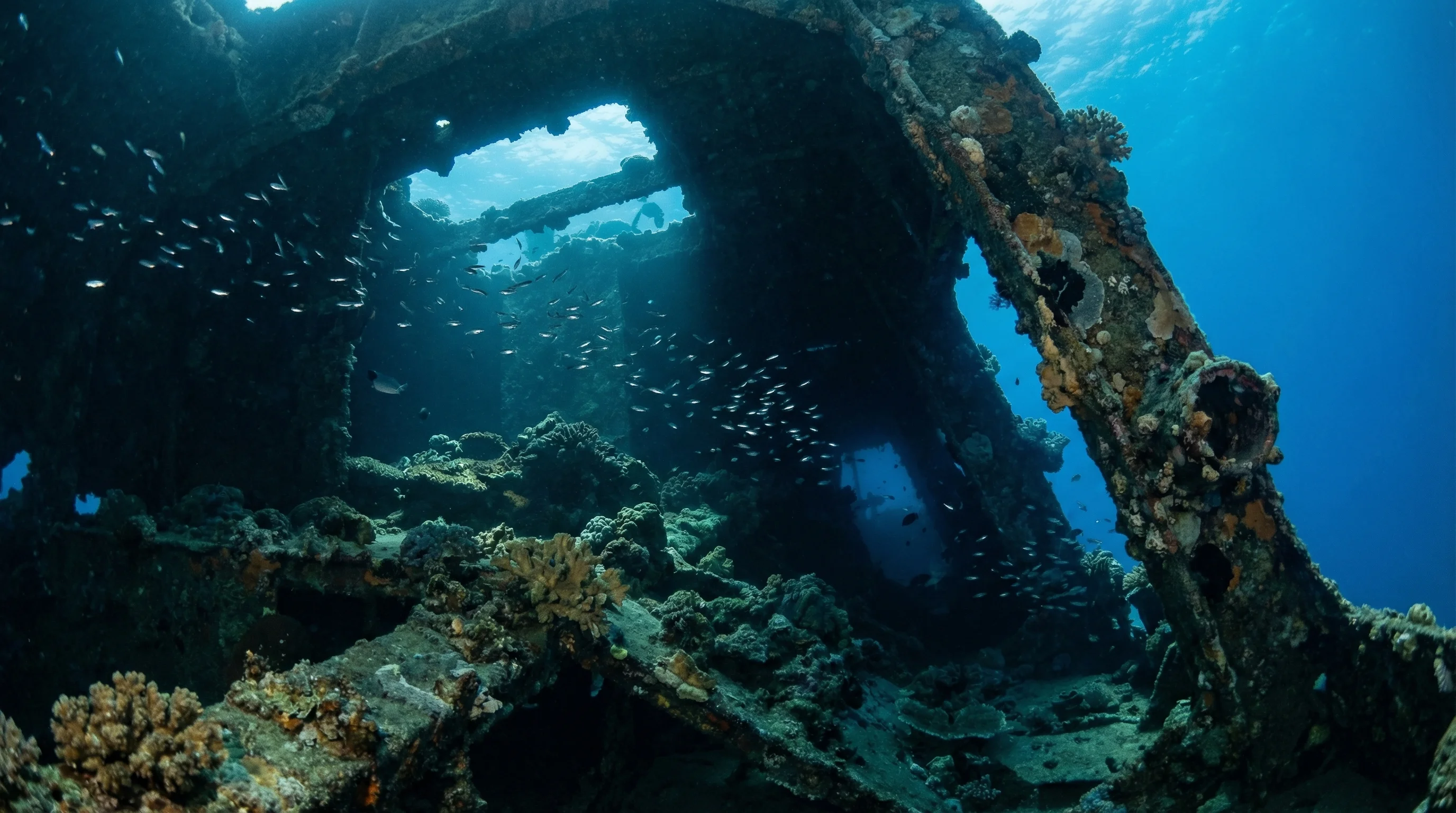
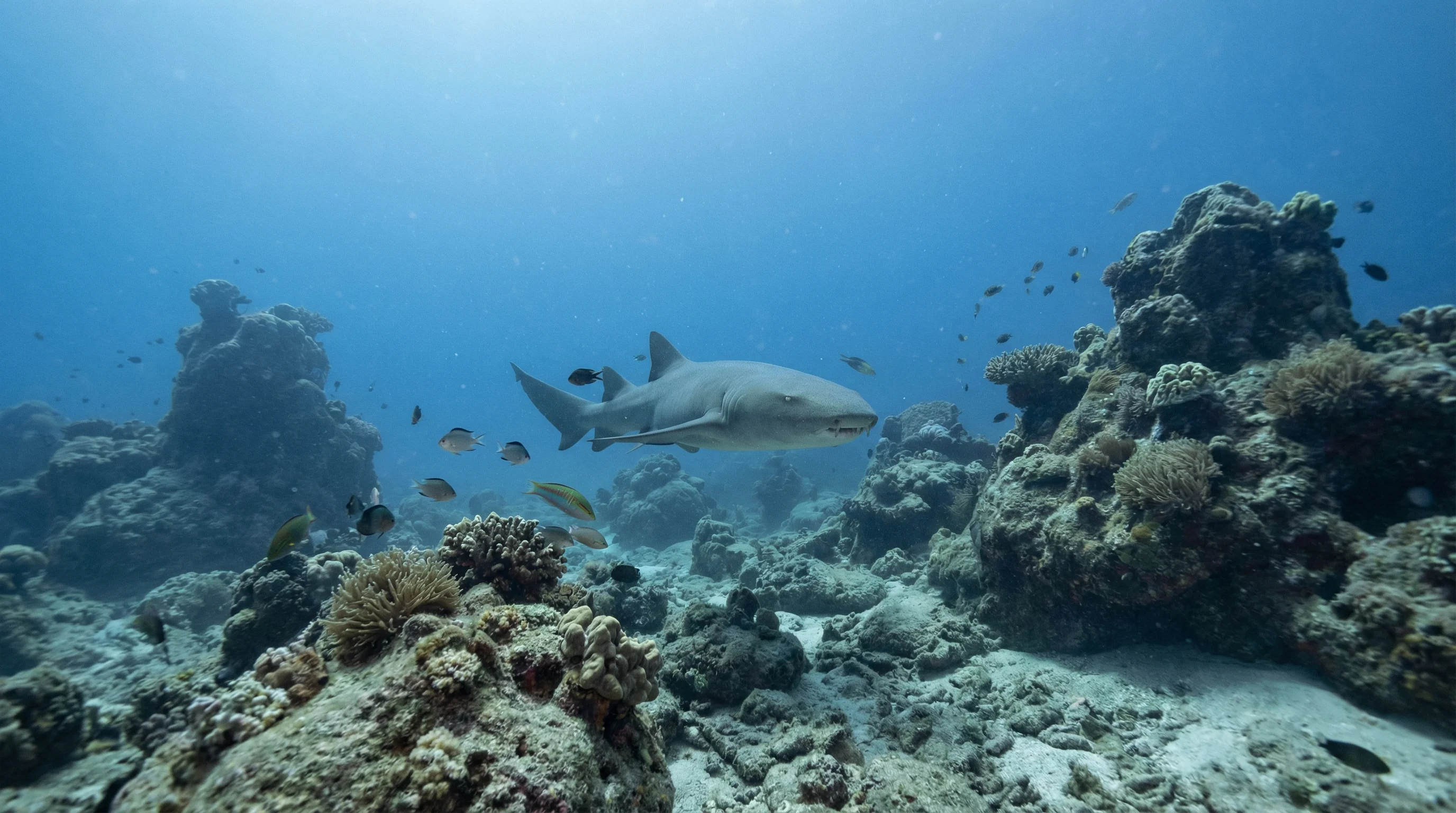
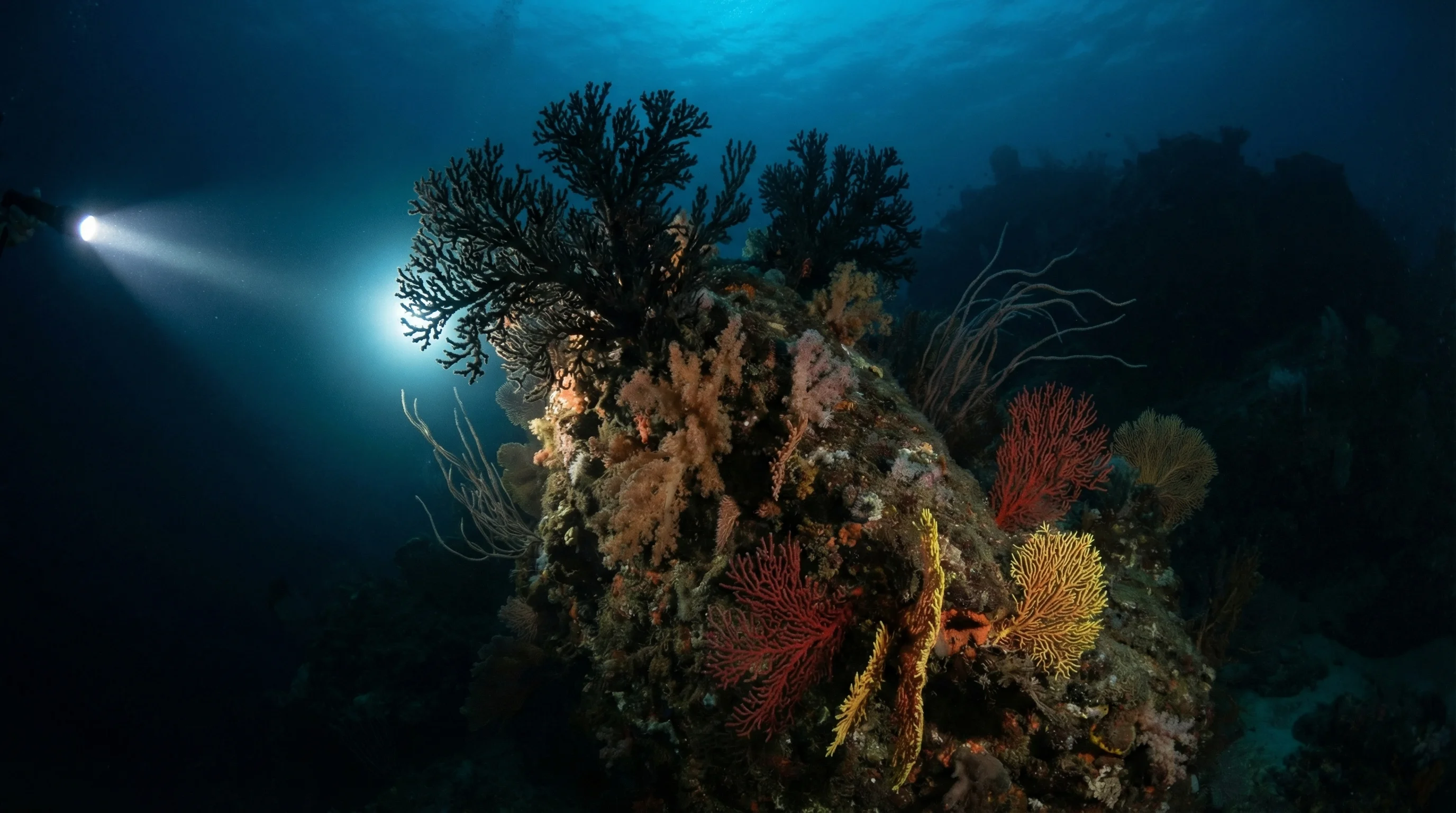
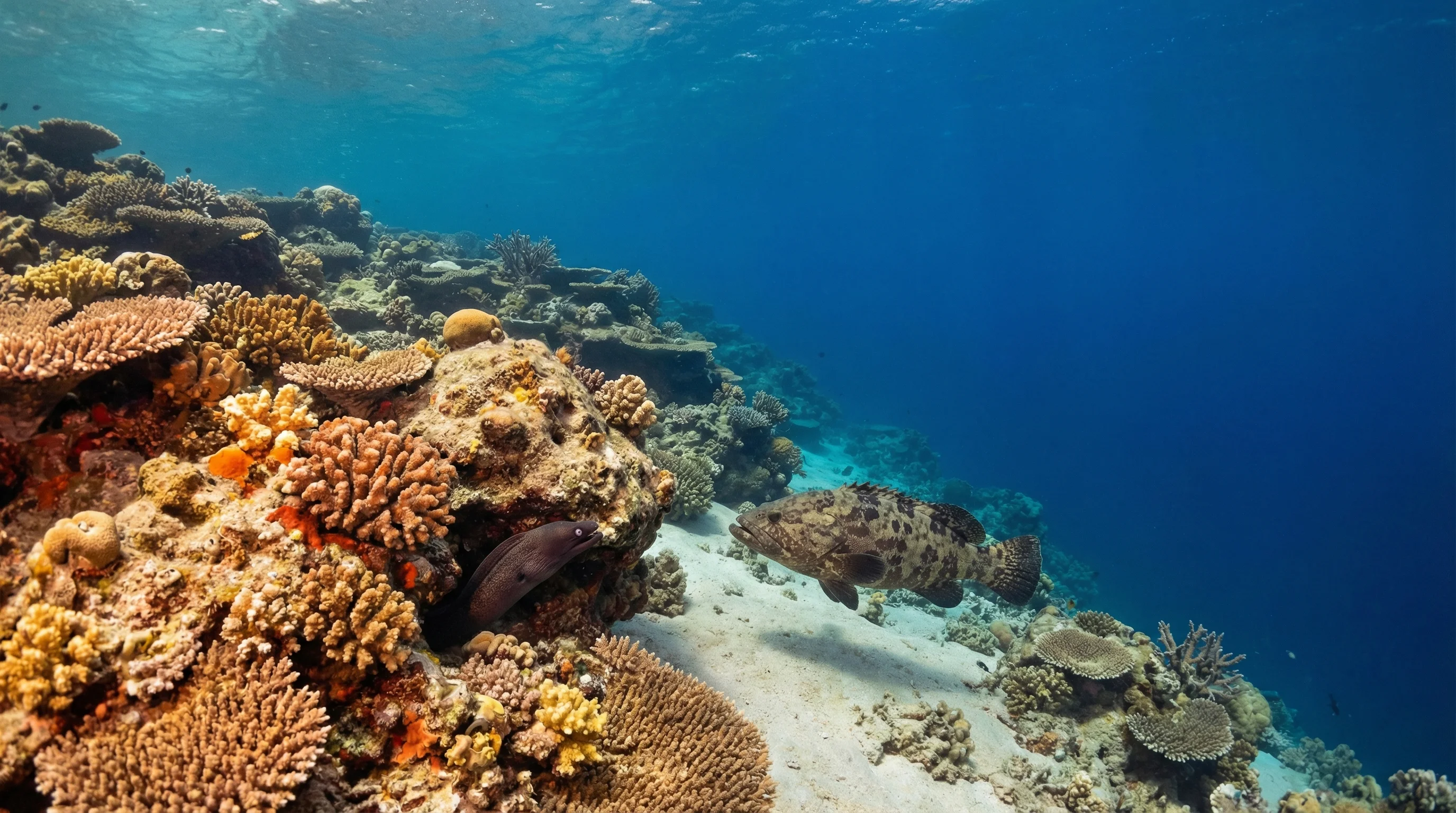
Water temperature around Sunshine Coast ranges from about 21°C in July to 27°C in February, based on satellite sea-temperature data for its dive sites.
In the warm season (about 27°C) a rash guard or 3mm shorty is comfortable in Sunshine Coast; in the coldest months (about 21°C) step up to a 5mm suit.
Fin maps 36 sites in Sunshine Coast (35 scuba diving sites and 7 snorkelling spots, with some suited to both), organised into 4 areas.
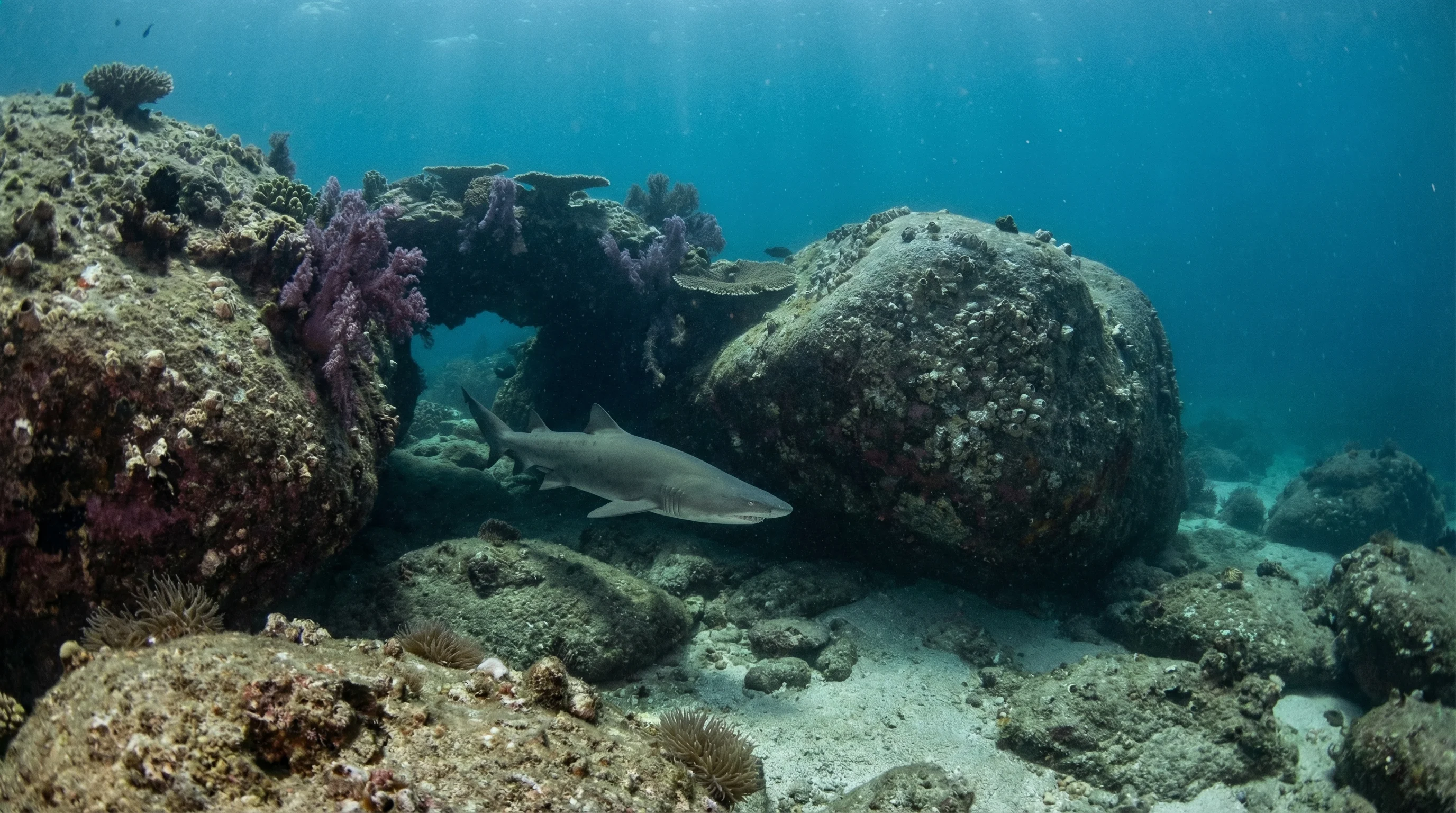
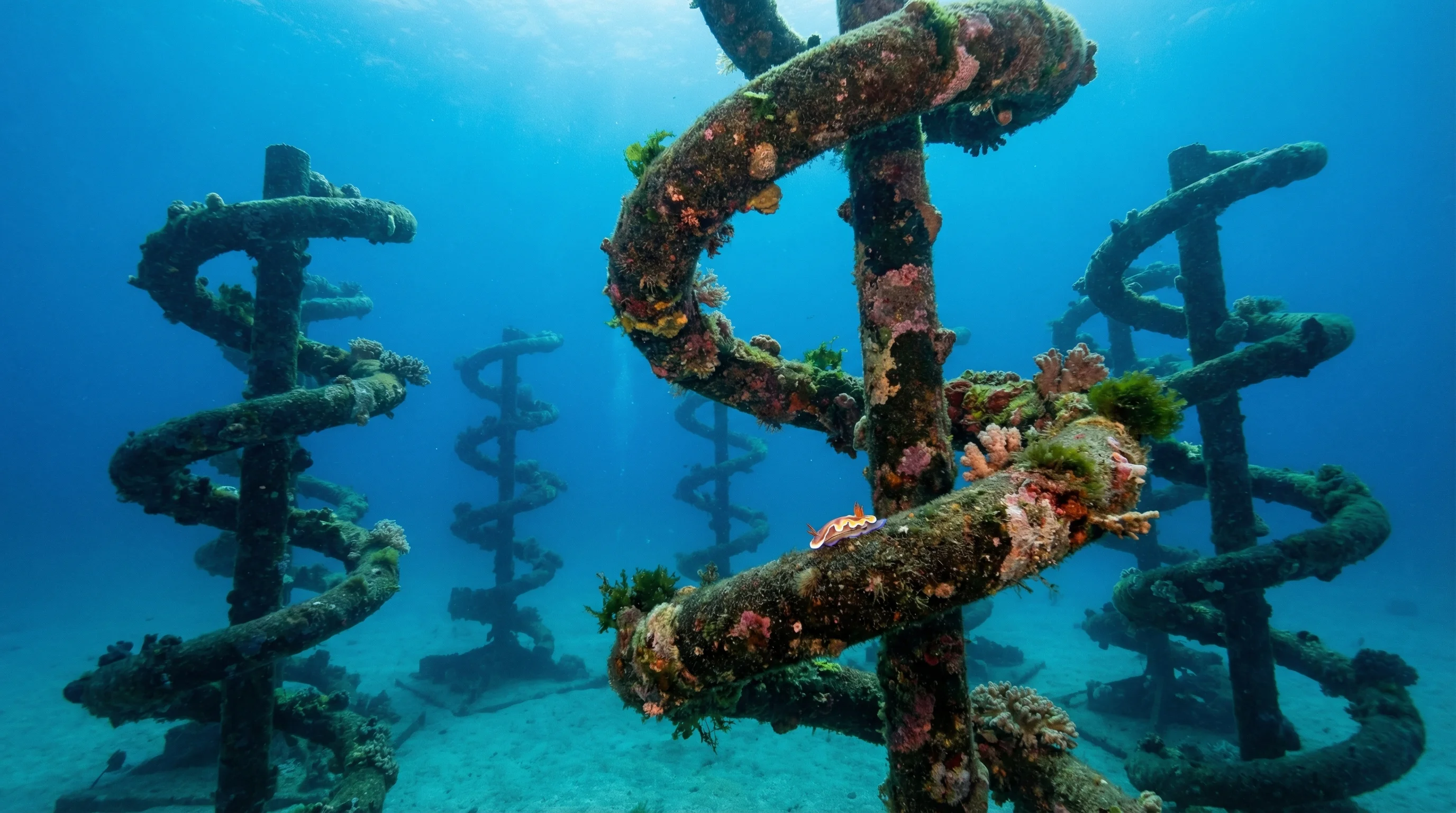
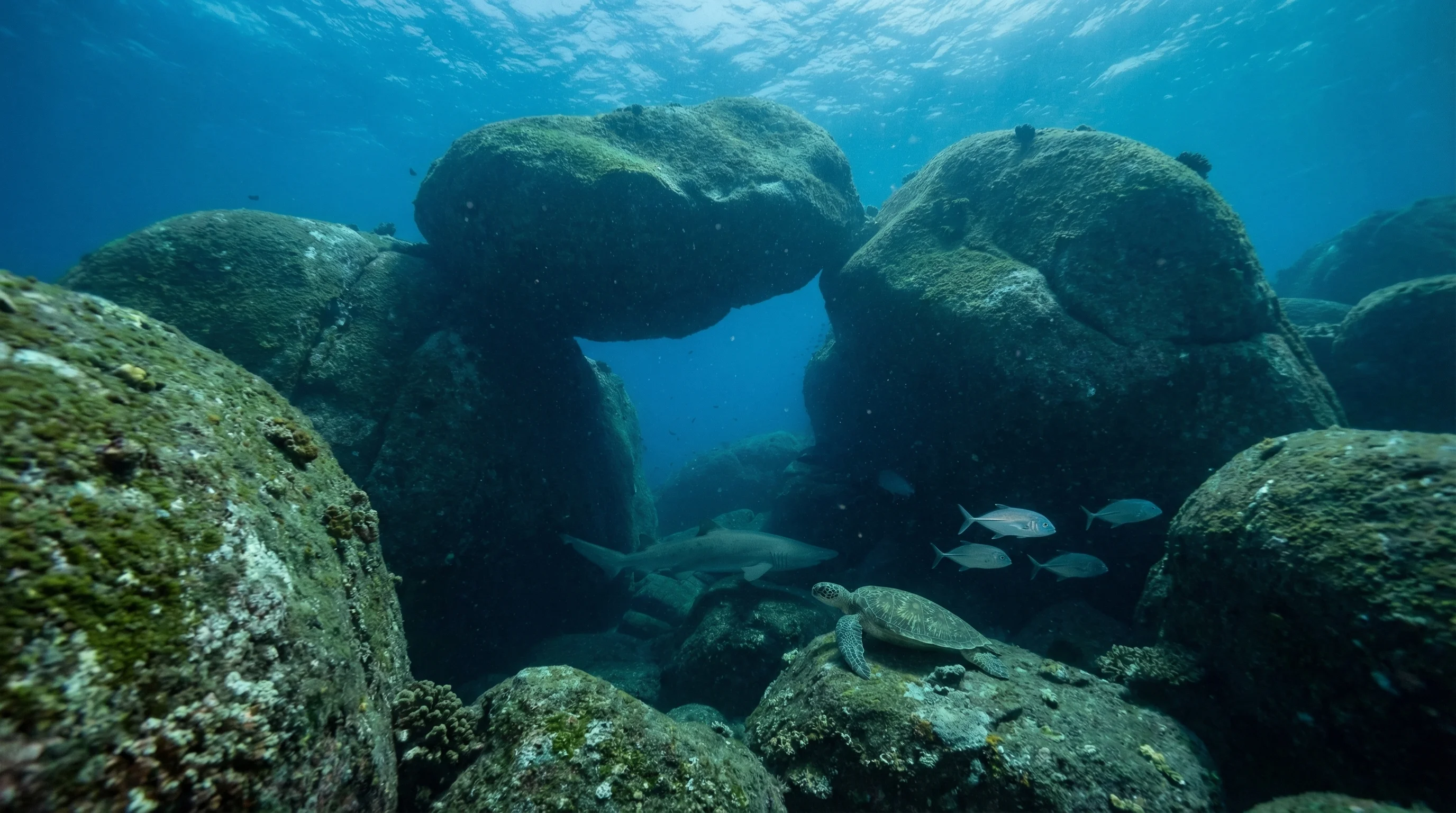
The region has a strong nudibranch community, with Chromodoris Elisabethina, Hypselodoris jacksoni, Kuiter's Chromodoris, and the Varicose Wart Slug observed across many sites. Green Sea Turtle and Barrier Reef Clownfish are consistently encountered, while Spotted Wobbegong and Ornate Wobbegong are found resting on the reef. Wolf Rock is notable for Grey Nurse Shark aggregations.
Yes, a good portion of the sites are rated beginner level, particularly around Mooloolaba, where sites such as Clown Reef, Nurse Rock, Hanging Rock, and the Marietta Dal wreck offer manageable depths and mild currents. The HMAS Brisbane suits intermediate divers, while Wolf Rock and the SS Saint Paul are reserved for advanced divers comfortable with depth and current.
Mooloolaba is the most accessible hub, with the highest concentration of sites including the HMAS Brisbane and numerous beginner reefs. Flinders Reef sits further offshore and offers cave systems, deep wrecks, and intermediate to advanced terrain. Noosa provides a quieter option with gentler offshore reef diving. Double Island Point, anchored by Wolf Rock, is the destination for advanced drift and pinnacle diving.
The vast majority of sites are reached by boat, and operators such as Scuba World, Wolf Rock Dive Centre, Sunreef, and Aquanaut run regular departures. Shore entry is available at Underwater World in Mooloolaba, which suits divers who prefer to avoid a boat journey. For offshore destinations like Flinders Reef and Wolf Rock, a boat trip is the only practical option.