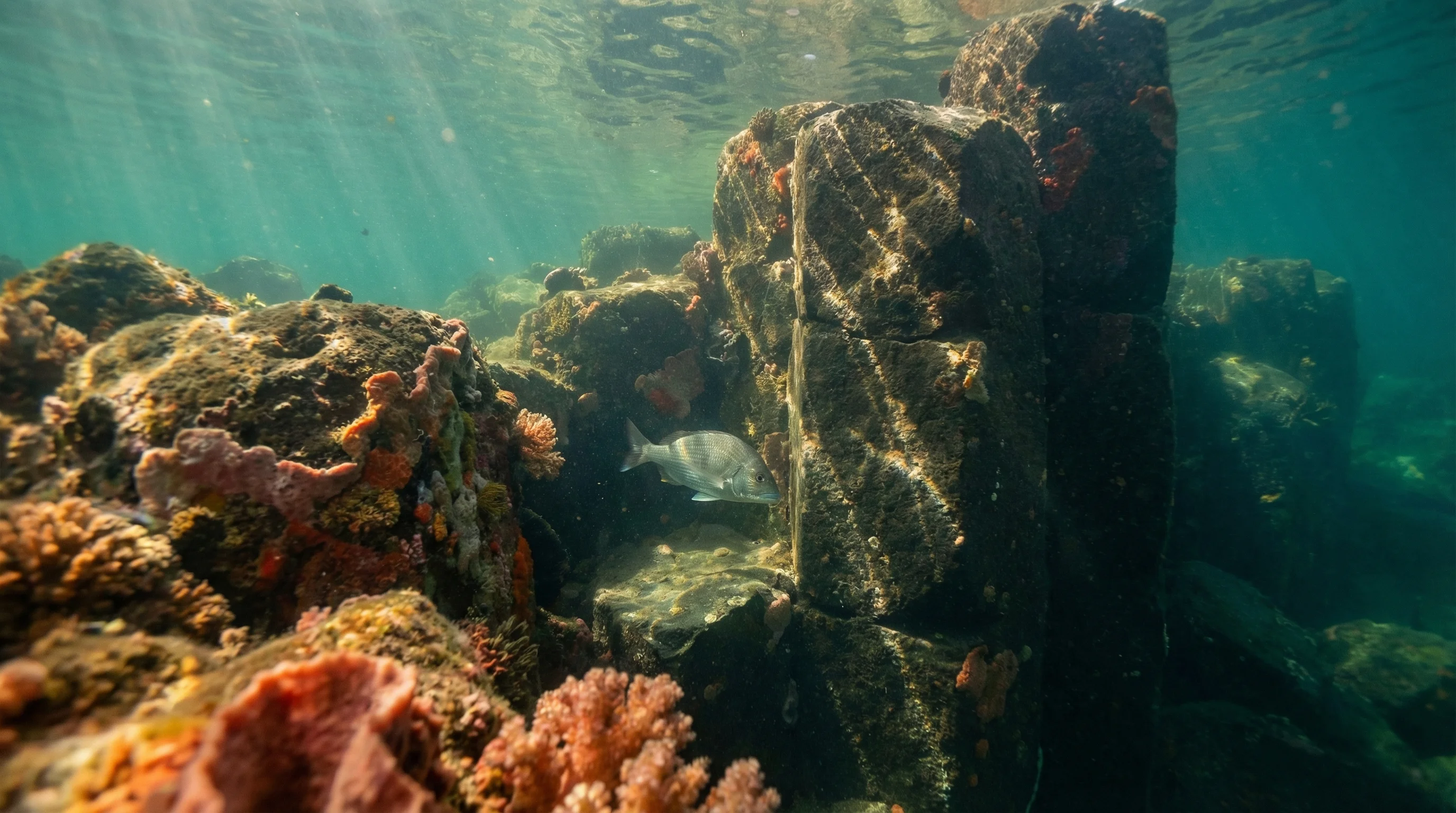
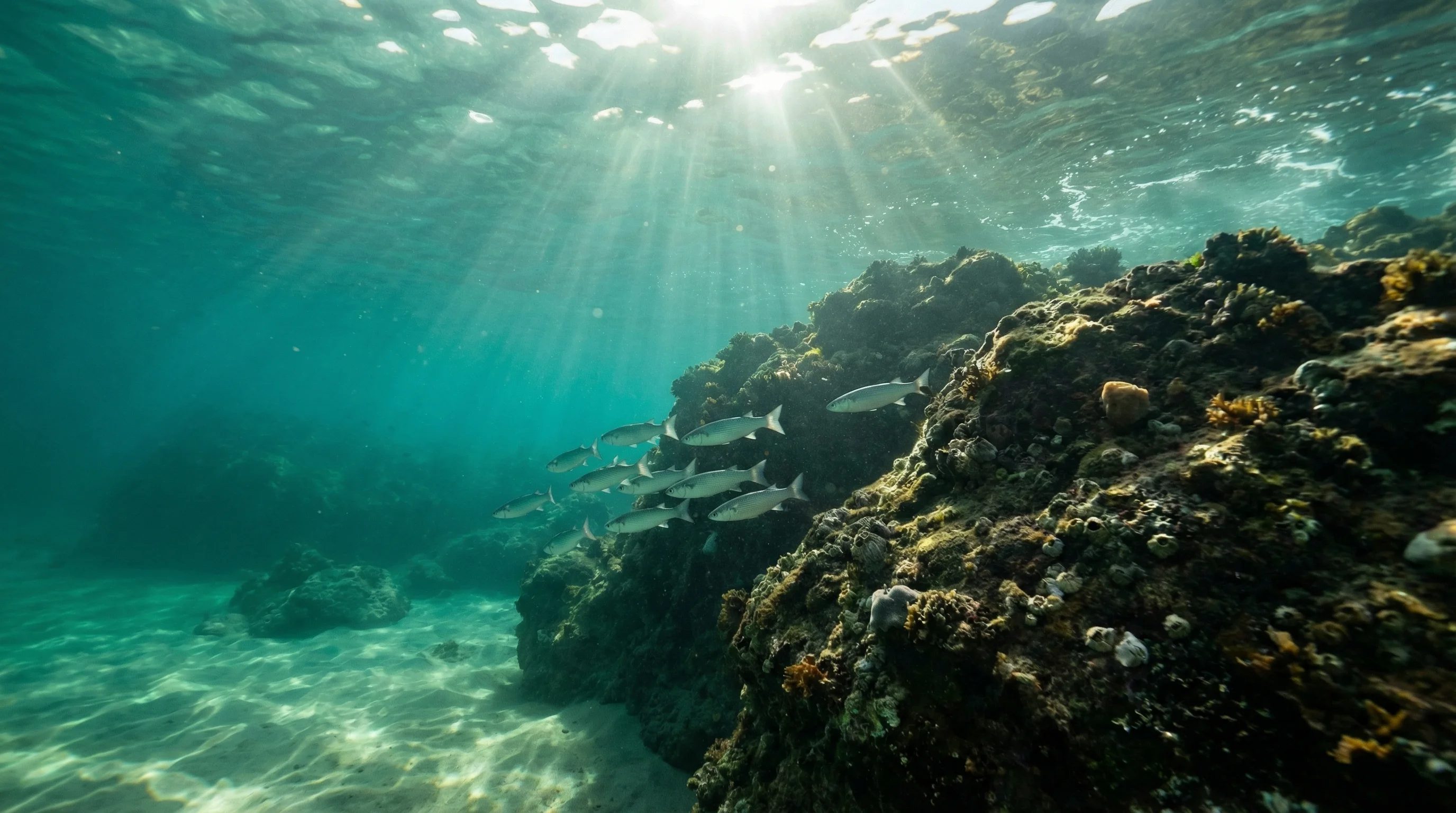
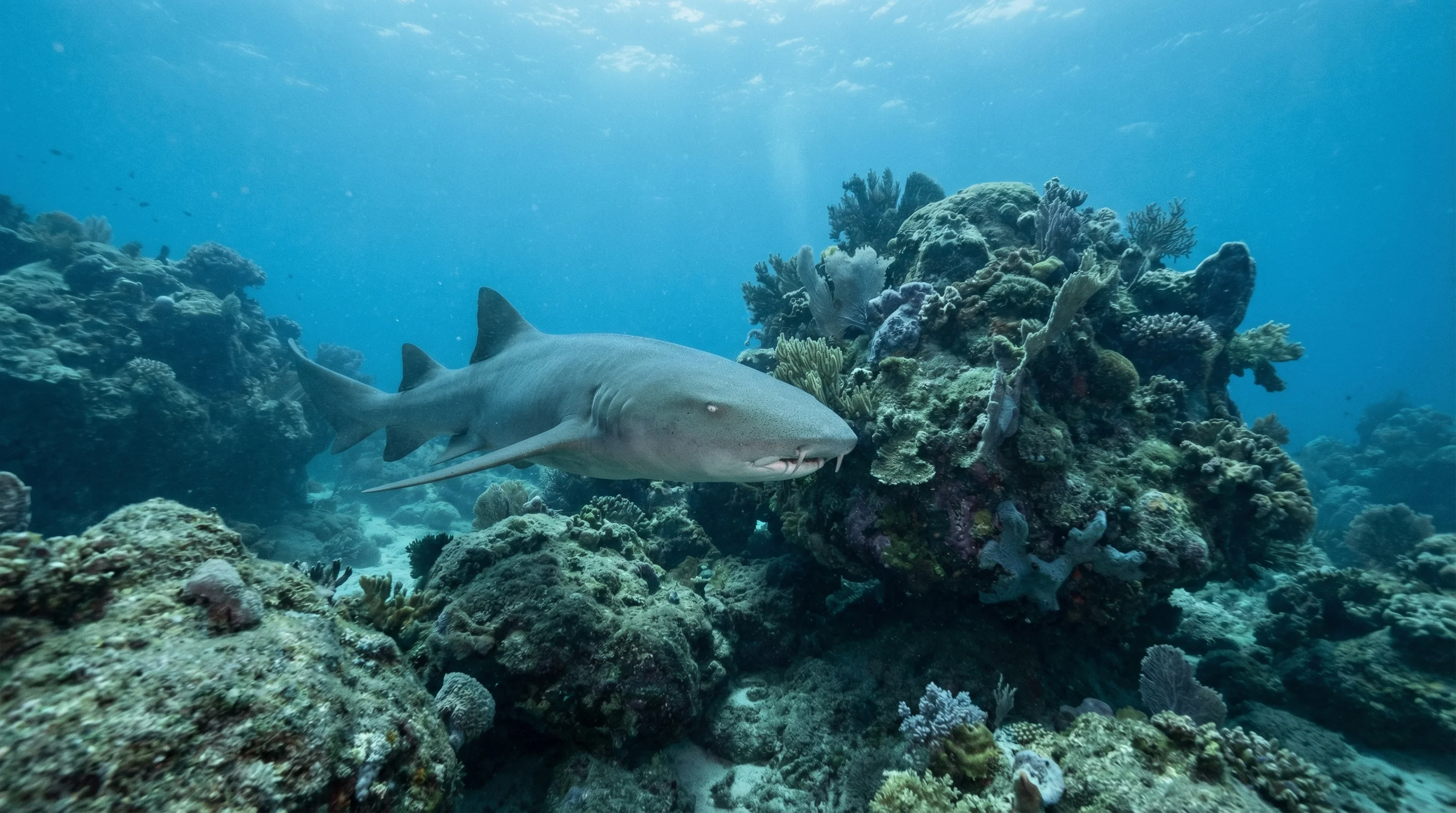
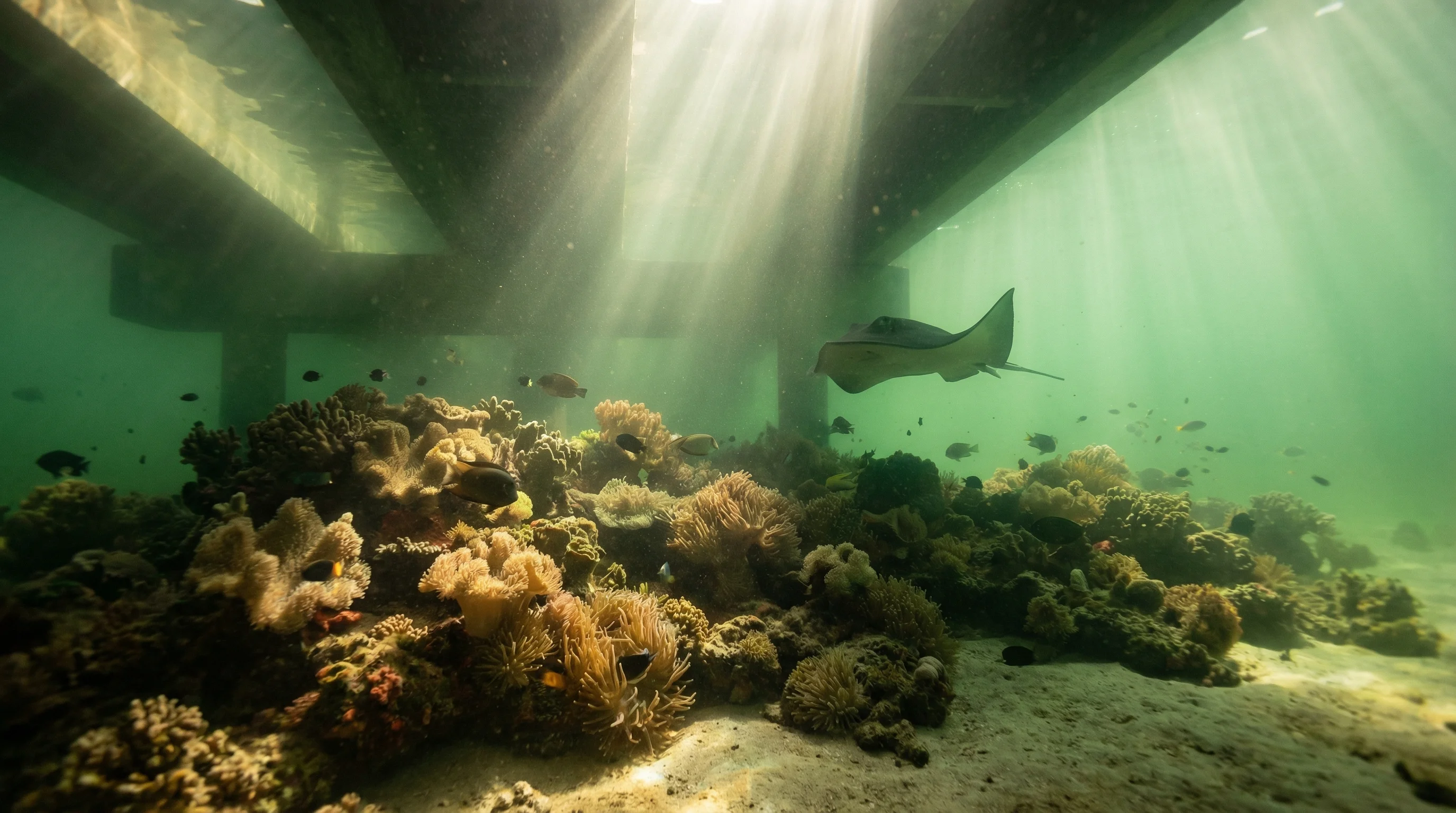
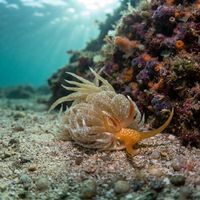
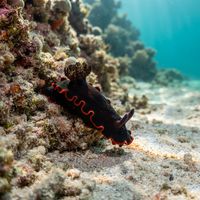
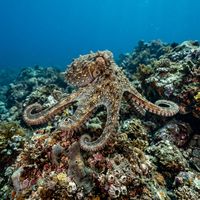
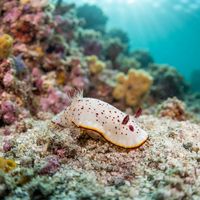
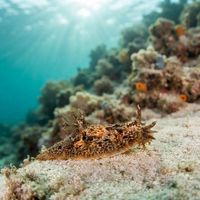
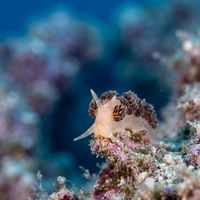
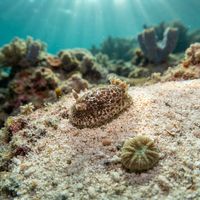
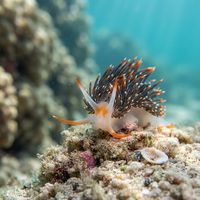
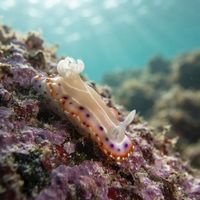
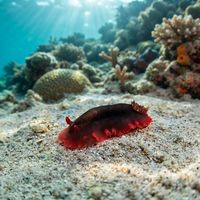
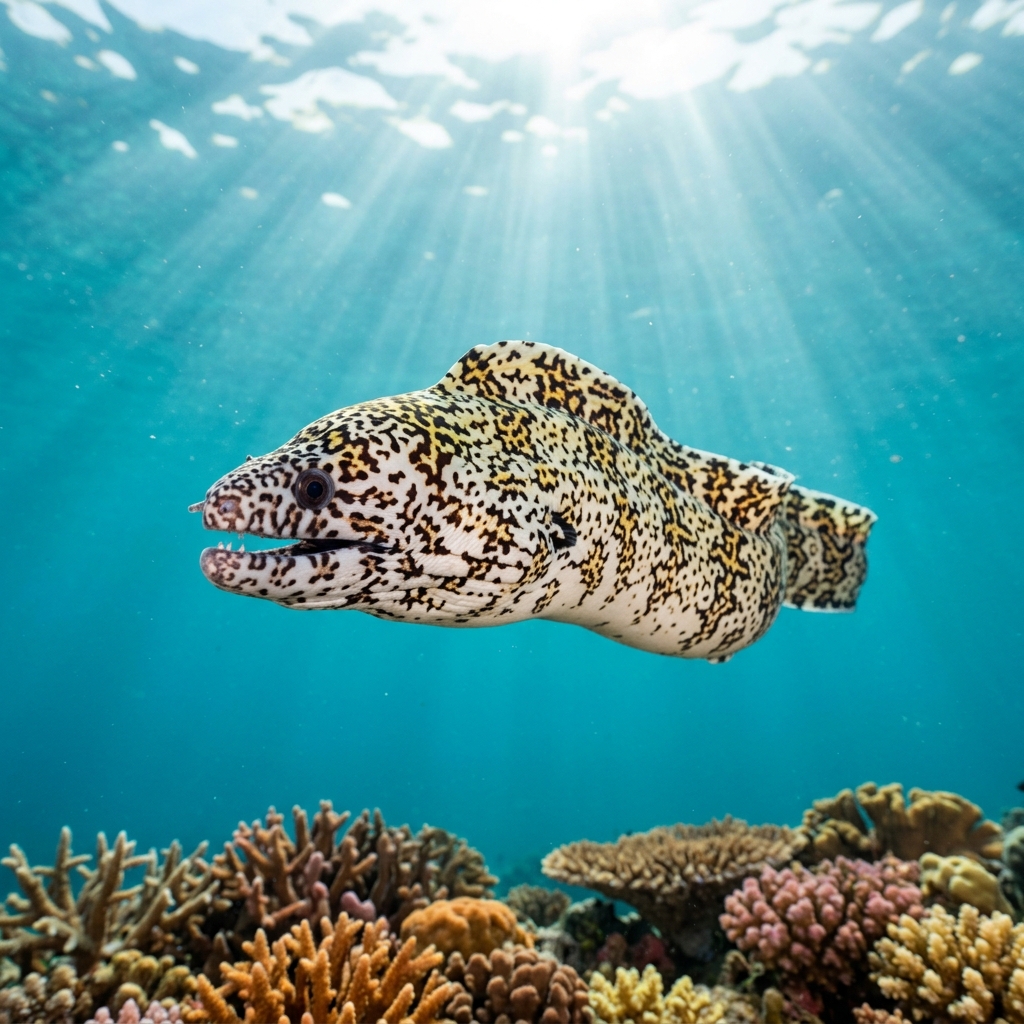
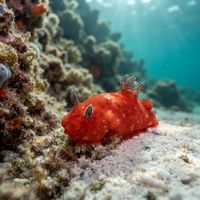
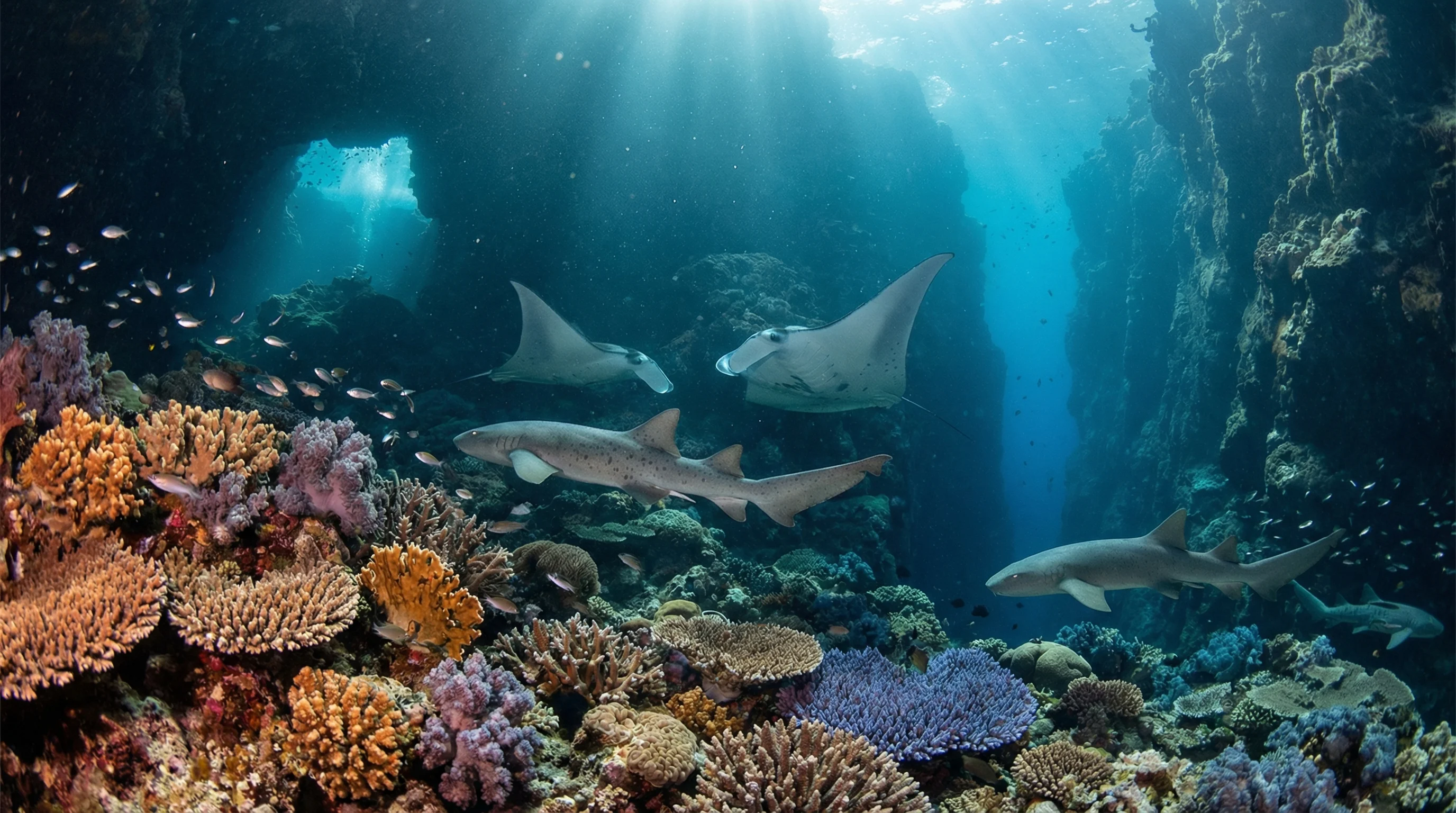
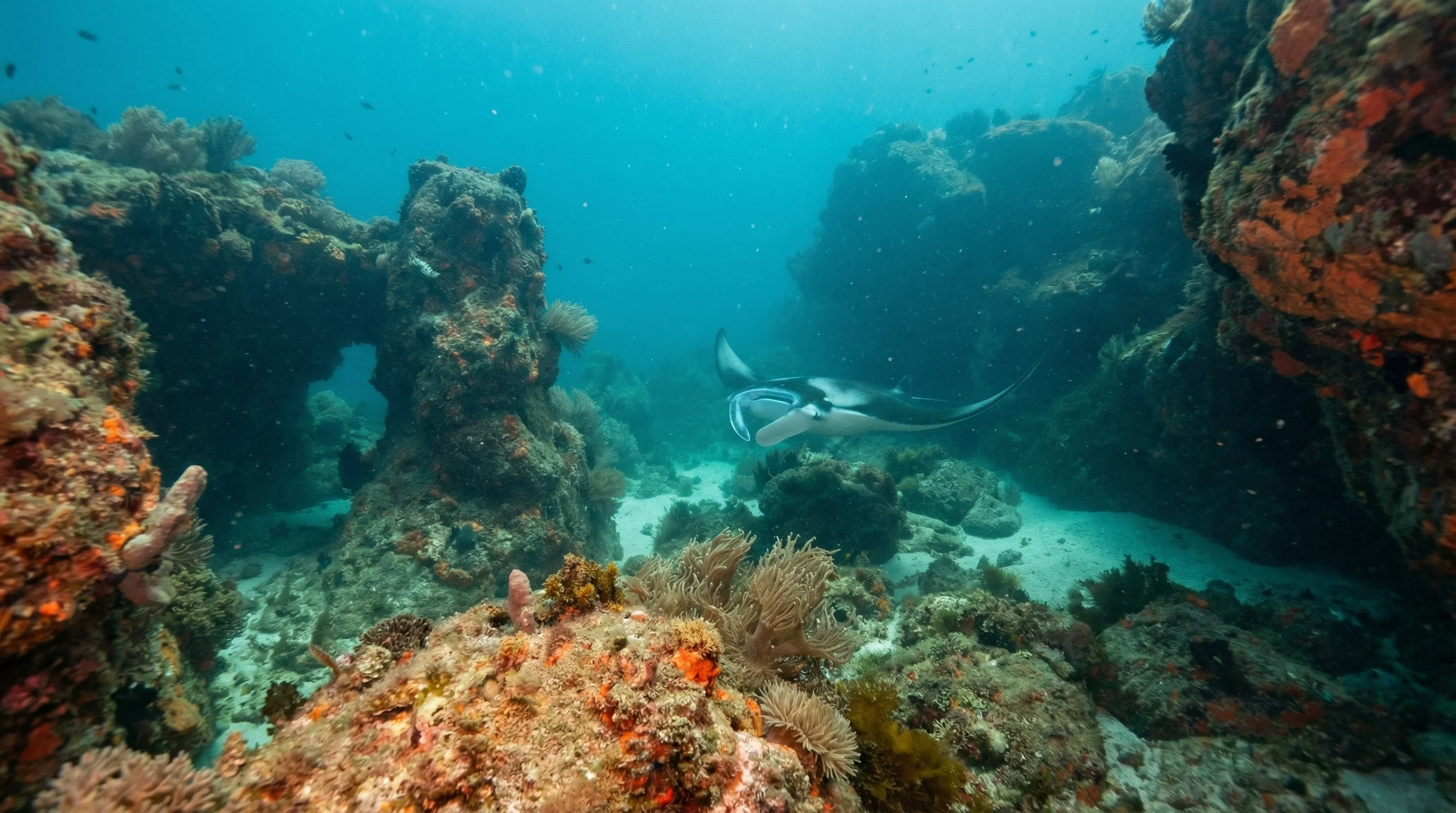
Palm Beach Reef covers a stretch of Gold Coast coastline where ocean reef, an artificial reef structure, and an estuarine site at Tallebudgera Creek give divers a varied mix within a small area. Sites range from very shallow shore entries to a boat-accessible reef sitting in deeper water. Conditions vary considerably across the area: Elephant Rock is exposed to open ocean swell and suits intermediate divers, while the offshore Palm Beach Reef site offers manageable conditions for beginners. The species list leans heavily toward nudibranchs and molluscs, with Leopard Shark, Eastern Blue Groper, Zebra Lionfish, and Common Stingray also recorded.
Monthly water temperature across Palm Beach Reef's sites, from satellite sea-surface data corrected for depth. The band shows the site-to-site spread.
Water temperatures follow a marked seasonal pattern, peaking in late summer and falling to their coolest in late winter and early spring. A five-millimetre wetsuit is practical for the cooler months, while a shorty or three-millimetre suit suits the summer peak.
Water temperature around Palm Beach Reef ranges from about 21°C in August to 27°C in March, based on satellite sea-temperature data for its dive sites.
In the warm season (about 27°C) a rash guard or 3mm shorty is comfortable in Palm Beach Reef; in the coldest months (about 21°C) step up to a 5mm suit.
Fin maps 4 sites in Palm Beach Reef (2 scuba diving sites and 2 snorkelling spots).
4 more sites to explore