Best for intermediate divers, 2-30m, shore entry, moderate current.
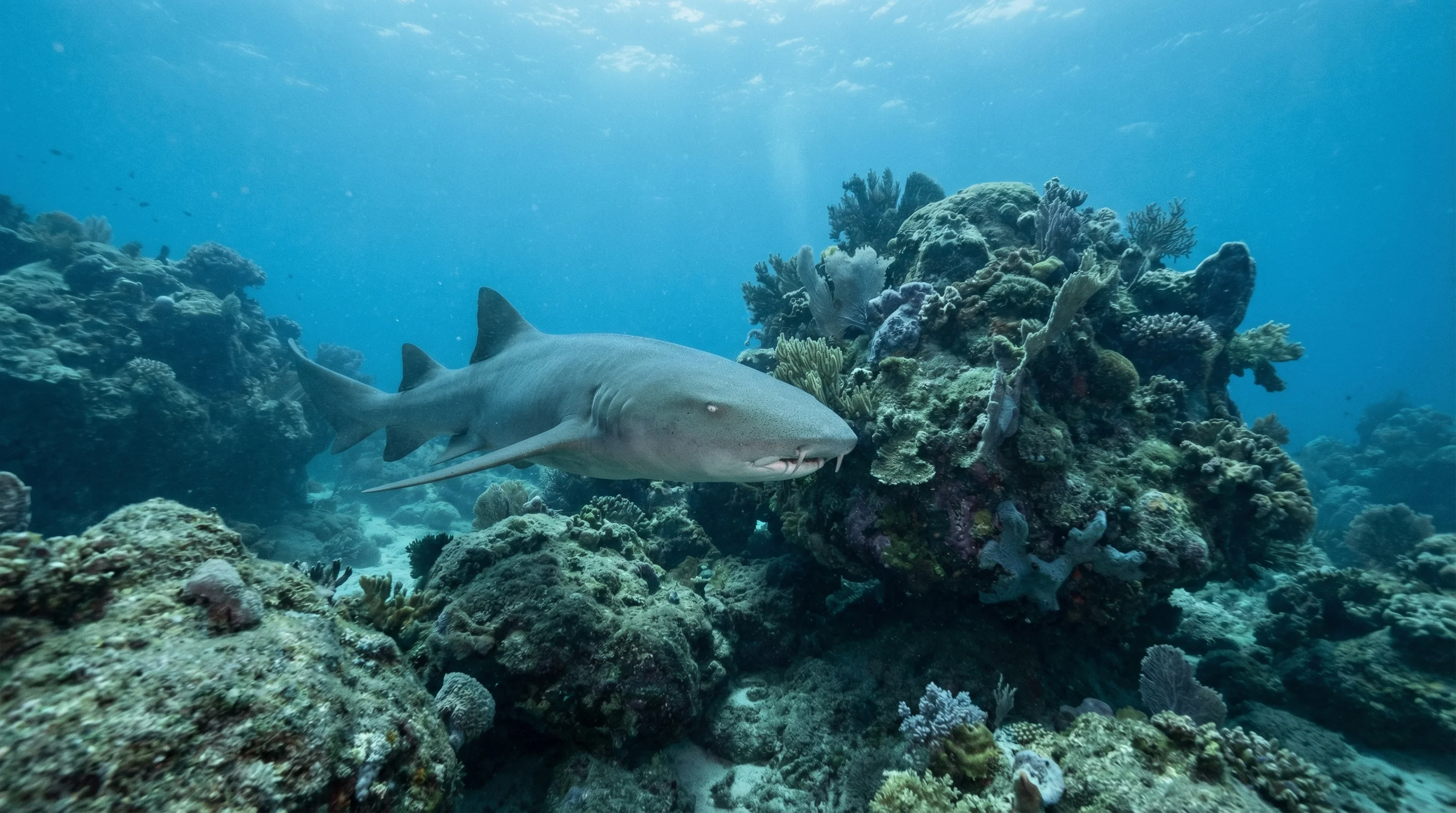
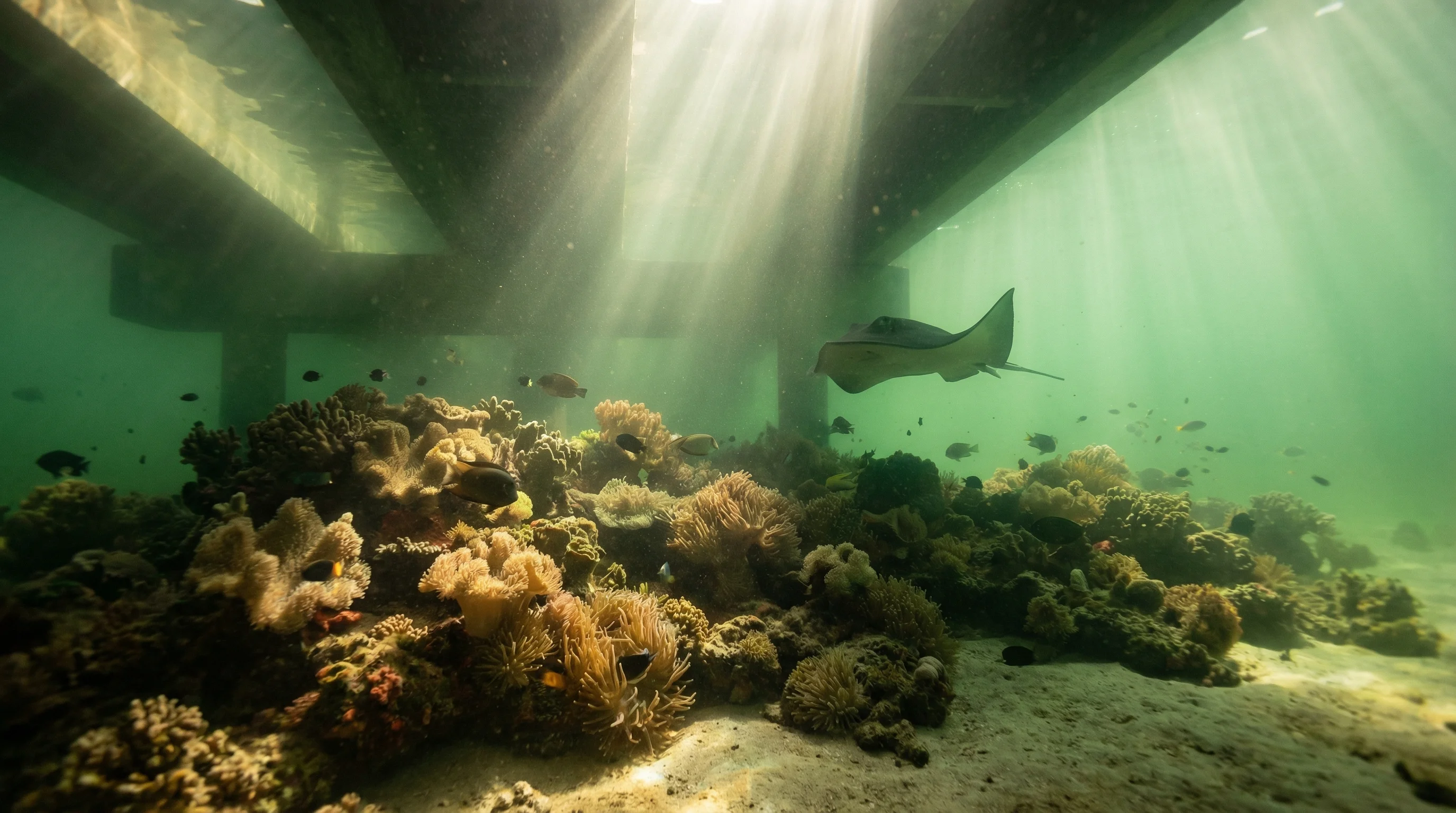
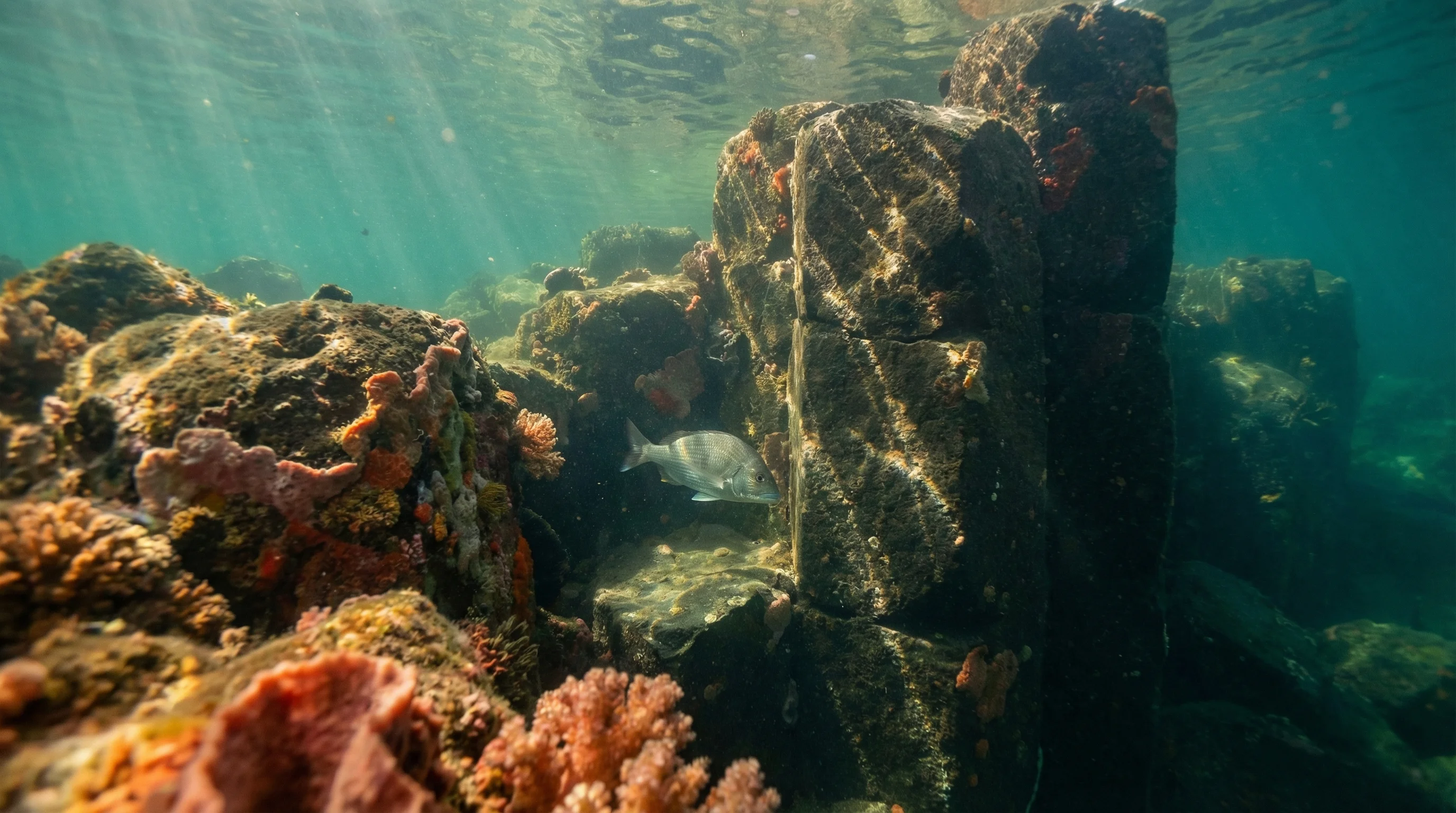
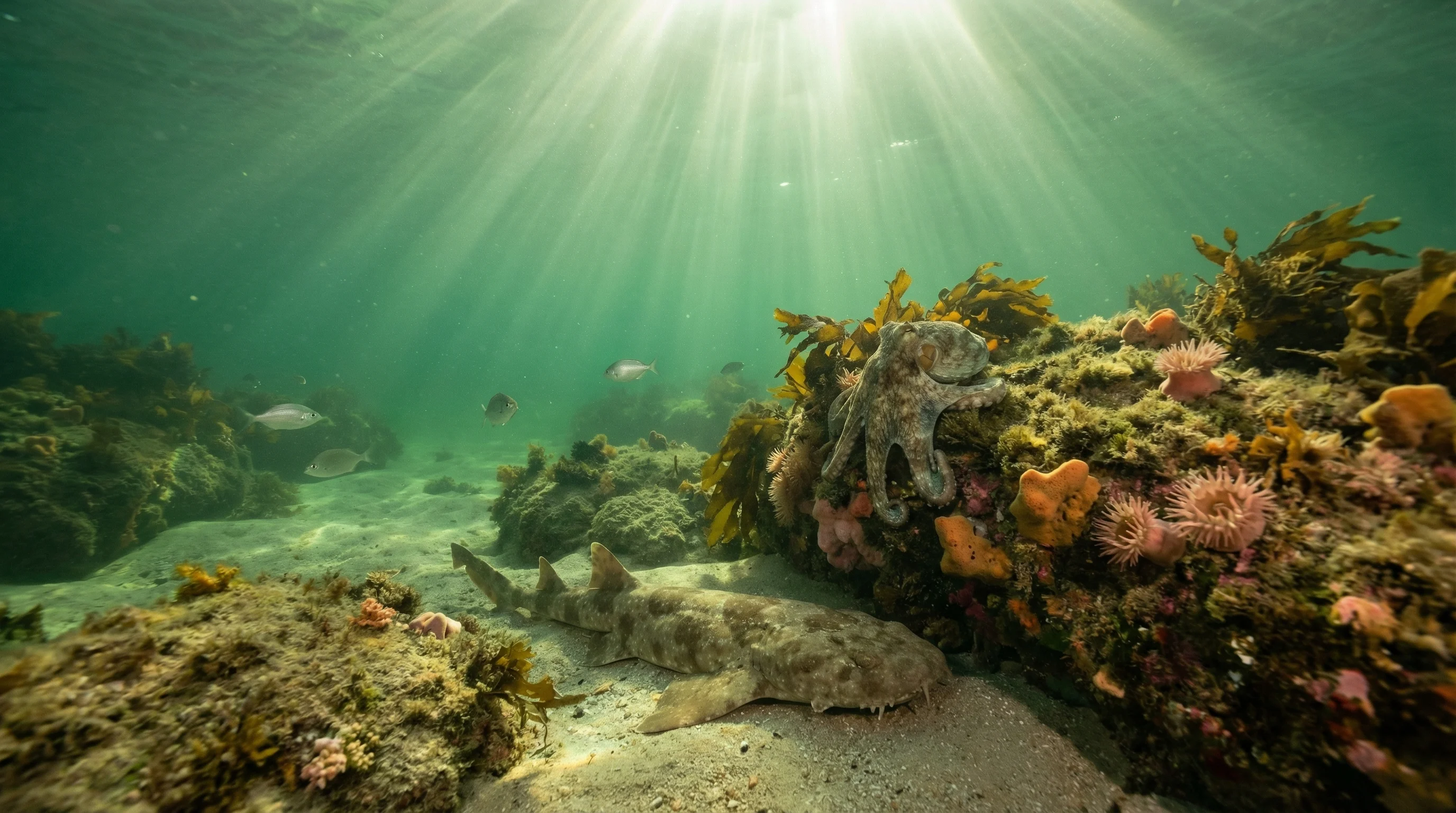
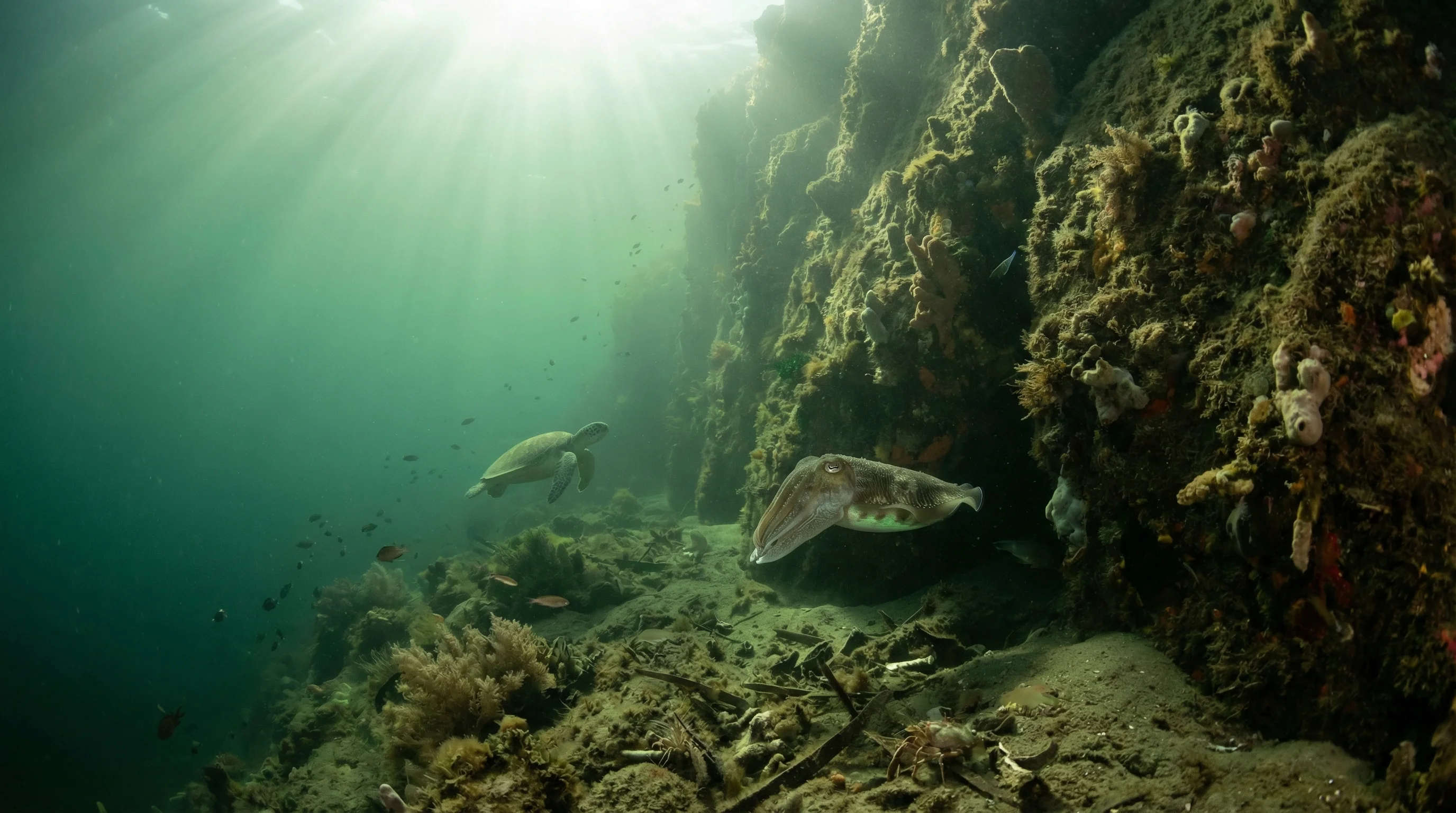
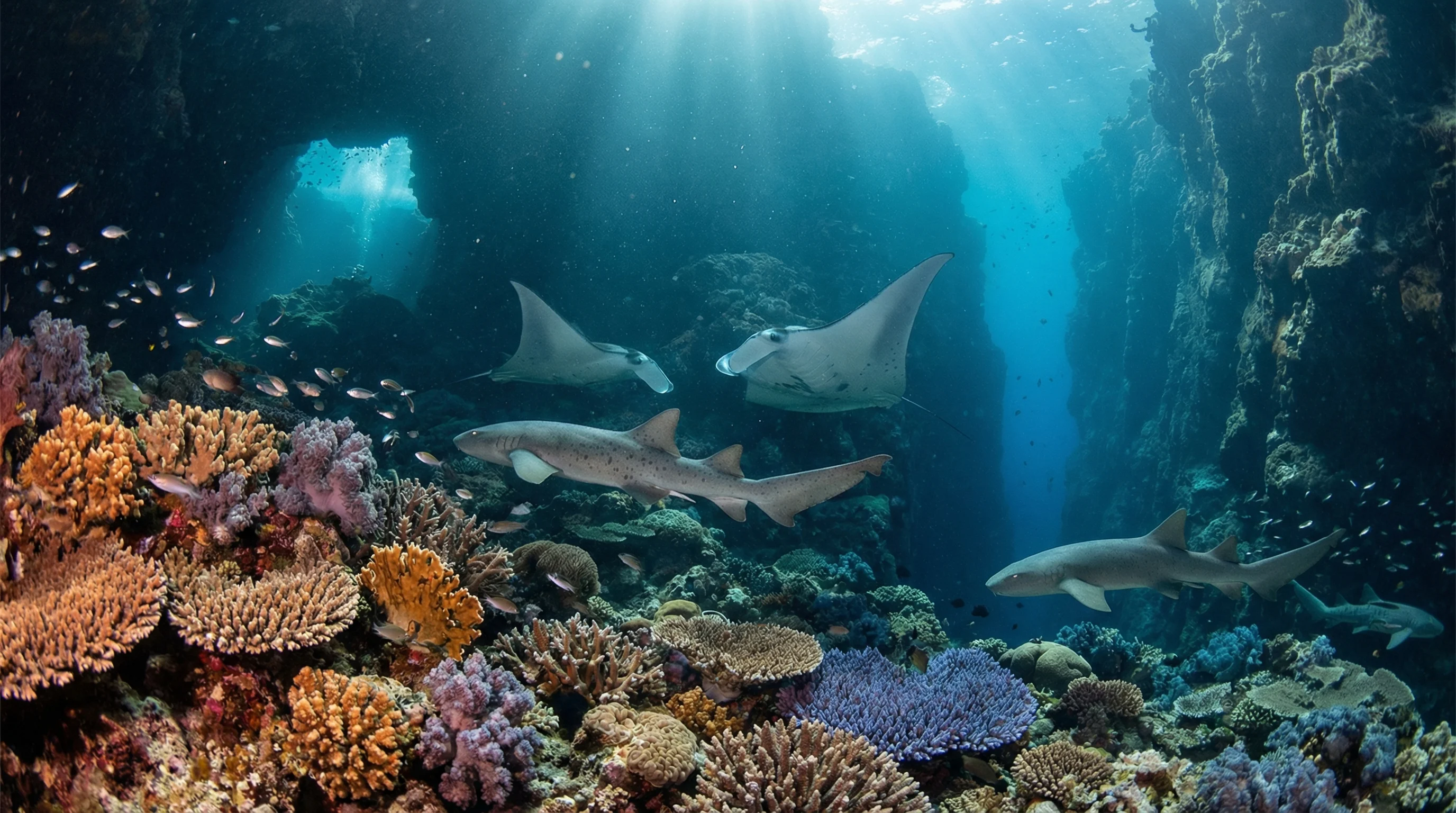
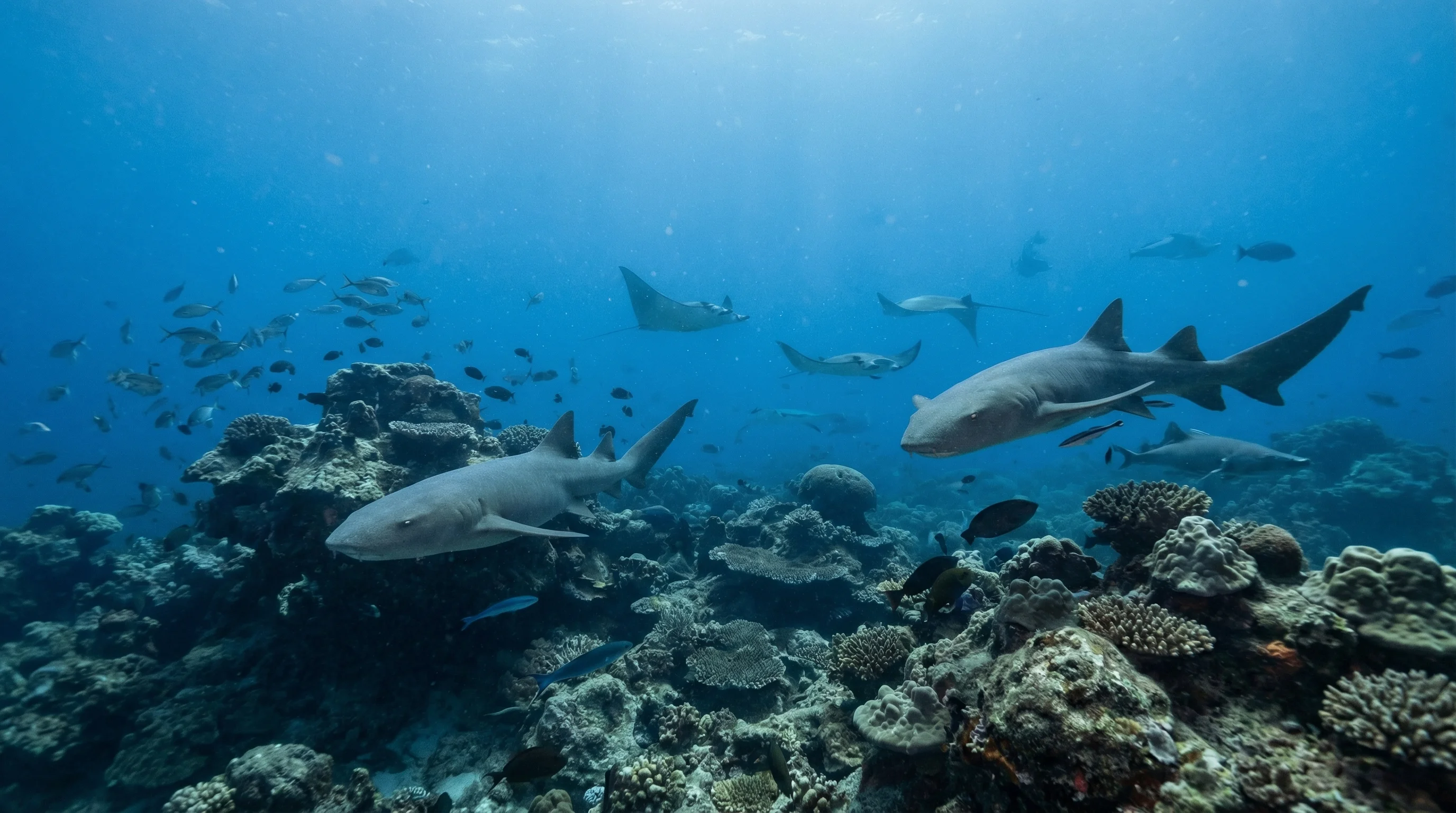
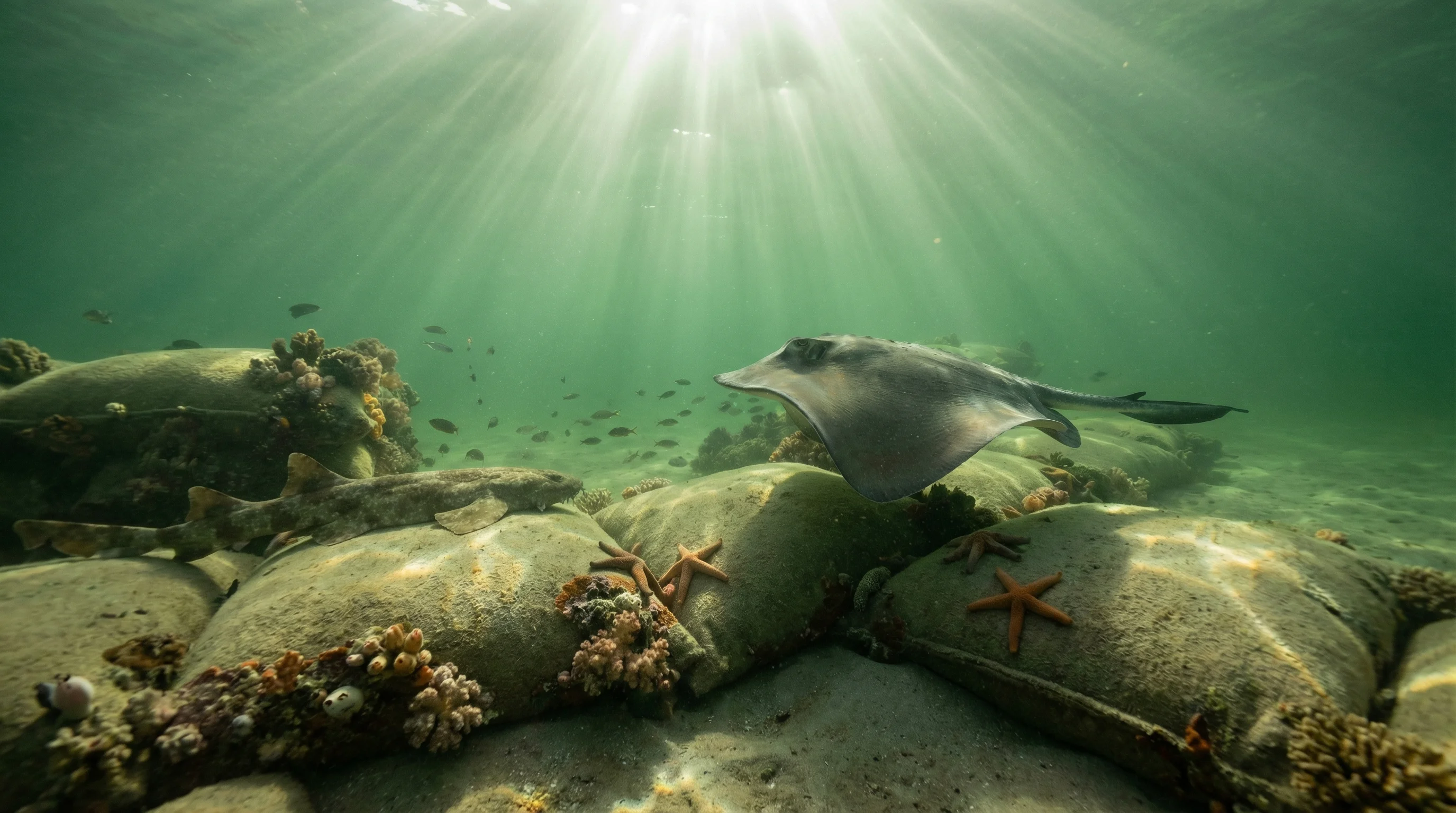
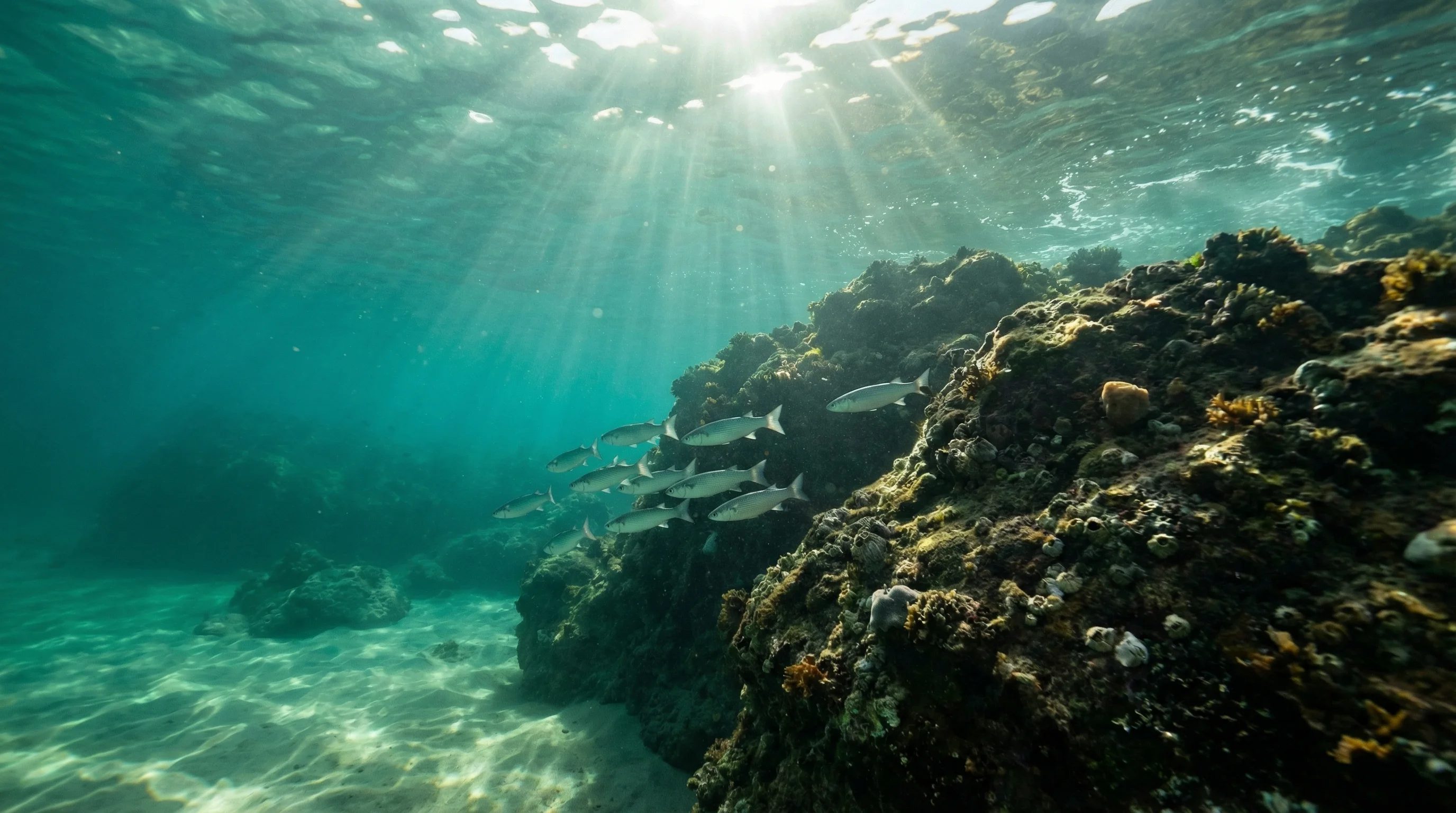
Elephant Rock at Palm Beach Reef is a challenging shore dive suited for intermediate divers. The site features reef topography with sharp coral formations and depths ranging from 2 to 30 metres. Divers must navigate moderate currents and potential surge, as the area is exposed to open ocean conditions and significant swells. Visibility typically fluctuates between 10 and 25 metres. Entry requires careful observation of surf conditions and tidal movement to ensure a safe transition. Facilities at the site include parking, toilets, and showers. Due to the exposed nature of the location and variable currents, this site is best suited for those with strong buoyancy control and experience in dynamic coastal environments.
-28.13230, 153.49070
Dive this site on an incoming tide during the April to November window when conditions tend to be most manageable and you are less likely to be fighting both swell and current simultaneously. Check the surf report before you go, as conditions can change quickly and a clean entry depends on reading the sets correctly.
Access is from Currumbin Beach. Parking is available in surrounding streets and at the nearby Currumbin Beach Vikings Surf Life Saving Club, though it can be limited.
Recorded nearby, within 20km
Depth
Up to 30m
Visibility
10-25m
Skill Level
Intermediate
Entry
Shore
Water Temp
21-27°C
Current
Moderate
Typical Dive
45 min
Best Time
Year-round
The site offers depths ranging from 2 to 30 metres.
No, this site is intended for intermediate divers due to the presence of moderate currents, surge, and the need to navigate sharp coral formations.
Elephant Rock is a shore dive. Entry requires careful timing to manage surf conditions and potential rips.
Snorkelling is not recommended at this site, with a rating of 1 out of 5 due to the challenging surf and current conditions.
Diving at Elephant Rock in Gold Coast requires the following certifications: Open Water. Always dive within your training limits.
A 3mm wetsuit is recommended for diving at Elephant Rock in Gold Coast. Water temperatures range from 21°C to 27°C.
The best months to visit Elephant Rock in Gold Coast are April, May, June, July, August, September, October, November, January, February, March, and December. Conditions outside these months can still be good but are less predictable.
Expect moderate currents at Elephant Rock in Gold Coast. Good buoyancy control and some drift diving experience is helpful.
Visibility at Elephant Rock in Gold Coast typically ranges from 10 metres to 25 metres. Conditions vary with weather, tides, and seasons.