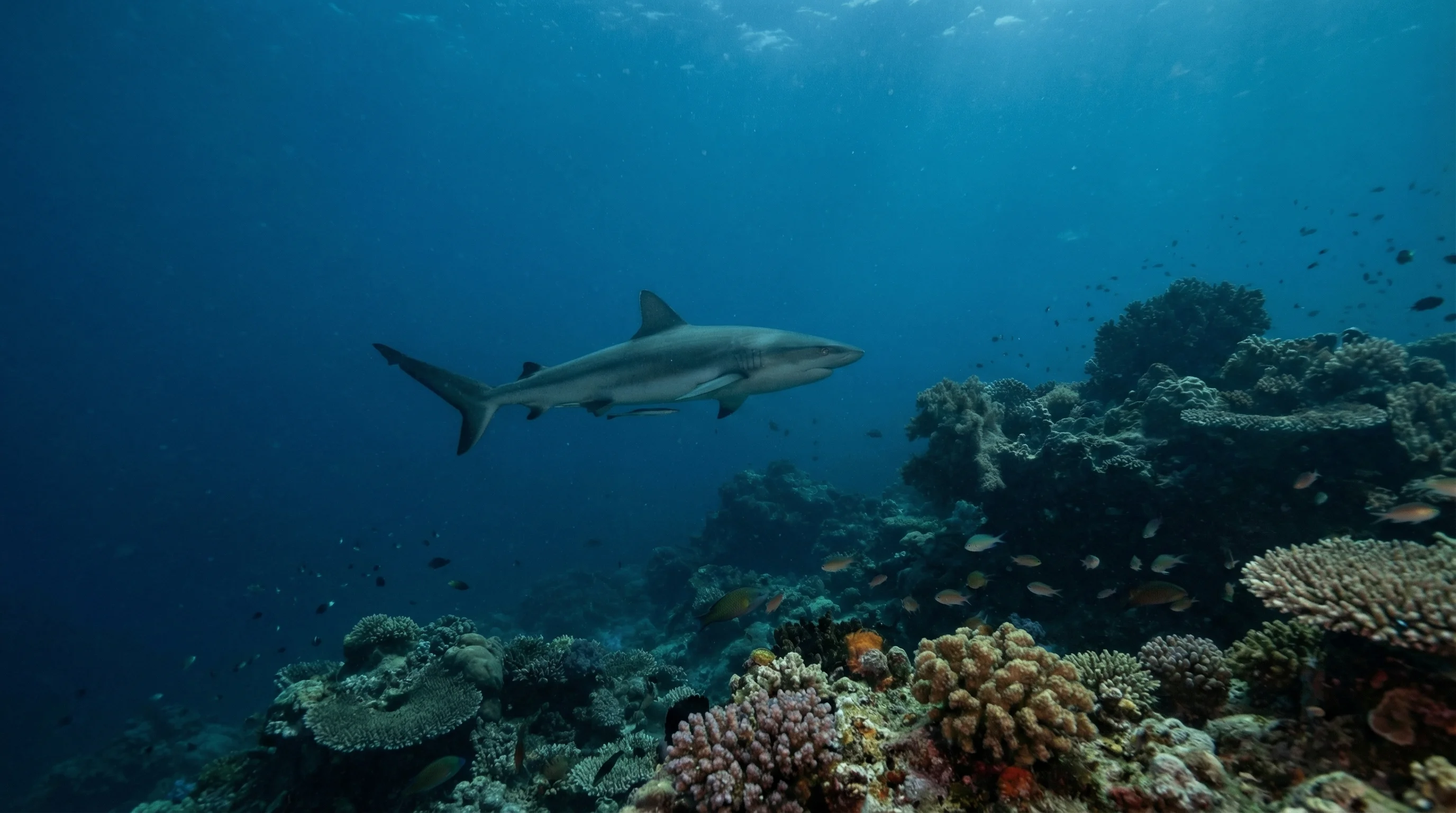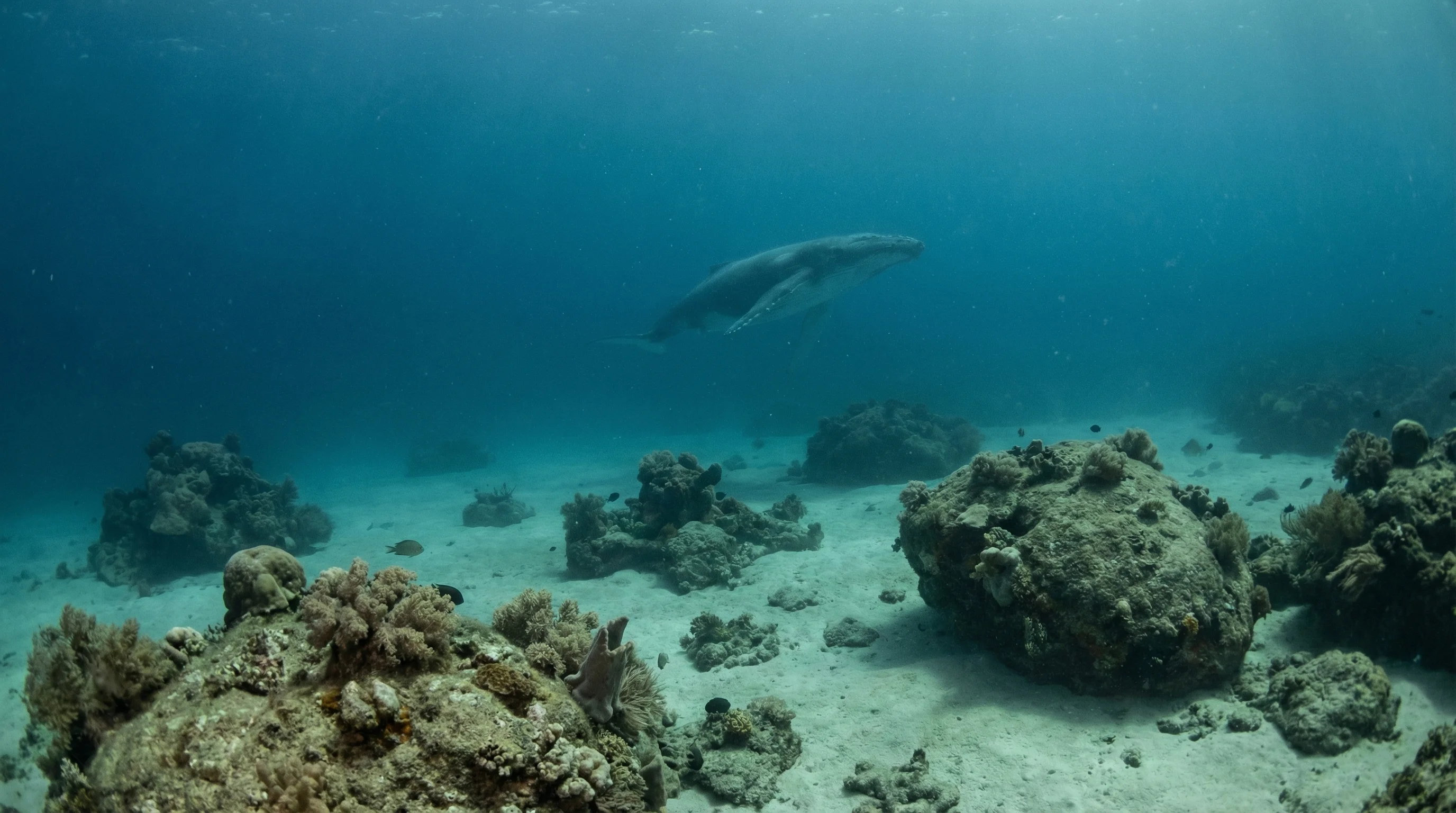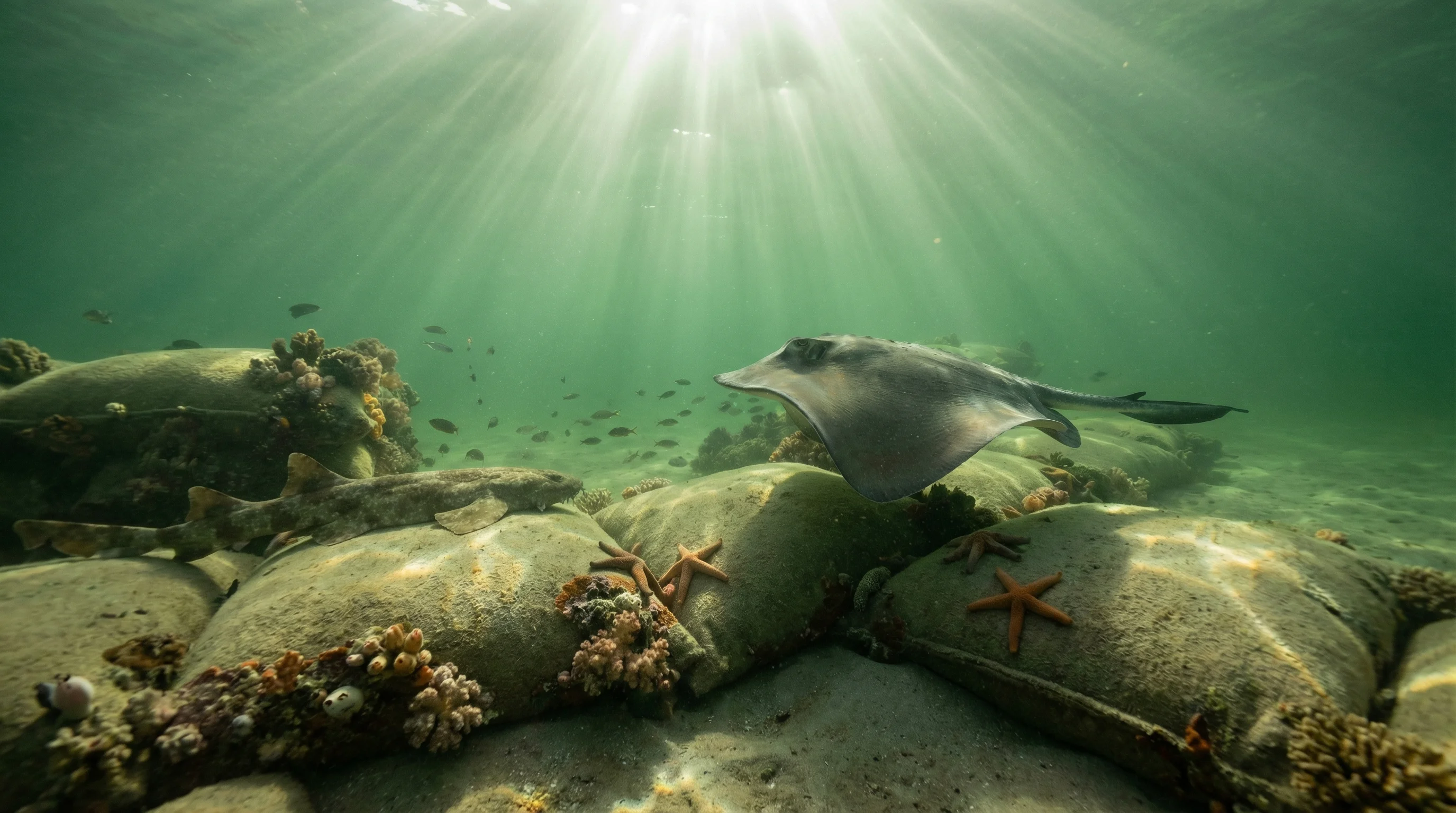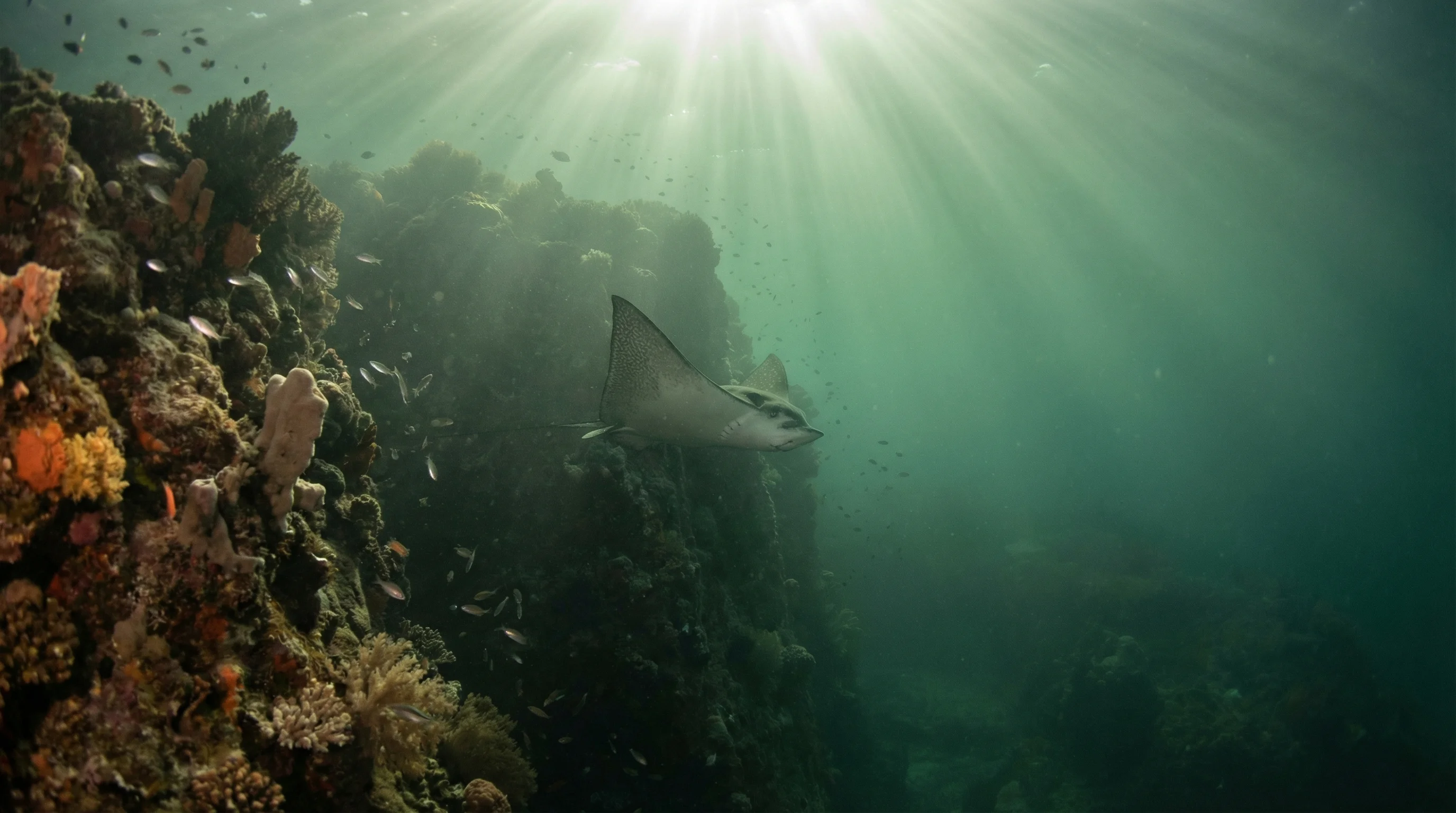
Best for beginner divers, 0-15m, boat entry, mild current.
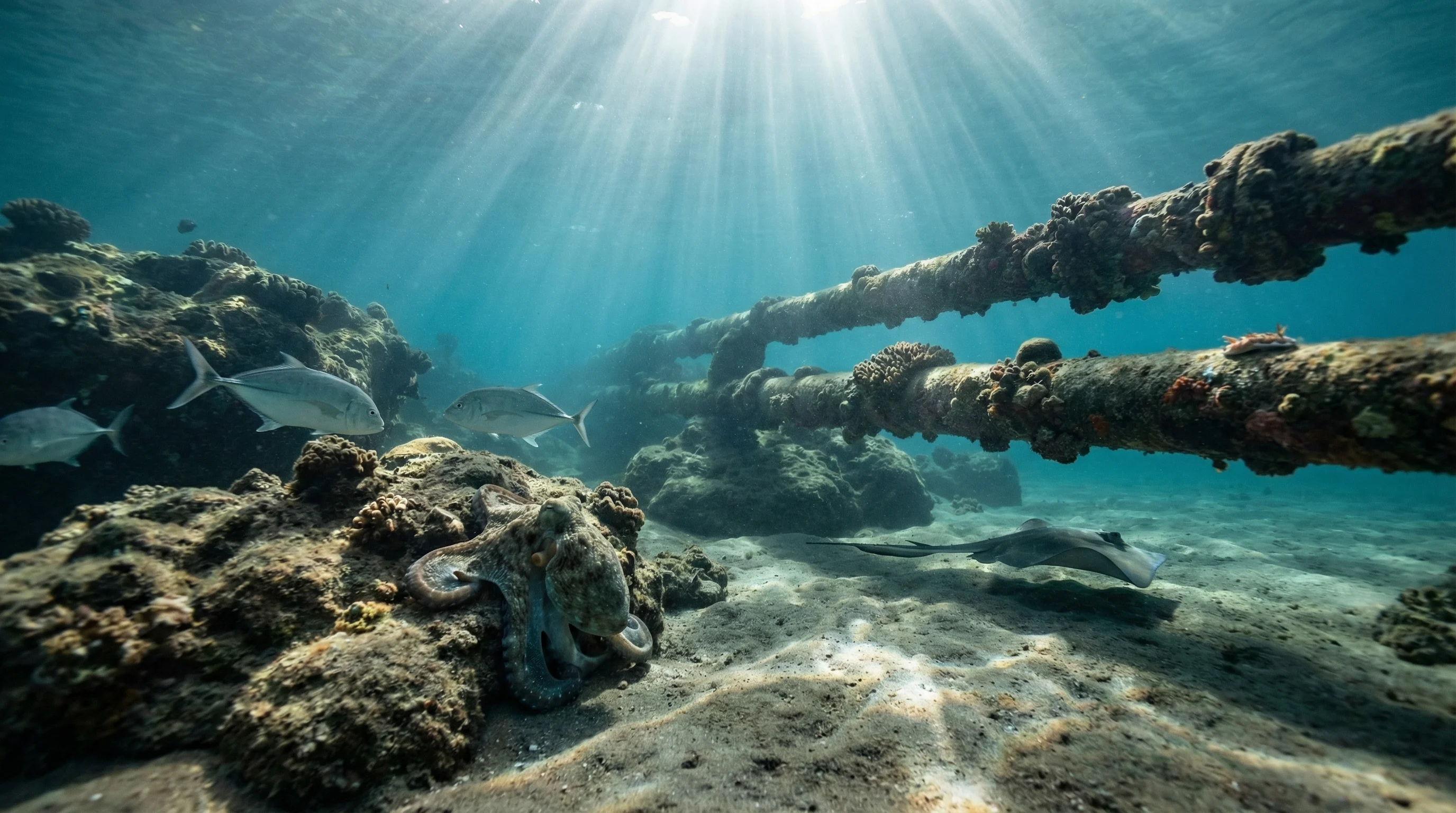
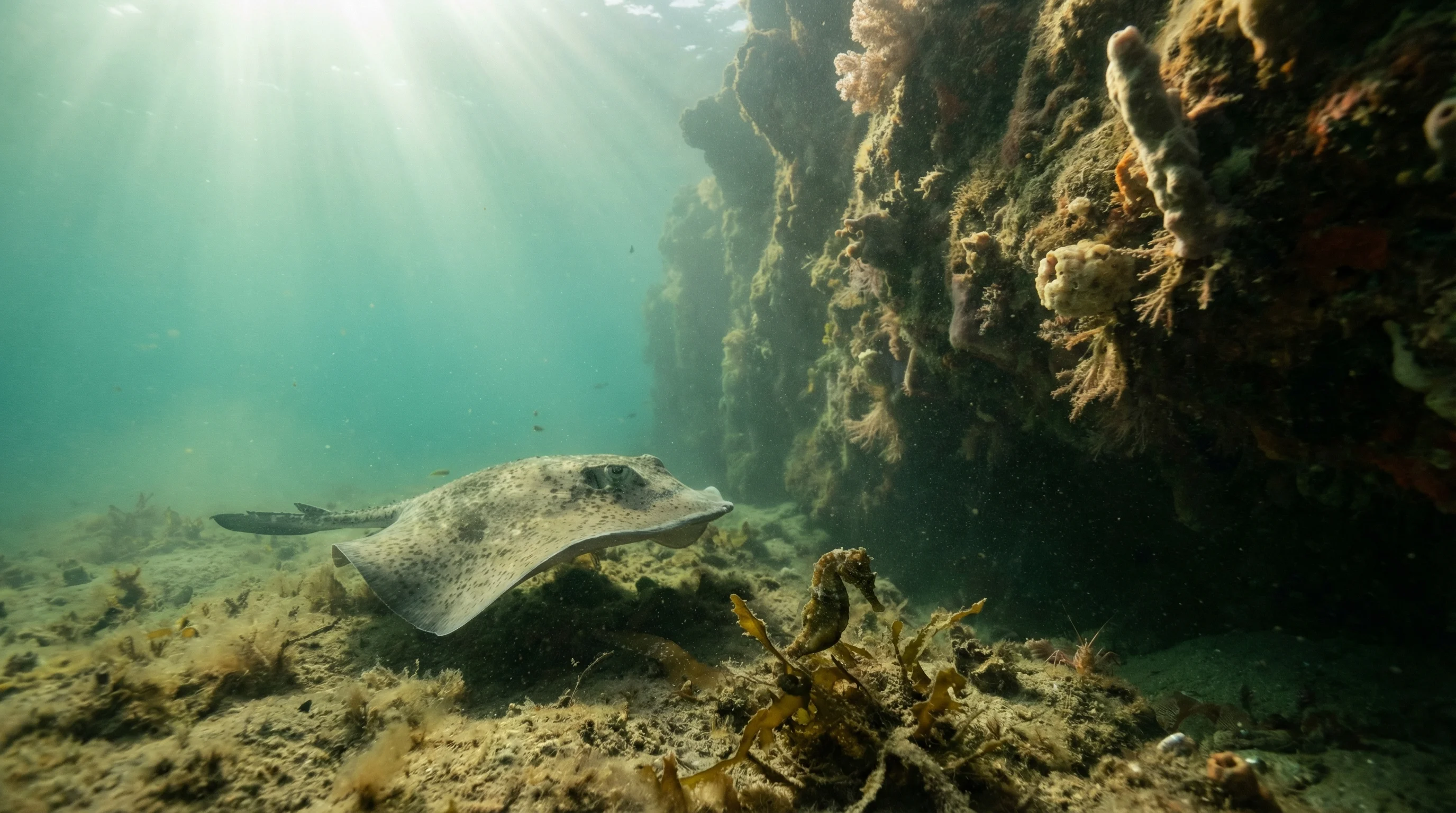
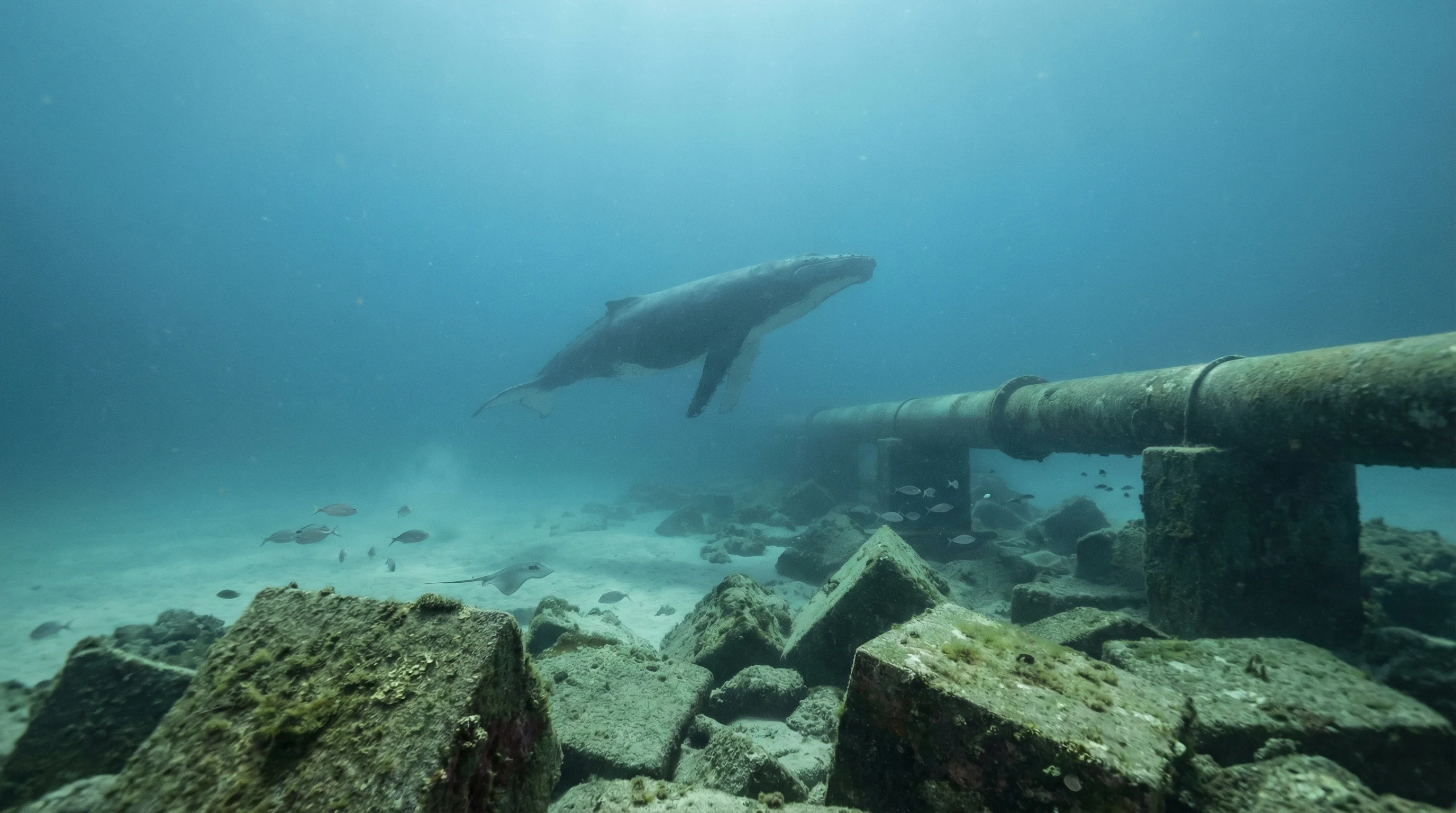
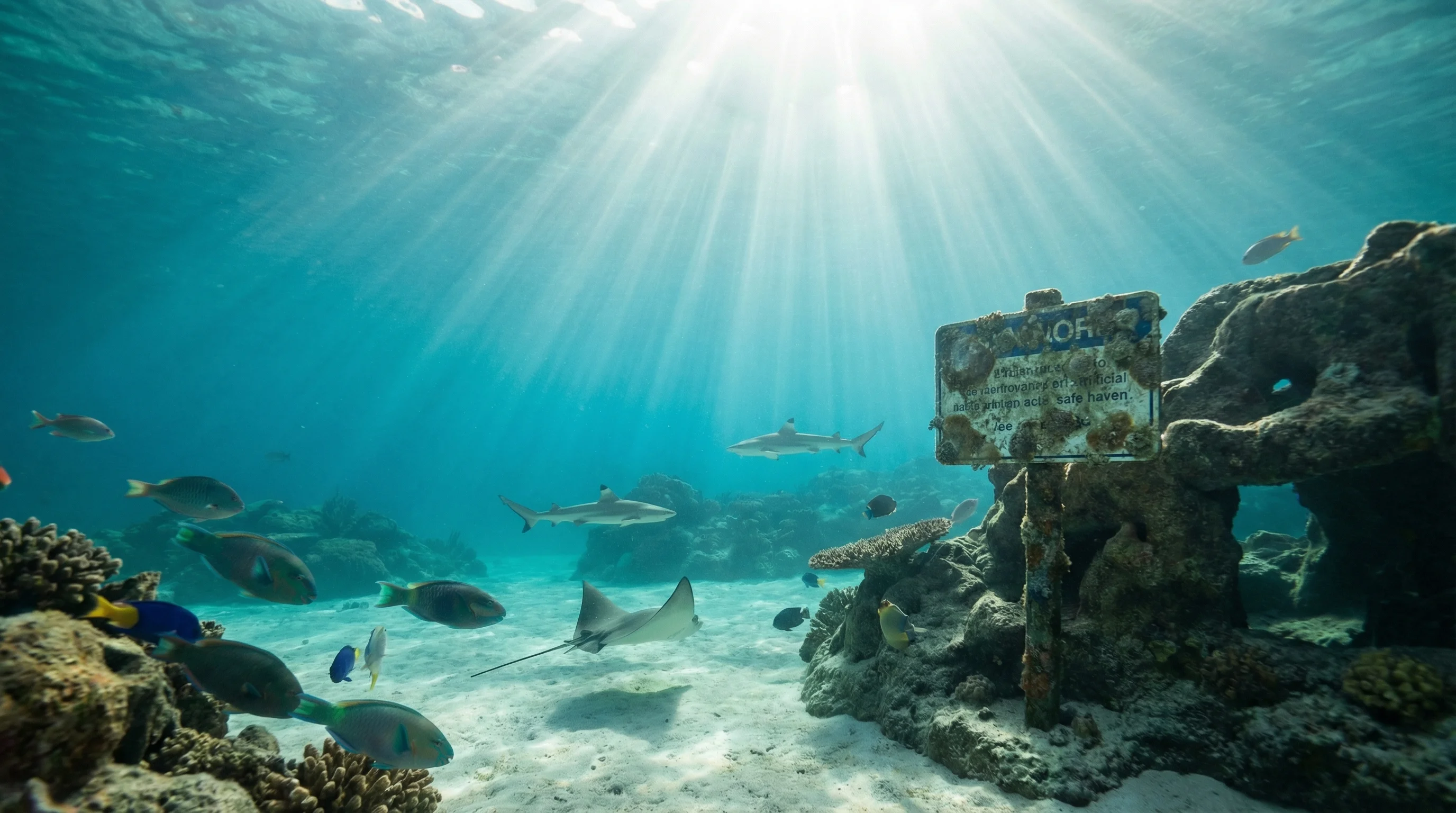
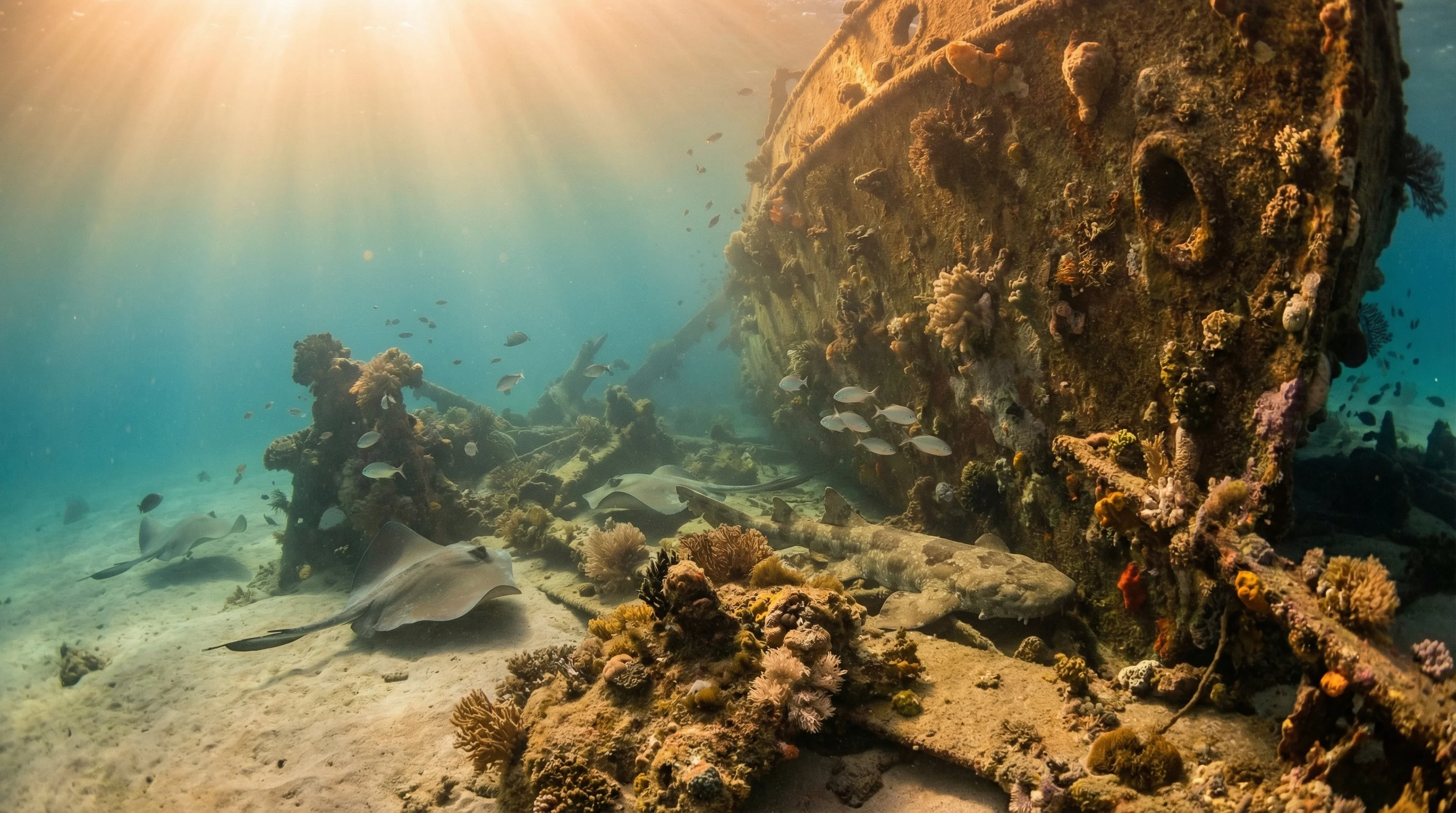
Wave Break Island is an artificial reef located at the Gold Coast Seaway, offering an approachable environment for beginner divers. The site consists of rocky rubble and reef structures that extend from the surface to a maximum depth of 15 metres, with an average depth of 4 metres. The island provides protection from ocean swell, though divers must remain cautious of boat traffic in this active waterway. Visibility typically ranges between 3 and 15 metres, often improving after rain. Currents are tidal, so planning dives around slack water is recommended to maintain mild conditions. Boat access is required to reach this site.
-27.93262, 153.41871
Time the dive around high slack tide for the cleanest water, with the 30-minute window before and after high being optimal.
Accessible only by boat from marinas such as Mariners Cove Marina or 95 Marine Parade, Southport.
Recorded at this site
Depth
Up to 15m
Visibility
3-15m
Skill Level
Beginner
Entry
Boat
Boat required
Water Temp
21-27°C
Current
Mild
Typical Dive
30 min
Best Time
Jan, Feb, Mar, Apr, May, Jun, Jul, Aug, Nov, Dec
There is no specific data provided regarding marine life sightings at this site.
Yes, the site is considered suitable for beginners due to its approachable artificial reef structure and generally mild currents.
The site ranges from the surface to a maximum depth of 15 metres, with an average depth of 4 metres.
This is a boat dive; a boat is required to access the site.
The best months to dive are January, February, March, April, May, June, July, August, November, and December.
Diving at Wave Break Island in Southport requires the following certifications: Open Water. Always dive within your training limits.
Yes, equipment rental is available at or near Wave Break Island in Southport. Contact local dive operators for specific gear availability and prices.
A 3mm wetsuit is recommended for diving at Wave Break Island in Southport. Water temperatures range from 21°C to 27°C.
Divers at Wave Break Island in Southport should be aware of lionfish, stonefish, sharks. These encounters are generally rare and avoidable with proper awareness. Follow local safety guidance and maintain a respectful distance from all marine life.
Wave Break Island in Southport typically has mild currents that most divers can handle comfortably.
Visibility at Wave Break Island in Southport typically ranges from 3 metres to 15 metres. Conditions vary with weather, tides, and seasons.