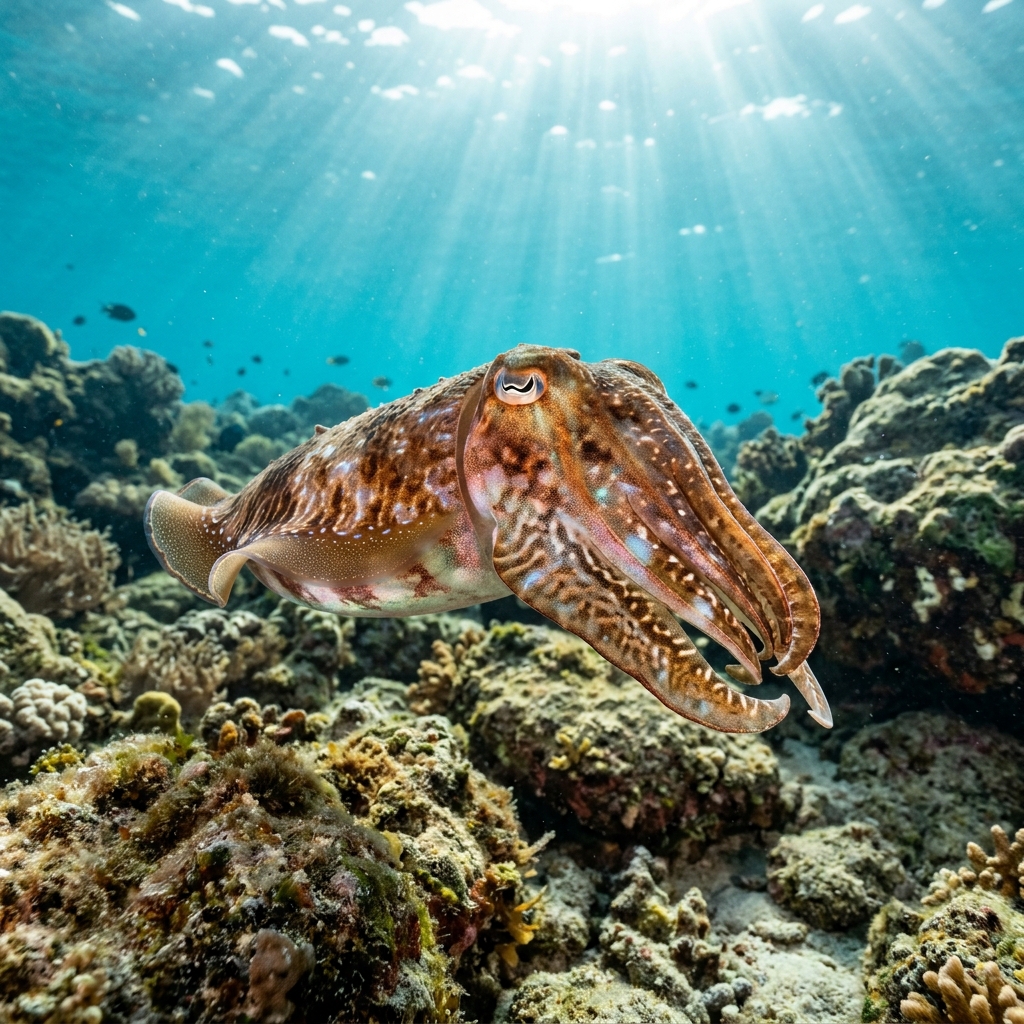
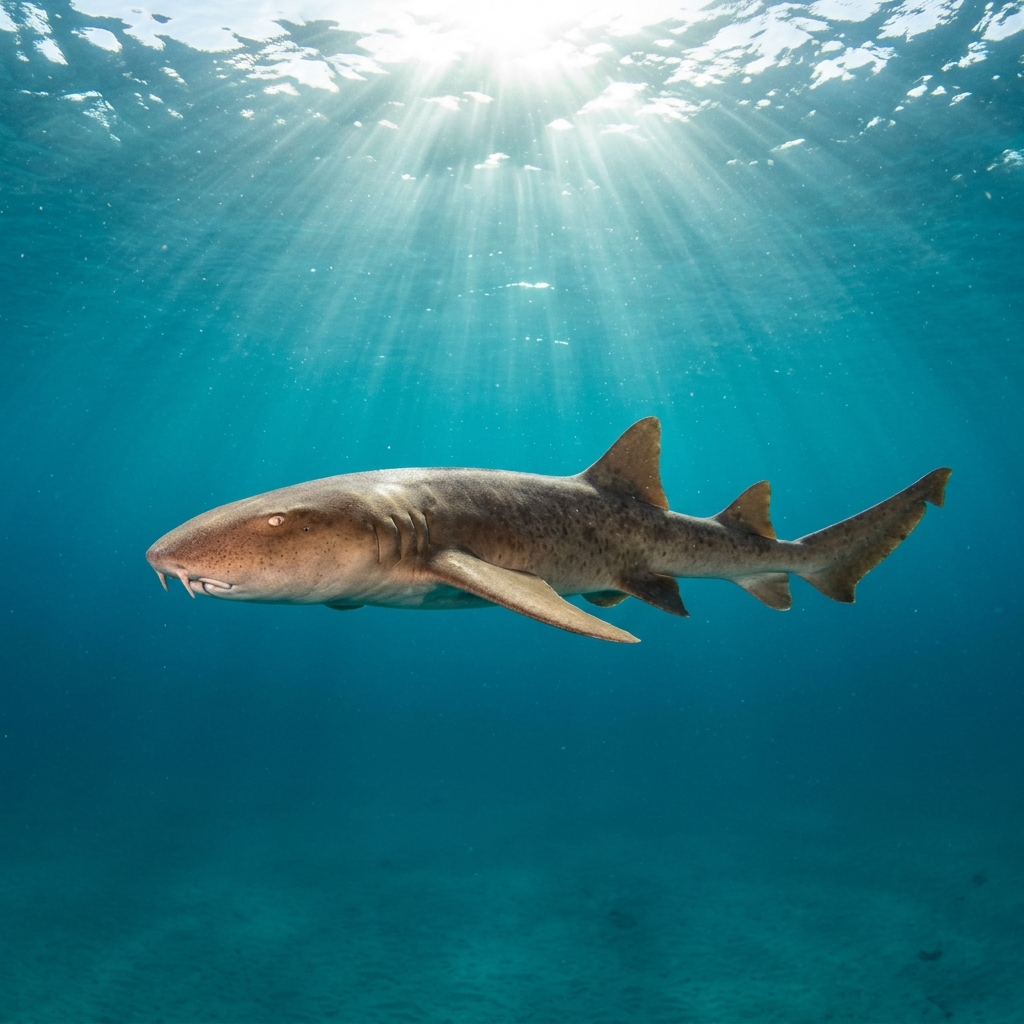
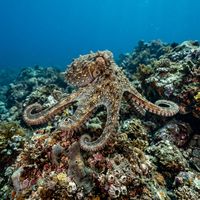
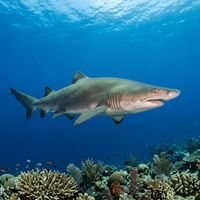
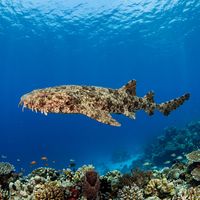
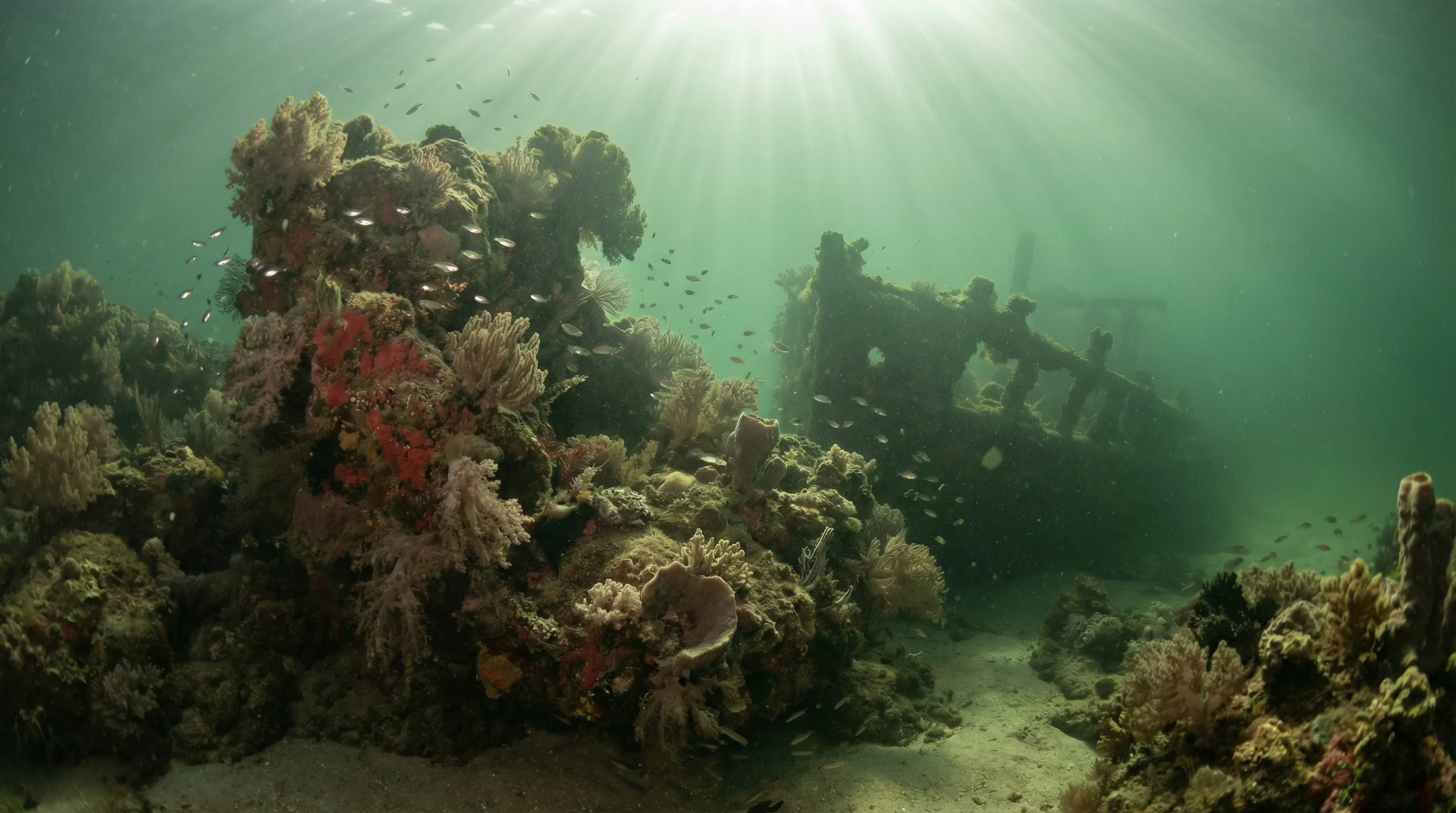
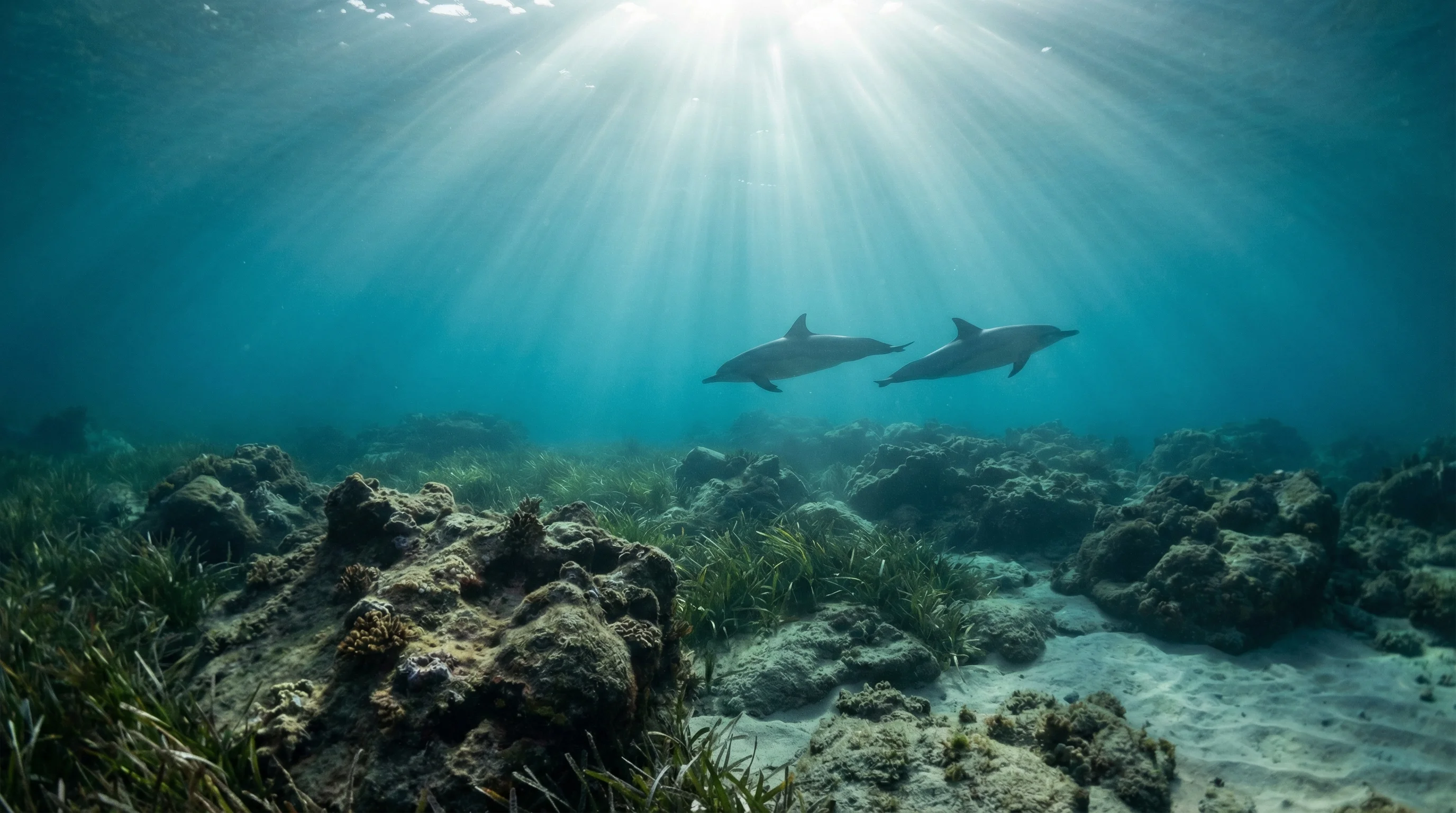
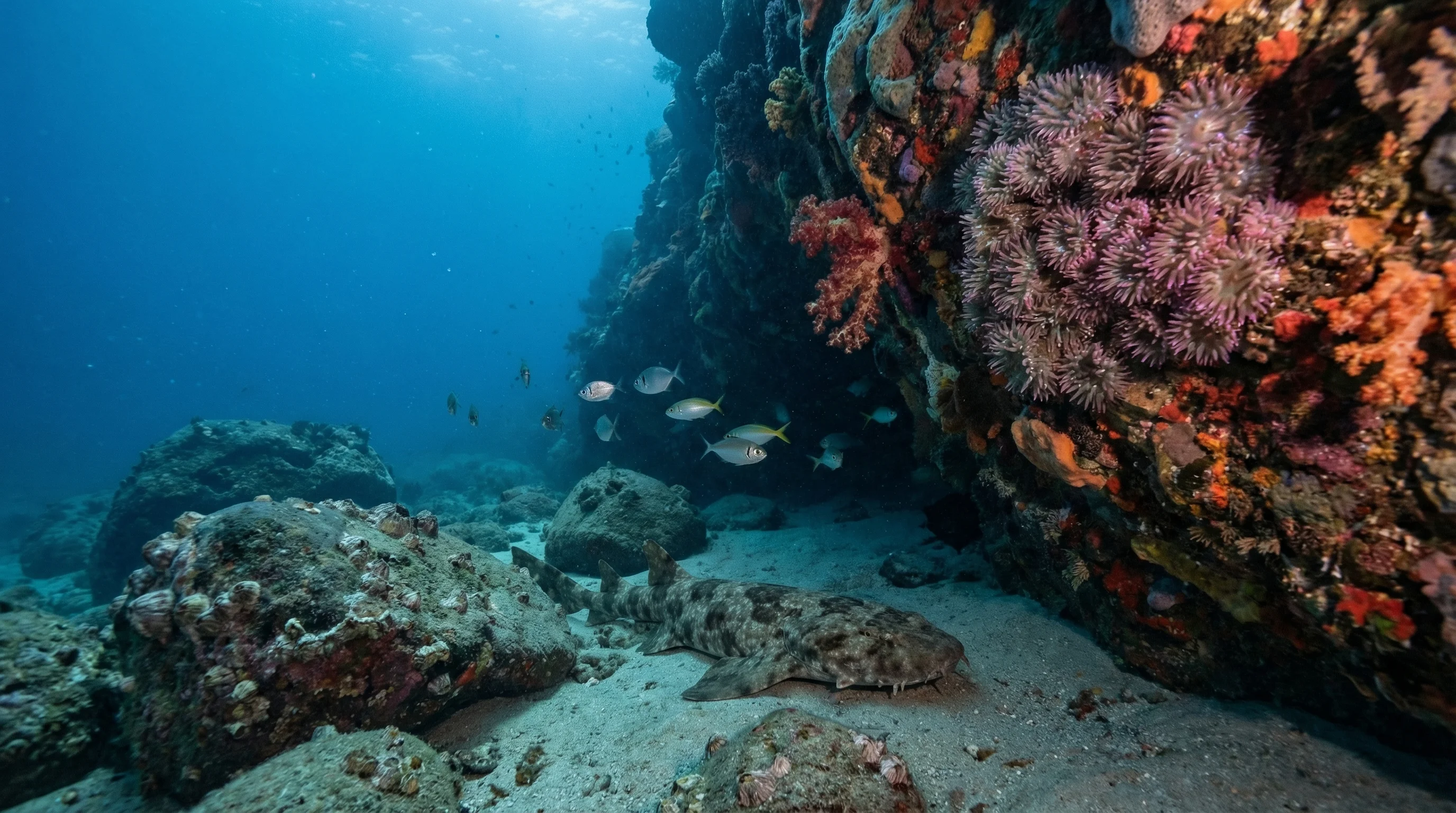
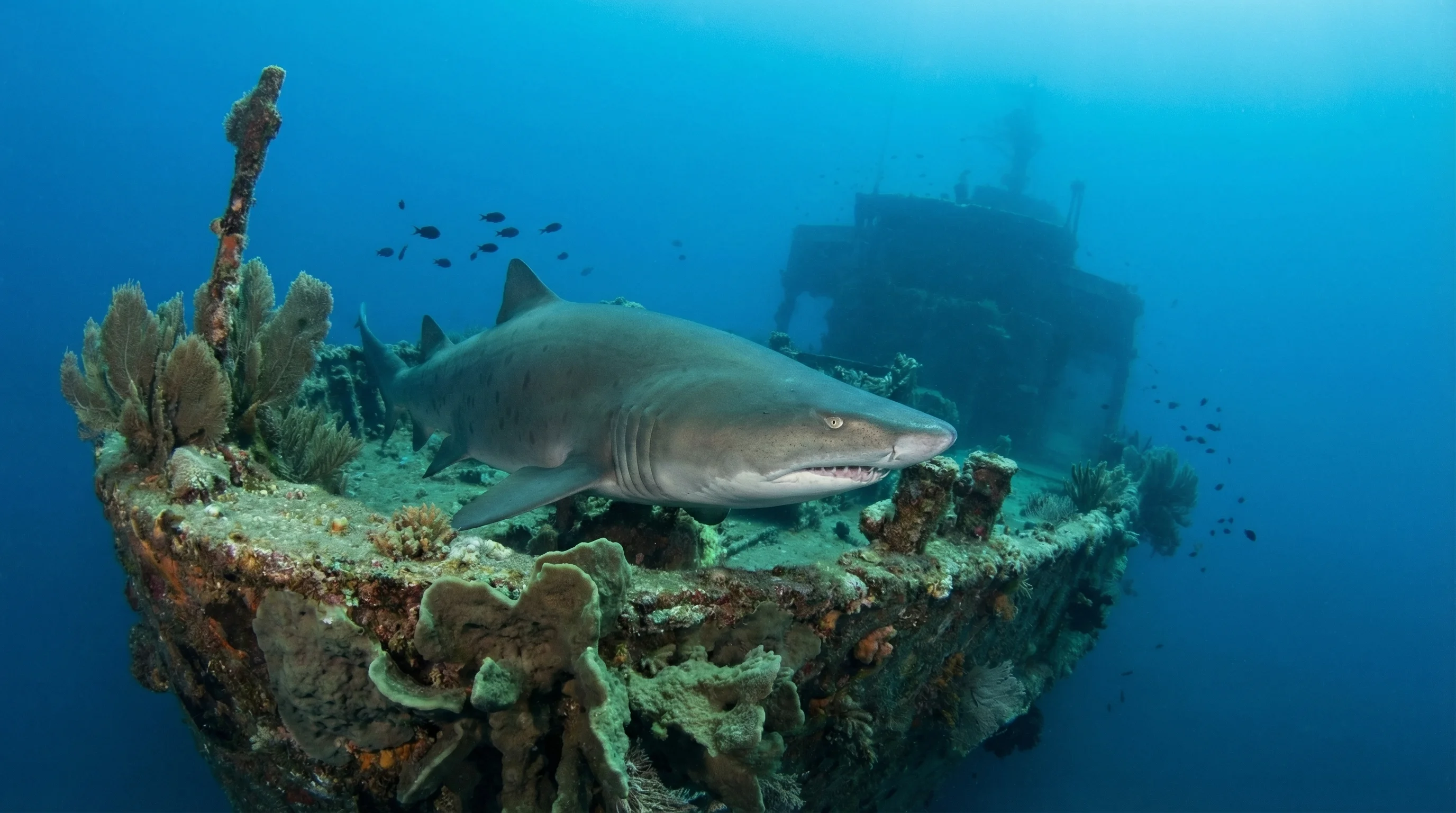
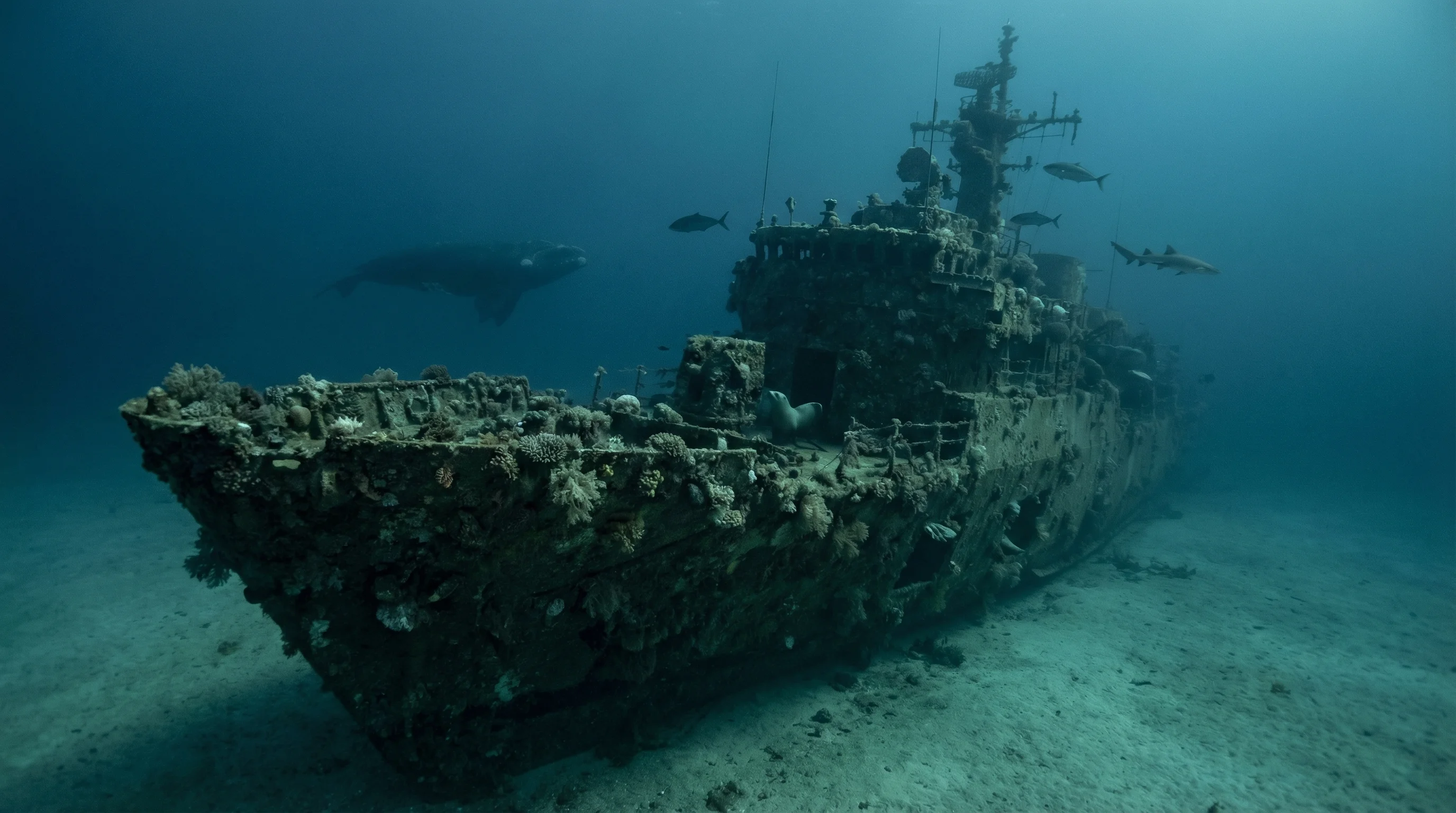
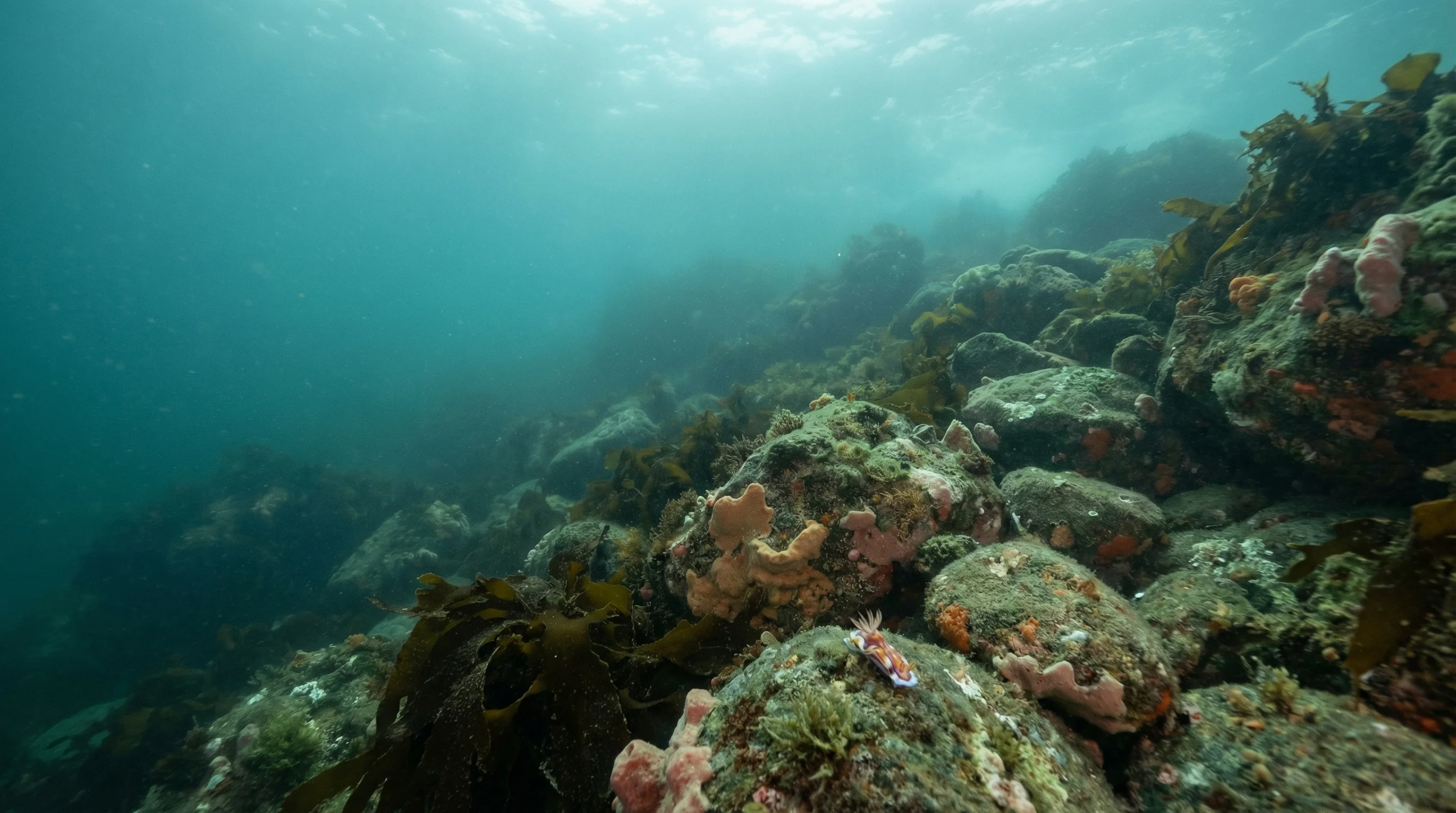
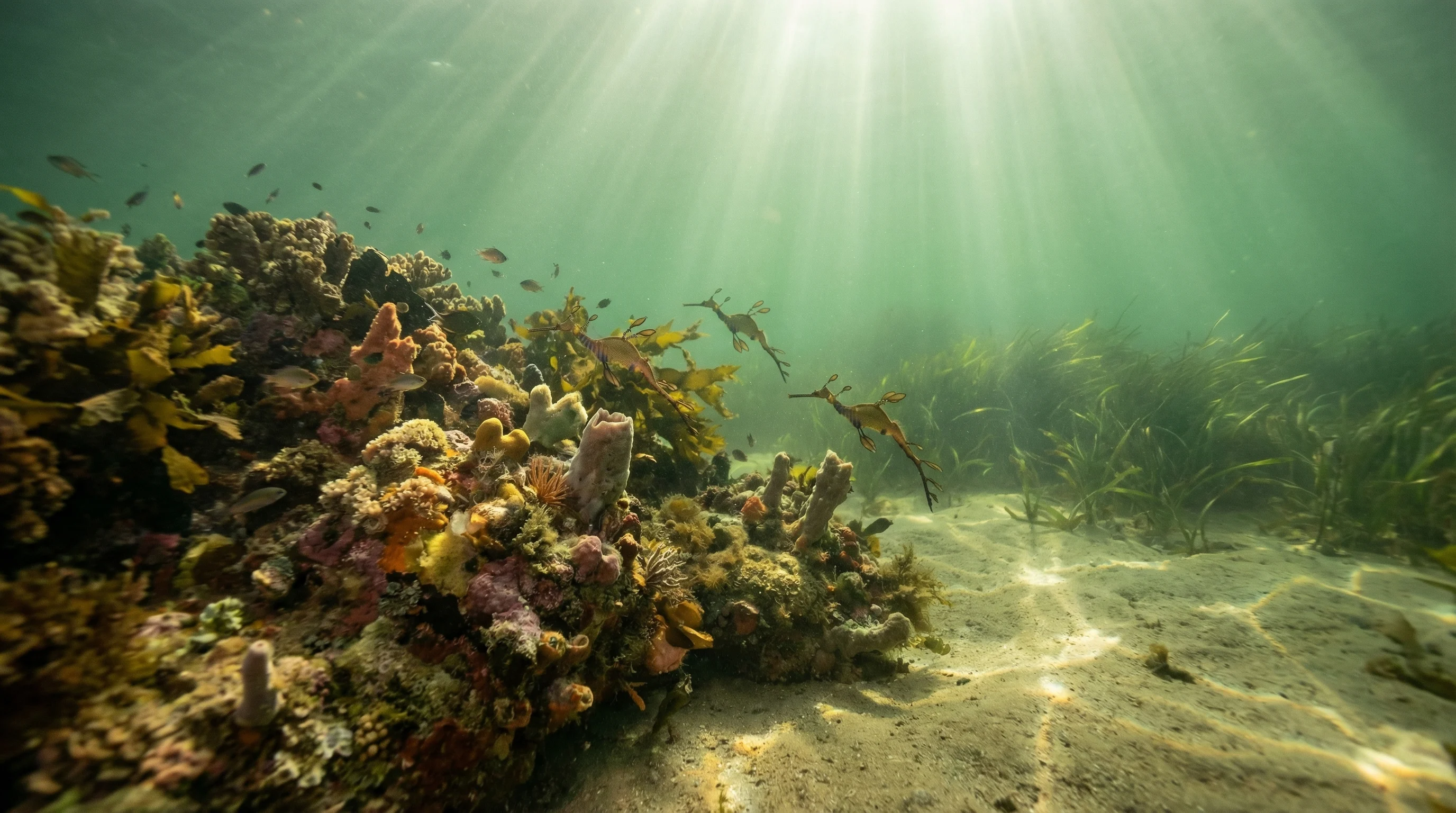
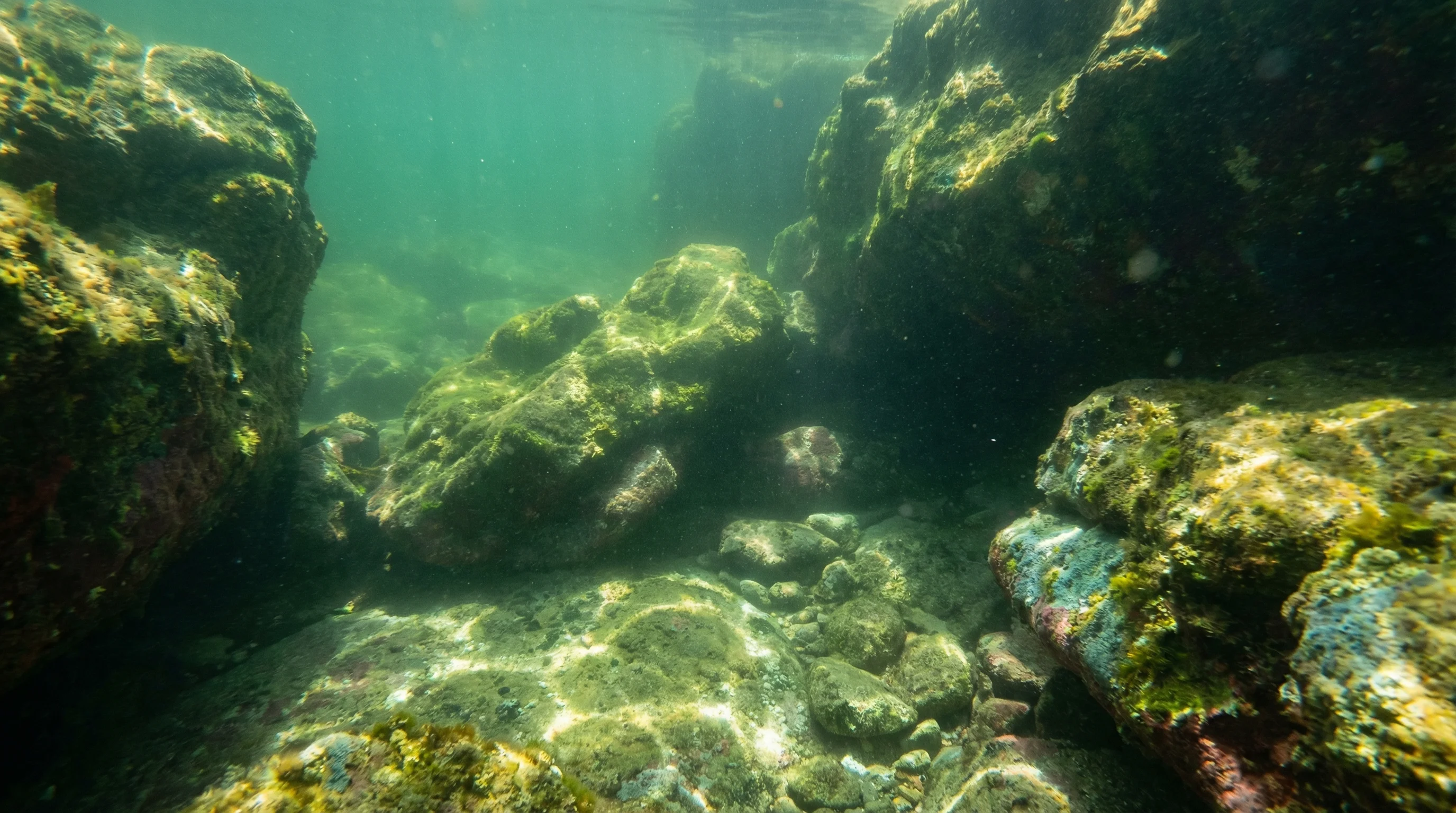
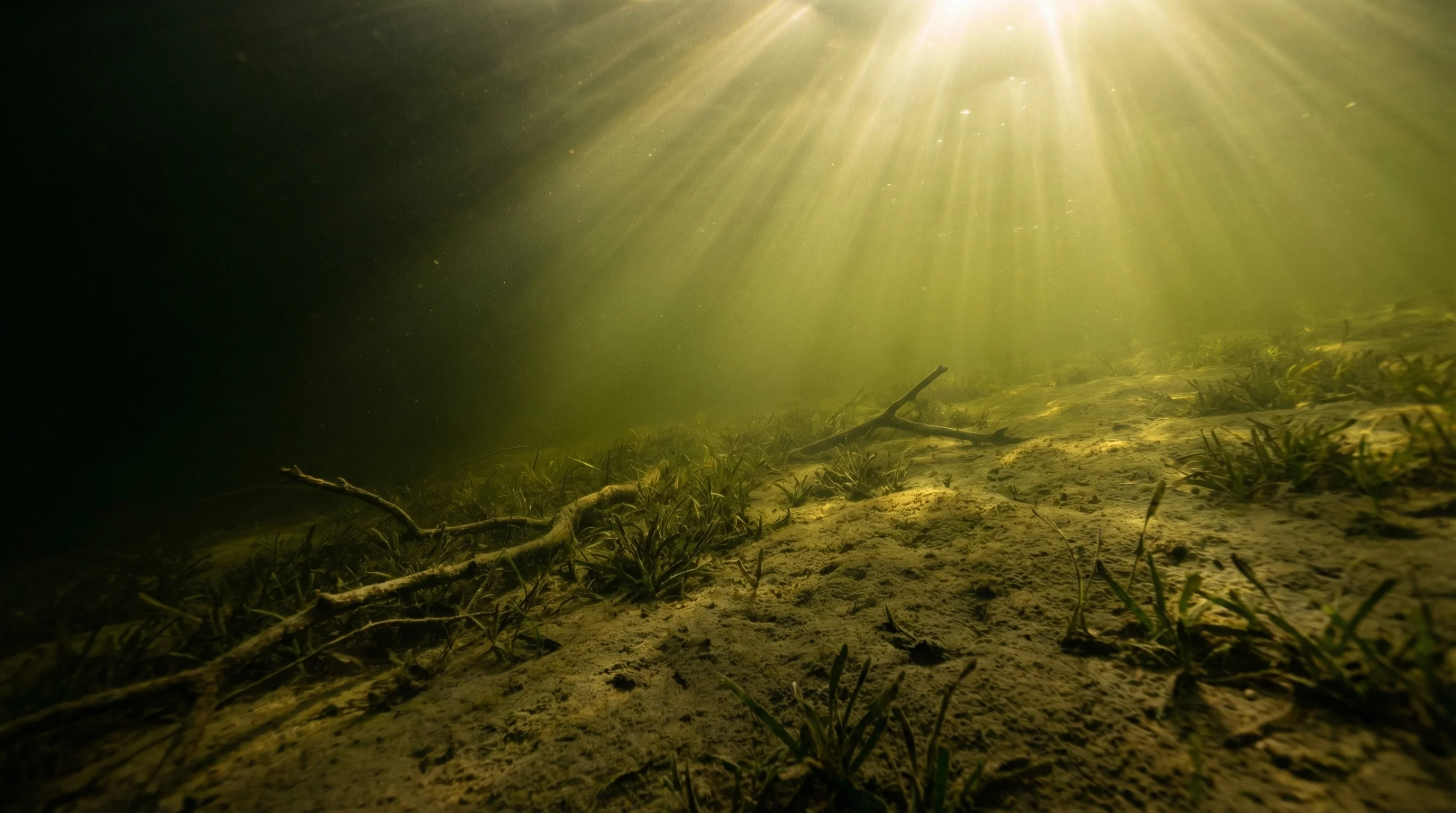
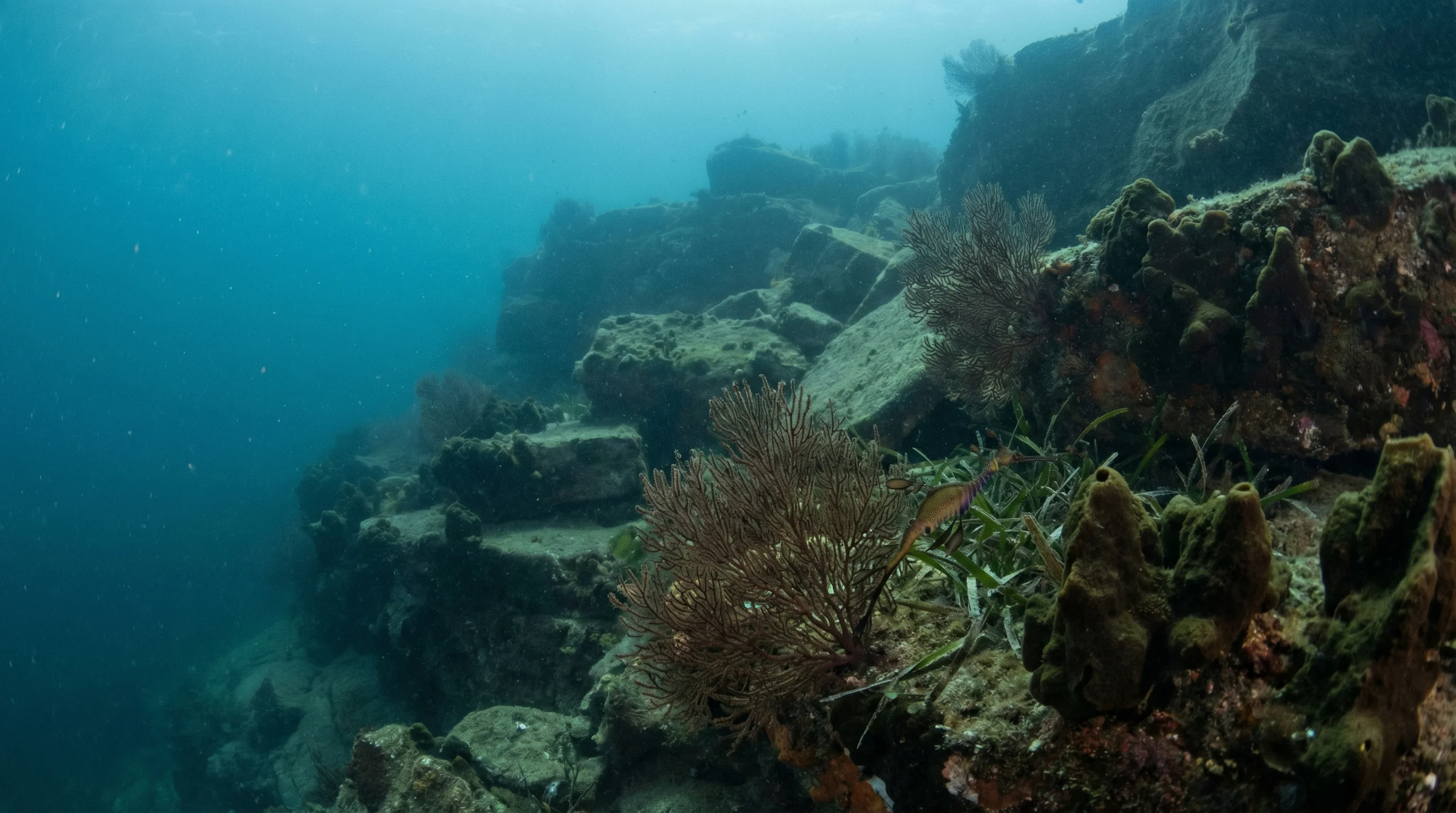
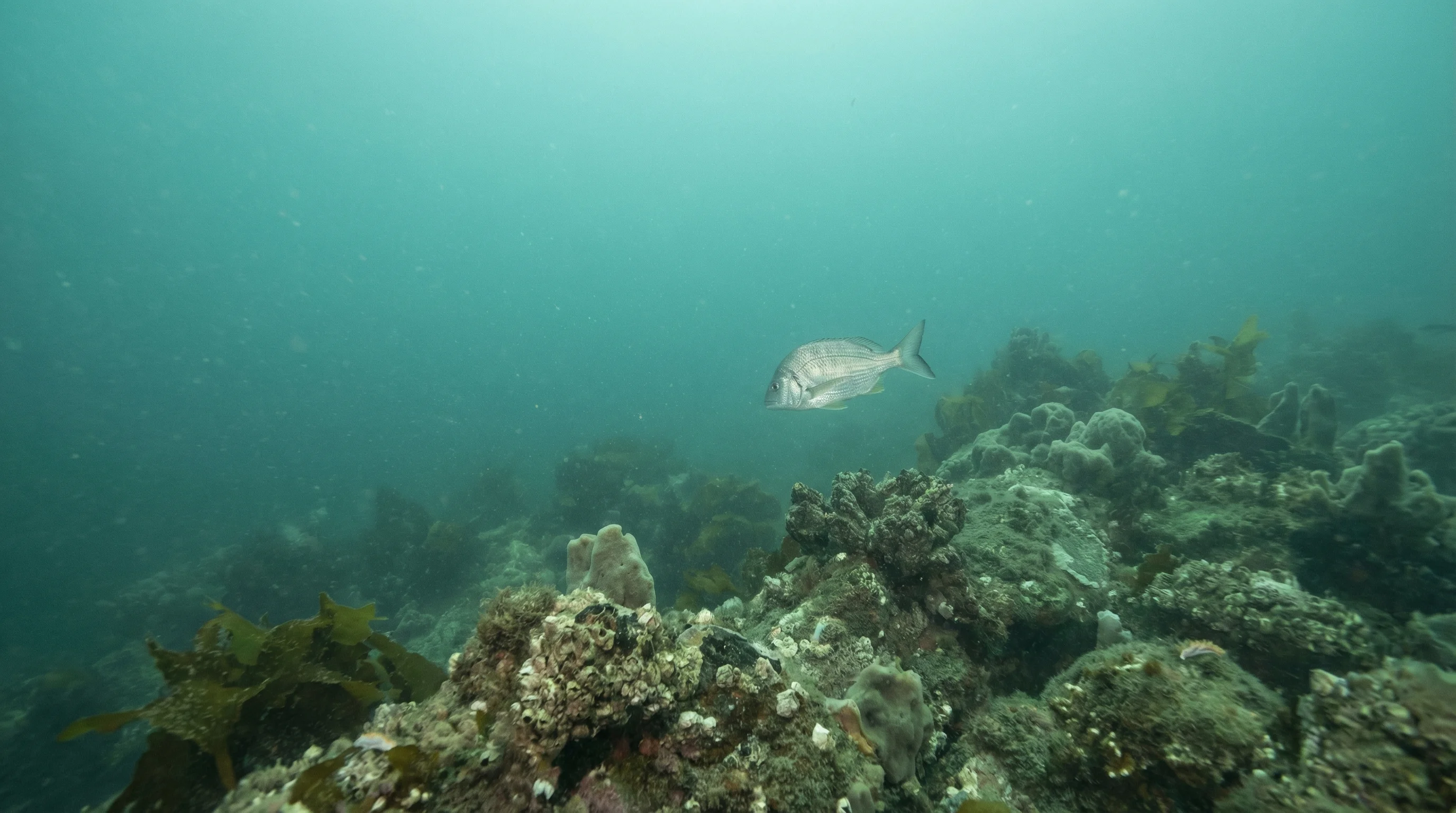
Copacabana is a Central Coast suburb of New South Wales whose surrounding sites cover a broad range of dive styles and abilities. The site list spans sheltered rock pools and lagoons at one end through to the Ex HMAS Adelaide artificial reef wreck and offshore reef and drop-off sites such as Two Poles and Spoon Bay. Caves, caverns, kelp beds, seagrass, and walls are all represented. Water is warmer than southern Australian regions but still seasonal, peaking in late summer and dropping to around eighteen degrees in late winter. Grey nurse shark, giant cuttlefish, spotted wobbegong, green sea turtle, blind shark, crested morwong, and common sydney octopus are among the recorded species.
Monthly water temperature across Copacabana's sites, from satellite sea-surface data corrected for depth. The band shows the site-to-site spread.
Water is at its warmest in late summer and cools gradually through autumn and winter to around eighteen degrees, before warming again in spring. The range of sites means conditions vary considerably, from flat-calm lagoons to exposed offshore drop-offs with moderate current.
1 operator
Australia
Water temperature around Copacabana ranges from about 18°C in August to 23°C in February, based on satellite sea-temperature data for its dive sites.
In the warm season (about 23°C) a 3mm full suit is comfortable in Copacabana; in the coldest months (about 18°C) step up to a 5mm suit.
Fin maps 9 sites in Copacabana (8 scuba diving sites and 2 snorkelling spots, with some suited to both).
4 more sites to explore