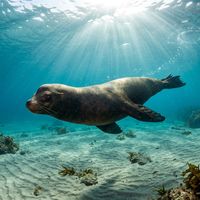
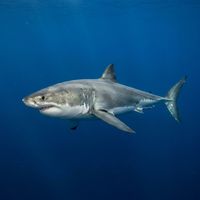
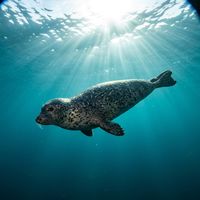
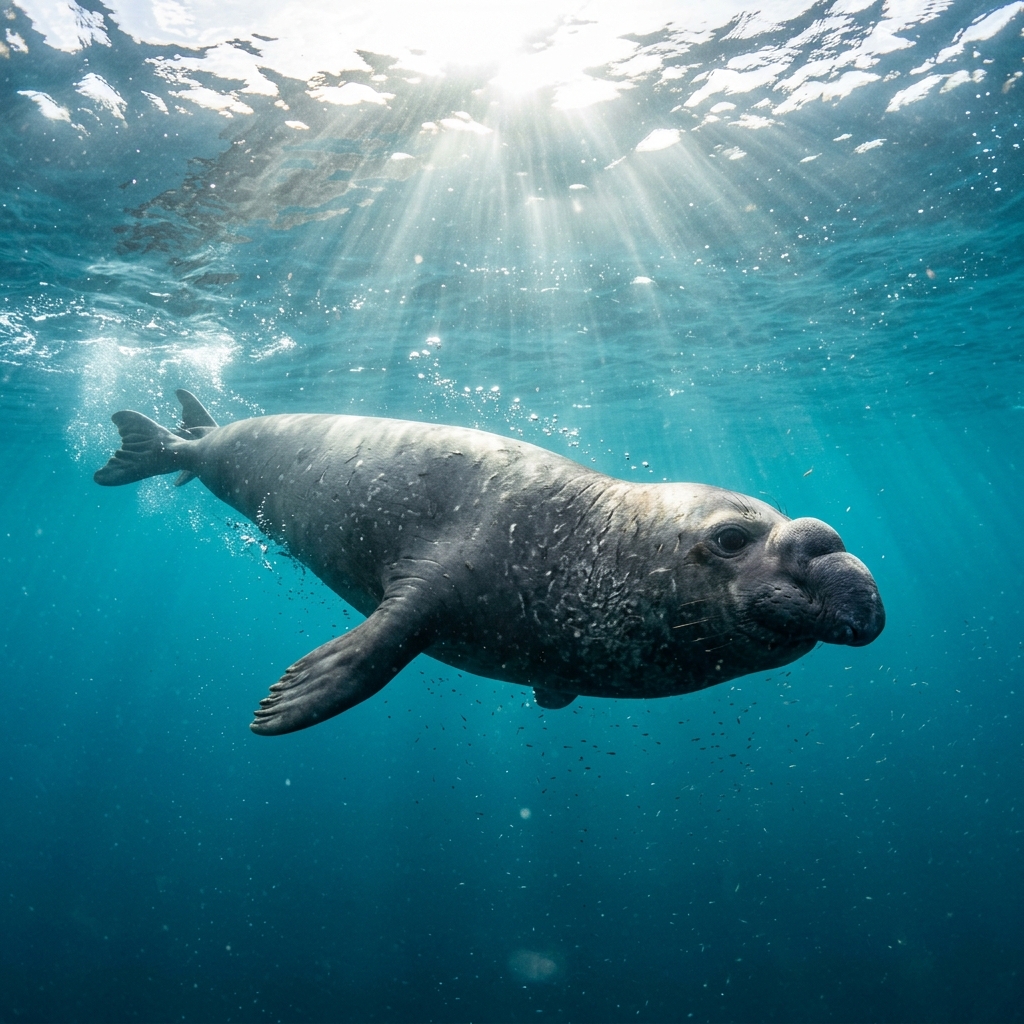
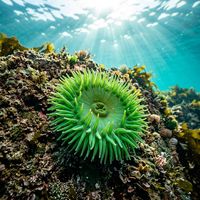
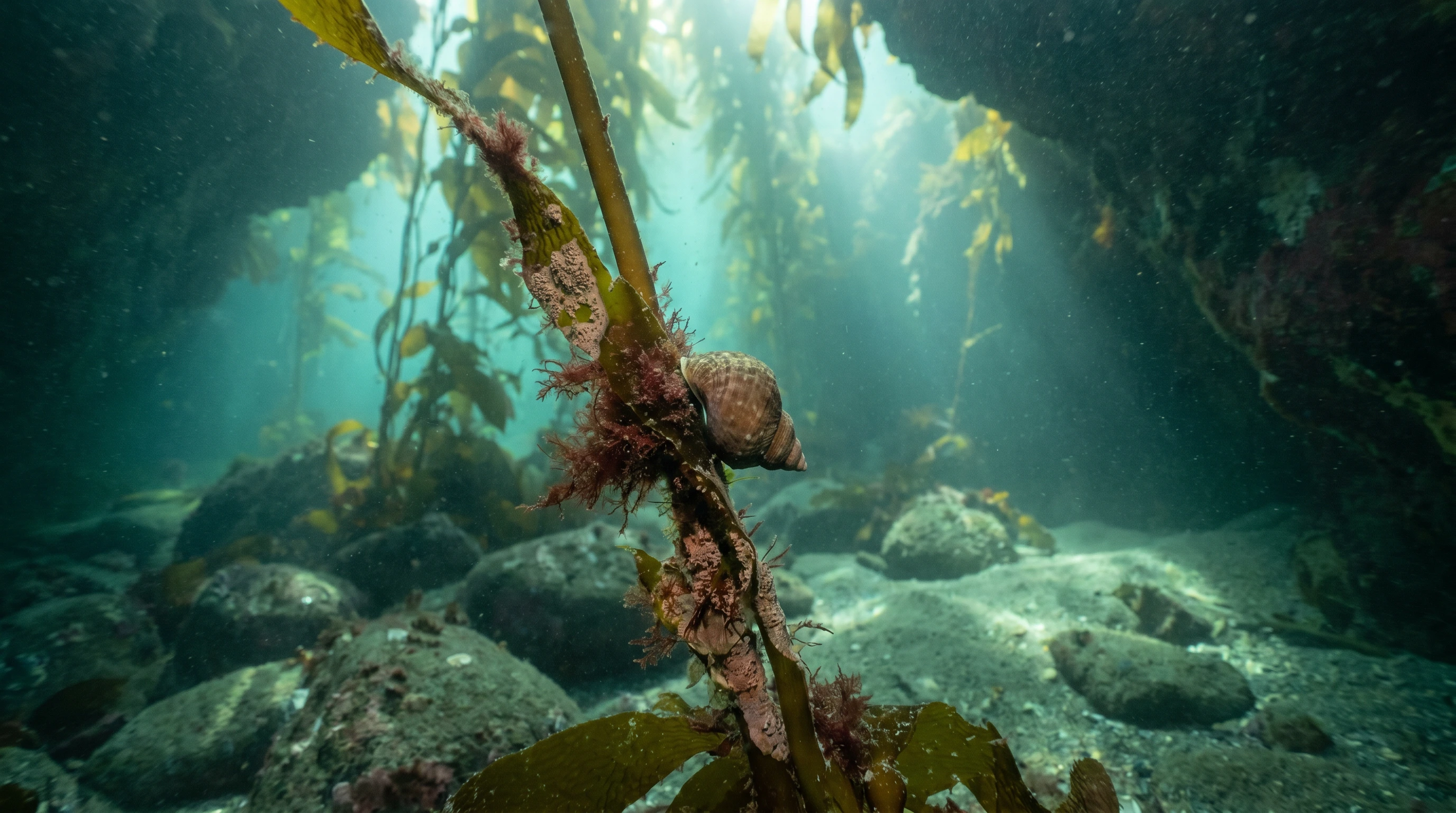
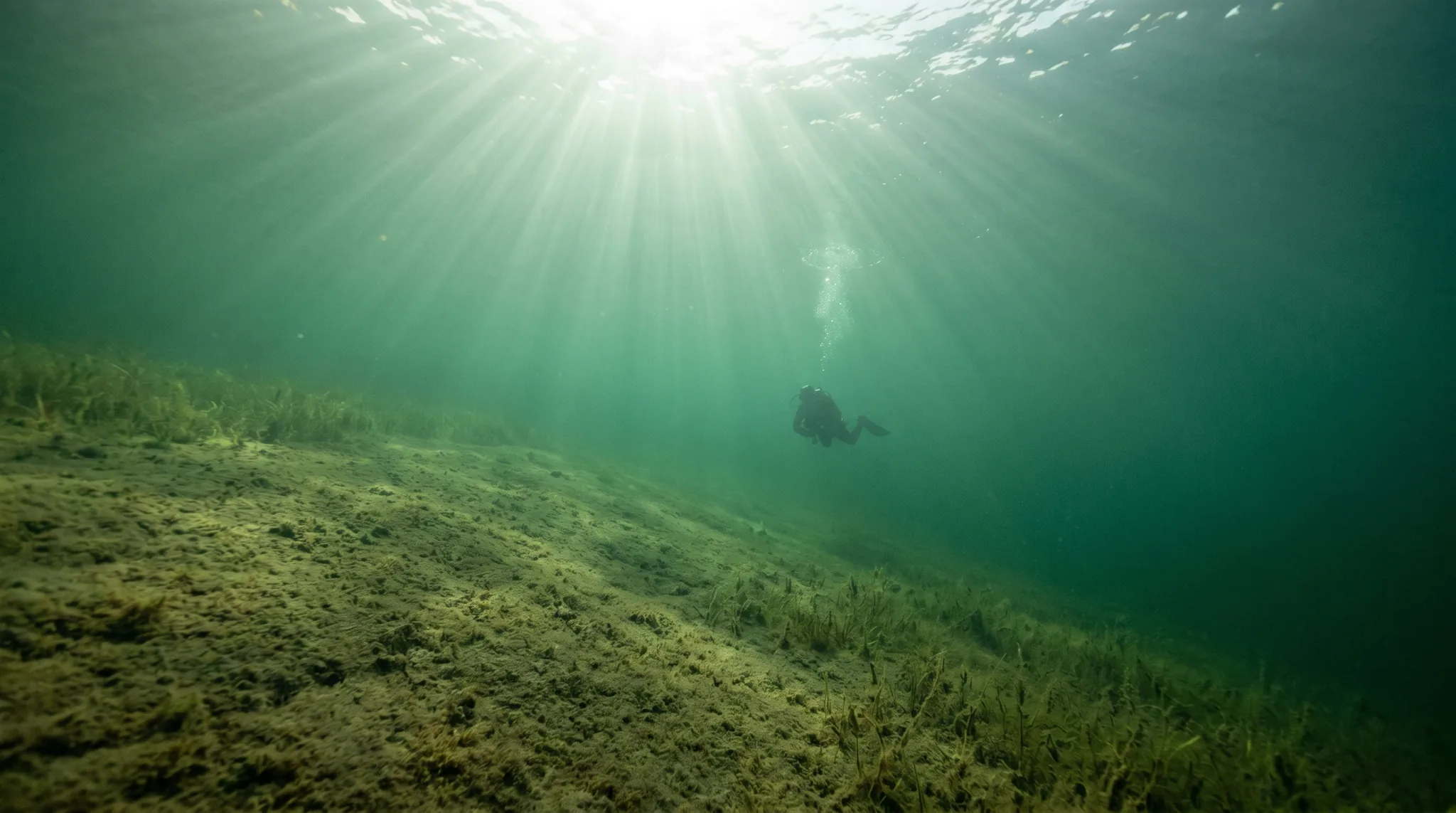
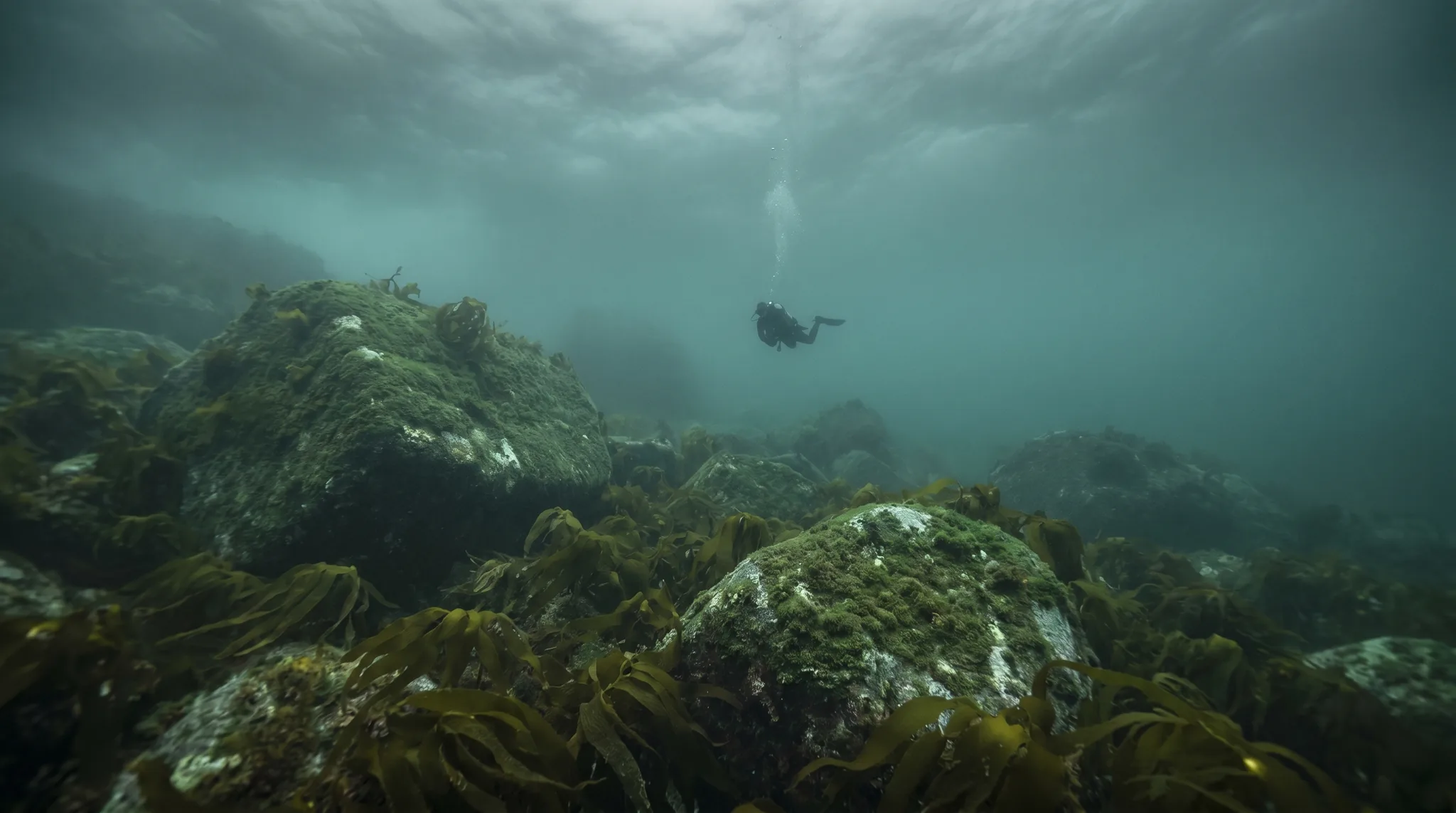
The Farallon Islands offer some of the most demanding and rewarding boat diving along the Northern California coast. Sites range from shallow reef and wall structures to deep offshore pinnacles, all reached by boat from the mainland. The Great White Shark, Harbor Seal, California Sea Lion, and Steller Sea Lion define the megafauna experience here. Invertebrate life is dense, with Giant Green Anemone, Red Sea Urchin, and Sea Star present across virtually every site. Most diving is advanced, though a handful of shallower reef sites suit confident beginners.
Monthly water temperature across Farallon Islands's sites, from satellite sea-surface data corrected for depth. The band shows the site-to-site spread.
Water temperature stays remarkably consistent year-round, remaining cold throughout every month, so thermal protection is a constant requirement regardless of season. The best conditions for diving cluster from late summer through autumn, when calmer seas and improved visibility make the offshore crossings more manageable. Swell and current can be significant at exposed sites such as Cordell Bank and Noonday Rock, which demand experience and attentive dive planning.
3 operators
United States
2 more sites to explore
Water temperature around Farallon Islands ranges from about 10°C in April to 12°C in January, based on satellite sea-temperature data for its dive sites.
In the warm season (about 12°C) a 7mm or semi-dry suit is comfortable in Farallon Islands; in the coldest months (about 10°C) step up to a drysuit.
Fin maps 10 sites in Farallon Islands (9 scuba diving sites and 1 snorkelling spots).
Across Farallon Islands's dive sites, September and October are most often reported as the best months to visit.
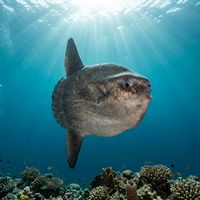
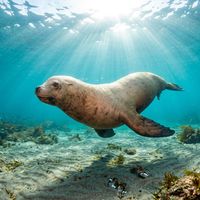
The Farallon Islands are one of the few places where the Great White Shark is a very commonly observed species underwater. Harbor Seal, California Sea Lion, and Steller Sea Lion are encountered frequently across most sites, while Northern Elephant Seal and Ocean Sunfish are regularly seen. Blue Whale and Humpback Whale appear occasionally, making any sighting a memorable part of a trip.
The majority of sites here are rated advanced, involving deep water, strong currents, open-ocean exposure, and significant boat crossings. That said, sites such as Isle of Saint James, Hurst Shoal, and Maintop Island are listed at beginner skill level and offer shallower reef diving in more forgiving conditions. Beginners joining trips to these islands should have solid buoyancy skills and cold-water experience before committing.
Every site in the Farallon Islands is boat-access only. There are no shore entries. Operators including Anderson's SCUBA Diving, Harbor Dive Center, and Incredible Adventures run trips to the area, and the crossings are substantial, with sites ranging from relatively close to very far offshore. Conditions on the crossing and at the site can change quickly, so flexible planning is essential.
Cordell Bank is a submerged granite ridge featuring reefs, walls, and pinnacles at considerable depth, and it also offers drift diving along its structure. Noonday Rock drops dramatically from a relatively shallow summit into very deep water, making it a site where depth management is critical. The shallower reef sites around Southeast Farallon and Middle Farallon feature complex topography with walls and drop-offs but at more moderate maximum depths, giving advanced divers a broader range of experiences across a single trip.