Carcharodon carcharias
Spot great white sharks in the wild. Sightings concentrate Sep, Oct in the Northern Hemisphere. Most reliably logged off Australia and the United States.
Safety warning
Great whites are listed as dangerous to divers, and their size alone demands respect. Unprovoked attacks on divers are rare, but this is a large apex predator and should never be treated casually. Dive with an established, reputable cage-diving operator where a physical barrier and experienced guides manage the encounter. Avoid erratic movements, dangling equipment, or anything that might trigger investigative behaviour at close range. Never dive with a great white outside a cage unless you are an experienced professional in a structured research context.
If you're bitten
BiteGeneral first-aid guidance, not a substitute for professional medical care. In an emergency, call your local emergency number.
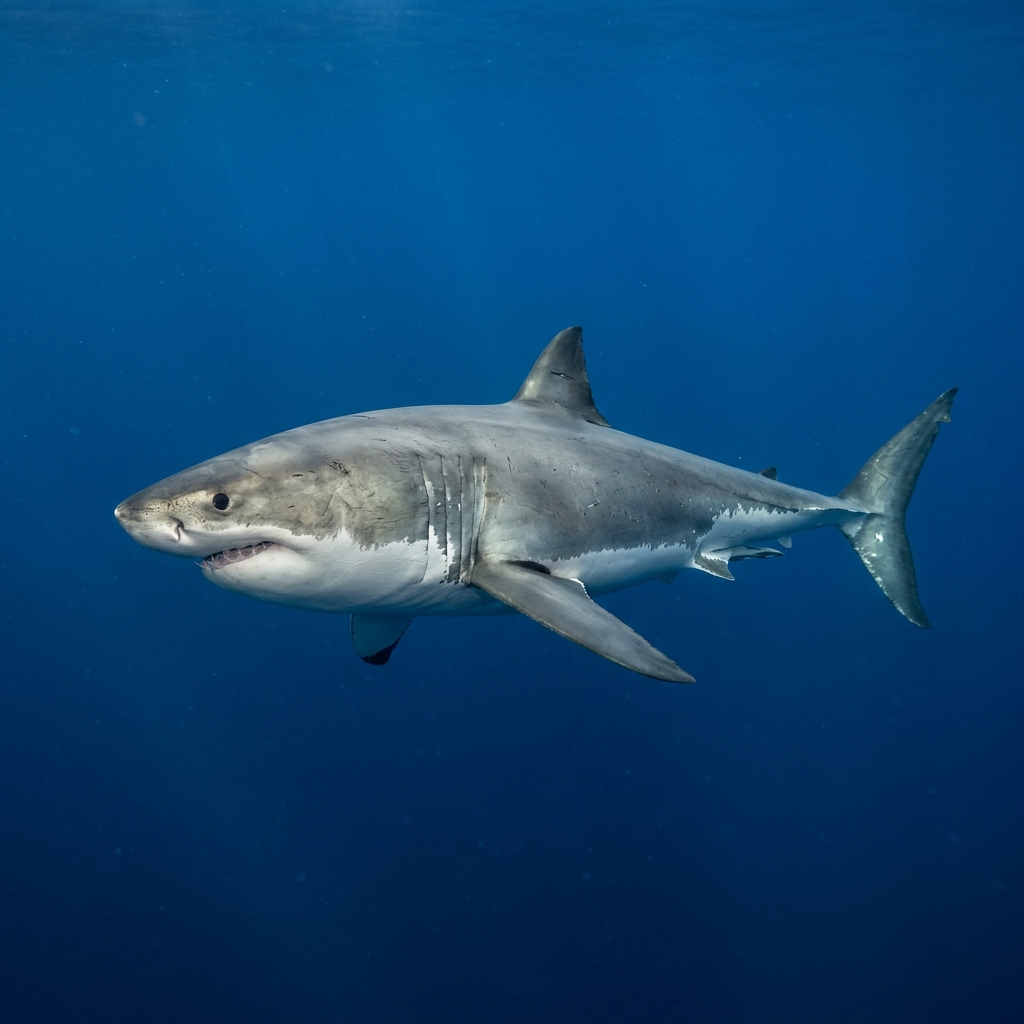
Few sharks are easier to name underwater once you see one. The counter-shading is stark: deep slate-grey or brownish-grey on top, and an abrupt, clean white belly. The body is massively built, torpedo-shaped, and tapers to a near-symmetrical crescent tail. The conical, pointed snout and the sheer bulk, typically well over four metres, set it apart from anything else in open water. Females run noticeably larger than males, often exceeding 4.5 m, while males usually stay under four metres.
Great whites move with slow, deliberate sweeps when sizing up something new, often circling at a distance before closing in for a closer look. They are inquisitive rather than aggressive, using sharp eyesight and electroreception (the ability to detect electrical fields produced by living animals) to assess their surroundings. Cage-diving operations encounter them throughout the day, though they are naturally most active around dawn and dusk.
Great whites are one of the few sharks that can regulate their body temperature above the surrounding water, which partly explains how they range comfortably across water temperatures from roughly 11 to 25 °C.
In Northern Hemisphere sites, sightings concentrate in September and October. In the Southern Hemisphere, peak encounters fall in December through February, aligning with the austral summer.
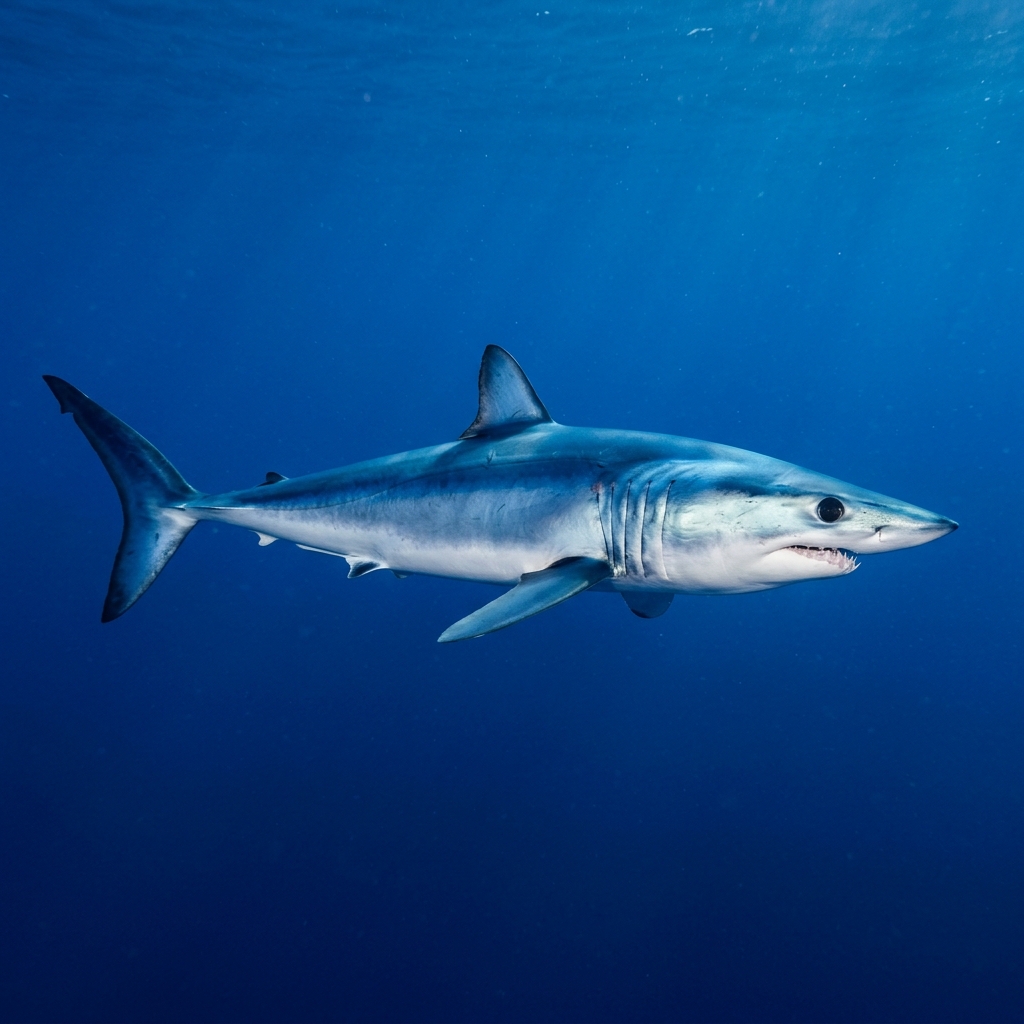
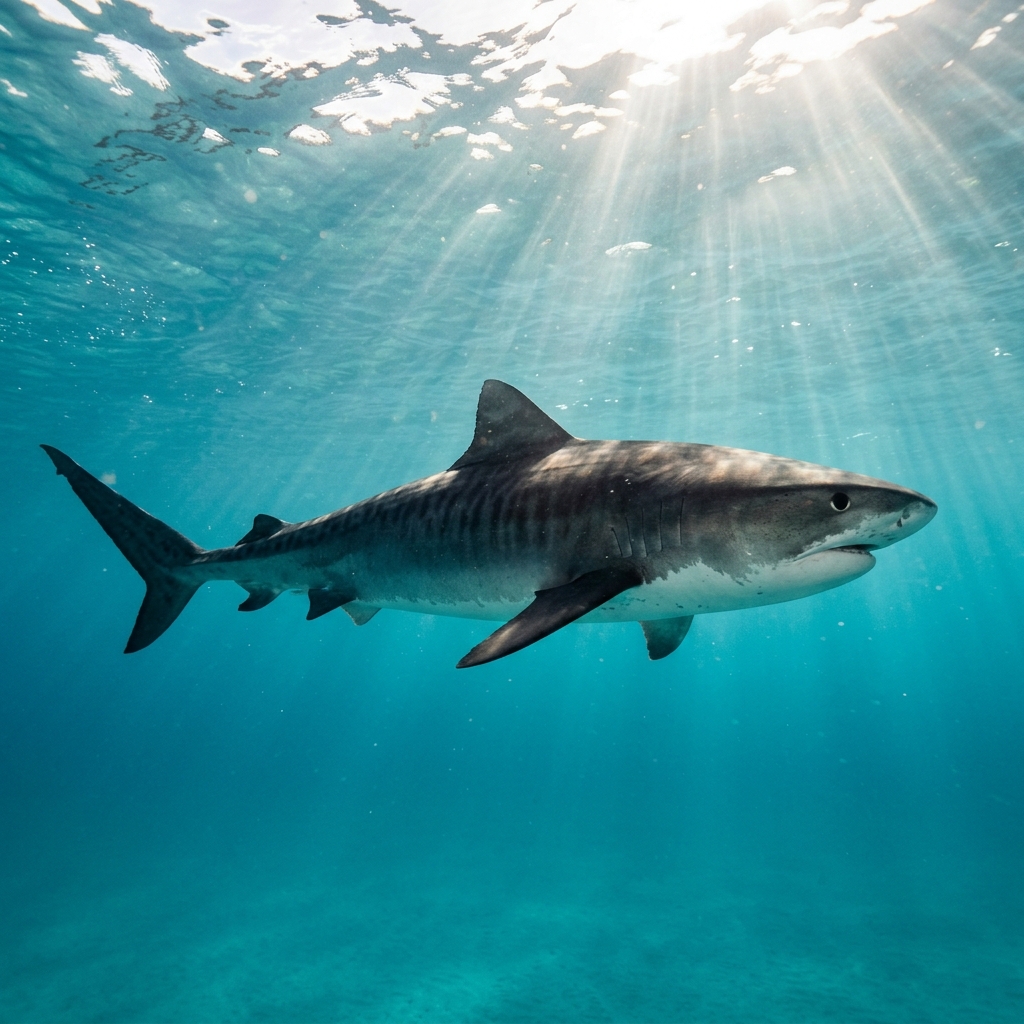
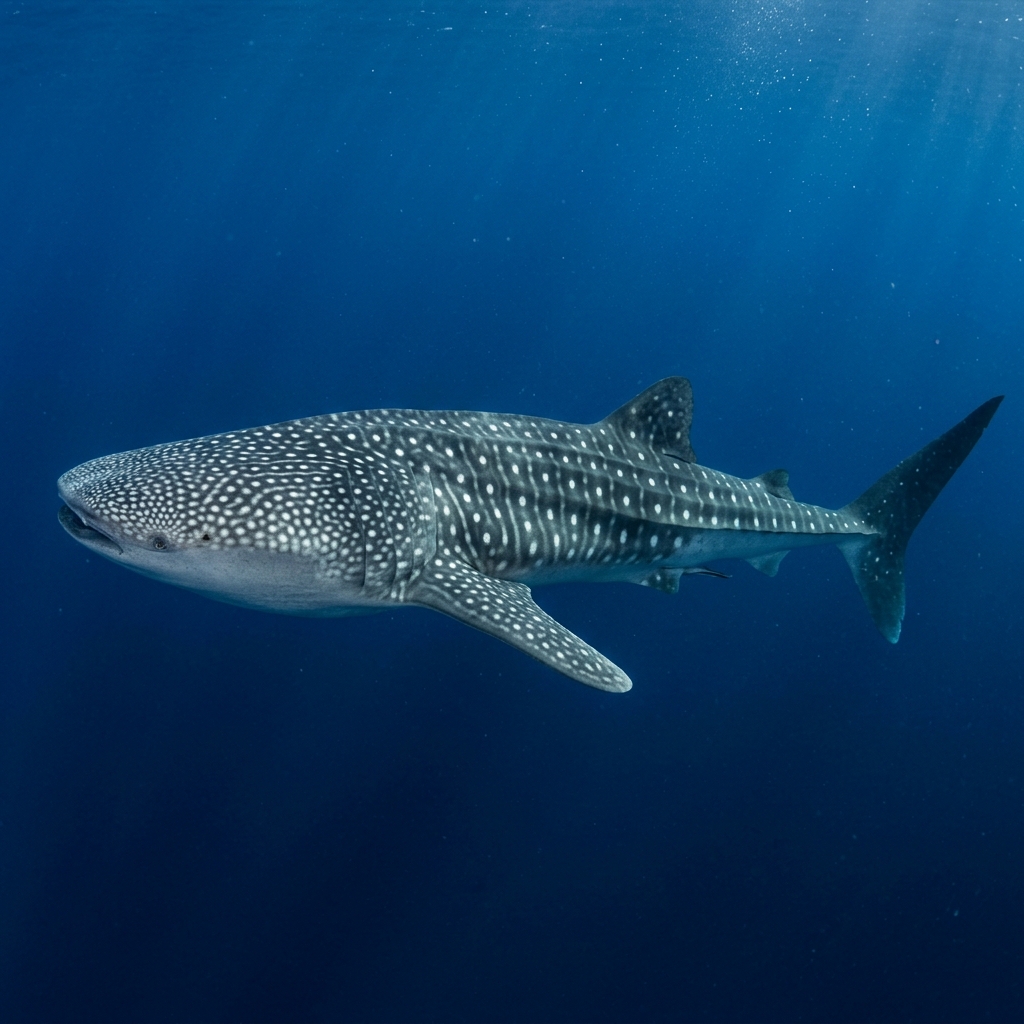
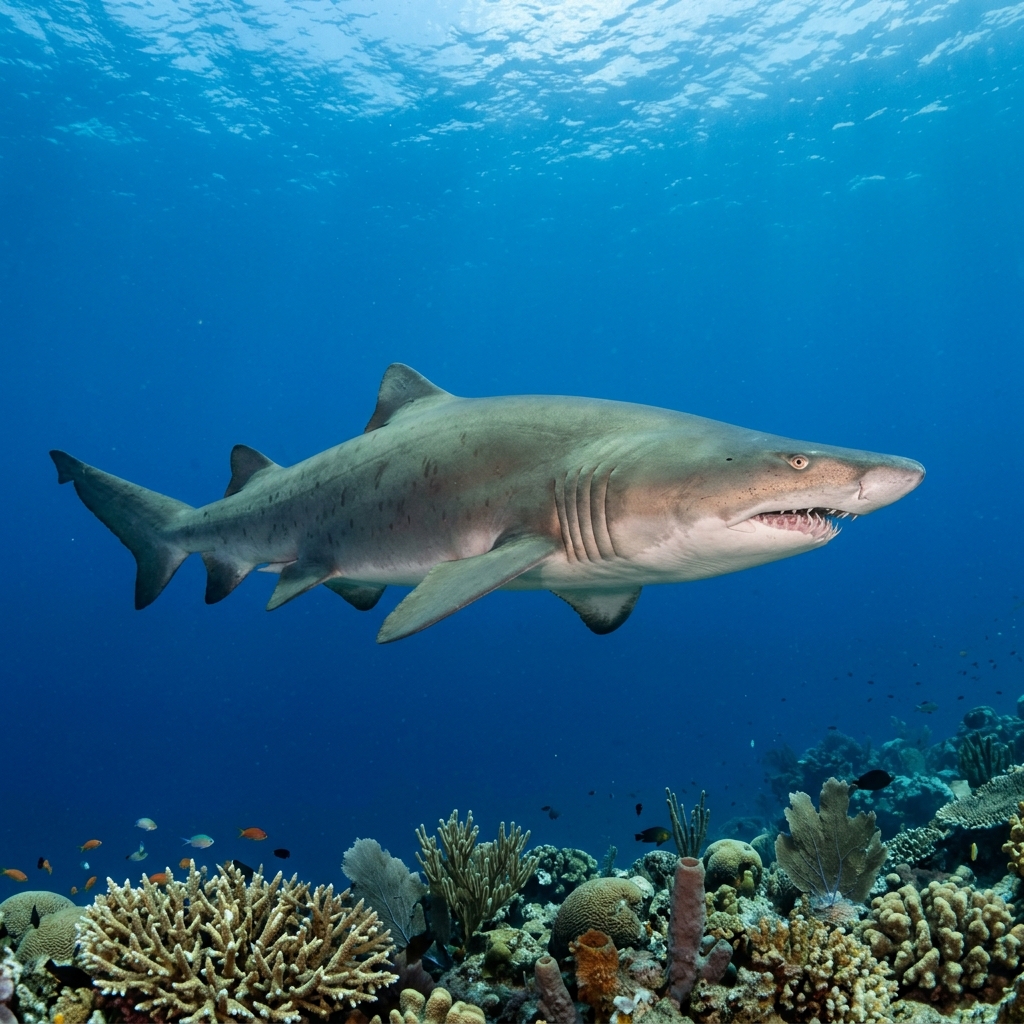
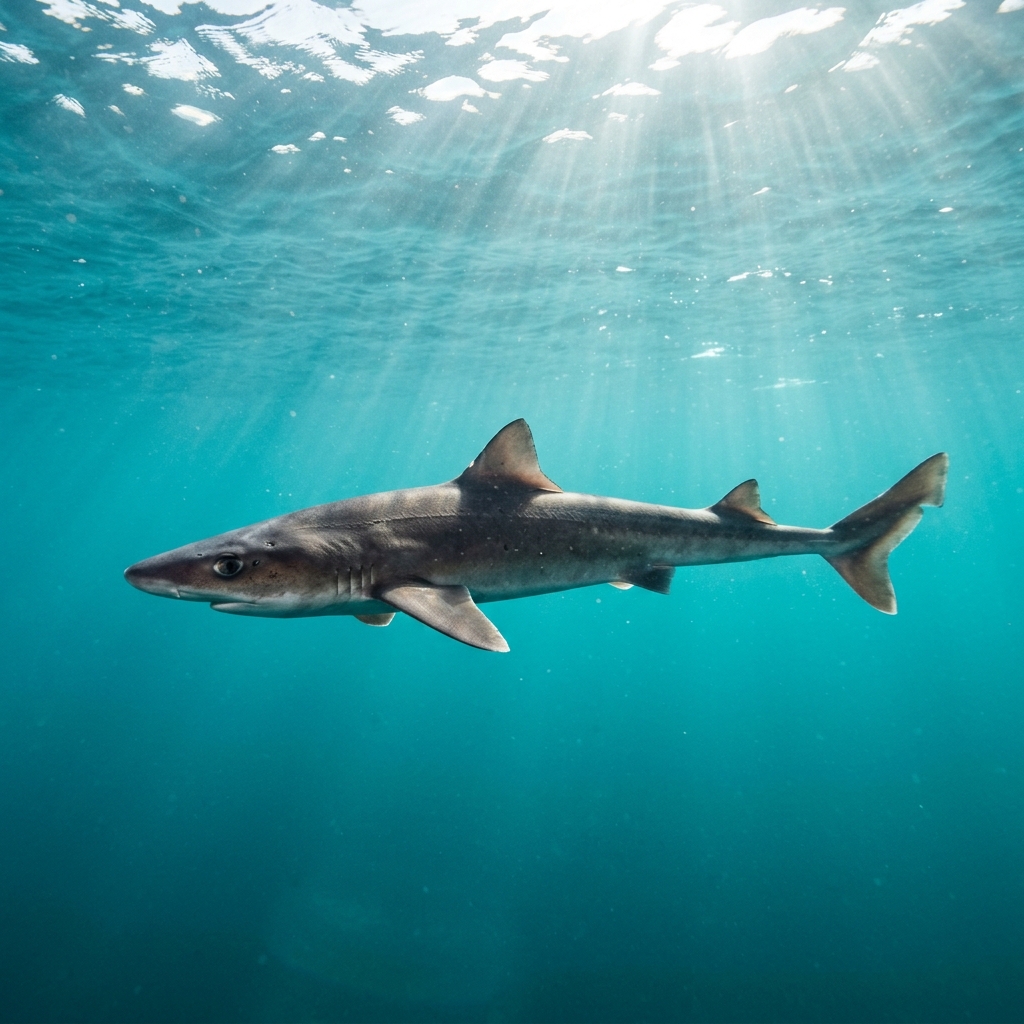
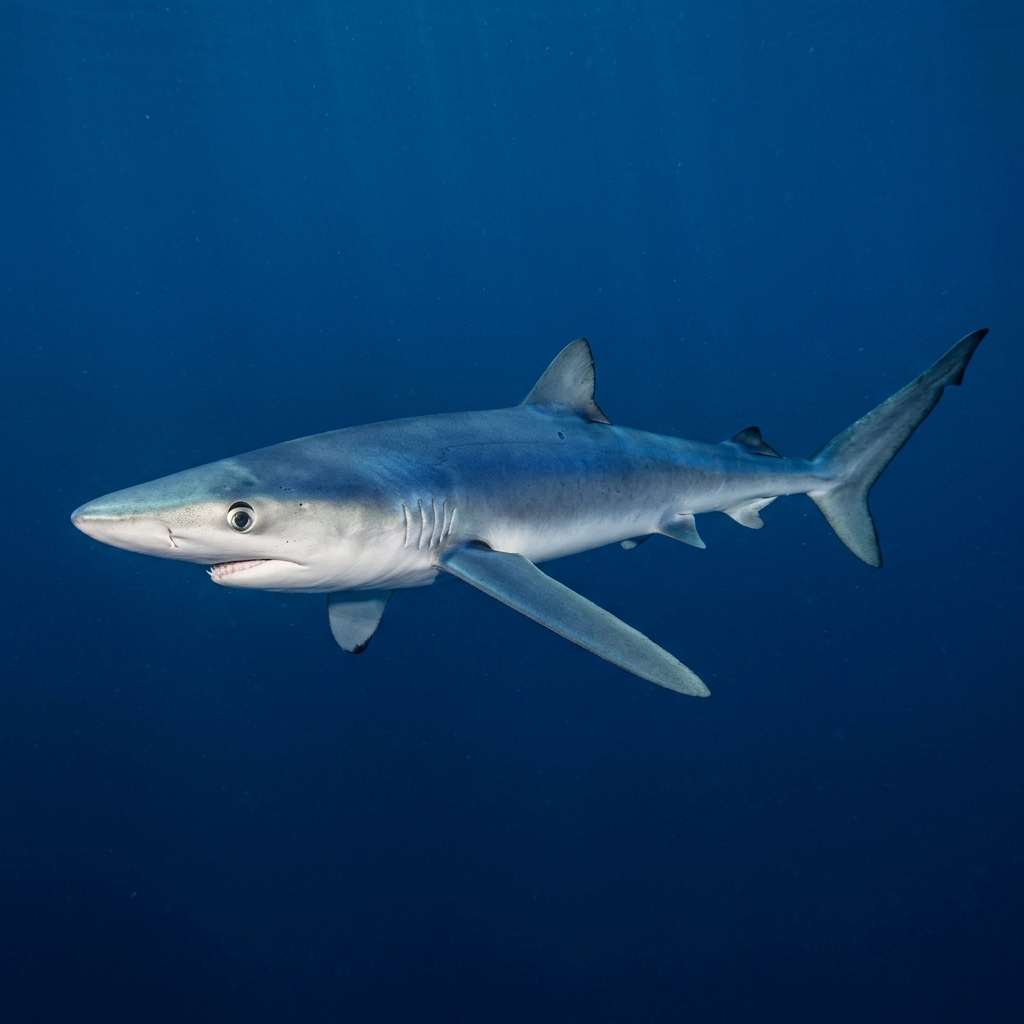
Reef neighbours a diver could mistake it for. Use the identification notes above to tell them apart.
Most reliably encountered off Australia and the United States, which together account for the largest share of verified sightings in the data. Within the US, Florida and the Southeast lead logged encounters, while cage-diving operations in southern Australia put divers in the water with them regularly. Occasional sightings are also recorded across the Mediterranean, including waters around Spain, Italy, and Croatia.
Mapping where Great White Shark is logged…
Verified diver encounters are most concentrated off Australia and the United States, particularly around Florida and the Southeast. Cage-diving operations in southern Australia offer some of the most reliable scheduled encounters. Occasional sightings are also recorded in Mediterranean waters around Spain, Italy, and Croatia.
In the Northern Hemisphere, sightings peak in September and October. In the Southern Hemisphere, encounters are most frequent from December through February. Water temperature tolerance is broad, roughly 11 to 25 °C, so they are not restricted to one narrow season.
They are classified as dangerous, but unprovoked attacks on divers are rare. Most encounters involve slow, investigative passes rather than aggression. Cage diving is the standard and safest way to dive with them, keeping a physical barrier between you and the shark while still offering close observation.
They are among the largest predatory fish on the planet. Males typically reach just under four metres, while females are substantially larger, often exceeding 4.5 metres. Exceptional individuals have been reliably documented beyond five metres.
Both are large, fast, counter-shaded sharks with a near-symmetrical tail, but the great white is far bulkier with a broad, blunt conical snout and a strongly defined white belly line. Makos are slender and more streamlined with a pointed, narrow snout. If it looks massive and stocky, it is almost certainly a great white.
They are currently listed as Vulnerable. Slow reproductive rates and historical overfishing have made recovery difficult. Many countries now offer legal protection, but population levels remain well below historical numbers and the species continues to face pressure from bycatch.
The Great White Shark is listed as vulnerable by the IUCN. Observe from a distance, avoid touching or feeding it, and report sightings to local marine research organisations.
Great whites are classified as Vulnerable on the IUCN Red List, with populations suppressed by decades of targeted fishing, bycatch, and slow reproduction rates. When diving with them, choose operators who follow responsible wildlife guidelines and do not engage in practices that alter natural behaviour long-term.
Site and sighting data is aggregated from diver logs, iNaturalist and GBIF. For taxonomy and conservation status:
Tiger Shark
1,616 sites