
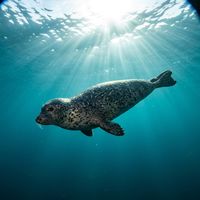
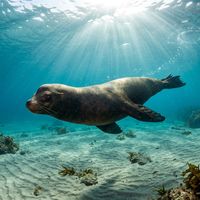
The Mendocino and Sonoma Coast is defined by kelp forest diving from shore. Reef sites shelter behind coves and bluffs, making shore entry practical at spots like Stillwater Cove and Ocean Cove. Nudibranch diversity is a particular draw, with Hermissenda, Clown Dorid and Ceratodoris rosacea all observed regularly. Harbor Seal and California Sea Lion are frequent companions. Water stays cold year-round, so conditions reward divers who come prepared.
Monthly water temperature across Mendocino & Sonoma Coast's sites, from satellite sea-surface data corrected for depth. The band shows the site-to-site spread.
Water temperature holds consistently cold across the year, dipping lowest in spring and rising only modestly through late summer and autumn. Visibility can vary with swell and surge, and exposed sites respond quickly to changing conditions. Summer through early autumn brings the calmest windows and the most favourable combination of settled seas and slightly warmer water.
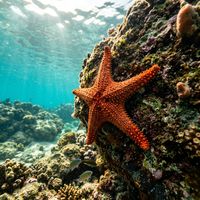
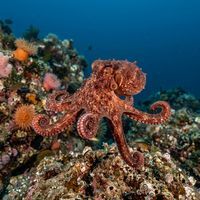
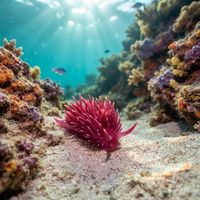
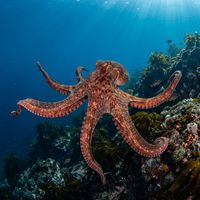
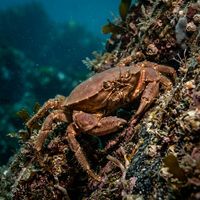
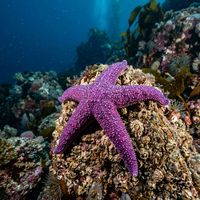
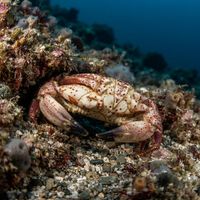
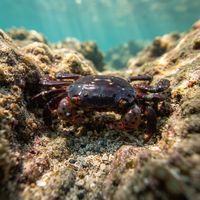
12 more sites to explore
Water temperature around Mendocino & Sonoma Coast ranges from about 10°C in April to 13°C in October, based on satellite sea-temperature data for its dive sites.
In the warm season (about 13°C) a 7mm or semi-dry suit is comfortable in Mendocino & Sonoma Coast; in the coldest months (about 10°C) step up to a drysuit.
Fin maps 15 sites in Mendocino & Sonoma Coast (13 scuba diving sites and 4 snorkelling spots, with some suited to both).
Across Mendocino & Sonoma Coast's dive sites, June, July, August and September are most often reported as the best months to visit.
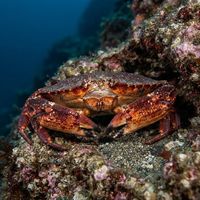
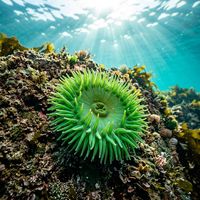
Invertebrate life is the real highlight here. Giant Green Anemone, Sea Star, Ochre Sea Star, Northern Kelp Crab, Red Sea Urchin and Pacific Rock Crab are observed at the great majority of sites. Nudibranchs are a consistent find, with Hermissenda, Clown Dorid, Ceratodoris rosacea and Monterey Dorid all recorded. Harbor Seal is the most commonly seen large animal, and California Sea Lion turns up regularly too.
Several of the top sites, including Stillwater Cove and Ocean Cove, are rated for beginners and offer sheltered shore entry. The cold water and potential for surge on more exposed sections of coast mean divers should be comfortable in a dry suit or thick wetsuit and confident managing low visibility. On calm days the protected coves are very manageable for newly certified divers.
Shore entry is the dominant access style, with sites like Stillwater Cove and Ocean Cove reached directly from the beach or rocks. Stornetta Cove is a boat-access site and sits a short distance offshore. There are currently no listed dive operators in the region's data, so divers should plan as independent or self-sufficient teams.
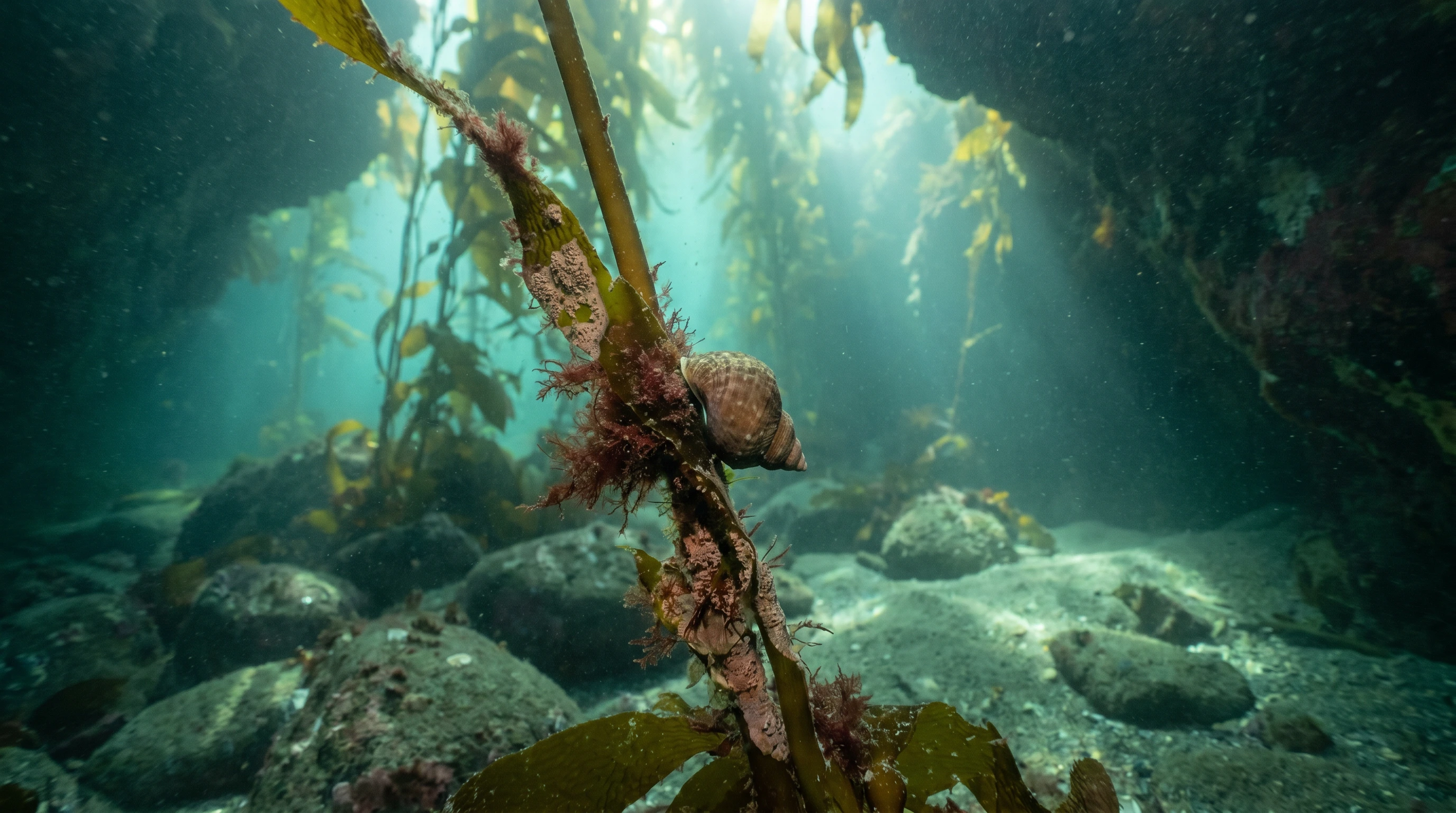
Reef combined with kelp forest is the defining site type across the region. Kelp canopy shapes the dive experience, providing structure for the crabs, nudibranchs, anemones and fish that populate these sites. Depths at the main sites range from very shallow to moderate, making the region well suited to photographers and macro divers who want to work slowly through the reef.
