Dorset rewards divers with a varied mix of wrecks, natural reefs, drift sites, and cave systems spread across shallow harbour dives and deeper offshore passages. The European Common Cuttlefish is a near-constant companion, while the Gray Seal makes regular appearances. Swanage and Poole form the most concentrated sub-area, with sites ranging from beginner pier dives to intermediate wrecks. Portland extends the range further, adding strong drift diving to the offer.
1 areas
Monthly water temperature across Dorset's sites, from satellite sea-surface data corrected for depth. The band shows the site-to-site spread.
Water temperatures rise steadily from spring into late summer, peaking in August and September, which align with the strongest concentration of favoured diving months. Conditions in June and September are particularly well-rated, offering warmer water alongside reasonable visibility. Winter diving is possible but cooler temperatures and reduced visibility make it better suited to experienced divers comfortable in challenging conditions.
17 operators
21 more sites to explore
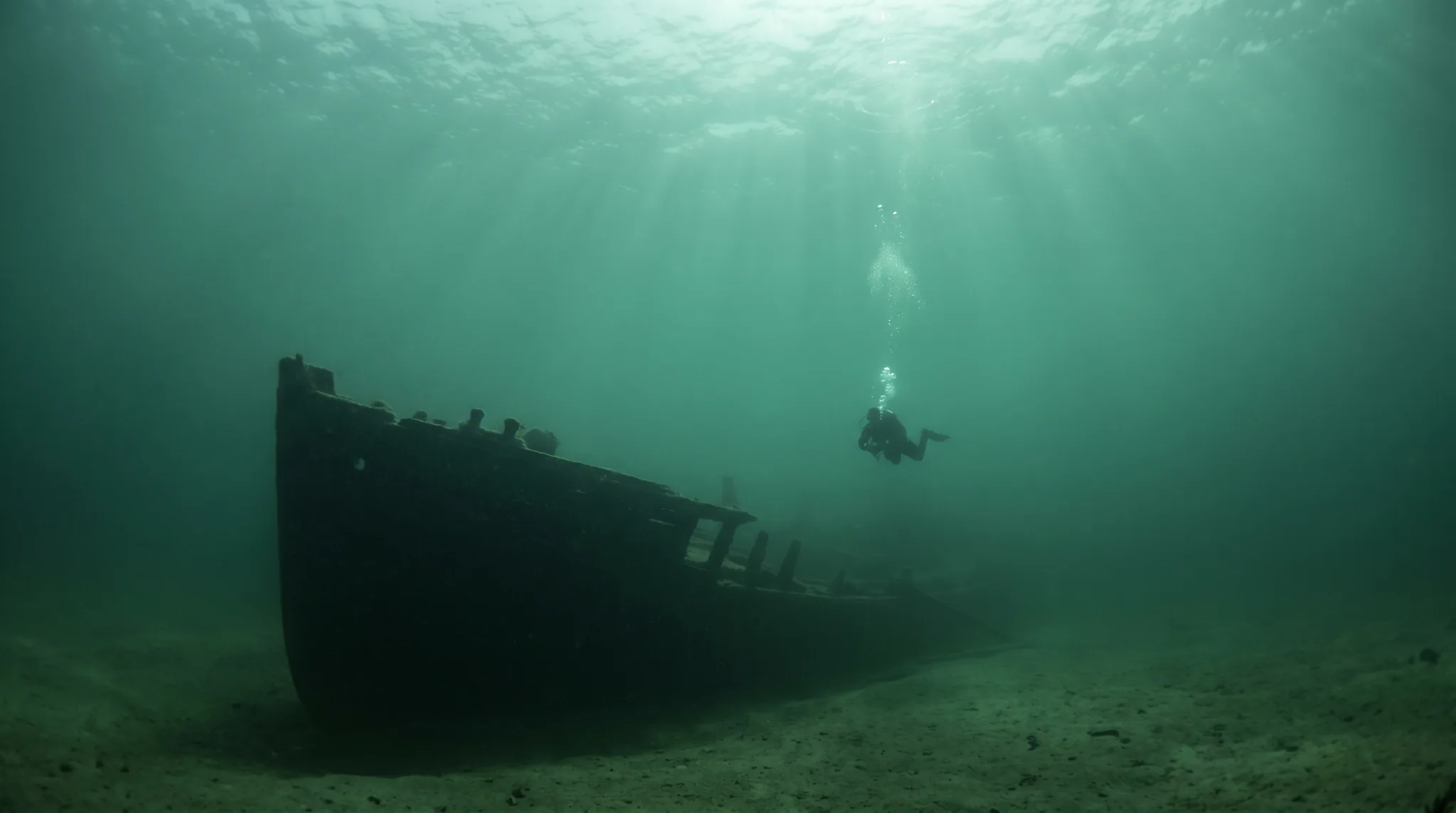
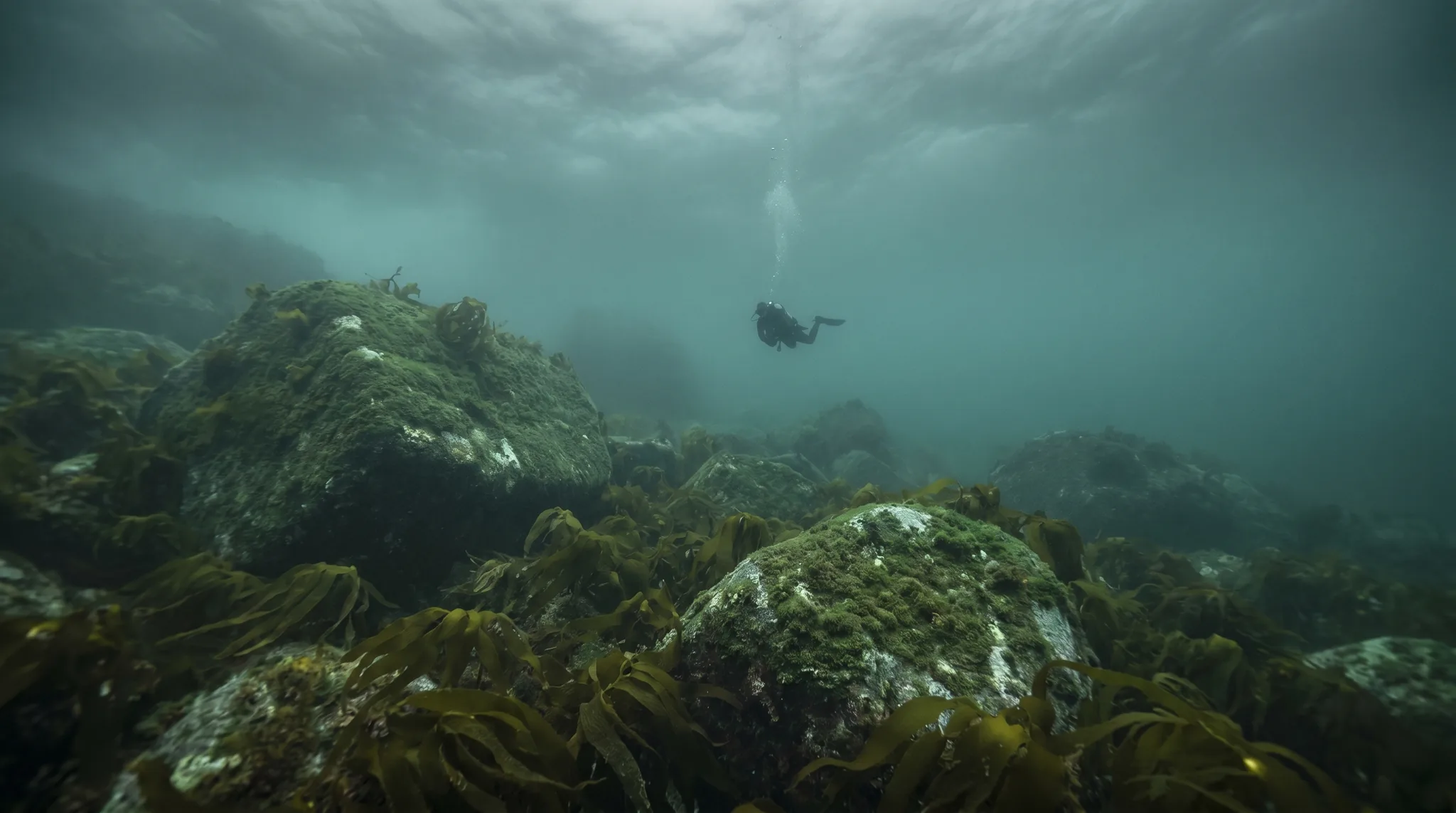
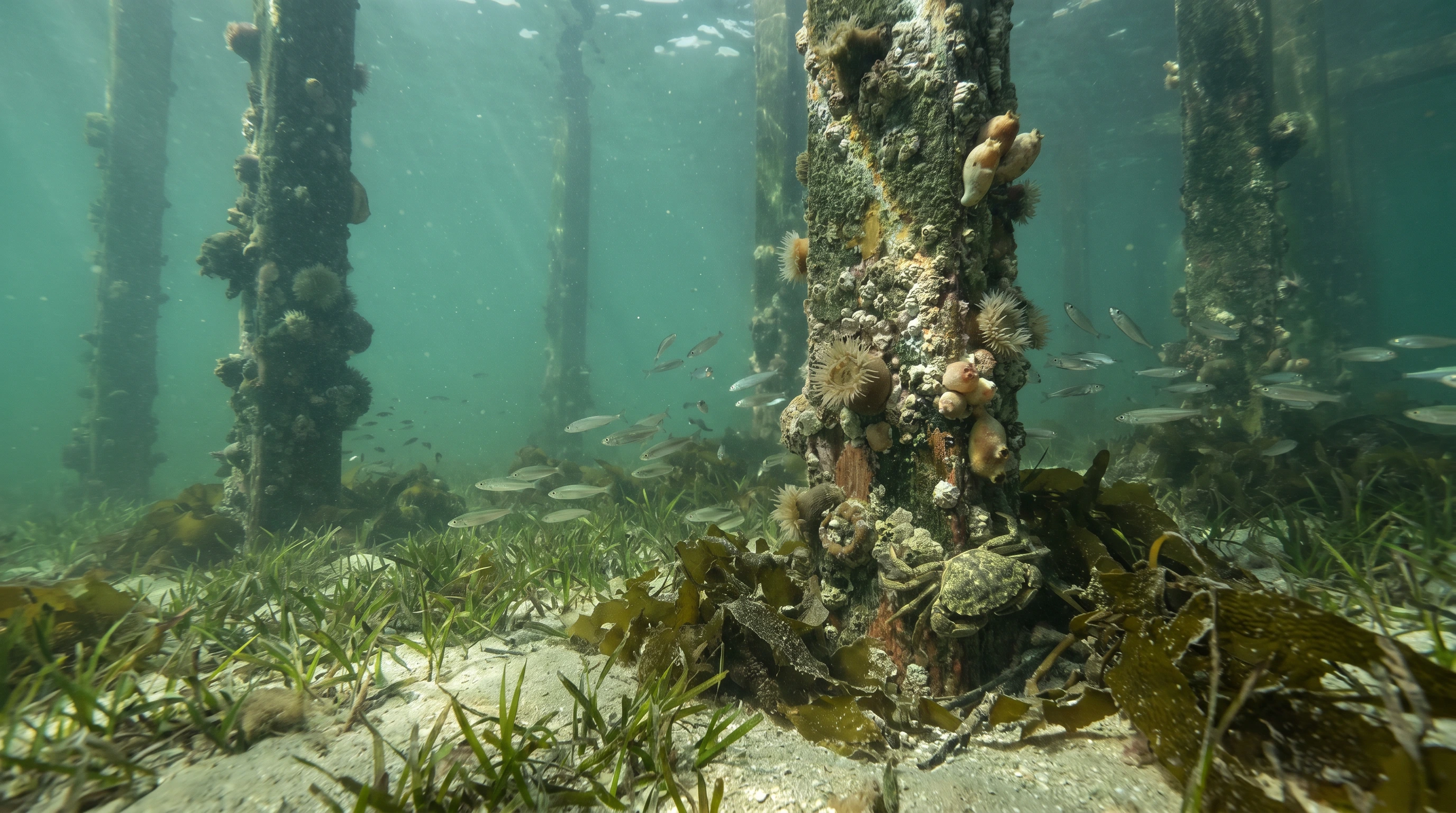
Dorset's Swanage and Poole offers English Channel diving across seven sites, from Swanage Pier's sheltered artificial reef to tidal drift dives.
Water temperature around Dorset ranges from about 9°C in February to 18°C in August, based on satellite sea-temperature data for its dive sites.
In the warm season (about 18°C) a 5mm suit is comfortable in Dorset; in the coldest months (about 9°C) step up to a drysuit.
Fin maps 33 sites in Dorset (32 scuba diving sites and 4 snorkelling spots, with some suited to both).
Across Dorset's dive sites, May, June, July, August and September are most often reported as the best months to visit.
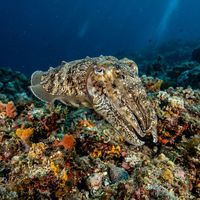
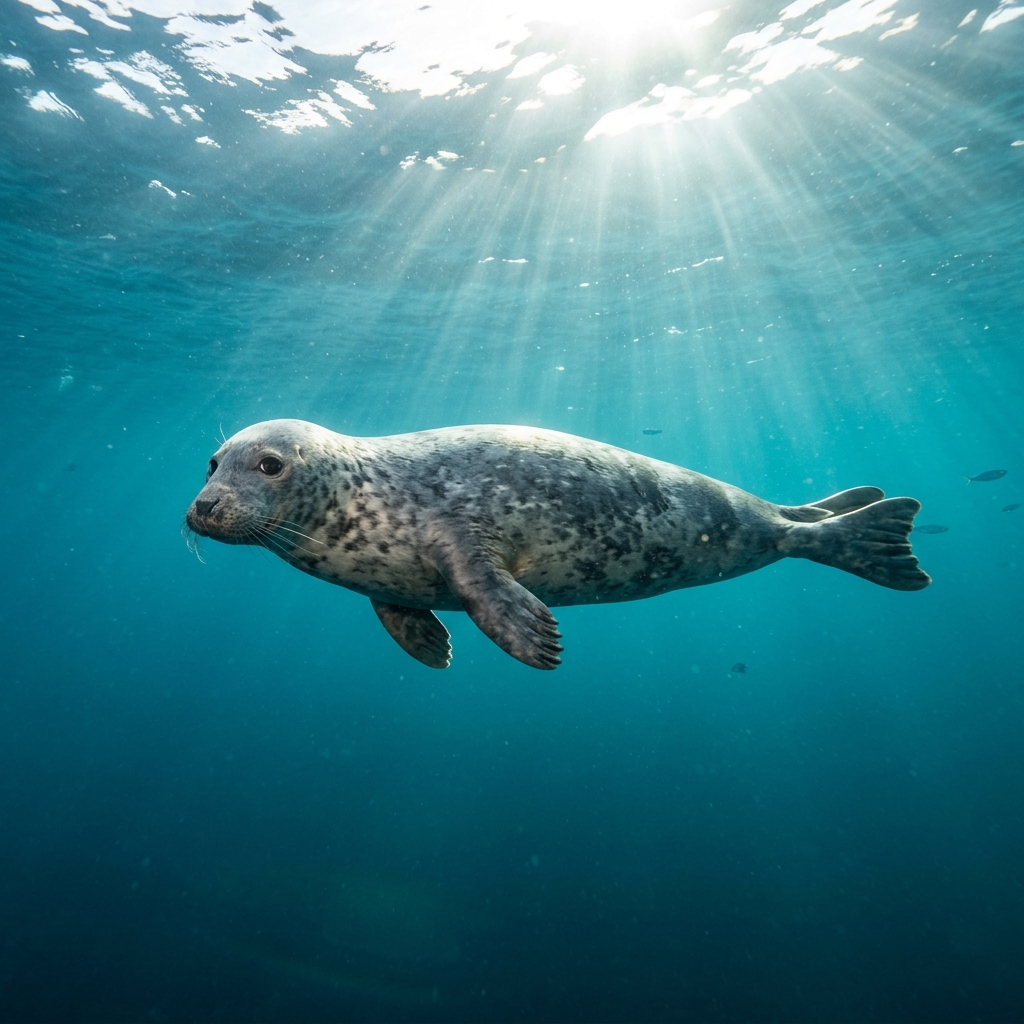
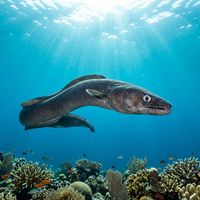
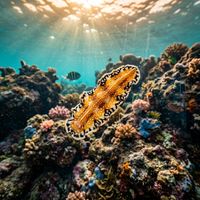
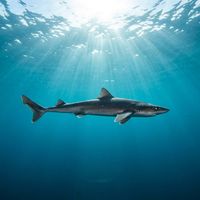
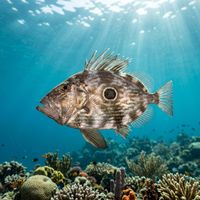
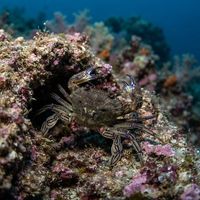
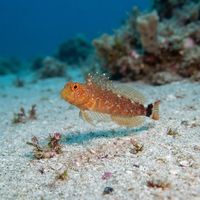
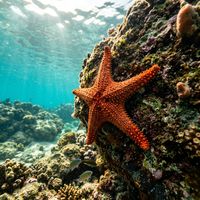
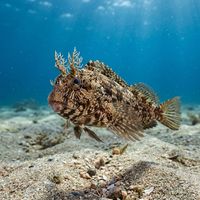
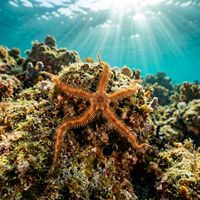
The European Common Cuttlefish is observed across the vast majority of sites and is effectively Dorset's signature species. Tompot Blenny, Sea Star, Brittle Star, and Temperate Bass are all commonly recorded. Divers also encounter Conger Eel, Dogfish, John Dory, Velvet Swimming Crab, and the occasional Gray Seal. Rarer sightings include Long-snouted Seahorse and Basking Shark.
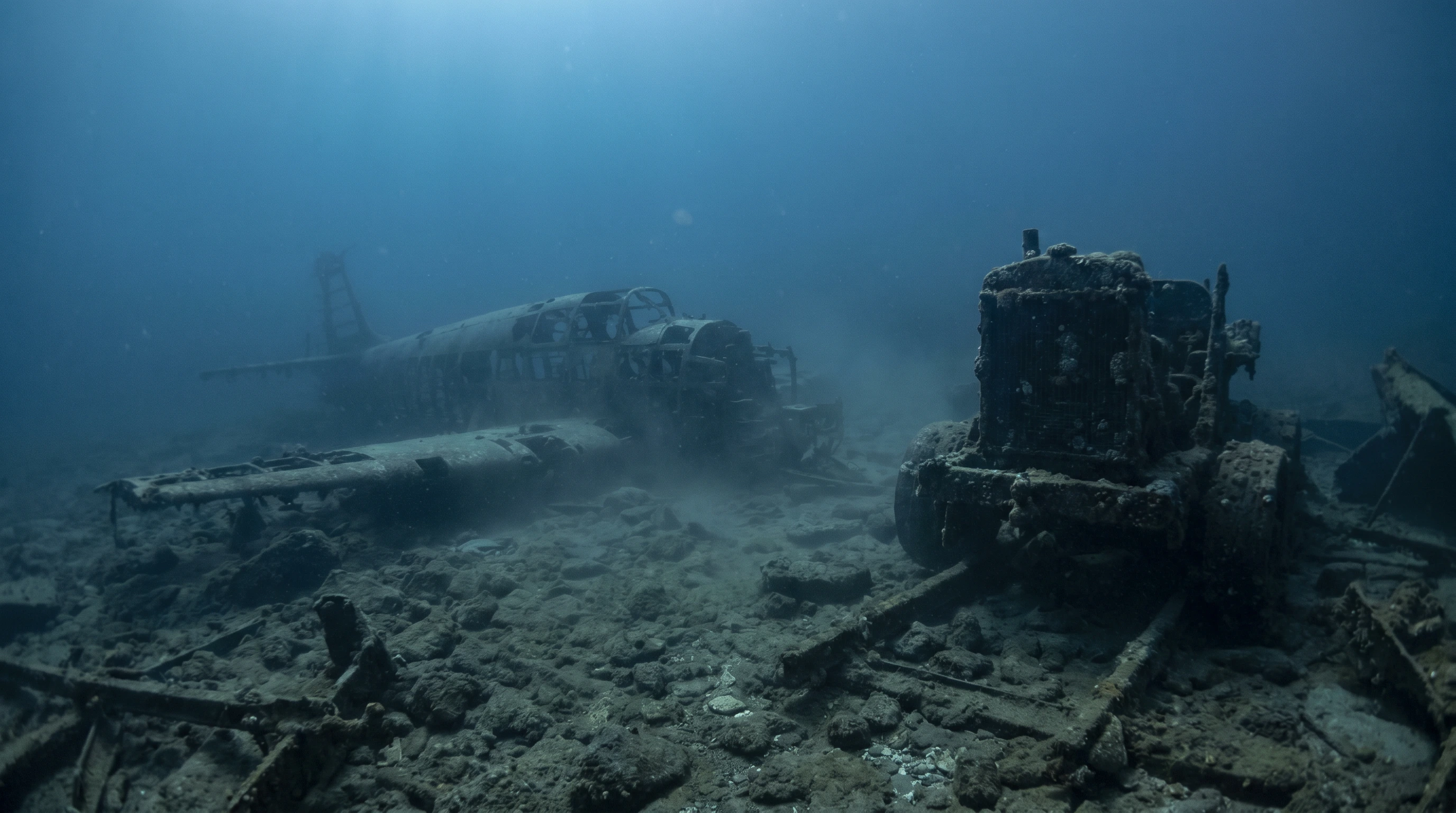
A large proportion of Dorset's sites are rated beginner level, including Portland Harbour, Swanage Pier, Shore Road Pipeline, and Durdle Door. Many of these are shallow and accessible from shore, making them well-suited to newly qualified divers building confidence. Intermediate and advanced sites such as Portland and the USS Illinois are also available for those progressing their skills.
Both access types are well represented. Shore entries include Swanage Pier, Shore Road Pipeline, Durdle Door, and Branksome Chine Pipes, all of which are shallow and convenient for independent divers. Boat access opens up offshore wrecks such as the James Fennel Wreck and deeper sites around Portland. Operators including Divers Down, Dorset Diving Services, and Swanage Boat Charters run regular charter departures.
Swanage and Poole form the most concentrated cluster of sites in Dorset, offering everything from the shallow artificial reef at Swanage Pier to the boat-access James Fennel Wreck and the cave and drift topography at Lolworth Cove. The area is particularly beginner-friendly, with multiple shore entries and calm, sheltered conditions at several sites. It also has strong operator support, with several charter and training providers based locally.