Polycera kernowensis
A small, uncommon nudibranch turning up along the Lisbon Coast and English shores in cool 11-18C water, year-round.
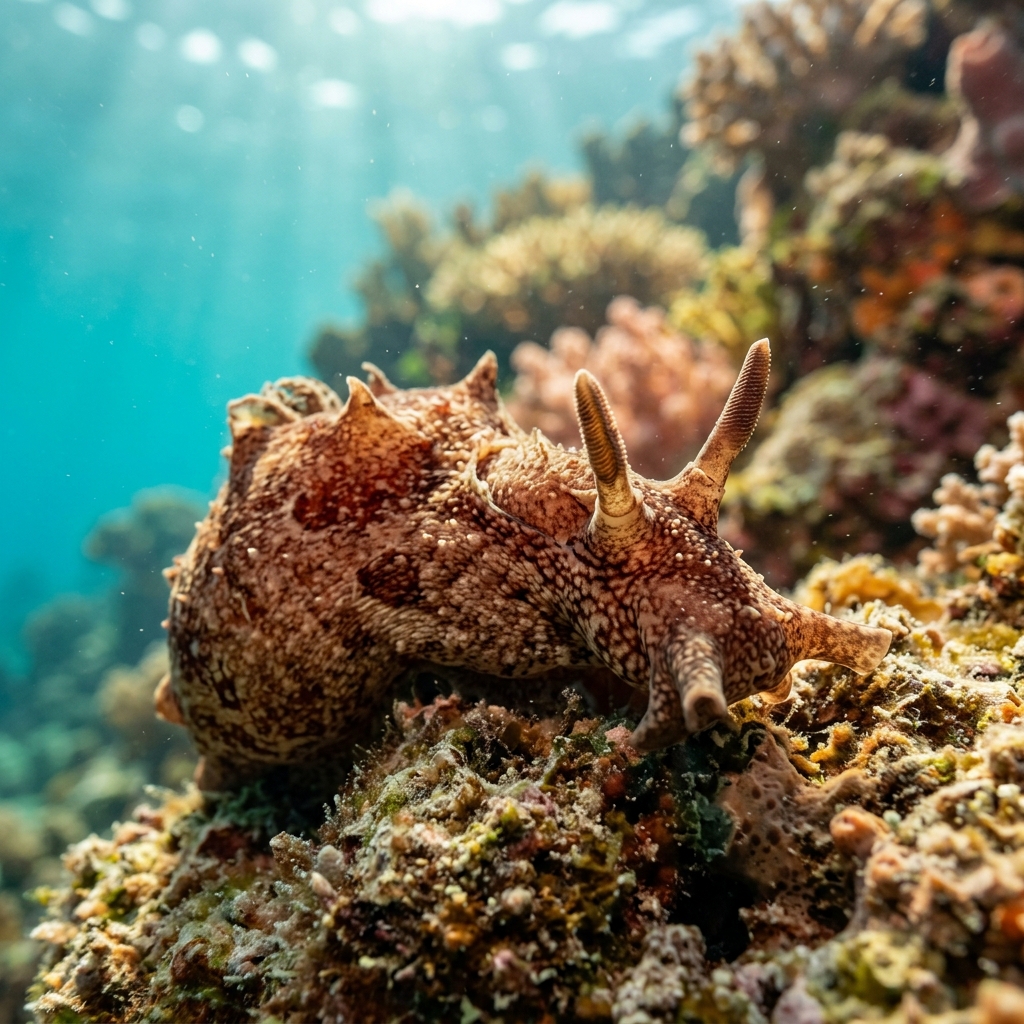
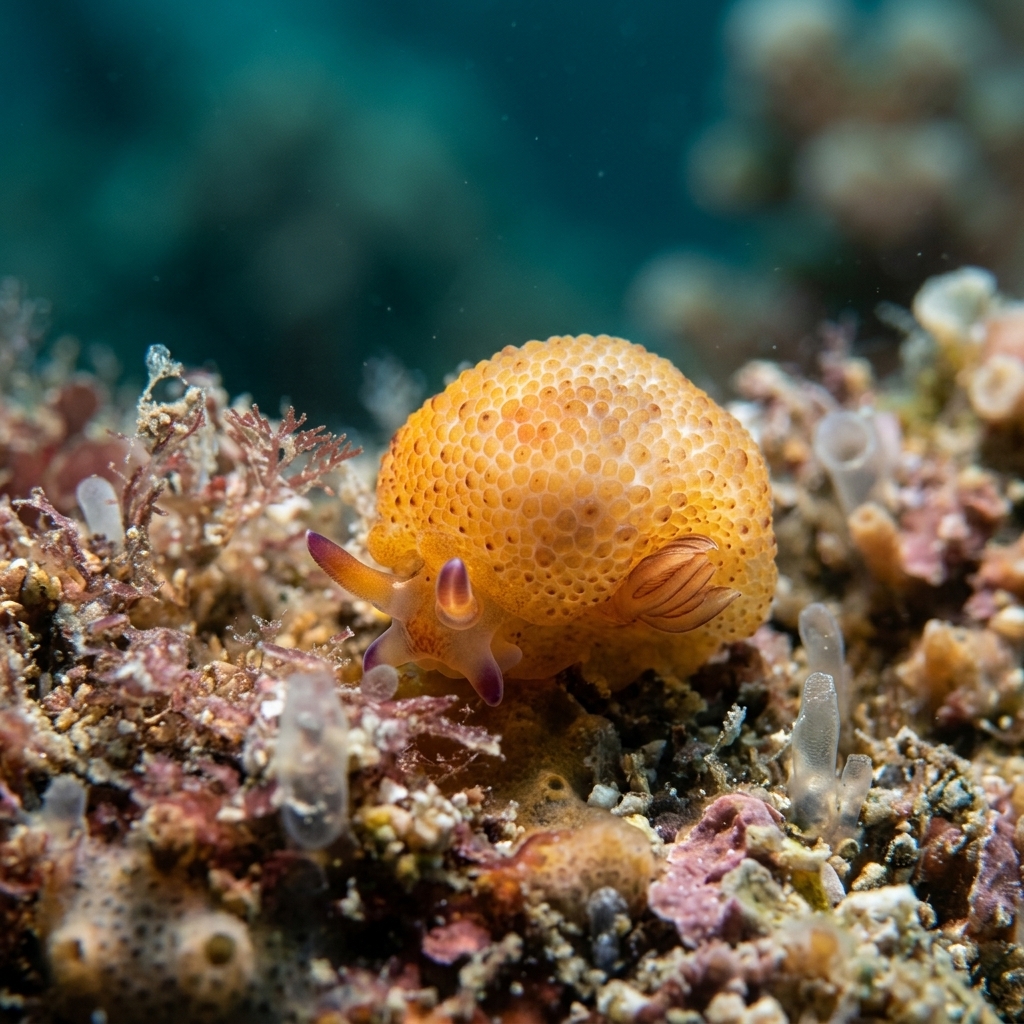
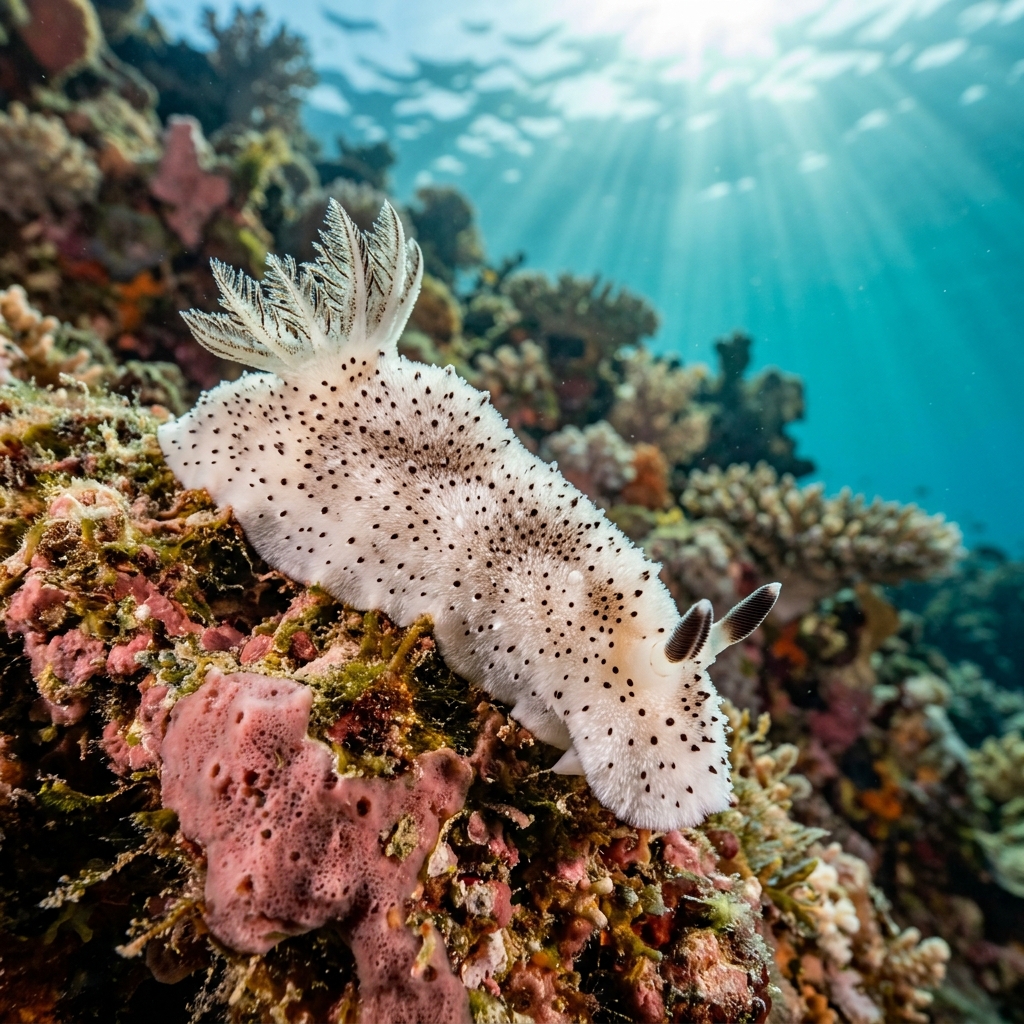
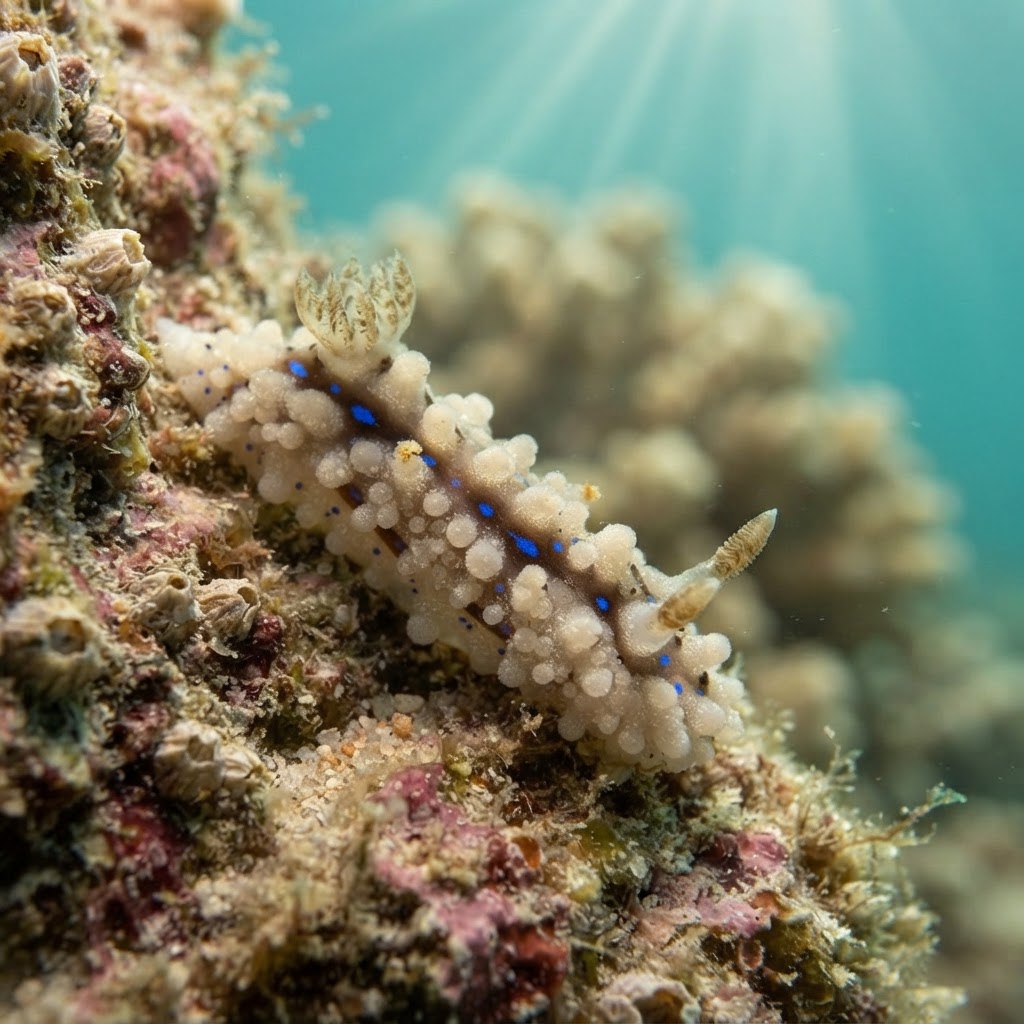
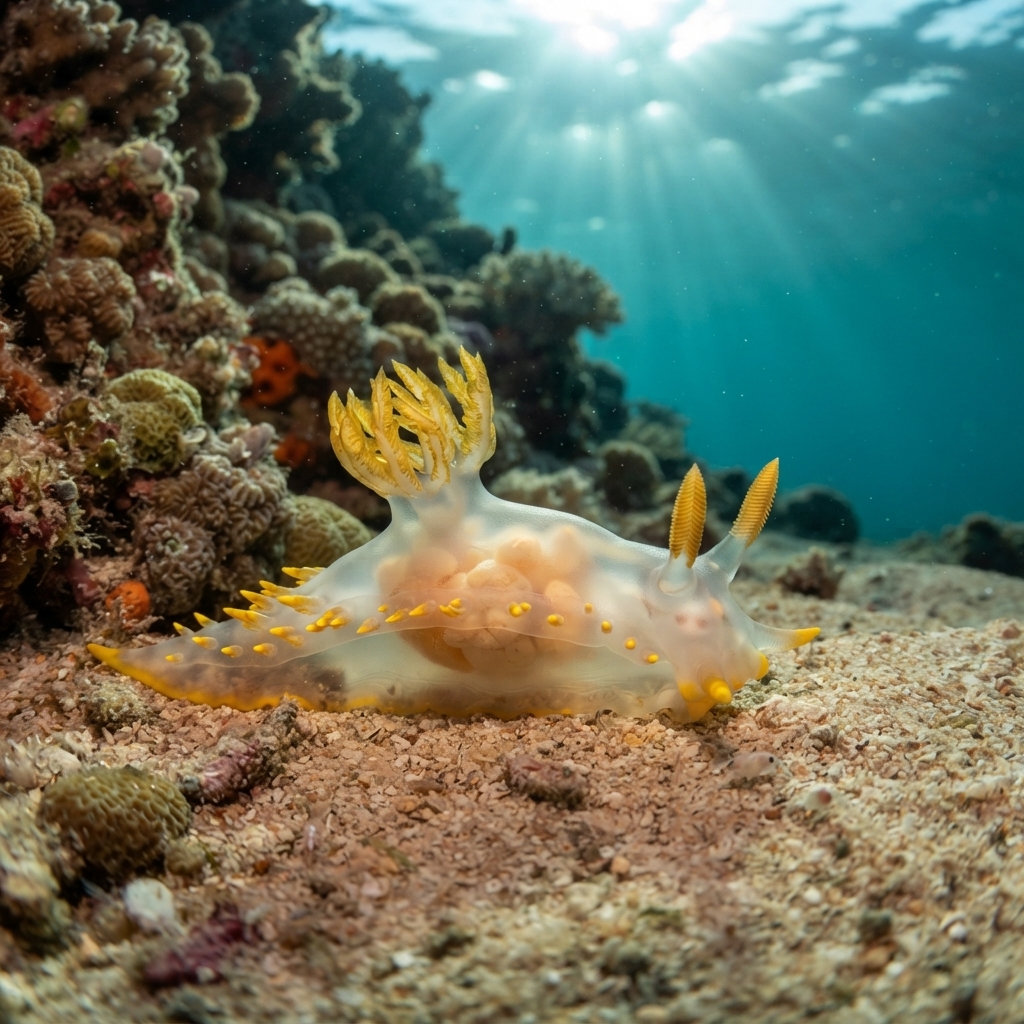
A small nudibranch with a translucent to pale yellowish body, marked by orange or yellow-tipped extensions (papillae) along its back and a pair of frilled projections near the head that resemble rhinophores gone slightly wild. It moves slowly across rock and algae, staying low to the substrate rather than swimming. There is no dramatic size to key on here since it stays inconspicuous, so divers usually spot it by scanning encrusting growth closely rather than seeing it from a distance.
Found grazing slowly over rock, algae and encrusting life on the seabed, usually tucked into the same kind of low-relief benthic habitat divers check for other small nudibranchs. It shows no reaction to divers beyond continuing its slow crawl, and there is no particular time of day associated with sightings. Most logs come from divers deliberately searching cracks and encrusted surfaces rather than spotting it in open view.
Like other Polycera species, it likely feeds on encrusting bryozoans, using its slow grazing pace and camouflage-poor but small size as its main defence against being noticed by predators or divers alike.
Sightings run year-round with no detected seasonal peak, which fits its comfort range of roughly 11 to 18C, a band these Atlantic and Channel sites hold across most of the year.
Most reliably logged along Portugal's Lisbon Coast and Algarve, with strong numbers also reported across England, Wales and Ireland's Kerry coast. Spain's Cantabrian Coast and Galicia, plus Brittany in France, round out the range, making this very much a cool-water Atlantic and Channel species rather than a warm-reef find.
Mapping where Cornish Polycera is logged…
It is most often logged along Portugal's Lisbon Coast and Algarve, and is also a solid find around England, Wales, Ireland's Kerry coast, Spain's Cantabrian Coast and Galicia, and Brittany in France.
There is no strong season in the data, so it is logged year-round. It sits comfortably in 11 to 18C water, a range these Atlantic and Channel sites hold for most of the year.
Look for a small, pale to translucent nudibranch with orange or yellow-tipped papillae along its back and frilled head projections, moving slowly over rock and algae. It lacks bold colour blocking, so a close, deliberate scan of encrusted surfaces is usually needed to spot it.
Exact size data is not confirmed, but like most Polycera nudibranchs it stays small, typically only a few centimetres long, and is easy to overlook against encrusted rock.
No. It poses no threat to divers and is safe to observe and photograph up close without any special precautions.
Site and sighting data is aggregated from diver logs, iNaturalist and GBIF. For taxonomy and conservation status:
Light-spotted Aegires
3,168 sites