Best for beginner divers, 10-15m, boat entry, mild current.
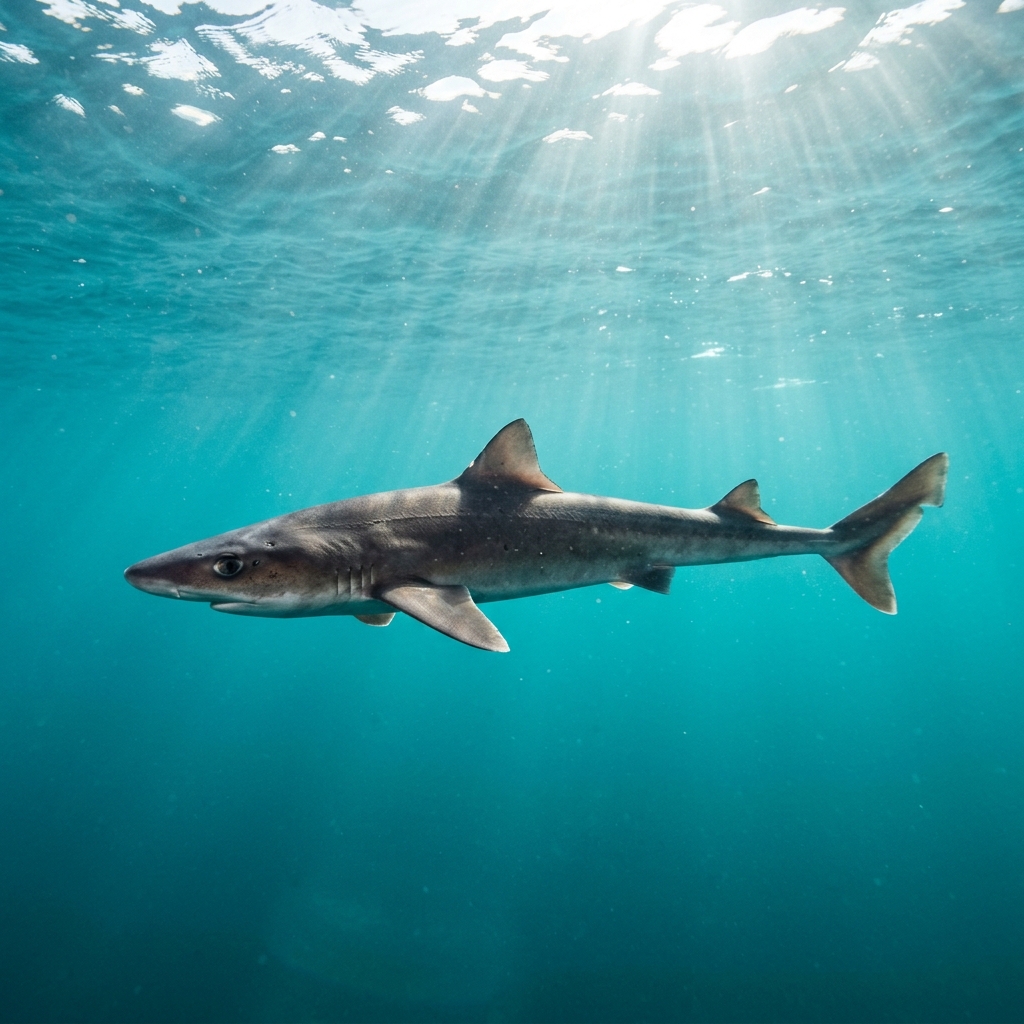
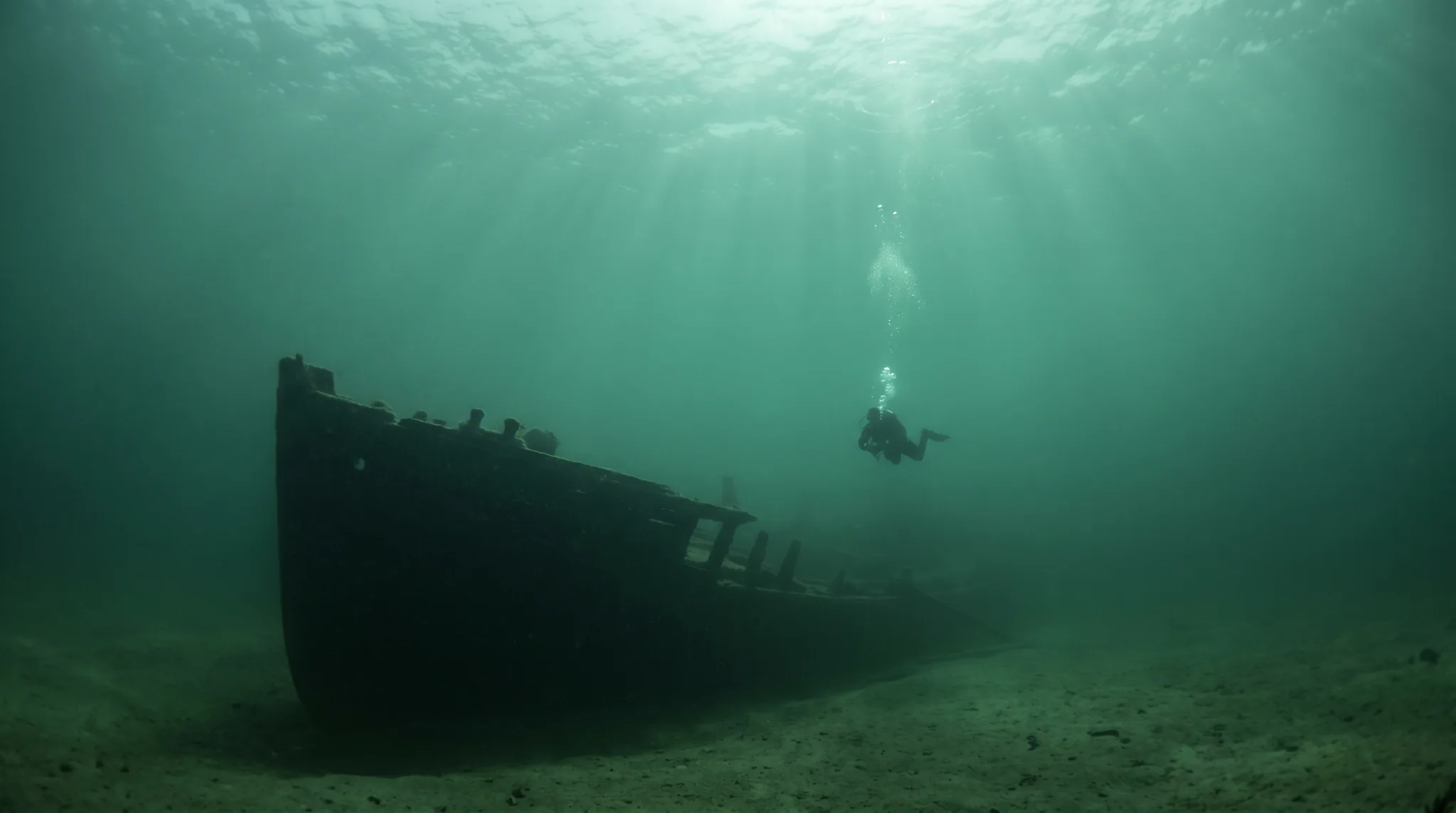
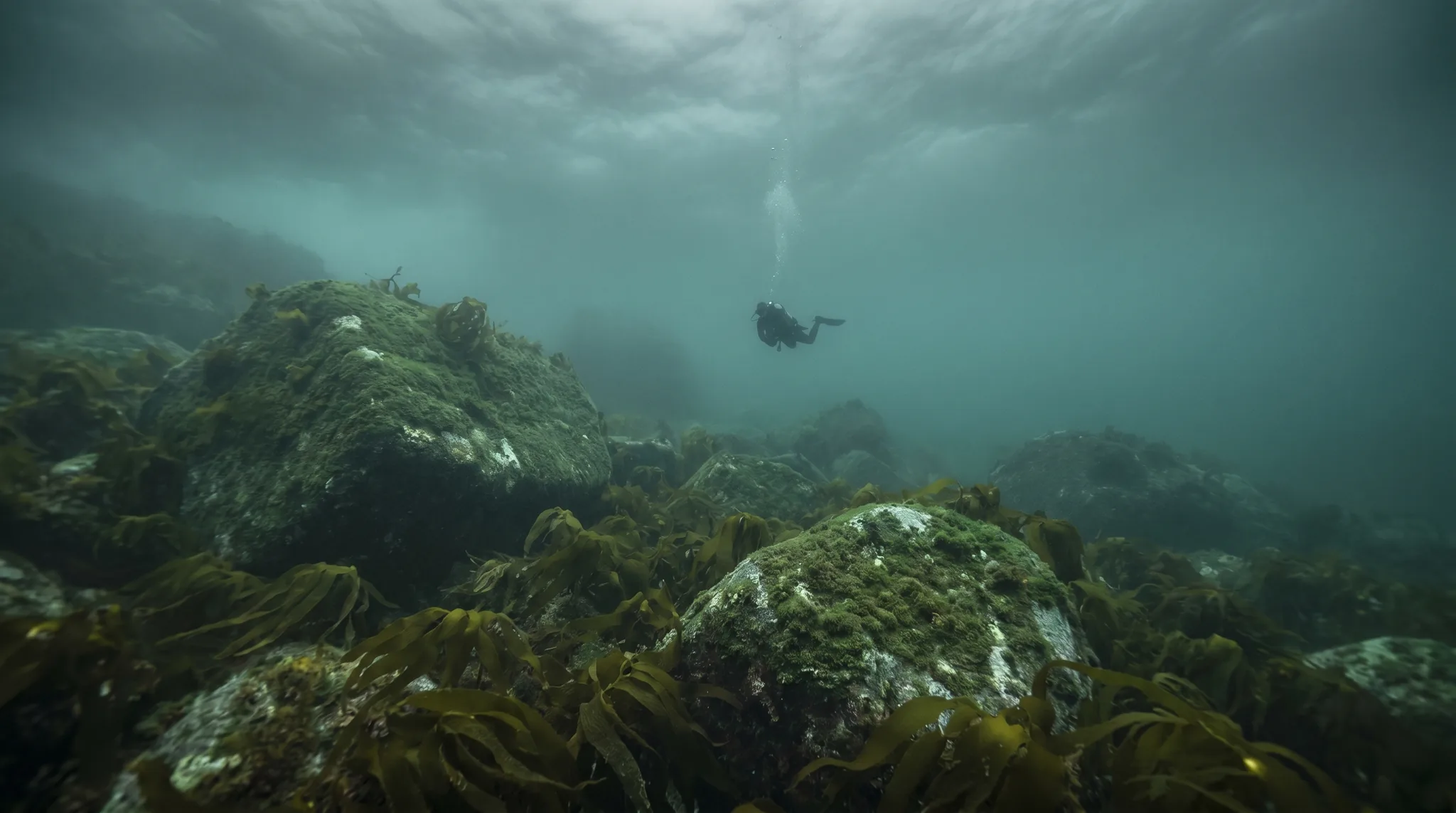
Plymouth Breakwater offers a combination of natural reef, artificial structure, and wreck diving. Located 4023 metres from shore, this site is accessible only by boat and suits beginner divers. The topography features depths between 10 and 15 metres, with an average of 12 metres. Visibility varies from 4 to 12 metres, and currents are generally mild. The site supports a variety of reef fish and invertebrates typical of temperate British coastal waters. Night diving is permitted. Due to significant boat traffic, divers must use a delayed surface marker buoy and remain aware of their position relative to the charter vessel.
50.33417, -4.14805
Boat traffic around the breakwater can be significant, so always surface with a delayed surface marker buoy and stay aware of your position relative to the charter vessel. Water temperatures drop to around 10 degrees Celsius in winter, so a drysuit or a well-sealed wetsuit of at least 7mm is worth having ready.
Plymouth Breakwater can be reached by boat.
Recorded at this site
Depth
10-15m
Visibility
4-12m
Skill Level
Beginner
Entry
Boat
Boat required
Water Temp
10-17°C
Current
Mild
Typical Dive
10 min
The site supports a variety of reef fish and invertebrates typical of temperate British coastal waters.
Yes, the site is considered suitable for beginner divers looking to build confidence in open water.
Depths range from 10 to 15 metres, with an average depth of 12 metres.
Access to Plymouth Breakwater is by boat only.
Yes, night diving is possible at this site.
Diving at Plymouth Breakwater in Plymouth requires the following certifications: Open Water. Always dive within your training limits.
A drysuit recommended is recommended for diving at Plymouth Breakwater in Plymouth. Water temperatures range from 10°C to 17°C.
Plymouth Breakwater in Plymouth typically has mild currents that most divers can handle comfortably.
Visibility at Plymouth Breakwater in Plymouth typically ranges from 4 metres to 12 metres. Conditions vary with weather, tides, and seasons.