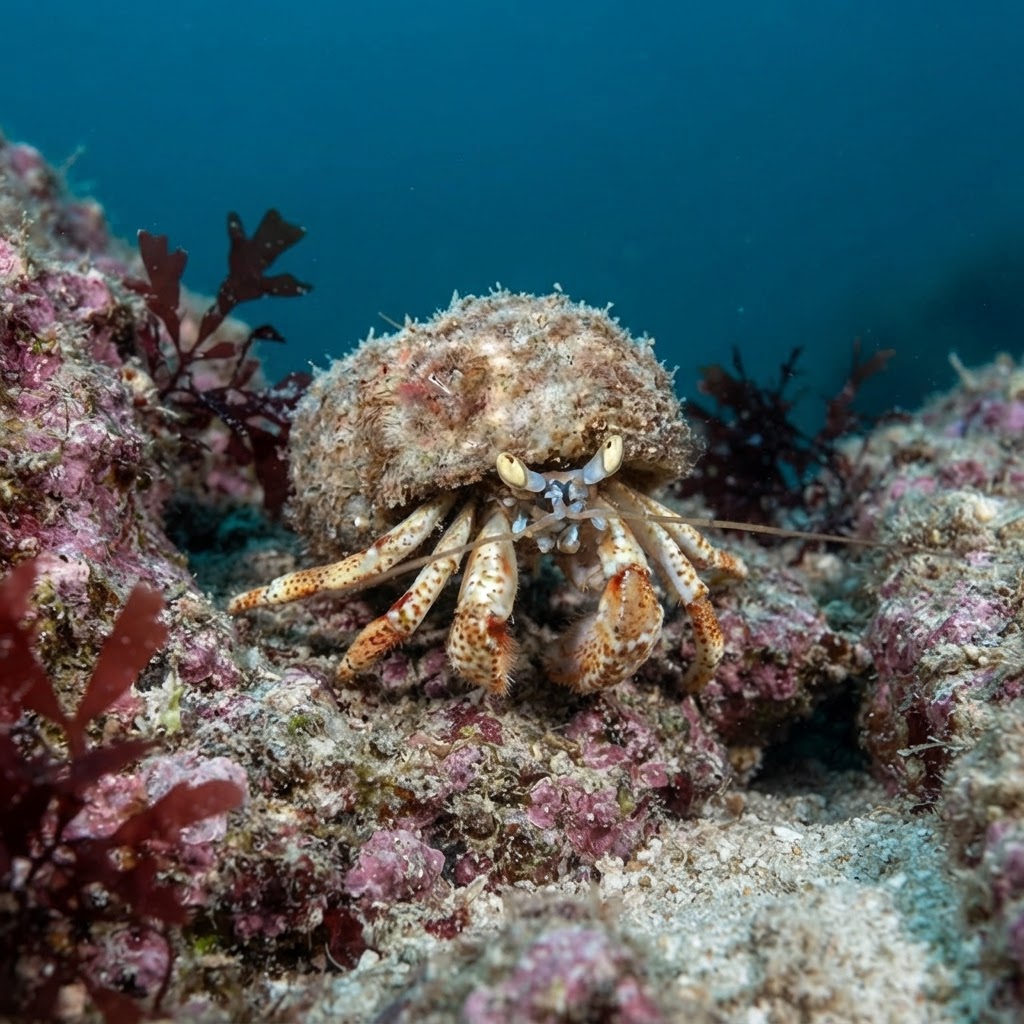
Pagurus bernhardus
A cold-water regular in Zeeland and Northern Ireland, spotted year-round in waters as cool as 8 to 14 C. Here's how to find one.
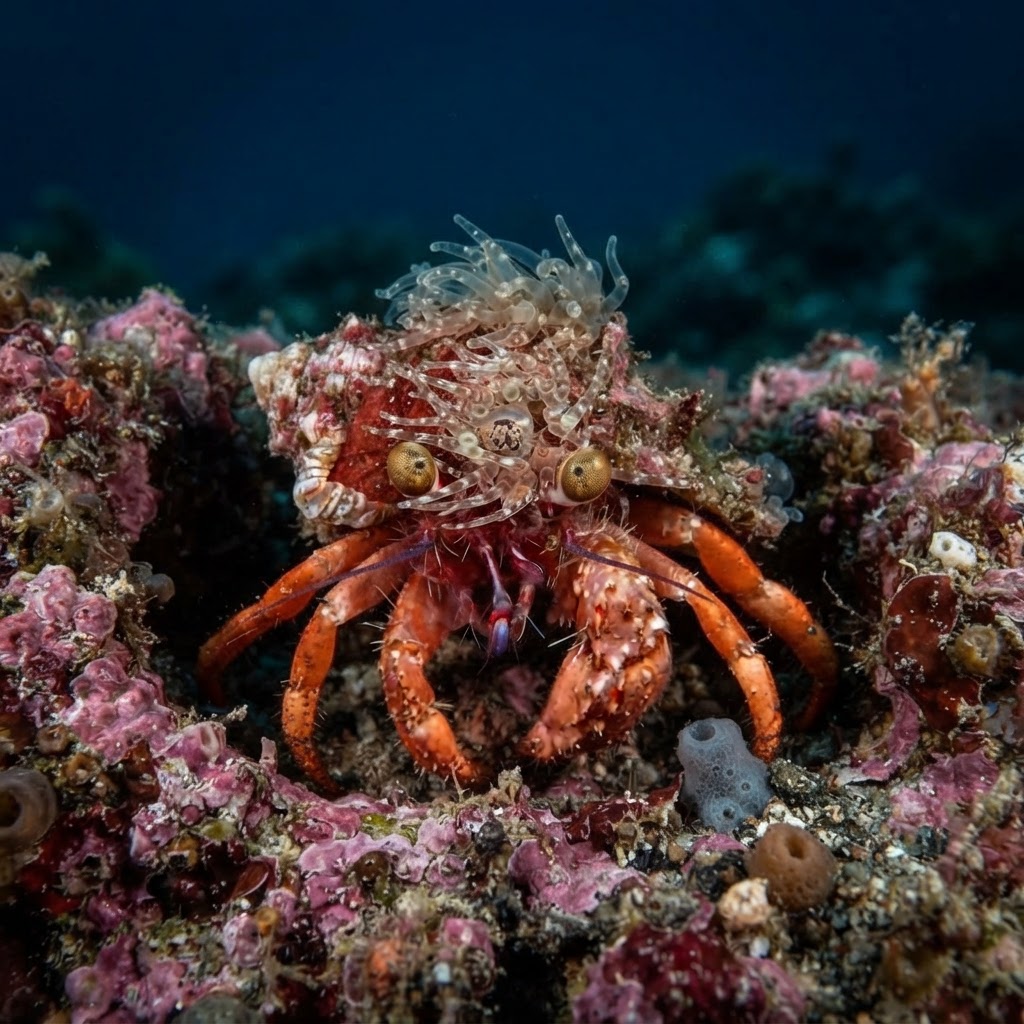
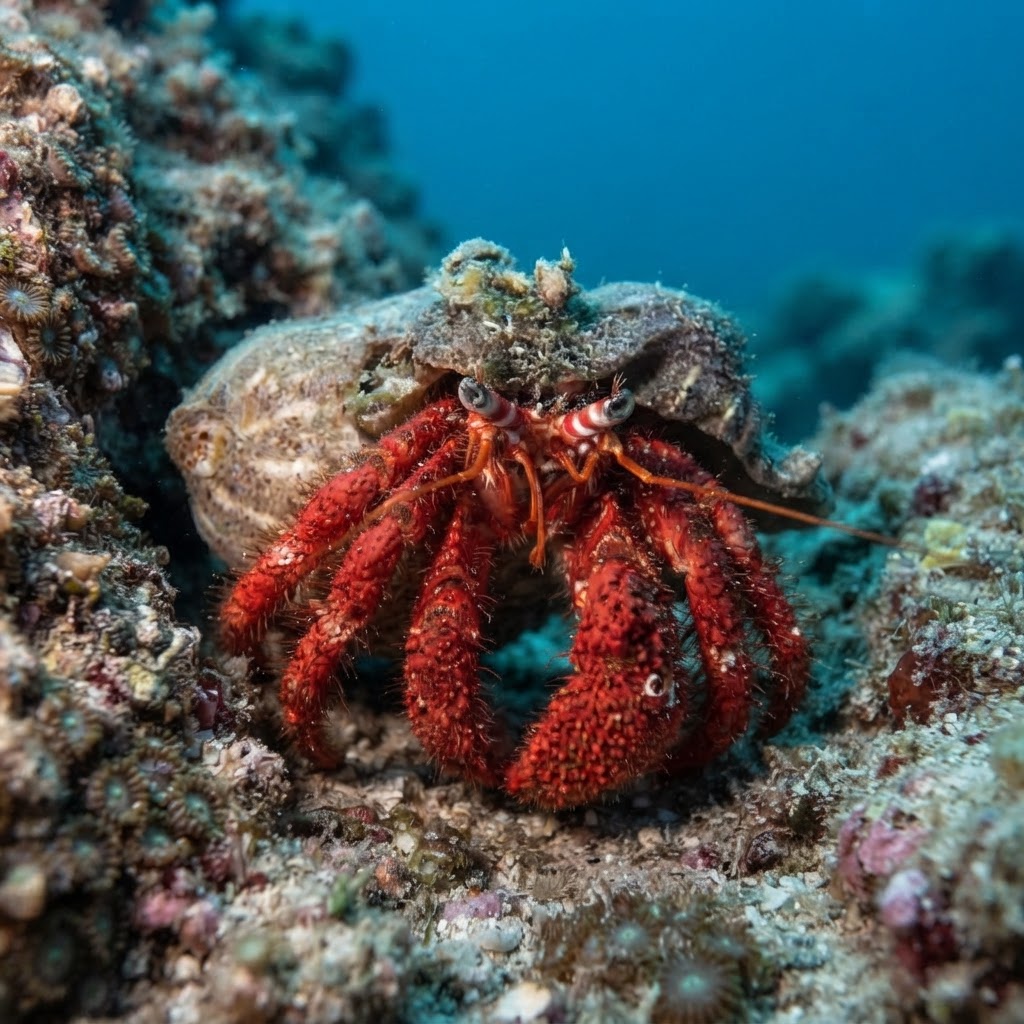
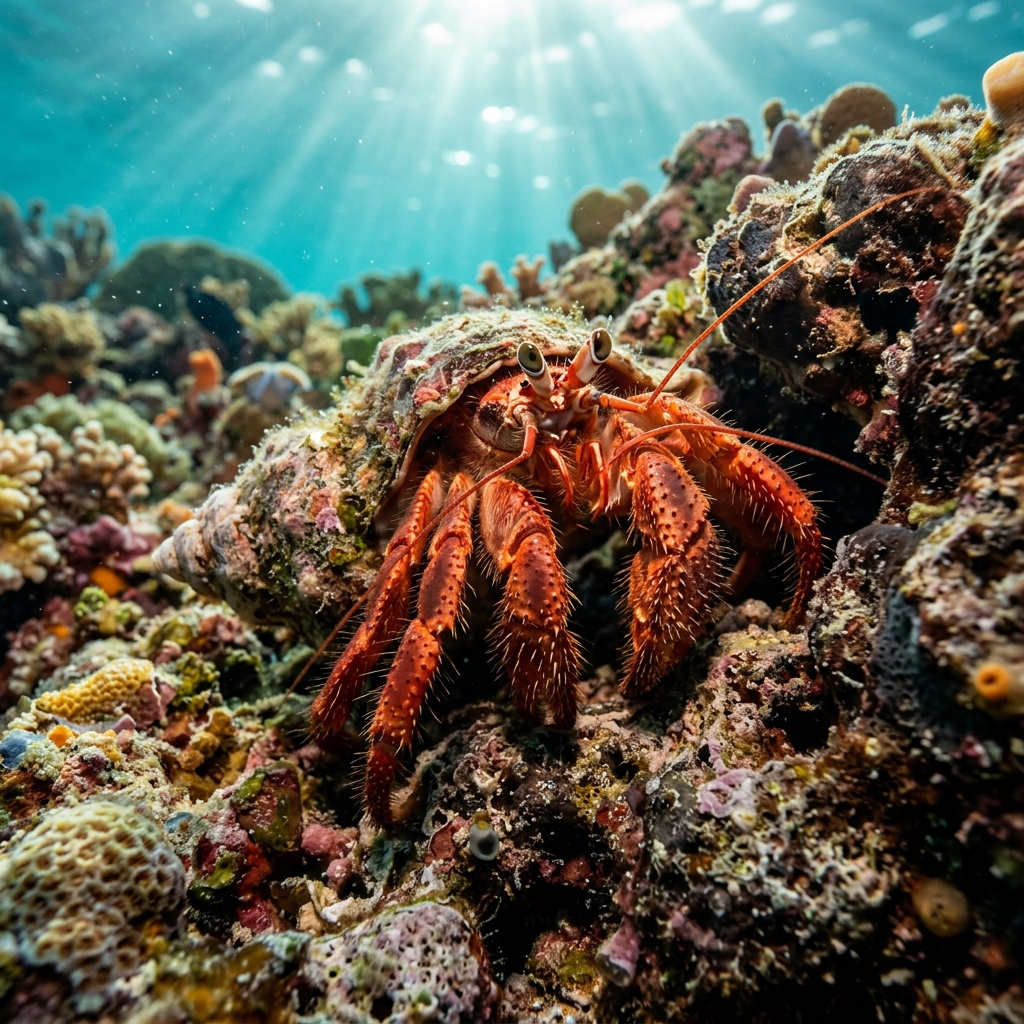
Look for a small crab dragging a spiral snail shell, usually a whelk shell, across the seabed rather than a crab with its own hard shell. Its exposed legs and claws are reddish-brown to orange, often banded, with one claw noticeably larger than the other for blocking the shell entrance when it retreats. Antennae are typically orange with darker bands, which is one of the easier field marks against similar hermit crabs.
Divers usually find it shuffling across sand, gravel or mixed seabed, dragging its borrowed shell and pausing to probe the substrate with its smaller claw for scraps. It reacts to a close torch or hand by withdrawing fully into the shell and blocking the opening with its larger claw, then re-emerging within moments once it senses no more threat. Most sightings are on the bottom in shallower coastal water rather than on open reef or wall, and it's easy to miss unless you're scanning close to the substrate.
As it grows it has to abandon its shell and find a larger empty one, and where shells are scarce you'll sometimes see several hermit crabs queuing by size around a single vacant shell waiting their turn.
Sightings show no clear seasonal pattern, so treat it as a year-round find. It's recorded in water from about 8.3 to 14.3 C, which covers most of the diving season in these cooler regions, so timing your trip around temperature isn't necessary.
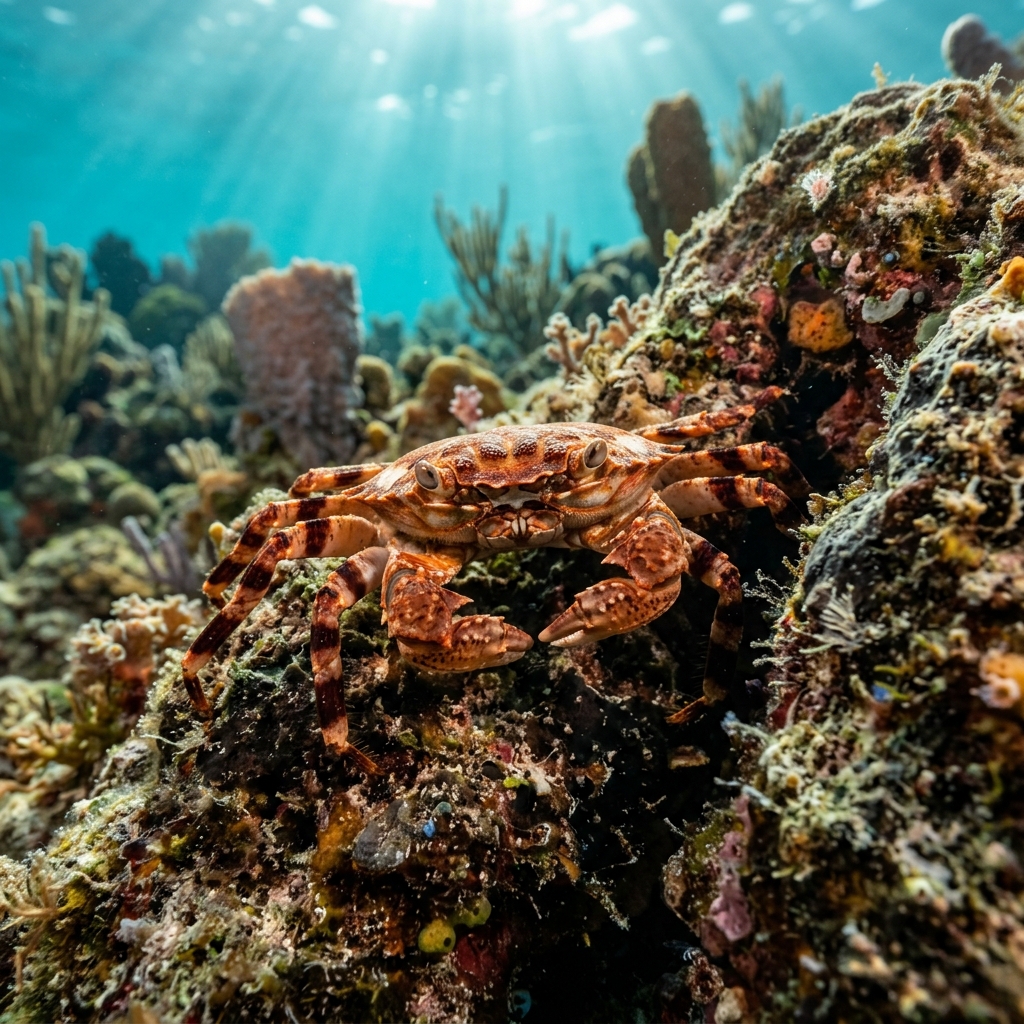
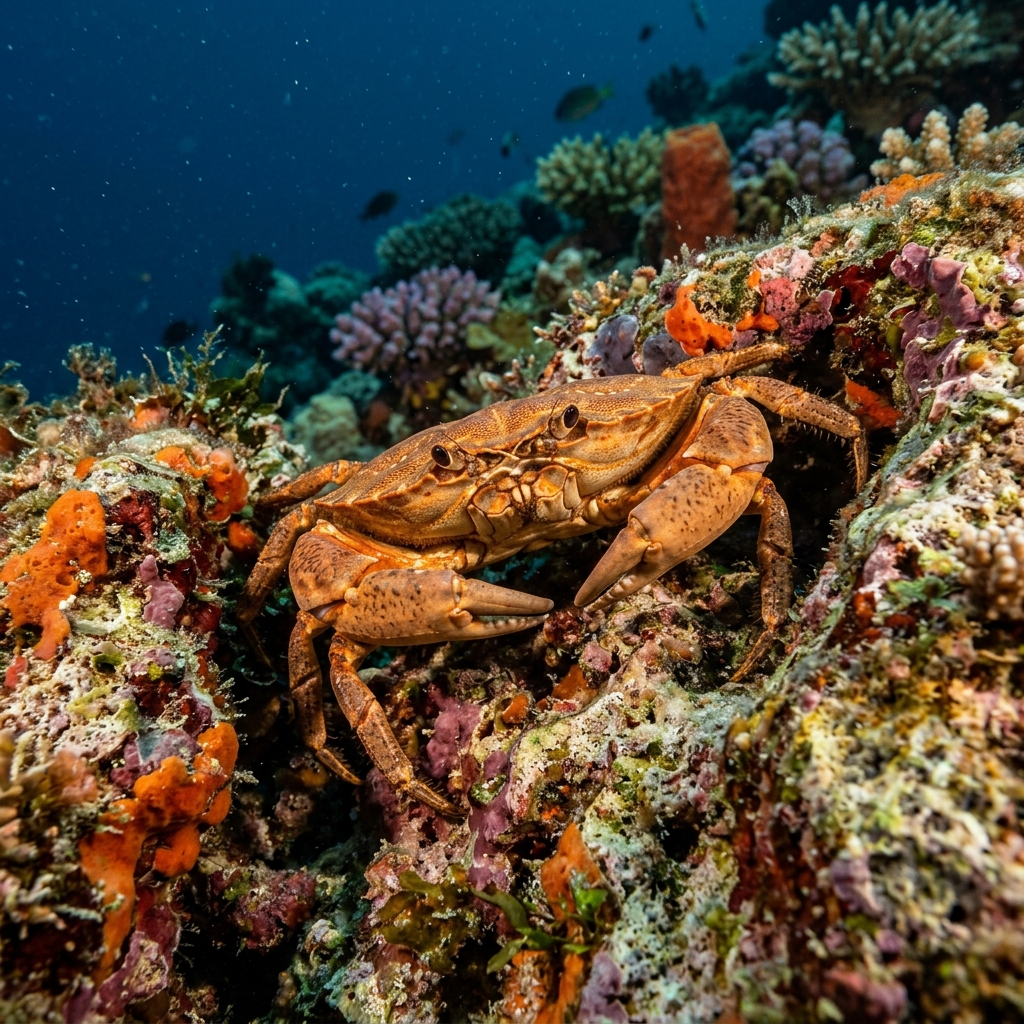
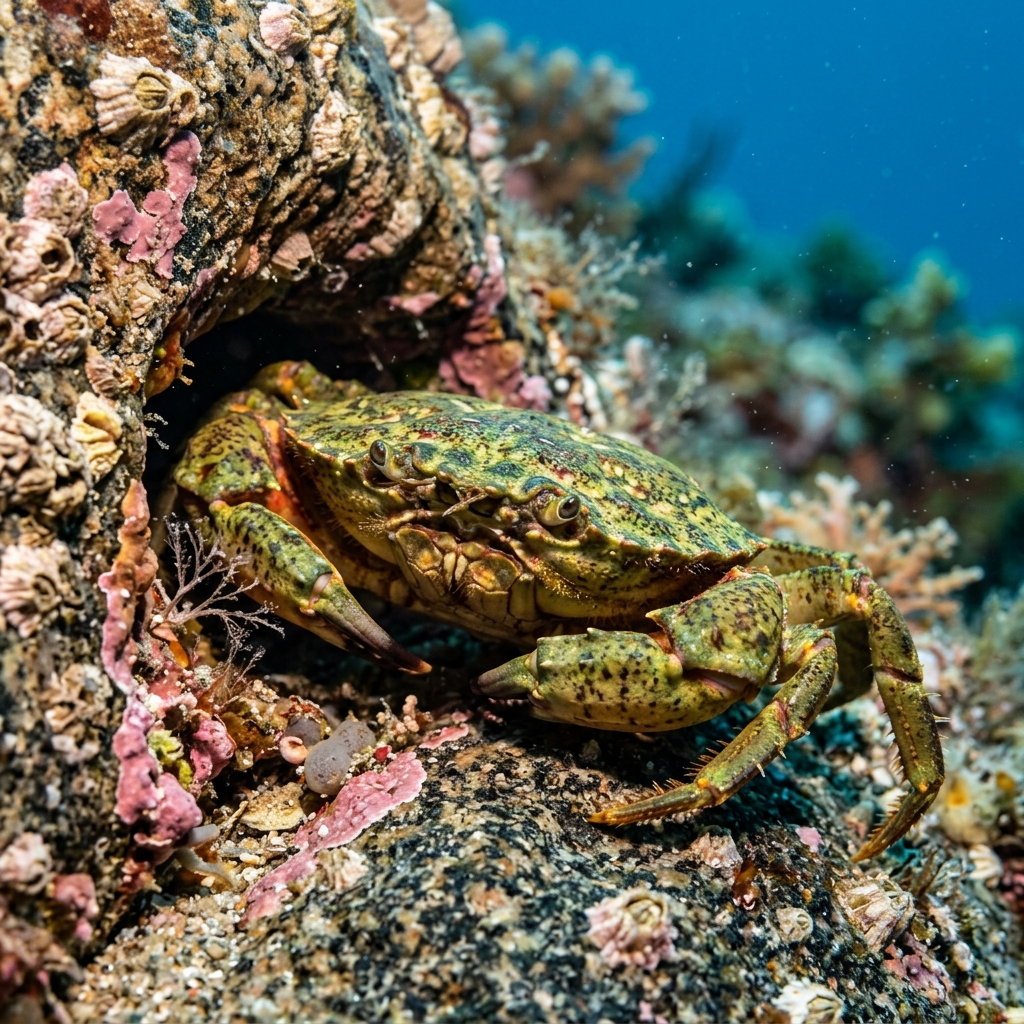
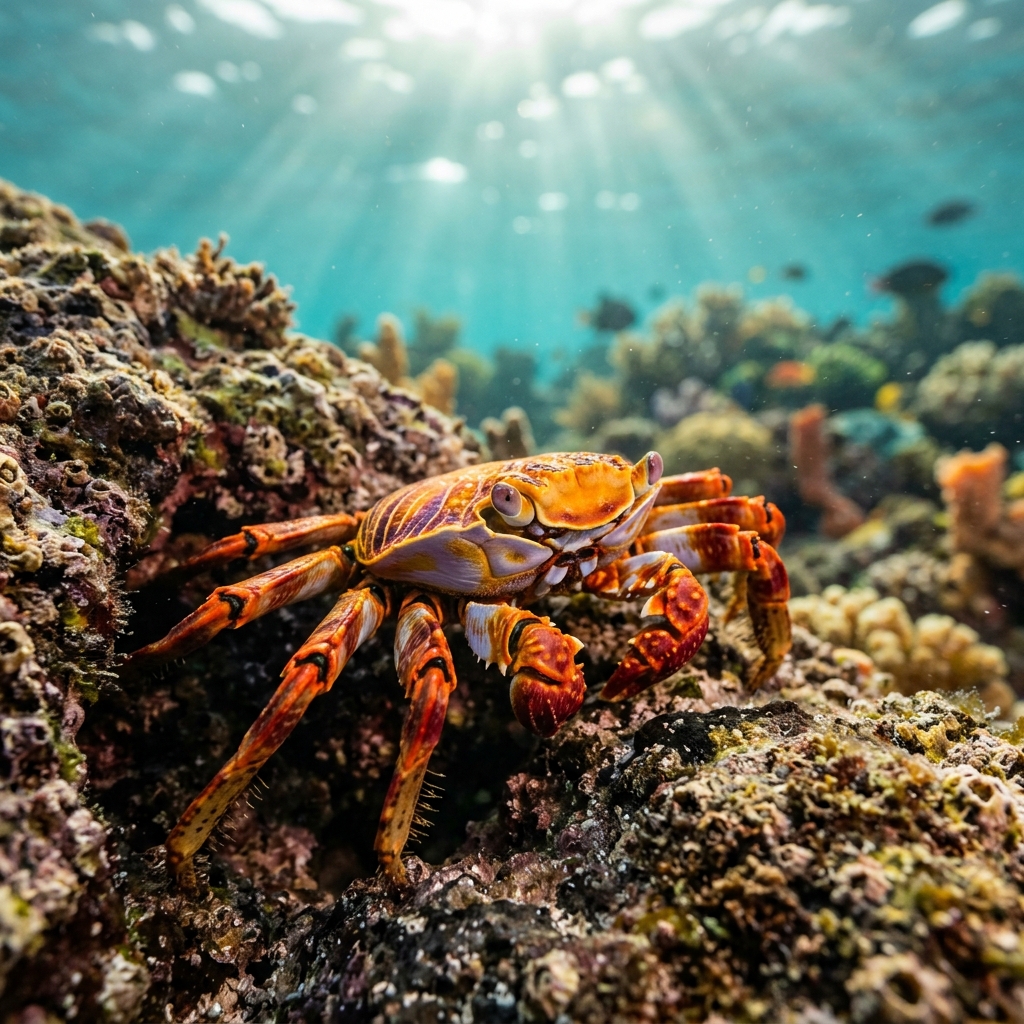
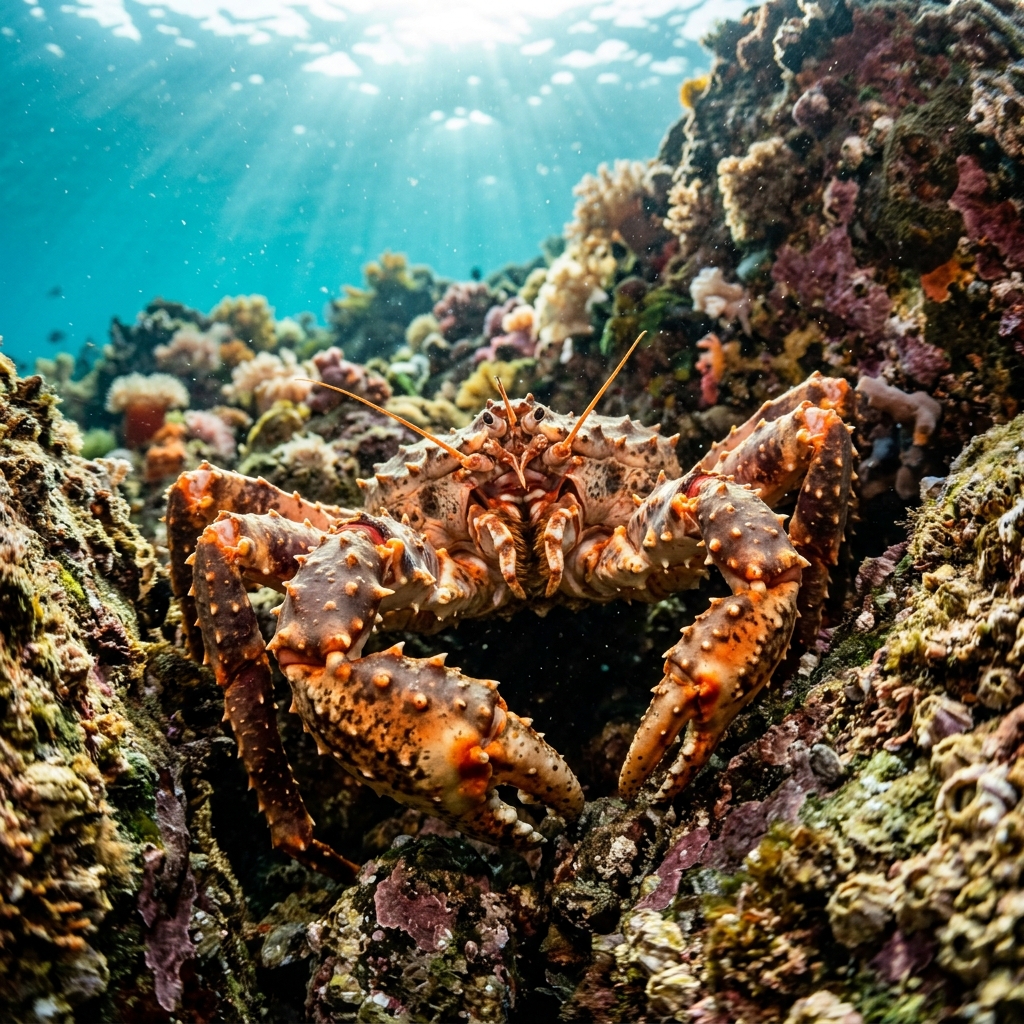
Reef neighbours a diver could mistake it for. Use the identification notes above to tell them apart.
This is a reliable find in cooler European waters, most consistently logged in Zeeland in the Netherlands and across Northern Ireland and England in the UK. It also turns up regularly in Scotland, Wales, Brittany in France, Galicia in Spain, and Schleswig-Holstein in Germany, making it one of the more widely distributed benthic finds across northern European dive sites.
Mapping where Common Hermit Crab is logged…
It's most consistently seen in Zeeland in the Netherlands and across Northern Ireland and England in the UK, with further sightings in Scotland, Wales, Brittany, Galicia and Schleswig-Holstein.
There's no strong seasonal pattern in sightings, so it's a year-round find in the cool waters it favours, typically between 8.3 and 14.3 C.
Look for a spiral whelk shell being dragged across sand or gravel with reddish-orange banded legs and one oversized claw poking out. The banded orange antennae are a useful extra check against similar hermit crabs.
No. It's a small, harmless bottom-dweller that retreats into its shell rather than reacting aggressively to divers.
It has a soft, unprotected abdomen and relies entirely on a scavenged snail shell for protection, upgrading to a bigger shell as it grows. When shells are in short supply, several crabs may line up by size to claim a vacated one.
Site and sighting data is aggregated from diver logs, iNaturalist and GBIF. For taxonomy and conservation status:
European Green Crab
2,469 sites