
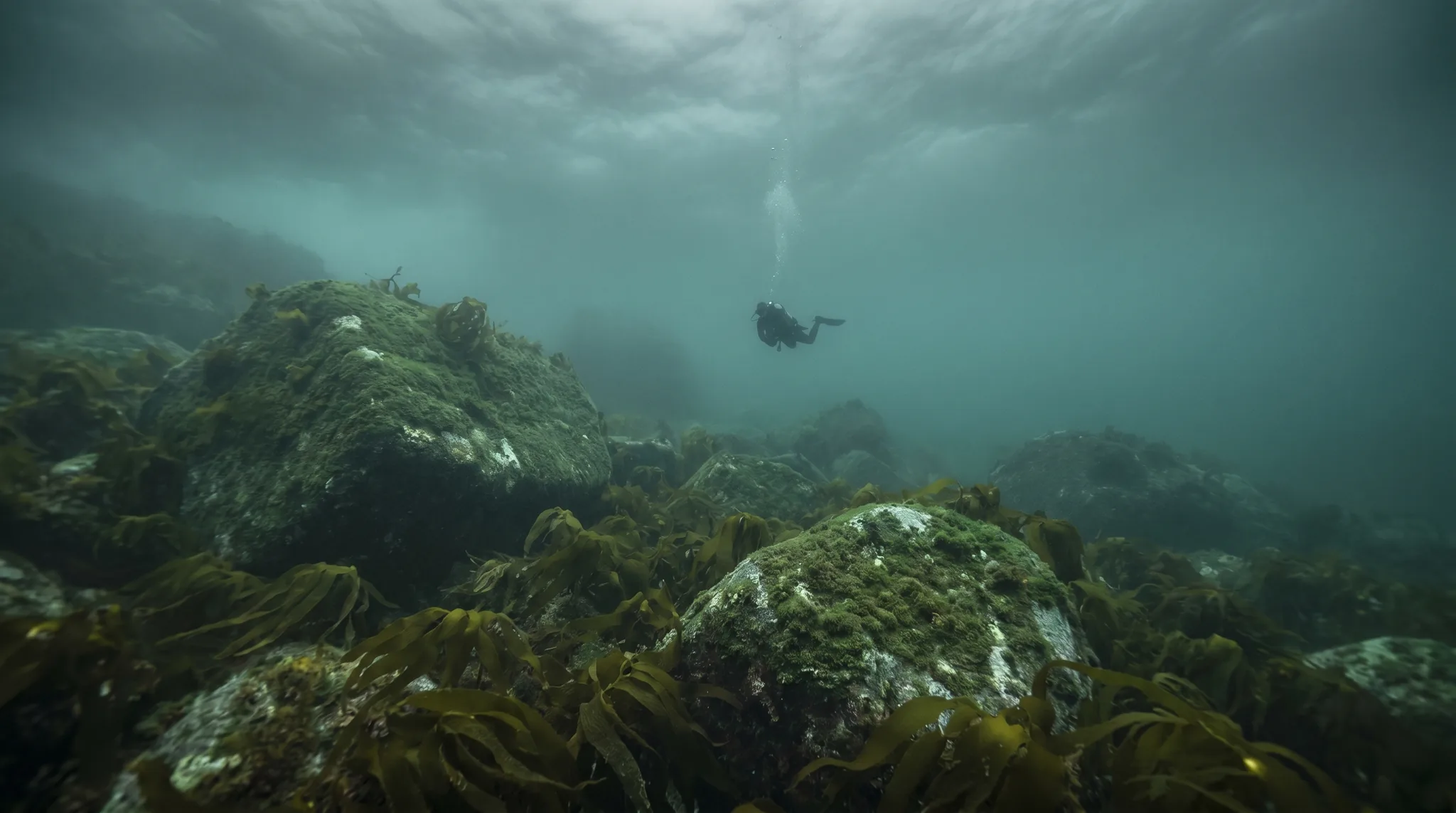
Devon's dive sites range from deliberately sunk wrecks to exposed offshore reefs and kelp-fringed shores. The Torquay and South Devon sub-area anchors much of the activity, with sites suited to all levels from shallow beginner reefs to current-swept drift dives. Nudibranch diversity is a defining character here, with multiple species recorded across sites, alongside European Common Cuttlefish, Velvet Swimming Crab, and Common Lobster. Most sites require a boat, and conditions reward those who plan around the warmer late-summer months.
1 areas
Monthly water temperature across Devon's sites, from satellite sea-surface data corrected for depth. The band shows the site-to-site spread.
Water temperature climbs steadily from spring into late summer, reaching its peak around September before cooling through autumn and into a cold winter. The warmer months from June through September offer the most comfortable diving and align with peak visibility windows. Winter diving remains possible but demands appropriate exposure protection and a tolerance for cooler, sometimes greener water.
28 operators
United Kingdom
36 more sites to explore
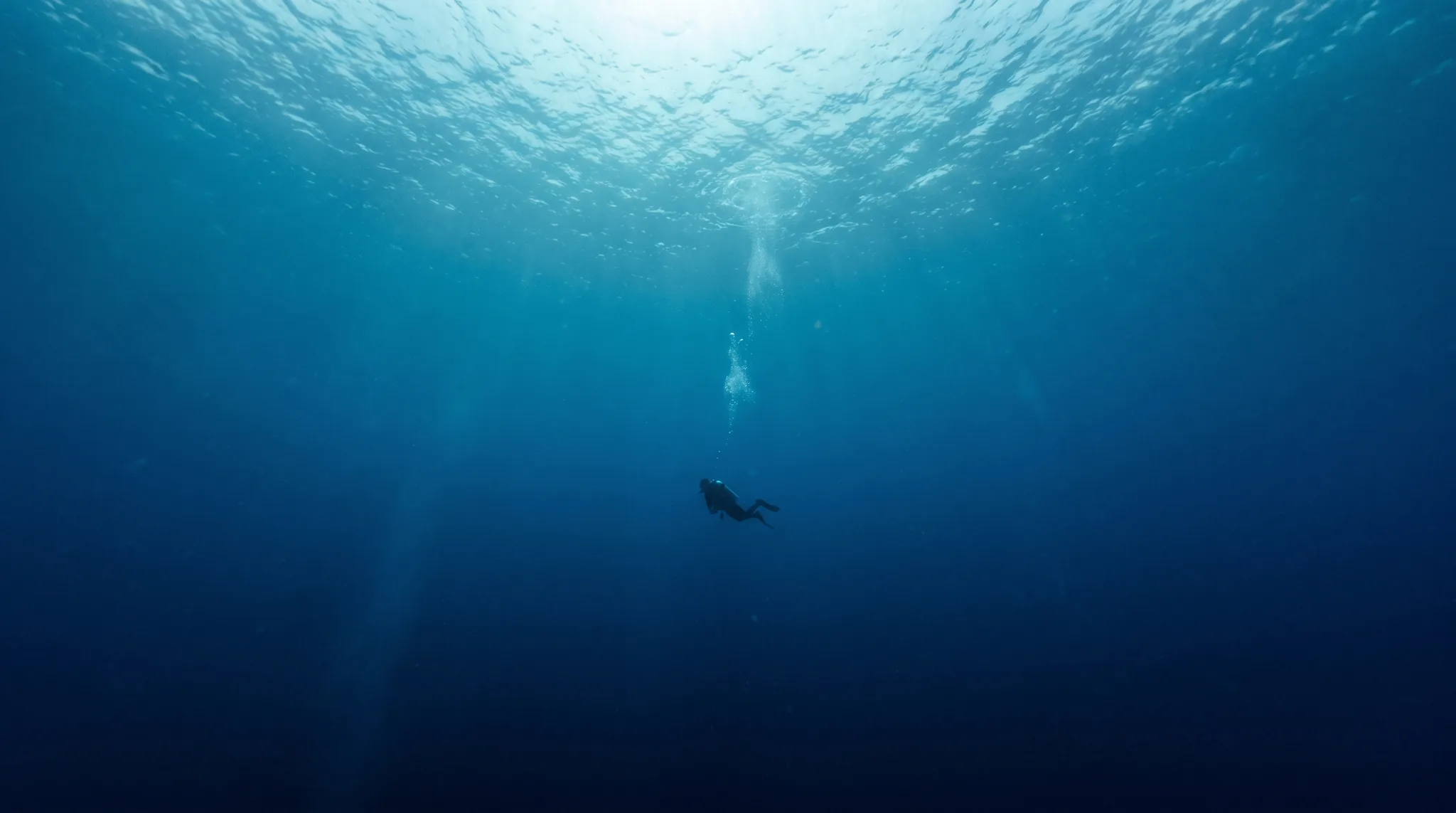
Cuttlefish, seals, and an exceptional nudibranch count across reefs, pinnacles, and drift sites on Devon's south coast.
Water temperature around Devon ranges from about 10°C in February to 17°C in September, based on satellite sea-temperature data for its dive sites.
In the warm season (about 17°C) a 7mm or semi-dry suit is comfortable in Devon; in the coldest months (about 10°C) step up to a drysuit.
Fin maps 48 sites in Devon (47 scuba diving sites and 4 snorkelling spots, with some suited to both).
Across Devon's dive sites, April, May, June, July, August and September are most often reported as the best months to visit.
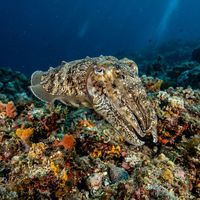
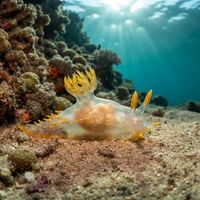
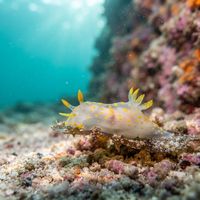
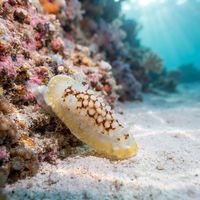
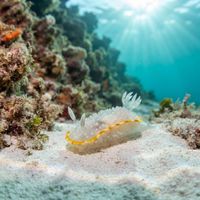
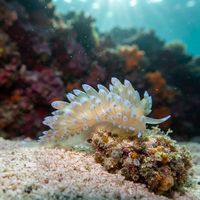
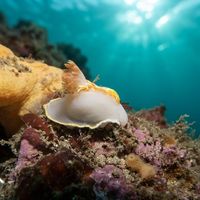
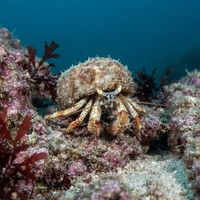
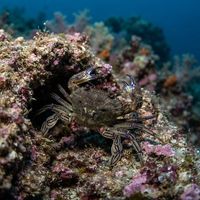
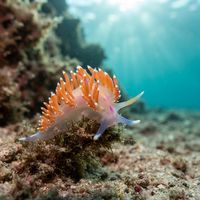
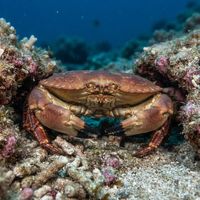
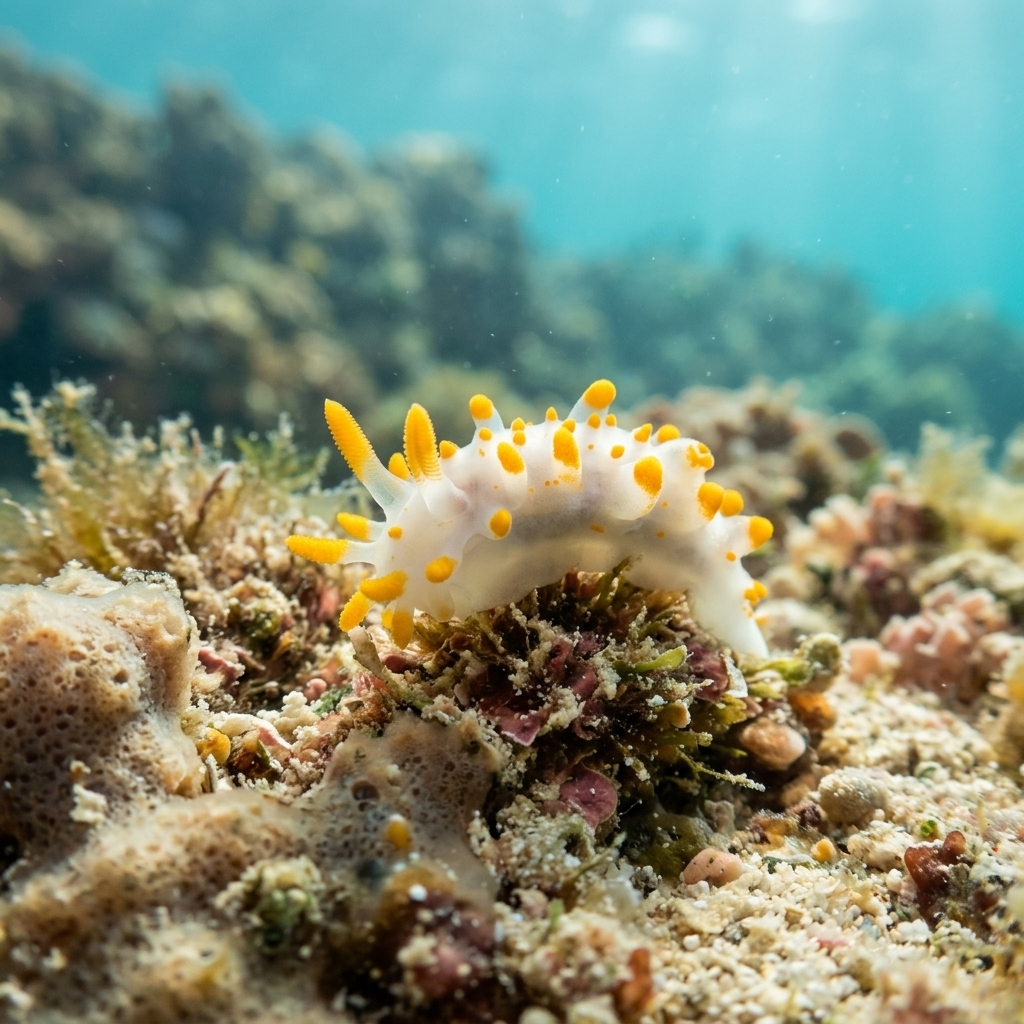
Devon's sites are particularly noted for nudibranch diversity, with the Fourline Nudibranch, Fried Egg Nudibranch, Polycera kernowensis, and Antiopella Cristata all commonly observed. European Common Cuttlefish are a frequent highlight, appearing across the majority of sites. Crustacean encounters are also reliable, with Velvet Swimming Crab, Brown Crab, and Common Lobster regularly seen. Gray Seal and Common Octopus make occasional appearances.
Yes, a good portion of Devon's sites are rated for beginner divers. Sites such as HMS Scylla, Steeple Cove, Glen Strathallan, and Louis Shield all offer accessible depths and relatively sheltered conditions. Shore entry is available at some sites, though the majority require a boat. Beginners are well served by the range of local operators including Sound Diving, In Deep Dive Centre, and Teign Diving Centre.
Most of Devon's dive sites are boat-access only, reflecting the offshore nature of many reefs and wrecks. However, shore entry is possible at a handful of sites, including Challaborough Bay and Louis Shield. Divers without their own charter can arrange trips through one of the many local operators active in the region.
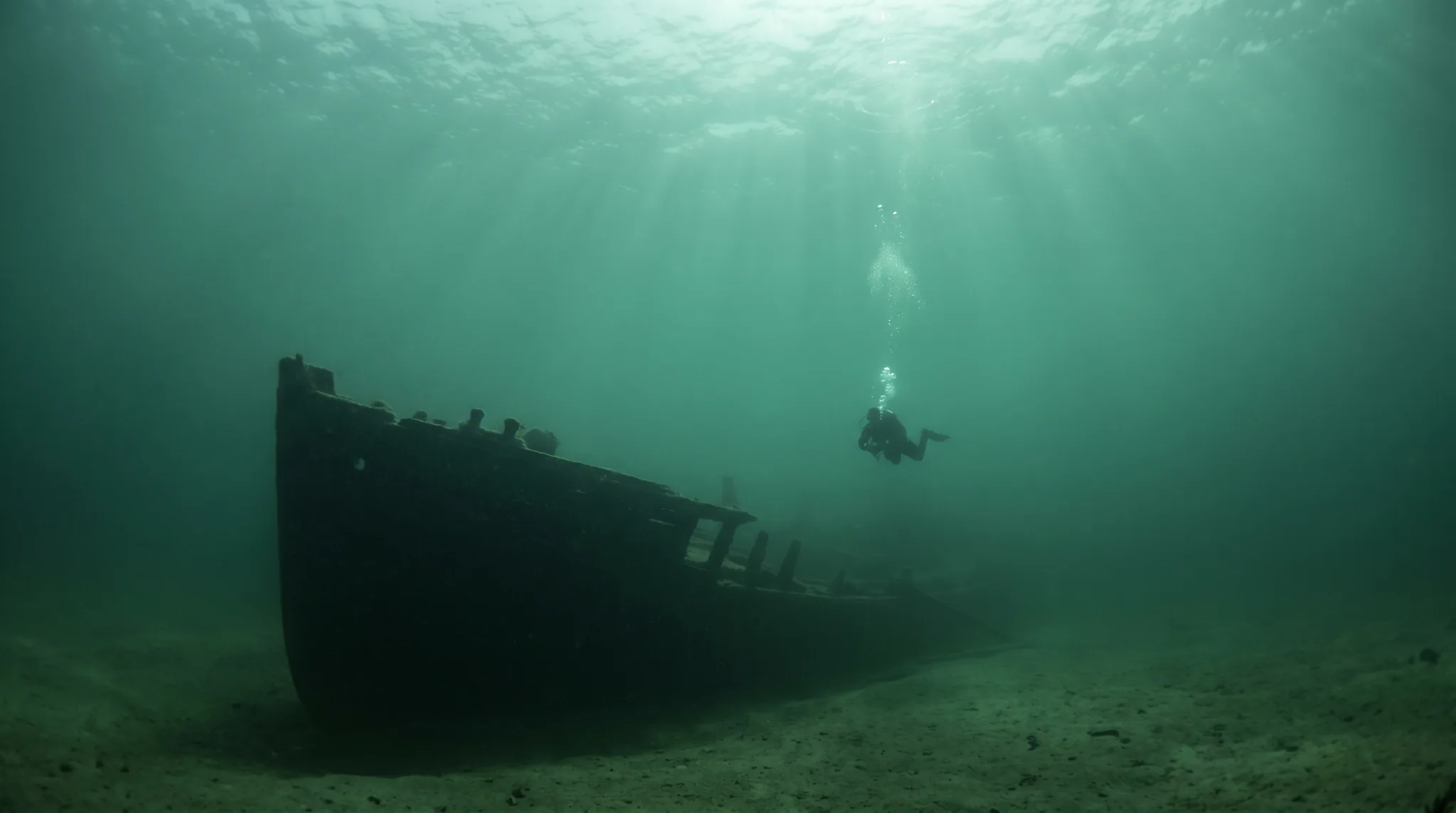
Devon offers a broad spread of site types matched to different experience levels. Beginners can explore shallow reefs and wreck sites at manageable depths. Intermediate divers have access to pinnacles, drift reefs, and more substantial wrecks such as the James Eagan Layne. Advanced divers can tackle deeper wrecks like the Maine and the exposed reef at Eddystone Lighthouse, where strong currents and greater depth demand more experience.