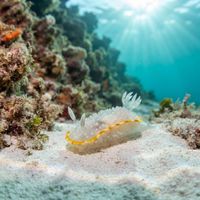
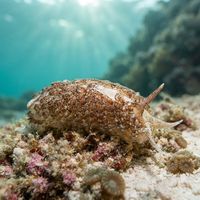
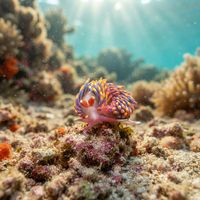
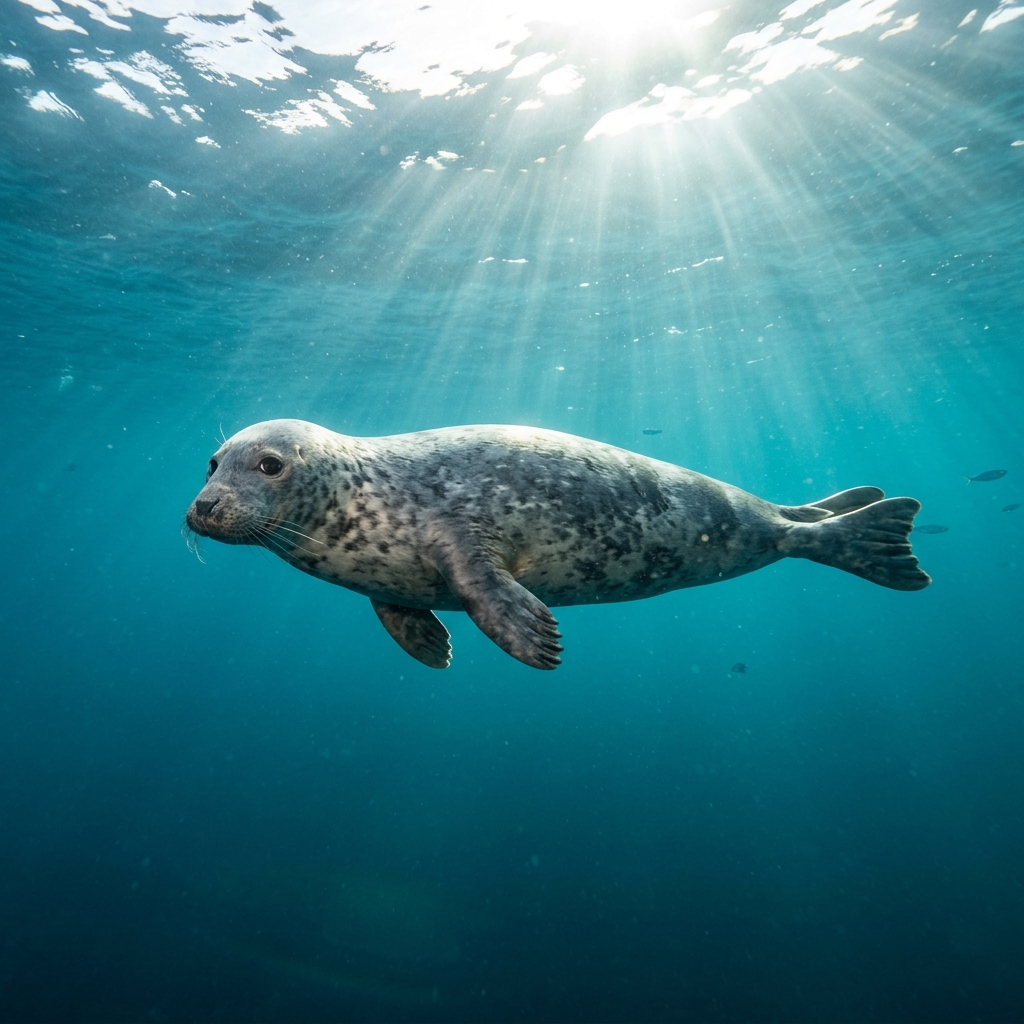
Cornwall's diving character is shaped by granite reefs, kelp forests, wrecks, and the distinct sub-area of Lundy Island, which alone accounts for a large share of the region's sites. Shore entries at places like Porthkerris Beach and Gyllyngvase Beach suit beginners, while boat-access sites such as The Manacles and Raglan Reef demand more experience. The signature species list leans heavily on nudibranchs and the European Common Cuttlefish, with Gray Seal encounters adding a different dimension entirely.
1 areas
Monthly water temperature across Cornwall's sites, from satellite sea-surface data corrected for depth. The band shows the site-to-site spread.
Water temperatures rise from their winter low through spring, peaking in late summer before tapering off into autumn. The warmest and most visited months run from late spring through early autumn, when visibility tends to be at its most reliable. Winter diving is possible but demands a thicker suit and tolerance for cooler, more challenging conditions.
17 operators

33 more sites to explore
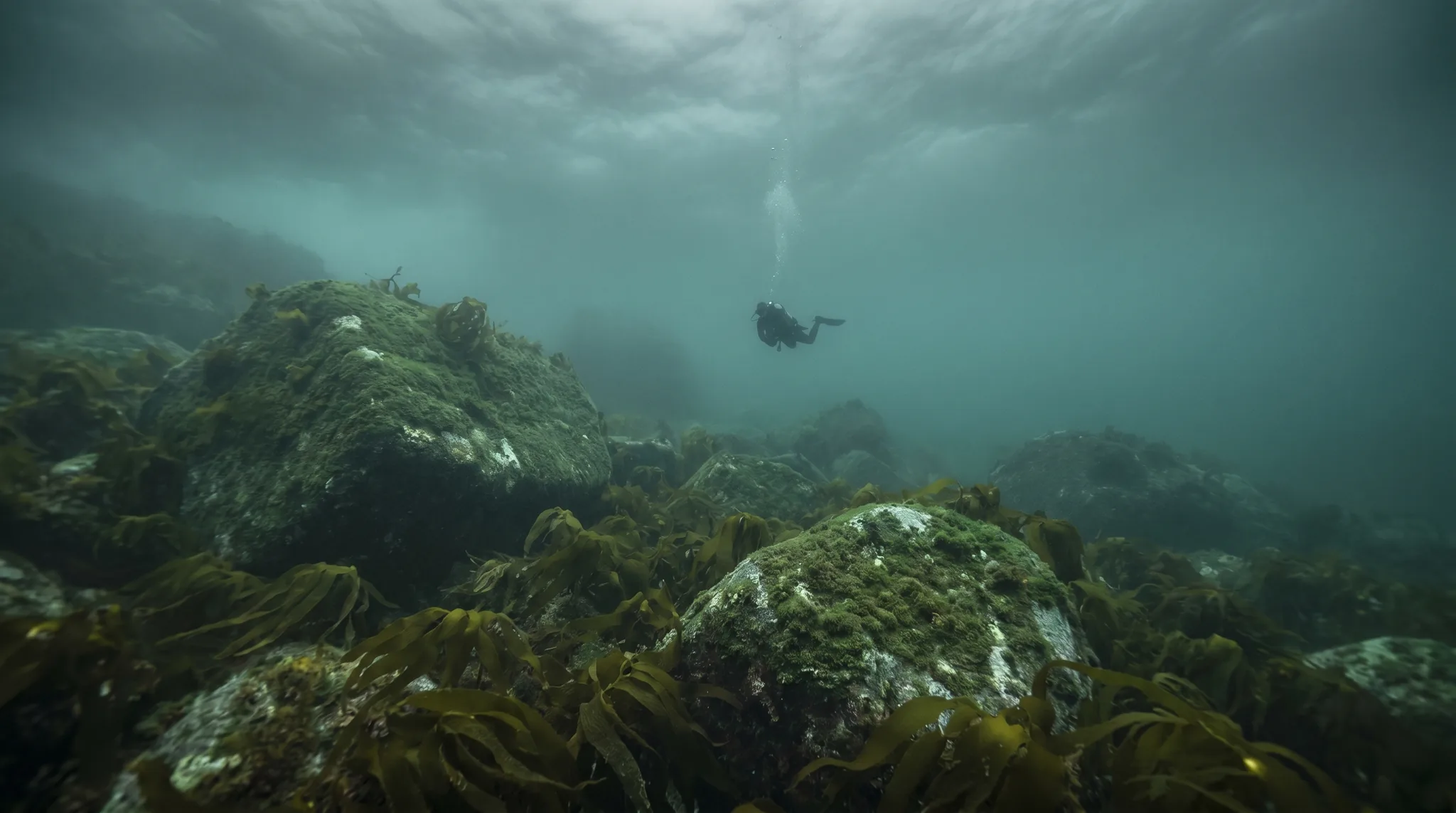
A compact island with reefs, wrecks and walls, where Gray Seal encounters are the norm rather than the exception.
Water temperature around Cornwall ranges from about 10°C in February to 17°C in September, based on satellite sea-temperature data for its dive sites.
In the warm season (about 17°C) a 7mm or semi-dry suit is comfortable in Cornwall; in the coldest months (about 10°C) step up to a drysuit.
Fin maps 45 sites in Cornwall (42 scuba diving sites and 8 snorkelling spots, with some suited to both).
Across Cornwall's dive sites, May, June, July, August and September are most often reported as the best months to visit.
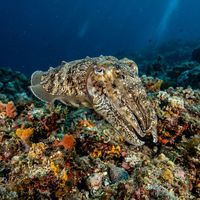
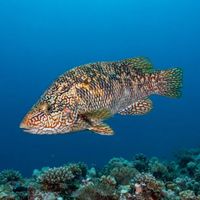
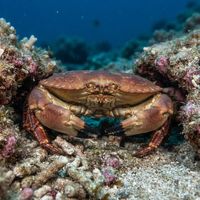
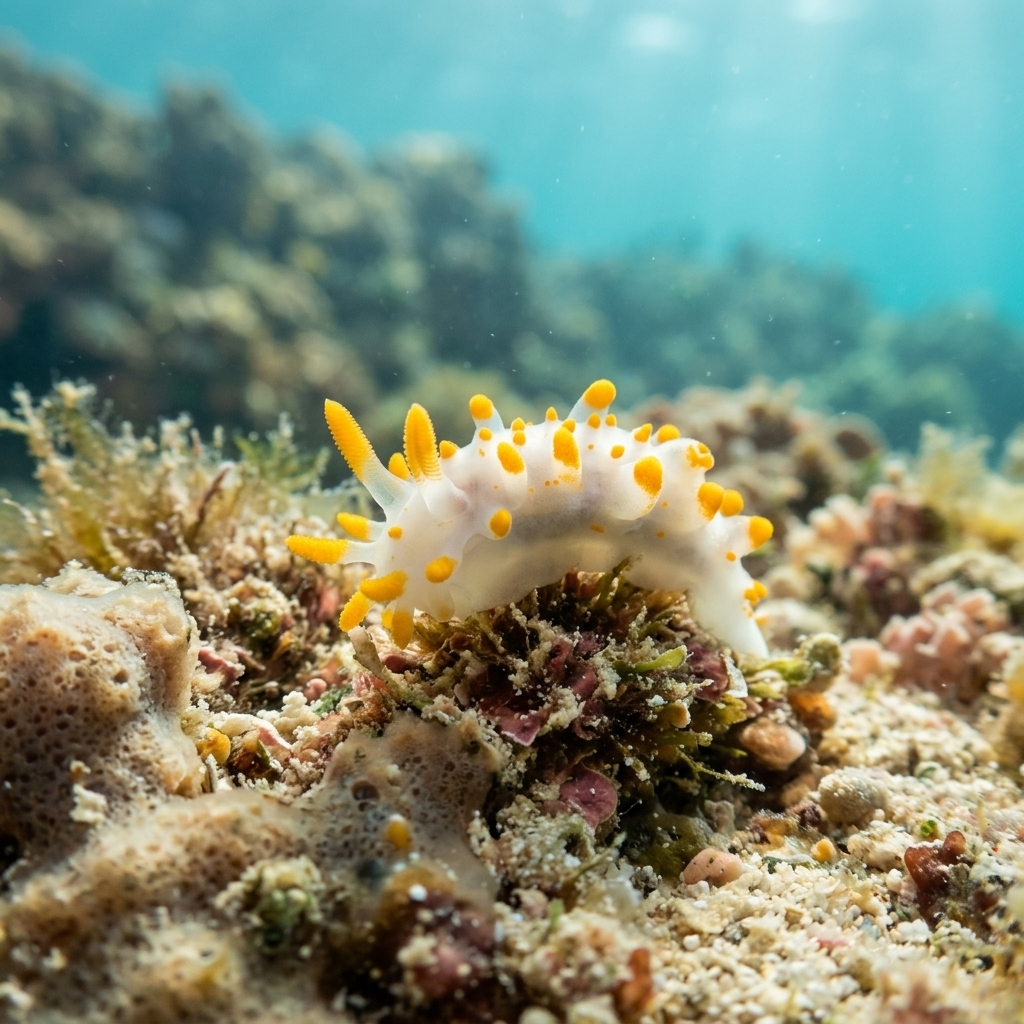
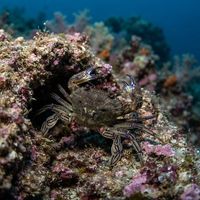
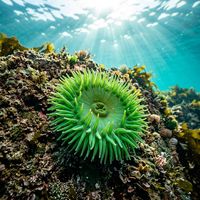
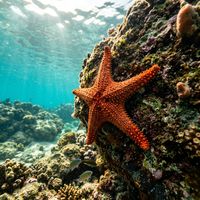
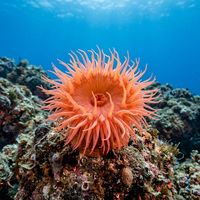
The European Common Cuttlefish is the standout encounter, recorded across the majority of sites. Giant Green Anemone, Sea Star, and Sea Anemone are seen on virtually every dive. More patient observers find a rich nudibranch community including the Orange-clubbed Nudibranch, Gaudy Babakina, and Slender Facelina, while Conger Eel, Dogfish, and the occasional Gray Seal add larger-animal interest.
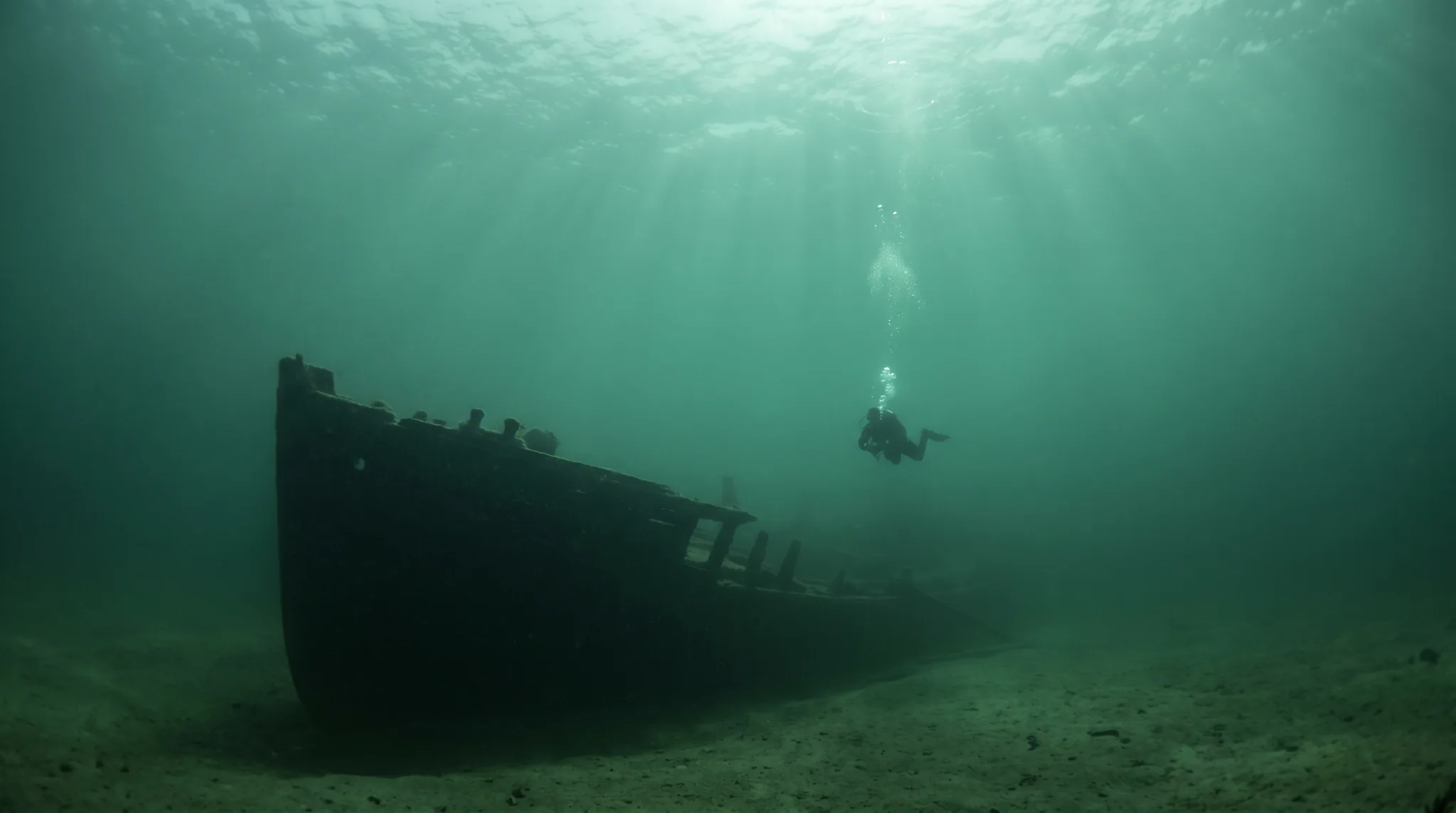
A good number of Cornwall's sites are rated beginner level, including shore-entry options at Porthkerris Beach, Gyllyngvase Beach, and Silver Steps. The Helford River offers a shallow, varied boat dive that also works well for less experienced divers. Advanced divers are catered for too, with deeper wreck sites like The Lucy requiring a higher certification level.
Lundy Island is Cornwall's most site-dense sub-area, offering reefs, wrecks, walls, and drift dives across a wide depth range. Sites like Knoll Pins and Raglan Reef feature strong currents and deeper pinnacle structures suited to intermediate divers, while Landing Bay Area provides a gentler reef experience for beginners. The island is reached exclusively by boat.
Both options exist. Shore-entry sites include Porthkerris Beach, Gyllyngvase Beach, Silver Steps, and Castle Beach, making self-organised dives straightforward. Many of the more dramatic sites, such as The Manacles and the Lundy Island wrecks, require boat access. Operators including Porthkerris Divers, Kennack Diving, and Atlantic Scuba run regular boat charters throughout the season.