Labrus merula
A reliable sight on rocky reefs off Catalonia and the French Riviera, this dark wrasse turns up year-round in 17.6 to 21.3C water.
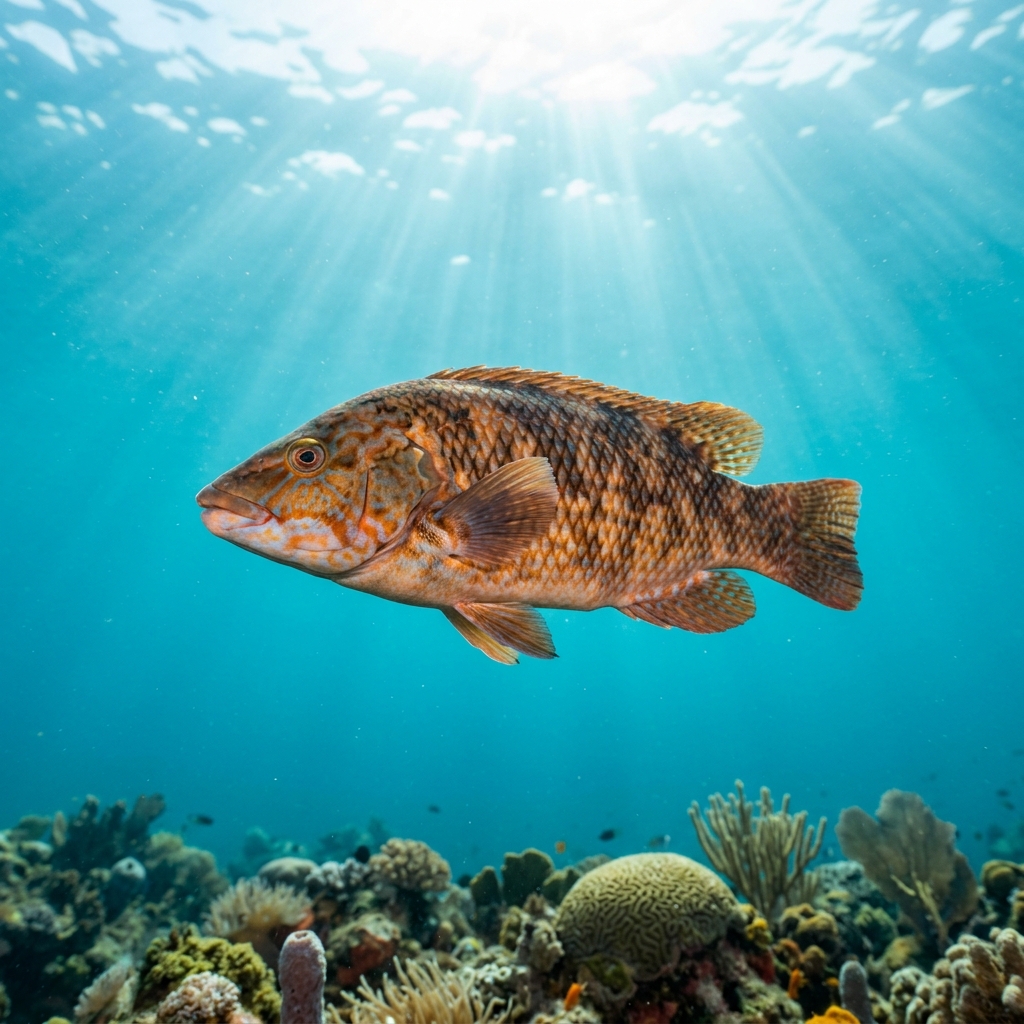
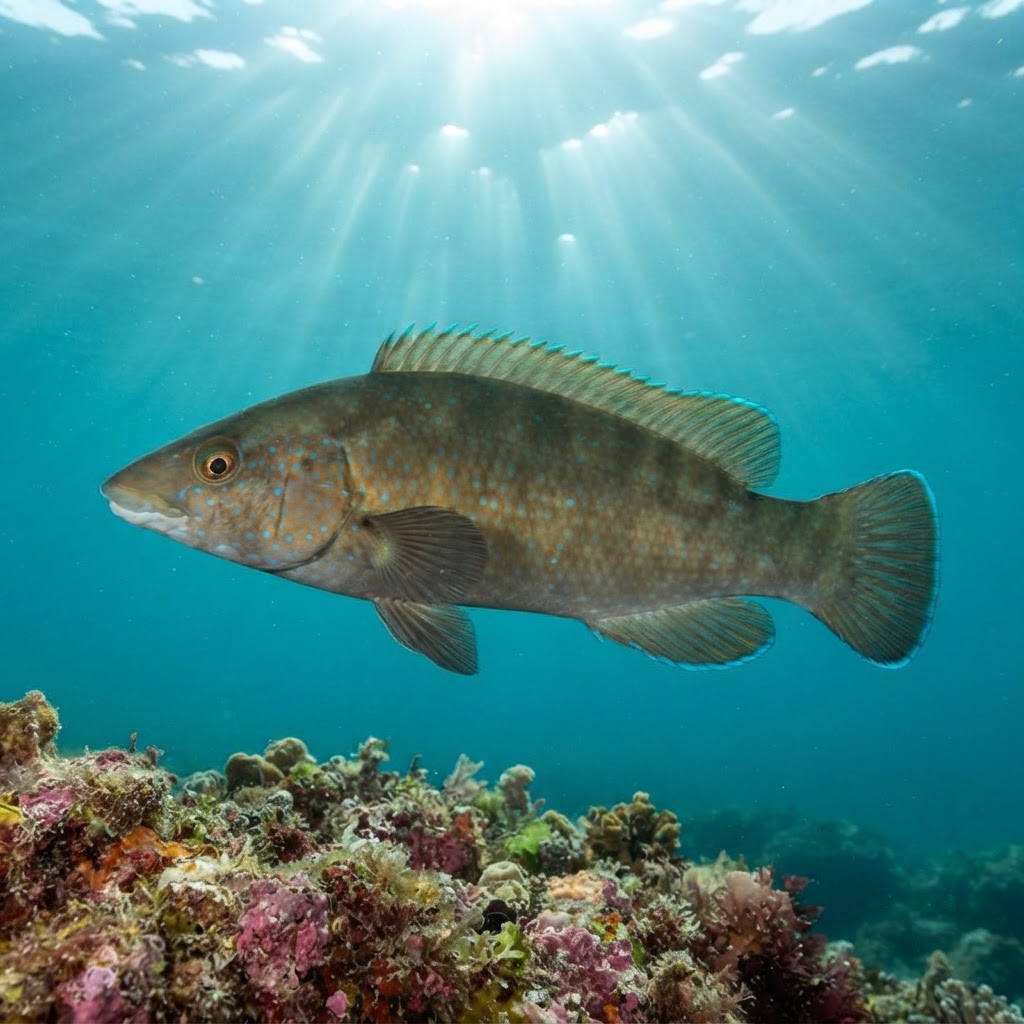
A stout, elongated wrasse growing to around 31 cm, with a dark brown to reddish-brown body that can look almost black in low light. The head is blunt and the dorsal fin runs long and low along the back, giving it a heavier, more solid outline than smaller reef wrasses sharing the same rock. Look for the uniform dark colouring rather than bold patterning, which sets it apart from more flamboyant Mediterranean wrasses.
Usually seen cruising slowly over rocky reef and boulder terrain, often close to the substrate as it hunts for hard-shelled prey. It's an unhurried fish that tends not to spook at a diver's approach, making it an easy, if understated, encounter rather than a fast fly-by. Divers log it most often as a single fish patrolling its own patch of reef rather than in groups.
Like many wrasses it has strong, crushing jaws adapted for tackling molluscs and crustaceans picked off the rock, which is part of why it's usually found nose-down over reef rubble rather than out in open water.
There's no clear seasonal pattern in the data, and it sits comfortably in 17.6 to 21.3C water, so it's a year-round resident on the rocky reefs where it lives rather than a seasonal visitor.
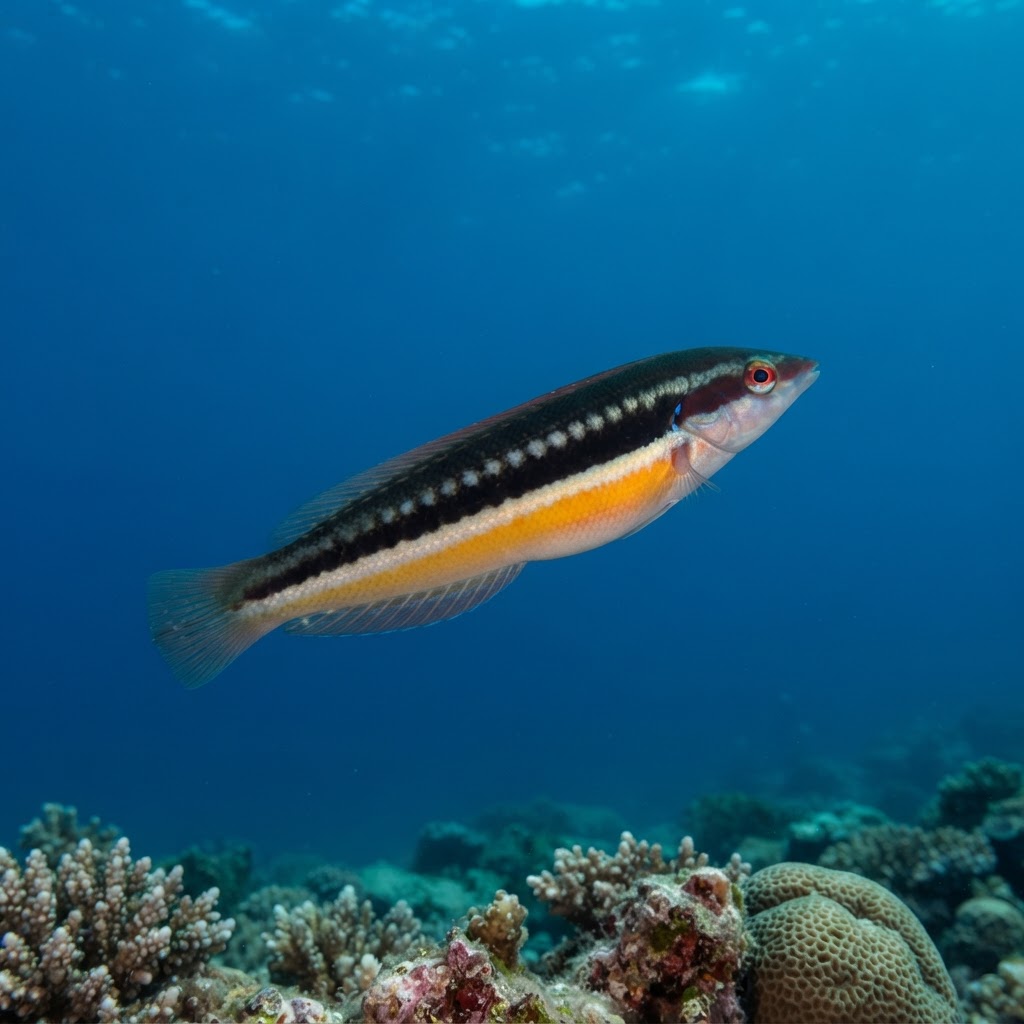
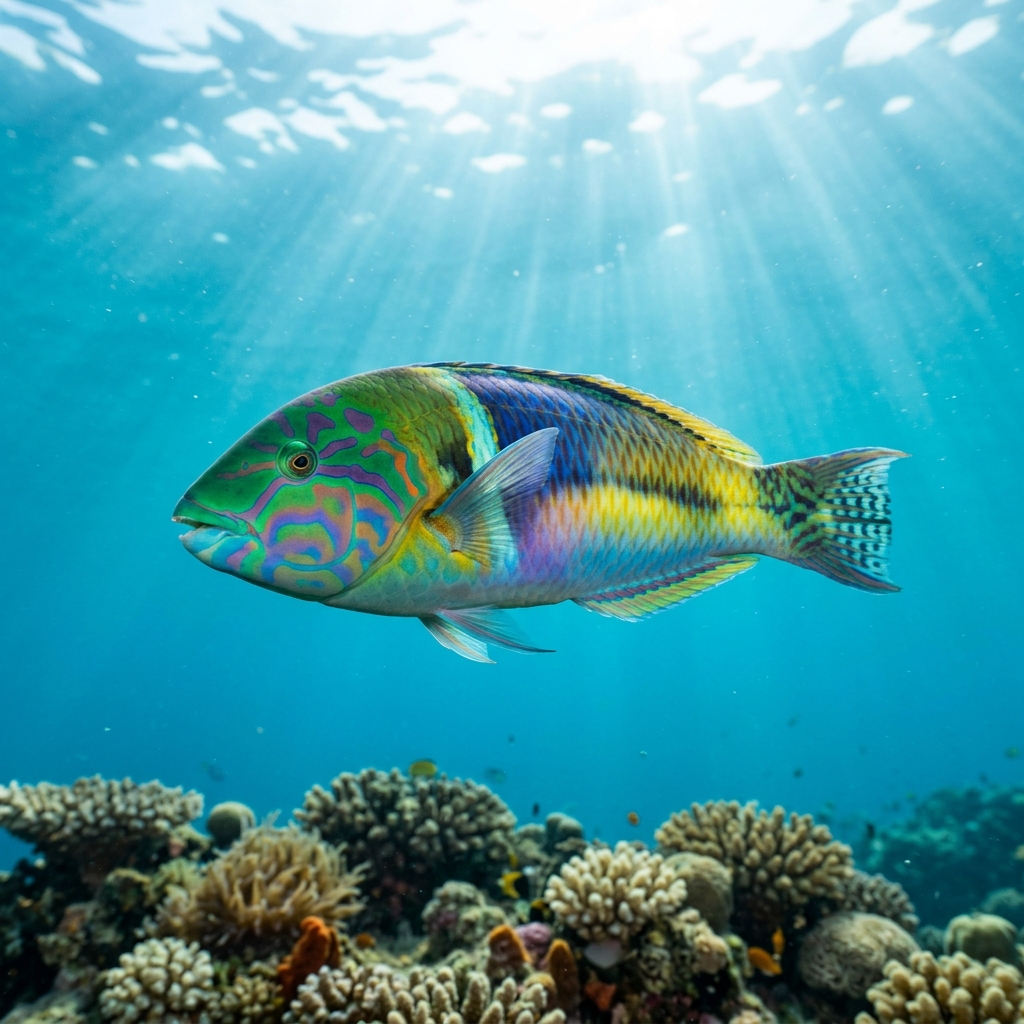
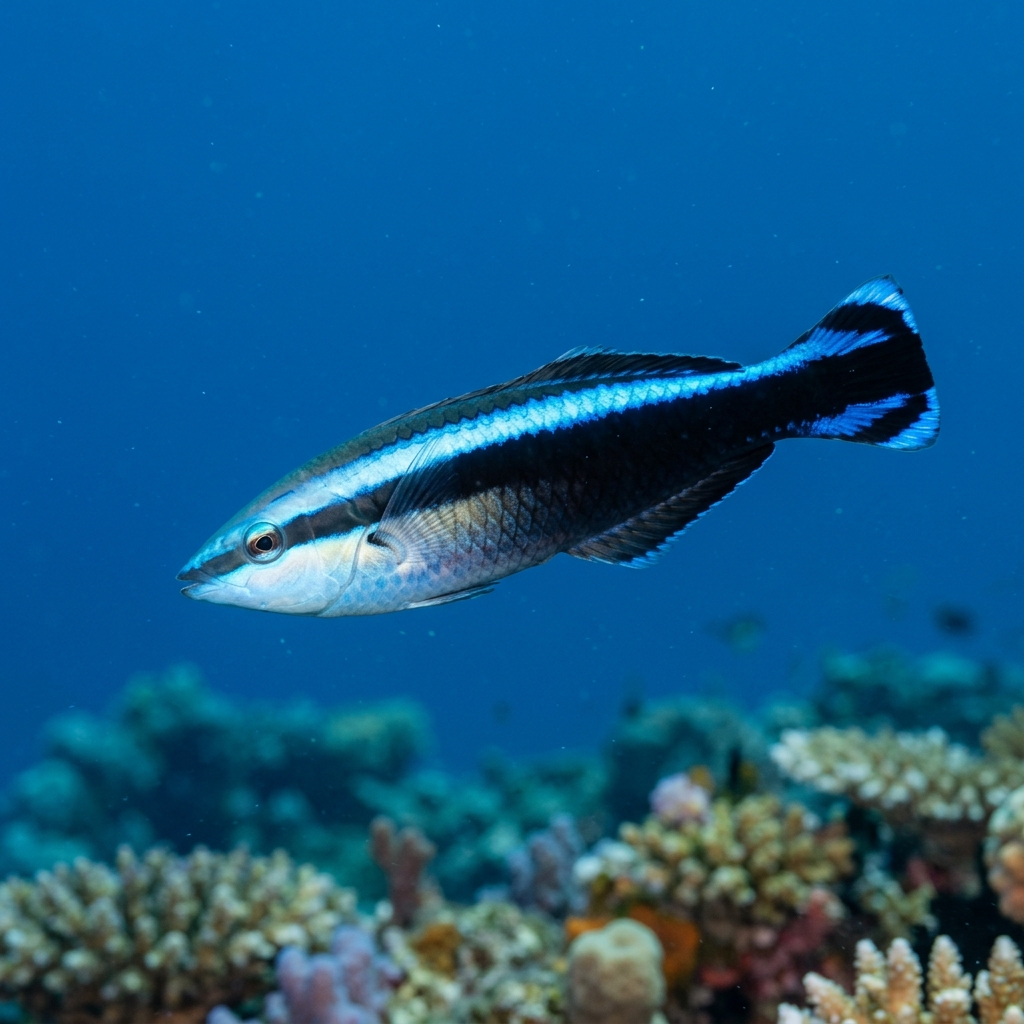
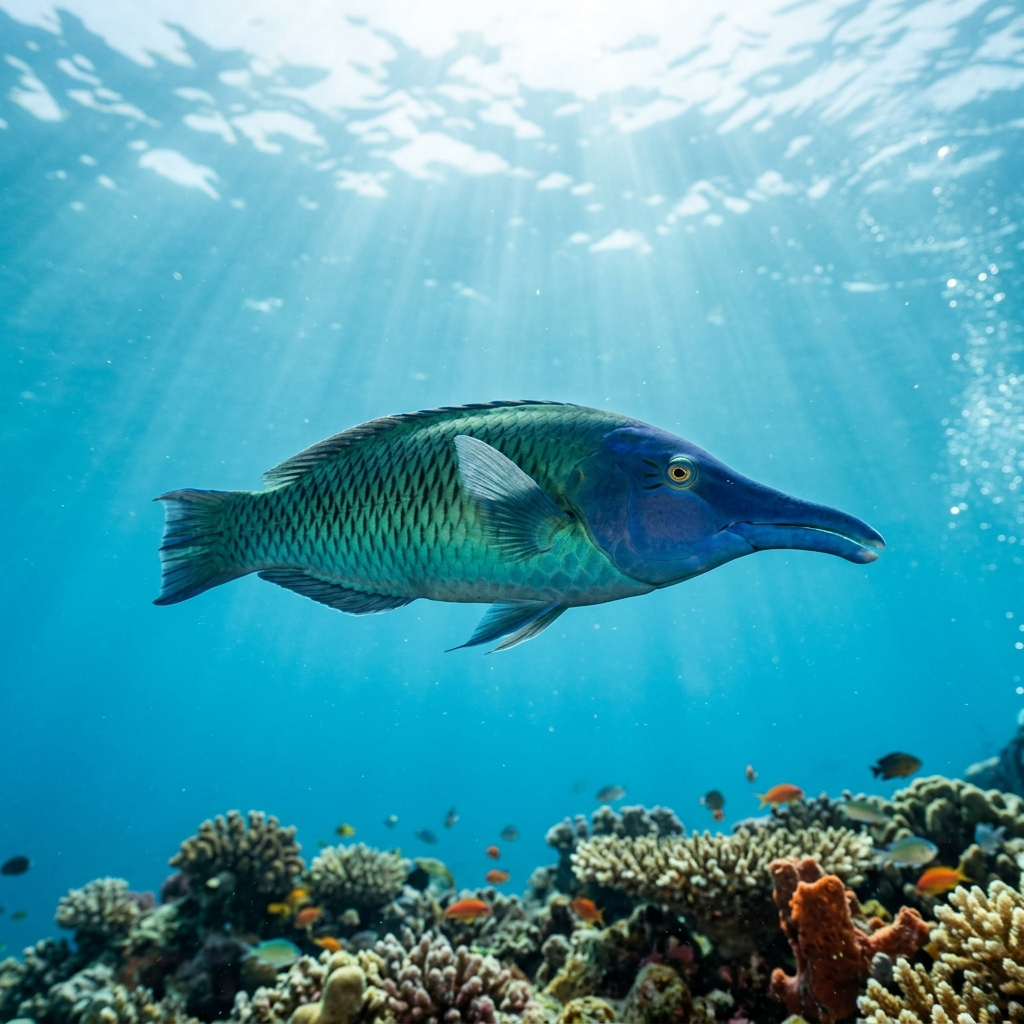
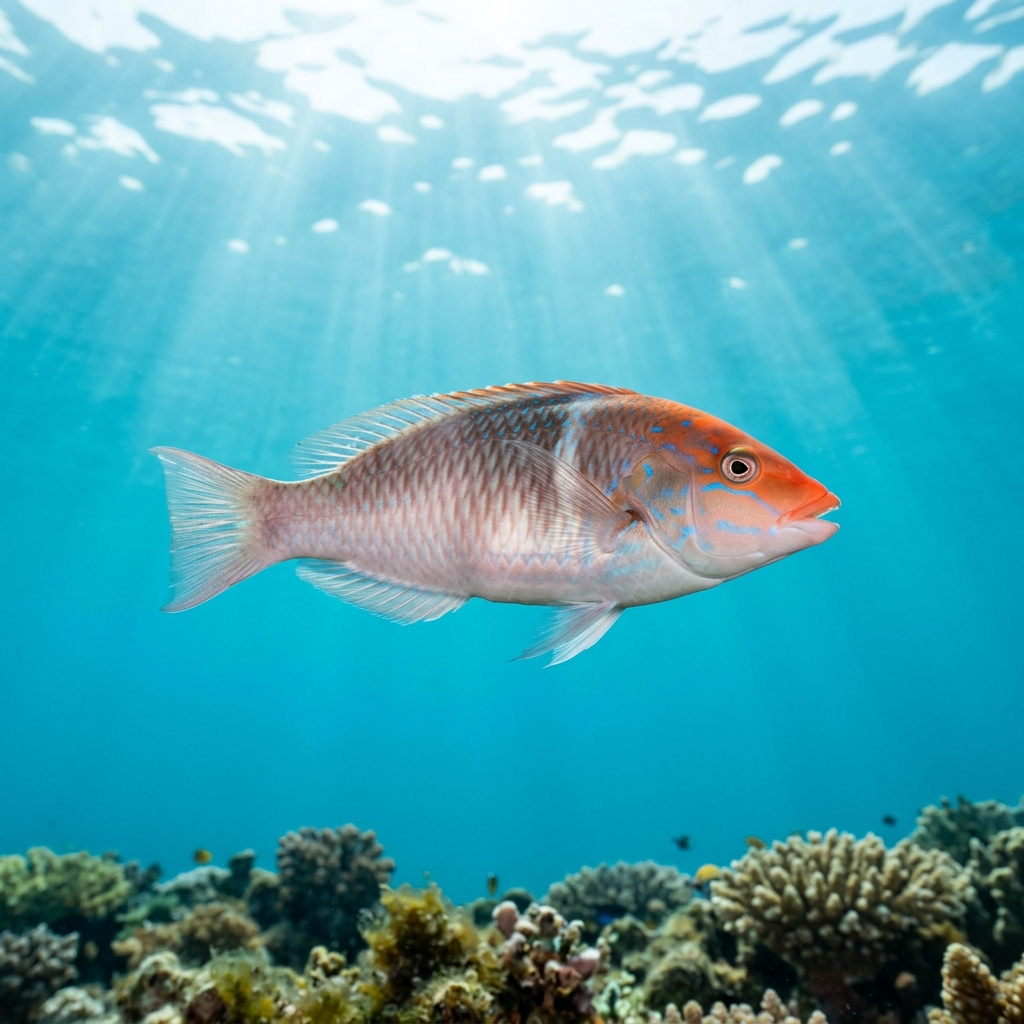
Reef neighbours a diver could mistake it for. Use the identification notes above to tell them apart.
Most commonly logged along the Spanish and French Mediterranean coasts, with strong numbers in Catalonia, Valencia, and the Balearic Islands in Spain, and the French Riviera & Provence and Occitanie in France. Italy also holds solid populations, especially in Liguria and Sardinia, with further sightings in Croatia's Kvarner region, Malta, Slovenia, and Greece.
Mapping where Brown Wrasse is logged…
Its strongest populations are logged along the Spanish coast in Catalonia, Valencia, and the Balearic Islands, and along the French Riviera & Provence and Occitanie coasts of France. It's also regularly seen in Liguria and Sardinia in Italy and Croatia's Kvarner region.
There's no strong seasonal signal in diver sightings, and it tolerates a fairly narrow, cool-to-mild temperature range of 17.6 to 21.3C, so it's considered a year-round sighting wherever it's found.
Look for a solidly built wrasse around 31 cm long with a dark, uniform brown to reddish body and a low, long dorsal fin. It lacks the bright stripes or spots of many reef wrasses, which is itself a useful identification clue.
They typically reach around 31 cm in length, making them a mid-sized wrasse noticeably bulkier than the small, brightly coloured wrasses often seen darting around the same reefs.
No, they pose no threat to divers. They're calm, slow-moving fish that will typically let a diver approach without reacting defensively.
Site and sighting data is aggregated from diver logs, iNaturalist and GBIF. For taxonomy and conservation status:
Bird Wrasse
3,632 sites