Tripterygion delaisi
A 5cm rock-hugger seen year-round from Catalonia to the French Riviera in 12.5-21C water, if you know where on the rock to look.
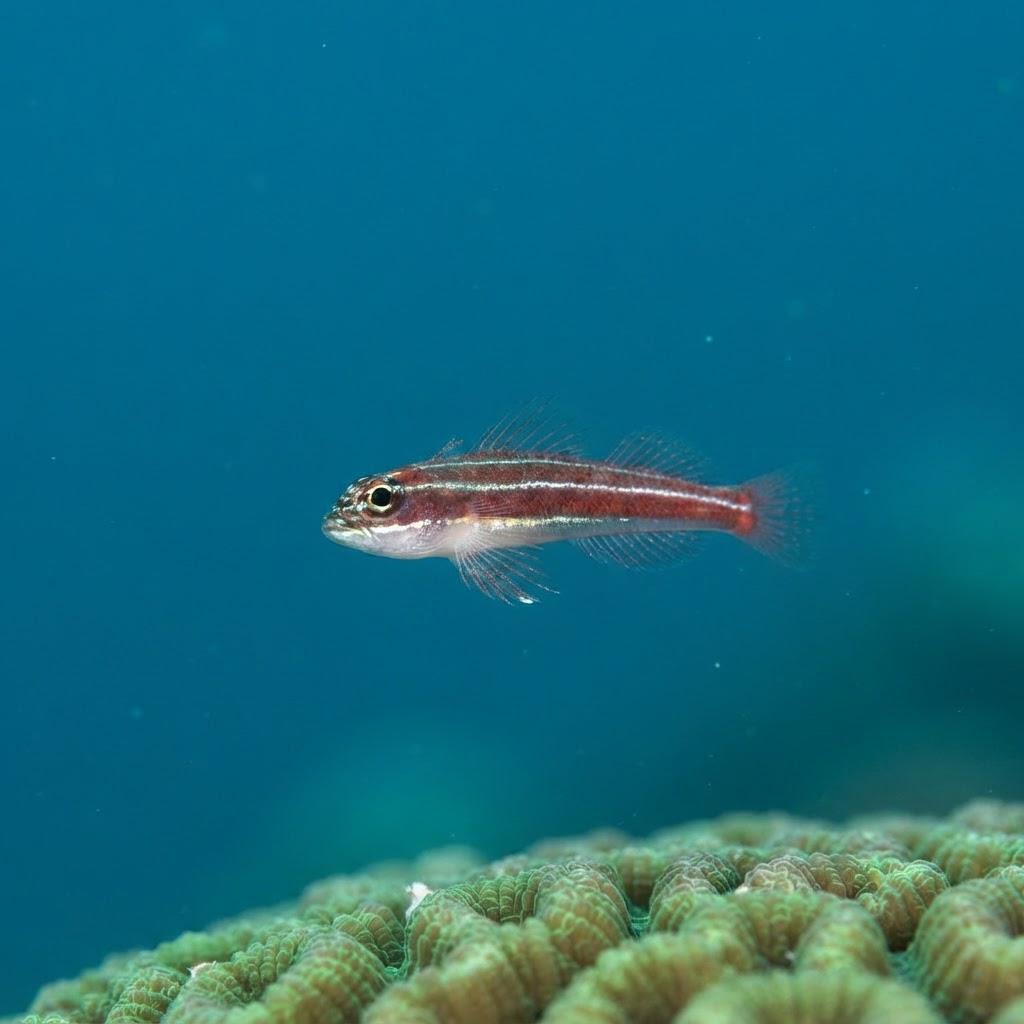
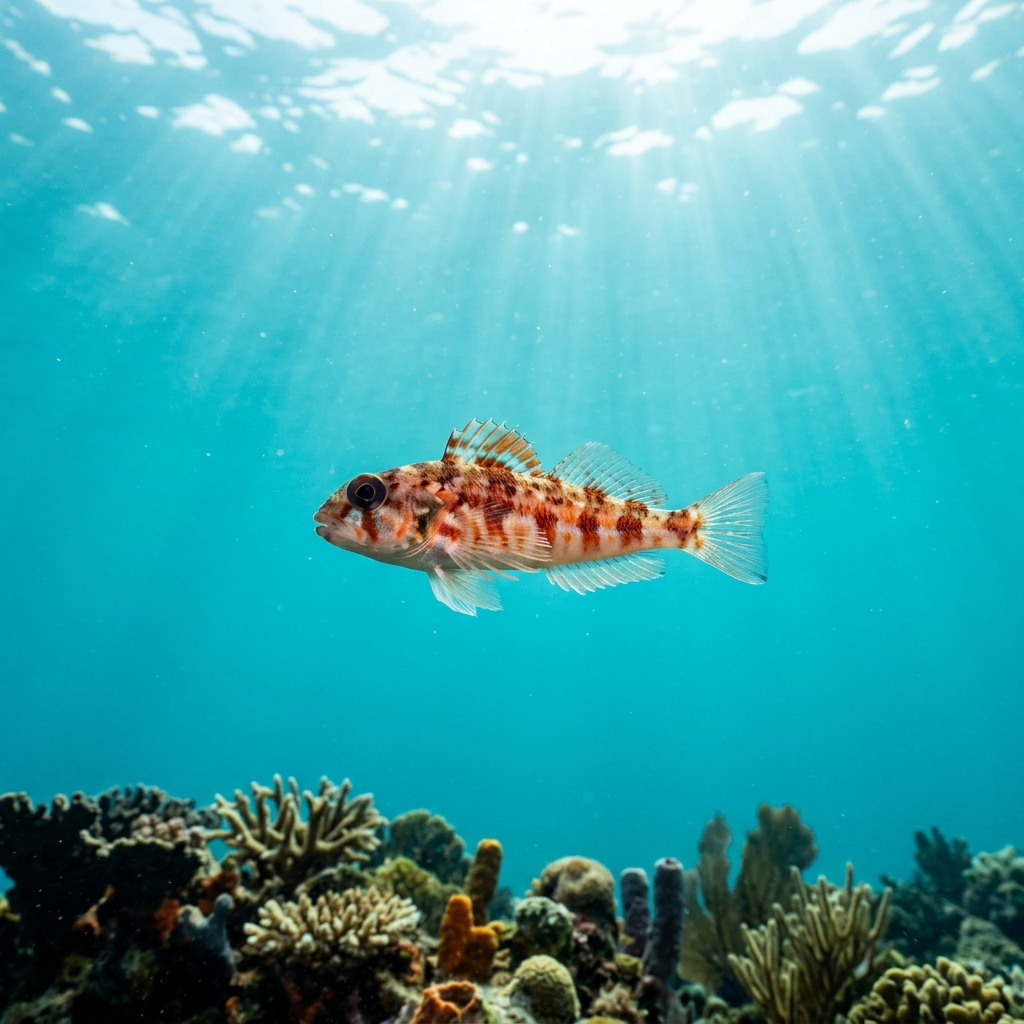
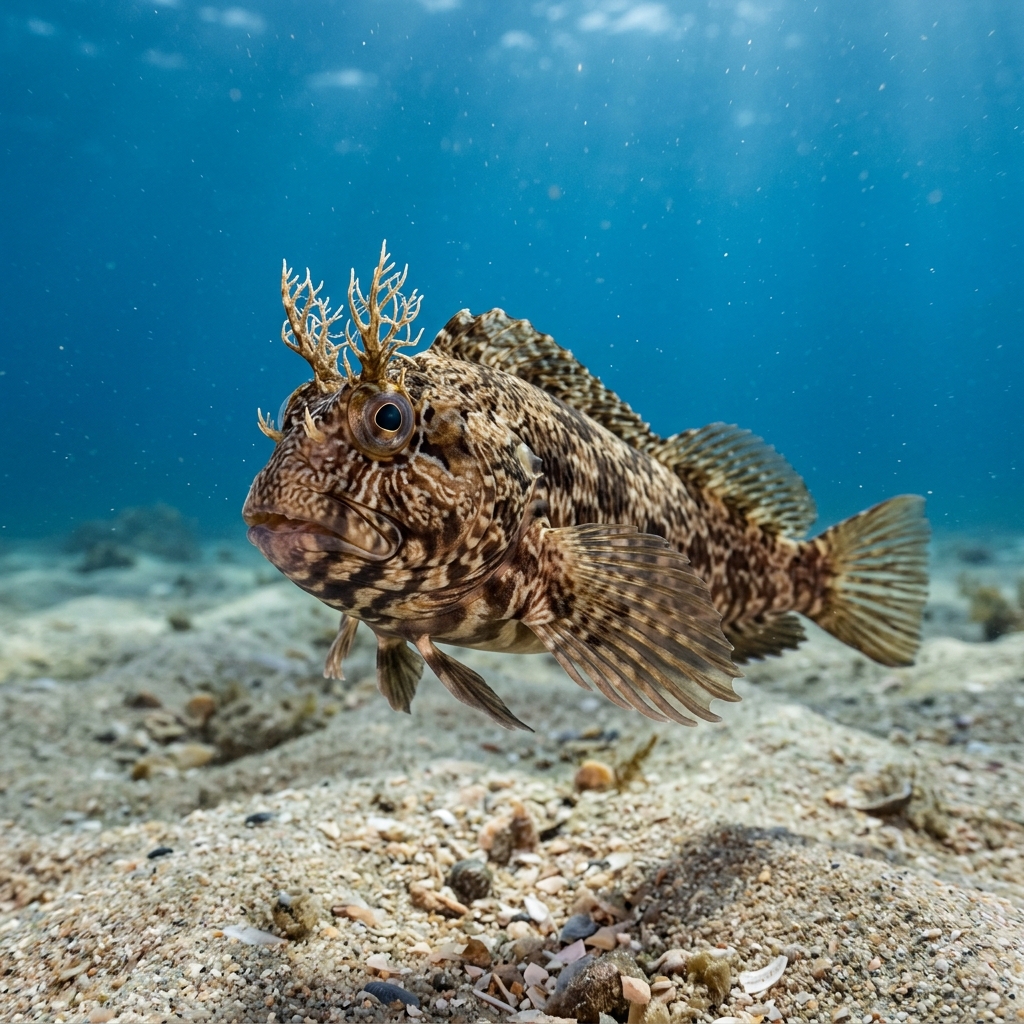
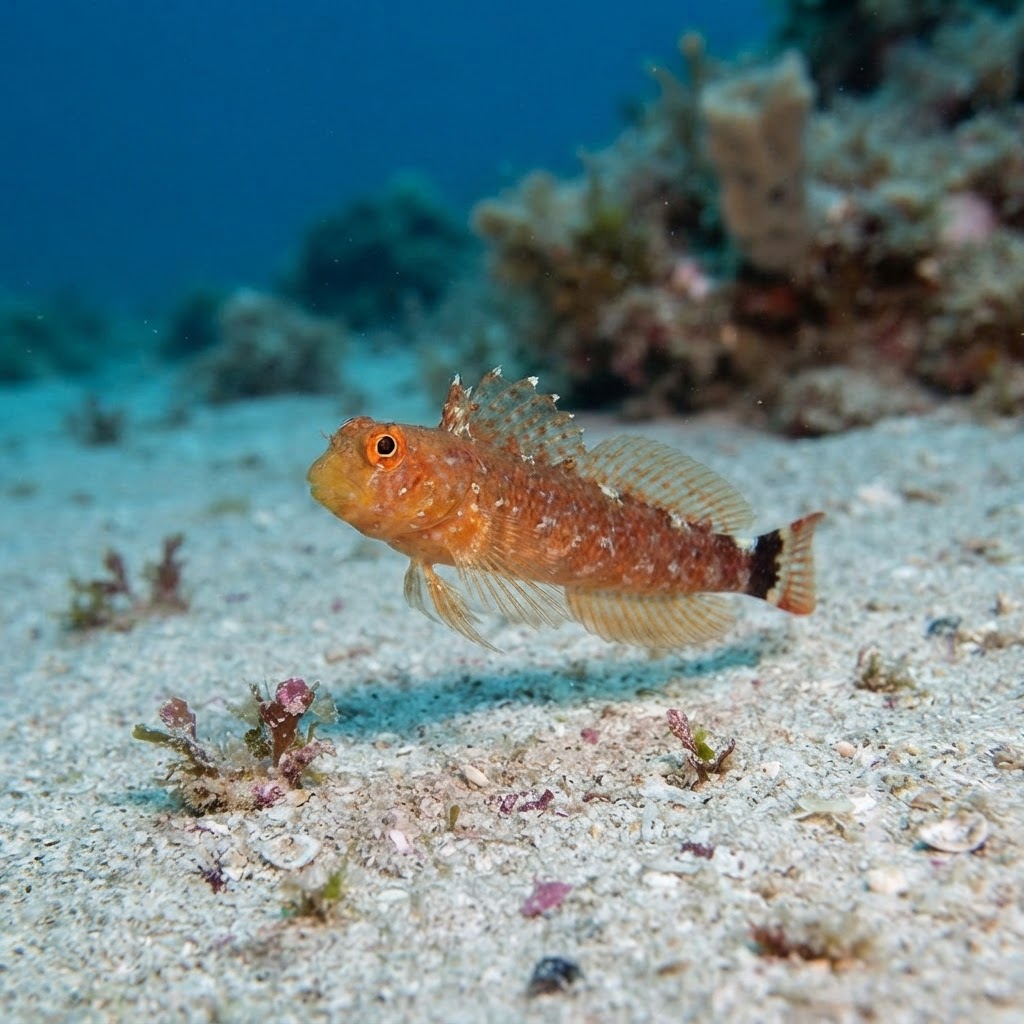
A tiny fish, rarely more than 5cm, that props itself on its pelvic fins on bare rock or rubble rather than swimming freely. Look for a pale, mottled brownish body with a dark smudge across the face and a slightly upturned, big-eyed head. Males in breeding condition often show a bright yellow head and snout, making them far easier to pick out against grey rock than females, which stay in duller mottled tones.
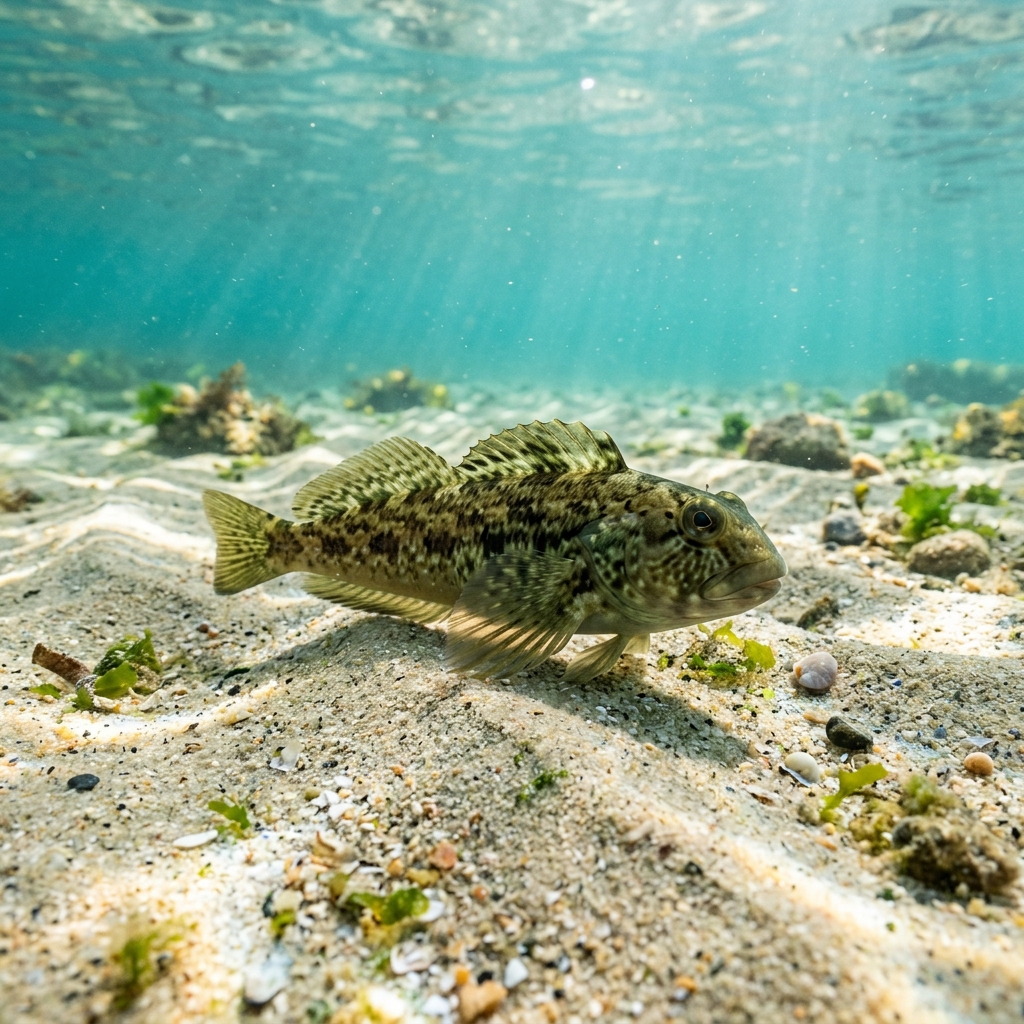
Spend most of a dive perched motionless on rock, rubble or the edge of a sponge, propped up on their pelvic fins rather than hovering like typical blennies. They dart a short distance to snatch passing plankton or tiny invertebrates, then resettle on a new perch, and they tolerate a slow, close approach far better than they flee it. Look for them at eye level on shallow to mid-depth rocky walls rather than out over sand or seagrass.
Their eyes have specialised filters that let them see and respond to ultraviolet light invisible to us, a trait thought to play a role in how males signal to females with their yellow breeding colours.
No strong seasonal signal in the sightings, so treat it as a year-round find. Its temperature niche runs from 12.5 to 21C, wide enough to cover Mediterranean rock reefs in both cooler winter conditions and the warmer surface months.
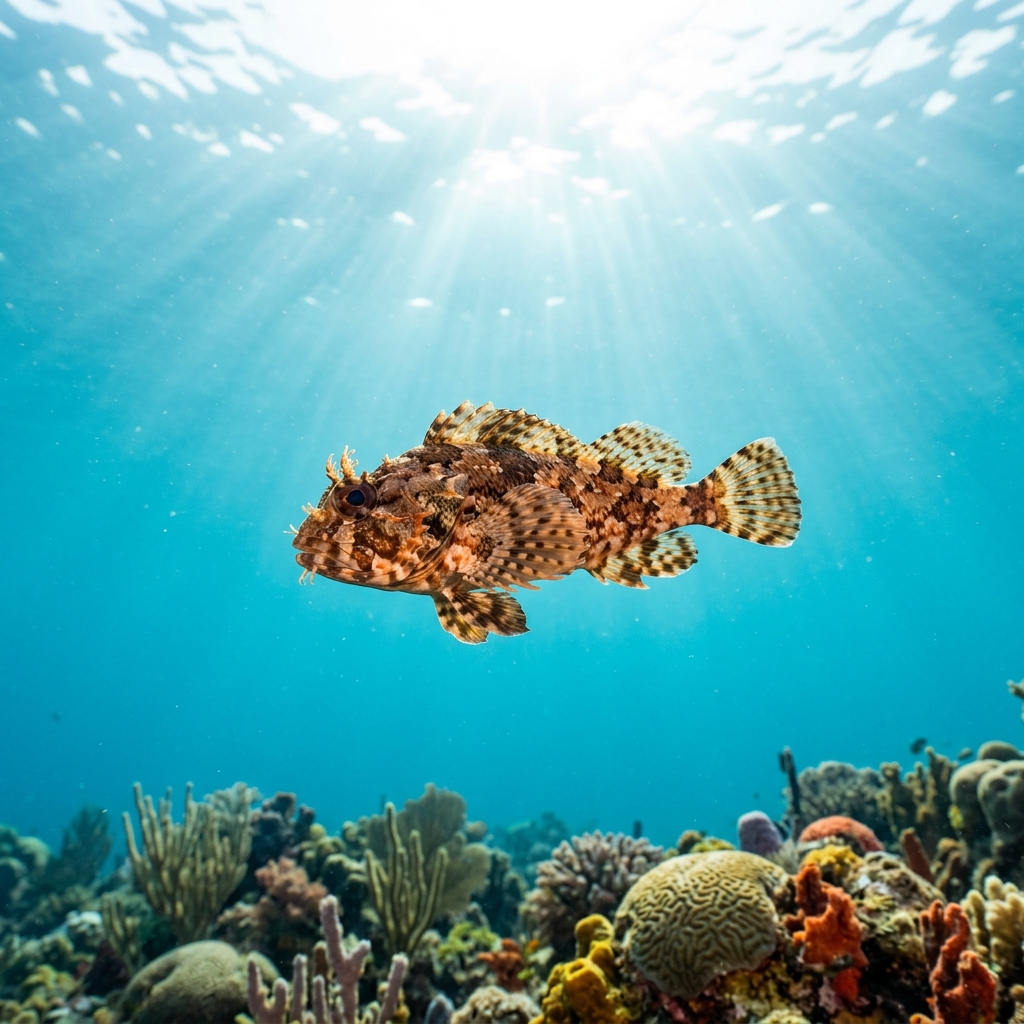
Reef neighbours a diver could mistake it for. Use the identification notes above to tell them apart.
Most reliably logged along the Mediterranean coasts of Spain and France, with strong numbers in Catalonia, the Balearic Islands and Valencia, and especially concentrated around the French Riviera and Provence. It also turns up widely in Italy, Croatia (notably Kvarner and Istria), Malta, and on Atlantic sites in Portugal's Lisbon Coast, the Canary Islands and the Azores.
Mapping where Black-faced Blenny is logged…
Best logged on Mediterranean rock reefs in Catalonia, the Balearic Islands and Valencia in Spain, along the French Riviera and Provence, and around Kvarner and Istria in Croatia. It also shows up on Atlantic sites in Portugal, the Canary Islands and the Azores.
There is no clear seasonal pattern in sightings, so it is considered a year-round species on the rocky reefs it inhabits, comfortable across a wide 12.5 to 21C temperature range.
Look for a small, 5cm fish perched still on rock rather than swimming, with a mottled pale body and a dark patch across the face. Breeding males flash a bright yellow head, while females stay in duller camouflage tones.
They stay small, typically around 5cm long, making them one of the easier fish to overlook unless you are scanning rock surfaces closely.
No. They are harmless, tiny fish that pose no risk to divers and often allow a close, slow approach without fleeing.
They can perceive ultraviolet light, and males appear to use UV-reflecting patches during courtship in a visual channel that is essentially invisible to human divers.
Site and sighting data is aggregated from diver logs, iNaturalist and GBIF. For taxonomy and conservation status:
Rusty Blenny
2,605 sites