Scorpaena notata
Mottled red camouflage master logged widely across the French Riviera, Catalonia and Kvarner in cool Mediterranean waters.
Safety warning
Venomous dorsal, anal and pelvic spines can deliver a painful sting if you place a hand or knee on one without seeing it. Watch where you put your hands when steadying yourself on rock or rubble, and give any mottled, motionless shape on the bottom a second look before touching down.
If you're stung
Venomous spinesGeneral first-aid guidance, not a substitute for professional medical care. In an emergency, call your local emergency number.
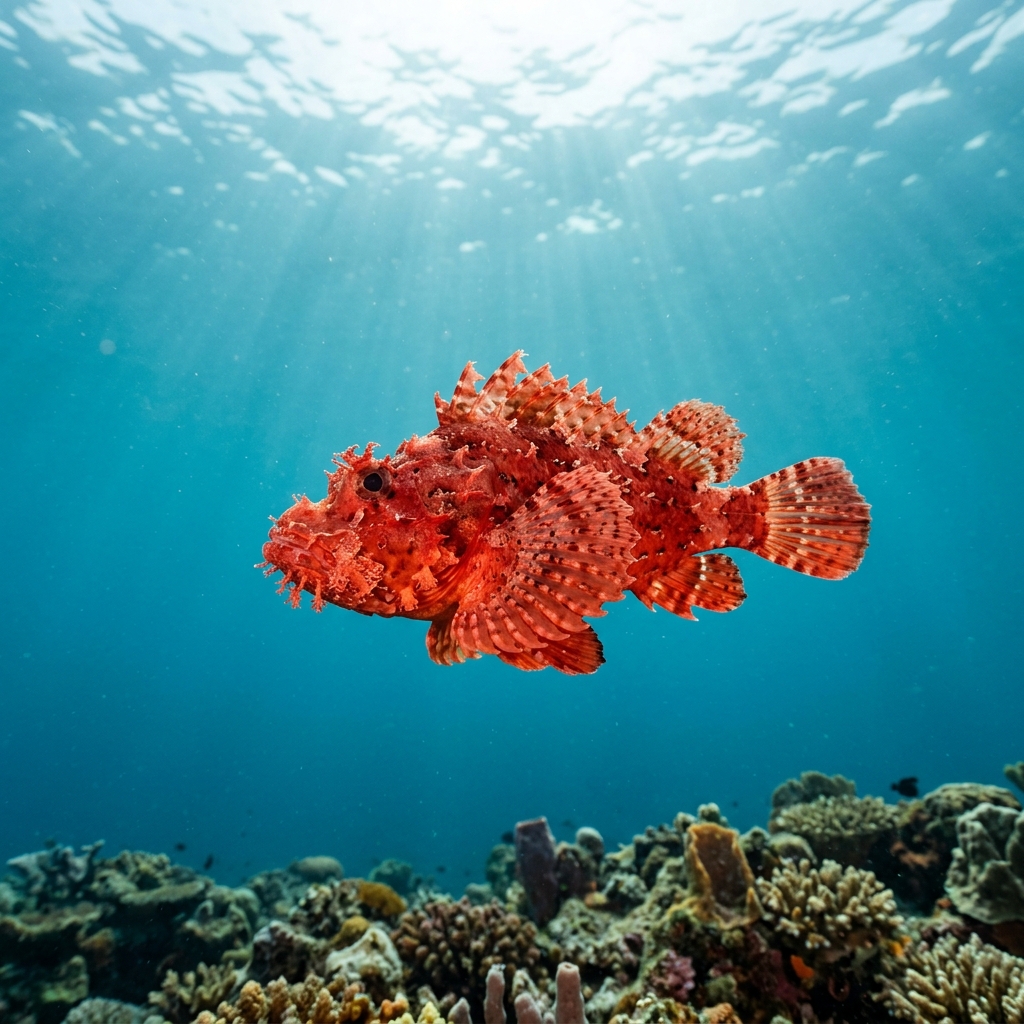
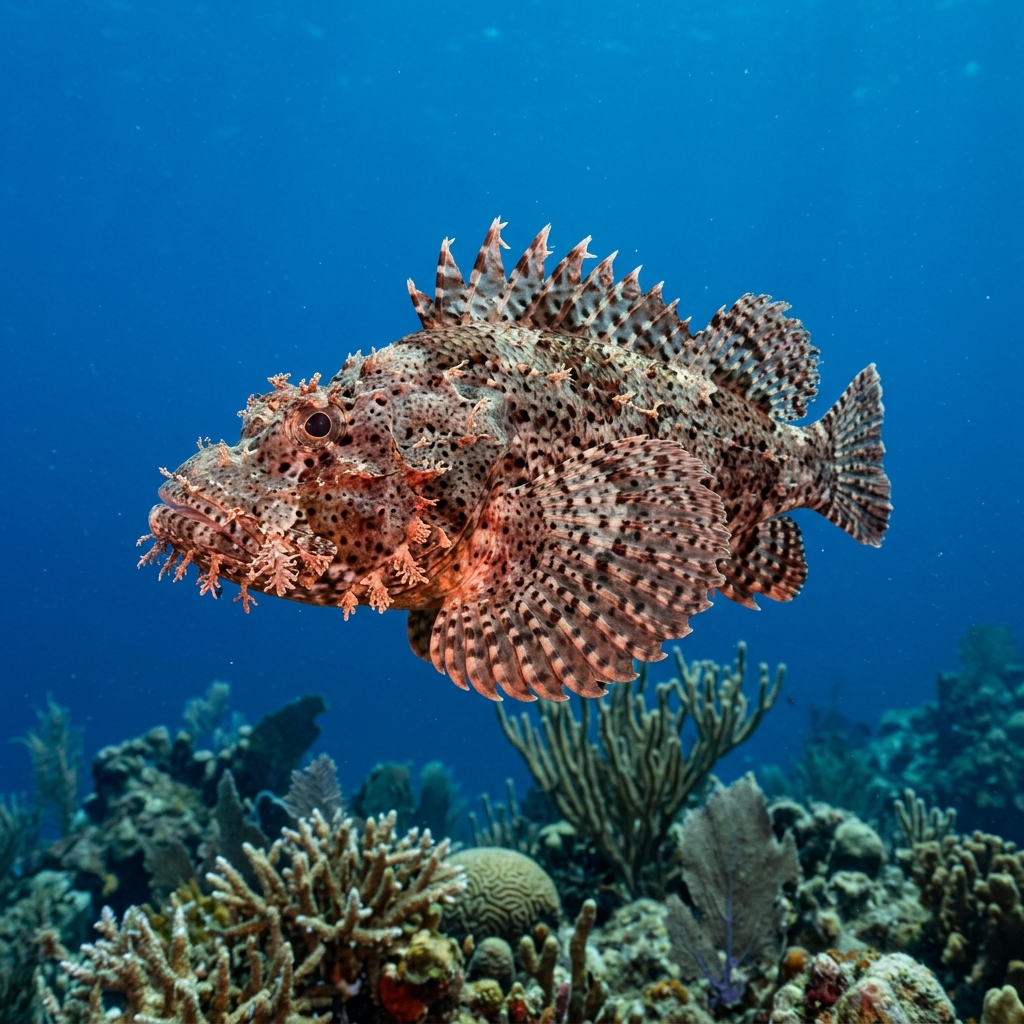
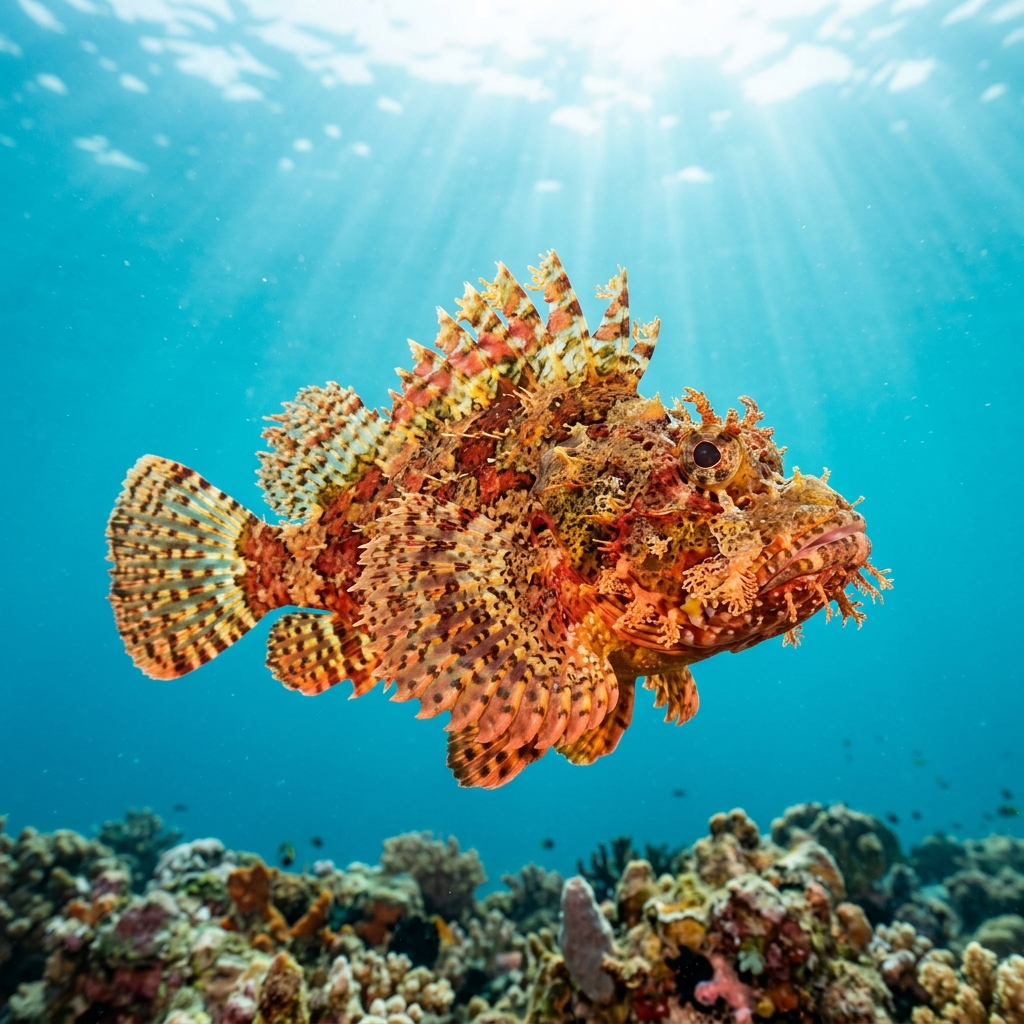
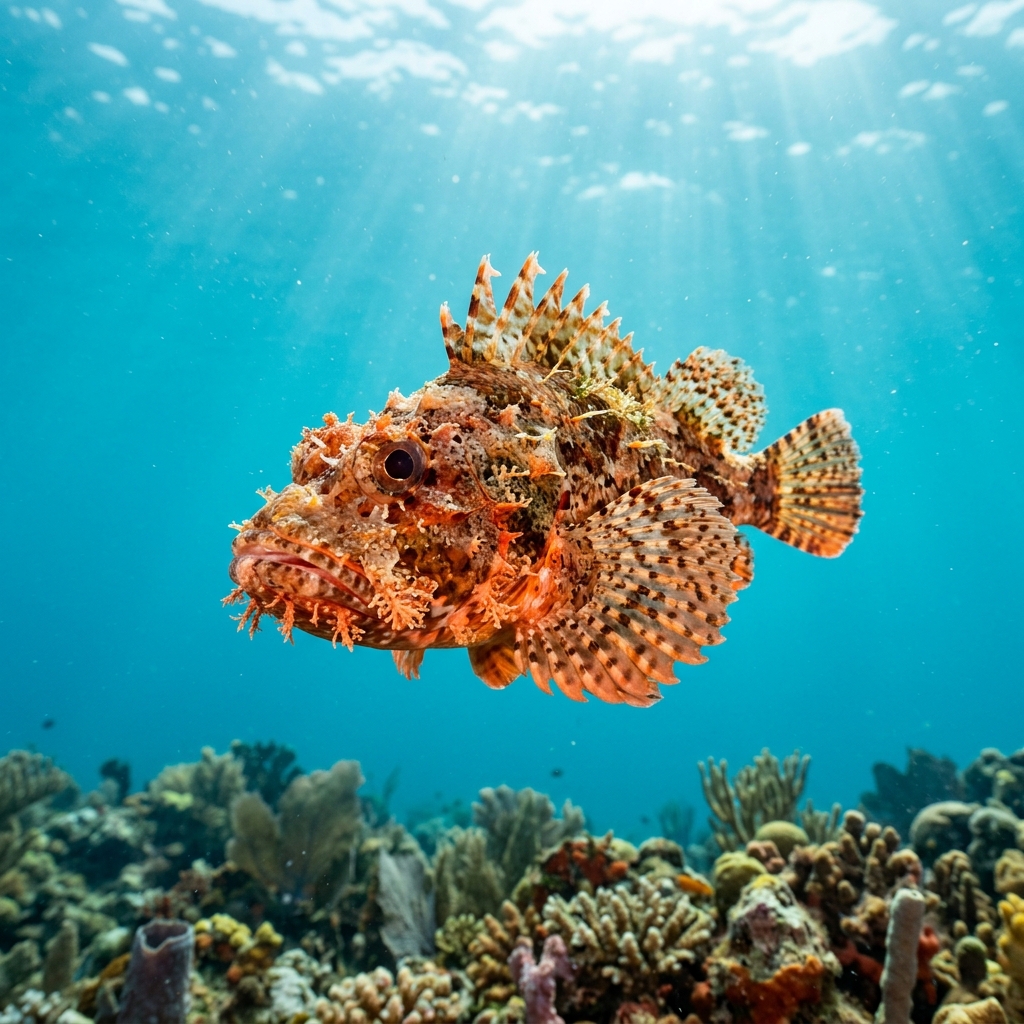
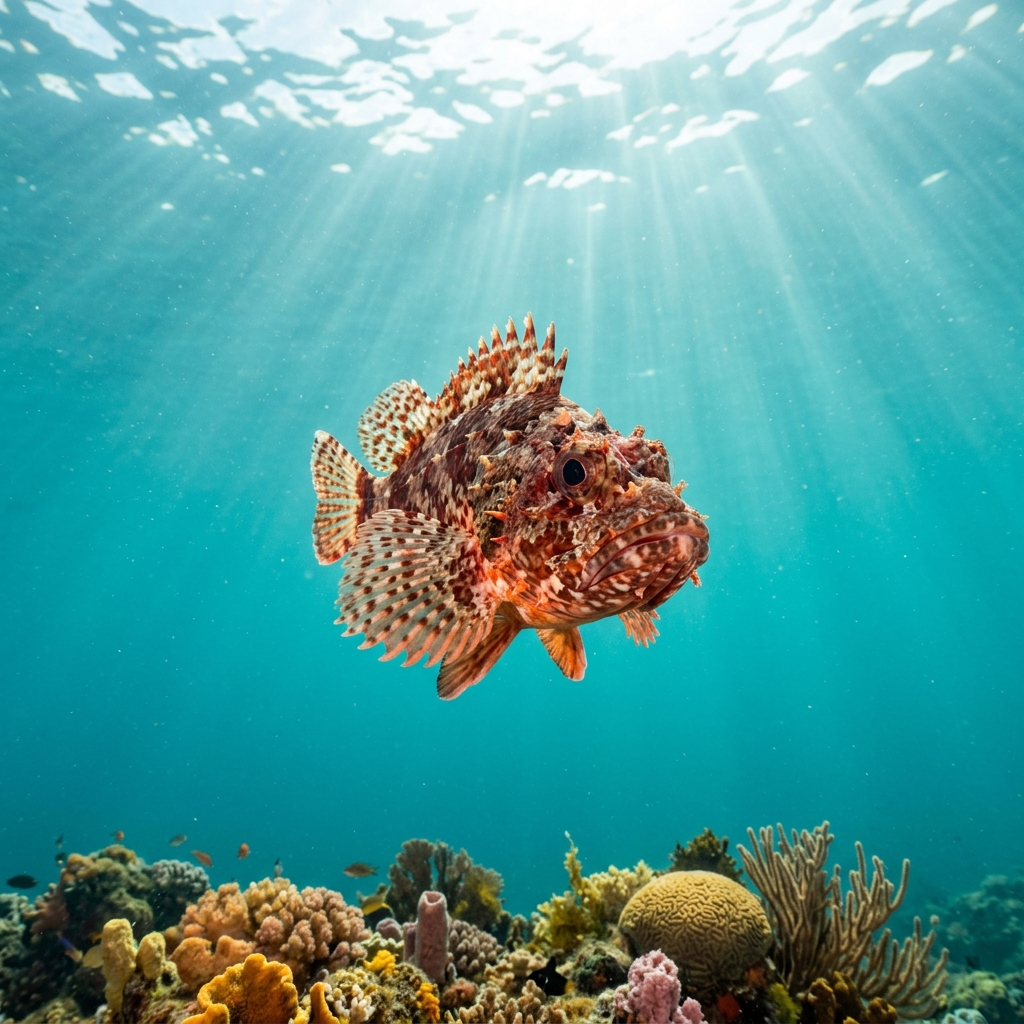
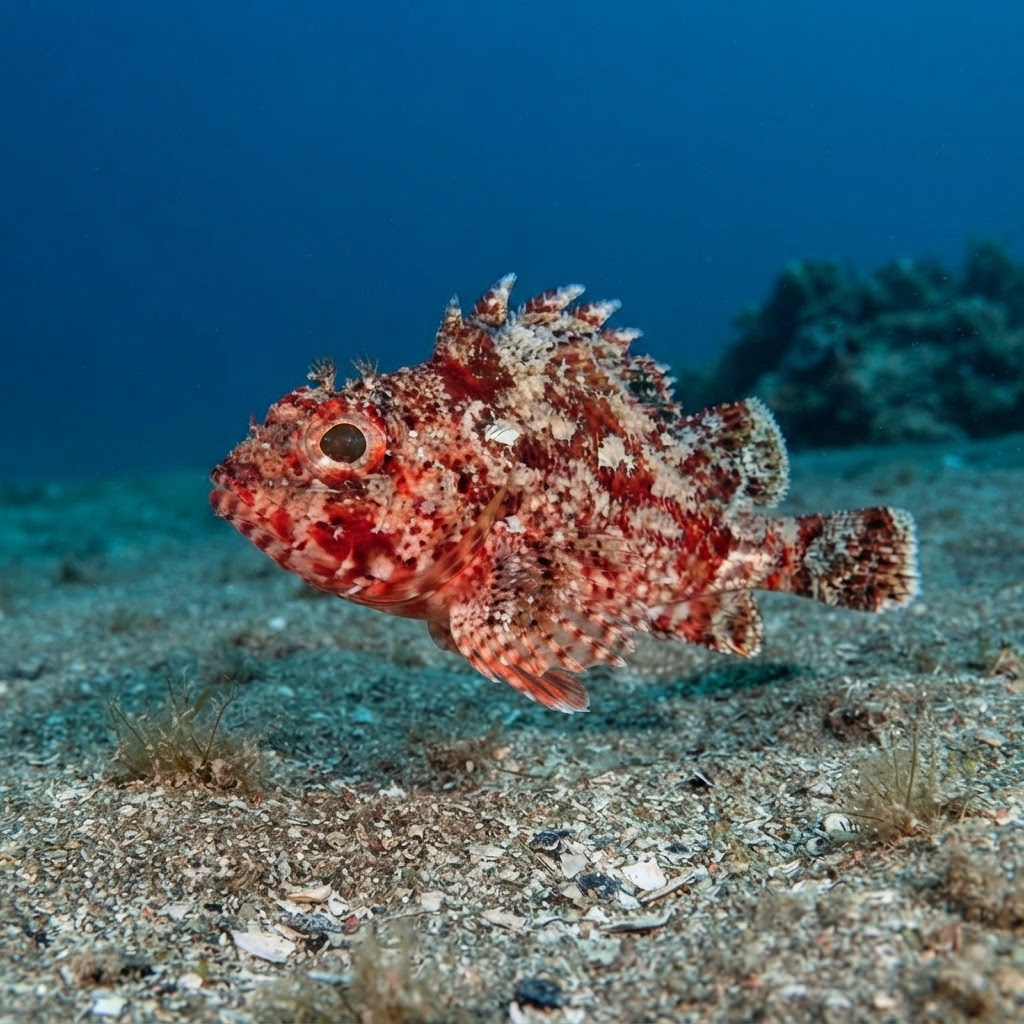
A stocky, spine-covered fish rarely more than 18 cm long, mottled in reds and browns that blend almost perfectly into rock and rubble. Look for the bumpy, almost bearded head profile, small dark blotch on the rear dorsal fin, and the way it sits dead still on the bottom rather than swimming off. Its eyes sit high on the head, giving it a slightly toad-like look when you spot it face on.
Expect to find it parked motionless on rock, rubble or sand, often tucked against a ledge or in a crevice, relying on camouflage rather than flight. Divers who get close usually get no reaction at all, it will simply hold its ground unless actually touched or crowded. Most sightings are on daytime dives at moderate depth, where careful eyes scanning the substrate rather than the open water are what turns it up.
Those dorsal spines carry venom glands, and because the fish is so well camouflaged it is often found by hand or knee rather than by eye, which is exactly how most stings happen.
Sightings show no clear seasonal pattern, and it is logged year-round at these sites, consistent with its tolerance for cool water in the 13 to 16 C range typical of Mediterranean and Atlantic dive sites.
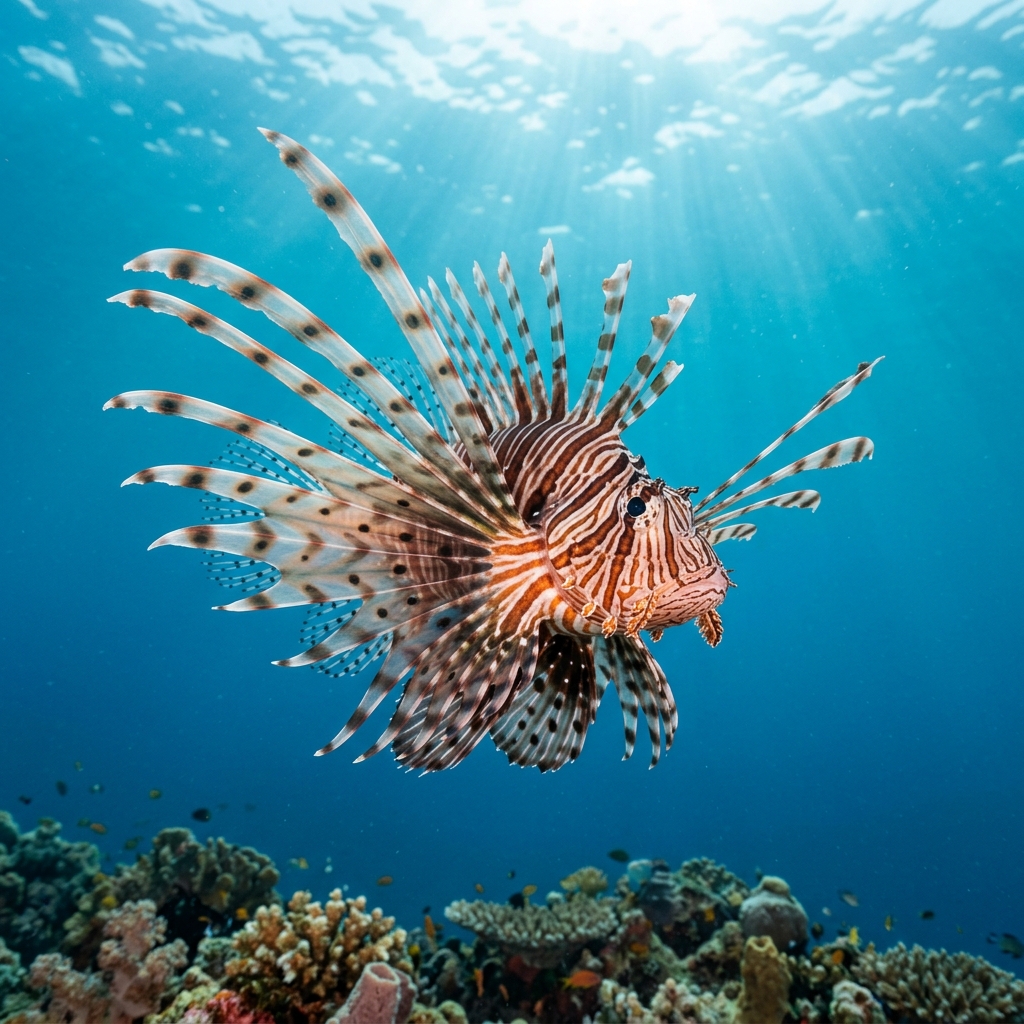
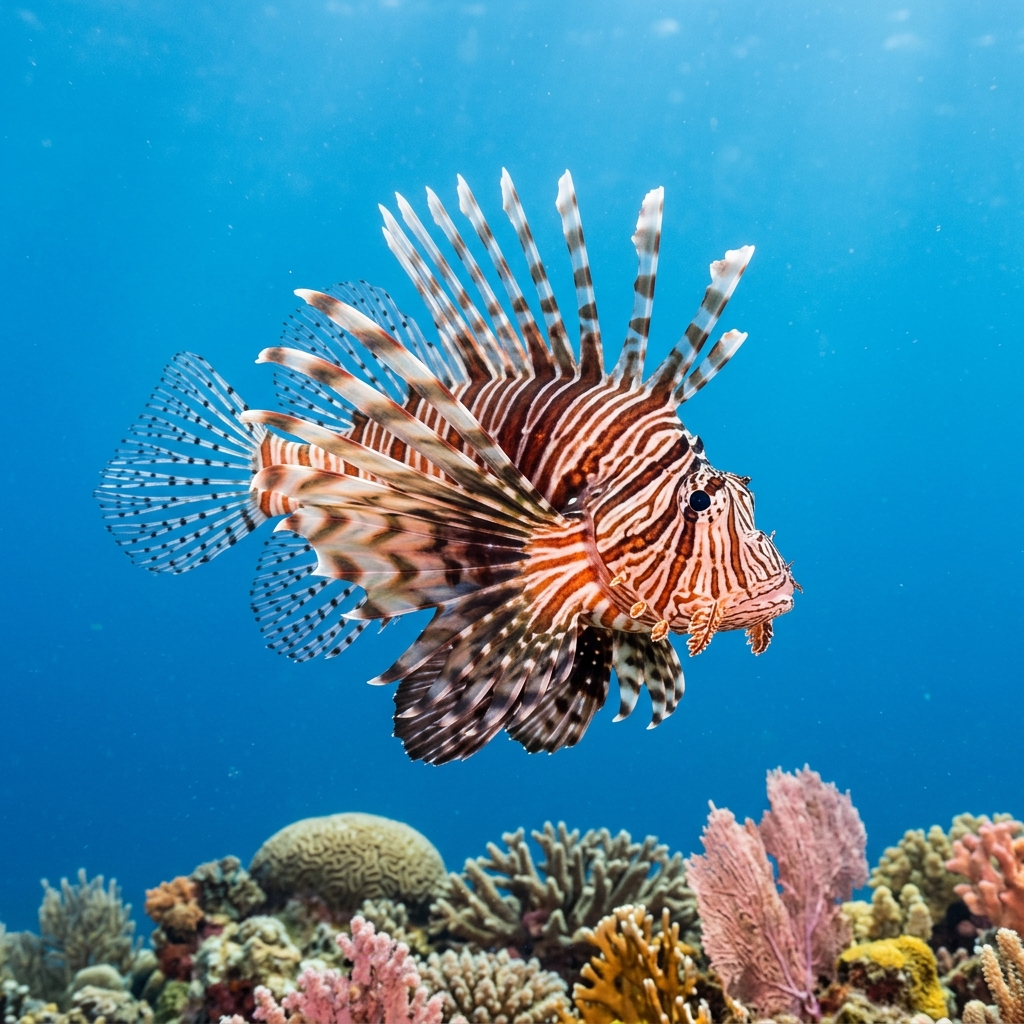
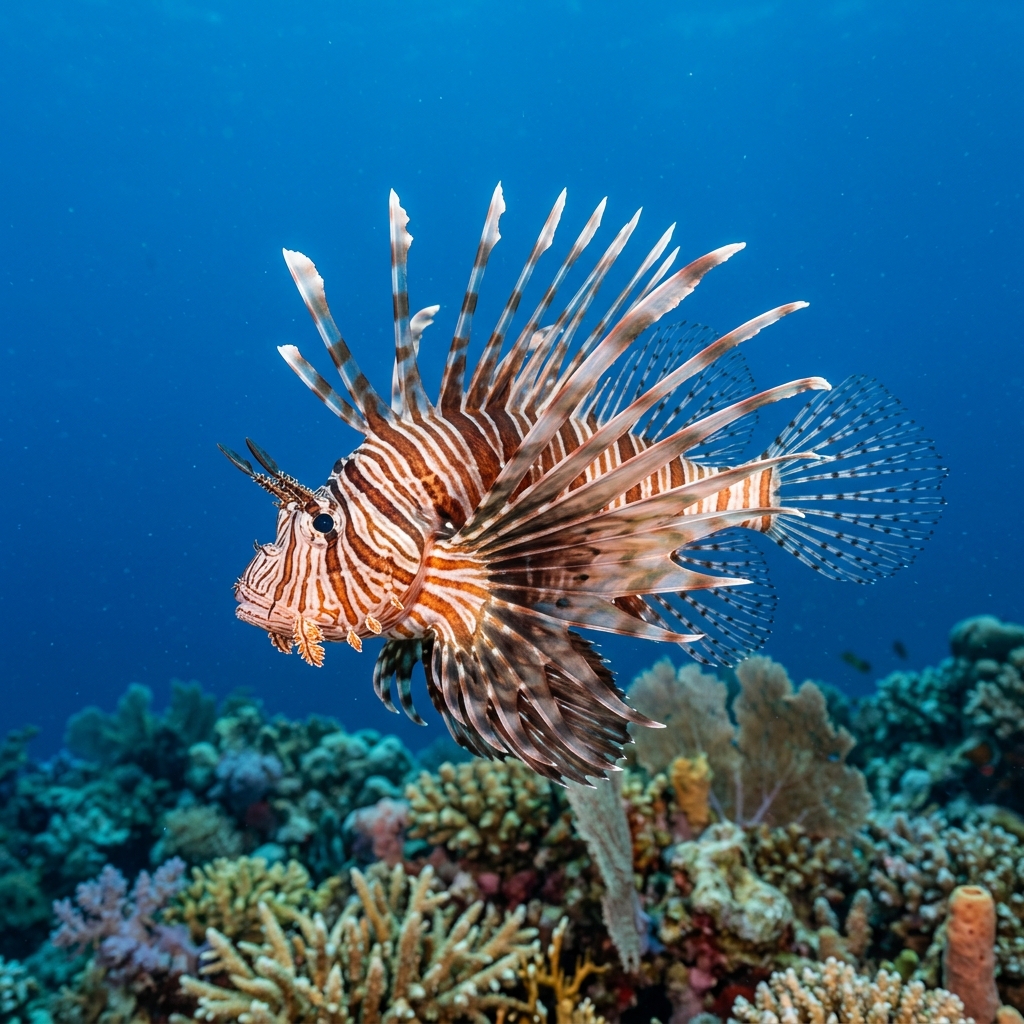
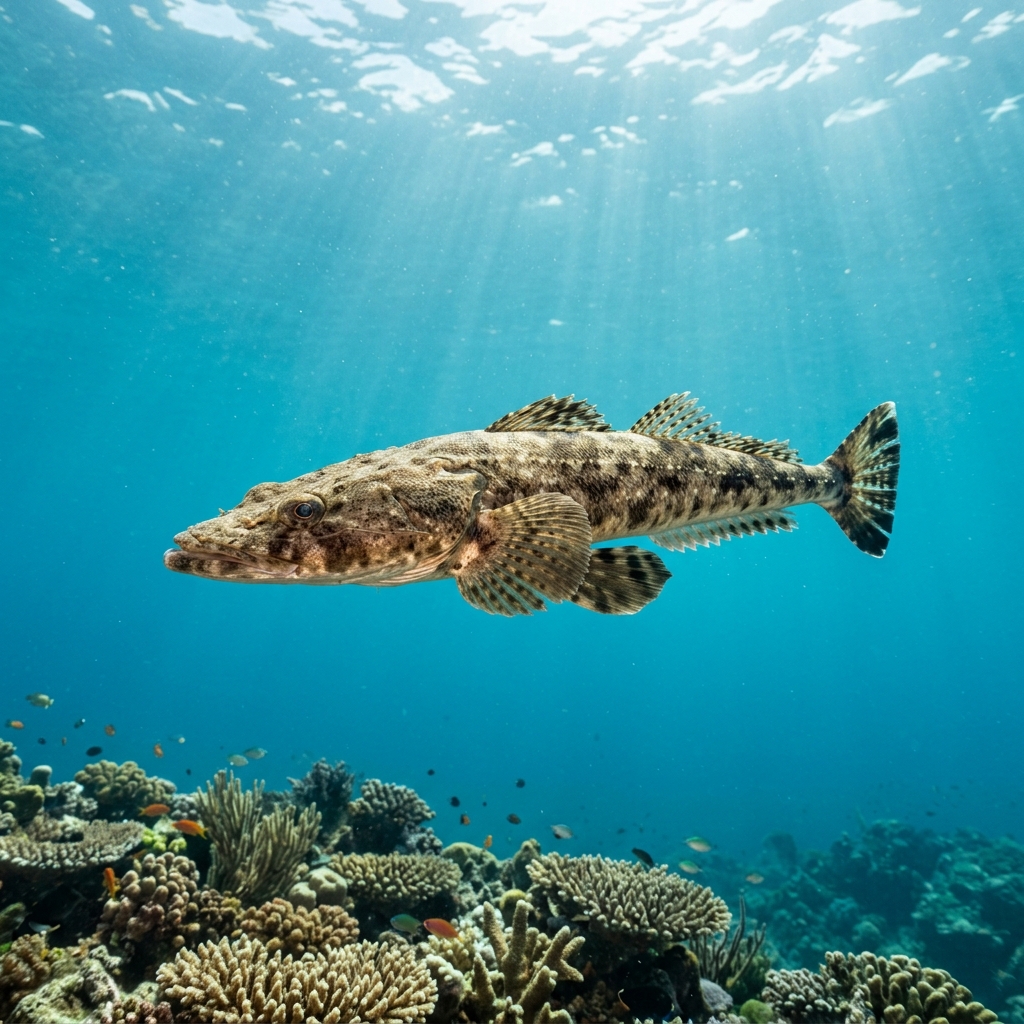
Reef neighbours a diver could mistake it for. Use the identification notes above to tell them apart.
This is a Mediterranean regular, most heavily logged along France's French Riviera and Provence coast and in Catalonia, Spain, with strong numbers also in Croatia's Kvarner region and Spain's Murcia and Valencia coasts. It also turns up reliably on the Lisbon Coast in Portugal, in Italy, and further out in the Canary Islands and Azores.
Mapping where Small Red Scorpionfish is logged…
It is most reliably seen along France's Riviera and Provence coast and in Catalonia, Spain, with good numbers in Croatia's Kvarner region, Spain's Murcia and Valencia coasts, and Portugal's Lisbon Coast.
Sightings happen year-round with no strong seasonal pattern, matching its comfort in the cooler 13 to 16 C water typical of these sites.
Yes, its dorsal, anal and pelvic spines are venomous and can cause a painful sting. It will not attack, but its camouflage means divers sometimes touch or kneel on one by accident.
Look for a small, spiny, mottled red-brown fish sitting still on rock or rubble, with a bumpy head and a dark blotch near the rear of the dorsal fin. It rarely grows past 18 cm and almost never swims when approached.
They typically reach around 18 cm in length, making them one of the smaller scorpionfish divers encounter in the Mediterranean and nearby Atlantic waters.
Site and sighting data is aggregated from diver logs, iNaturalist and GBIF. For taxonomy and conservation status:
Madeira Rockfish
2,773 sites