

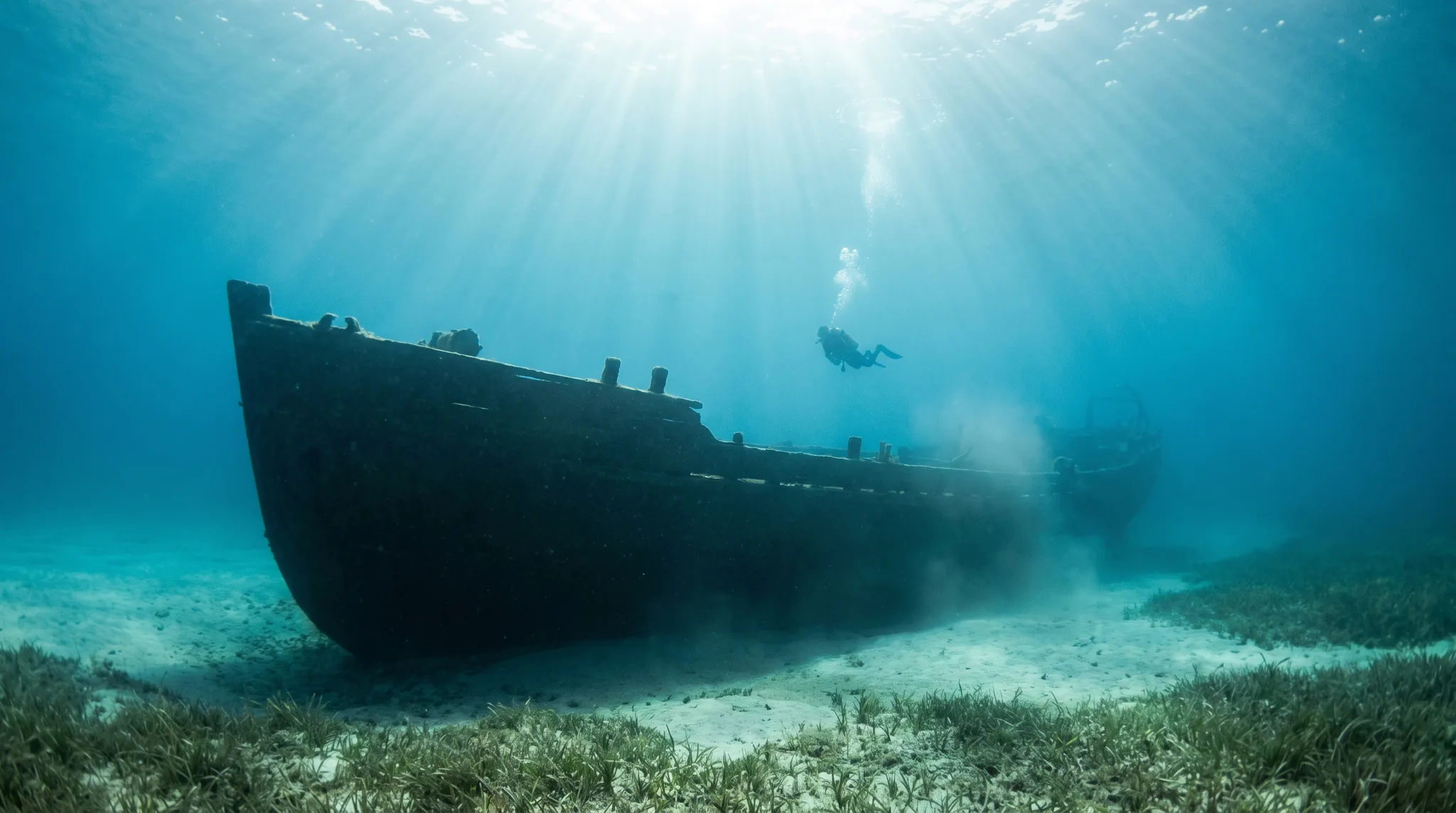
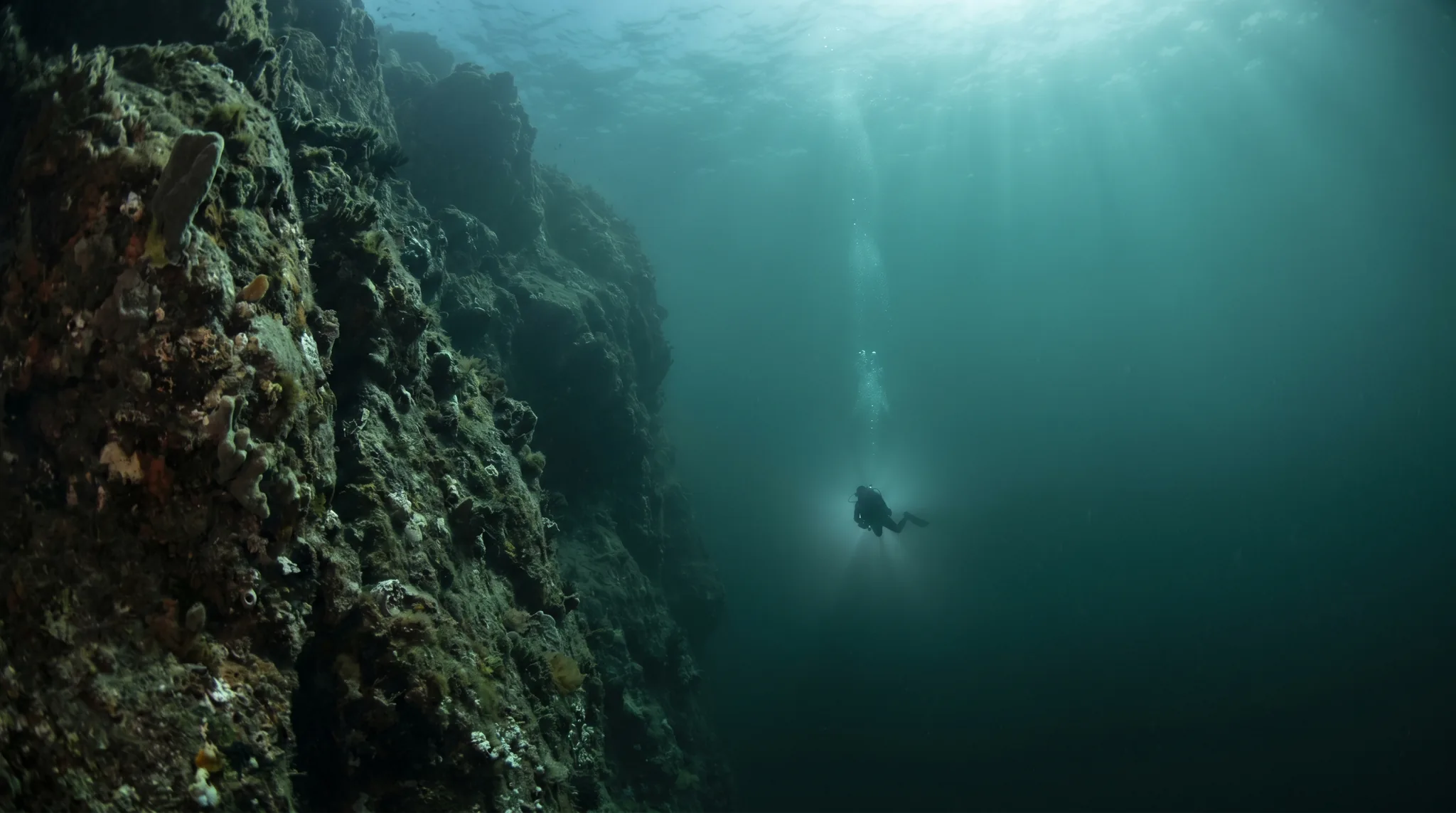
Sicily's underwater terrain spans caves, pinnacles, walls, wrecks and open reefs across nine distinct sub-areas, from the cave-riddled coastline around San Vito lo Capo to the deep drop-offs of Ustica and the remote outpost of Lampedusa. The island-facing sites suit beginners and intermediaries, while advanced divers can push deeper at sites like Secchitello and La Mpaddata. Turkish Wrasse and Two-banded Seabream are present across almost the entire network, while signature encounters include the Common Octopus, Dusky Grouper, Mediterranean Moray and Flying Gurnard. Boat access dominates, though several shore entries exist around Taormina and San Vito lo Capo.
9 areas
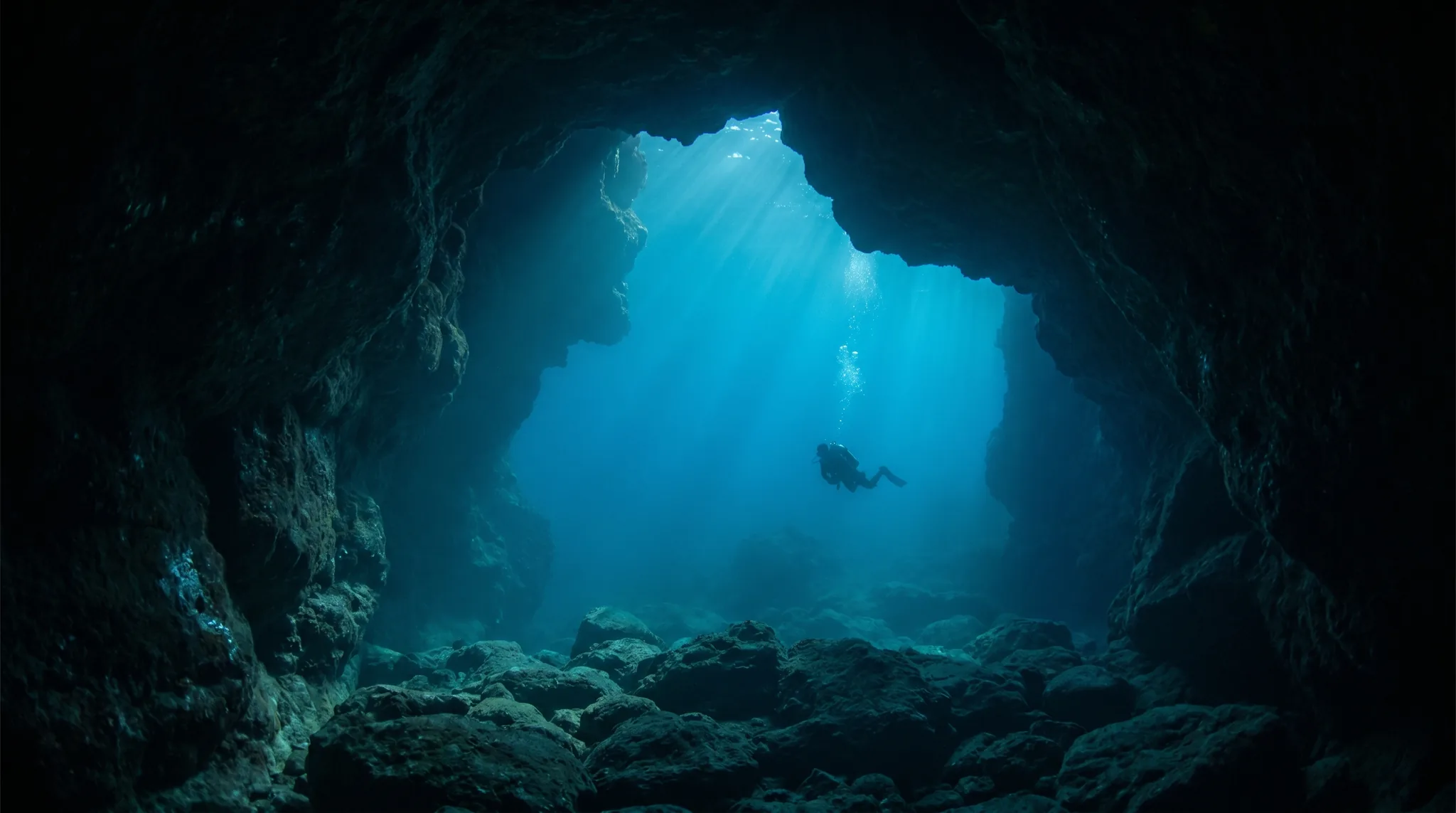 46
46Caves, walls and two cargo wrecks off the Sicilian coast, with a rich mix of reef fish and the occasional Mediterranean Moray.
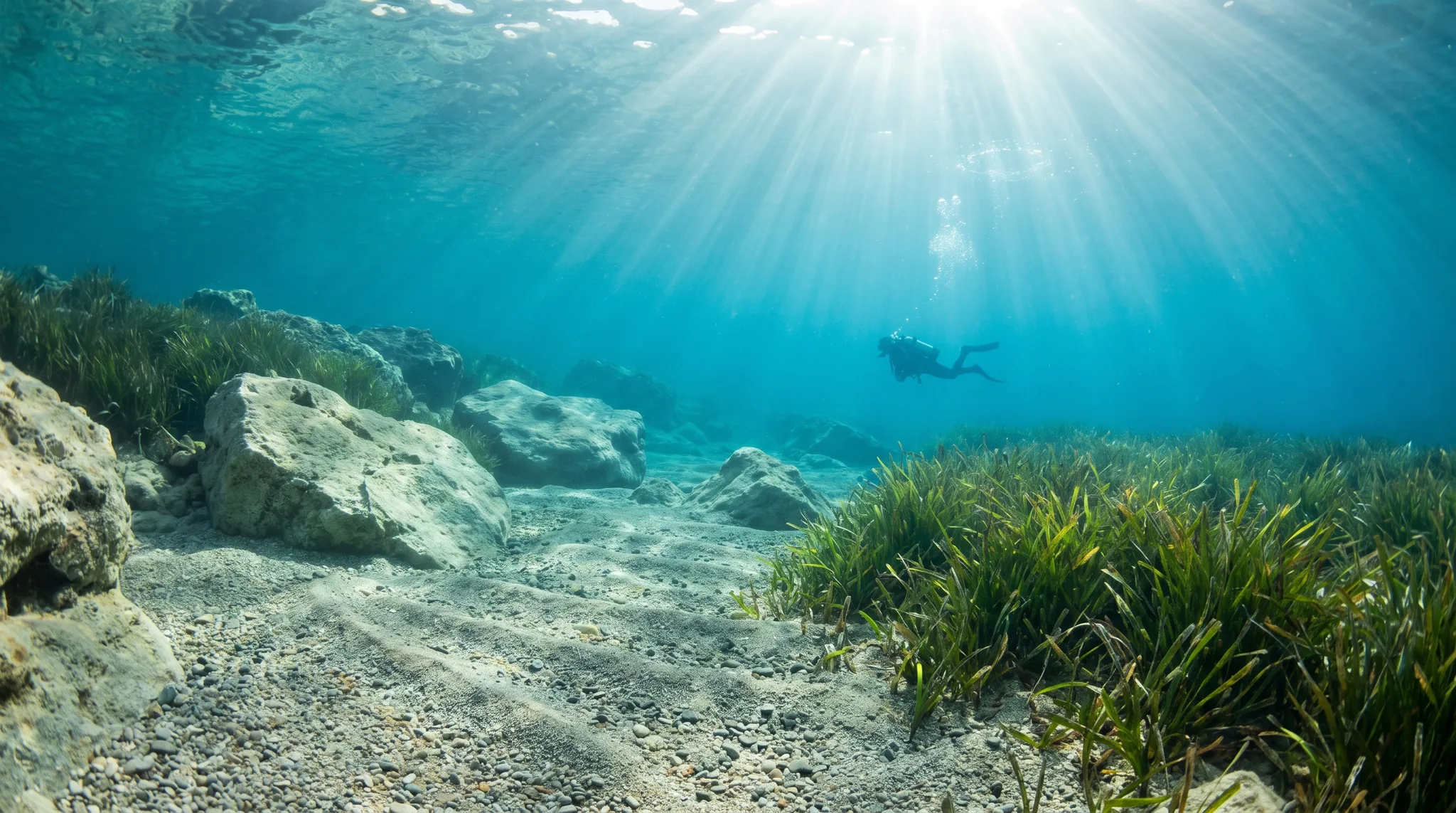 35
35Varied Sicilian diving from shallow cave reefs to deep walls and wrecks, with rich Mediterranean fish life observed across the sites.
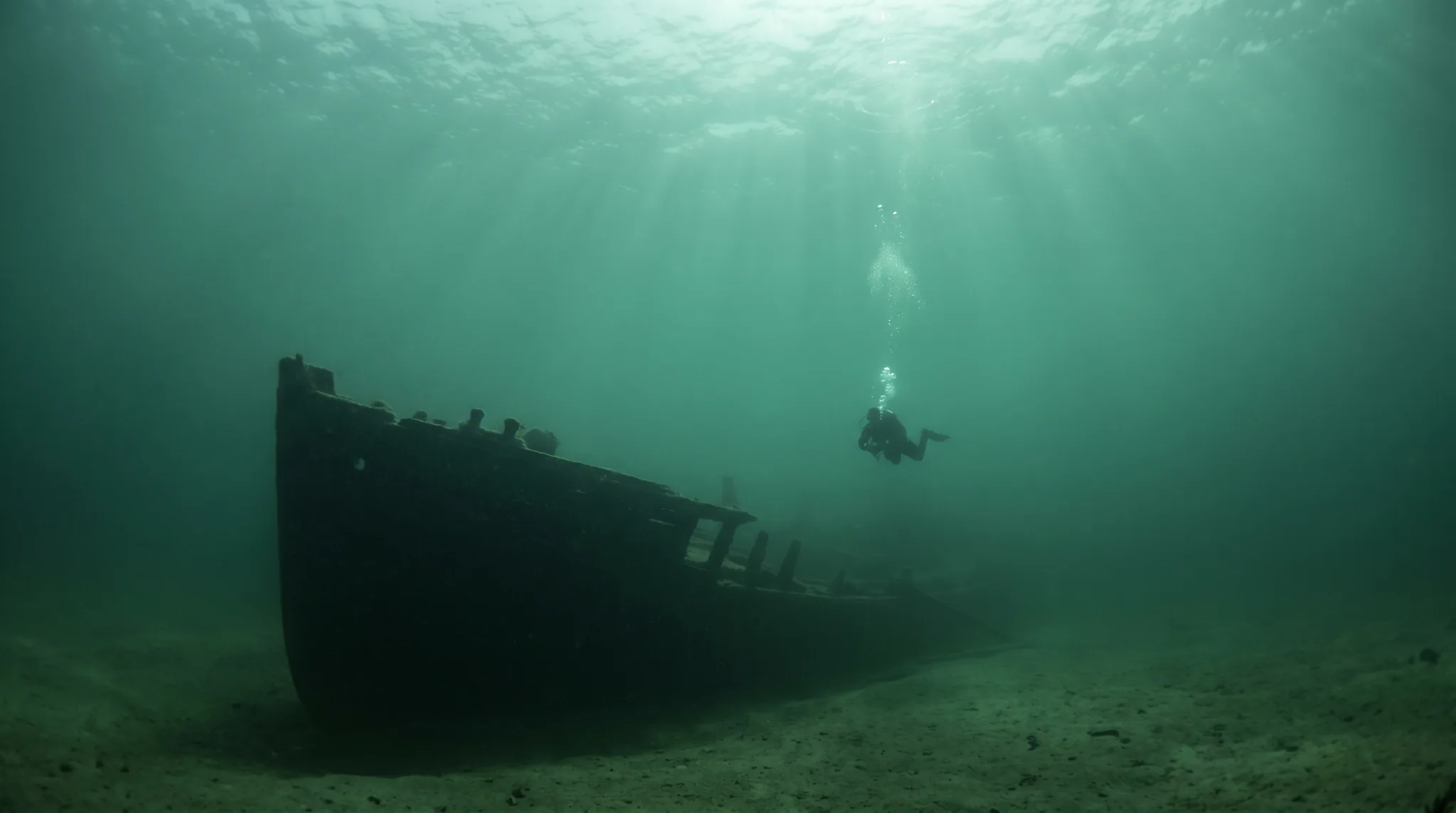 24
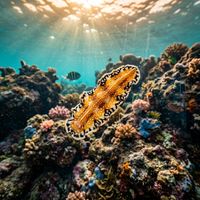
24Volcanic lava formations, two wrecks and a rich nudibranch life define diving off the Catanian coast.
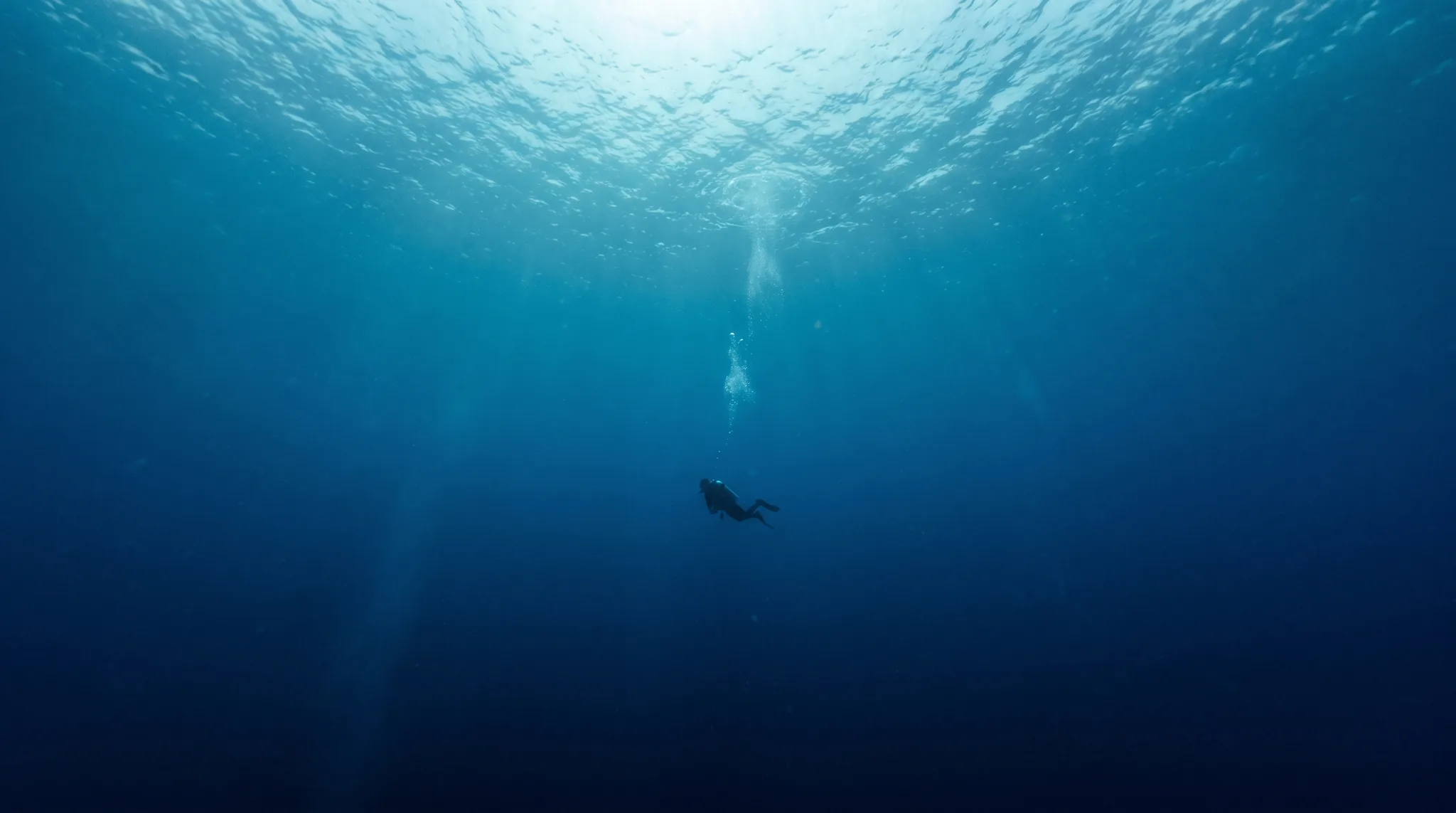 21
21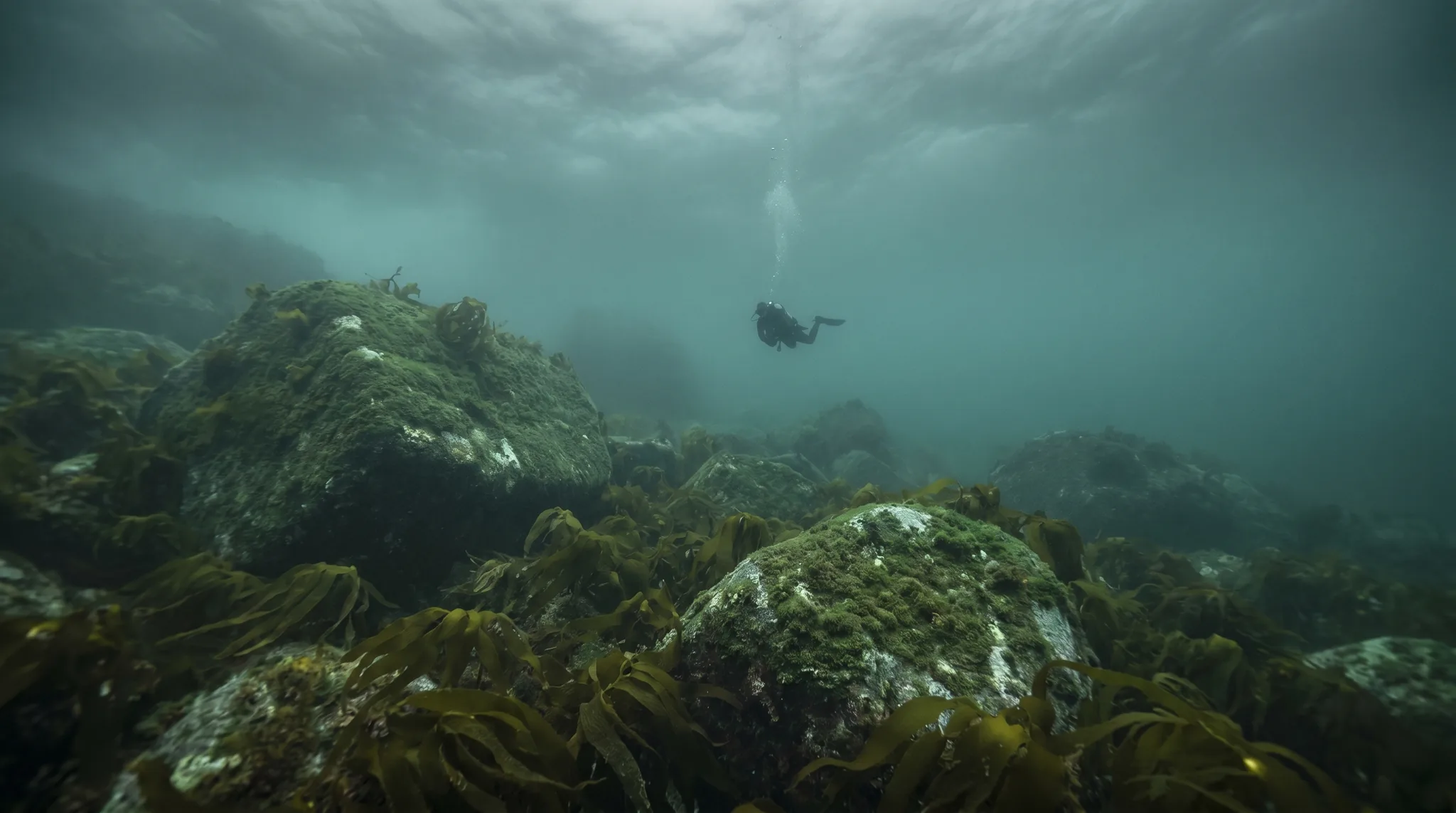
Monthly water temperature across Sicily's sites, from satellite sea-surface data corrected for depth. The band shows the site-to-site spread.
Water temperatures climb steadily from spring into a warm late-summer and autumn peak, with September and October seeing some of the highest diver activity alongside June. The cooler winter months still allow diving but suit those comfortable in thicker exposure protection. Currents and depth exposure vary considerably by sub-area, with offshore sites like Ustica and Lampedusa demanding more experience than the sheltered inshore reefs.

112 operators

1 more site to explore
Volcanic caves, deep pinnacles and abundant Mediterranean reef fish make Ustica a compelling destination for divers of all levels.
Water temperature around Sicily ranges from about 15°C in February to 24°C in September, based on satellite sea-temperature data for its dive sites.
In the warm season (about 24°C) a 3mm full suit is comfortable in Sicily; in the coldest months (about 15°C) step up to a 7mm or semi-dry suit.
Fin maps 198 sites in Sicily (159 scuba diving sites and 64 snorkelling spots, with some suited to both), organised into 9 areas.
Across Sicily's dive sites, May, June, July, August, September and October are most often reported as the best months to visit.
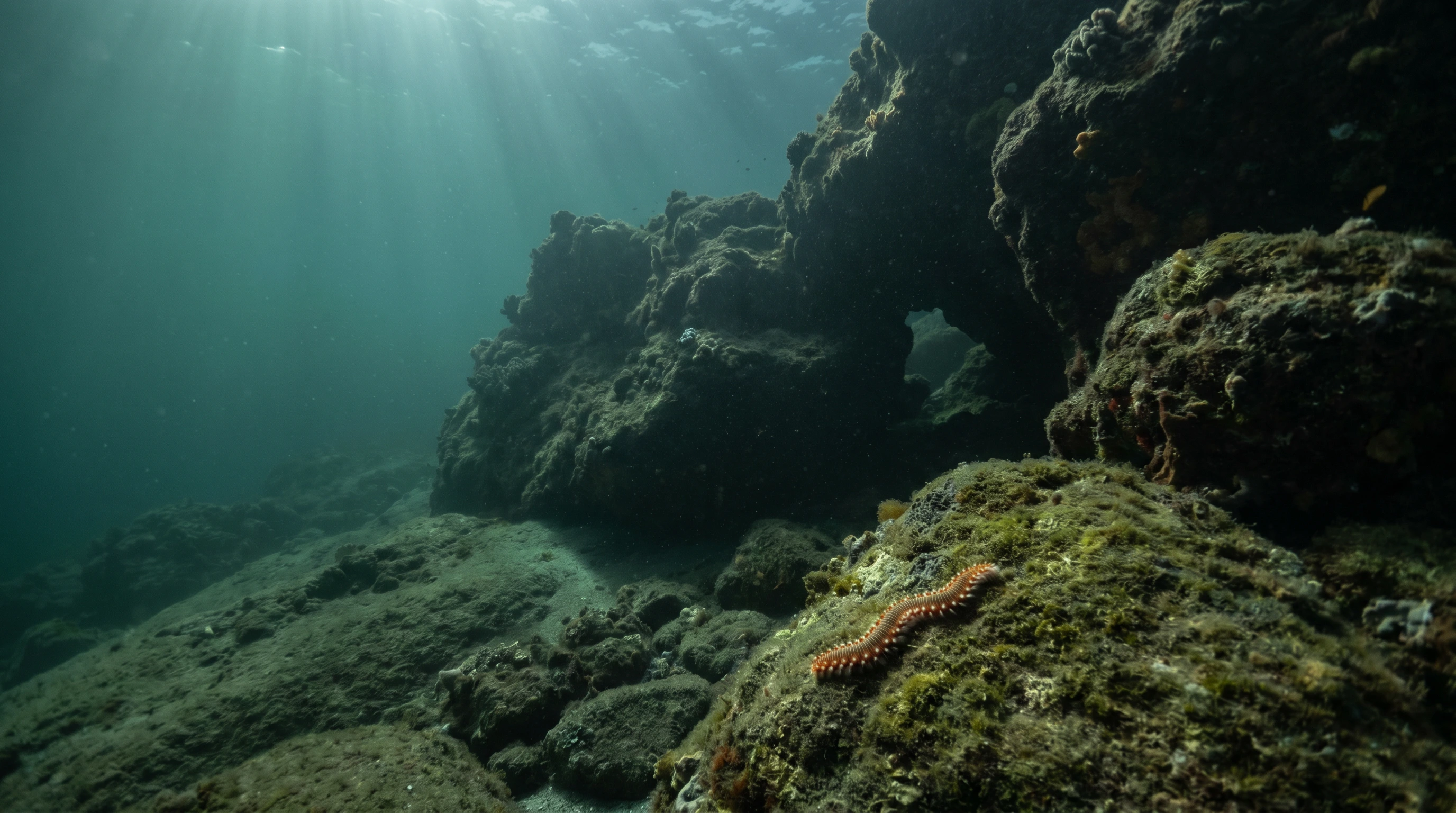
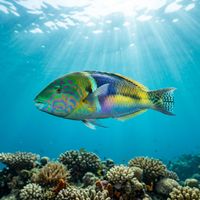
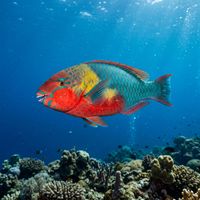
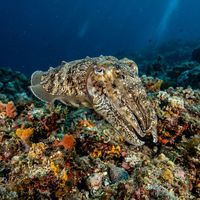
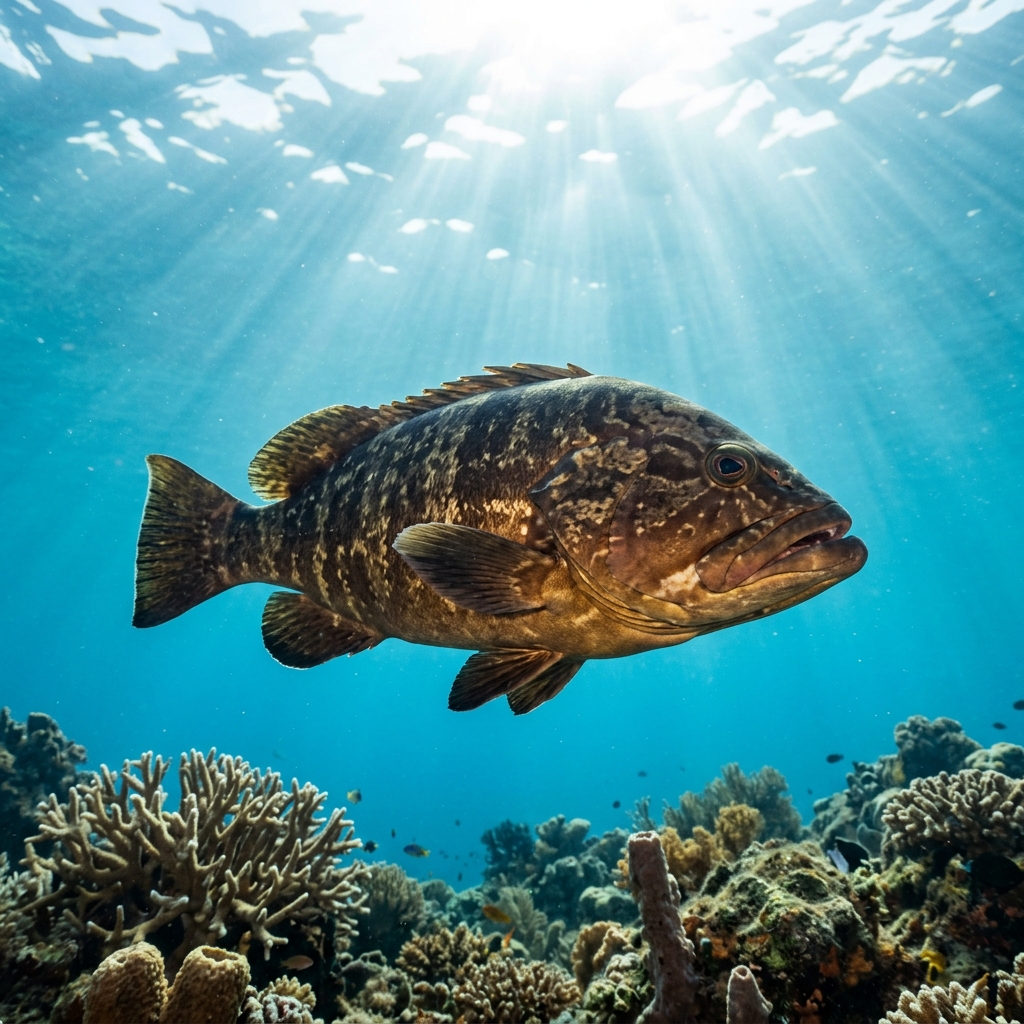
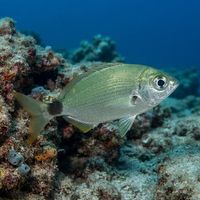
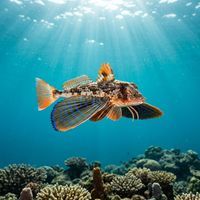
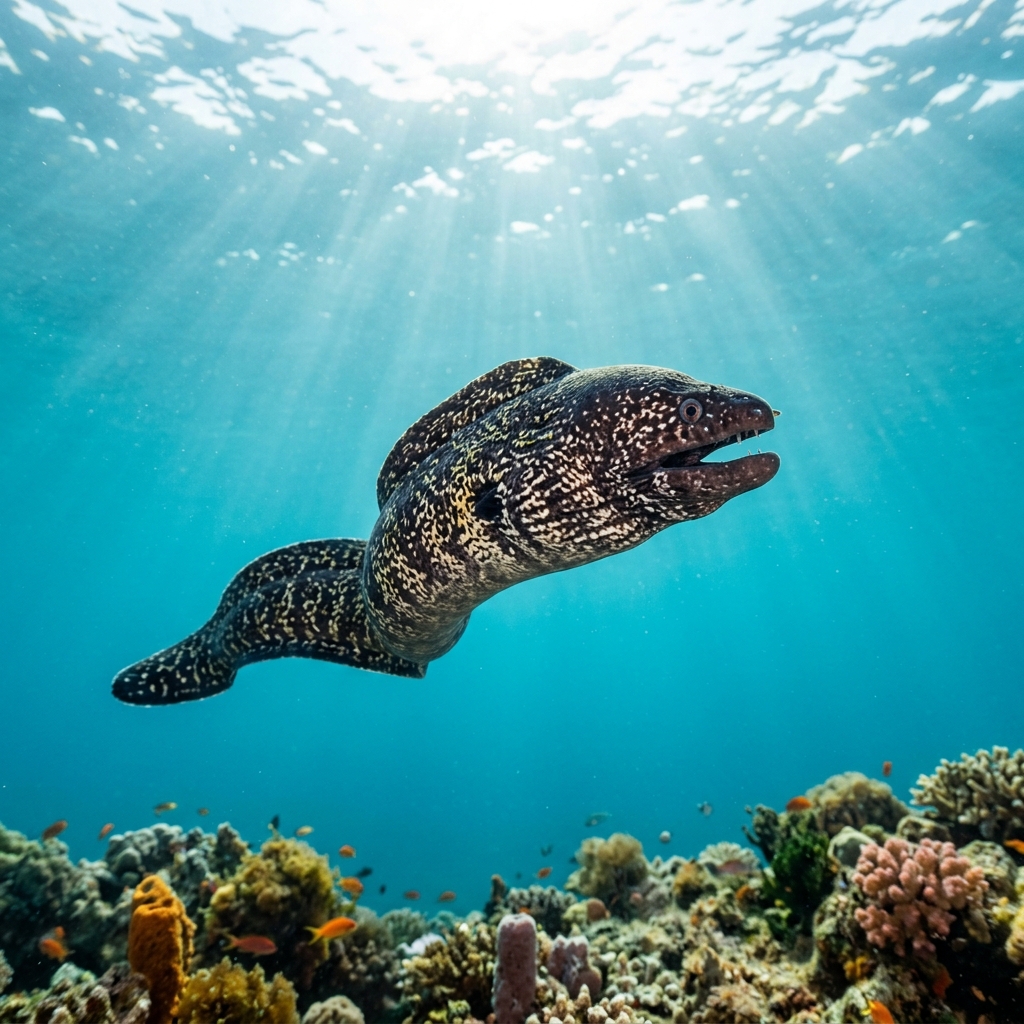
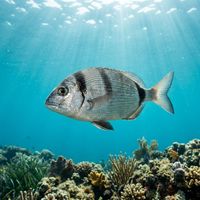
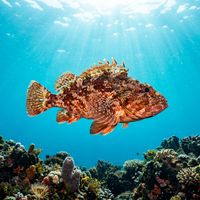
The most consistently observed species across Sicily's sites include Turkish Wrasse, Two-banded Seabream, Madeira Rockfish and Painted Comber. Signature encounters include the Common Octopus, European Common Cuttlefish, Dusky Grouper, Mediterranean Moray and Flying Gurnard. Scorpionfish, Conger Eel, Slipper Lobster and Hermit Crab appear regularly, and Loggerhead Sea Turtle has been recorded at a portion of sites.
Sicily caters to a wide range of skill levels. Sites like Blue Cave Bay and La Madonna della Misericordia are rated for beginners and offer accessible depths with varied topography. The majority of sites are graded intermediate, while deeper pinnacles and walls at Ustica and Taormina are reserved for advanced divers. Most sub-areas have at least some sites appropriate for those new to diving.
San Vito lo Capo has the largest concentration of sites and is particularly known for shore-entry caves such as Grotta della Ficarella. Ustica and Lampedusa sit offshore and offer more exposed, deeper diving with advanced-rated pinnacles and walls. Taormina combines wrecks, drift dives and deep reefs, while Siracusa and Plemmirio and the Egadi Islands provide quieter alternatives with their own reef and wall systems. The Aeolian Islands add a further volcanic character to the mix.
Boat access is the norm across most of Sicily's sites, and the region has a large number of established dive operators to facilitate this. However, shore entries do exist, including Grotta della Ficarella near San Vito lo Capo, Fiumarella in Taormina and the Bowesfield wreck-reef site also off Taormina. La Madonna della Misericordia accepts both shore and boat entry, giving flexible options for those without a dedicated charter.


