

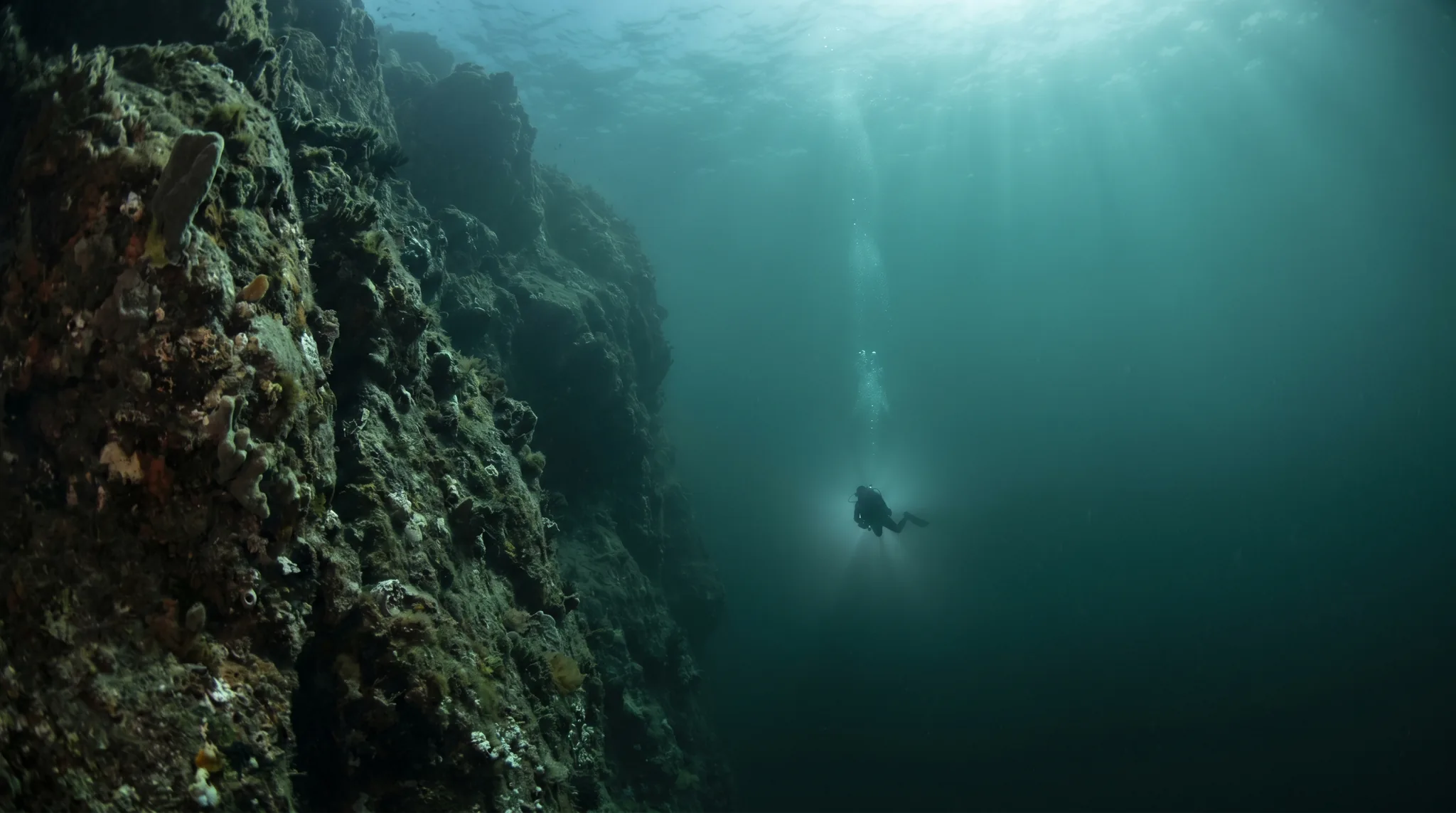
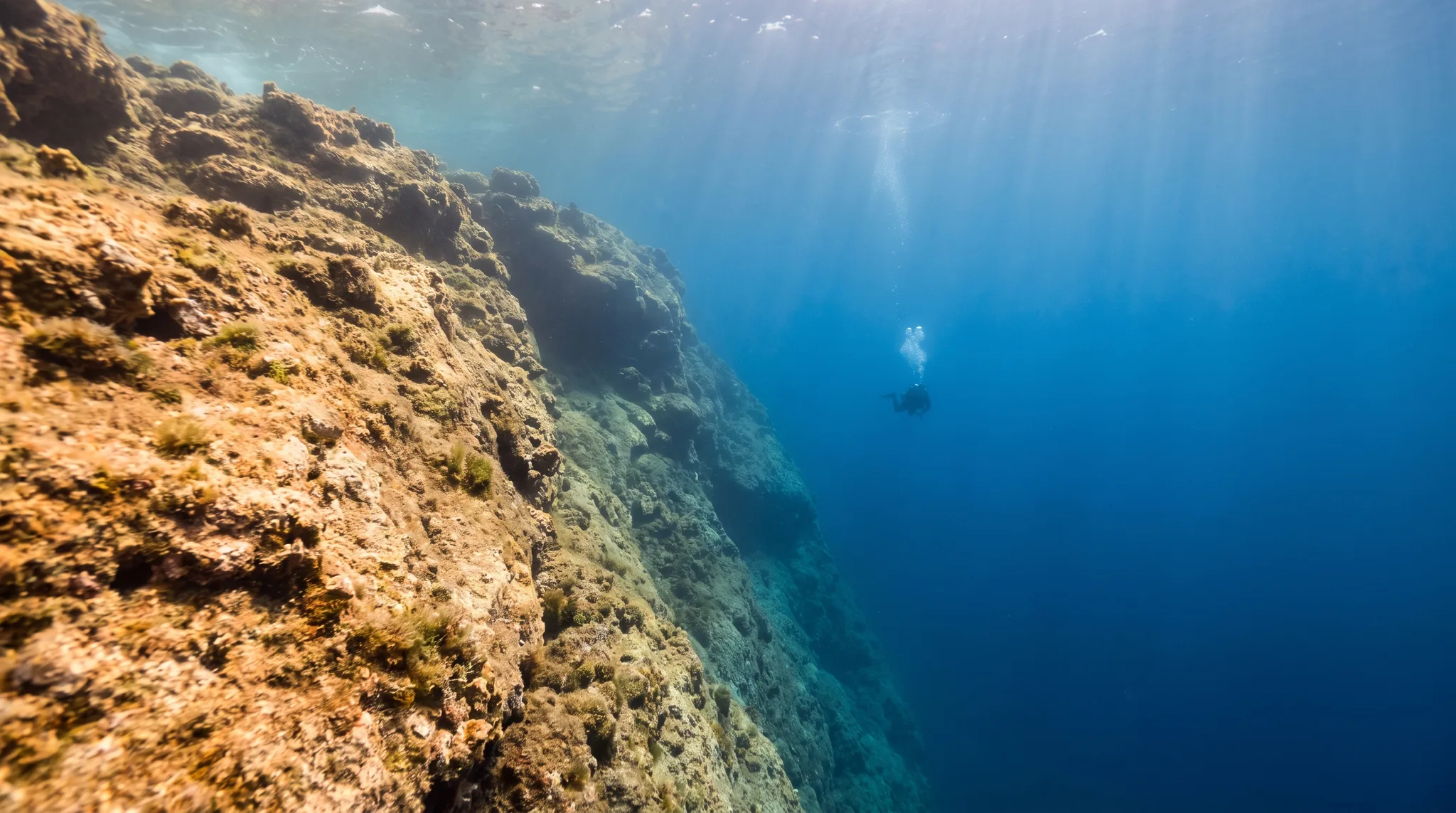
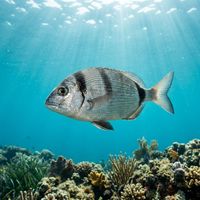
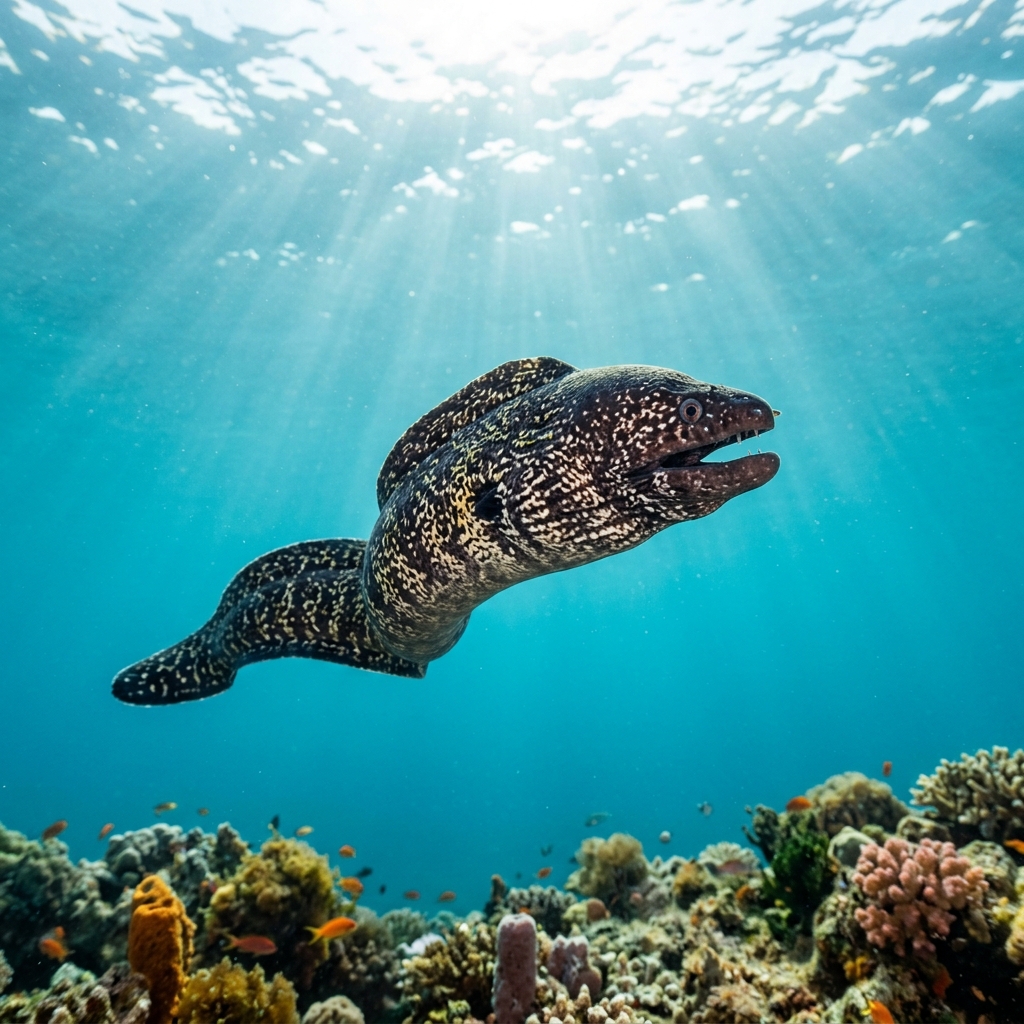
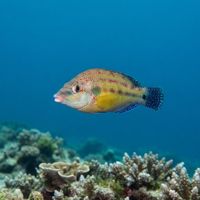
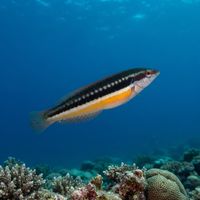
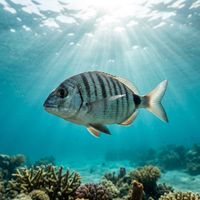
Sardinia offers one of the most varied underwater landscapes in the Mediterranean, with reef systems, walls, sea caves, caverns, canyons and a wreck spread across eight distinct sub-areas. The Alghero coast is the cave-diving heartland, with sites such as Capo Caccia, Falco Cave and Stalattiti Cave defining its character. La Maddalena Archipelago leads on site count, while Villasimius, Tavolara and the Orosei Gulf each bring their own reef and canyon terrain. The Turkish Wrasse and Two-banded Seabream are encountered almost everywhere, while signature species including the Common Octopus, Dusky Grouper and Mediterranean Moray reward attentive divers. Most sites require boat access, and the water warms noticeably from late spring through autumn.
8 areas
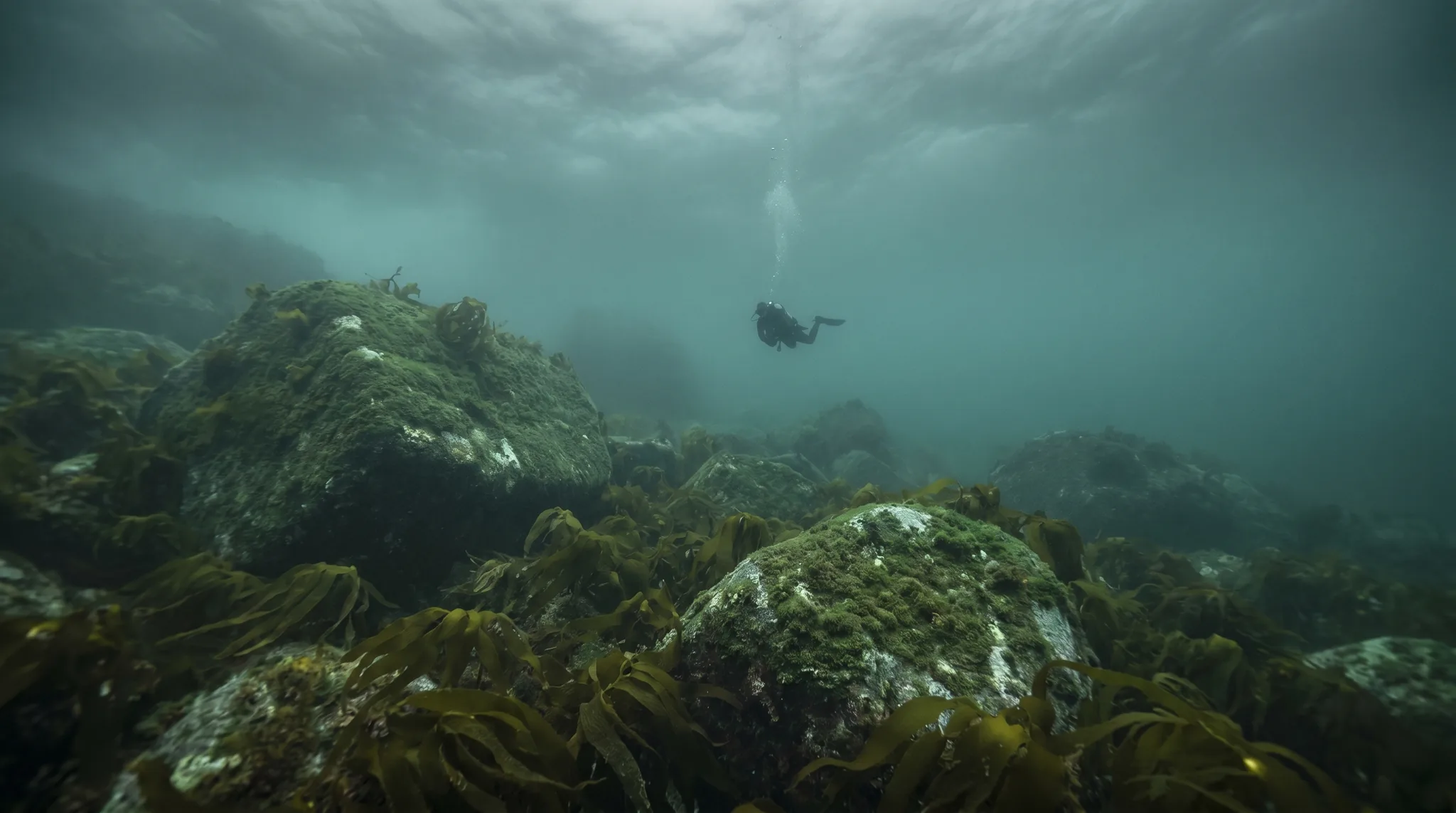 39
39Granite walls, seamounts and caves packed with cuttlefish, octopus and grouper. A boat-access diving destination for all levels.
34A cave-rich coastline with walls and reefs hosting Common Octopus, Mediterranean Moray and Great Barracuda, suited to all levels.
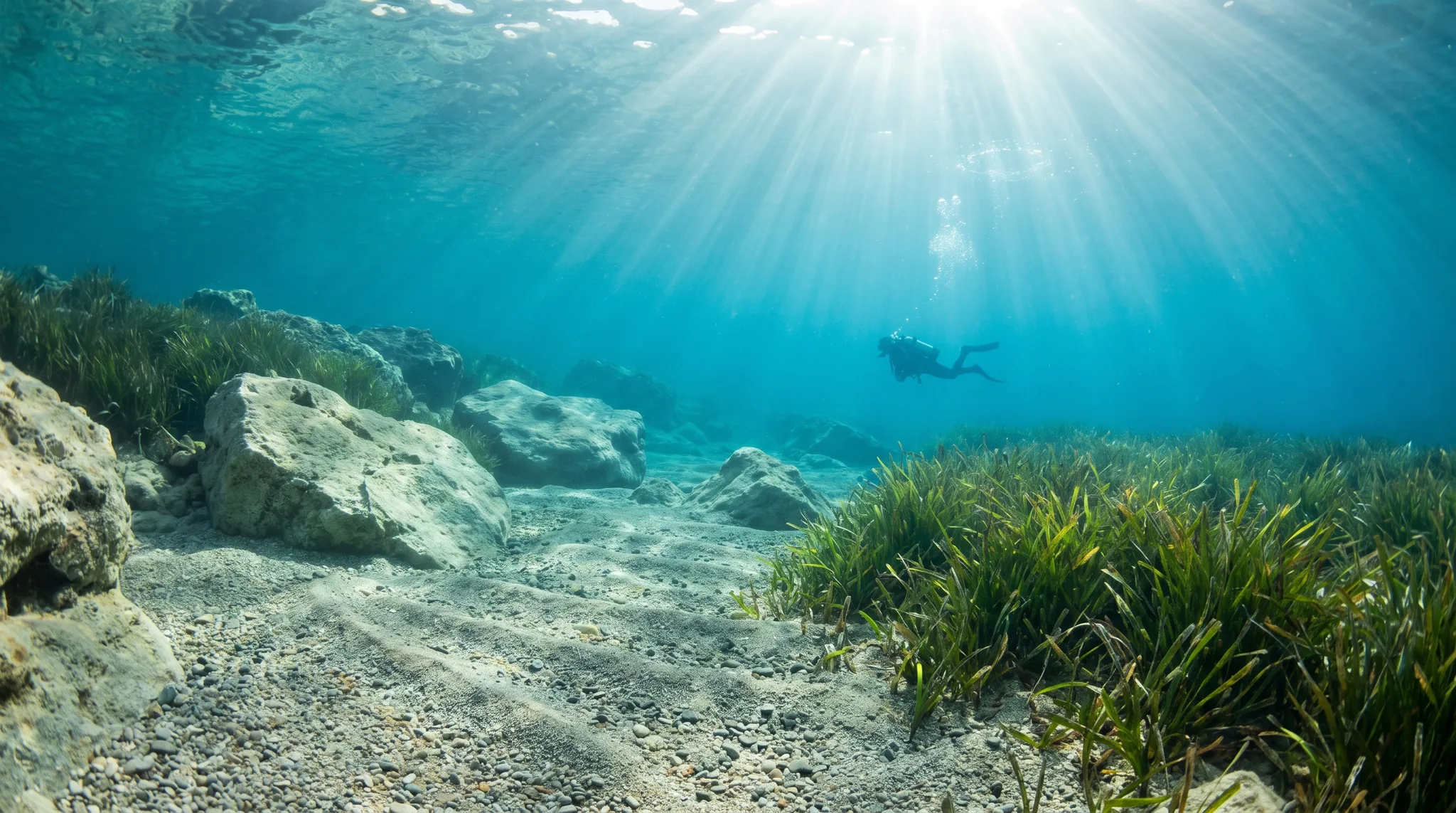 31
31Boat-access wall and cave diving with prolific macro life, including Common Octopus, Mediterranean Moray, and Yellow Gorgonian.
25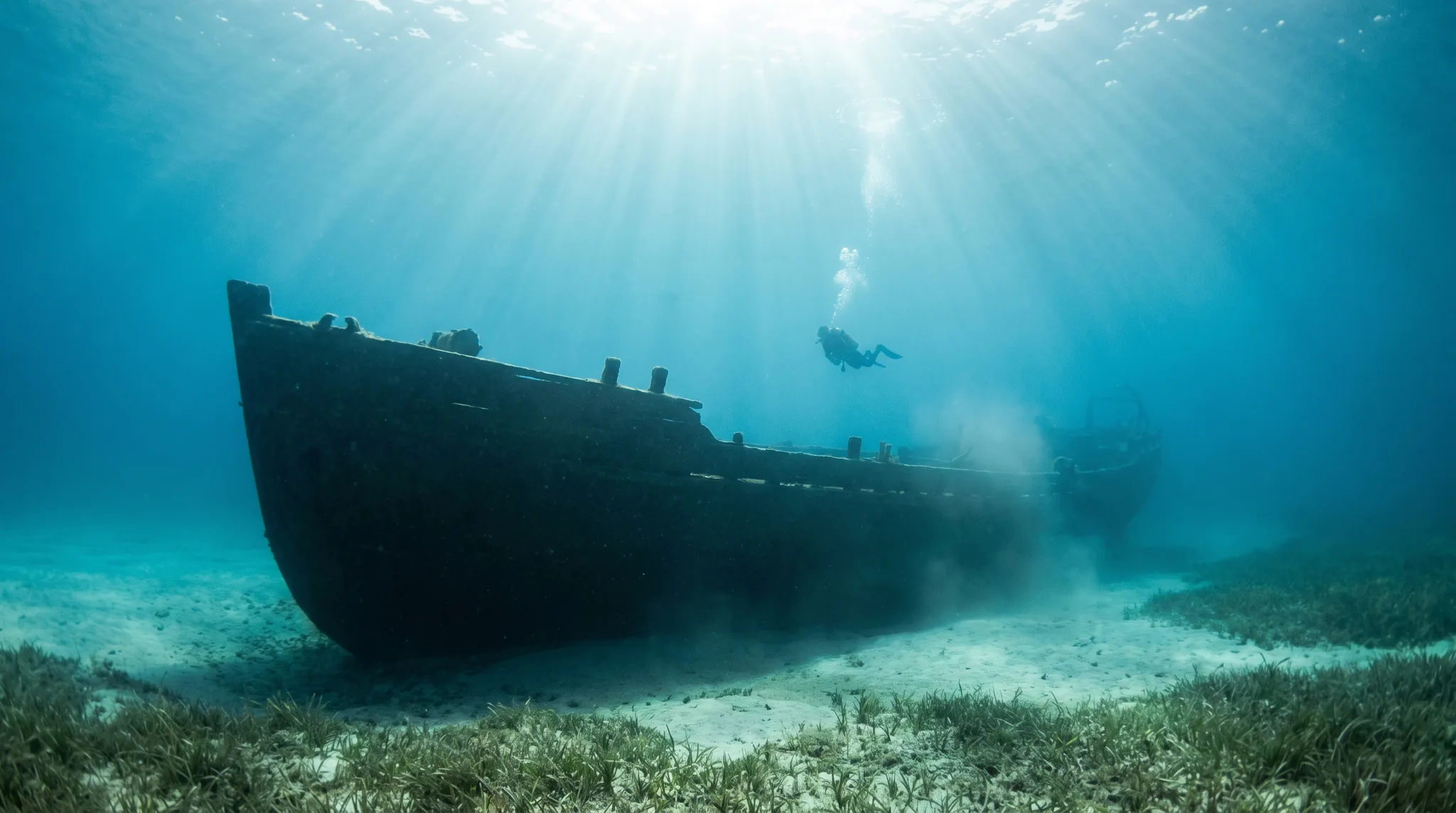
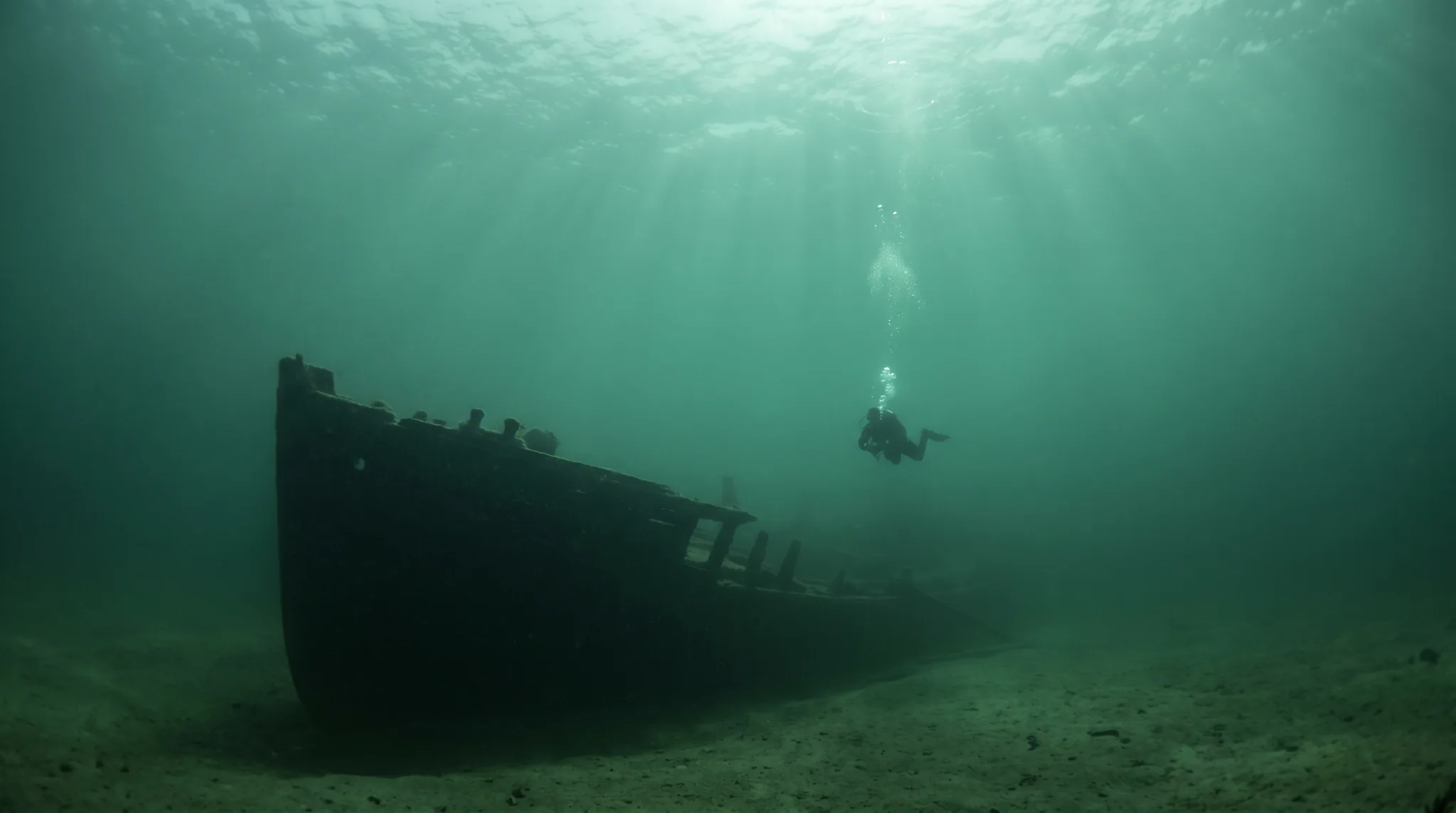
Monthly water temperature across Sardinia's sites, from satellite sea-surface data corrected for depth. The band shows the site-to-site spread.
Water temperature climbs steadily from spring, reaching its warmest through late summer and into September, which, alongside October, attracts the highest diver activity. The cooler months from January to March see a significant drop in visits, though conditions remain diveable for those equipped for colder water. Visibility can be excellent across the season, making the shoulder months of April to May and September to October especially productive for exploring Sardinia's walls and cave systems.
99 operators
Golfo Arnaci, Italy
Alghero, Italy
Wartime wrecks, reef pinnacles and abundant Mediterranean life make Villasimius one of Sardinia's most varied dive destinations.
Water temperature around Sardinia ranges from about 14°C in February to 23°C in August, based on satellite sea-temperature data for its dive sites.
In the warm season (about 23°C) a 3mm full suit is comfortable in Sardinia; in the coldest months (about 14°C) step up to a 7mm or semi-dry suit.
Fin maps 174 sites in Sardinia (151 scuba diving sites and 43 snorkelling spots, with some suited to both), organised into 8 areas.
Across Sardinia's dive sites, May, June, July, September and October are most often reported as the best months to visit.
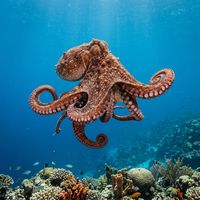
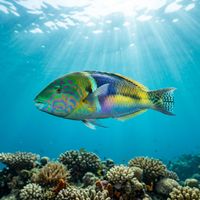
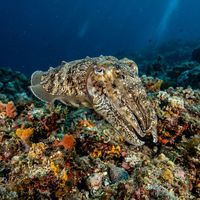
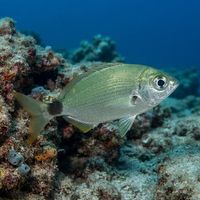
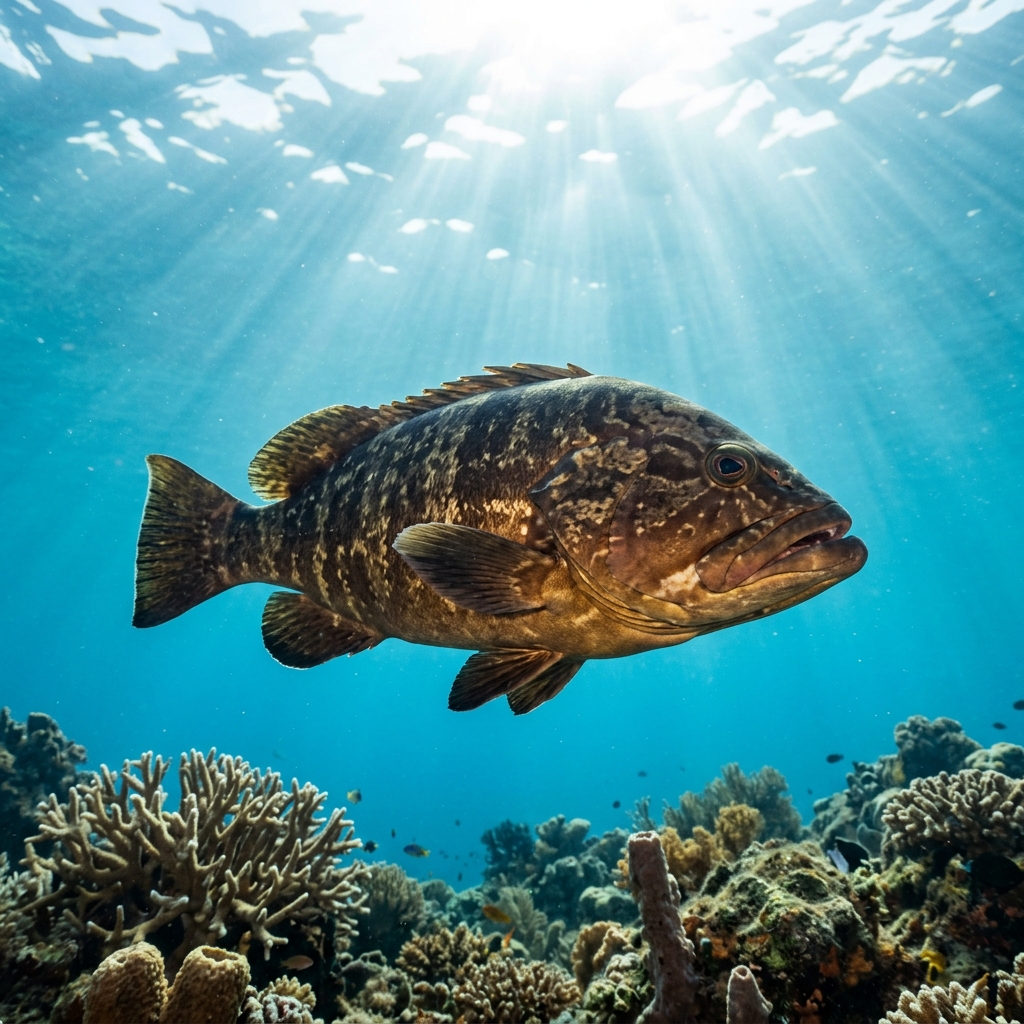
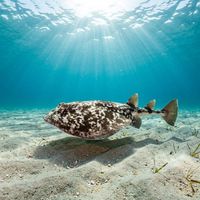
The Turkish Wrasse and Two-banded Seabream are observed across almost all sites, making them reliable companions on any dive. Signature species include the Common Octopus, European Common Cuttlefish, Mediterranean Moray and Dusky Grouper, all of which have been recorded across a broad range of sites. Less frequent but truly notable encounters include the Marbled Electric Ray and Great Barracuda. Cleaner Shrimp, Slipper Lobster and Conger Eel round out the cave and reef communities.
It depends on the specific site. Several of Alghero's cave and cavern dives, including The Tunnel, Bramassa and Pozzo Cave, are rated as beginner-friendly and are suitable for open-water certified divers. Stalattiti Cave and Cervi Cave are listed as intermediate, requiring more experience with overhead environments. Capo Caccia, with its wall and drop-off leading into complex caves, sits at the more demanding end and warrants advanced certification.
Alghero is the standout area for cave and cavern diving, with a concentration of named cave sites along its coastline. La Maddalena Archipelago has the largest number of sites overall, offering broad reef and wall diving. The Orosei Gulf combines accessible shore dives such as Lungomare Beach with deeper boat dives including the KT12 Wreck. Villasimius and Tavolara lean toward reef and canyon terrain, while the Sinis Peninsula and Carloforte offer a quieter, less-visited experience.
The large majority of sites require boat access, which is reflected in the broad network of dive operators across the island. Shore diving does exist, with Lungomare Beach in the Orosei Gulf being a good example of an accessible entry point for beginners and trainee cavern divers. A handful of sites, including The Dolmen near Alghero, can be reached either from shore or by boat. Operators such as DST Sardegna, Aquarius Dive Center and Ogliastra Diving cover different parts of the coastline, making it practical to arrange boat trips from most base areas.


