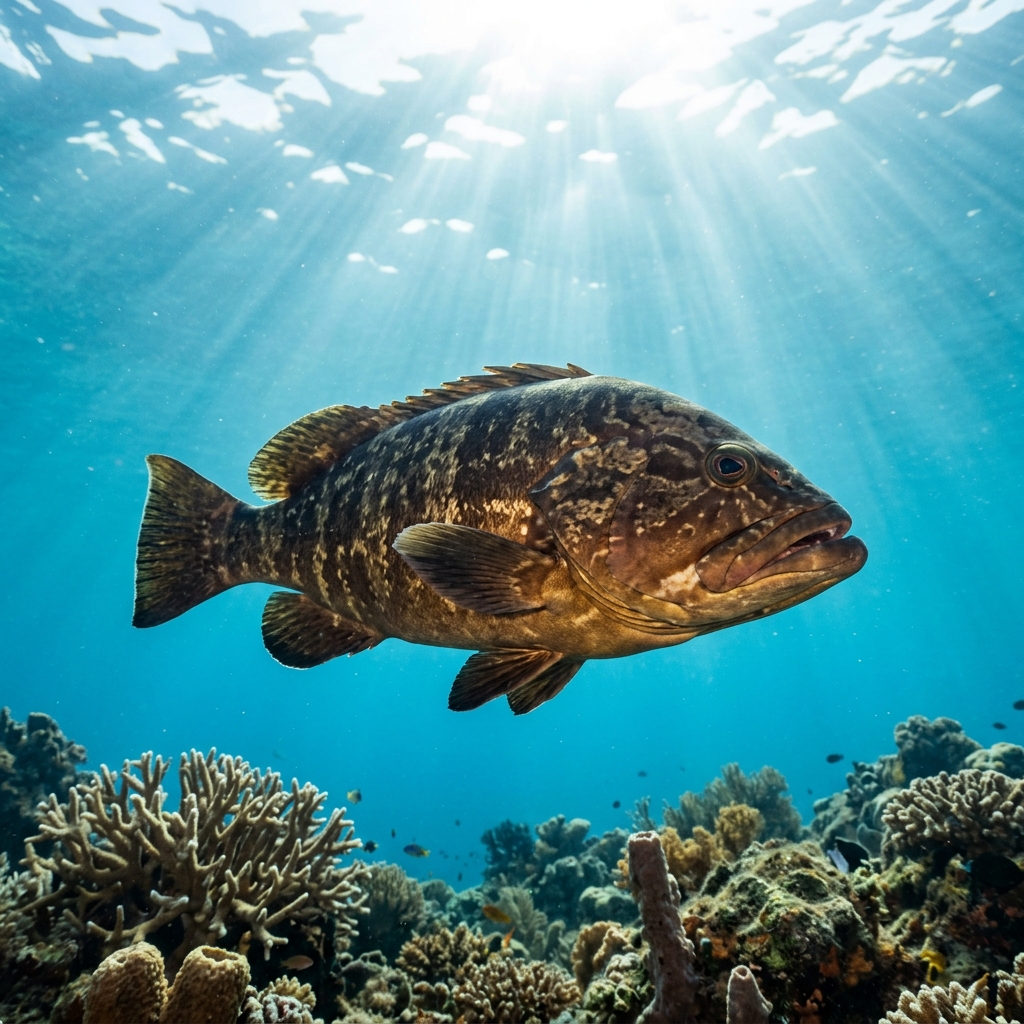
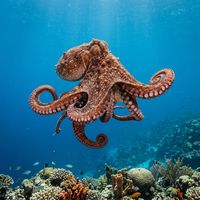
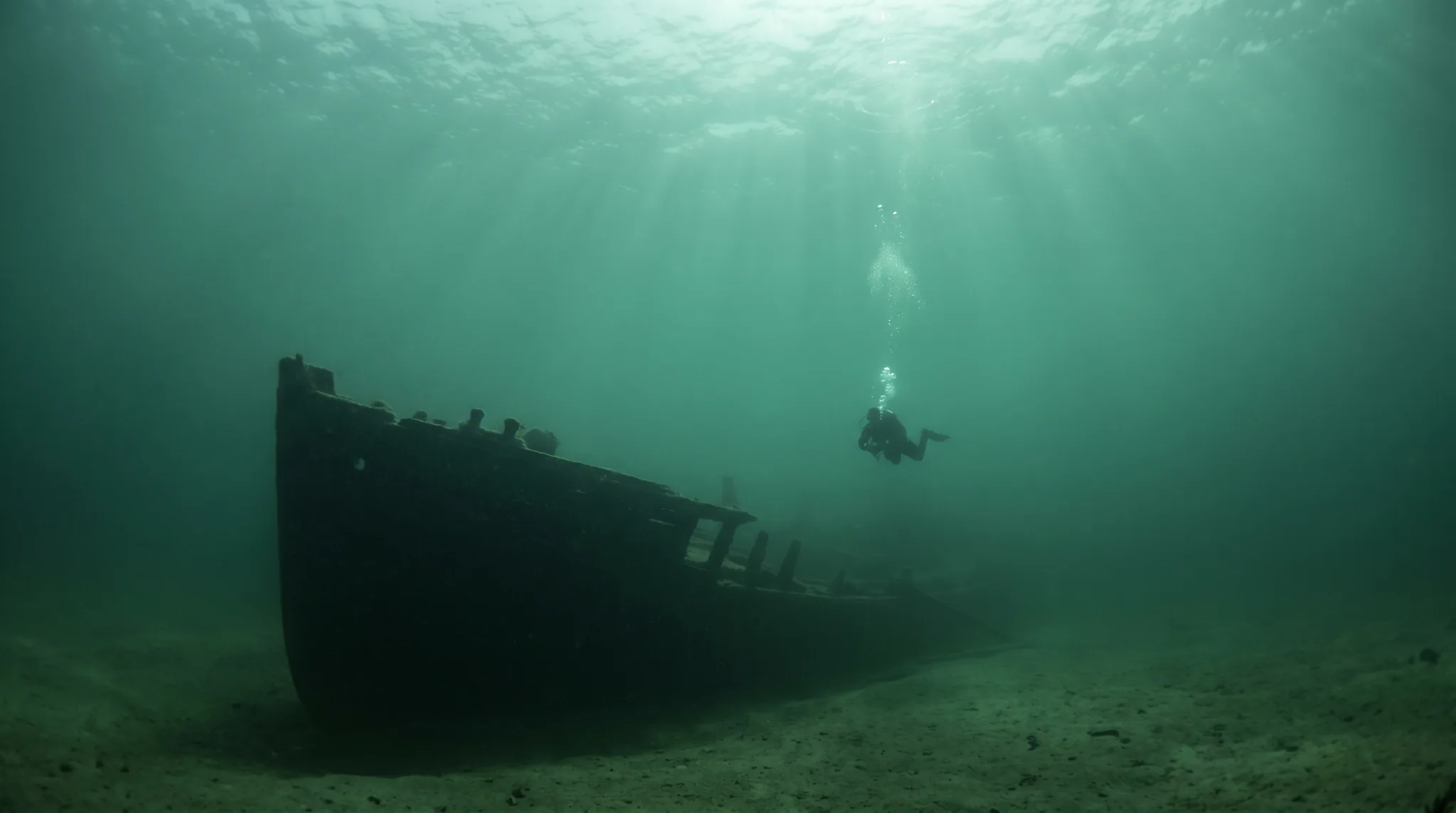
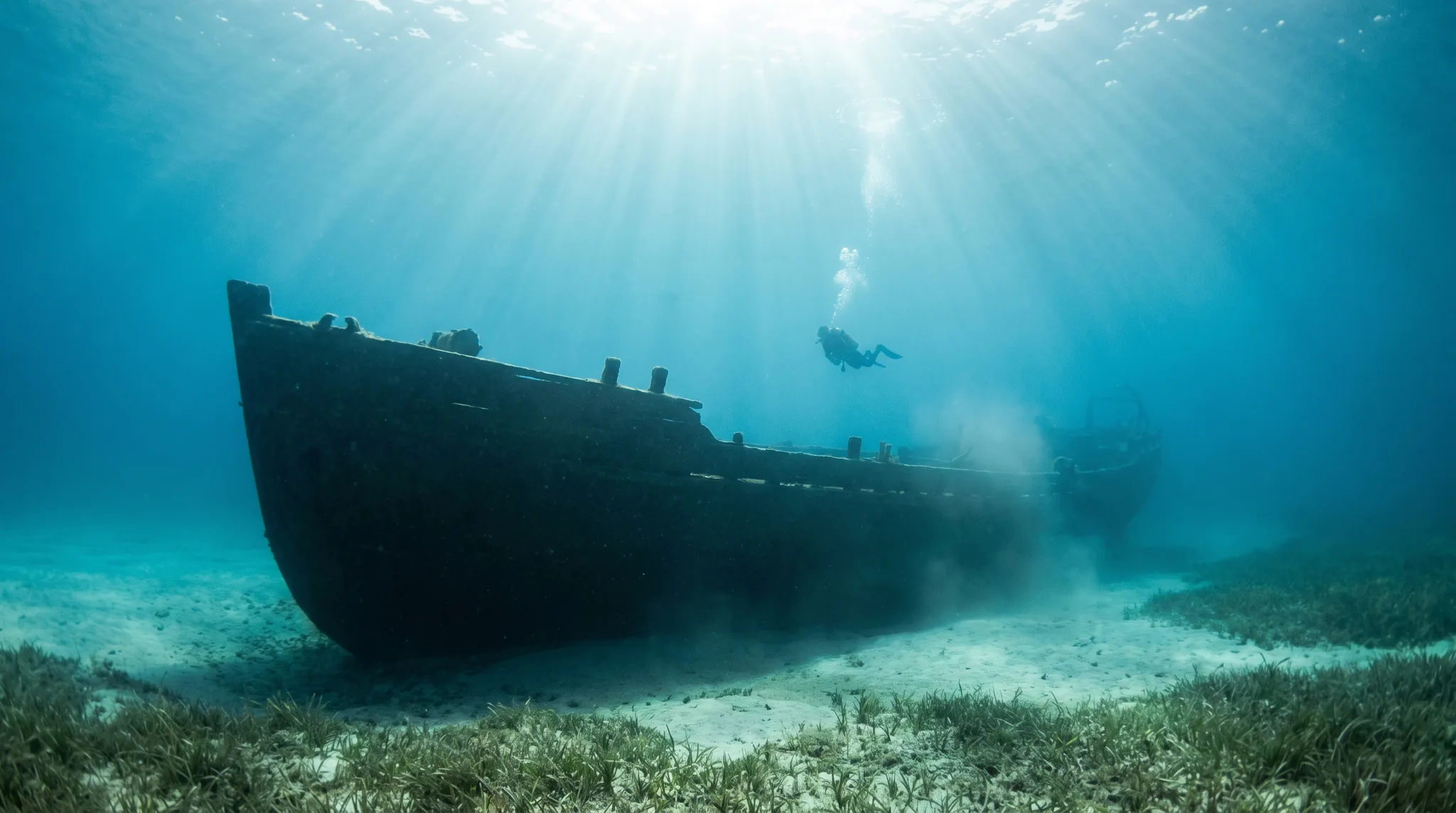
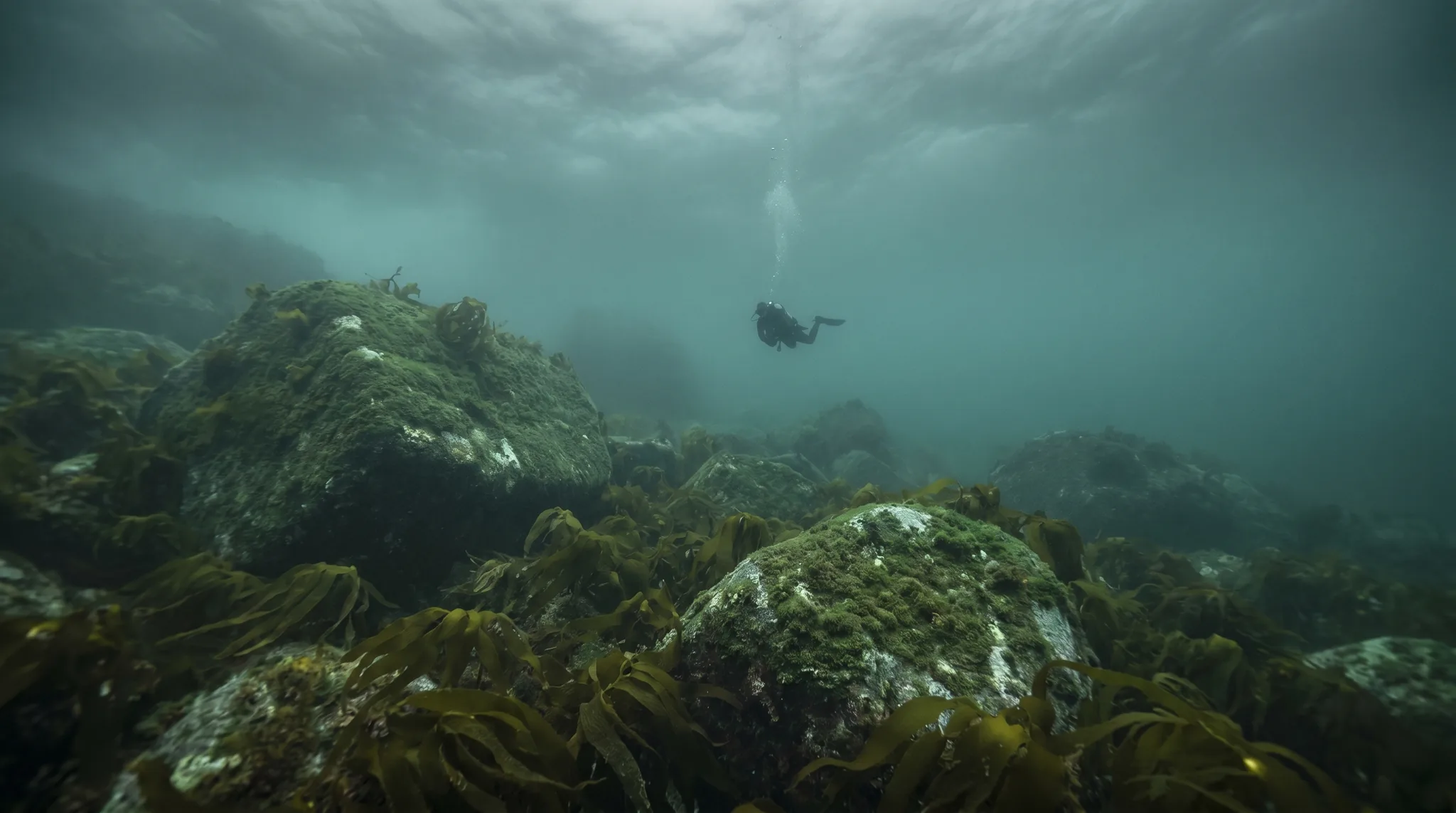
Siracusa & Plemmirio offers rocky reef diving and snorkelling over a mix of submerged ridges, sandy beds and seagrass meadows. The signature species here are the Dusky Grouper, Common Octopus and Mediterranean Moray, with European Parrotfish, Turkish Wrasse and Painted Comber observed at virtually every site. Conditions are warmest from summer into early autumn, making that period the most comfortable for extended time in the water. Shore entry is well represented, with beginner-friendly sites such as La Bussola accessible without a boat.
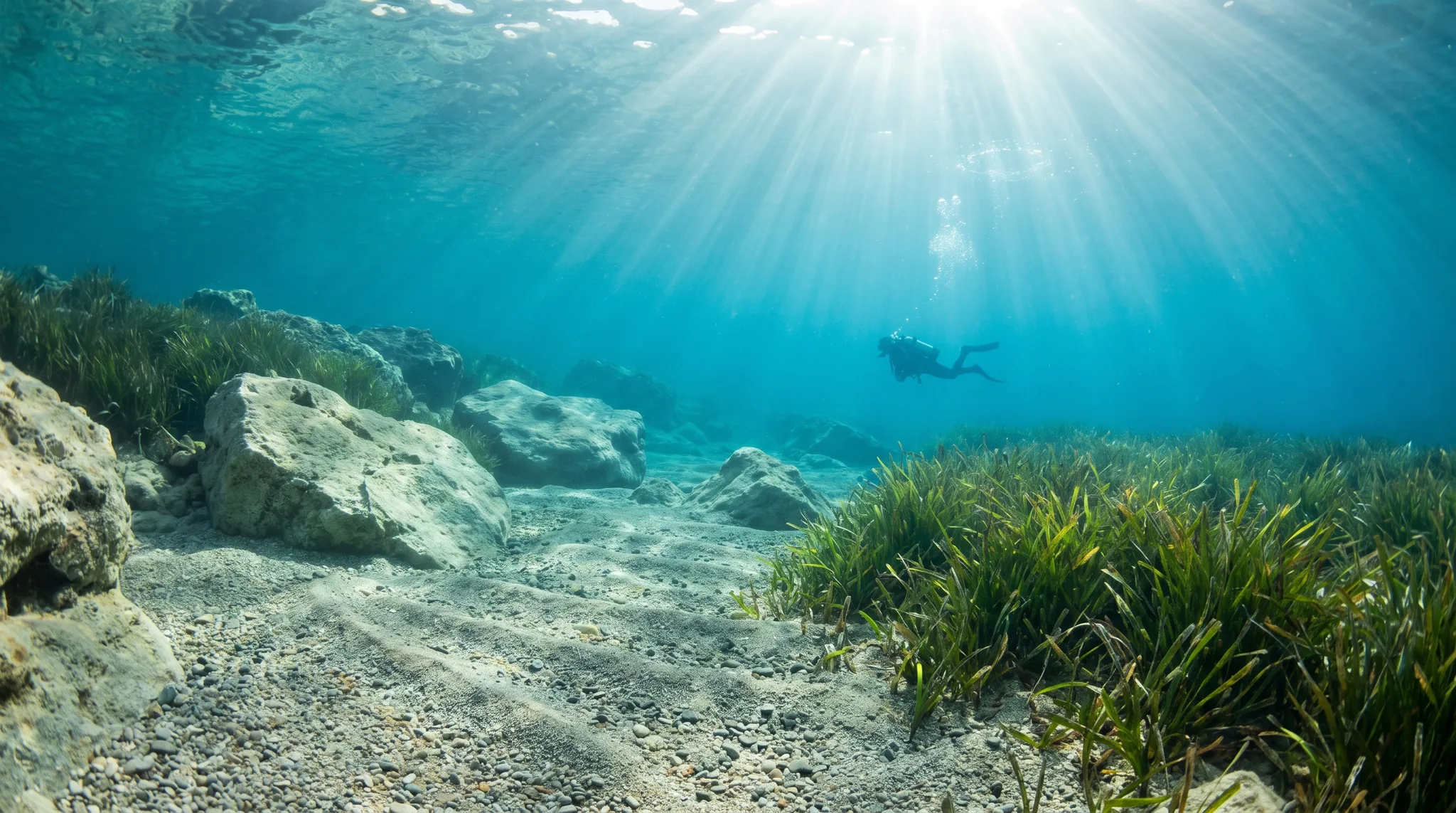
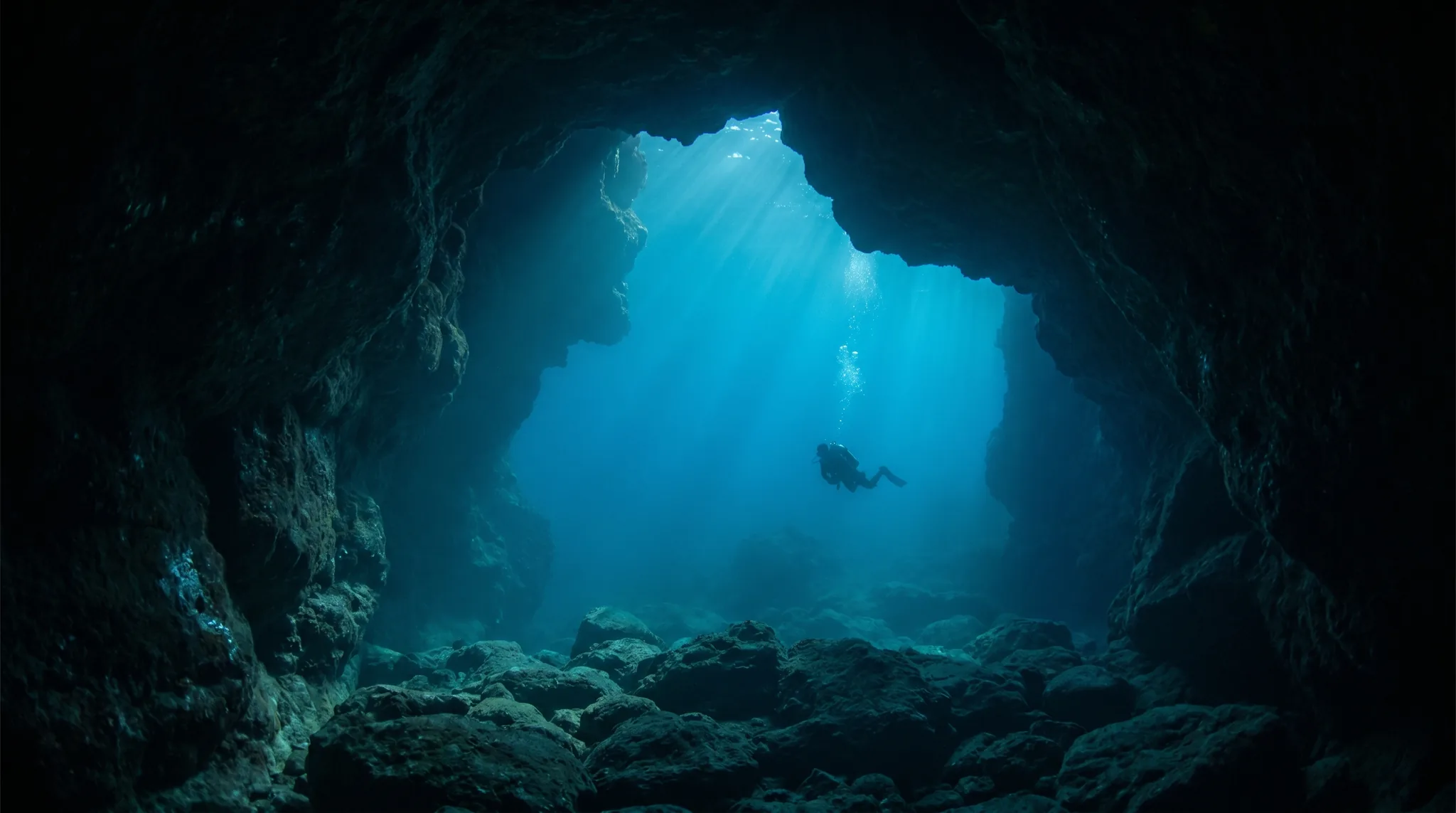
Monthly water temperature across Siracusa & Plemmirio's sites, from satellite sea-surface data corrected for depth. The band shows the site-to-site spread.
Water temperature rises steadily from spring, peaking through late summer and early autumn before cooling into winter. The warmest months align with the highest concentration of diver-rated best months, making June through October the most rewarding window. Winter diving remains possible but cooler water and reduced visibility make it better suited to experienced divers comfortable in less forgiving conditions.
9 operators
16 more sites to explore
Water temperature around Siracusa & Plemmirio ranges from about 15°C in February to 26°C in August, based on satellite sea-temperature data for its dive sites.
In the warm season (about 26°C) a 3mm full suit is comfortable in Siracusa & Plemmirio; in the coldest months (about 15°C) step up to a 7mm or semi-dry suit.
Fin maps 17 sites in Siracusa & Plemmirio (11 scuba diving sites and 8 snorkelling spots, with some suited to both).
Across Siracusa & Plemmirio's dive sites, May, June, July, August, September and October are most often reported as the best months to visit.
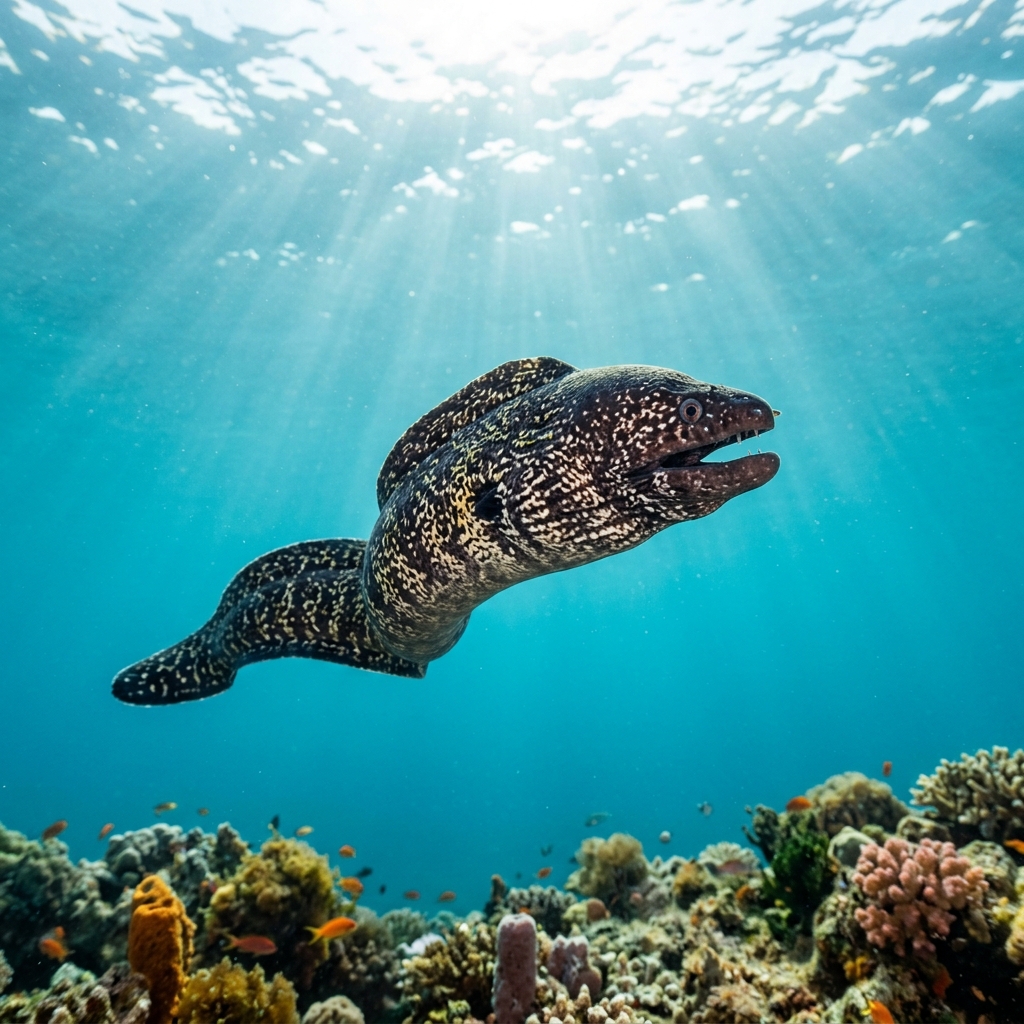
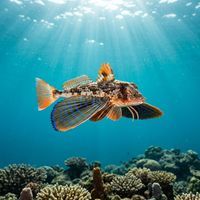
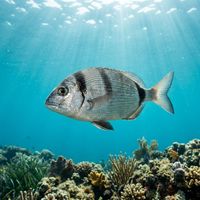
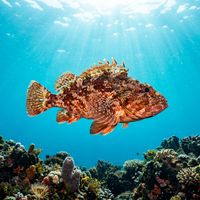
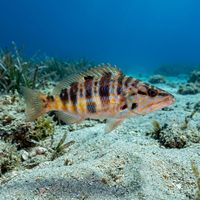
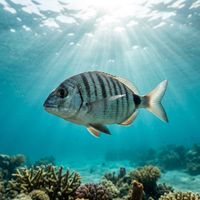
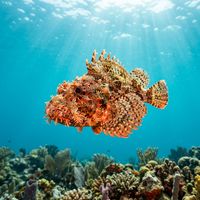
The most reliably observed species include European Parrotfish, Turkish Wrasse, Painted Comber, Tompot Blenny, White Seabream and Two-banded Seabream. The signature highlights are the Dusky Grouper, Common Octopus, Mediterranean Moray and the occasional Flying Gurnard. Scorpionfish, Cardinalfish and Flat Crab are also commonly recorded across sites.
Several sites are rated beginner level, including shore-entry spots over shallow rocky ridges and seagrass. These accessible entries make the area a practical choice for those new to diving or snorkelling. More confident divers will find additional variety across the wider site mix.
Shore entry is a real option in this region, with sites like La Bussola accessible directly from the coast without the need for a boat. This makes independent access straightforward for snorkellers and divers who prefer to avoid organising a charter. Checking sea conditions before entering is always advisable on more exposed stretches of coast.
Rocky reef and seagrass are the defining habitat types across the region. Sites typically combine submerged ridges with sandy beds between them, providing varied terrain for both divers and snorkellers. This structure supports a broad range of Mediterranean reef species observed consistently across the area.