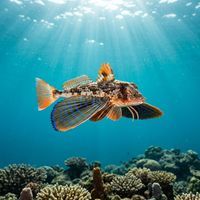
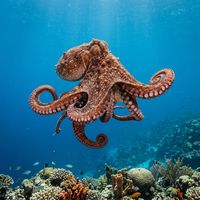
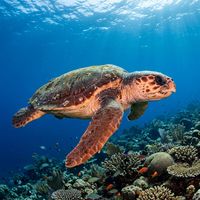
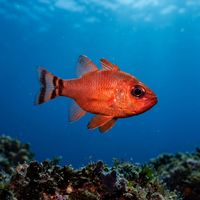
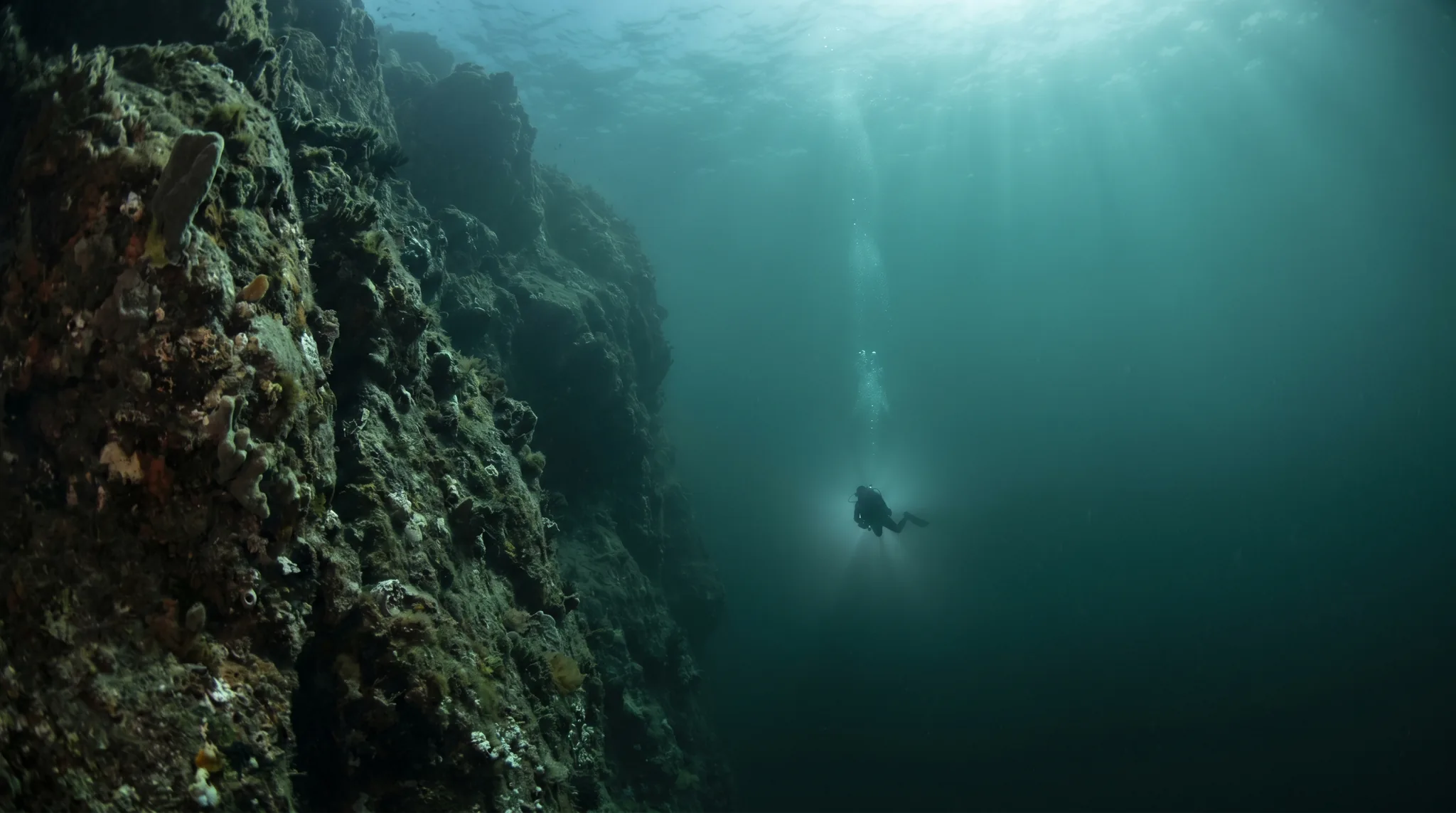
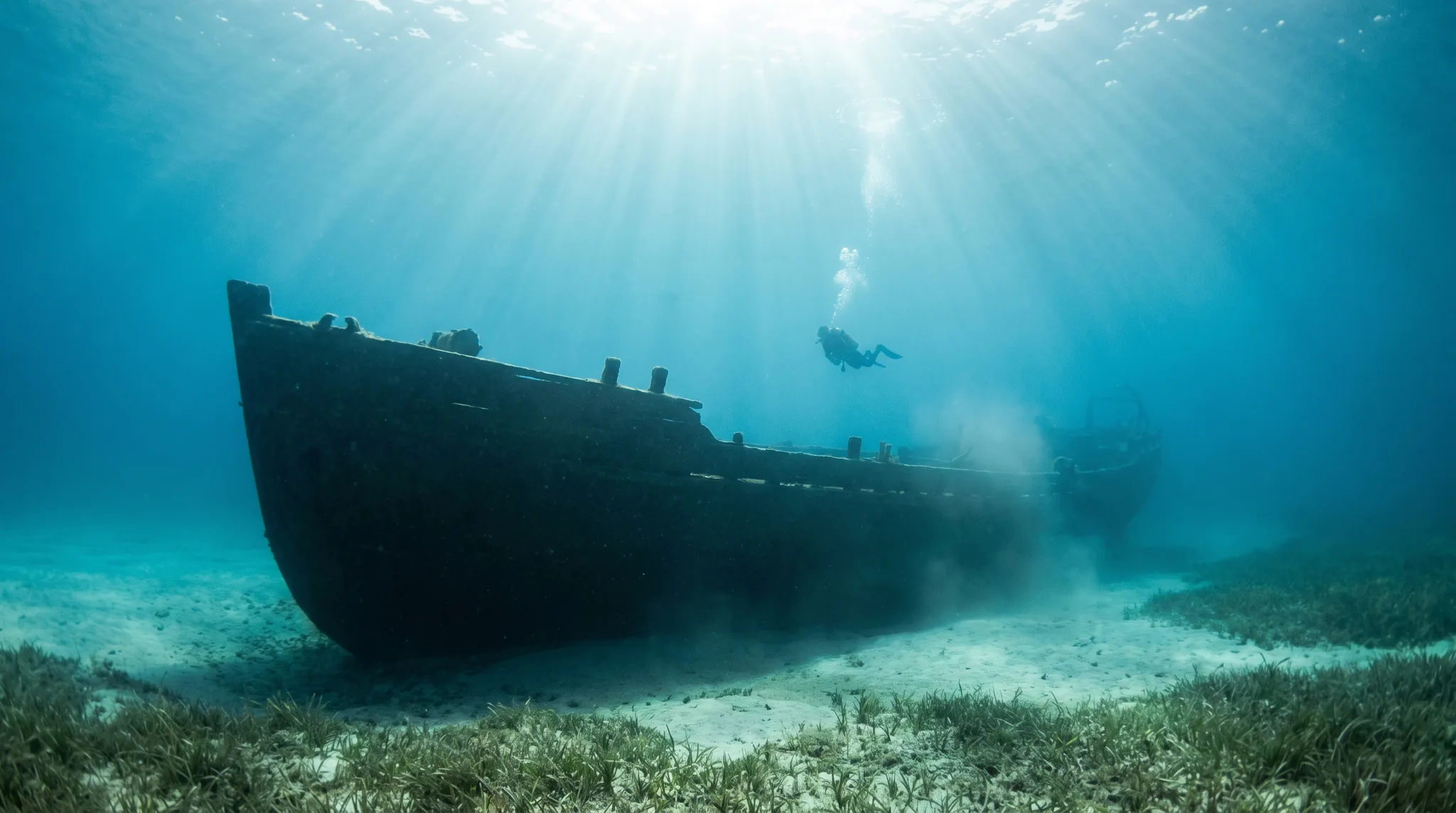
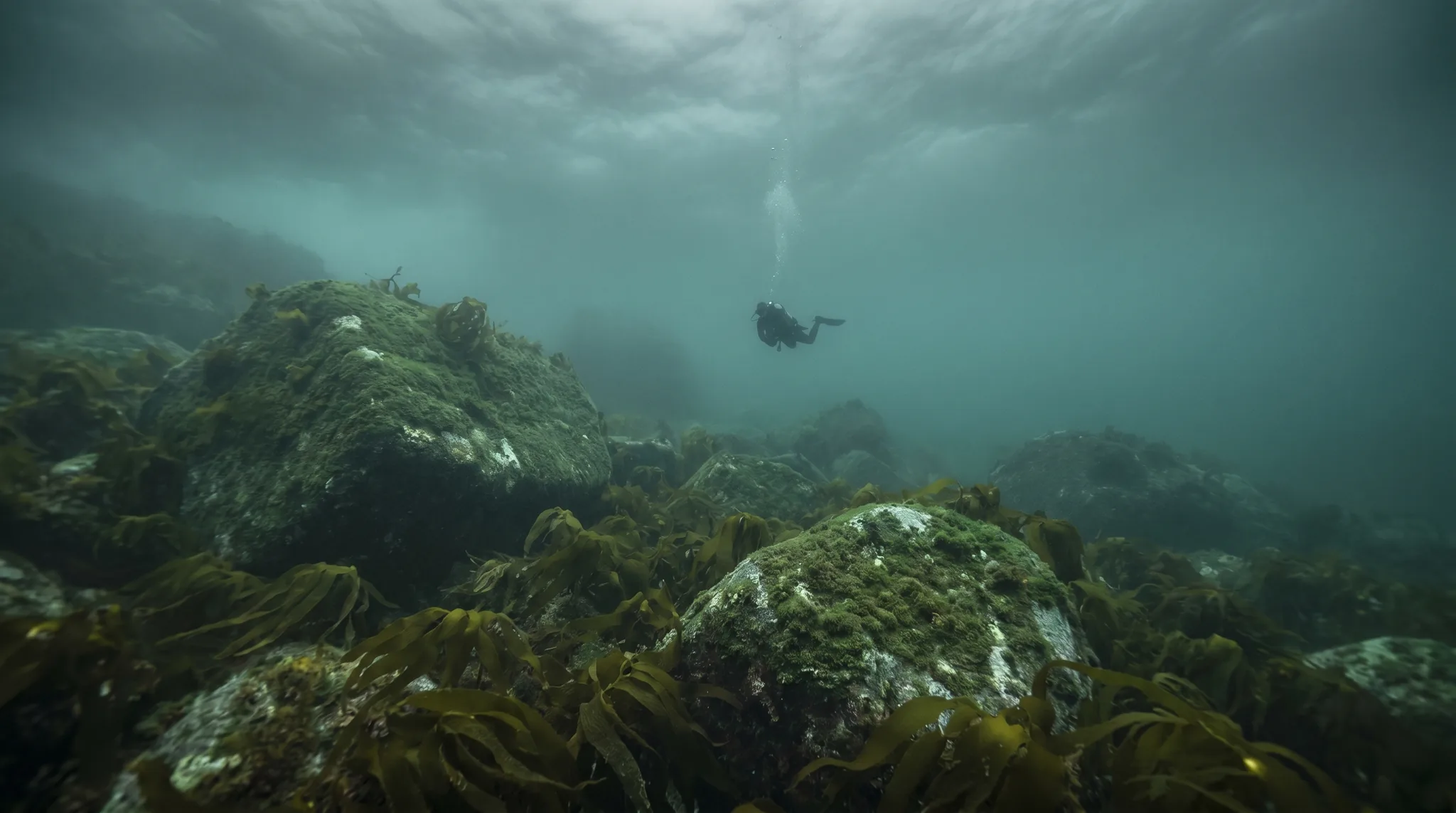
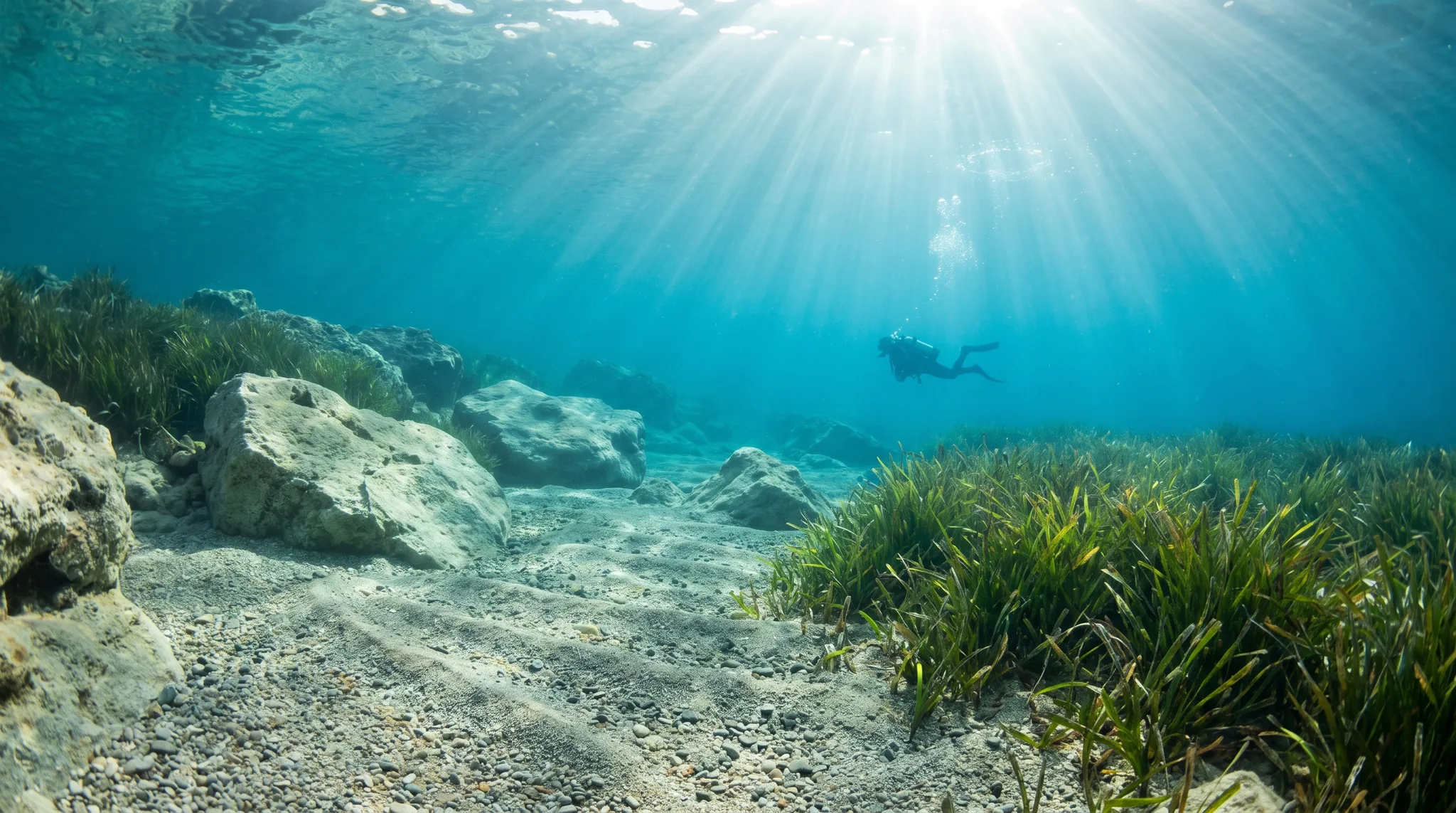
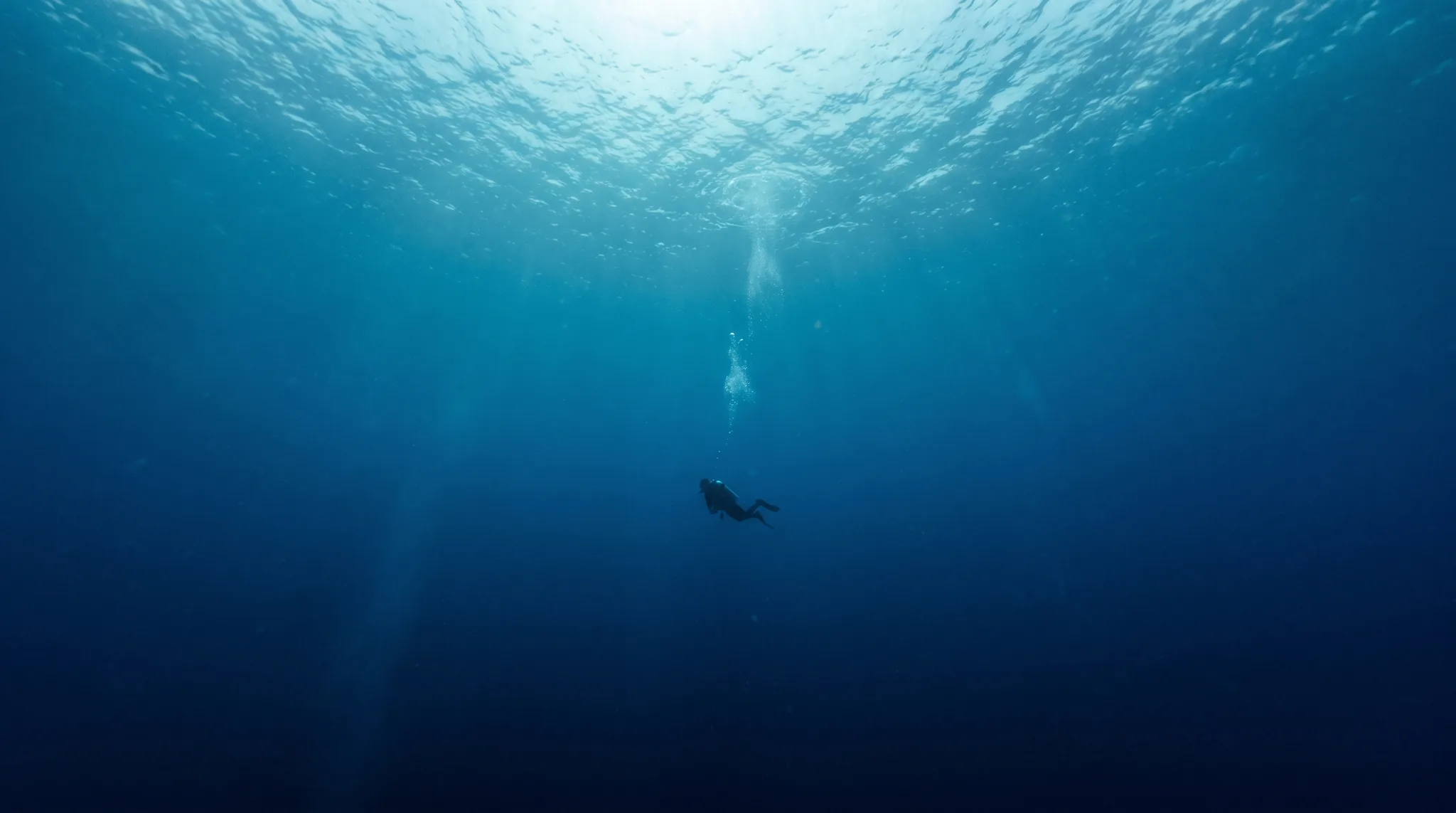
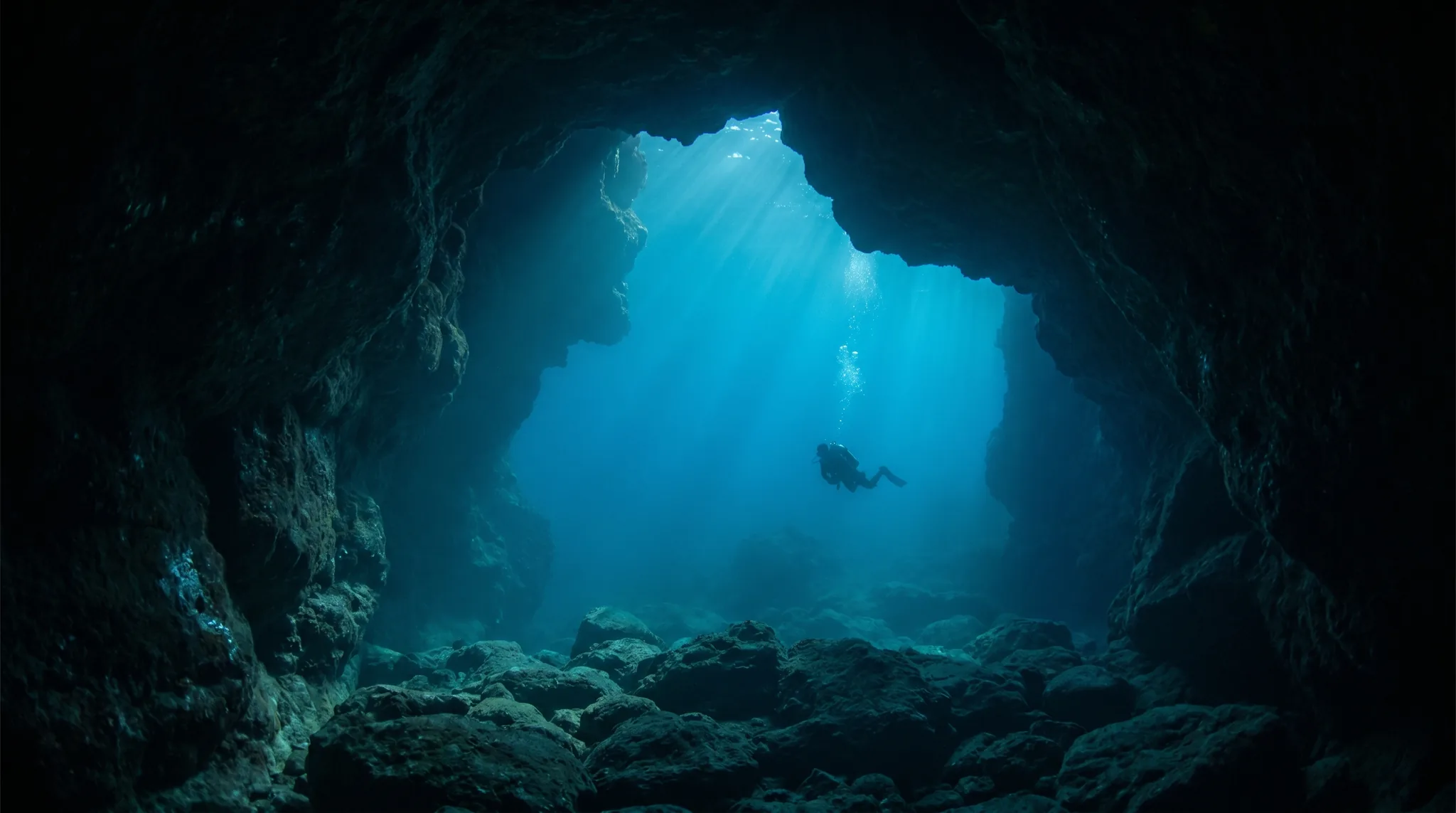
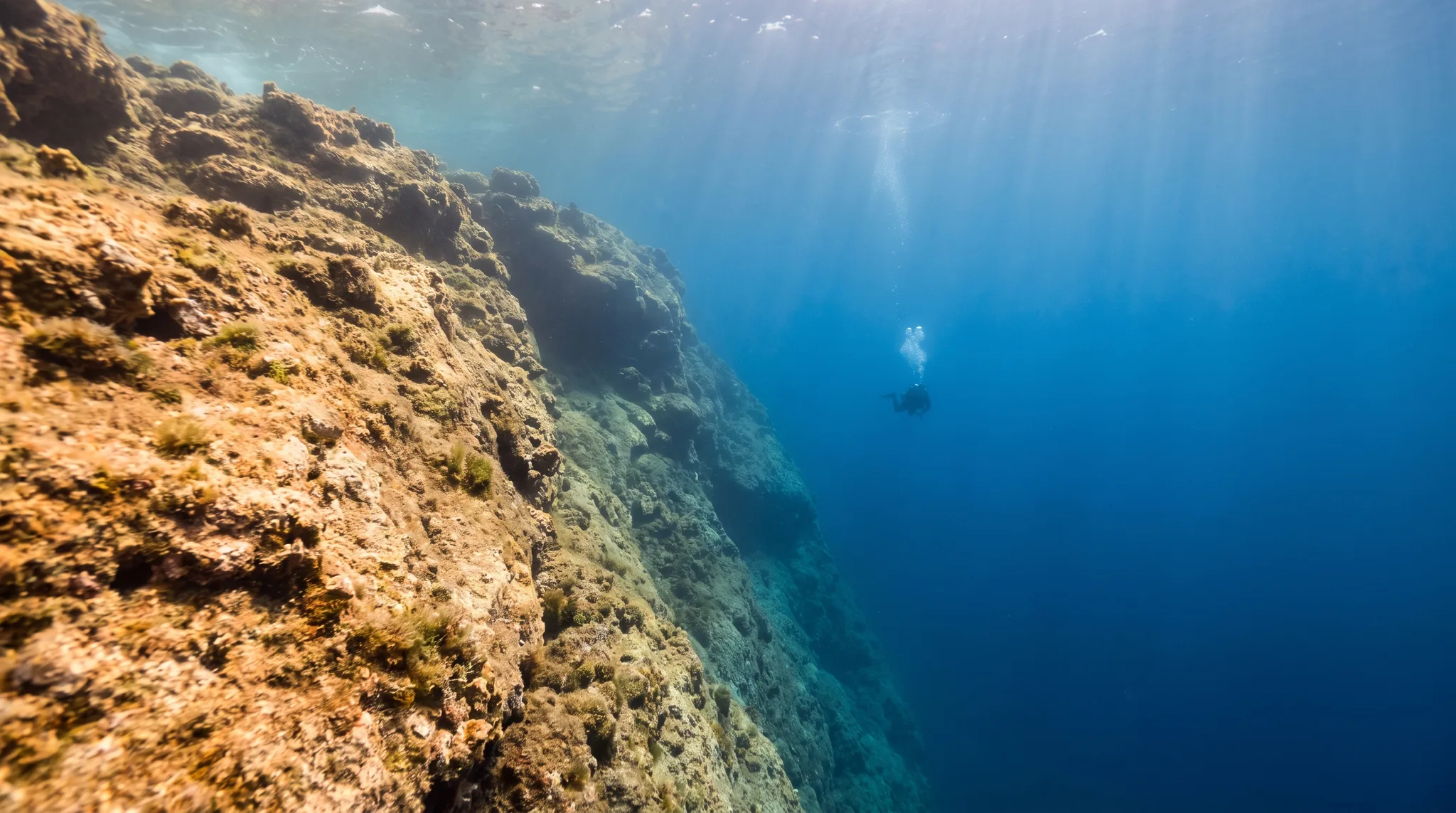
Lampedusa rewards divers with a wide variety of site types, from deep walls and drift dives at Capo Grecale Nord to cave systems at La Madonnina and Il Panettone 1, and a submerged volcanic seamount at Ferdinandea volcano. Snorkellers have accessible reef and seagrass options at Isola Dei Conigli and Cala Croce. The Common Octopus, Flying Gurnard and Mediterranean Cardinalfish are seen across nearly every site, while the Loggerhead Sea Turtle and Blue Shark add an element of the unexpected.
Monthly water temperature across Lampedusa's sites, from satellite sea-surface data corrected for depth. The band shows the site-to-site spread.
Water is at its warmest from late summer into autumn, with September and October offering peak conditions for comfortable diving and good visibility. June and November sit at a pleasant mid-range, making the shoulder seasons a solid choice. Winter months are cooler but still diveable, and the best-months data shows activity year-round, with a clear peak around June.
10 operators
8 more sites to explore
Water temperature around Lampedusa ranges from about 16°C in February to 25°C in September, based on satellite sea-temperature data for its dive sites.
In the warm season (about 25°C) a 3mm full suit is comfortable in Lampedusa; in the coldest months (about 16°C) step up to a 7mm or semi-dry suit.
Fin maps 18 sites in Lampedusa (14 scuba diving sites and 8 snorkelling spots, with some suited to both).
Across Lampedusa's dive sites, May, June, July, September and October are most often reported as the best months to visit.
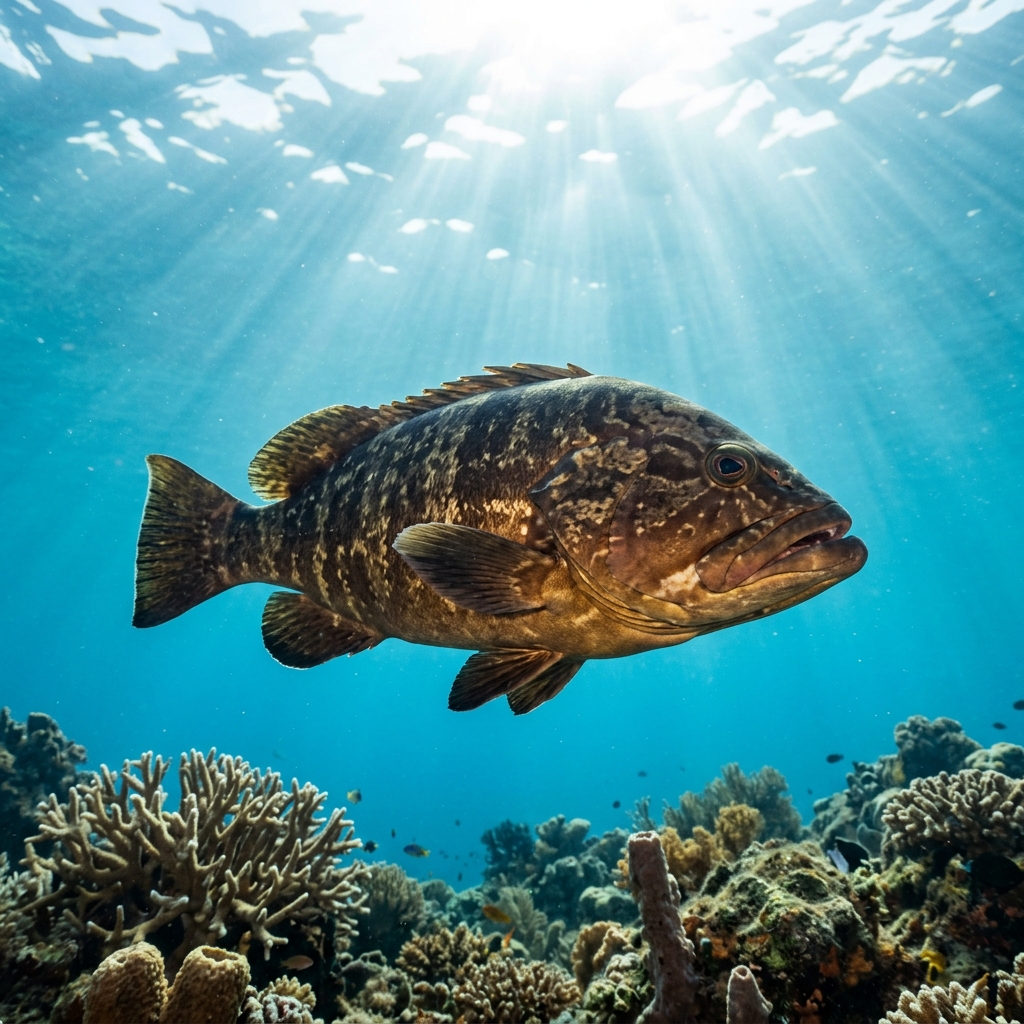
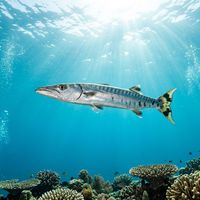
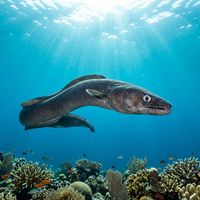
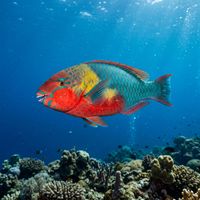
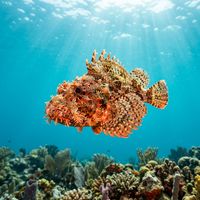
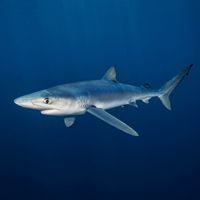
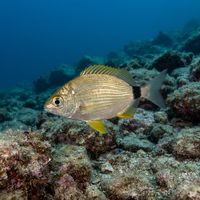
Observation-backed sightings include the Common Octopus and Flying Gurnard at virtually every site, along with the Great Barracuda, Conger Eel, European Parrotfish and Dusky Grouper. The Loggerhead Sea Turtle and Blue Shark are occasional but real highlights. The Torpedo Ray and Scorpionfish are also regularly encountered.
Several sites are rated for beginners, including Isola Dei Conigli, Cala Croce, Il Panettone 1 and La Madonnina, which feature shallower or sheltered profiles. Intermediate sites such as Scoglio di Lampione and Punta Sottile add variety for those progressing. Advanced conditions are found at Capo Grecale Nord, a drift dive with strong current that requires solid experience.
The southern coast offers accessible shore-entry snorkel and dive sites with reef and seagrass, such as Isola Dei Conigli and Punta Sottile. Offshore, boat-only sites like Scoglio di Lampione and Ferdinandea volcano provide deep walls, drop-offs and a submerged seamount. Cave diving is a recurring theme across several boat sites, including La Madonnina, Taccio Vecchio and Punta Cappellone.
Most of Lampedusa's dive sites require a boat, and there are several local operators such as Terranova Diving, Poseidon Diving and Pelagos 2.0 offering guided trips. Shore entry is available at Cala Croce and Isola Dei Conigli, and Punta Sottile can be reached by either method. Boat access opens up the more remote and deeper sites that define much of the diving here.