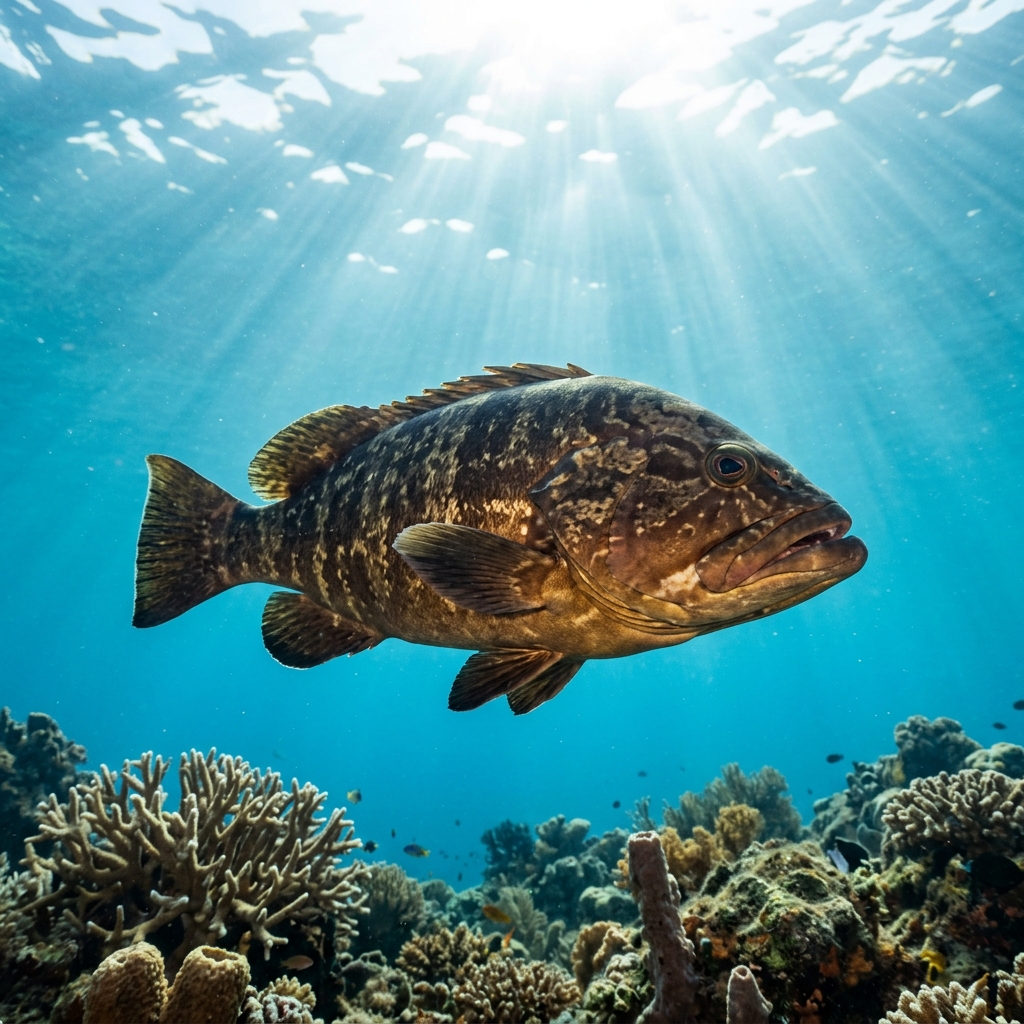
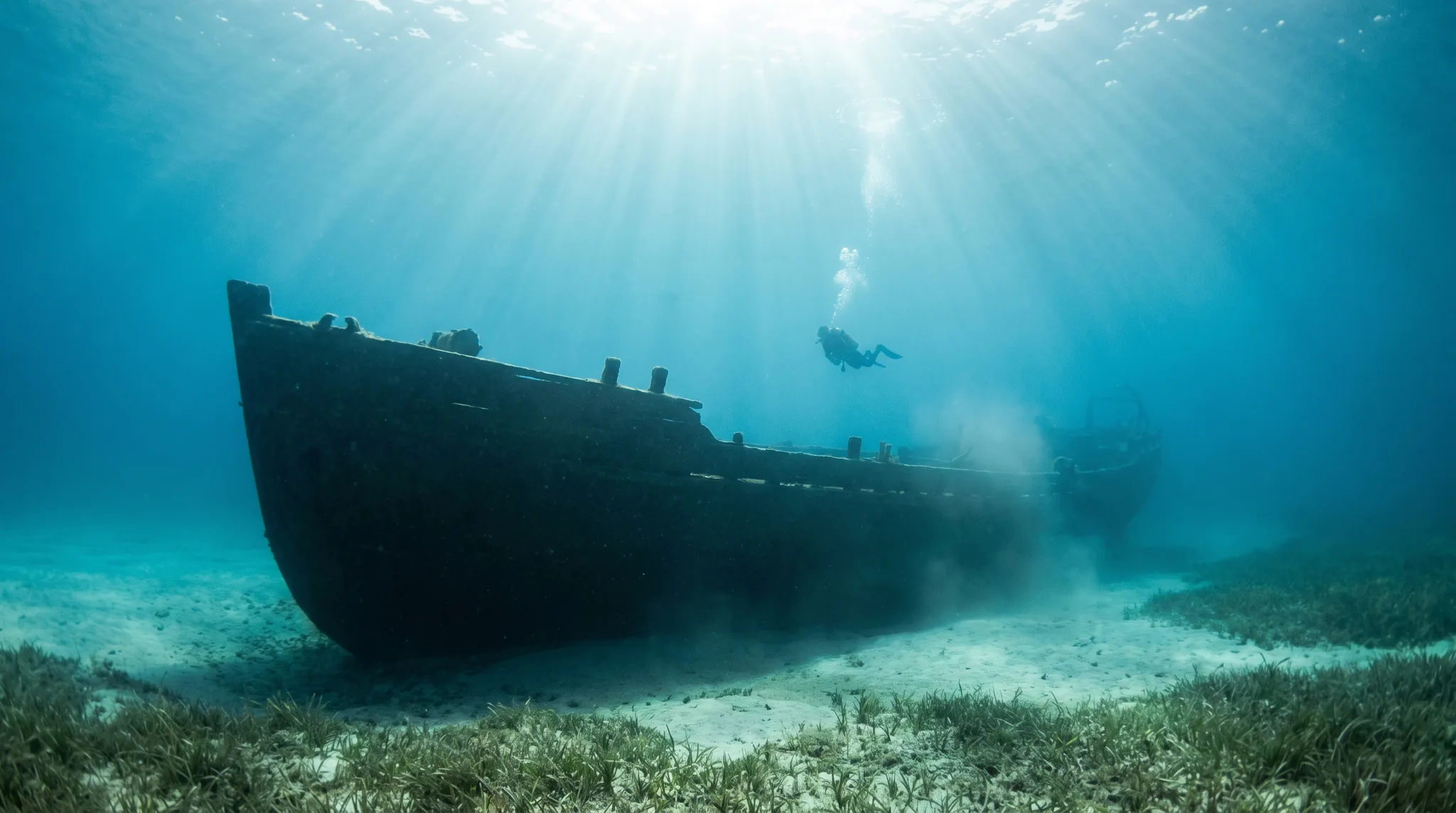
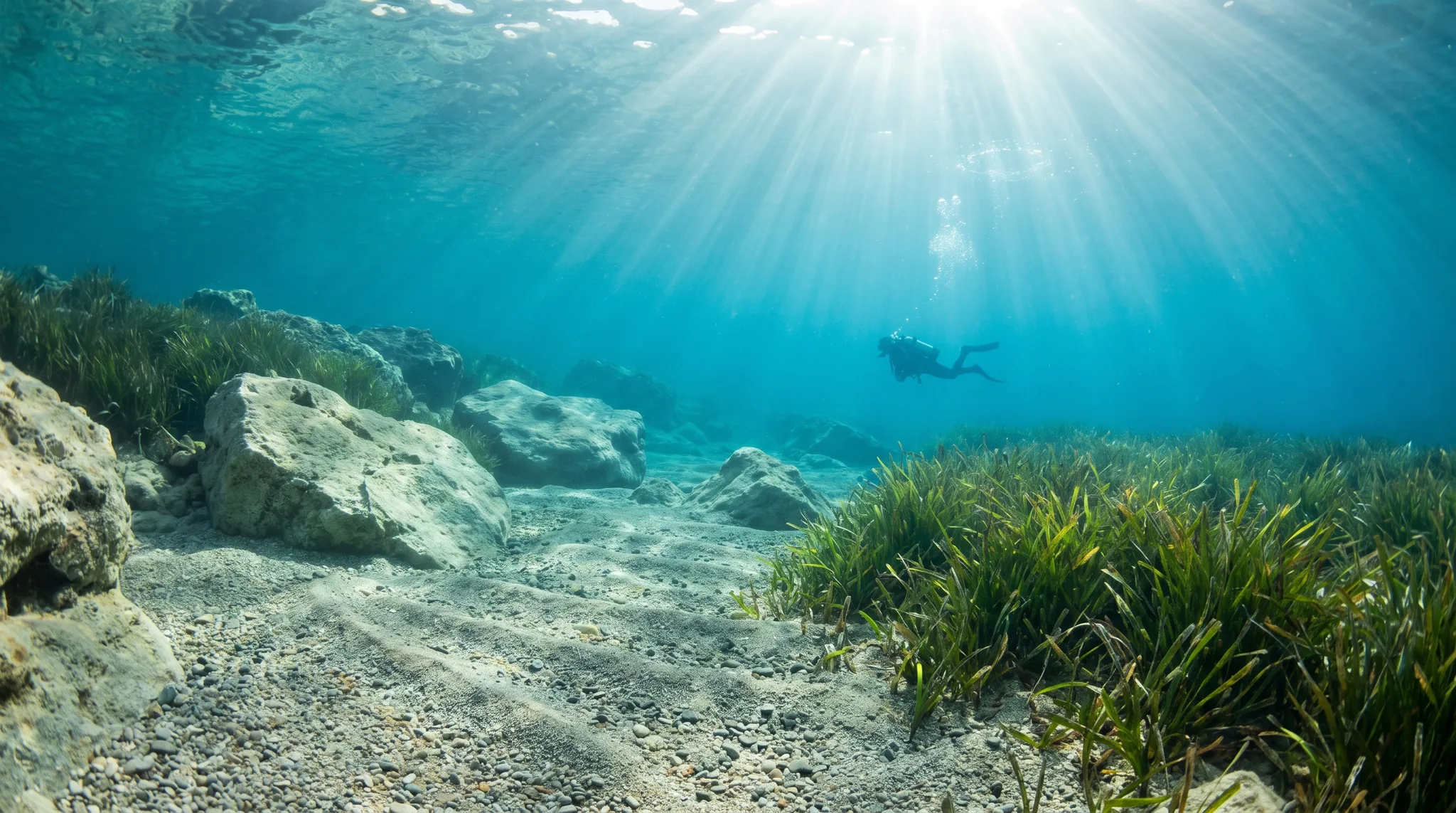
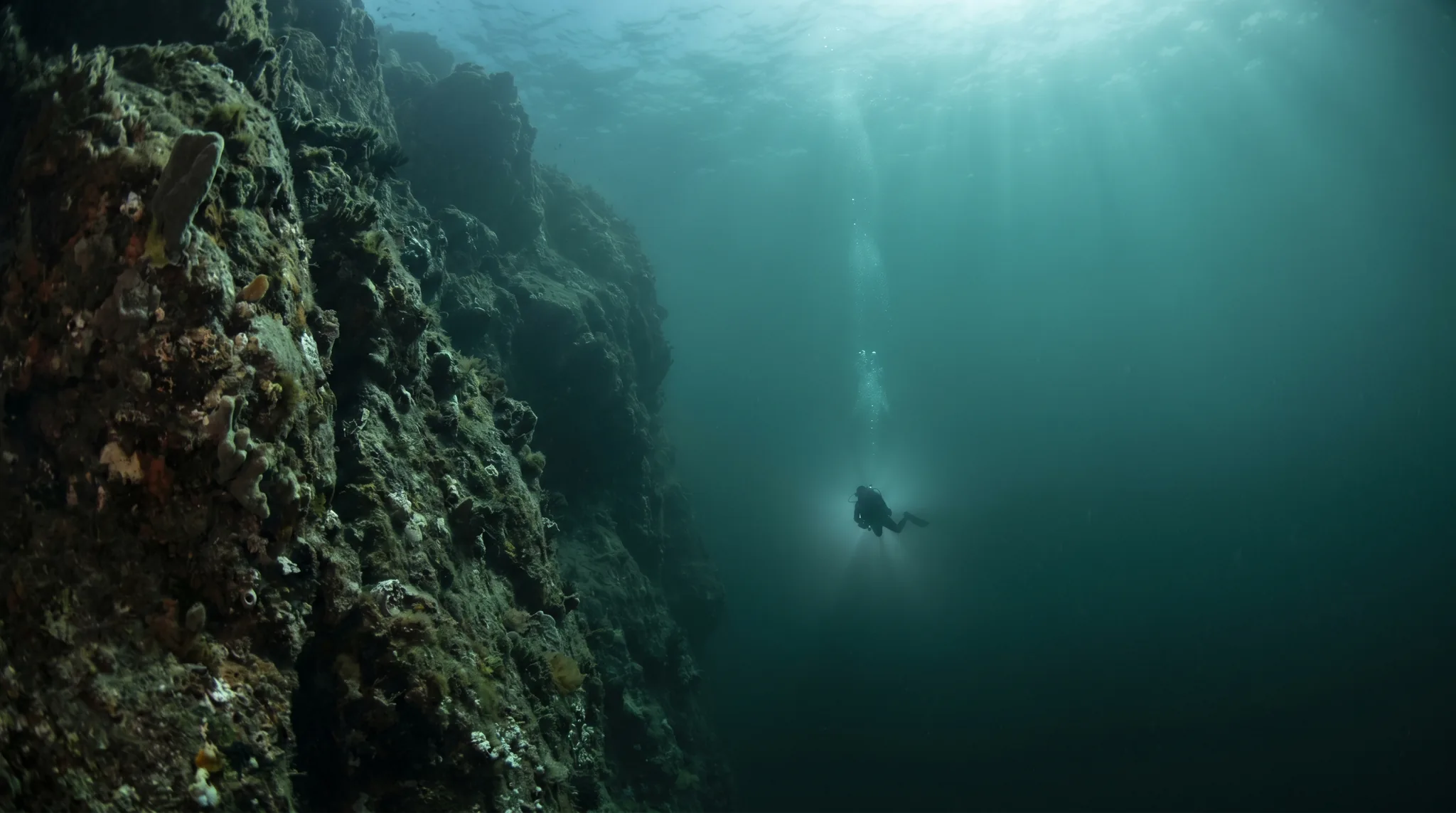
The Aeolian Islands offer volcanic reef topography across a mix of dive and snorkel sites, almost all reached by boat. Walls and drop-offs define the deeper dives, while shallower reefs open the area to snorkellers and beginners. The signature species is the Dusky Grouper, joined by Conger Eel, Scorpionfish, and vivid gorgonian fields of Violescent Sea-whip and Yellow Gorgonian. Conditions are best from late spring through autumn, when warmer water and calmer seas prevail.
Monthly water temperature across Aeolian Islands's sites, from satellite sea-surface data corrected for depth. The band shows the site-to-site spread.
Water temperatures rise steadily from spring into summer, peaking in autumn, when conditions are at their most settled. The busiest dive season runs from late spring through early autumn, with calmer seas and good visibility across the reef and wall sites. Winter diving is possible but cooler water and less settled conditions make it a quieter period.
18 operators

Lipari, Italy
Santa Marina Salina, Italy
12 more sites to explore
Water temperature around Aeolian Islands ranges from about 15°C in February to 24°C in September, based on satellite sea-temperature data for its dive sites.
In the warm season (about 24°C) a 3mm full suit is comfortable in Aeolian Islands; in the coldest months (about 15°C) step up to a 7mm or semi-dry suit.
Fin maps 17 sites in Aeolian Islands (15 scuba diving sites and 6 snorkelling spots, with some suited to both).
Across Aeolian Islands's dive sites, May, June, July, August, September and October are most often reported as the best months to visit.
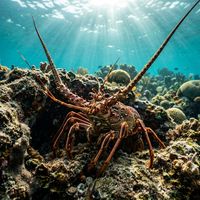
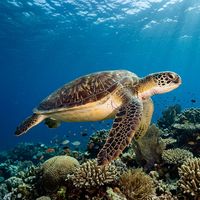
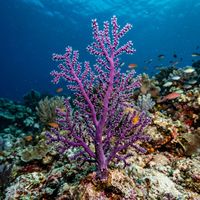
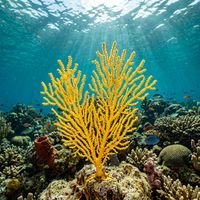
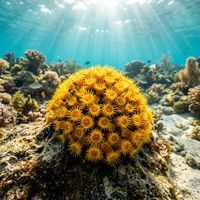
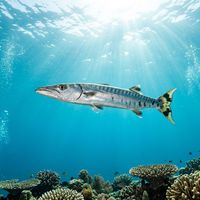
The Aeolian Islands are particularly known for the Dusky Grouper, which is observed across the majority of sites. Conger Eel and Scorpionfish are found throughout the area, while Spiny Lobster, Saddled Seabream, and fields of Yellow Gorgonian and Violescent Sea-whip are consistently recorded. Less frequent but observed encounters include Eagle Ray, Barracuda, and Green Sea Turtle.
Some sites are well suited to beginners. Scoglio Quaglietto, for example, is noted for calm conditions and an absence of current, making it a practical choice for those early in their diving experience. More advanced sites such as Scoglio del Bagno and Punta Castagna involve walls and drop-offs that suit intermediate divers.
Virtually all dive and snorkel sites in the Aeolian Islands are reached by boat. Shore entry does not appear as an option across the listed sites, so arranging boat transport is an essential part of planning any diving or snorkelling trip here.
The site mix combines reef, wall, drop-off, and cave formations. Shallower reef areas suit snorkellers and newer divers, while sites like Off San Pietro feature deep walls and caves that draw more experienced divers. This variety across a relatively compact group of islands means different dives can feel quite distinct from one another.