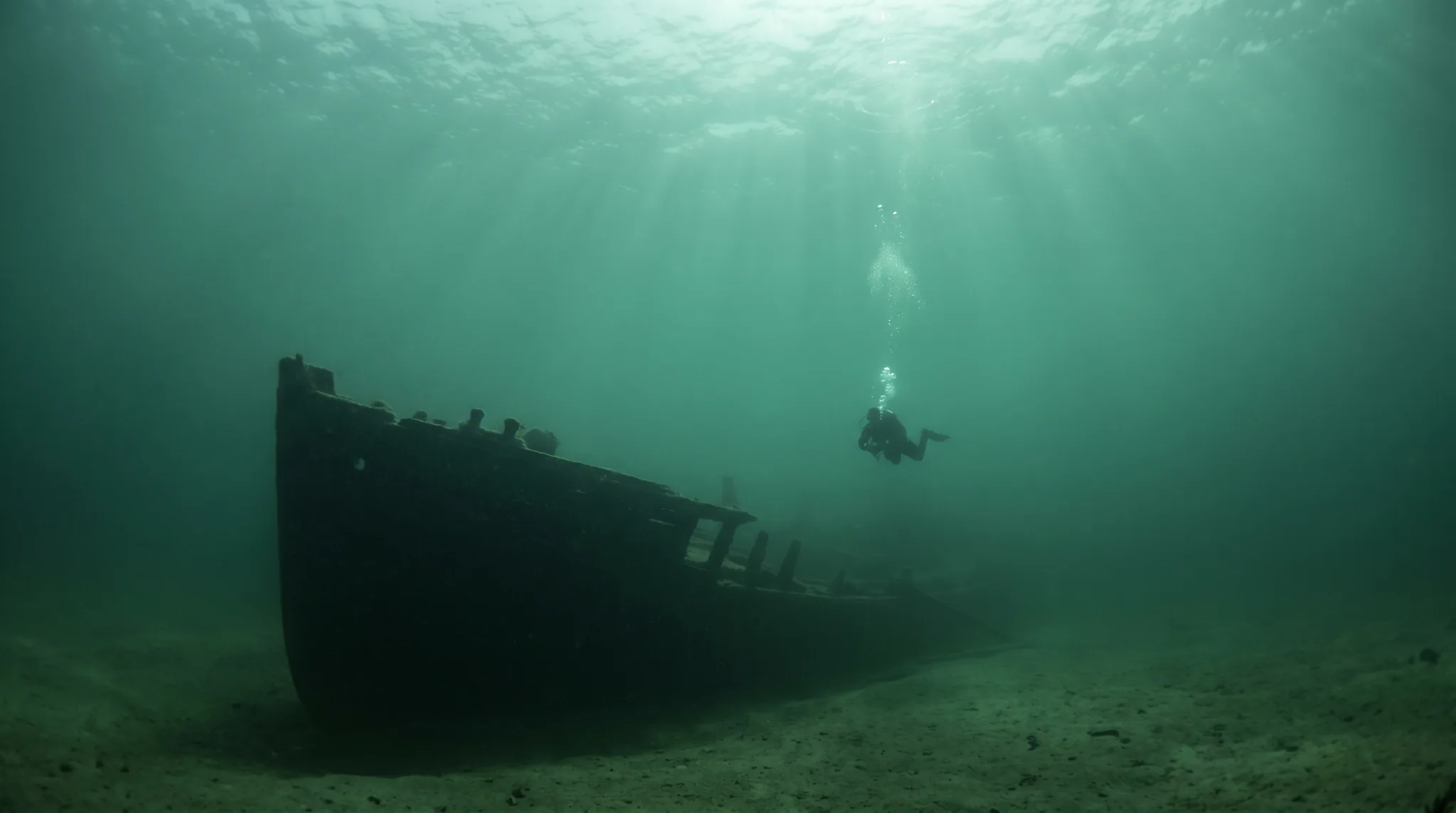
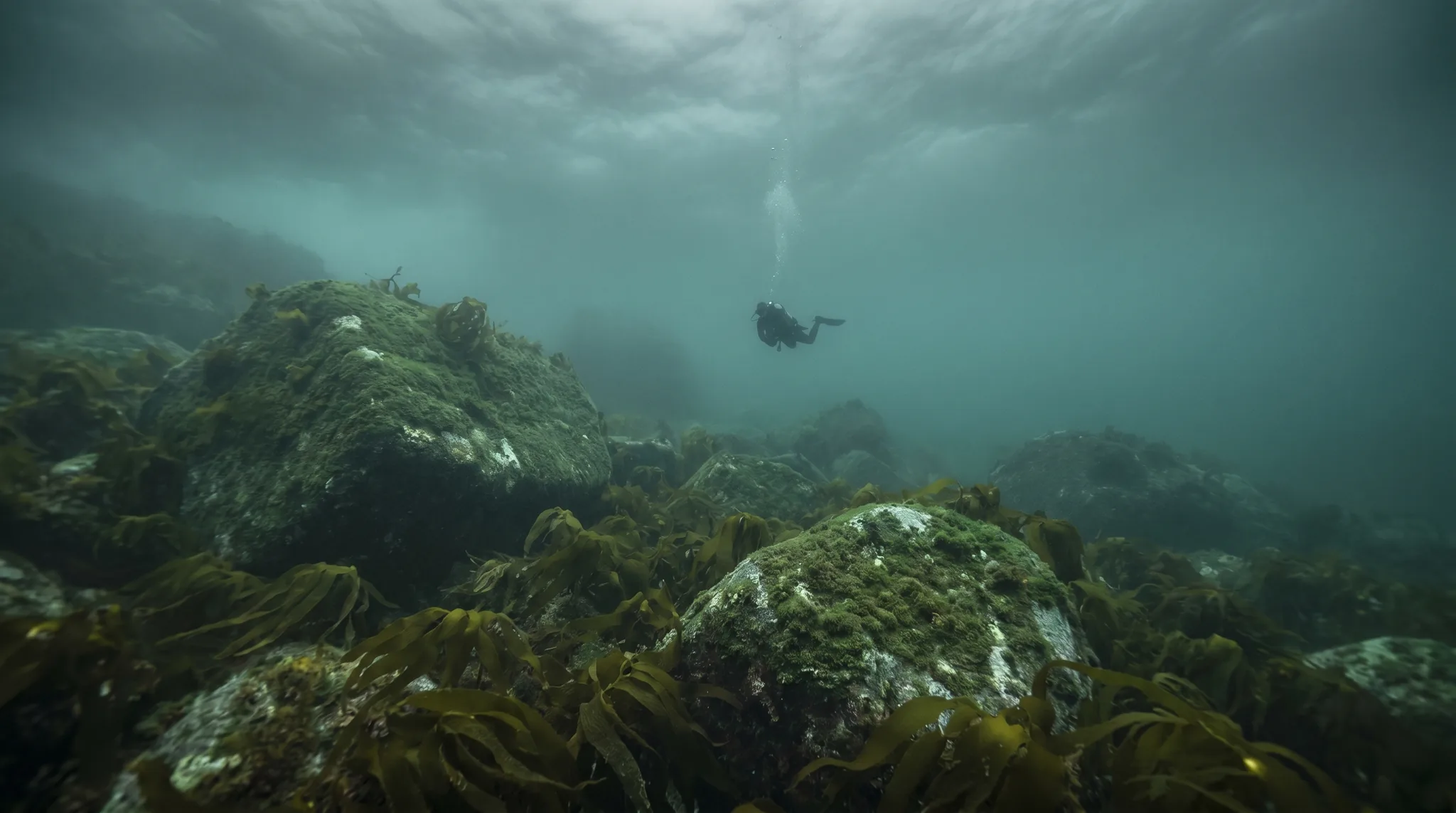
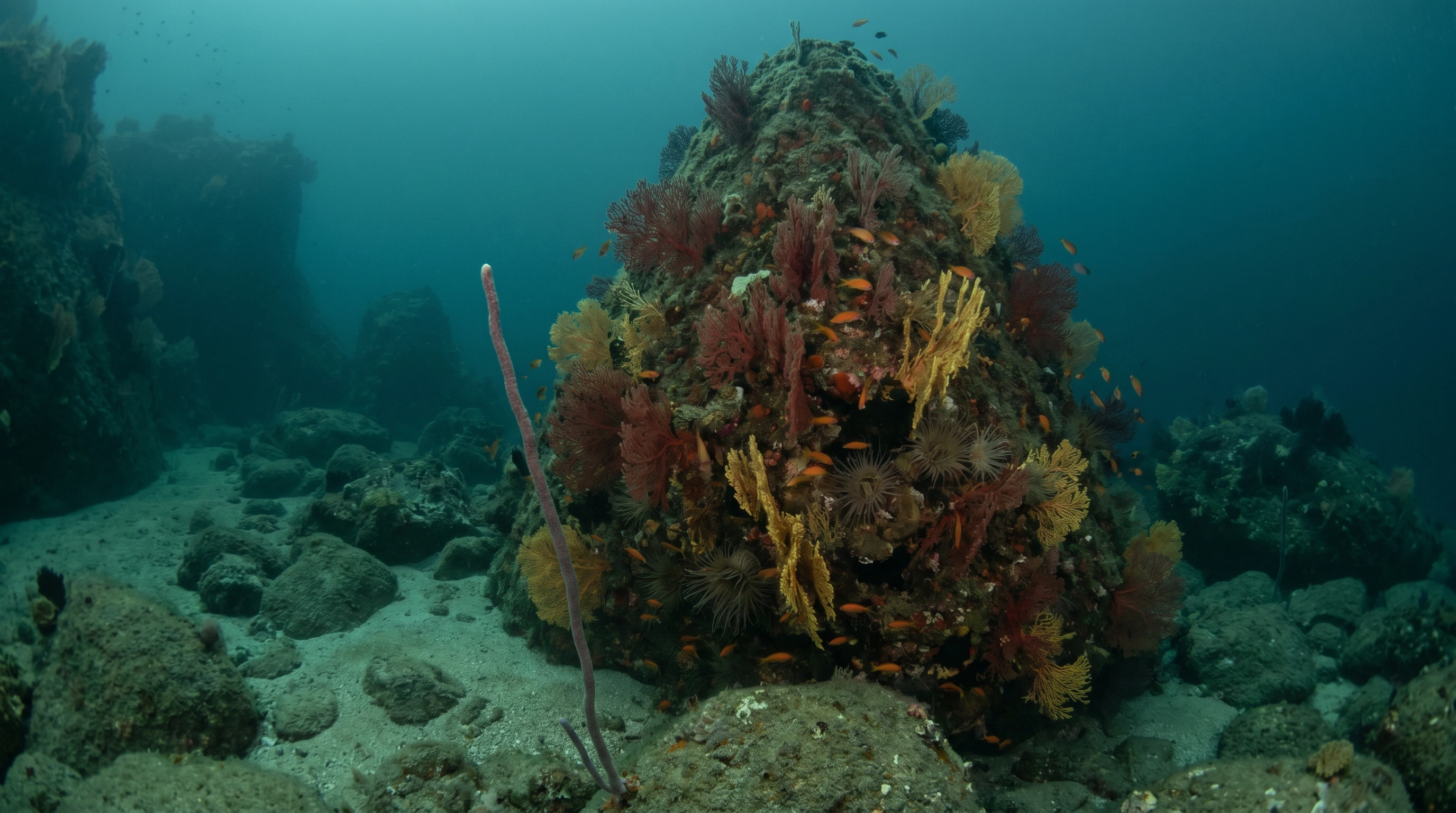
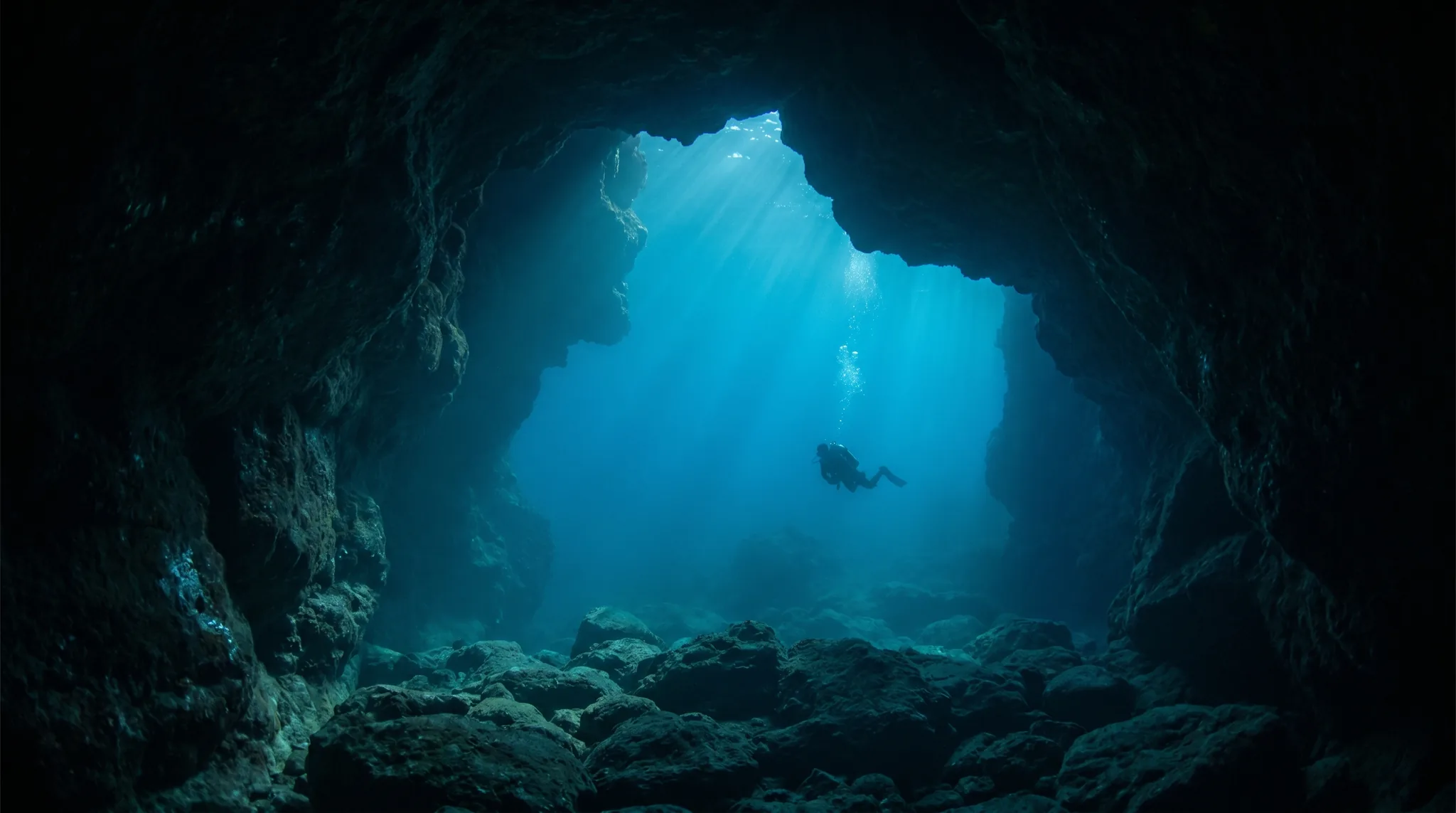
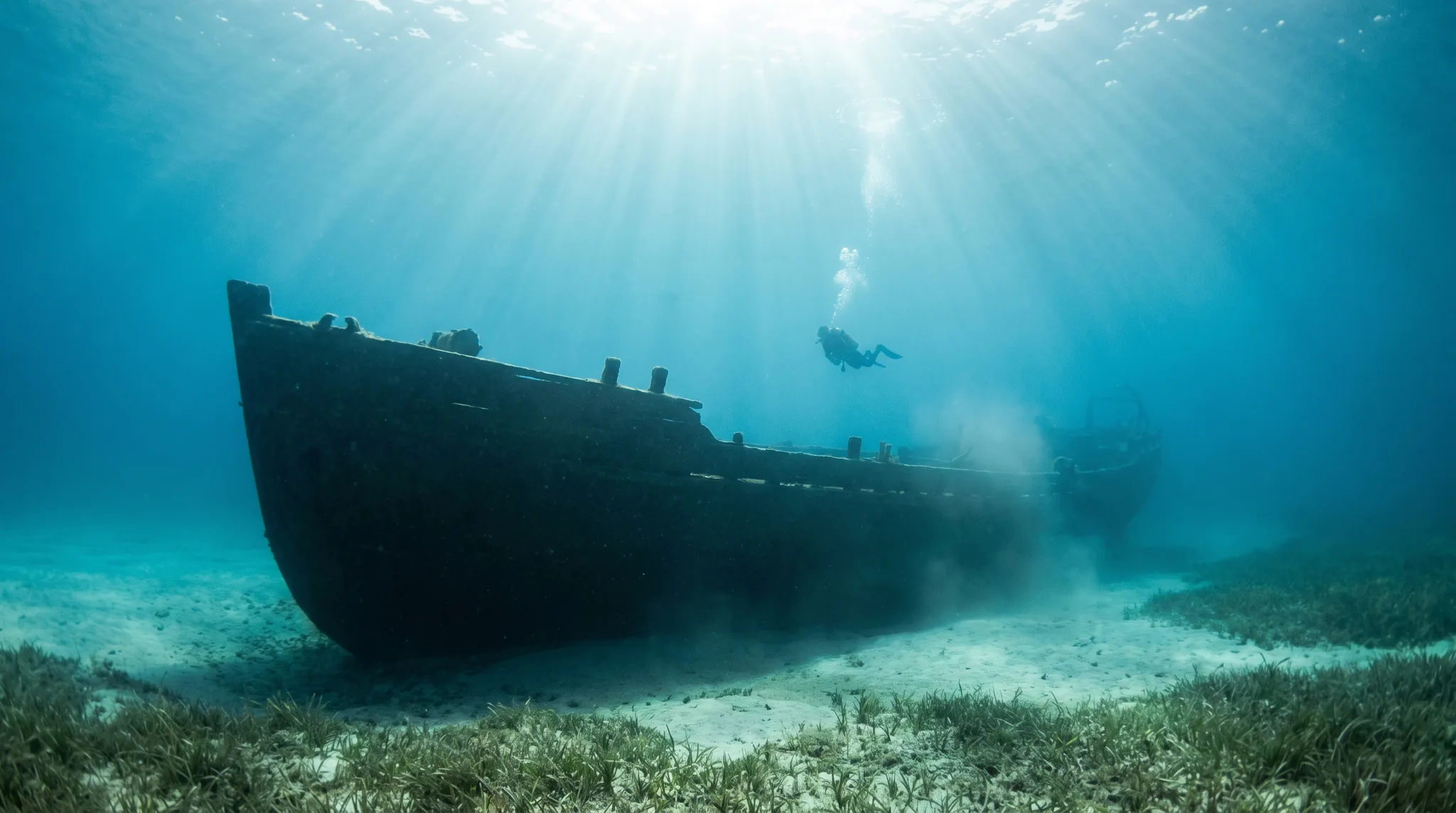
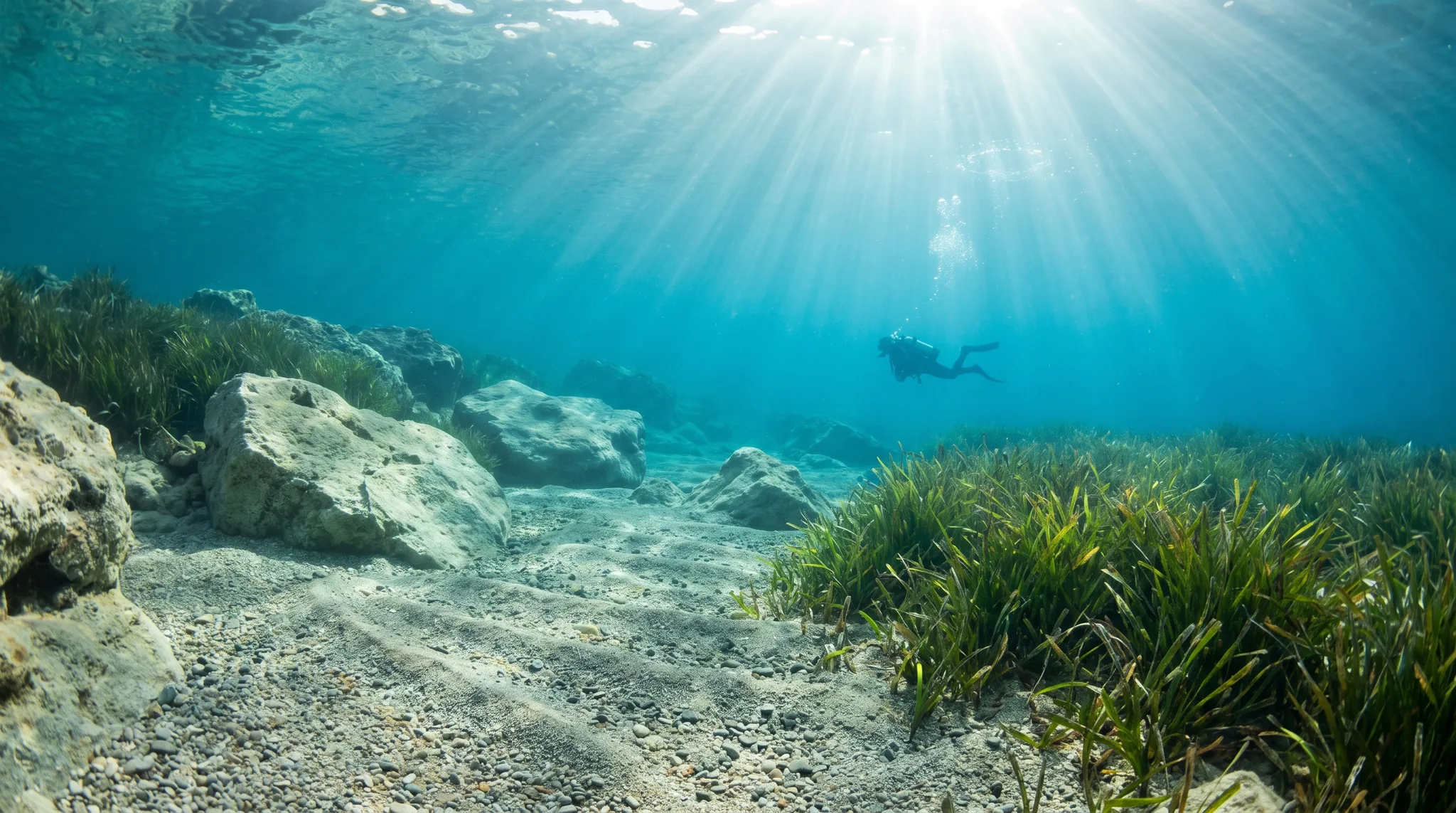
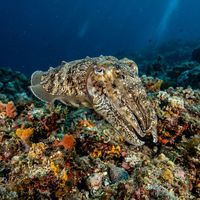
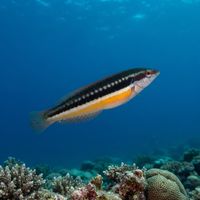
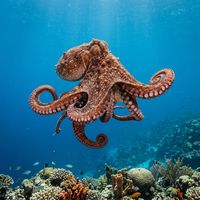
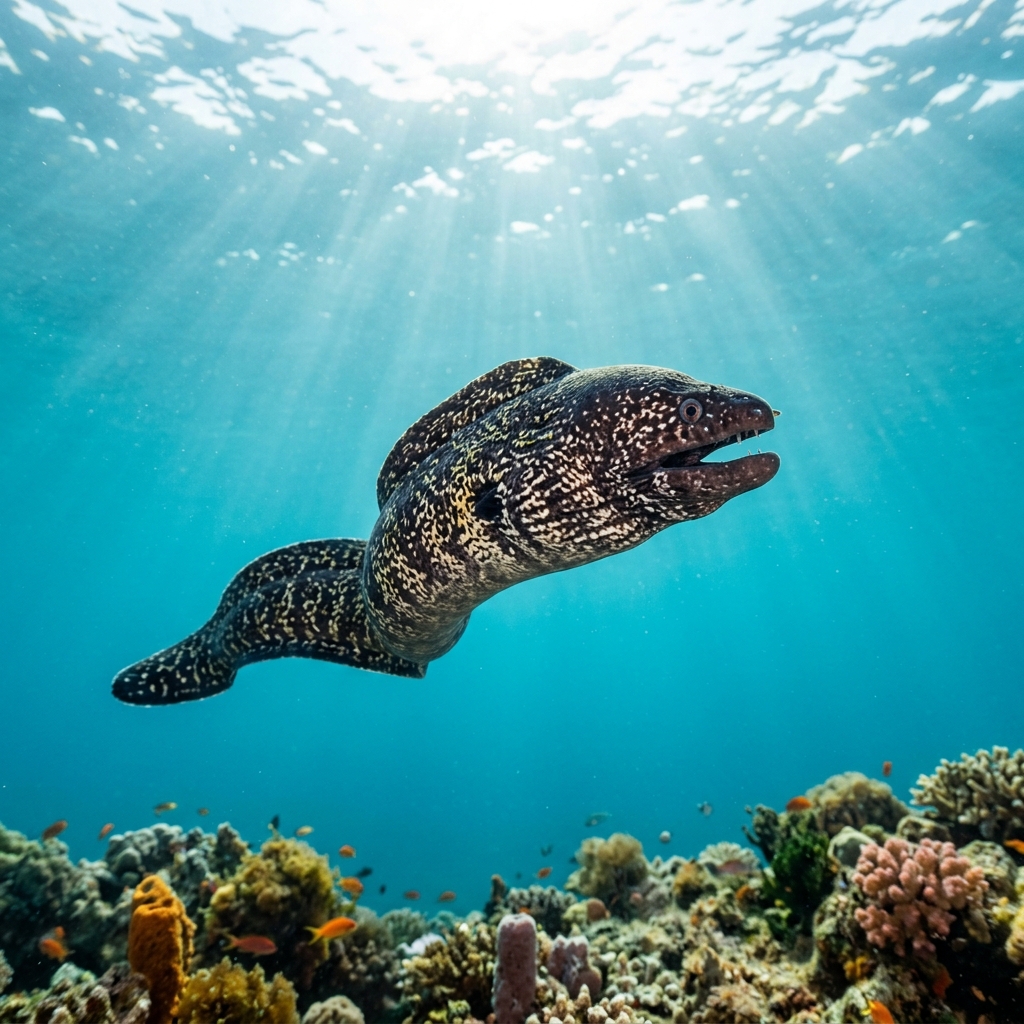
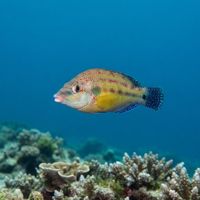
Taormina's diving ranges from shallow beginner-friendly reefs to deep walls and wrecks that demand advanced skills. The site mix is broad: boat-access pinnacles such as La Montagna di Scilla and La Mpaddata contrast with shore-entry sites like Fiumarella and The White Cliff. Caves, artificial reefs, canyons and even a wreck at Bowesfield add further variety. European Parrotfish and Turkish Wrasse are observed across the area, while Common Octopus, European Common Cuttlefish and Mediterranean Moray give Taormina a distinctly Mediterranean character.
Monthly water temperature across Taormina's sites, from satellite sea-surface data corrected for depth. The band shows the site-to-site spread.
Water temperatures climb from their winter low in early spring through to a warm peak in September and October, making the late-summer and autumn window particularly comfortable for longer dives. The best-months data shows a clear concentration from May through October, with June and September standing out. Winter diving remains possible but cooler water and quieter conditions suit those happy to layer up.
7 operators

23 more sites to explore
Water temperature around Taormina ranges from about 15°C in February to 23°C in September, based on satellite sea-temperature data for its dive sites.
In the warm season (about 23°C) a 3mm full suit is comfortable in Taormina; in the coldest months (about 15°C) step up to a 7mm or semi-dry suit.
Fin maps 35 sites in Taormina (34 scuba diving sites and 7 snorkelling spots, with some suited to both).
Across Taormina's dive sites, May, June, July, September and October are most often reported as the best months to visit.
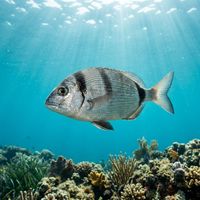
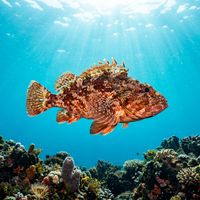
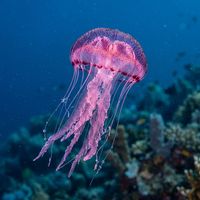
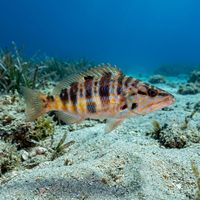
European Parrotfish and Turkish Wrasse are very commonly observed across sites, alongside Madeira Rockfish, Two-banded Seabream and Painted Comber. Signature species include European Common Cuttlefish, Common Octopus and Mediterranean Moray. Less frequent but recorded sightings include Dusky Grouper, Marbled Electric Ray and Seahorse.
Several sites are rated for beginners, including La Madonna della Misericordia, Tre Pietrazze, Naxos Pier and Sunshine Cave. These offer shallower depths and calm topography. More advanced sites such as La Mpaddata and Scilla, which reach considerable depths, are better reserved for experienced divers with appropriate certification.
The area offers both options. Shore entry is available at sites including Fiumarella and The White Cliff, making independent access straightforward. Many of the more exposed or deeper sites, such as La Mpaddata, Greek Columns and Secca del Castello, require boat access, and the region has a wide range of operators to arrange this.
Reefs form the backbone of diving here, often combined with walls, drop-offs and caves. Wrecks appear at sites like Bowesfield and Scilla, while artificial reef structures feature at Secca del Castello, Tre Pietrazze and Greek Columns. Pinnacle diving is available at La Montagna di Scilla and Zu Innaru Rock, and canyon topography can be explored at Franata del Castello.