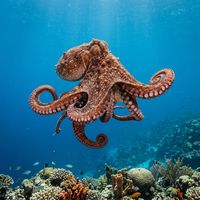
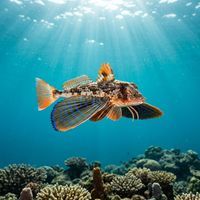
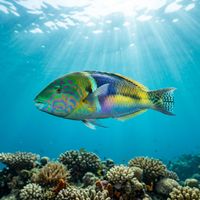
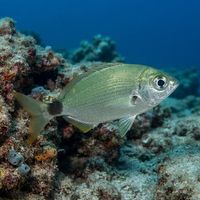
Lazio offers an unusually varied underwater landscape, spanning coastal reefs, volcanic rock formations, deep walls, wrecks, cave systems, and even freshwater sites at inland lakes. The three sub-areas each have a distinct character: Ventotene suits those after compact reef dives and reliable marine life, Anzio draws divers with its mix of accessible and technical sites, and Ponza delivers dramatic topography including deep caves and an ancient Roman shipwreck. The species list is strong throughout, with Turkish Wrasse, Scorpionfish, Painted Comber, and Common Octopus observed consistently, alongside occasional Loggerhead Sea Turtle and Ocean Sunfish.
3 areas
 19
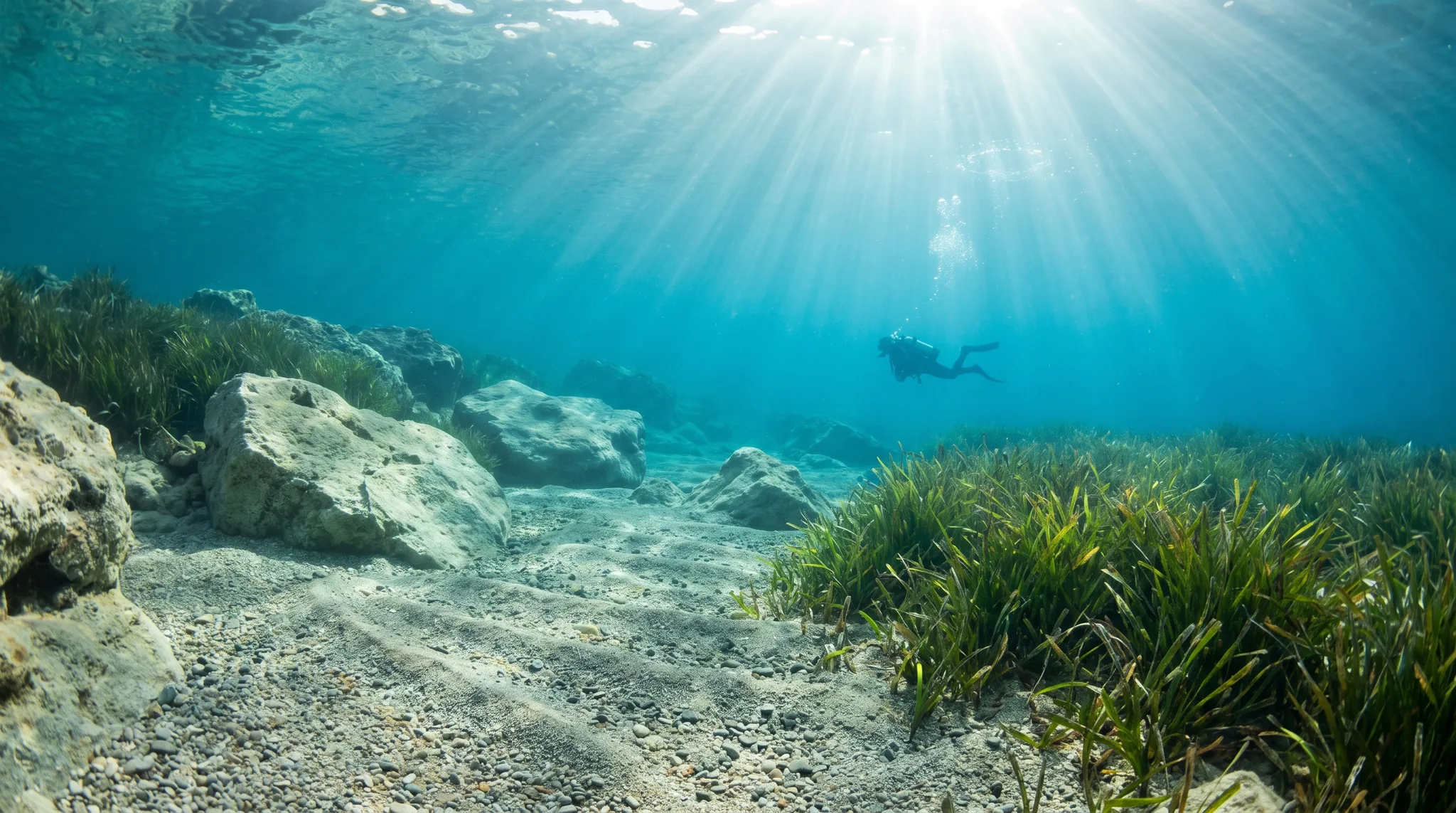
19A small Italian island with boat-access reefs, deep caves and a wreck, noted for Flying Gurnard, Common Octopus and Great Barracuda sightings.
 18
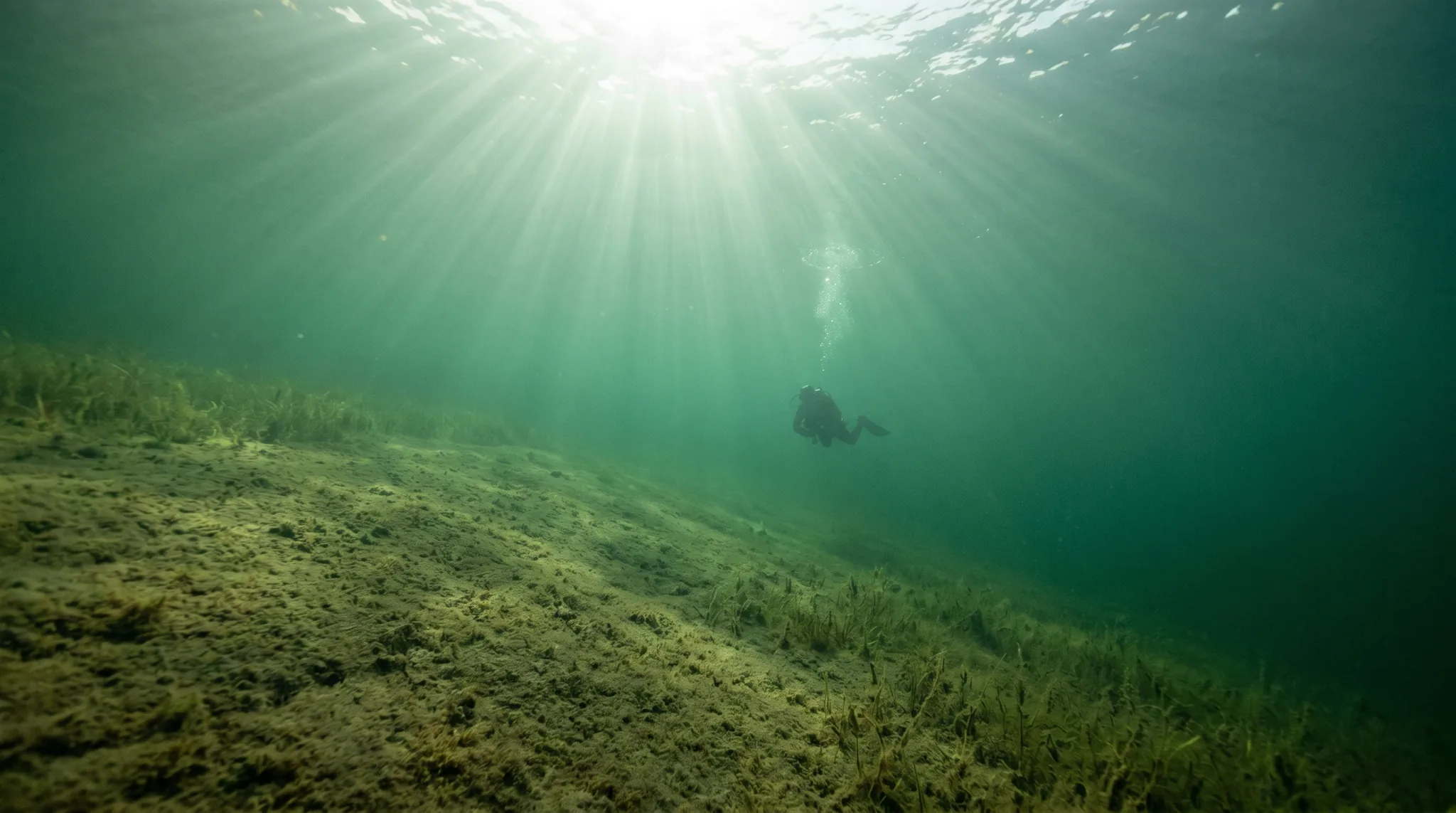
18A rare mix of marine reef dives and freshwater lake sites in Lazio, with occasional pelagic highlights including Ocean Sunfish and Loggerhead Sea Turtle.
 17
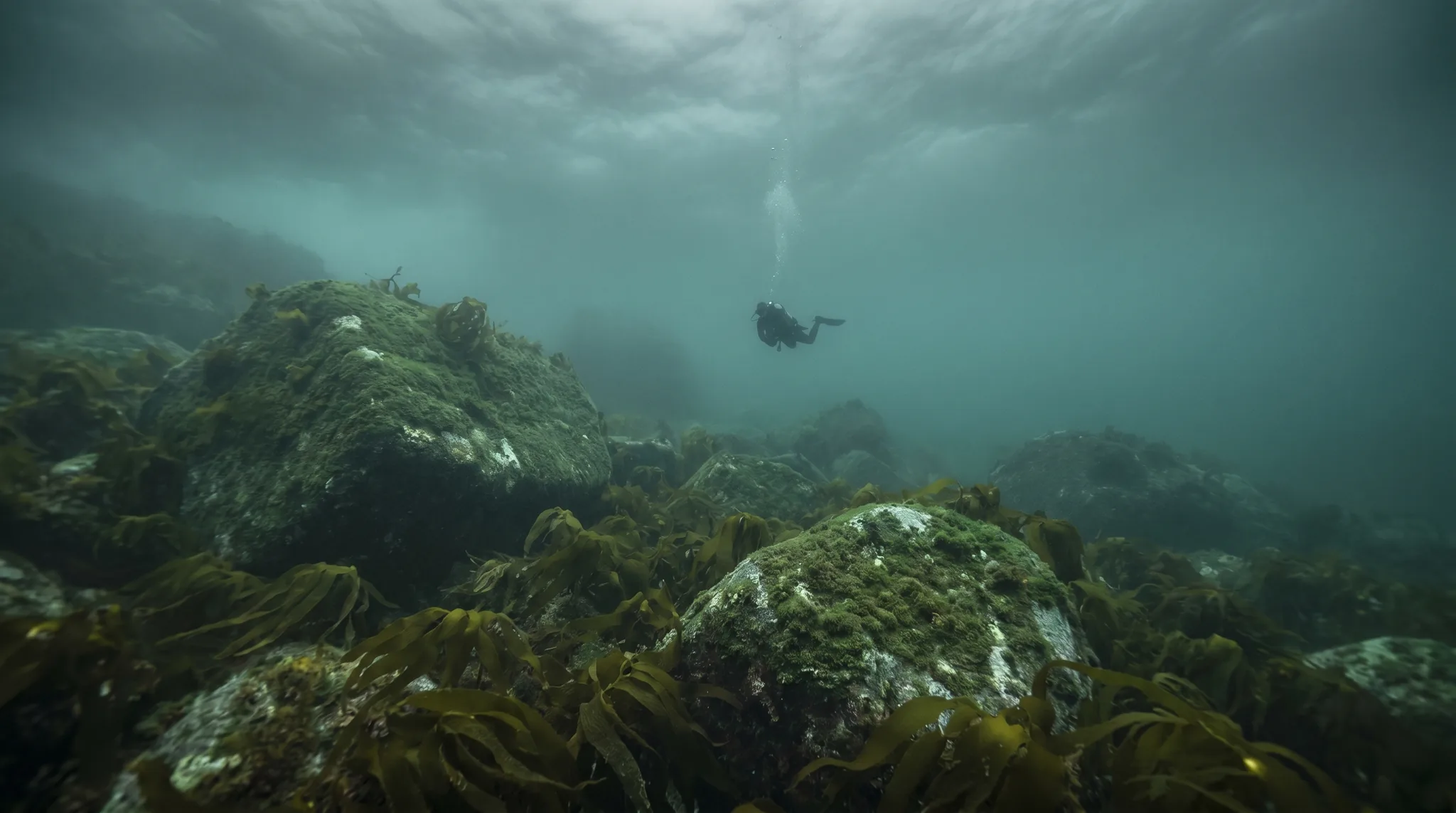
17Boat-access walls, caves and gorgonian-covered reefs around a volcanic island, with the Ocean Sunfish as a signature encounter.
Monthly water temperature across Lazio's sites, from satellite sea-surface data corrected for depth. The band shows the site-to-site spread.
Water temperatures rise through late spring and peak in September, making the period from June through October the warmest for diving. June and September draw the most activity, combining comfortable water with good conditions. Winter months see cooler temperatures and fewer divers, suiting those after quieter sites rather than peak-season warmth.
44 operators
Water temperature around Lazio ranges from about 14°C in April to 24°C in September, based on satellite sea-temperature data for its dive sites.
In the warm season (about 24°C) a 3mm full suit is comfortable in Lazio; in the coldest months (about 14°C) step up to a 7mm or semi-dry suit.
Fin maps 54 sites in Lazio (43 scuba diving sites and 13 snorkelling spots, with some suited to both), organised into 3 areas.
Across Lazio's dive sites, May, June and September are most often reported as the best months to visit.
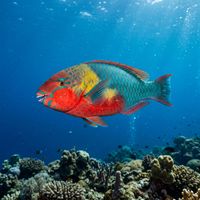
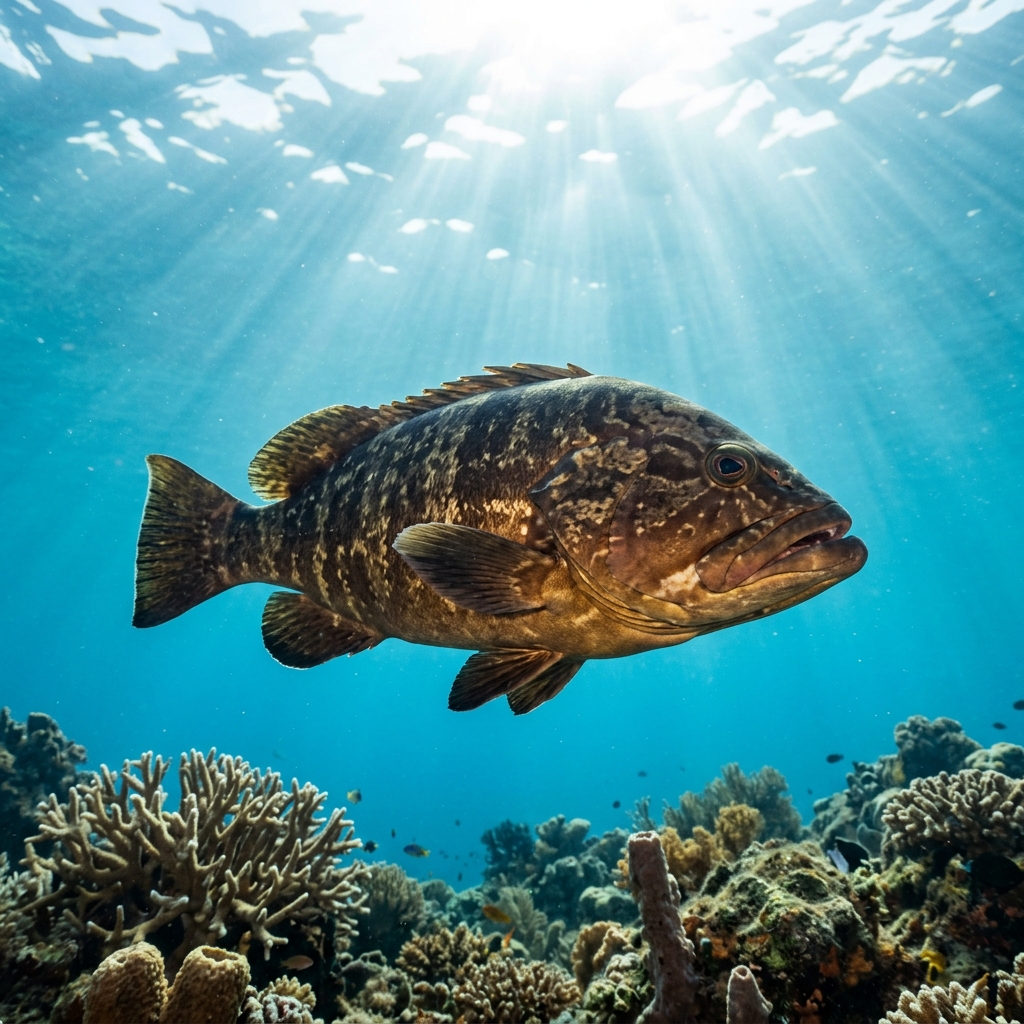
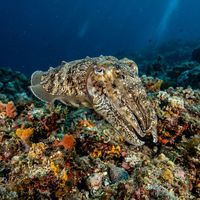
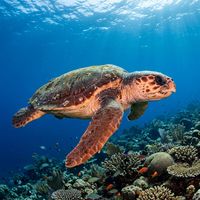
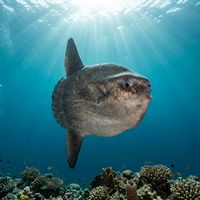
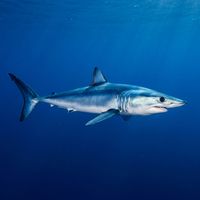
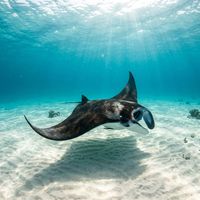
Observed species include Turkish Wrasse, Scorpionfish, Painted Comber, Tompot Blenny, and White Seabream across most sites. Common Octopus, Flying Gurnard, and Snake Eel turn up regularly, while Dusky Grouper, European Common Cuttlefish, and Conger Eel are seen occasionally. Rarer encounters include Loggerhead Sea Turtle, Ocean Sunfish, Spinetail Devil Ray, and Mako Shark.
A good number of sites are rated beginner level, including Sconciglie off Ventotene, Le Cattedrali, and Secca della Molara. These tend to be shallower reef or mixed reef-cave dives with boat access and manageable conditions. More challenging options such as Scoglio della Botte and Punta dell Arco are rated intermediate to advanced and require greater experience and good buoyancy control.
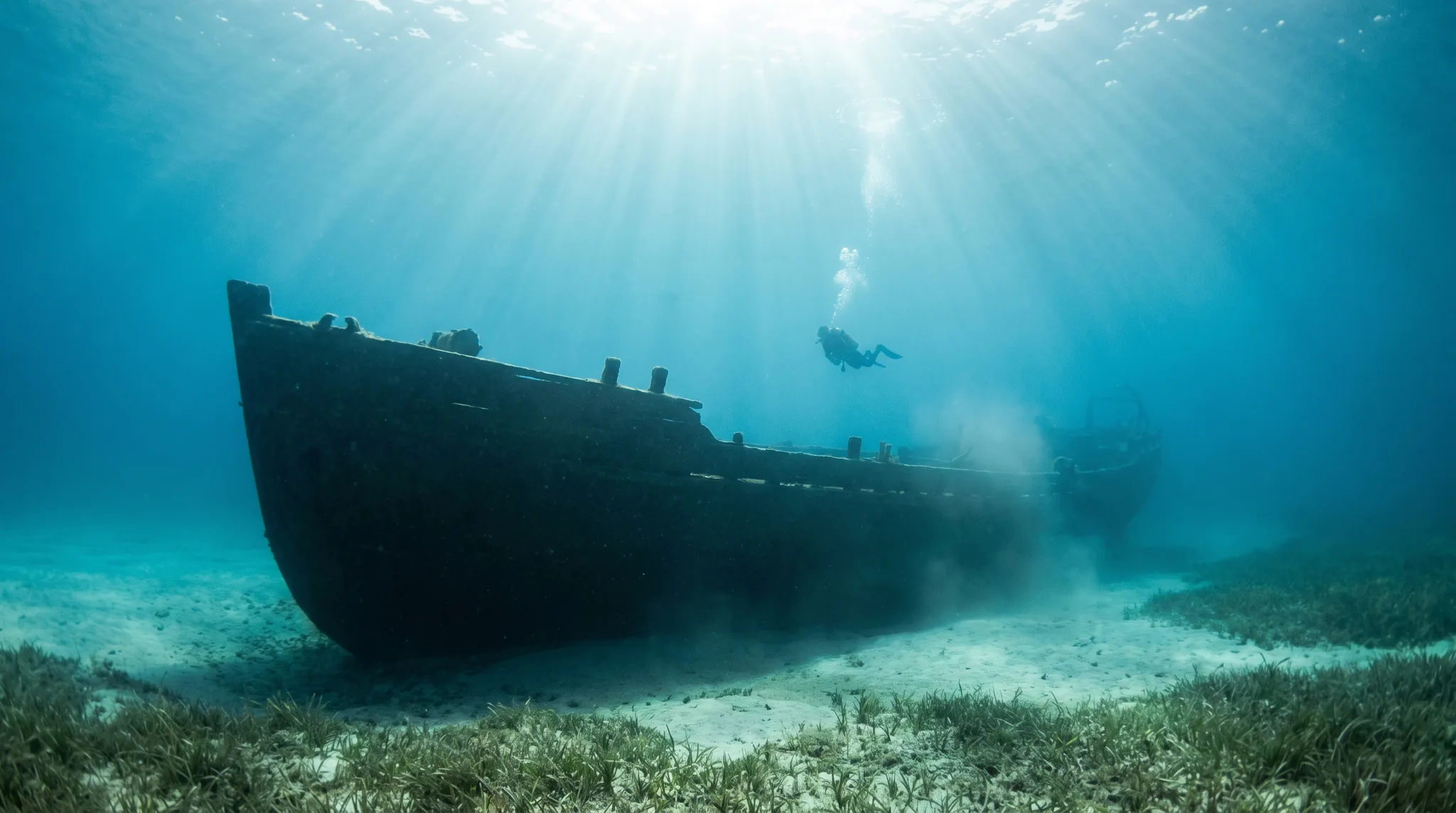
Ventotene has the largest concentration of sites and is well-suited to straightforward reef dives at accessible depths. Anzio offers a broad mix of site types and skill levels. Ponza stands out for dramatic topography: deep reef and cave systems such as Scoglio della Botte, the wreck and pinnacle combination at Punta del Papa, and the archaeological wreck at Secca dei Mattoni all sit within this sub-area.
Both options exist. Shore entries are available at several sites, including Skipper Bar and the freshwater sites at Lago Bracciano a Trevignano and Trevignano Romano. The majority of coastal and island sites, however, require boat access, and operators such as Ponza Diving Center, Gorgonia Diving ASD, and Atlantide Divers can arrange guided boat dives across all three sub-areas.