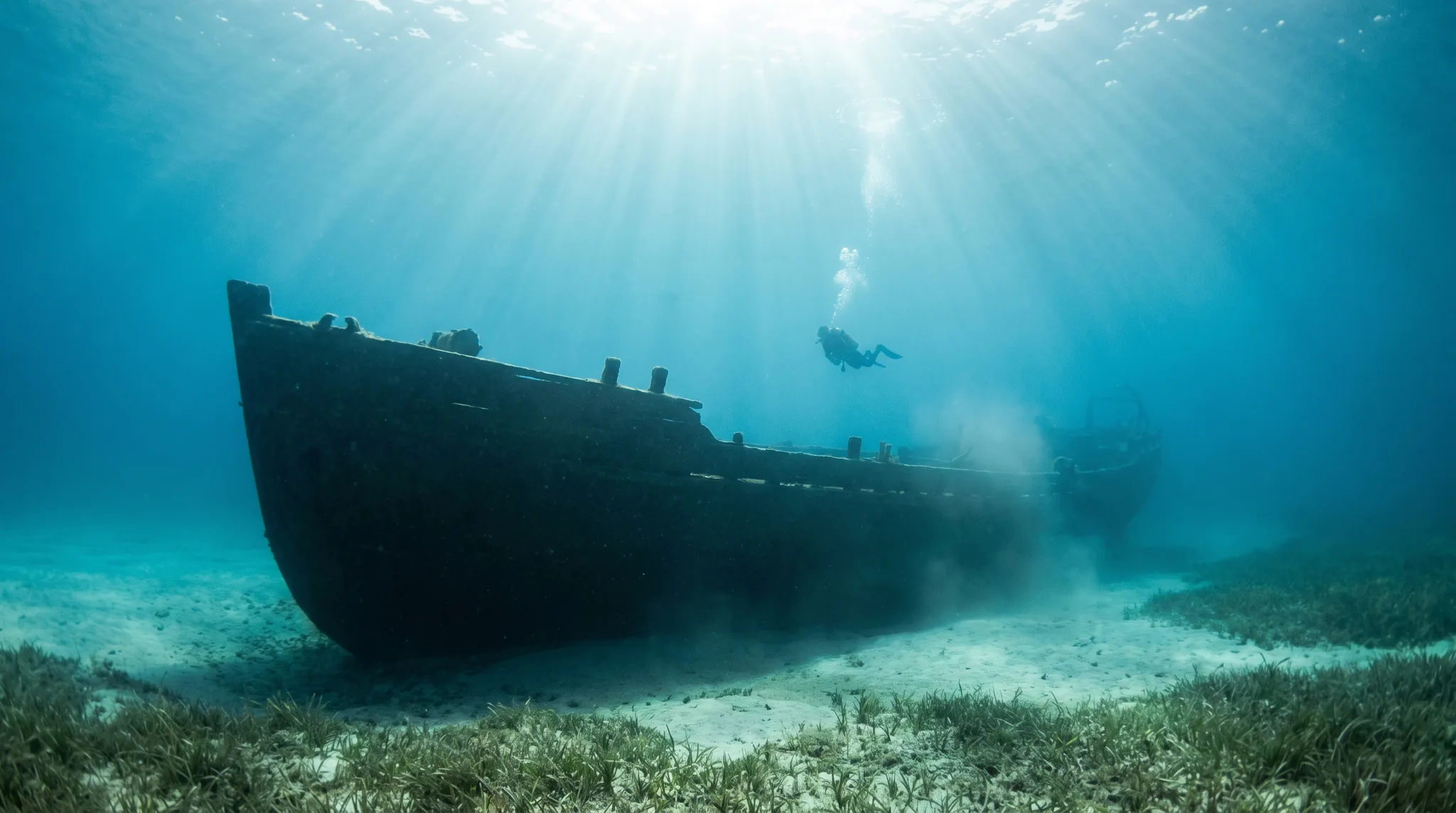
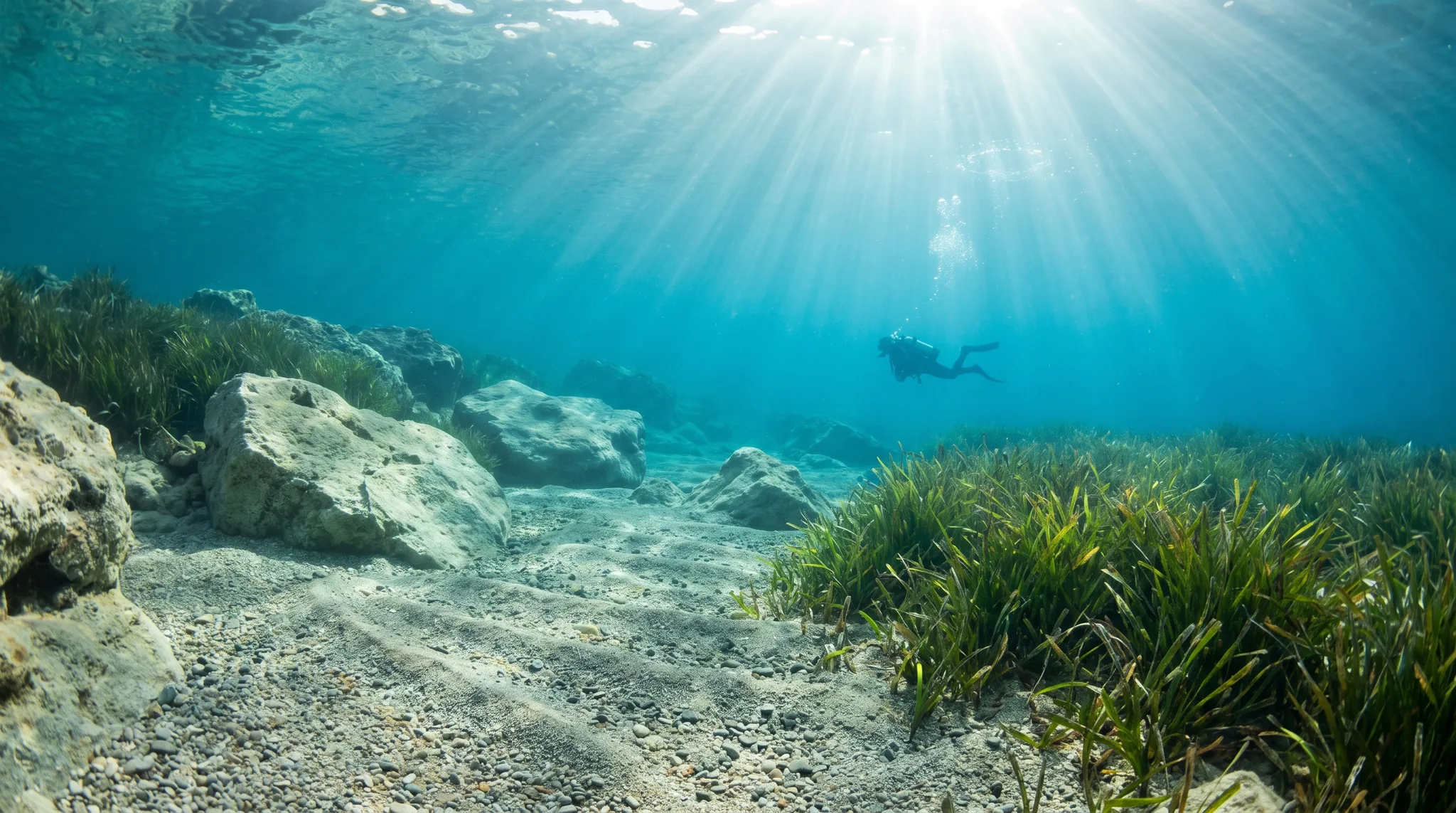
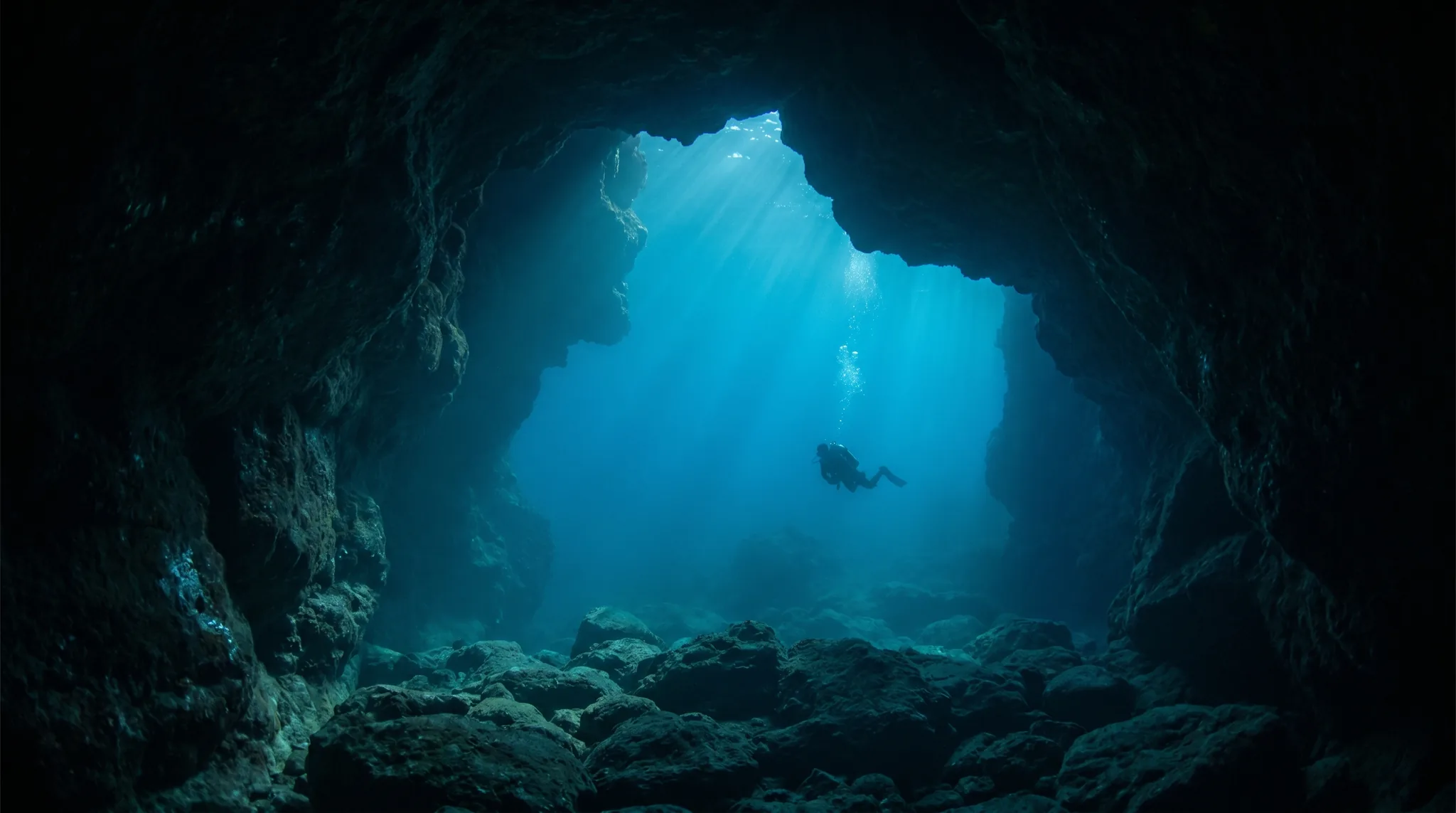
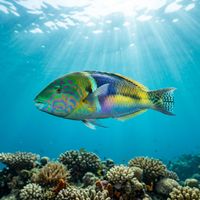
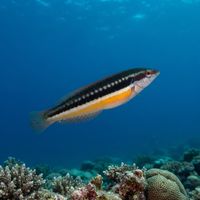
San Vito lo Capo offers a varied underwater landscape anchored by caves, walls, reefs and a pair of cargo ship wrecks. Shore entries give direct access to cavern systems, while boat dives reach deeper walls and offshore shoals. The site mix suits beginners through advanced divers. Turkish Wrasse, Castagnole and Mediterranean Cardinalfish are reliably encountered, with Mediterranean Moray appearing on caves and reef edges. Water warms considerably from late spring through autumn, when conditions are at their best.
Monthly water temperature across San Vito lo Capo's sites, from satellite sea-surface data corrected for depth. The band shows the site-to-site spread.
Water temperature rises steadily from spring, peaking in late summer and remaining warm well into autumn. The most favoured diving window runs from May through October, when calmer conditions make boat access to deeper walls and wrecks more reliable. Winter months are cooler and less frequented, though shore-entry cave sites remain accessible for those prepared for lower temperatures.

15 operators
34 more sites to explore
Water temperature around San Vito lo Capo ranges from about 15°C in February to 26°C in August, based on satellite sea-temperature data for its dive sites.
In the warm season (about 26°C) a 3mm full suit is comfortable in San Vito lo Capo; in the coldest months (about 15°C) step up to a 7mm or semi-dry suit.
Fin maps 46 sites in San Vito lo Capo (33 scuba diving sites and 18 snorkelling spots, with some suited to both).
Across San Vito lo Capo's dive sites, May, June, July, August, September and October are most often reported as the best months to visit.
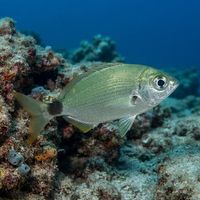
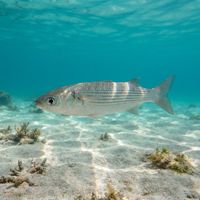
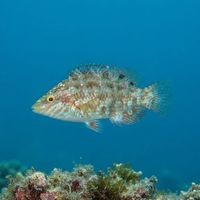
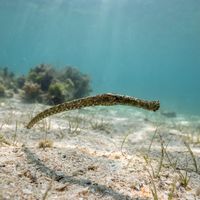
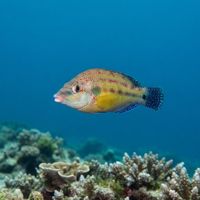
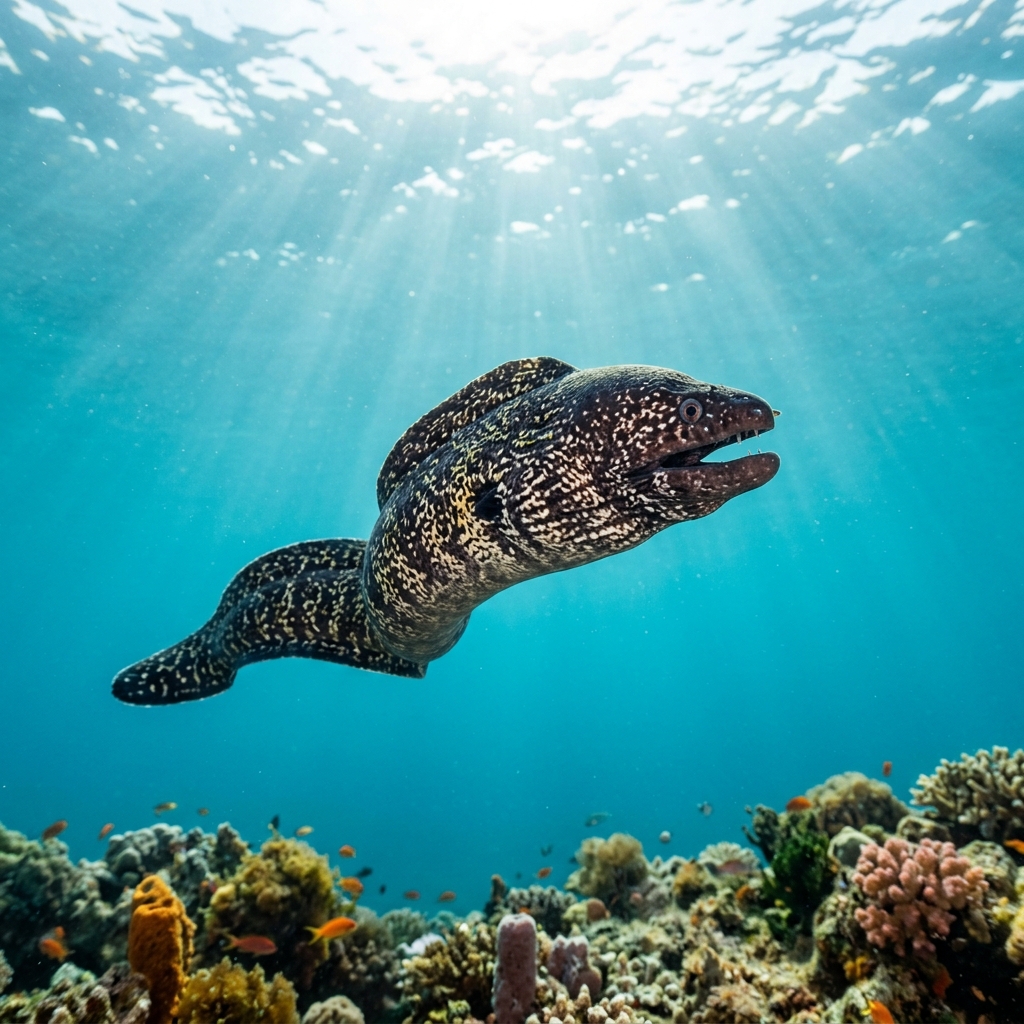
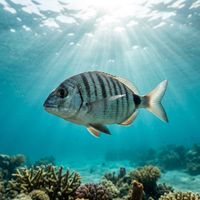
The reefs and caves here host a wide variety of species. Turkish Wrasse, Castagnole, Two-banded Seabream and White Seabream are encountered on almost every dive. Mediterranean Moray is the area's signature species, found tucked into crevices along cave and reef edges. Common Octopus, Conger Eel, Tompot Blenny and Pipefish round out the regular cast.
The site mix covers a broad range of skill levels. Beginners are catered for at sites such as Torre dell'Usciere and Grotta Dell'Olio, which feature manageable depths and mild conditions. Intermediate divers have the largest selection, including reef shoals and cavern systems. The Kent Wreck, Cow Passage and Punta Negra Wall are reserved for advanced divers due to their depth and exposure.
Most sites are reached by boat, including the wrecks, offshore shoals and deeper walls. Shore entry is available at a smaller number of sites, most notably Grotta della Ficarella, which gives direct access to a cave and cavern system without needing a vessel. Operators such as Zingaro Diving Center, Luna Blu Diving Center and several others based in the area run regular boat trips.
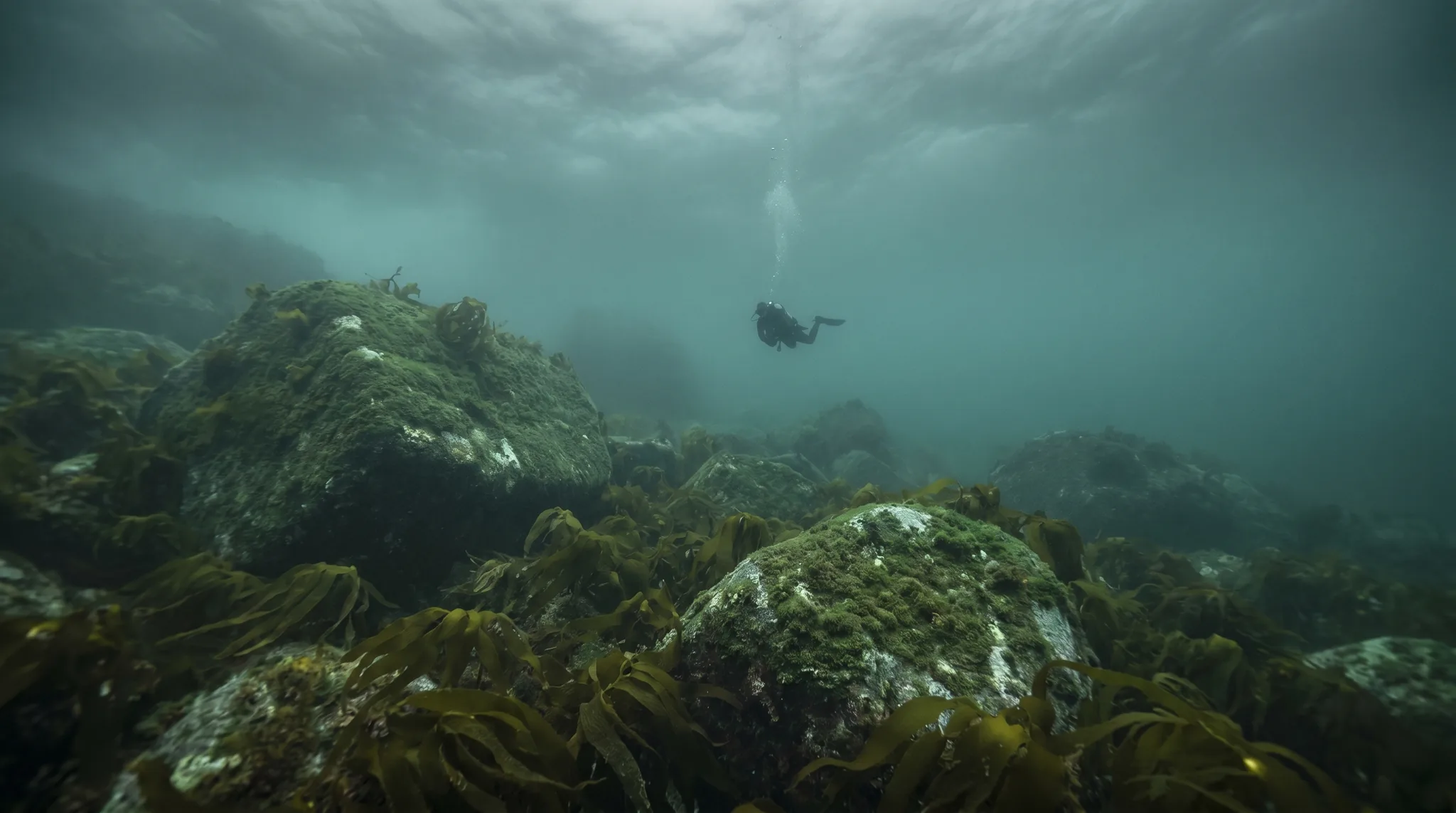
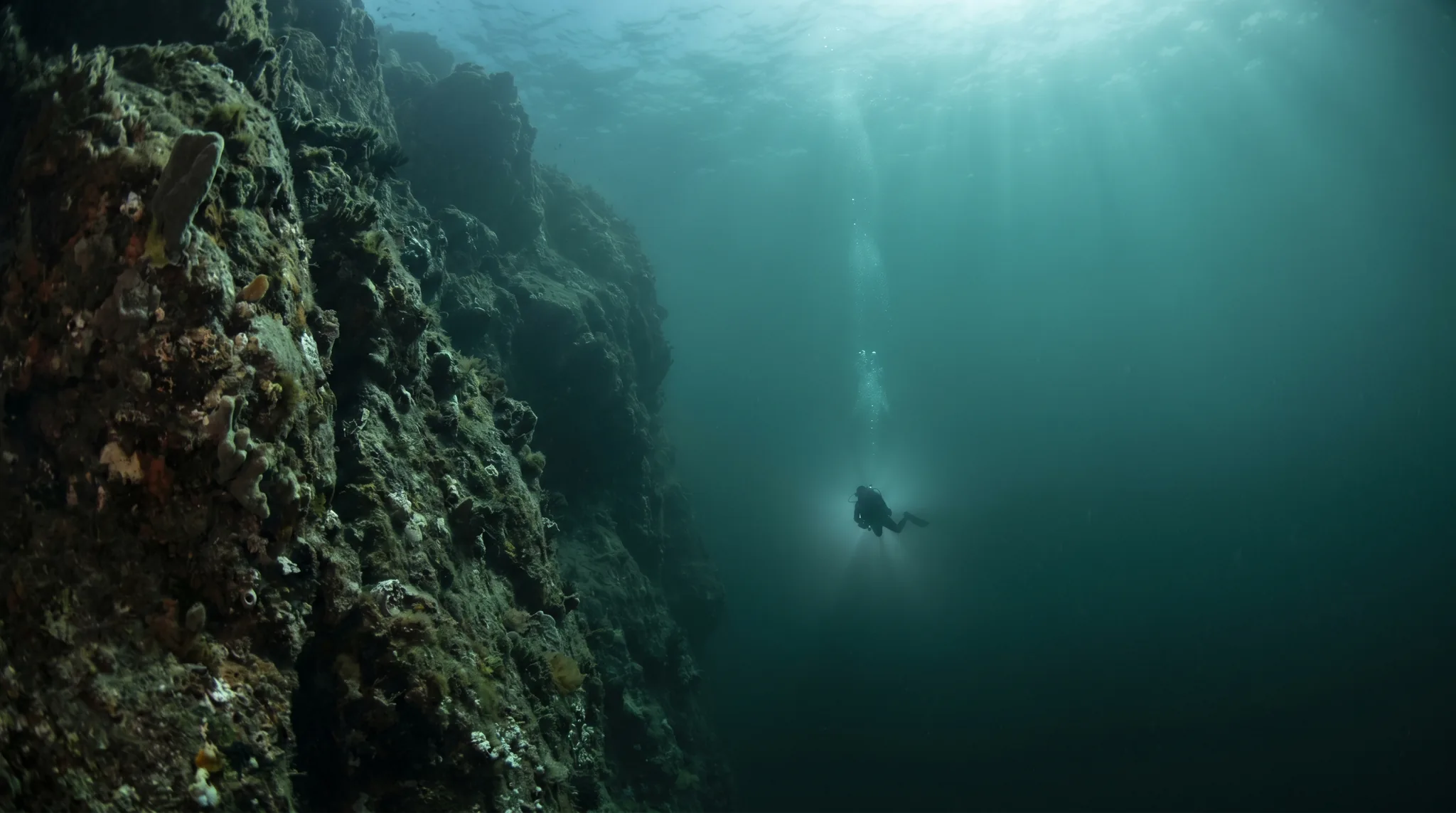
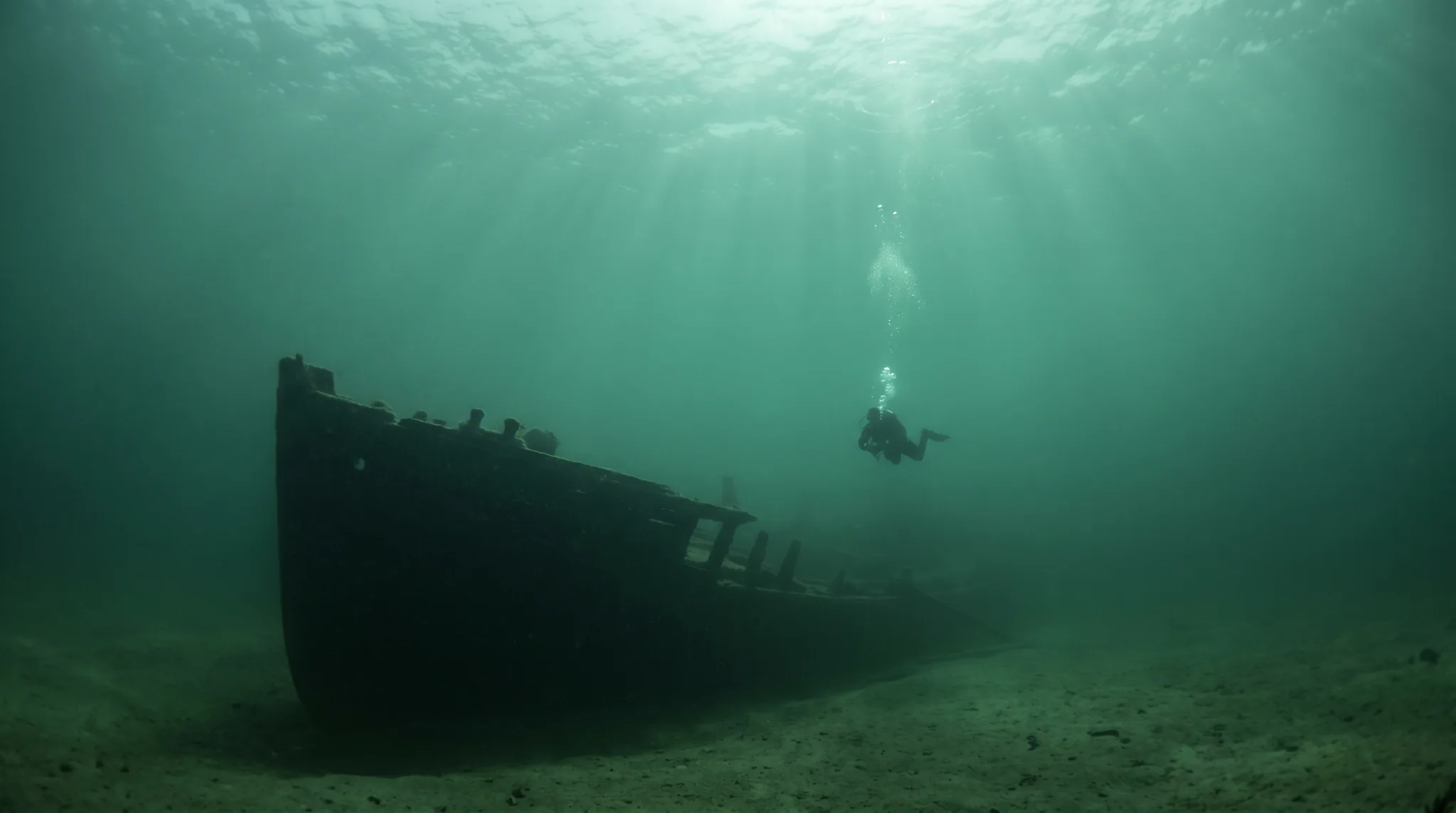
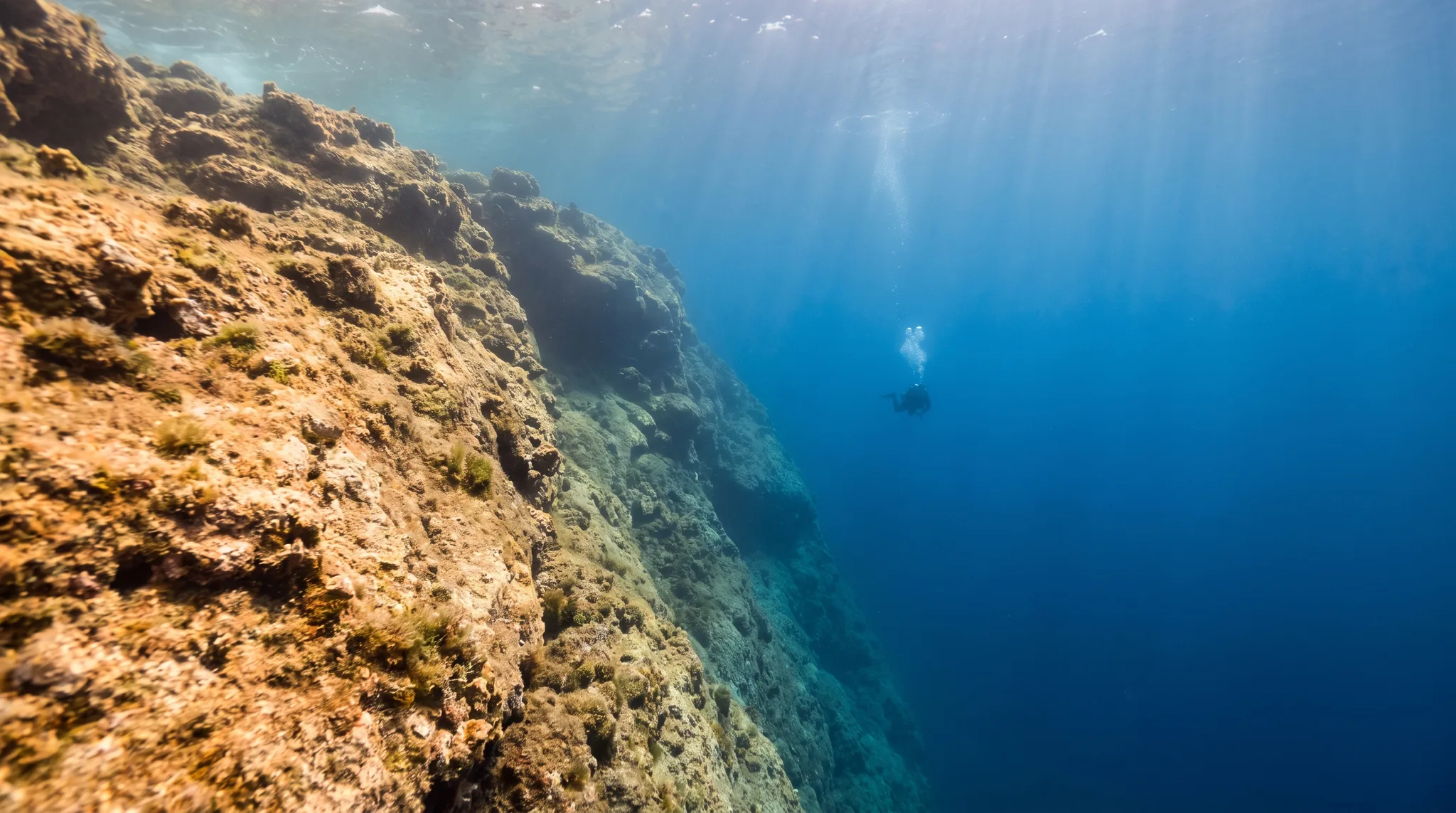
The area is shaped by three main site types: caves and caverns, walls dropping into deeper water, and open reef structures including offshore shoals. The Kent and Capua wrecks add a wreck-diving dimension that few other nearby areas can match. Tonnara del Secco also features an artificial reef element, offering a different kind of encrusted topography for those who have covered the natural sites.