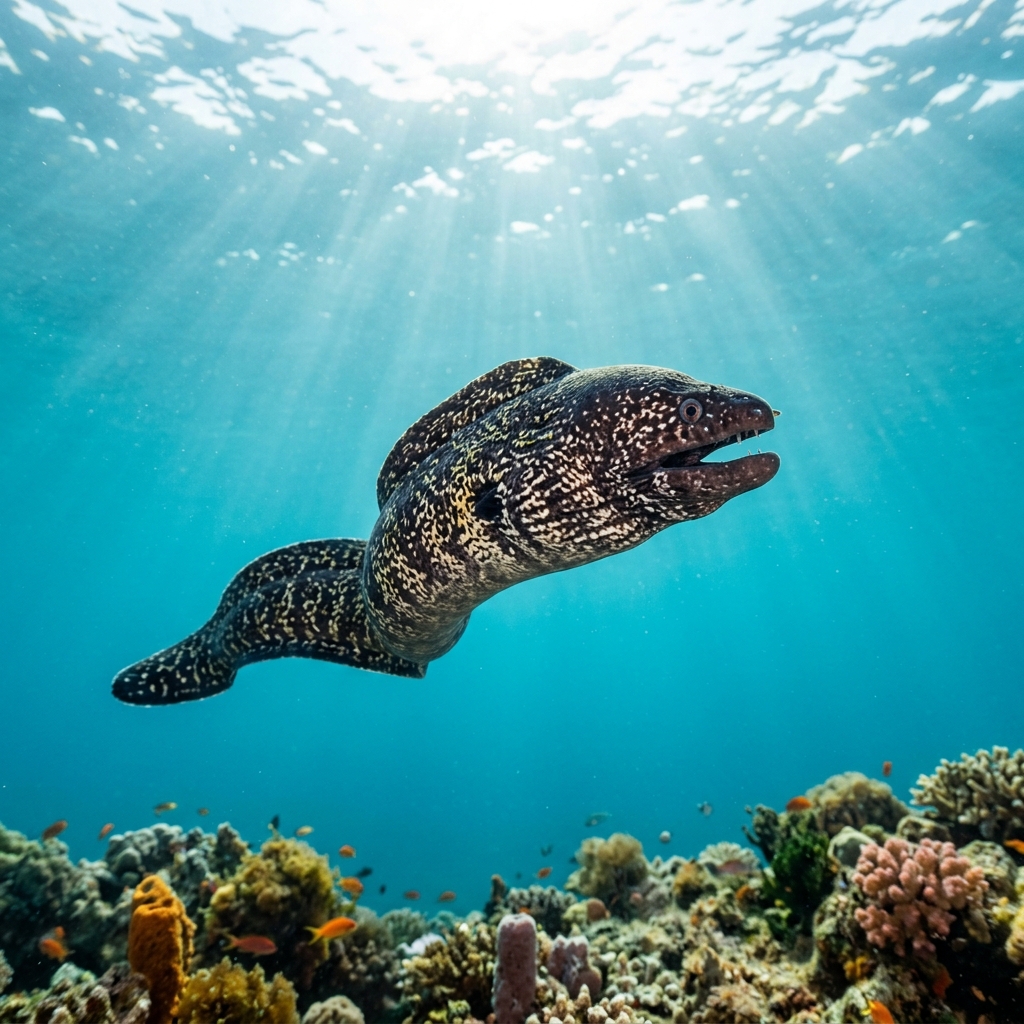
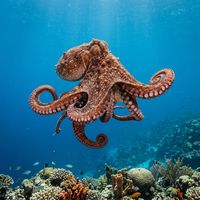
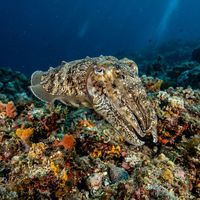
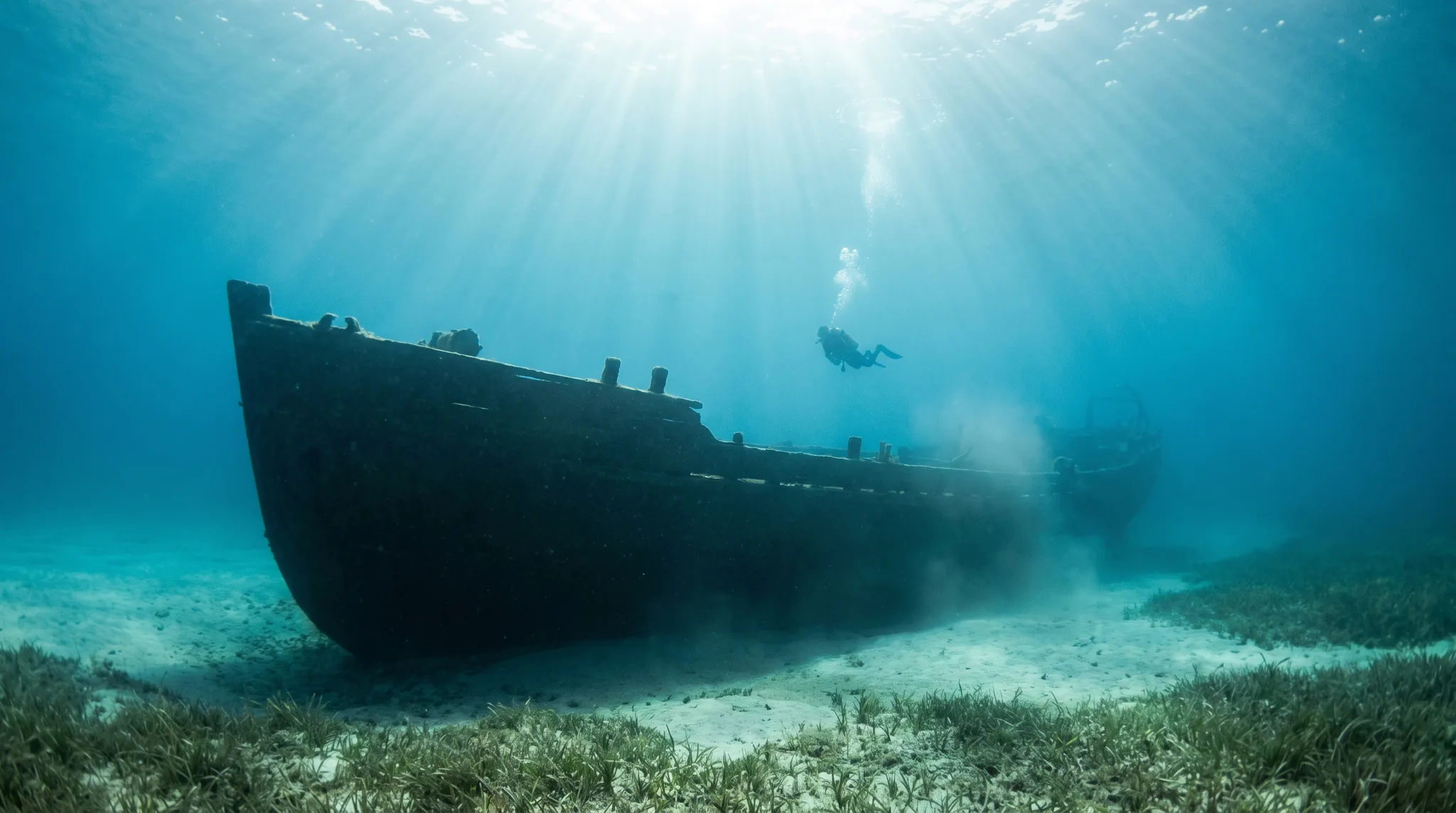
Catania's dive sites are shaped by volcanic geology, with lava rock walls, pinnacles, arches and caves forming the backbone of nearly every dive. Two wrecks add variety for advanced divers, while natural and artificial reef combinations suit beginners. The Mediterranean Moray, Common Octopus, European Common Cuttlefish and Great Barracuda are the signature sightings, joined by an exceptional range of nudibranchs and slugs. Conditions favour May and October as peak months, with water warming steadily through summer.
Monthly water temperature across Catania's sites, from satellite sea-surface data corrected for depth. The band shows the site-to-site spread.
Water temperature sits at its coolest through winter and early spring, rising steadily from late spring into autumn before dropping again in December. May and October stand out as the most popular months, offering a balance of warm water and good conditions. Summer brings the warmest temperatures, though the best visibility and calmer sea states typically reward those who dive at the shoulder seasons.
20 operators
12 more sites to explore
Water temperature around Catania ranges from about 15°C in February to 22°C in October, based on satellite sea-temperature data for its dive sites.
In the warm season (about 22°C) a 3mm full suit is comfortable in Catania; in the coldest months (about 15°C) step up to a 7mm or semi-dry suit.
Fin maps 24 sites in Catania (19 scuba diving sites and 6 snorkelling spots, with some suited to both).
Across Catania's dive sites, May and October are most often reported as the best months to visit.
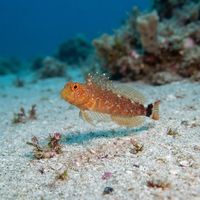
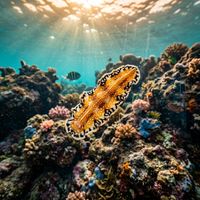
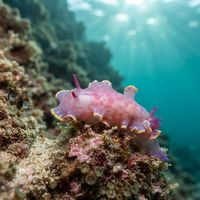
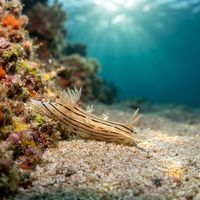
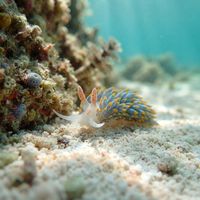
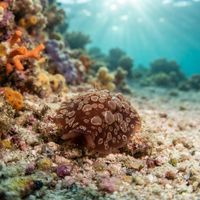
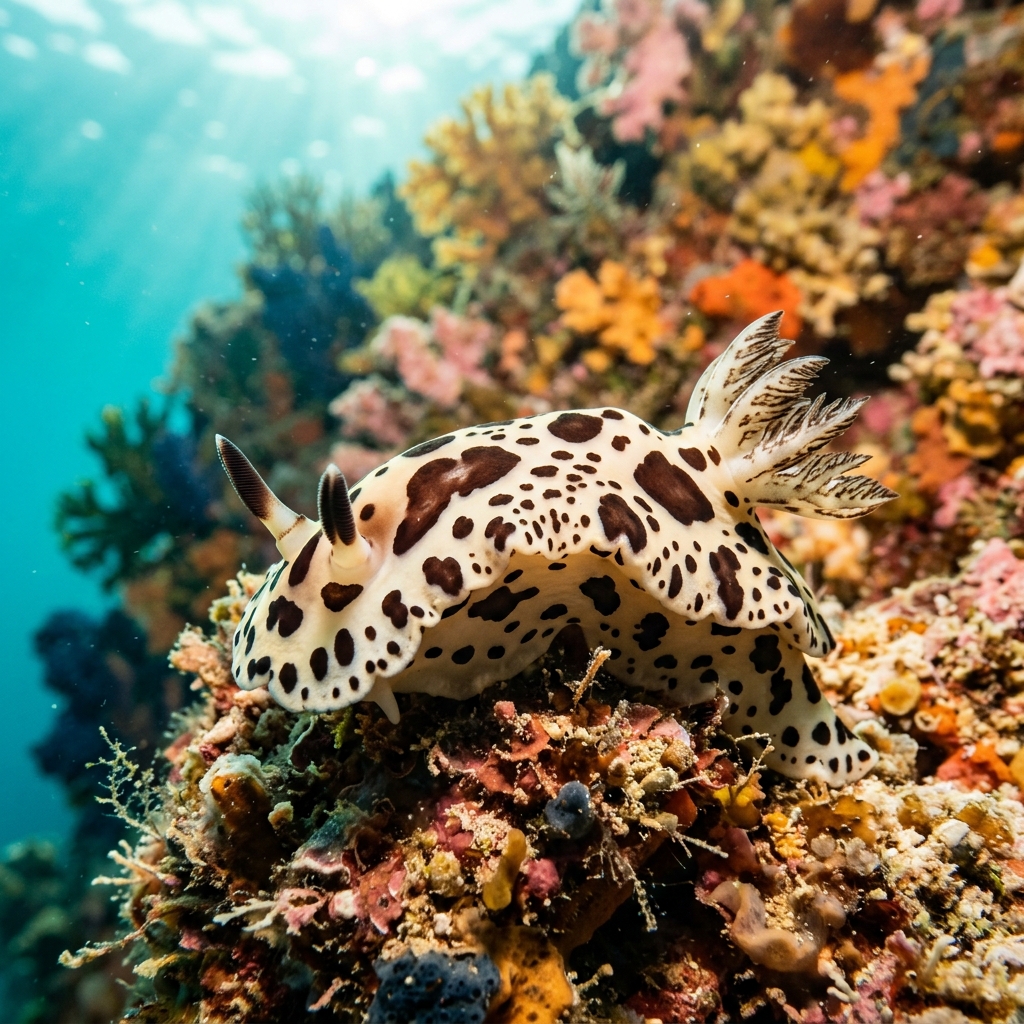
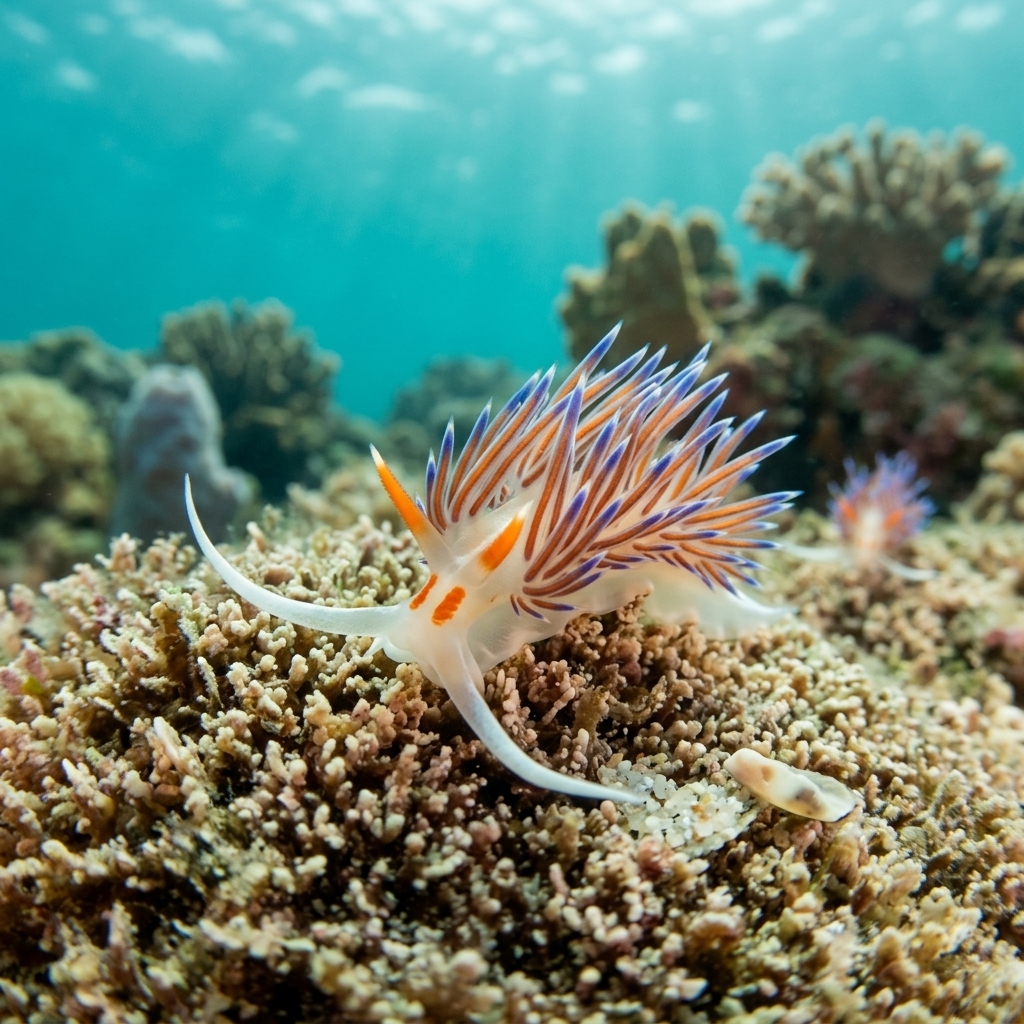
Catania's reefs are particularly strong for cephalopods and eels, with the Mediterranean Moray, Common Octopus and European Common Cuttlefish recorded across the vast majority of sites. The Great Barracuda is a reliable sighting on many dives. Nudibranch enthusiasts will find an exceptional variety, including the Cratena Slug, Harlequin Sea Goddess, Splendid Elysia, Tricolor Doris and Felimare fontandraui, among others.
Several sites in Catania are rated for beginners, including Pinnacoli, Archi e Grotte, Panettoni and the shore-entry site Baia Verde. These sites feature volcanic reef topography at manageable depths. More advanced divers are well served too, with deep walls like Ricci Matita, strong-current dives at Canaloni and two wrecks requiring appropriate experience and certification.
The majority of dive sites in Catania are accessed by boat, and a good number of local operators run guided trips. Shore entry is possible at Tre Punte and Baia Verde, giving independent divers some flexibility. Panettoni can be reached from either shore or boat. The wreck Relitto Toikosan Maru requires an authorised guided dive.
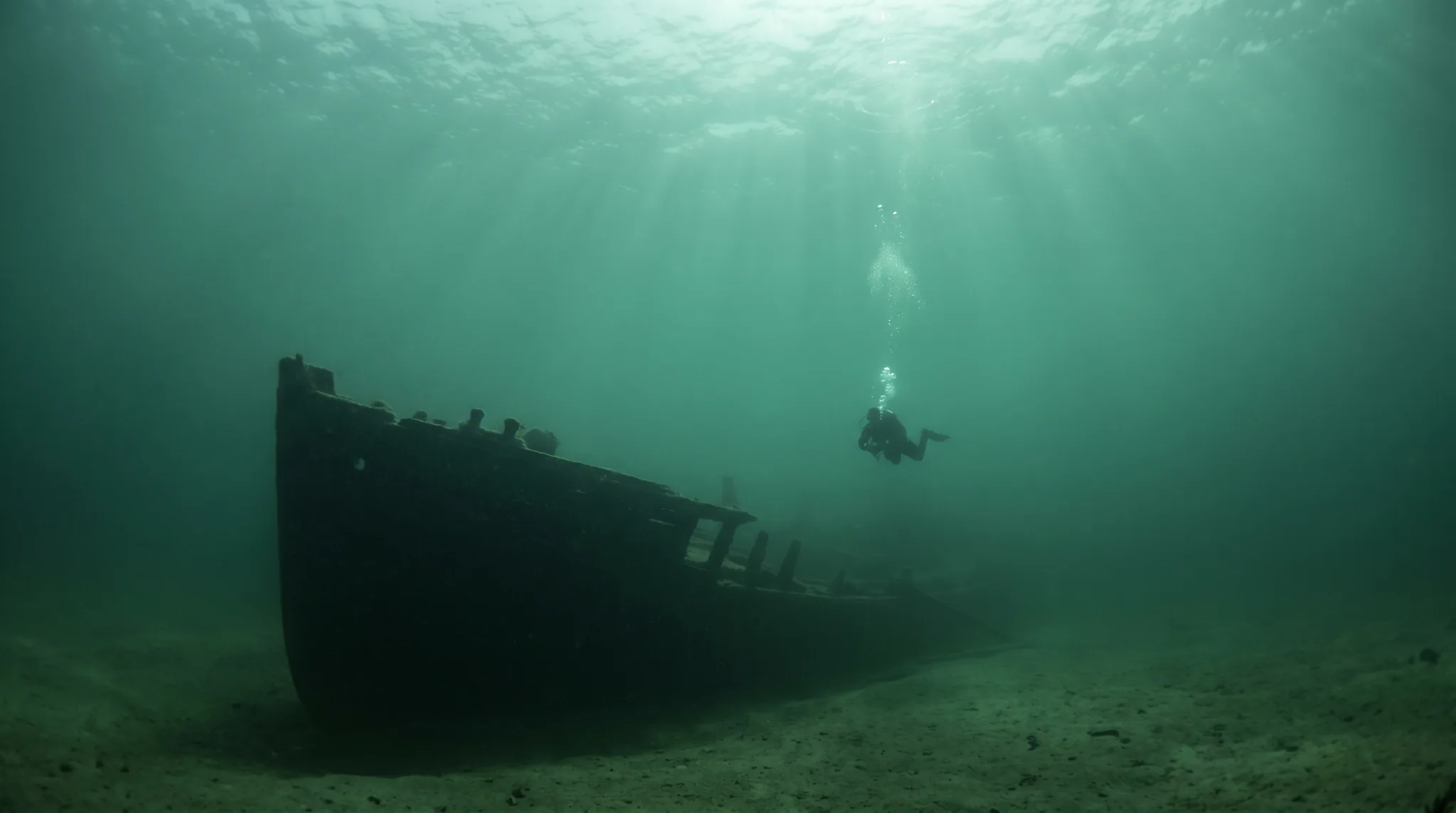
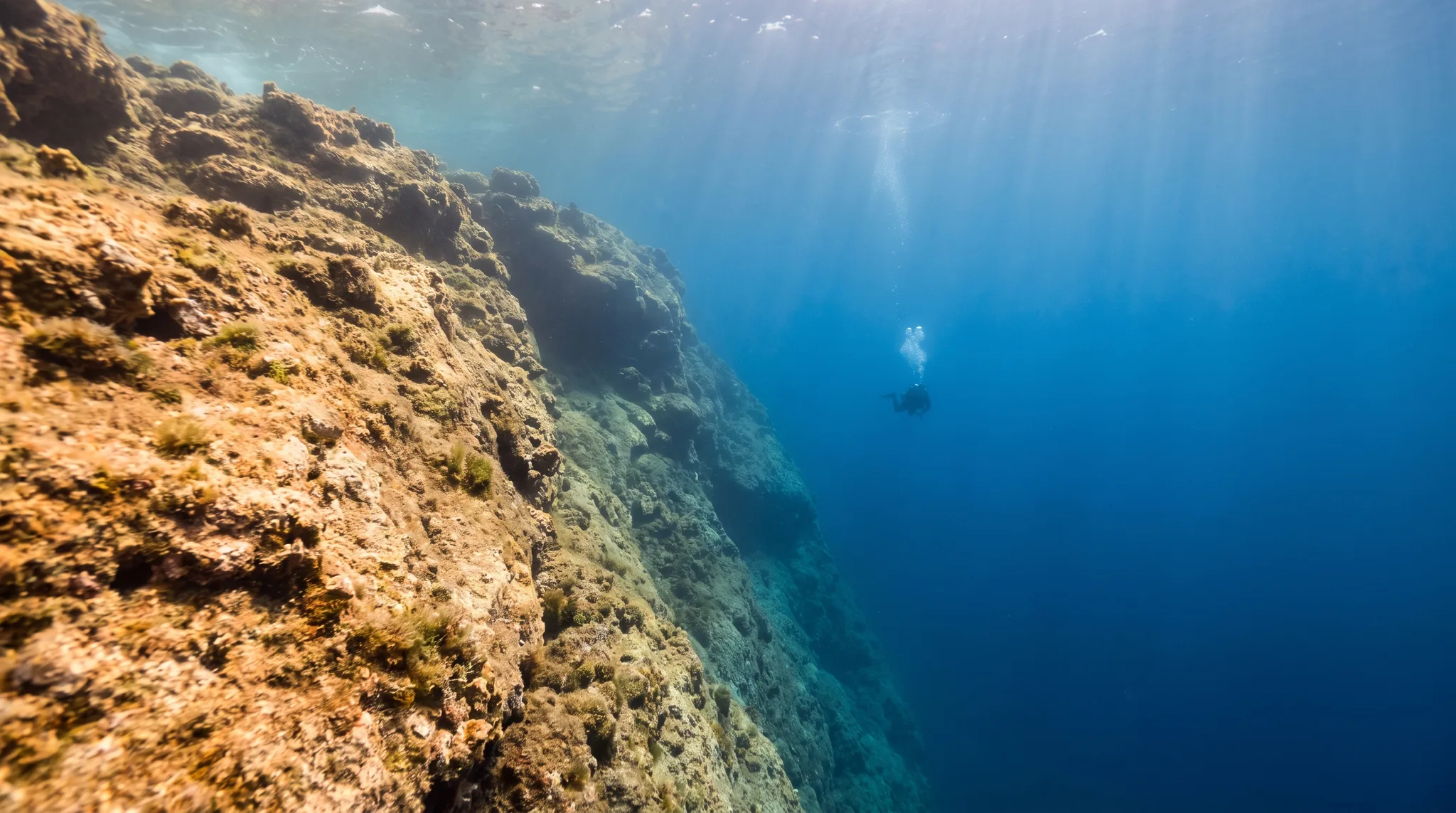
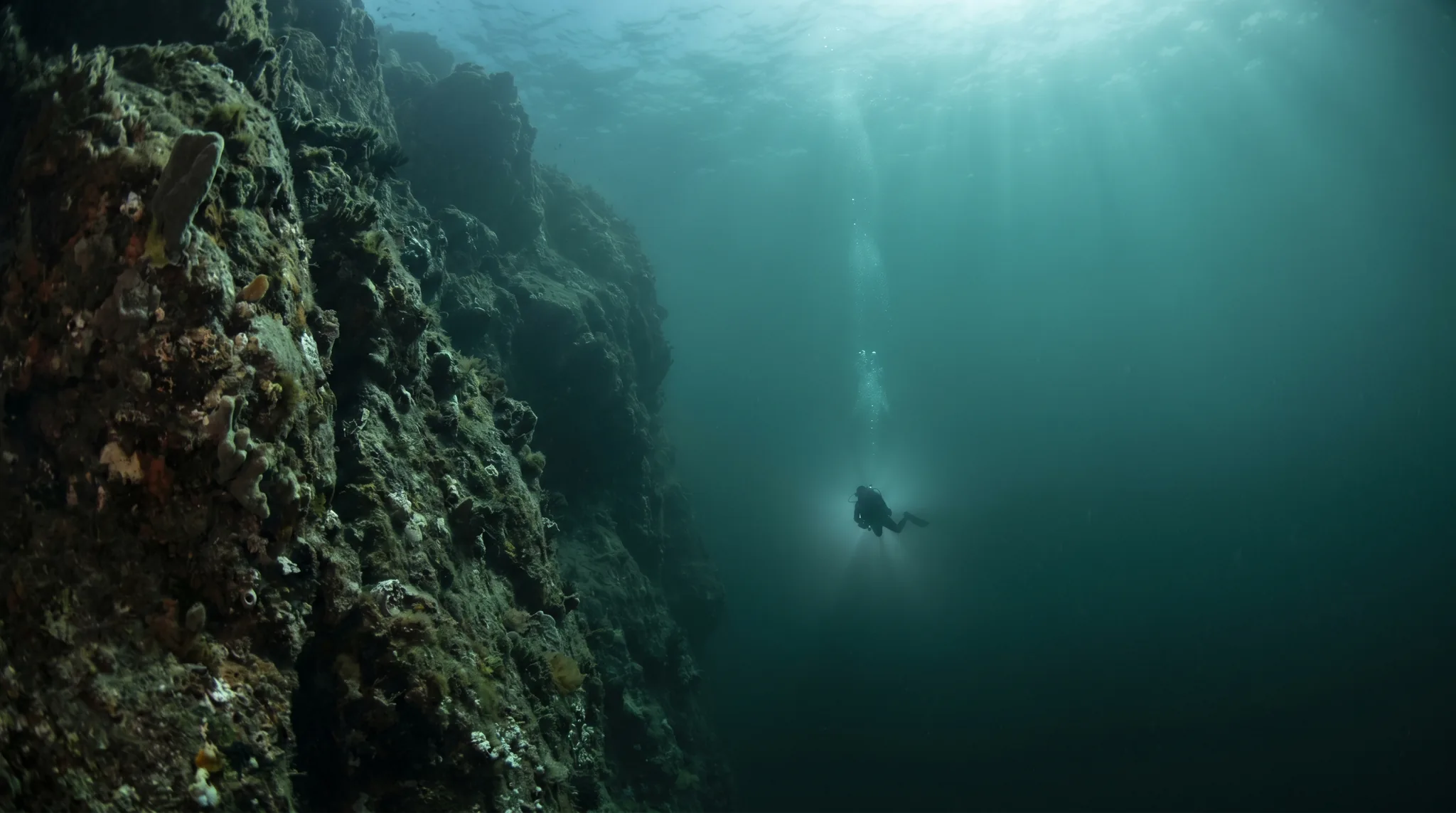
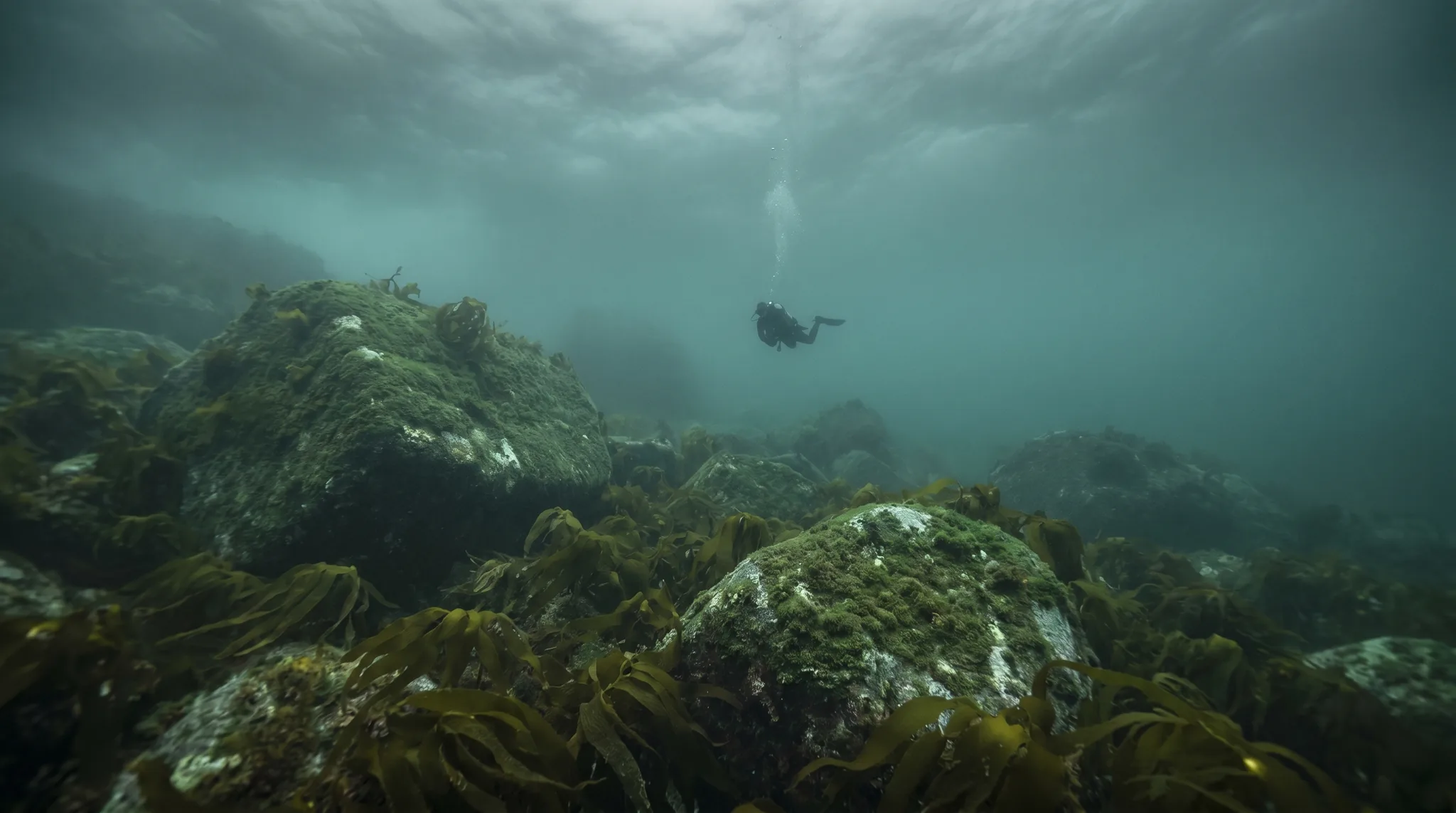
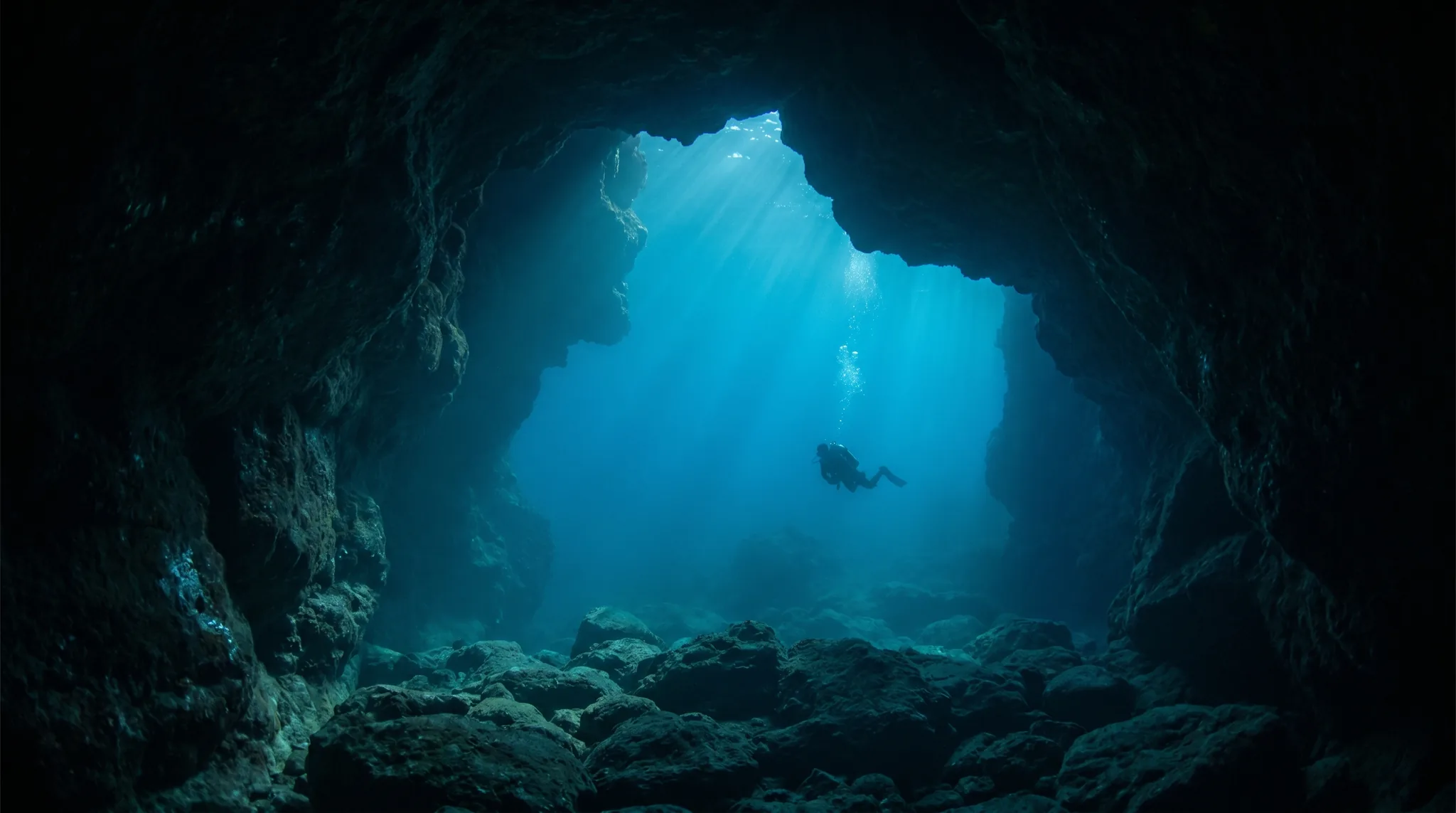
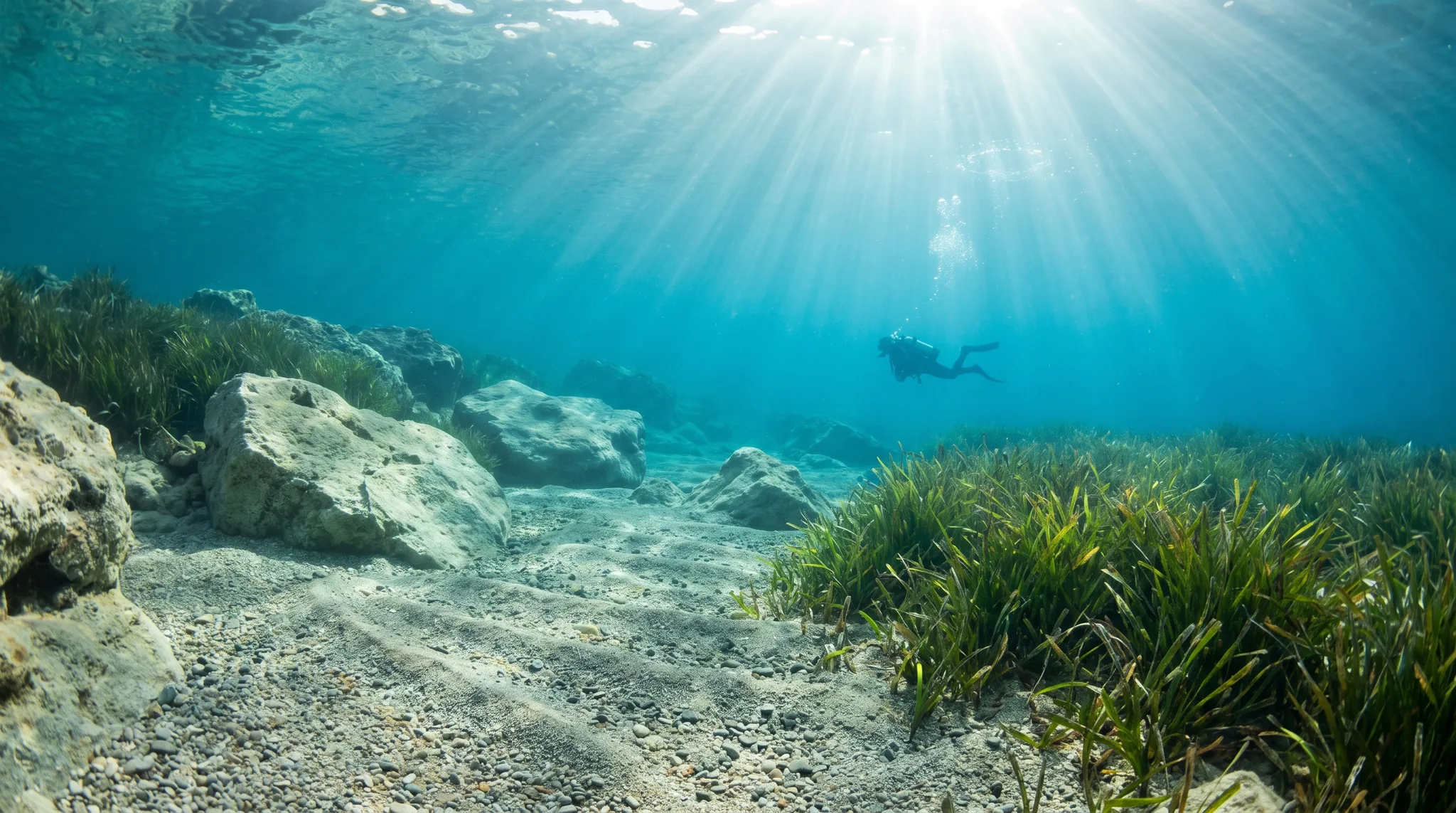
Volcanic geology dominates the underwater landscape around Catania. Lava rock walls, pinnacles, arches and caves are the most common site types, and the formations at sites like Archi e Grotte were shaped by ancient lava flows reaching the sea. Wrecks at Capo Mulini and the Relitto Toikosan Maru offer contrast, while Panettoni and Baia Verde combine natural reef with artificial structures.