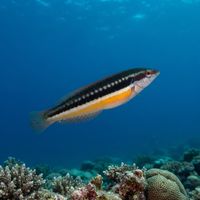
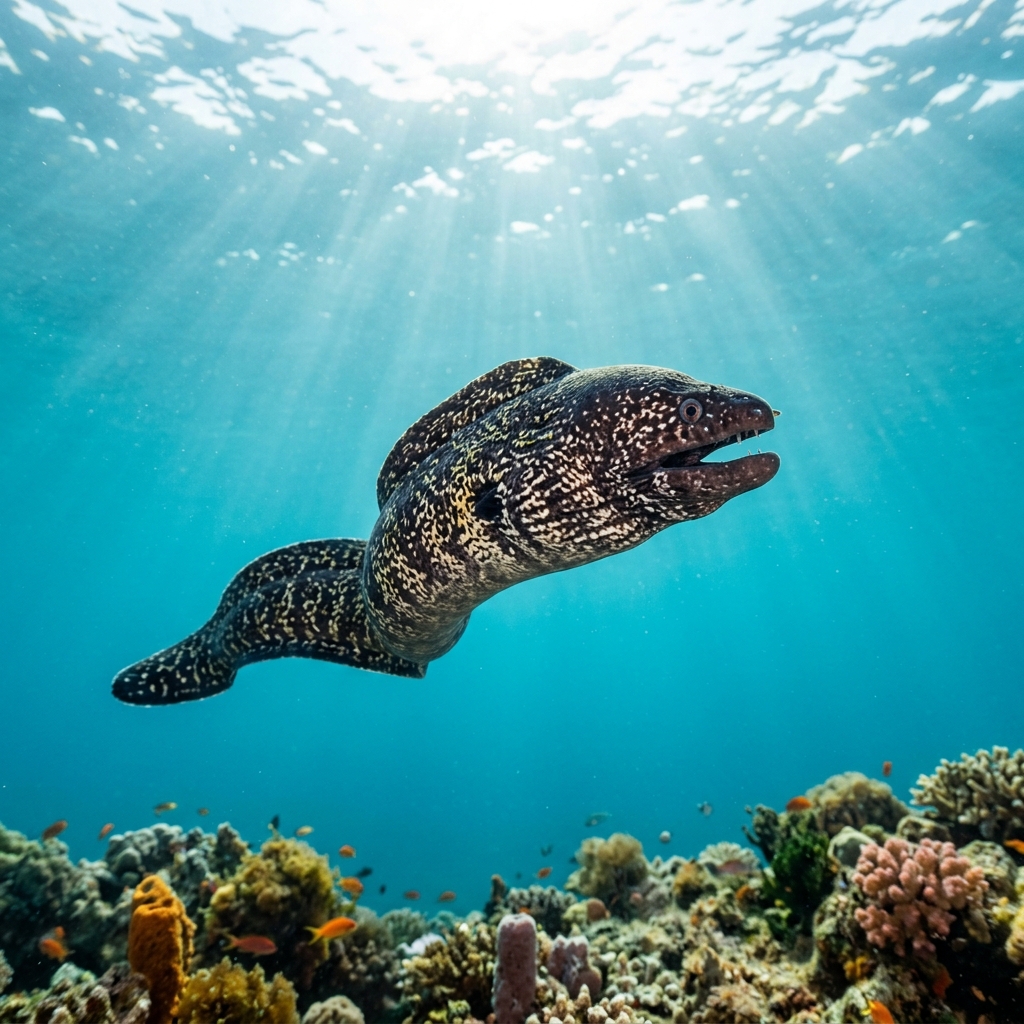
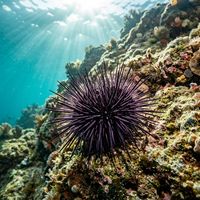
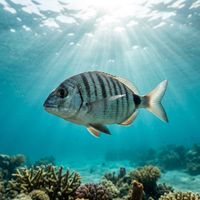
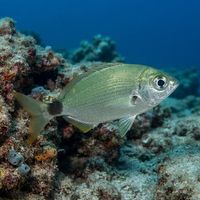
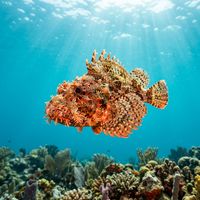
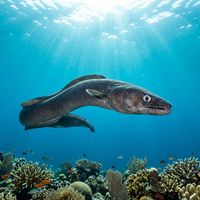
Campania's diving splits across three distinct sub-areas: the Sorrento Peninsula, Ischia, and Campi Flegrei. The Sorrento Peninsula delivers advanced wall and pinnacle dives such as Punta Campanella and Scoglio a Penna, while Ischia counters with a broad range of wall, cave, and pinnacle sites suited to beginners and intermediates alike. Campi Flegrei is defined by submerged Roman archaeology: Parco Sommerso di Baia, Portus Julius, and Ninfeo di Claudio offer a dive experience found nowhere else in the region. Across all three areas, Two-banded Seabream, Scorpionfish, and Mediterranean Cardinalfish are constant company, with European Common Cuttlefish and Mediterranean Moray as signature encounters.
3 areas
 18
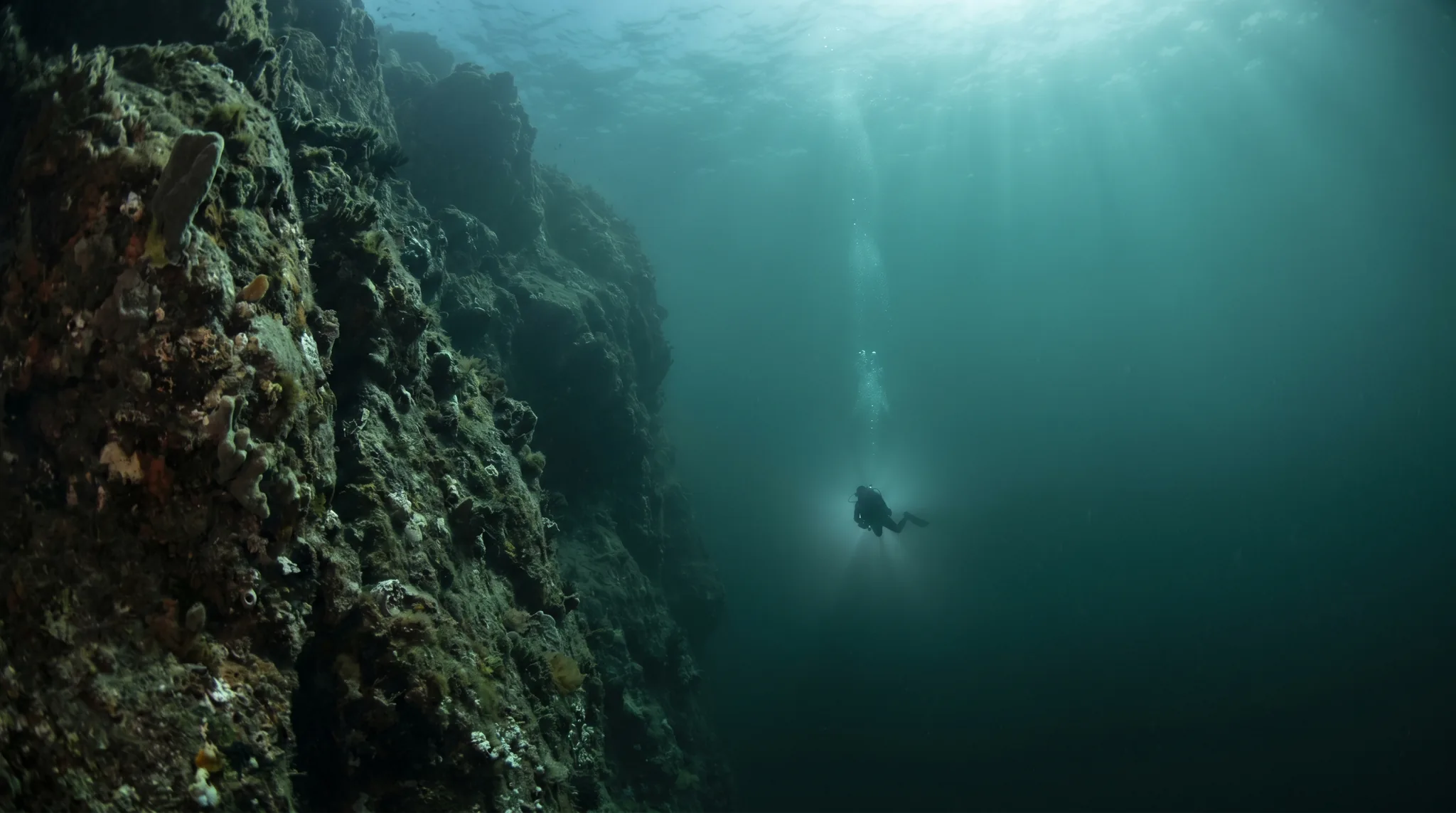
18Wall dives, pinnacles and wrecks backed by rich Mediterranean reef life, including Dusky Grouper, Common Octopus and European Common Cuttlefish.
 16
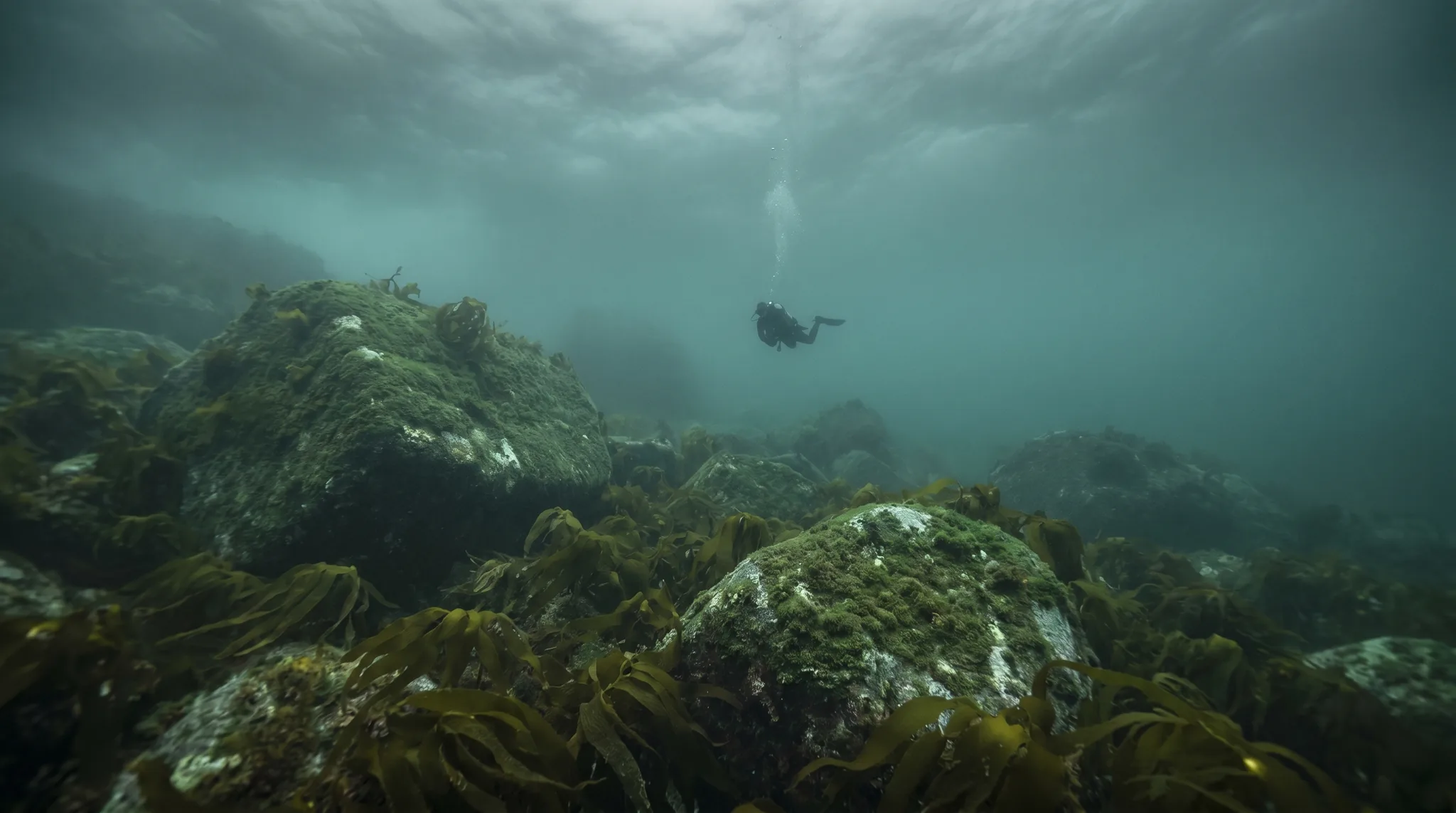
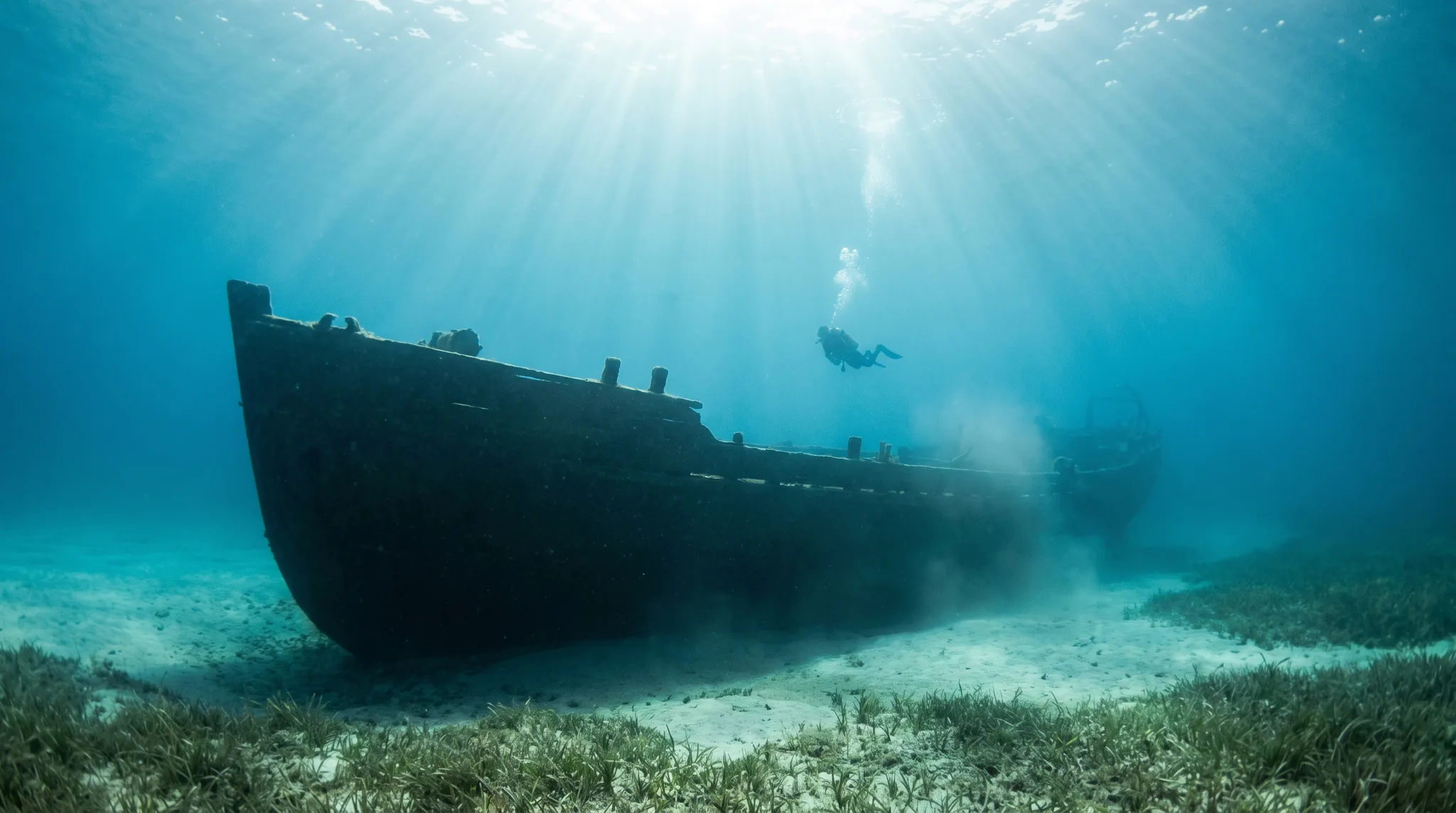
16Volcanic walls, caves and canyons with abundant resident marine life including Mediterranean Moray, Common Octopus and Scorpionfish.
 9
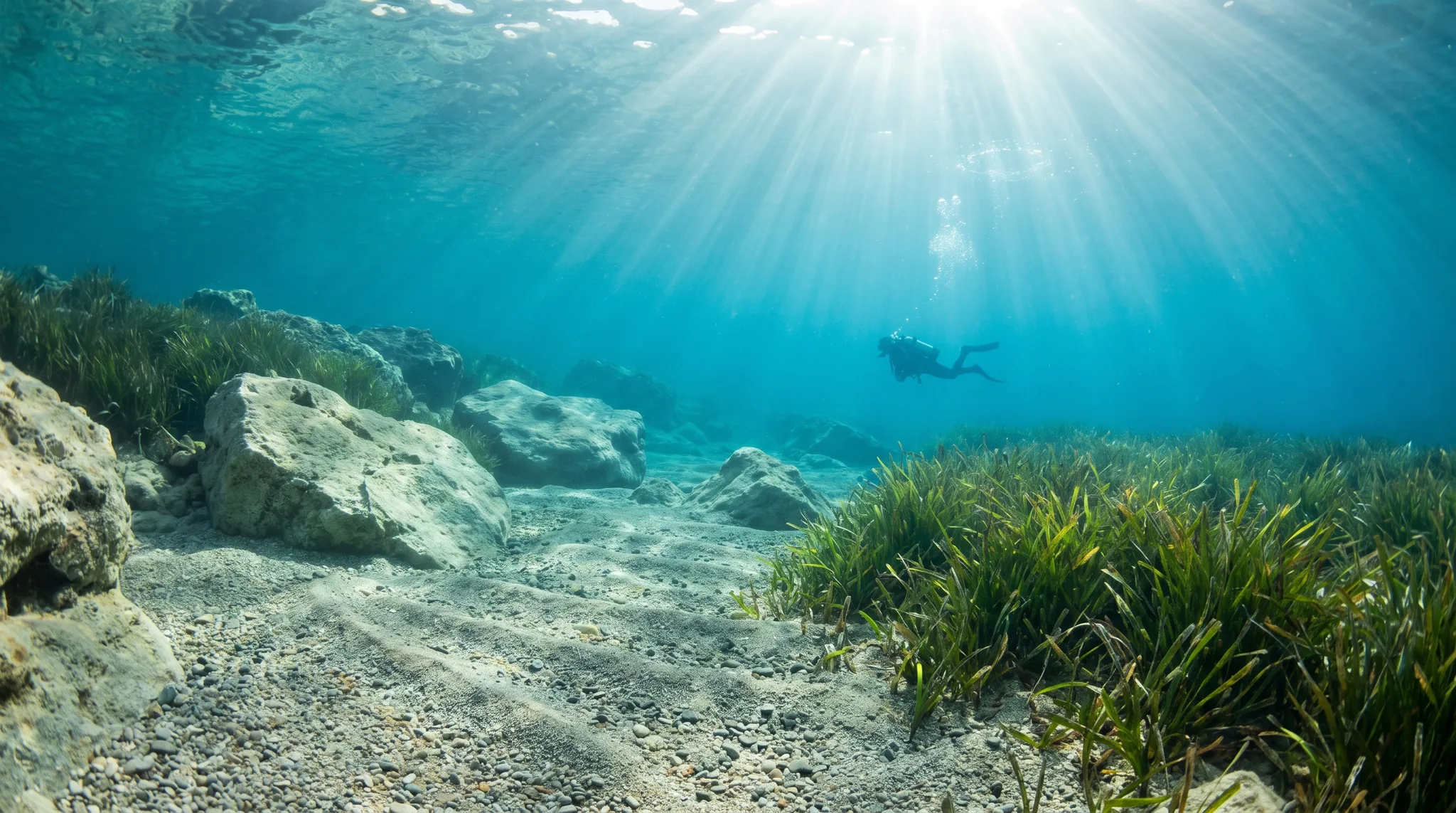
9Shallow Tyrrhenian dives over submerged Roman ruins and volcanic seabed in the Gulf of Naples.
Monthly water temperature across Campania's sites, from satellite sea-surface data corrected for depth. The band shows the site-to-site spread.
Water temperatures follow a broad arc, cooling through late winter and early spring before climbing to their warmest in autumn, which also coincides with peak rated months alongside early summer. June and October emerge as the standout periods for conditions, combining favourable temperatures with typically good visibility. Winter diving is entirely possible but suits those comfortable in cooler water, and exposed sites on the Sorrento Peninsula may carry stronger currents at any time of year.
26 operators

Water temperature around Campania ranges from about 14°C in April to 21°C in October, based on satellite sea-temperature data for its dive sites.
In the warm season (about 21°C) a 5mm suit is comfortable in Campania; in the coldest months (about 14°C) step up to a 7mm or semi-dry suit.
Fin maps 43 sites in Campania (43 scuba diving sites and 3 snorkelling spots, with some suited to both), organised into 3 areas.
Across Campania's dive sites, May, June, July, September and October are most often reported as the best months to visit.
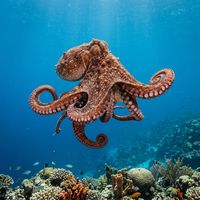
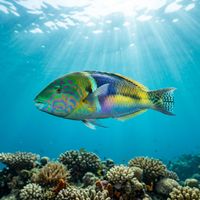
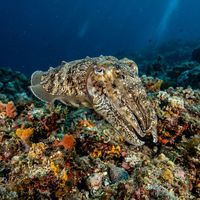
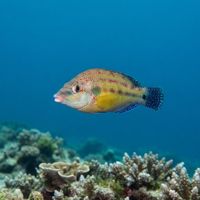
The region's most consistently seen species include Two-banded Seabream, White Seabream, Scorpionfish, Turkish Wrasse, and Mediterranean Cardinalfish. Signature encounters are the European Common Cuttlefish and Common Octopus, both recorded across the majority of sites. Mediterranean Moray is common in rocky crevices, and patient divers occasionally spot Dusky Grouper and European Parrotfish. Mauve Stinger can appear seasonally, so it is worth checking with local operators before entering the water.
A good number of Campania's sites are rated beginner level, particularly within Campi Flegrei where the submerged archaeological sites at Parco Sommerso di Baia, Portus Julius, and Ninfeo di Claudio are shallow and calm. Ischia also has beginner-friendly walls such as Secca della Rana. Intermediate and advanced sites are concentrated on the Sorrento Peninsula and at deeper Ischia sites, so there is a clear progression available as skills develop.
The Sorrento Peninsula holds the largest number of sites and leans toward intermediate and advanced diving, with complex wall, pinnacle, and cave topography. Ischia offers the widest range of skill levels in one place, from gentle walls to deeper cave systems like Scannella and Mezzatorre. Campi Flegrei is the most distinctive, centred on submerged Roman archaeological sites that are largely shallow and accessible, making it a strong choice for those interested in combining history with diving.
The vast majority of sites across Campania are boat-access only, including all the major sites on Ischia and the Sorrento Peninsula. Parco Sommerso di Baia in Campi Flegrei is one of the few exceptions, offering both shore and boat entry. Operators such as Punta Campanella Diving Center, EuroSub, Centro Sub Campi Flegrei, and Subaia are based across the region and can arrange guided boat trips to the full range of sites.