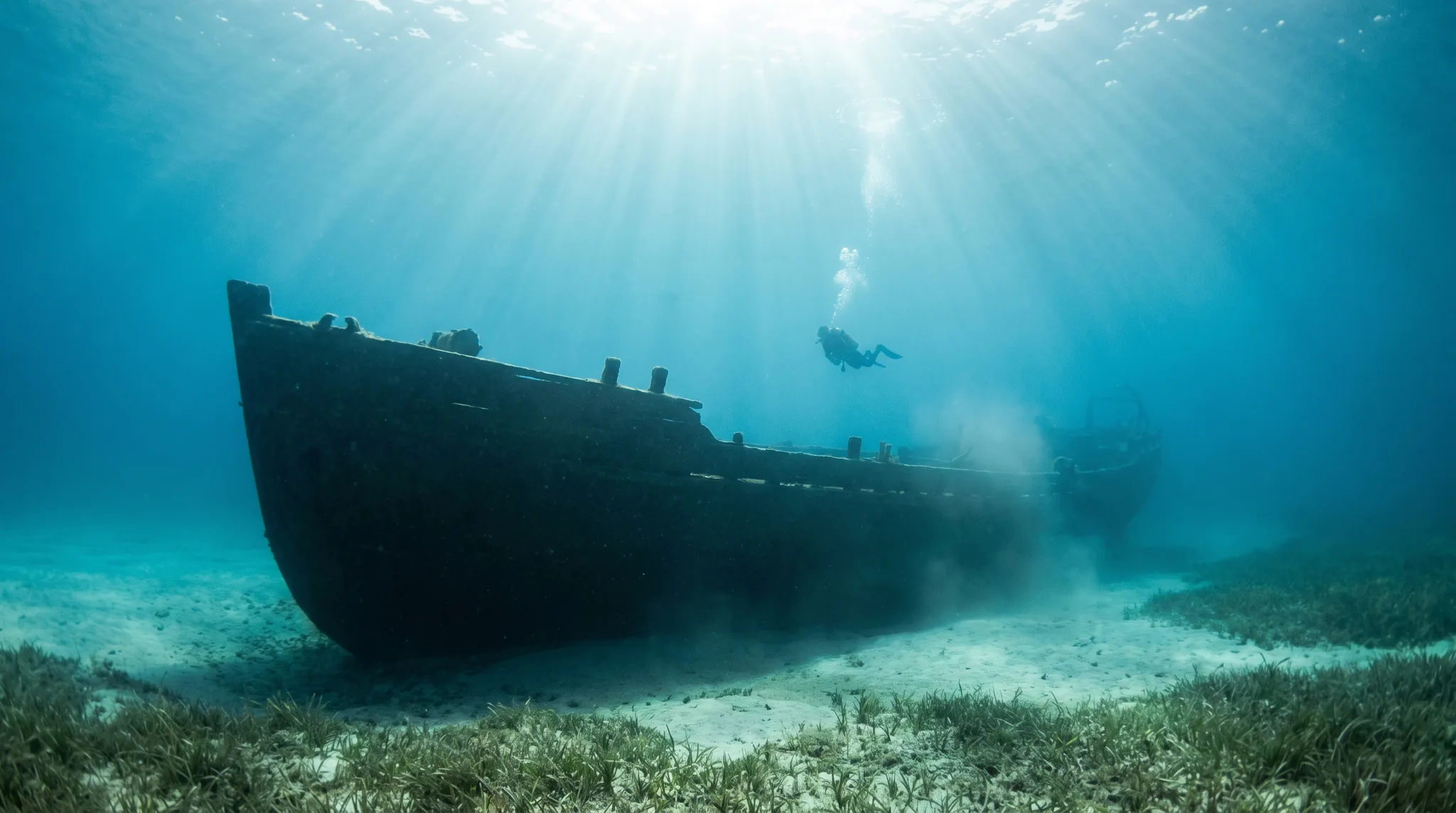
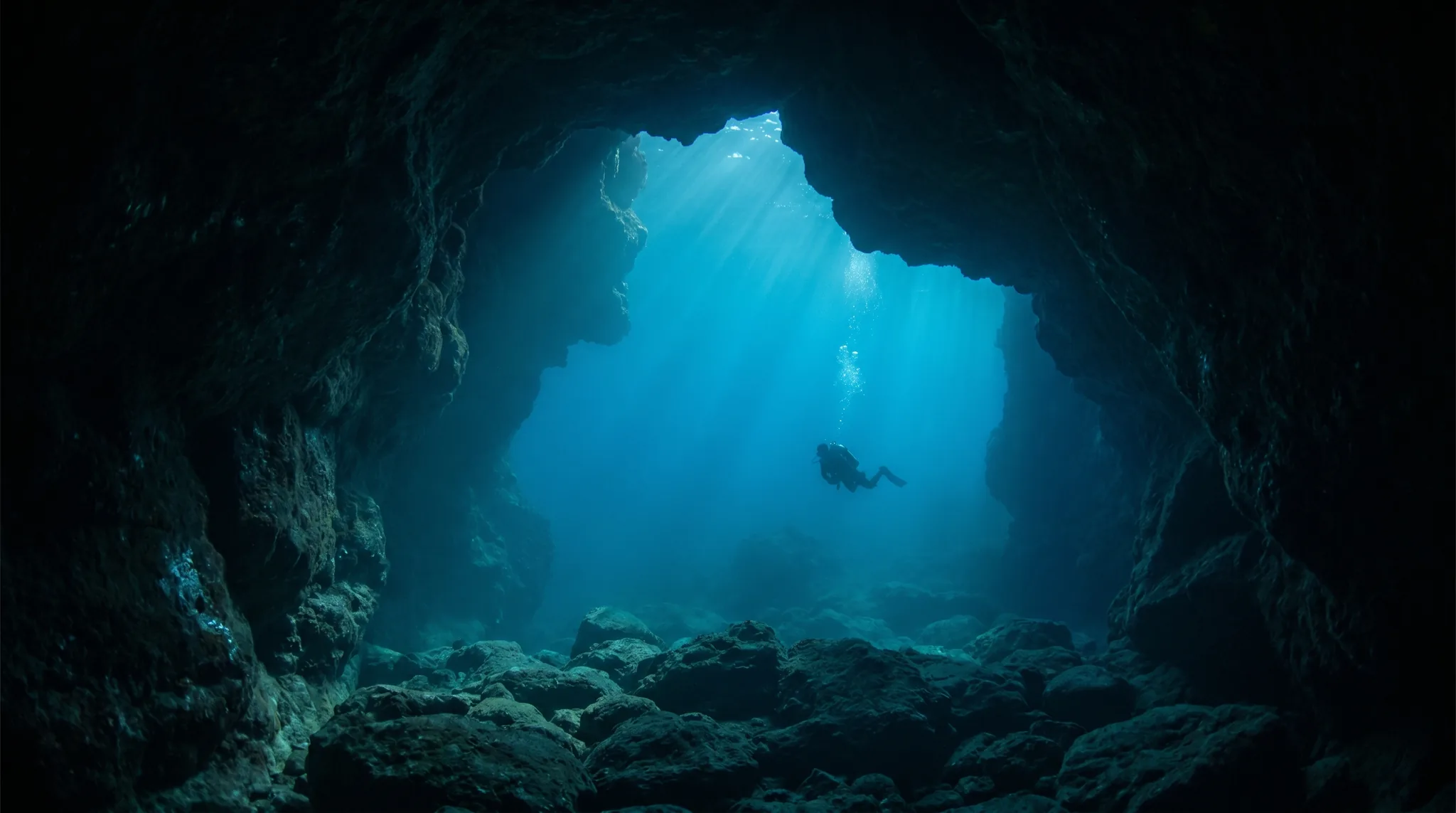
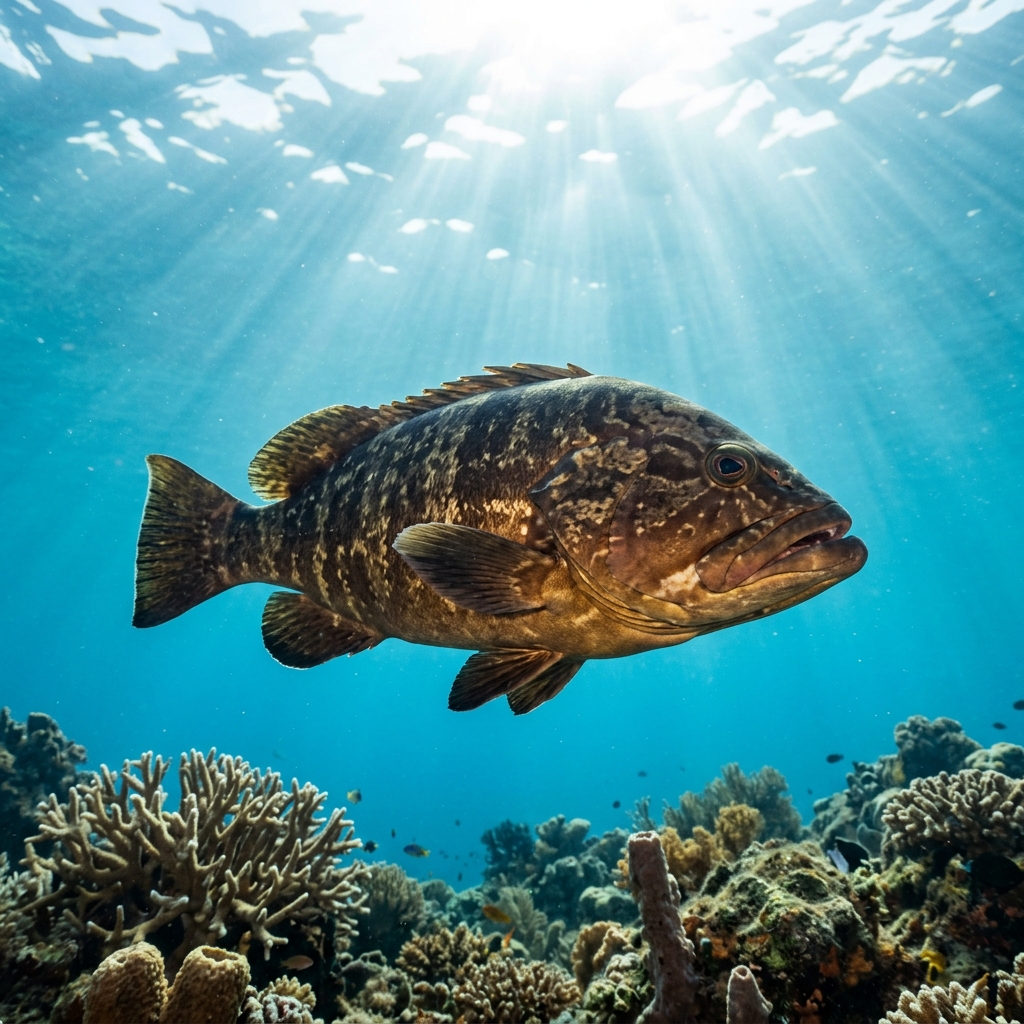
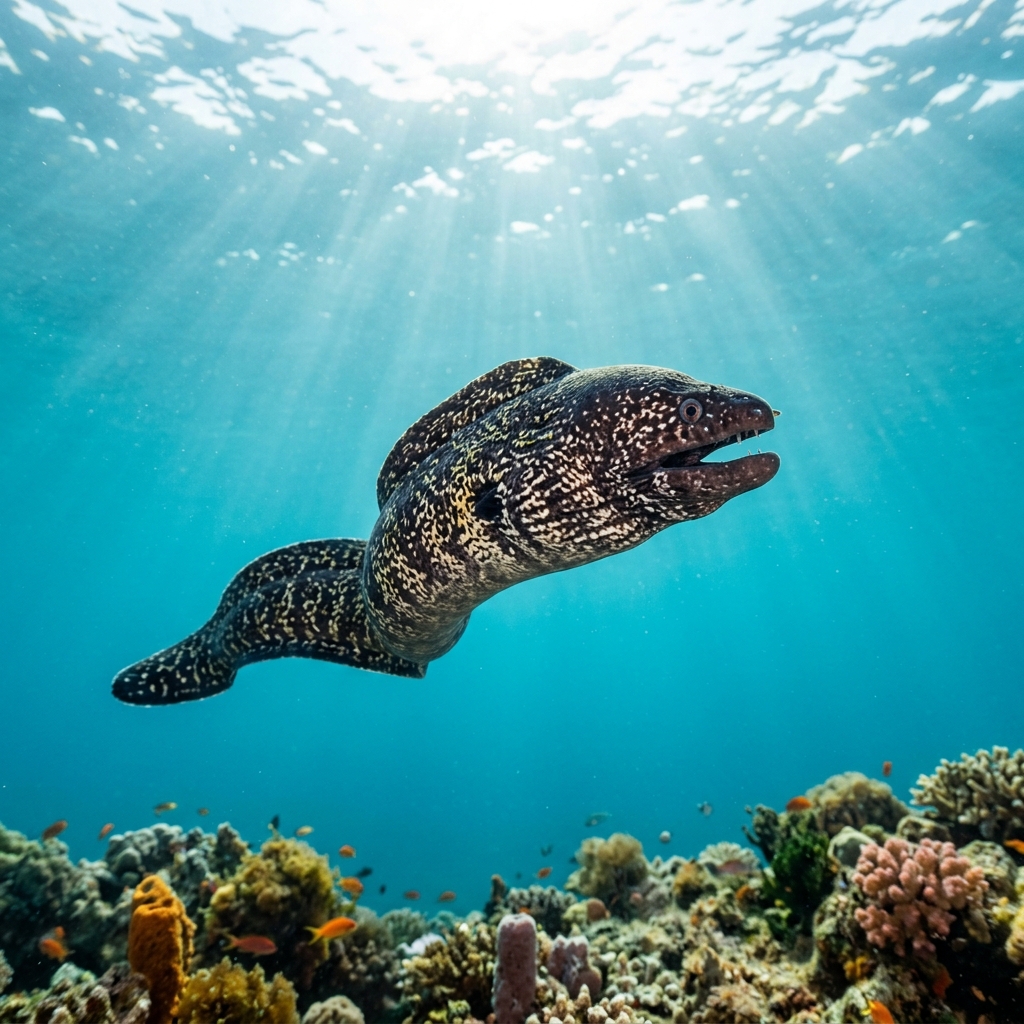
Ustica's dive sites are defined by dramatic volcanic topography: pinnacles, walls, caves, canyons and drop-offs shape almost every entry. Boat access is the norm across the island, with sites ranging from beginner-friendly reef dives to demanding cave and technical environments. The cave diving here is a particular draw, with formations including stalactites and overhead passages. Signature sightings include Great Barracuda, Dusky Grouper, Mediterranean Moray and Common Octopus, alongside prolific reef fish such as the European Parrotfish and Painted Comber.
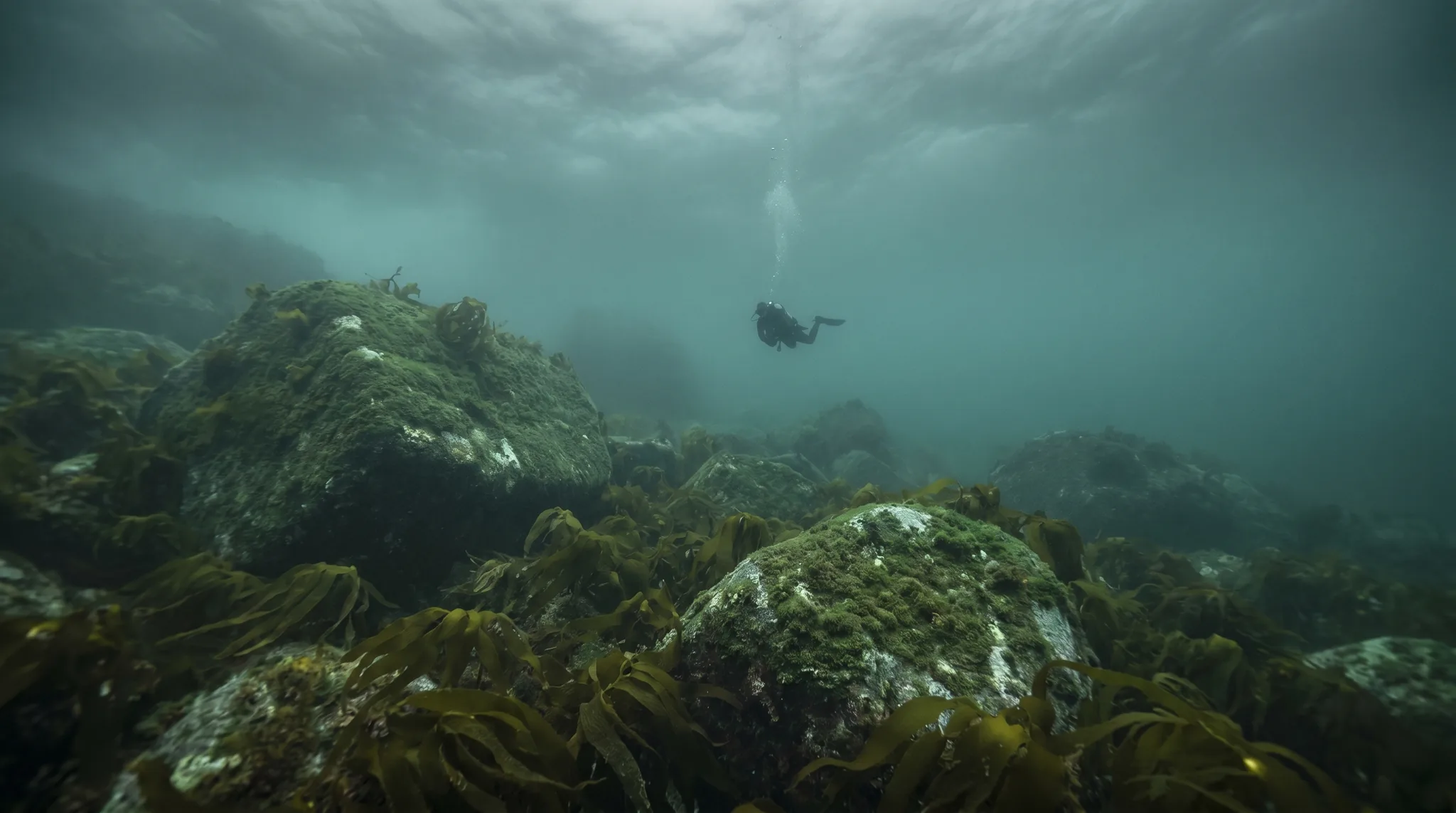
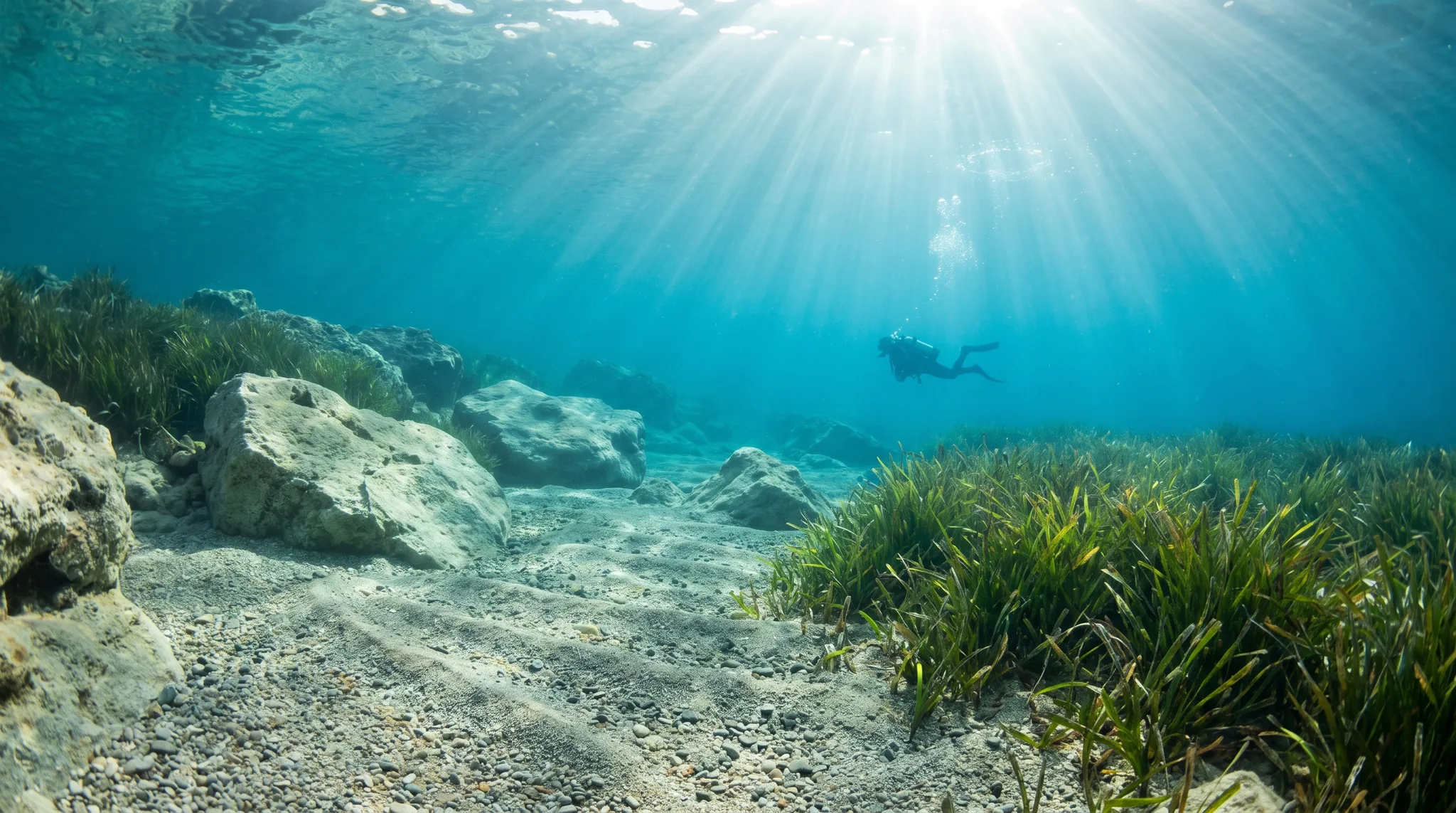
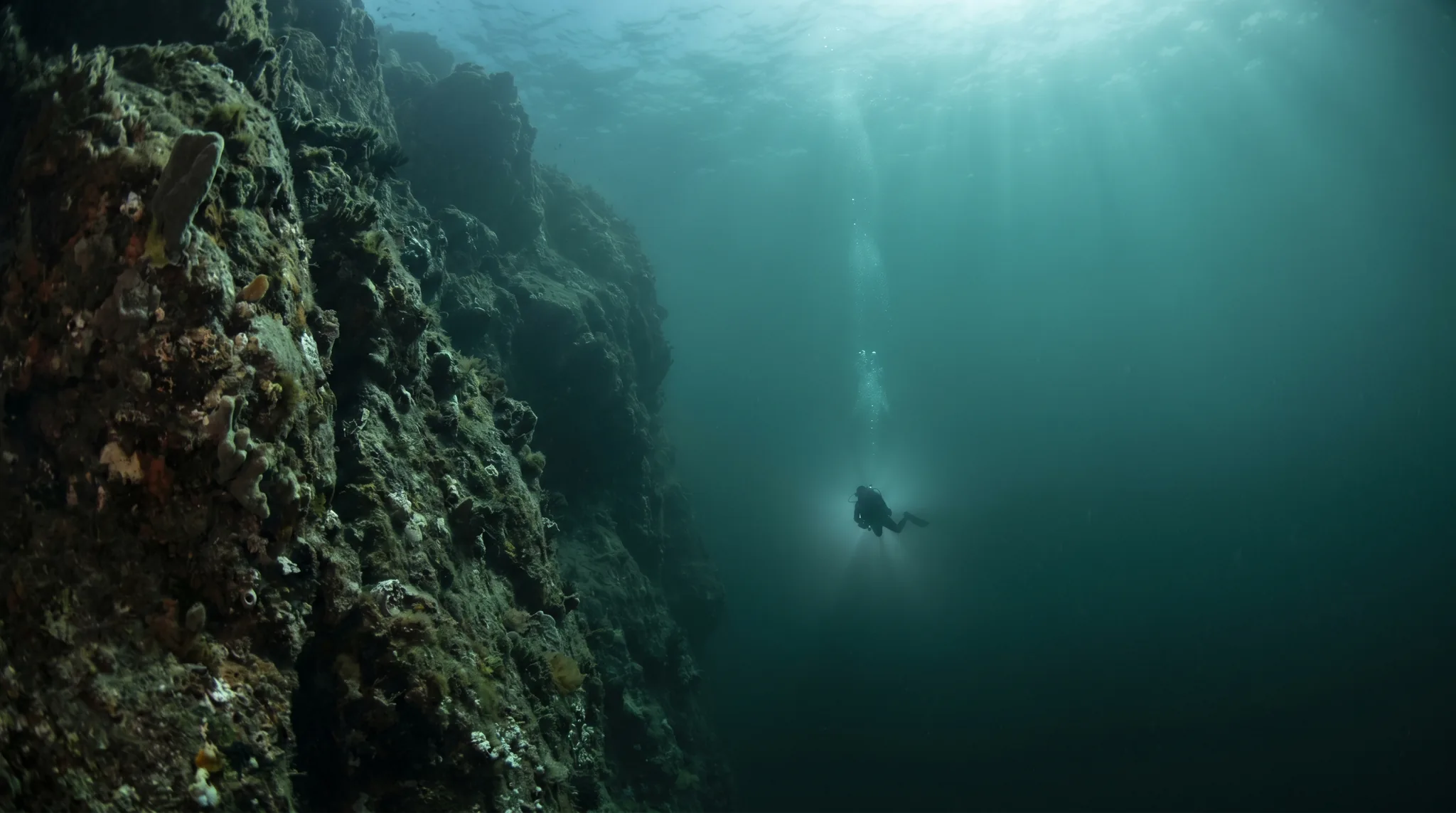
Monthly water temperature across Ustica's sites, from satellite sea-surface data corrected for depth. The band shows the site-to-site spread.
Water temperatures remain cool through winter and spring before climbing to their warmest in late summer and autumn, making the period from late spring through October the most comfortable for extended dives. The best-months data points clearly to June and the autumn shoulder as peak periods, when visibility tends to be at its finest. Some exposed sites are subject to swell and current, so conditions are worth checking before heading offshore.
11 operators
Italy
10 more sites to explore
Water temperature around Ustica ranges from about 15°C in January to 23°C in September, based on satellite sea-temperature data for its dive sites.
In the warm season (about 23°C) a 3mm full suit is comfortable in Ustica; in the coldest months (about 15°C) step up to a 7mm or semi-dry suit.
Fin maps 21 sites in Ustica (16 scuba diving sites and 6 snorkelling spots, with some suited to both).
Across Ustica's dive sites, June, September and October are most often reported as the best months to visit.
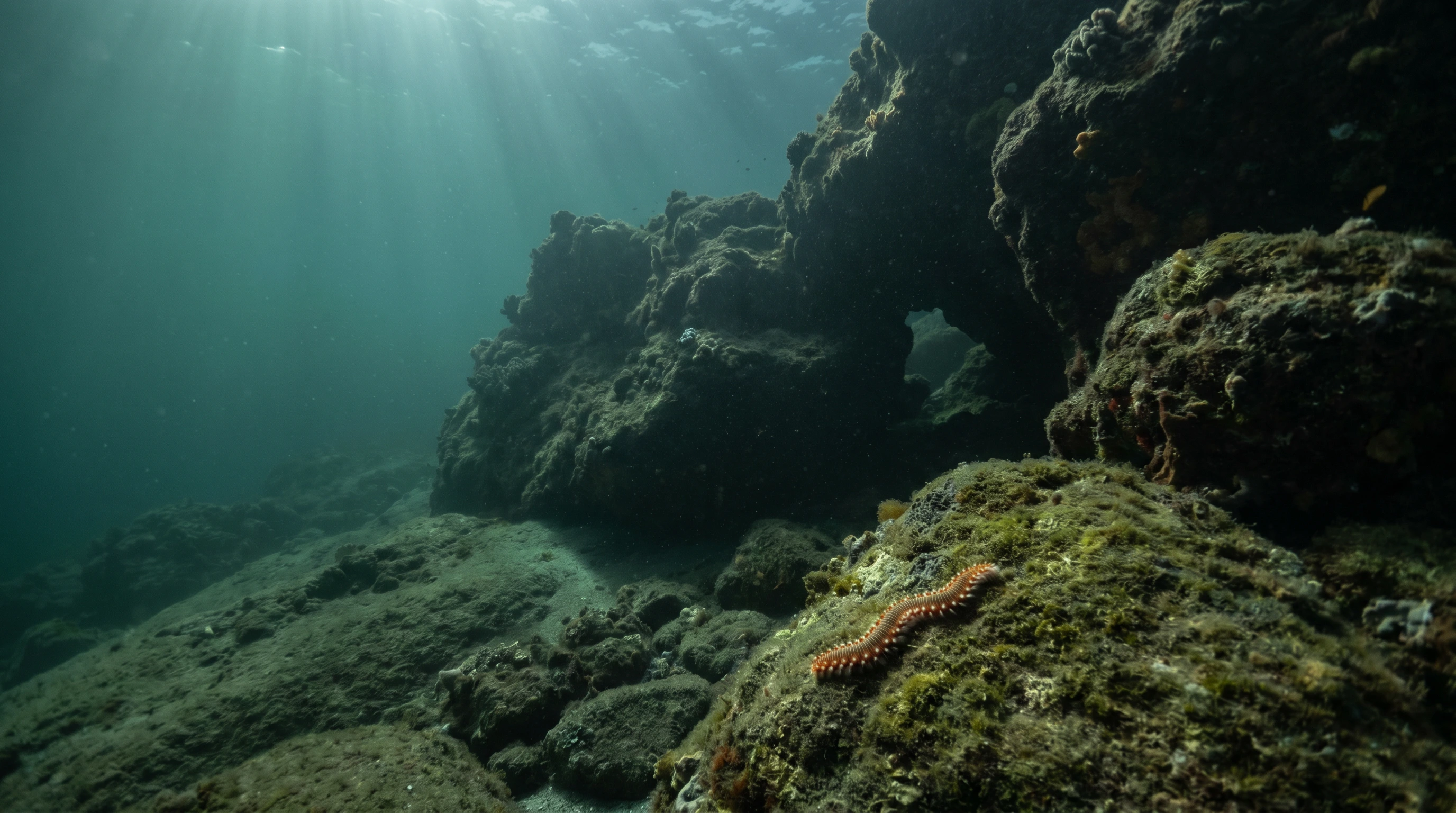
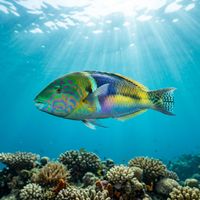
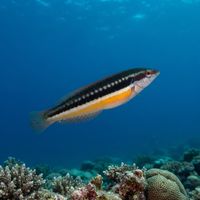
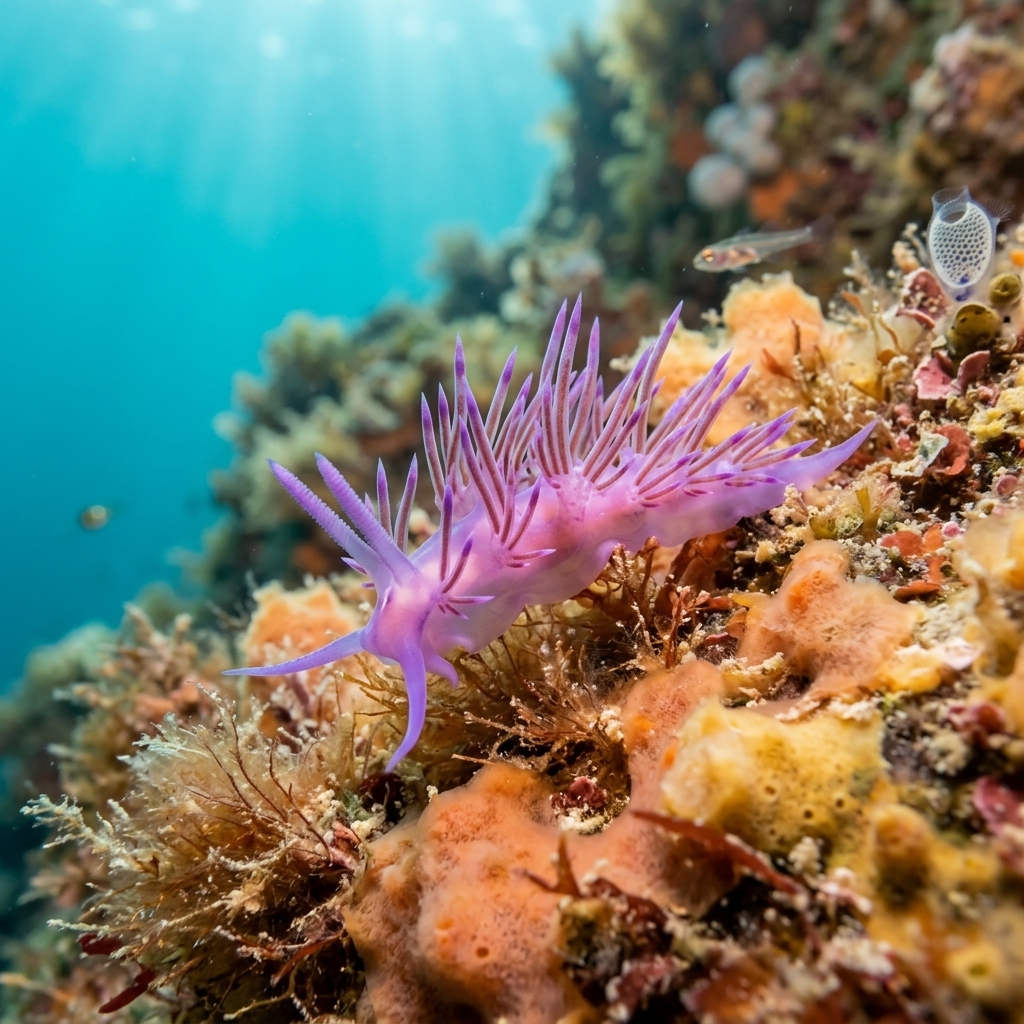
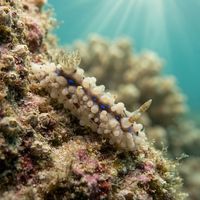
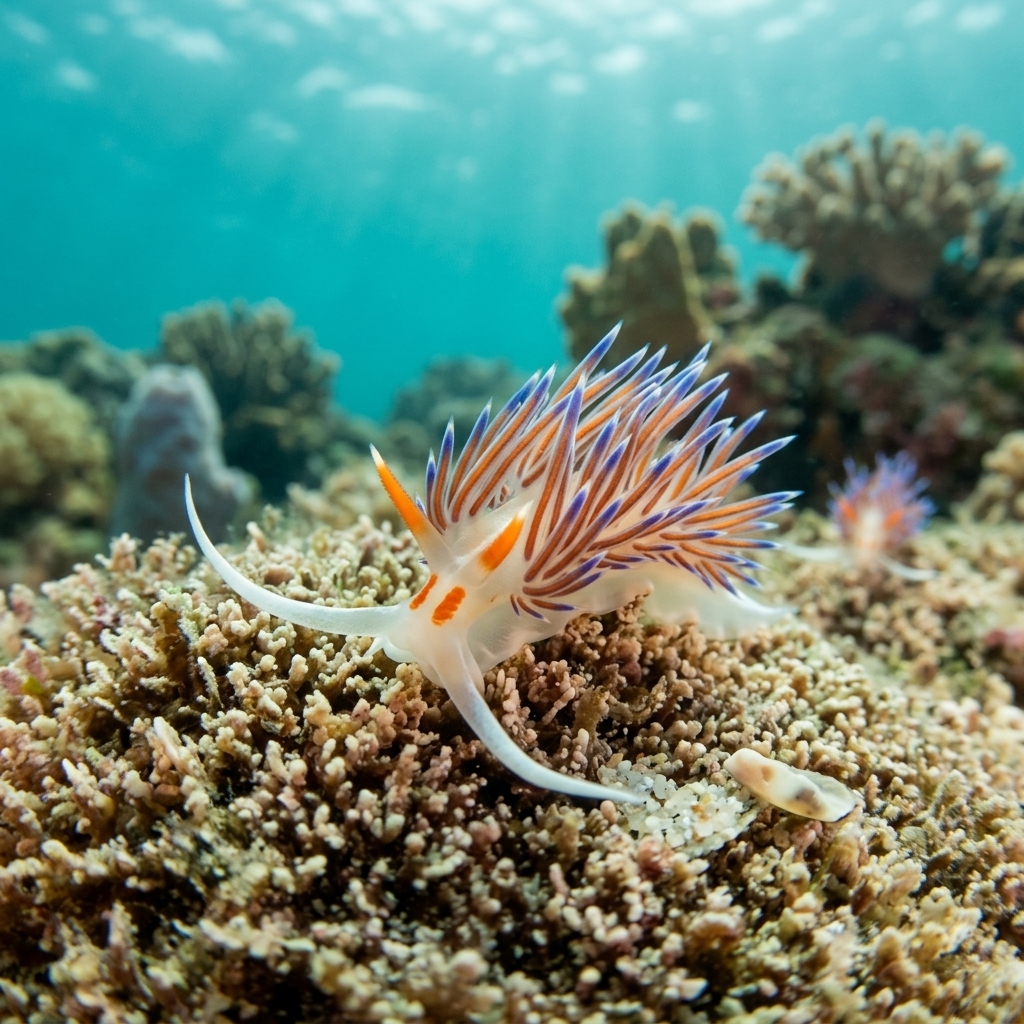
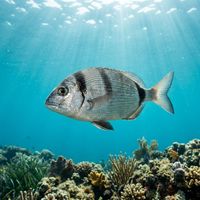
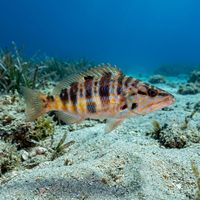
Observed species across Ustica's sites include Great Barracuda, Dusky Grouper, Mediterranean Moray and Common Octopus, which are considered the island's signature sightings. Reef fish such as the Painted Comber, Two-banded Seabream, European Parrotfish and Turkish Wrasse are recorded as very common. Invertebrate interest is strong too, with Mediterranean Violet Aeolid, Cratena Slug, Purple Sea Star and Hermit Crab all regularly observed.
Ustica caters to a range of experience levels. Sites such as Secca d'Africa and Punta Omo Morto are rated beginner-friendly, offering reef and wall diving at manageable depths. Intermediate divers have a wide choice of caves, walls and canyon sites. Several sites, including Secchitello, Grotta dei Gamberi and Grotta Totò, are rated advanced or technical and are best left to more experienced divers.
Virtually all dive sites at Ustica require boat access. Shore entry is not a feature of the site mix here, so divers will need to go out with one of the local dive operators. Several operators are based on the island, including Profondo Blu Ustica Srl, Evasioni Blu Diving Ustica and Mare Nostrum Diving, among others.
Ustica's underwater landscape is shaped by its volcanic origins, producing a variety of site types in a compact area. Divers can explore pinnacles such as Secchitello, complex cave systems including Grotta delle Stalattiti and Grotta Totò, and multi-feature sites like Grotta dei Gamberi with its walls, arches and drop-offs. Secca della Colombara adds wreck and drift elements to the mix, giving the island a notably diverse portfolio for a single destination.