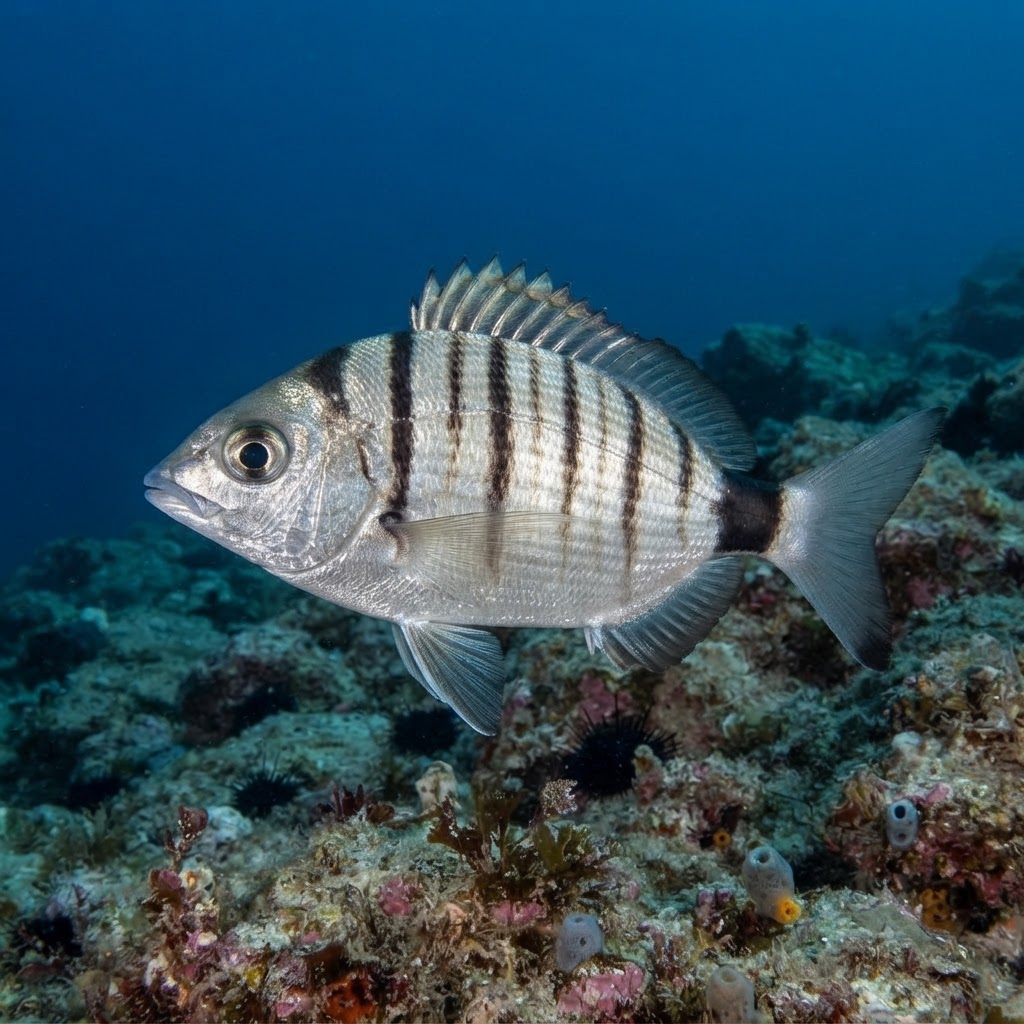
Diplodus vulgaris
Spot two-banded seabream across the French Riviera, Costa Brava and Sardinia. Active Feb, Dec in 16-22°C Med waters. Here's how to find and ID them.
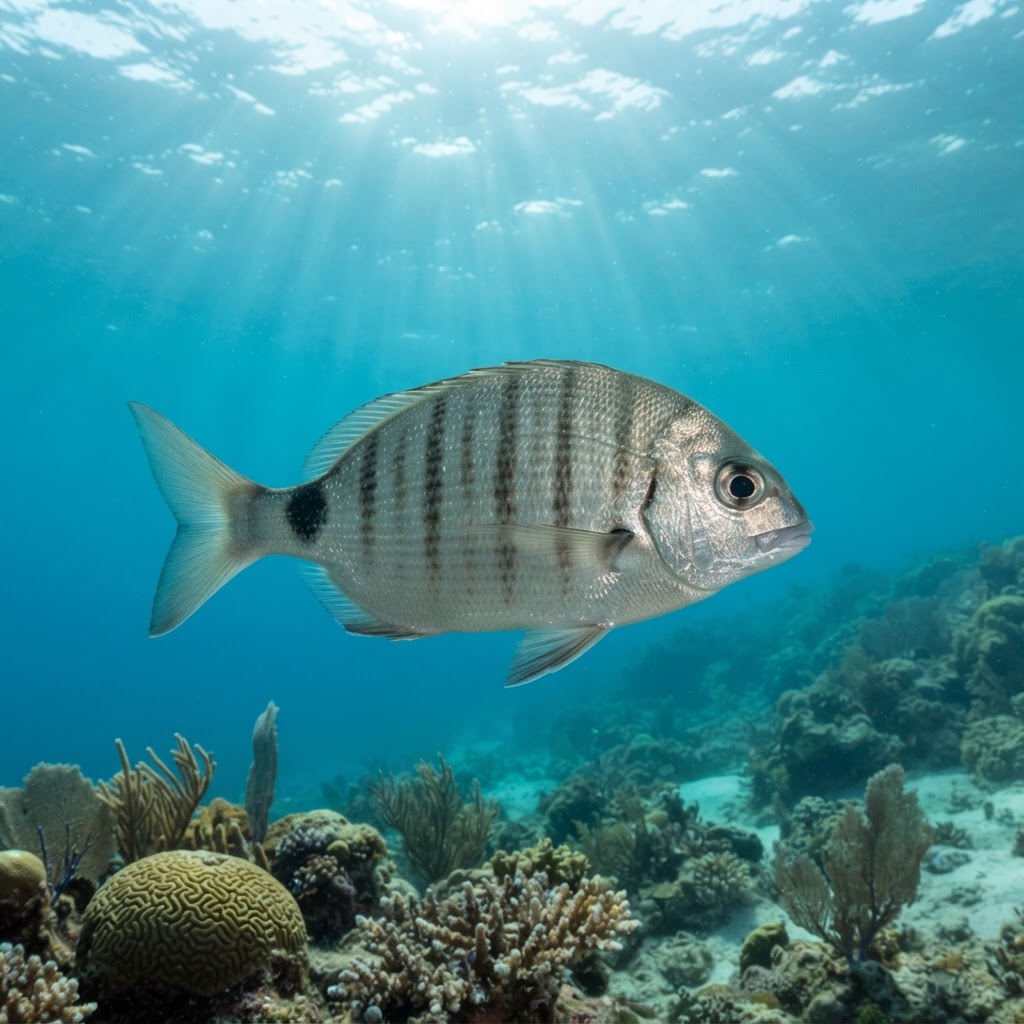
A compact, deep-bodied silver fish around 30 cm long, the two-banded seabream is named for exactly what you see: one bold black band just behind the pectoral fin (the broad fin at the shoulder), and a second wrapping the tail base. The body is silvery-grey with faint horizontal streaking along the flanks. In the water, that double-band combination is the quickest confirmation, as no close relative wears both marks in the same position.
Two-banded seabream are benthopelagic, meaning they live and feed close to the seabed but will venture into open water. You typically encounter them picking over rocky reefs and seagrass edges, foraging for invertebrates. They are not especially shy, often continuing to feed as divers approach, though they tend to keep a comfortable metre or two of distance rather than swimming up to investigate.
Like several sparids (sea bream family members), two-banded seabream are protandrous hermaphrodites: individuals begin life as males and can transition to female as they mature and grow larger.
Sightings run from February through to December across northern hemisphere sites, suggesting the species is largely resident year-round with only a brief midwinter dip. Its observed temperature range of roughly 16 to 22°C maps well to Mediterranean conditions for most of the calendar year.
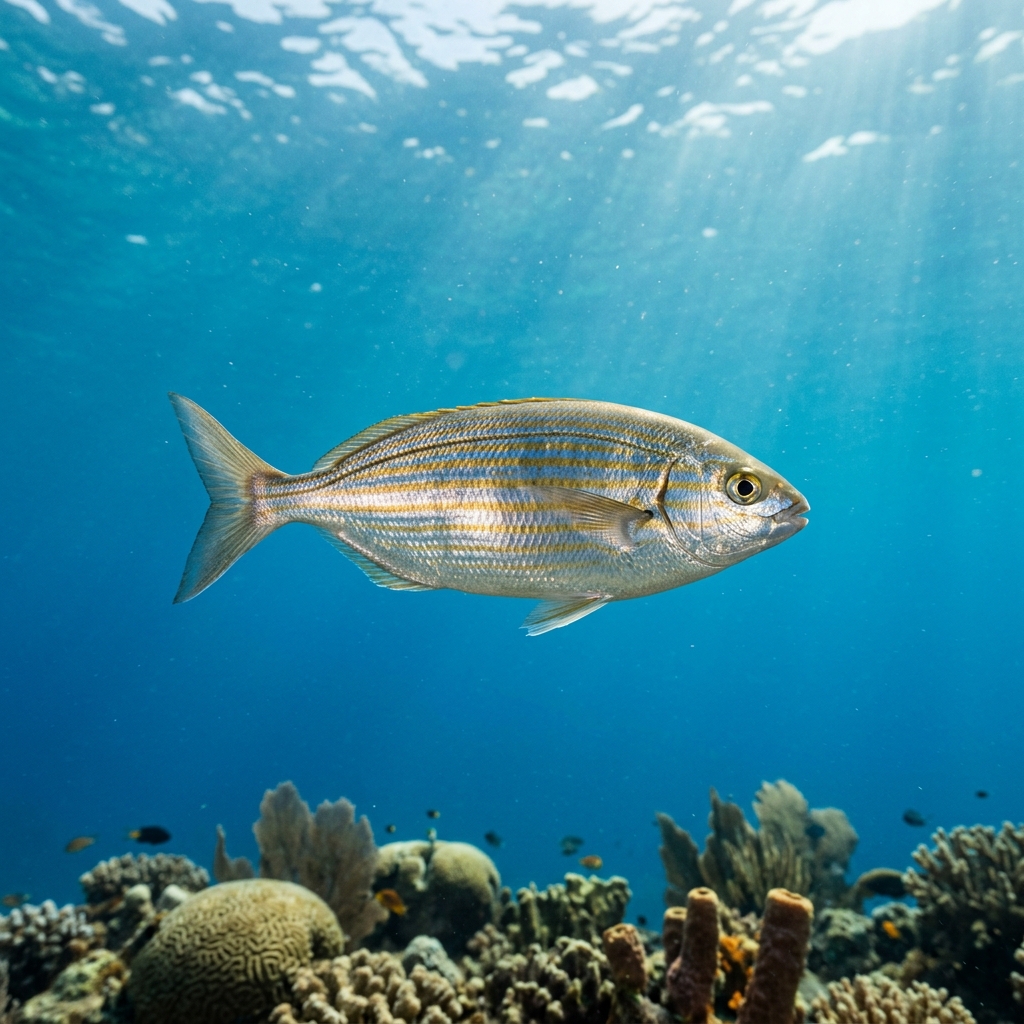
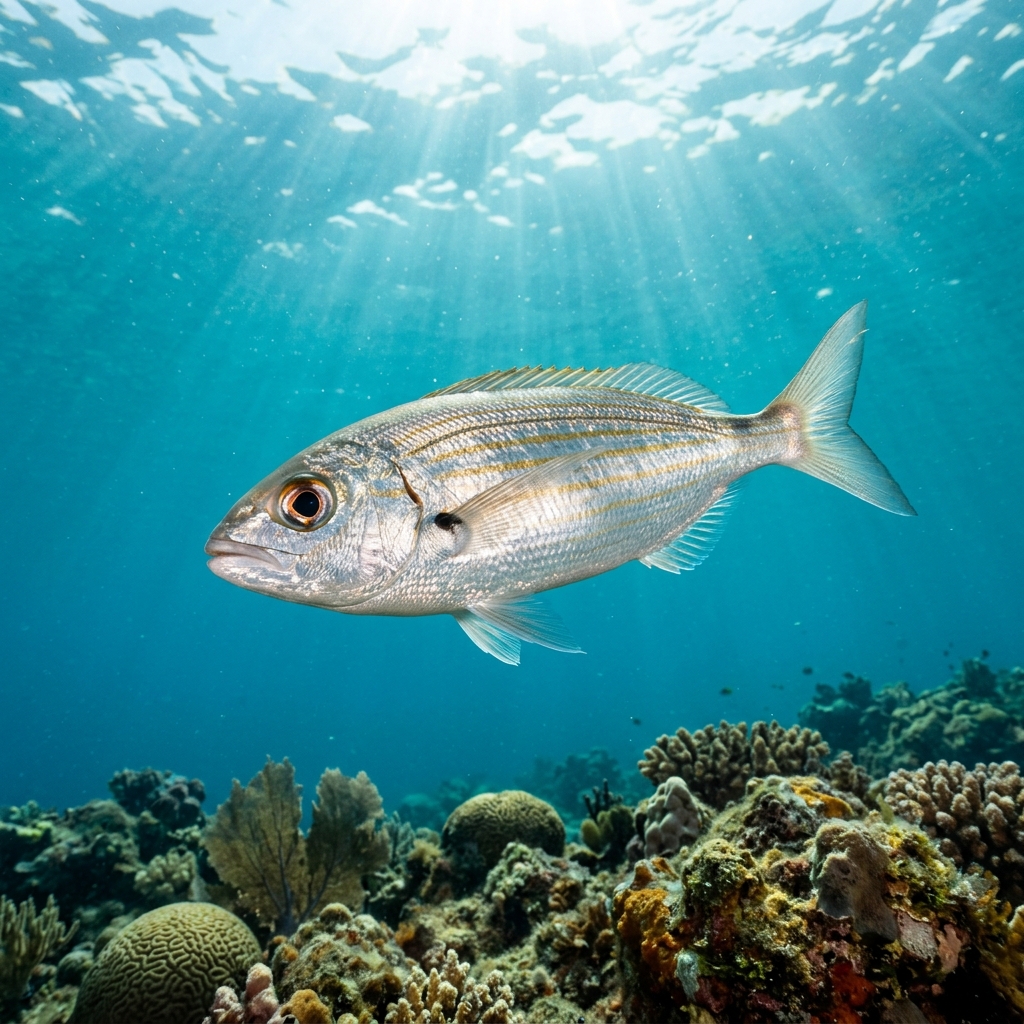
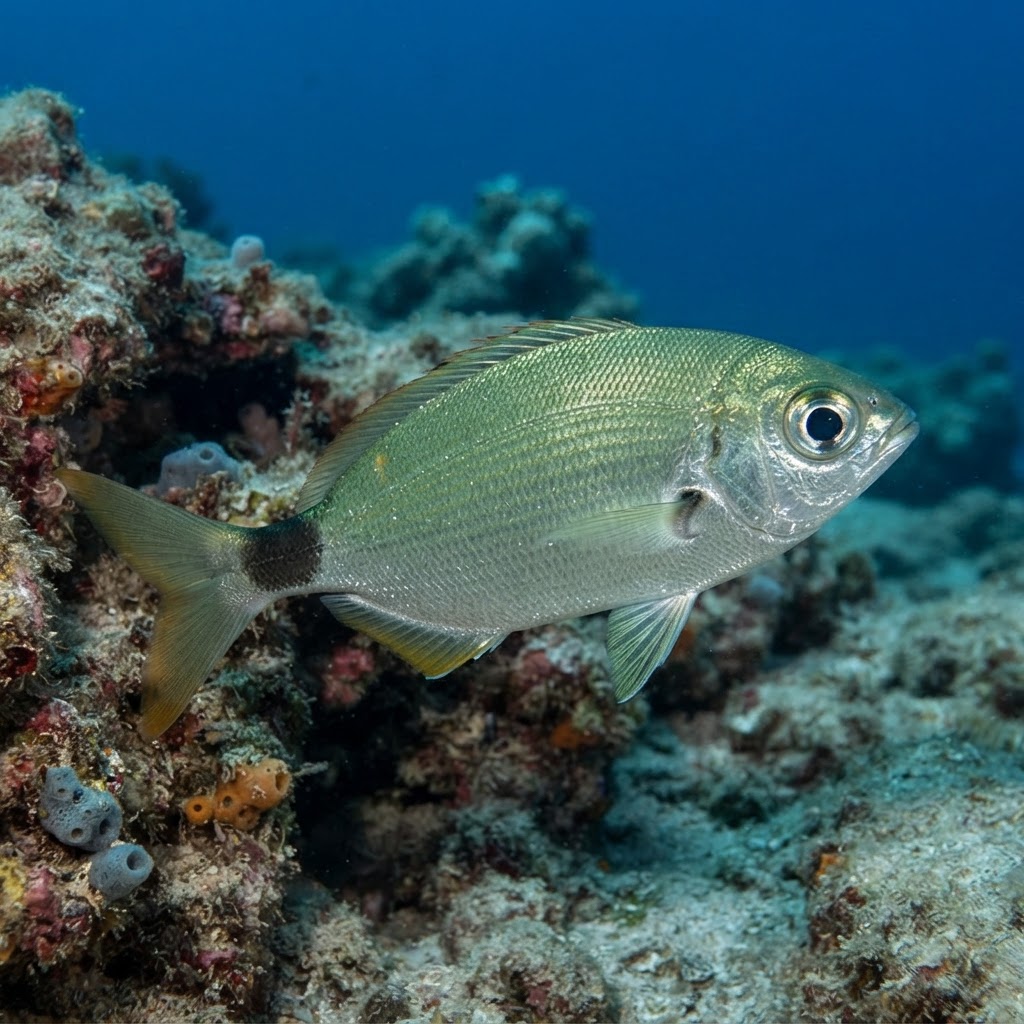
Reef neighbours a diver could mistake it for. Use the identification notes above to tell them apart.
Two-banded seabream are most reliably logged across the western and central Mediterranean, with Spain leading the count, particularly along the Costa Brava and Balearic Islands, followed by the French Riviera and Provence, then Sardinia, Tuscany and the Croatian Adriatic. Strong populations are also recorded around Greece, Turkey, the Canary Islands and Portugal, making this essentially a species you can expect to encounter throughout the Med and into the eastern Atlantic.
Mapping where Two-banded Seabream is logged…
They are most commonly logged in the western and central Mediterranean. Spain, particularly the Costa Brava and the Balearic Islands, has the strongest representation, with the French Riviera, Sardinia, Croatia and Greece also offering reliable sightings. The Canary Islands and Portugal extend coverage into the eastern Atlantic.
Sightings are recorded from February through December across Mediterranean dive sites, so the species is effectively present for most of the year. The short January gap likely reflects reduced diving activity rather than the fish disappearing. Water temperatures from 16 to 22°C suit them well, which covers much of the Med spring through autumn.
Look for the two unmistakable black bands: one crossing the body just behind the shoulder, and one wrapping the tail base. The rest of the fish is silvery-grey with faint lateral streaking. At around 30 cm, it is a mid-sized bream. Those two bands together are the key, as individual close relatives like white seabream and saddled seabream each carry different banding patterns.
The typical size is around 30 to 31 cm, though larger individuals are recorded. In the water they look like a modest, deep-bodied bream, noticeably smaller than some of the larger sparids you might encounter on the same reefs.
No. Two-banded seabream pose no threat to divers. They are calm fish that generally keep their distance but do not flee aggressively. You can approach them slowly on a reef without any concern.
Site and sighting data is aggregated from diver logs, iNaturalist and GBIF. For taxonomy and conservation status:
Saddled Bream
2,510 sites