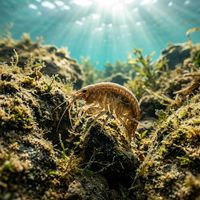
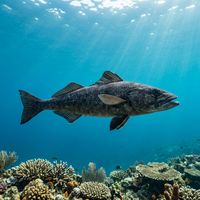
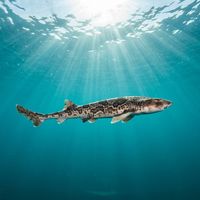
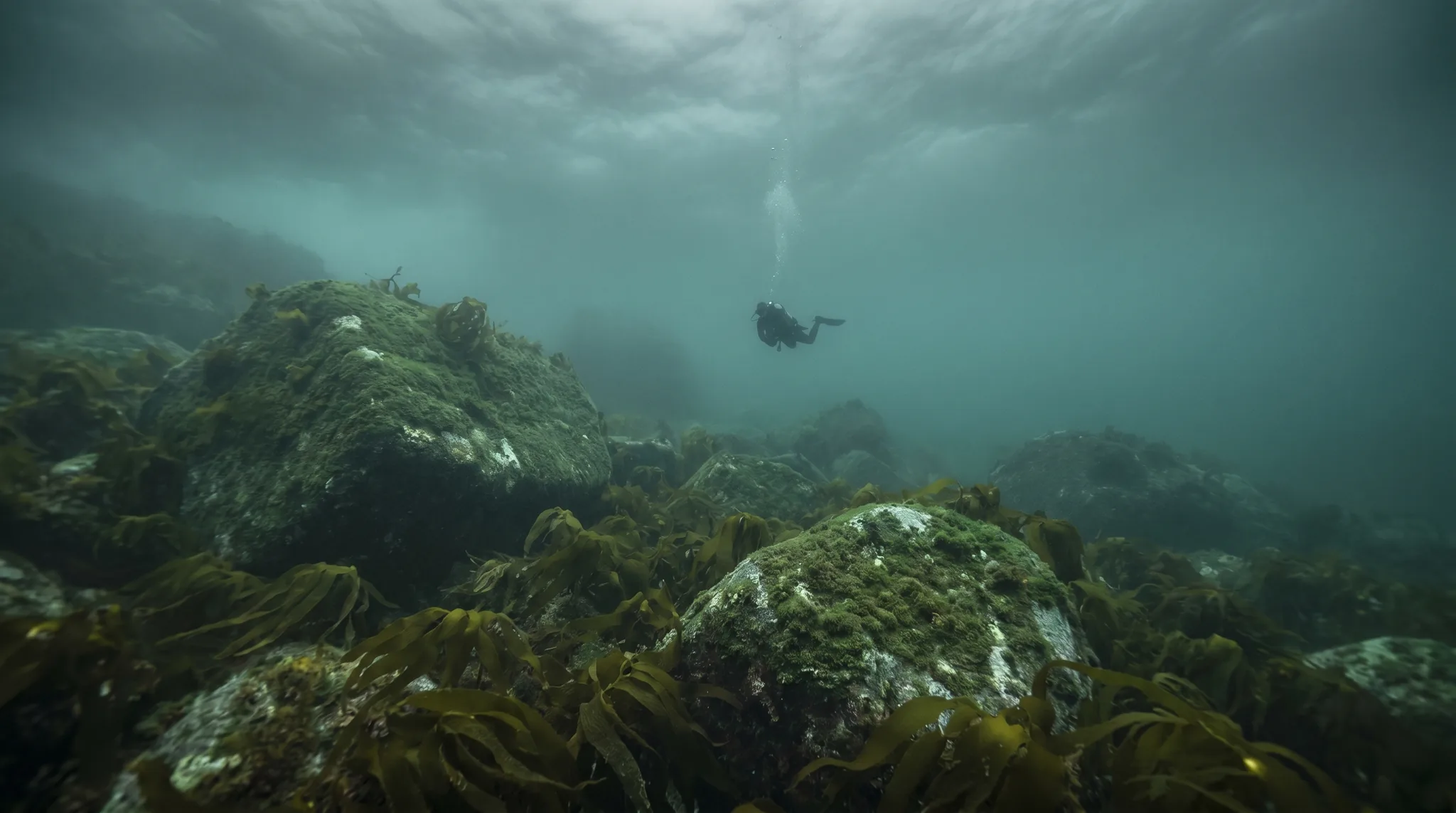
Yukon offers a freshwater diving and snorkelling experience built around lakes and rivers rather than coastline. The three sub-areas, Whitehorse Lakes, Old Crow and Porcupine River, and Dawson and Klondike, cover very different terrain, from accessible lake sites near the territorial capital to remote river systems in the north. Visibility is modest, lending the water an atmospheric, intimate quality. Observed species include Trout, Stickleback, and Snail, and the sites suit those drawn to quiet, cold-water exploration well off the tropical trail.
3 areas
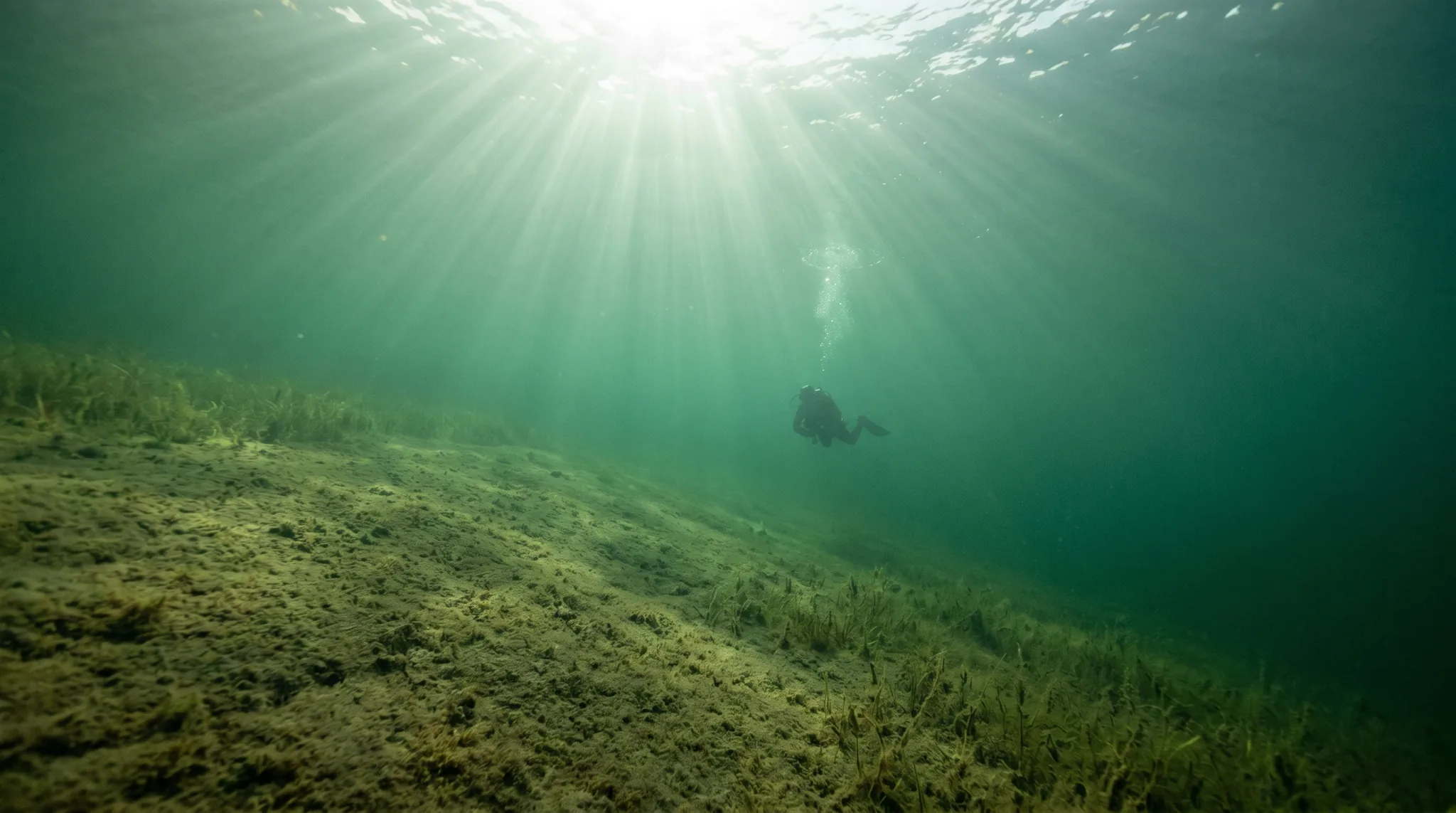
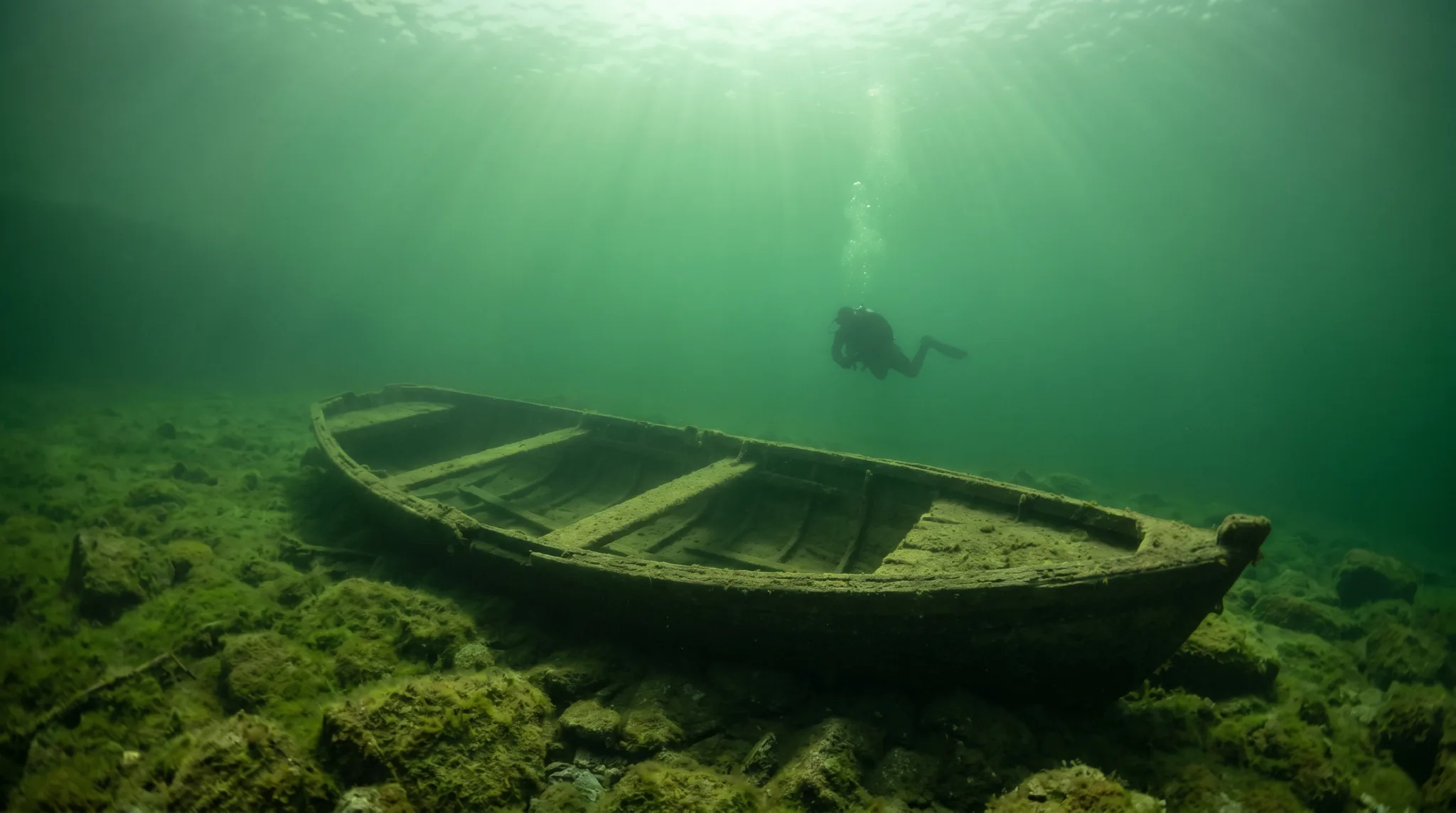
6Yukon freshwater sites near Whitehorse, including a submerged forest at Chadburn Lake and a dam reservoir where the old riverbed is still visible.
 5
5Subarctic river and coastal sites in the Yukon, ranging from fossil-rich shallow rivers to a cold tidal passage near Herschel Island.
3Shallow Yukon river sites near Dawson City with historic paddlewheeler remains, salmon migration, and gold snorkelling on Bonanza Creek.
5 operators
Fin maps 14 sites in Yukon (5 scuba diving sites and 10 snorkelling spots, with some suited to both), organised into 3 areas.
Across Yukon's dive sites, June, July, August and September are most often reported as the best months to visit.
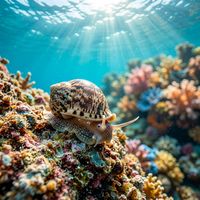
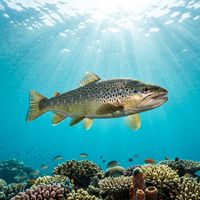
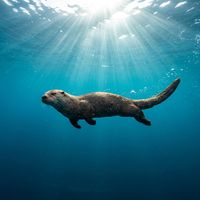
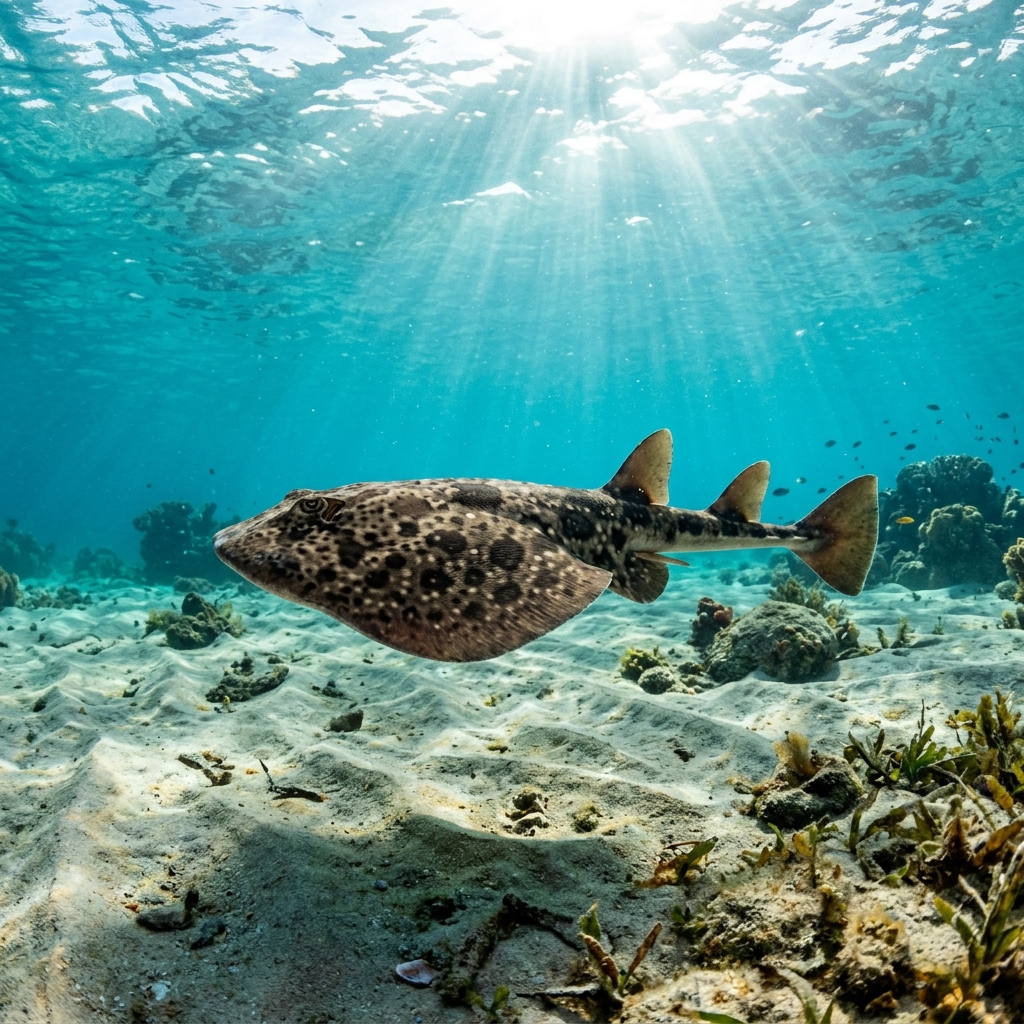
Observation-backed species on record for Yukon include Trout, Stickleback, and Snail. These are freshwater animals typical of cold northern lakes and rivers. The species list is focused rather than long, so encounters tend to be quiet and deliberate rather than high-volume.
Whitehorse Lakes offers the most sites and is the most accessible, sitting near the territorial capital with operators including Up North Adventures and Yukon Scuba based nearby. Old Crow and Porcupine River covers remote river terrain in the north of the territory, suited to those comfortable with expedition-style travel. Dawson and Klondike adds a third flavour, drawing on the river and lake geography around that historic town.
The dominance of snorkelling sites across the region suggests many locations are shallow and accessible enough for those without advanced certification. Modest visibility means beginners should be comfortable navigating closer-range environments. Diving the deeper lake sites is best approached with cold-water experience, given the conditions.
Two operators are listed for the region: Up North Adventures and Yukon Scuba. Both can support trip planning for a territory where self-guided access to remote river and lake sites can be logistically demanding. Contacting them directly is the best way to understand current conditions and access routes.