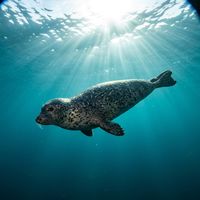
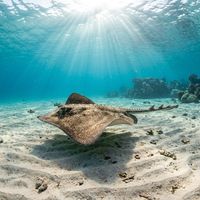
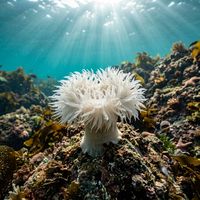
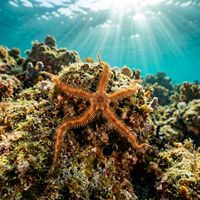
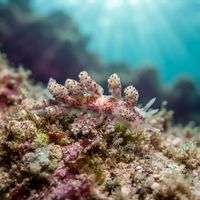
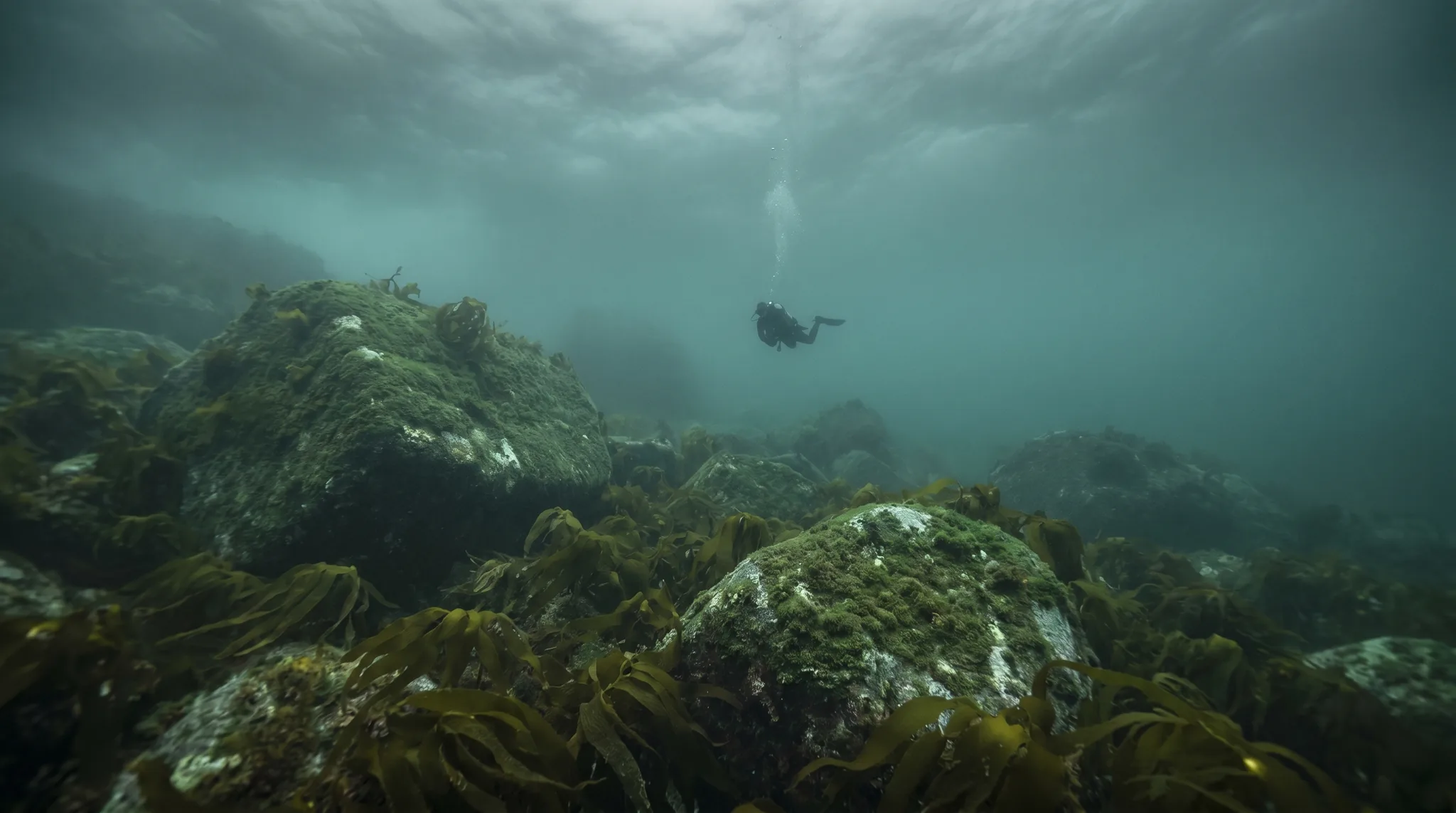
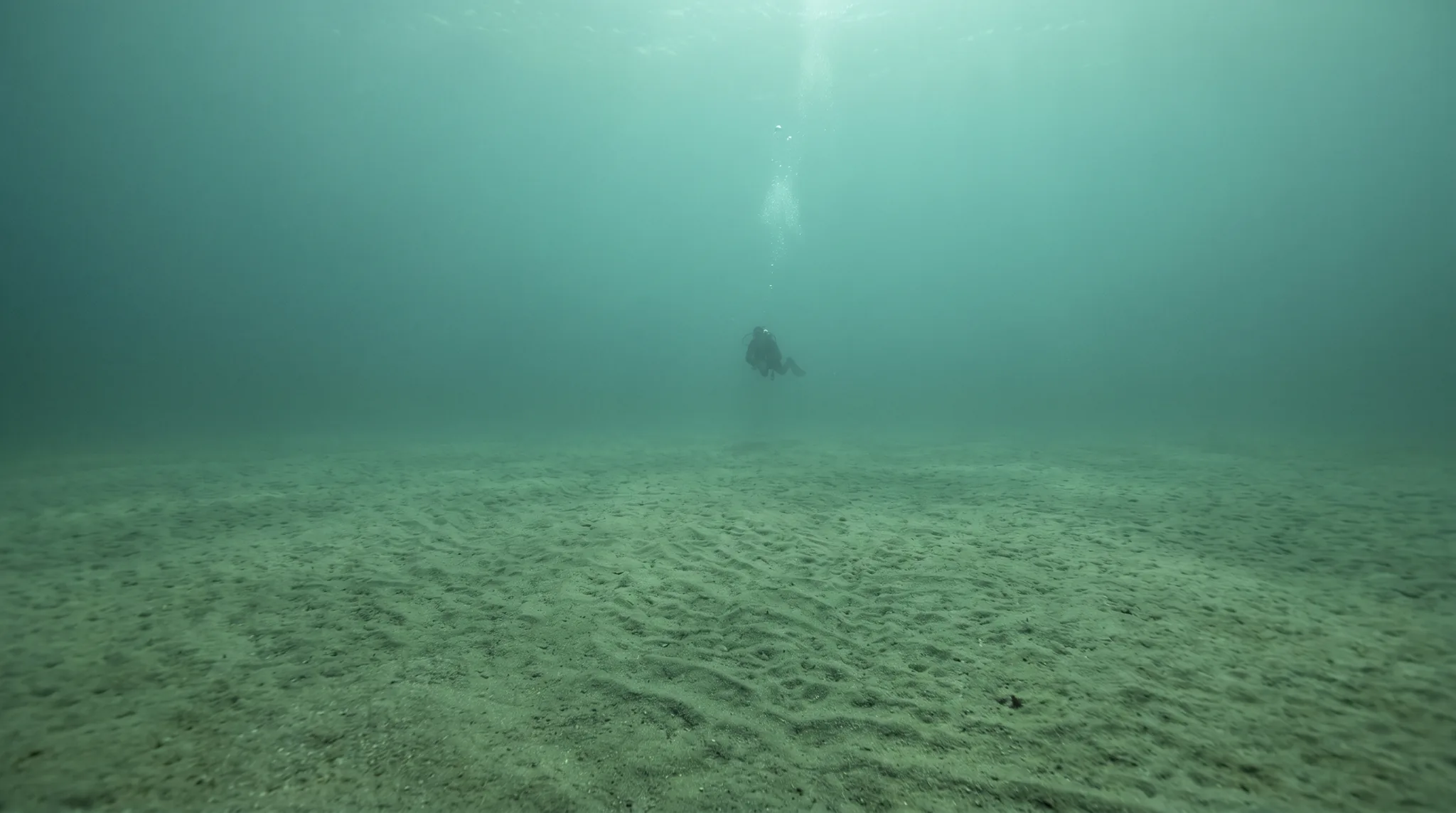
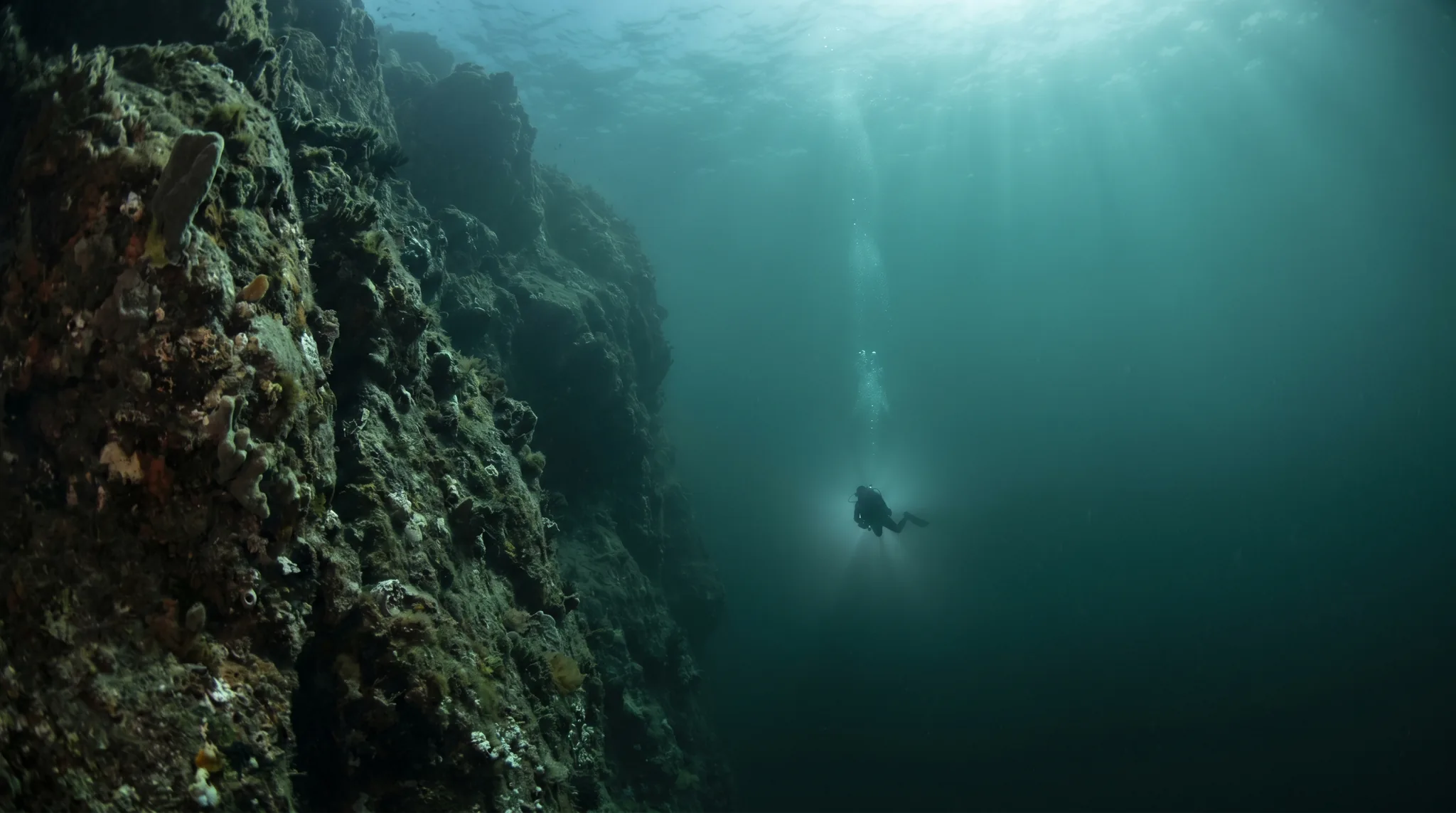
Nova Scotia rewards patient, cold-water divers with a character unlike anywhere warmer. Kelp forests, wrecks, walls, reef and muck sites sit across three distinct sub-areas: Halifax, the Nova Scotia Eastern Shore, and the Bay of Fundy. Halifax carries the greatest concentration of sites, including several deliberately sunk artificial reefs and working-harbour dives. The Sea Raven, Common Sea Star and Cod are observed across nearly every site, while the Harbor Seal and Gray Seal lend the region its signature encounters. Shore entry is widely available, though the deeper wrecks and stronger drift sites demand boat access. Water is cold year-round, warmest from late summer into early autumn.
3 areas
 58
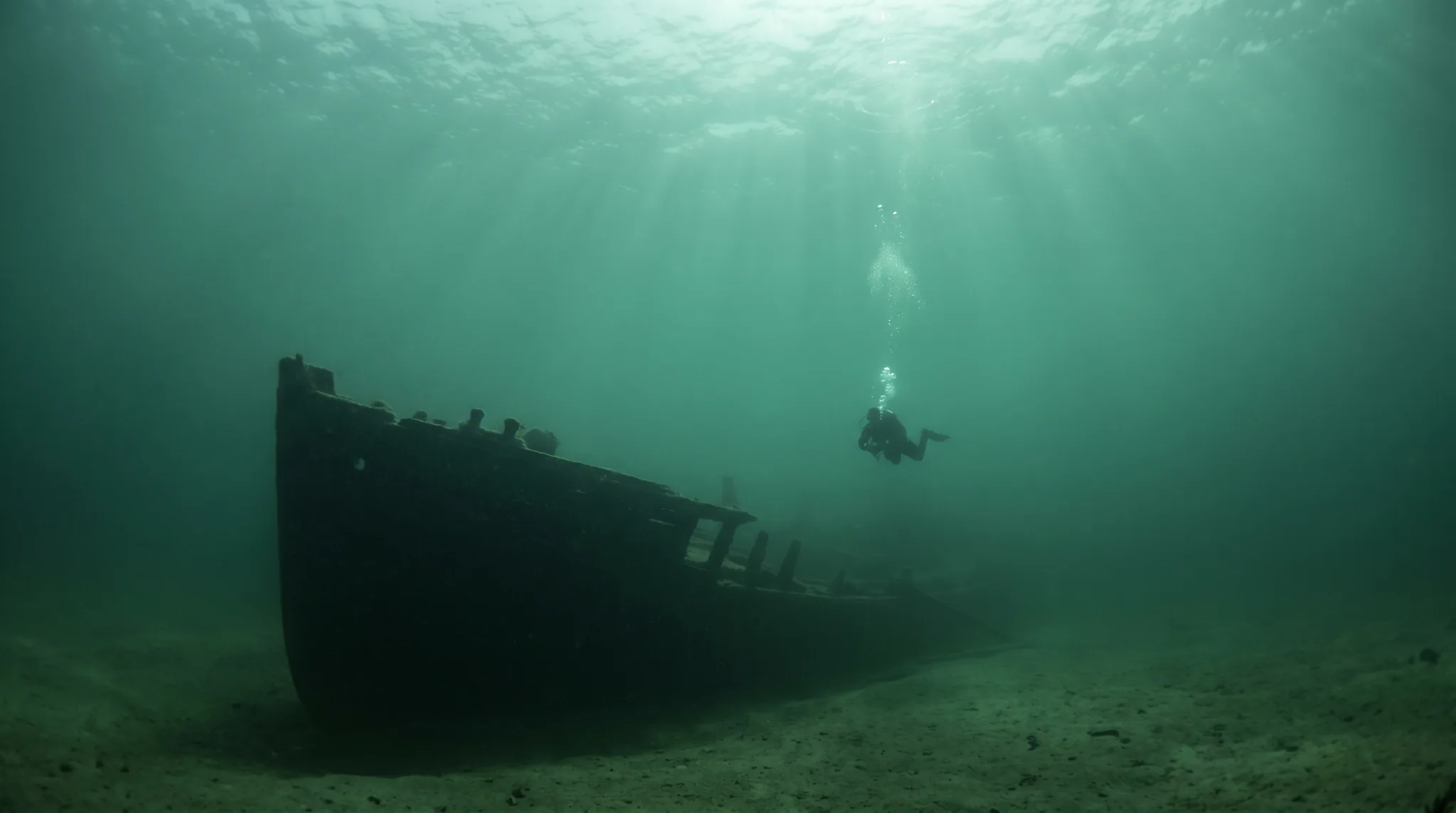
58Cold-water wreck diving and kelp-draped reefs, with seals, Atlantic Wolffish and Lined Seahorse across two distinct dive areas.
 42
42A wreck-rich cold-water region where Harbor Seal encounters are the norm and sites range from shallow reef snorkelling to deep advanced dives.
20Cold-water diving and snorkelling in Nova Scotia, defined by Harbor Seal encounters and rich tidal reef life.
Monthly water temperature across Nova Scotia's sites, from satellite sea-surface data corrected for depth. The band shows the site-to-site spread.
Water temperatures sit near freezing through winter and early spring, then climb steadily from May onward, peaking in September before dropping sharply through November. The warmest months from July through October bring the most diver activity and generally the best conditions for exploring wrecks and kelp-covered reefs. Currents at drift sites such as Grand Narrows and the Portia can be significant regardless of season, so checking tidal timing before entry is always worthwhile.
26 operators

Water temperature around Nova Scotia ranges from about 2°C in February to 16°C in September, based on satellite sea-temperature data for its dive sites.
In the warm season (about 16°C) a 7mm or semi-dry suit is comfortable in Nova Scotia; in the coldest months (about 2°C) step up to a drysuit.
Fin maps 120 sites in Nova Scotia (84 scuba diving sites and 46 snorkelling spots, with some suited to both), organised into 3 areas.
Across Nova Scotia's dive sites, June, July, August, September and October are most often reported as the best months to visit.
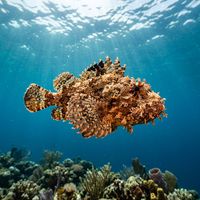
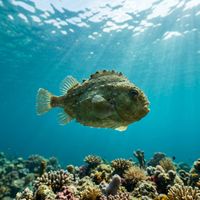
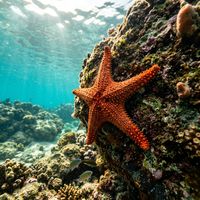
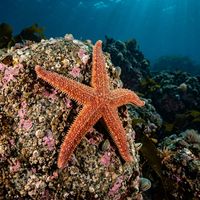
The Sea Raven and Common Sea Star are observed across the vast majority of sites, making them reliable encounters on almost any dive. Cod, Righteye Flounder, Brittle Star and Sculpin are all frequently seen, and the Harbor Seal is a signature species throughout the region. Less common but truly recorded finds include the Atlantic Wolffish and Lined Seahorse, which appear at a smaller number of sites.
A good portion of Nova Scotia's sites are rated for beginners, including shore-entry options such as Prospect Community Wharf, Burns Point and Mill Cove Marina. These offer sheltered, relatively shallow conditions with interesting kelp, reef and muck habitats. Intermediate and advanced divers are well catered for by the deeper wrecks, including the Kolkhosnik and HMCS Saguenay, which require more experience and boat access.
Halifax has the largest number of sites and includes several deliberate wreck deployments in sheltered harbour waters, making it the most accessible base for both beginners and intermediate divers. The Nova Scotia Eastern Shore offers a broad spread of sites with diverse site types including reef, kelp and muck. The Bay of Fundy has the fewest sites but includes distinctive conditions shaped by its tidal character, with sites such as Fralick Cove suited to beginners.
Many of Nova Scotia's most popular sites are accessible directly from shore, including Grand Narrows, Boutiliers Point, Polly Cove and several Halifax Harbour entries. Boat access is required for the deeper or offshore wrecks such as the Costa Rican Trader, HMCS Saguenay and the Kolkhosnik. Multiple operators are based in the region and offer guided boat dives to sites that cannot be reached from land.