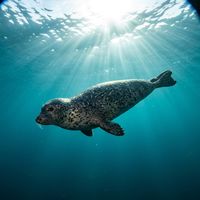
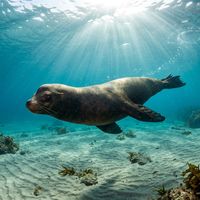
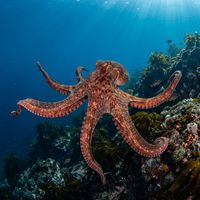
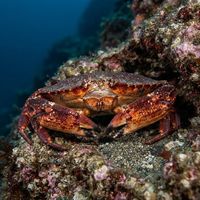
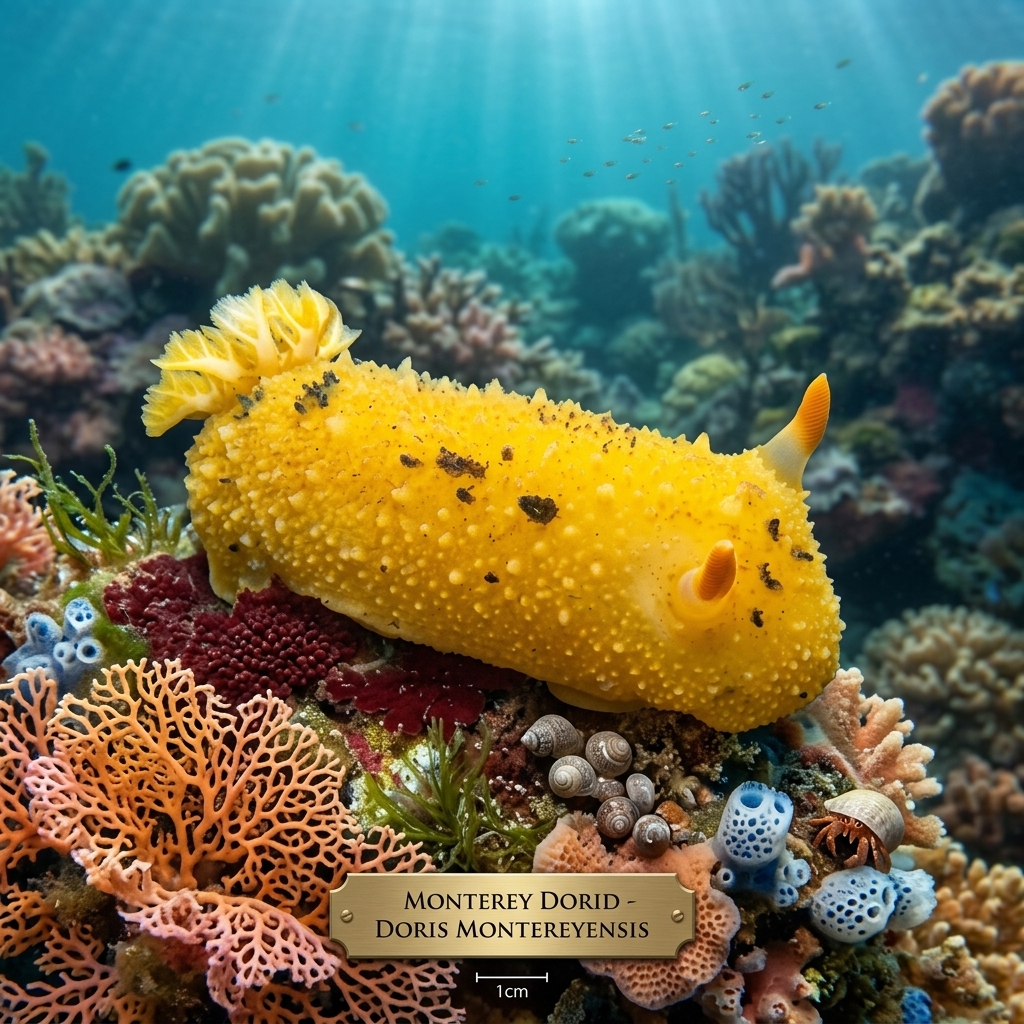
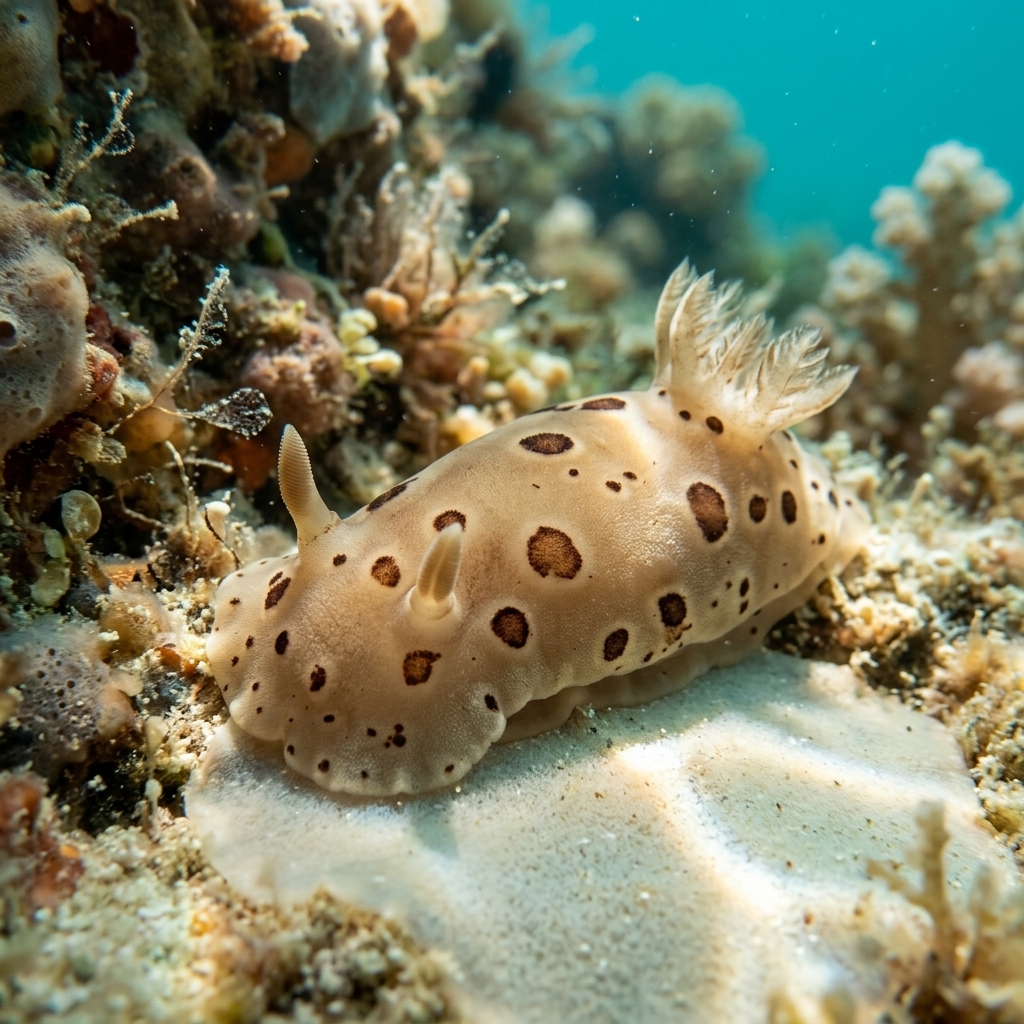
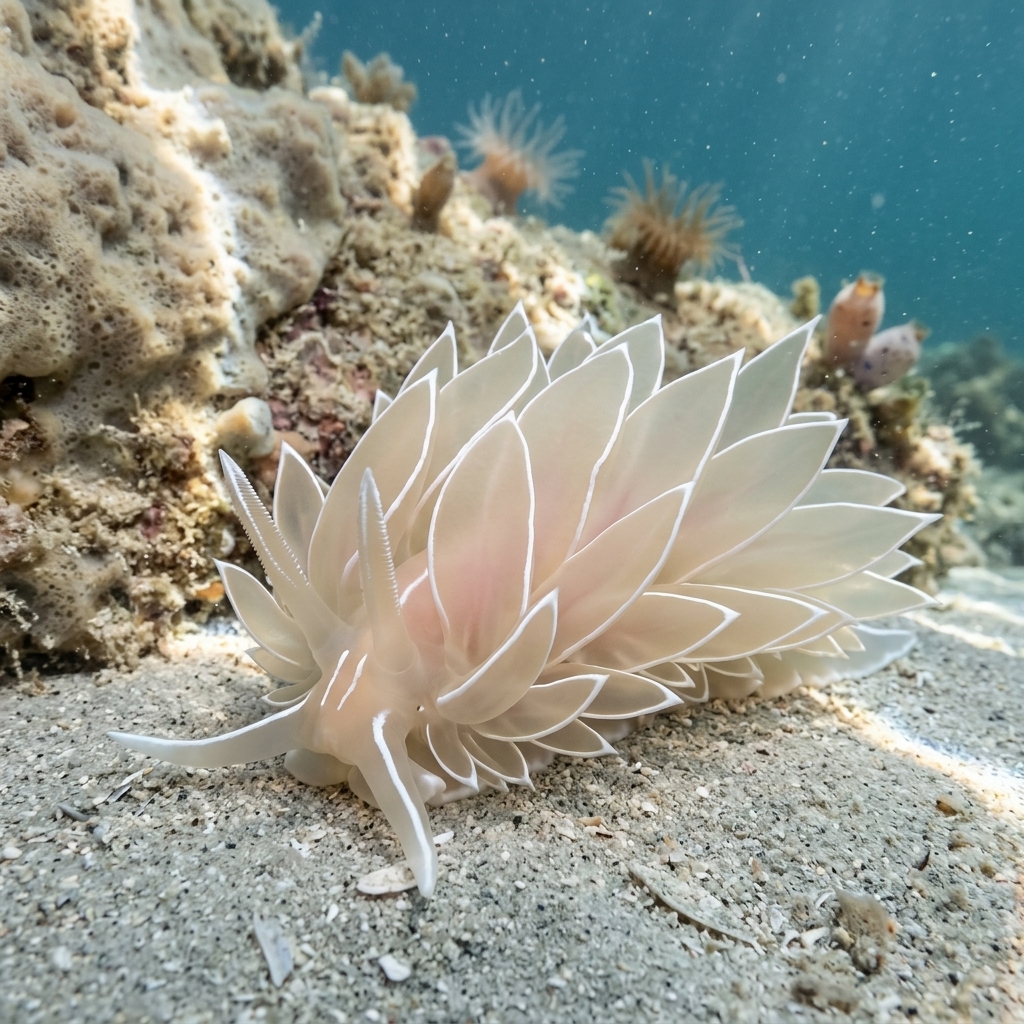
British Columbia offers cold-water diving and snorkelling across four distinct sub-areas: Vancouver Island holds the largest concentration of sites, followed by the Gulf Islands, Howe Sound, and the Sunshine Coast. The underwater character is defined by kelp forests, walls, reefs, and a handful of wrecks, with conditions shaped by strong tidal currents at many sites. Marine life leans heavily toward temperate invertebrates: nudibranchs such as the Monterey Dorid and Nanaimo Dorid are common across the region, while Giant Pacific Octopus, King Crab, and Ling Cod reward patient divers. Harbor Seal and California Sea Lion encounters are a notable draw. Sites range from shallow shore entries suitable for beginners to expert-only drift dives.
4 areas
 93
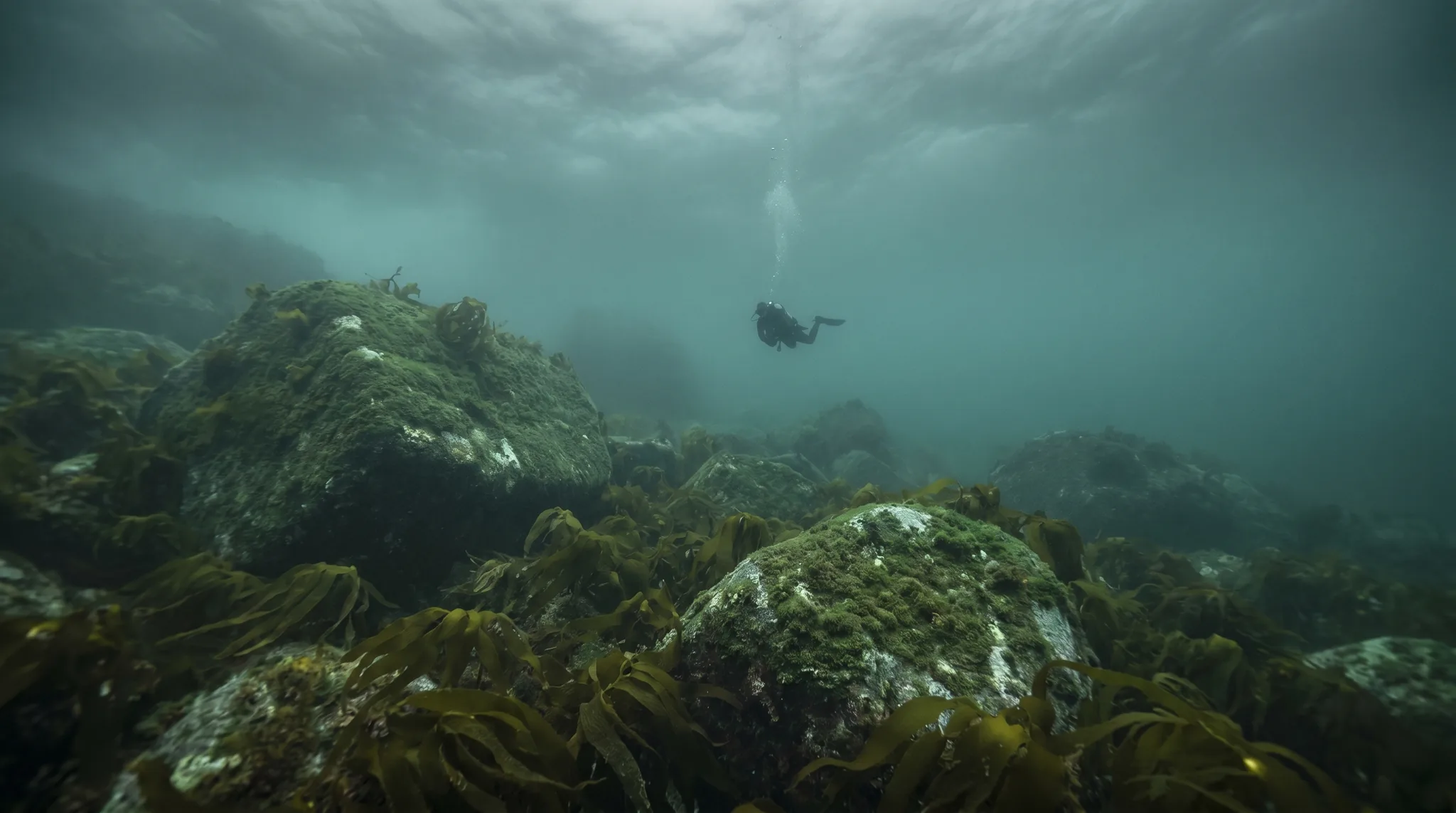
93Cold-water diving with Giant Pacific Octopus, sea lions and dense nudibranch life across kelp forests, walls and tidal rapids.
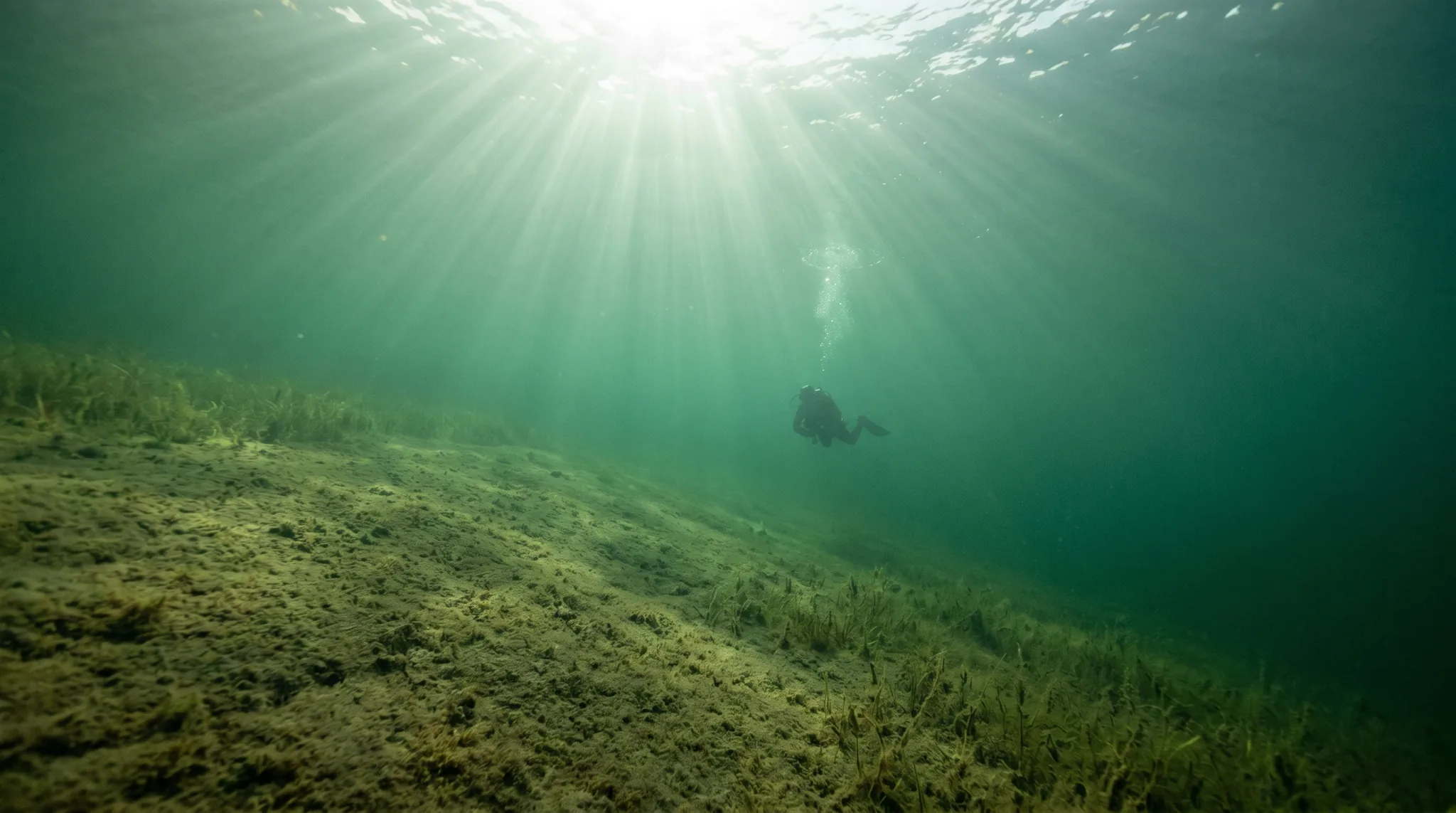
38Current-swept reefs and walls with a rich nudibranch and invertebrate community, plus resident Harbor Seal and California Sea Lion encounters.
 25
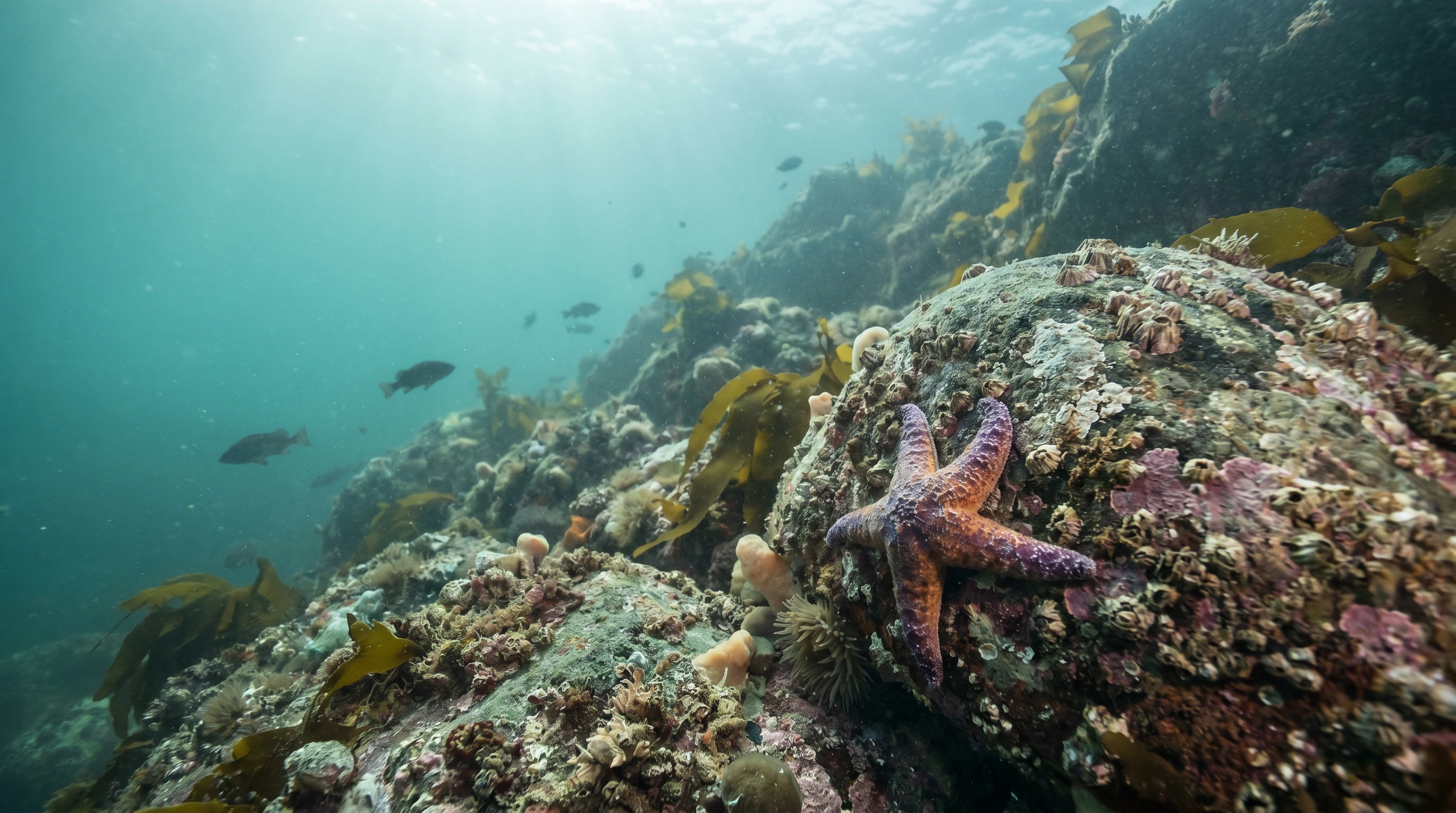
25Artificial reefs, sunken warships and Giant Pacific Octopus in a sheltered British Columbia sound with strong nudibranch diversity.
Monthly water temperature across British Columbia's sites, from satellite sea-surface data corrected for depth. The band shows the site-to-site spread.
Water temperatures remain cold year-round, sitting at their lowest in late winter and climbing gradually to a summer peak before easing back through autumn. The best-months data points to late summer and early autumn as the prime window, with September seeing the strongest diver preference. Tidal currents are a defining factor at many sites, from manageable drift dives to the expert-only surge at Nakwakto Rapids, so timing dives to slack water is essential across much of the region.
61 operators
Wreck-heavy cold-water diving split between Powell River's artificial reefs and Sechelt Inlet's kelp-draped walls.
Water temperature around British Columbia ranges from about 7°C in February to 13°C in July, based on satellite sea-temperature data for its dive sites.
In the warm season (about 13°C) a 7mm or semi-dry suit is comfortable in British Columbia; in the coldest months (about 7°C) step up to a drysuit.
Fin maps 166 sites in British Columbia (154 scuba diving sites and 33 snorkelling spots, with some suited to both), organised into 4 areas.
Across British Columbia's dive sites, July, August and September are most often reported as the best months to visit.
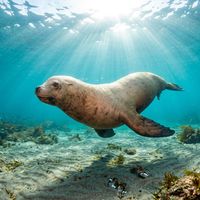
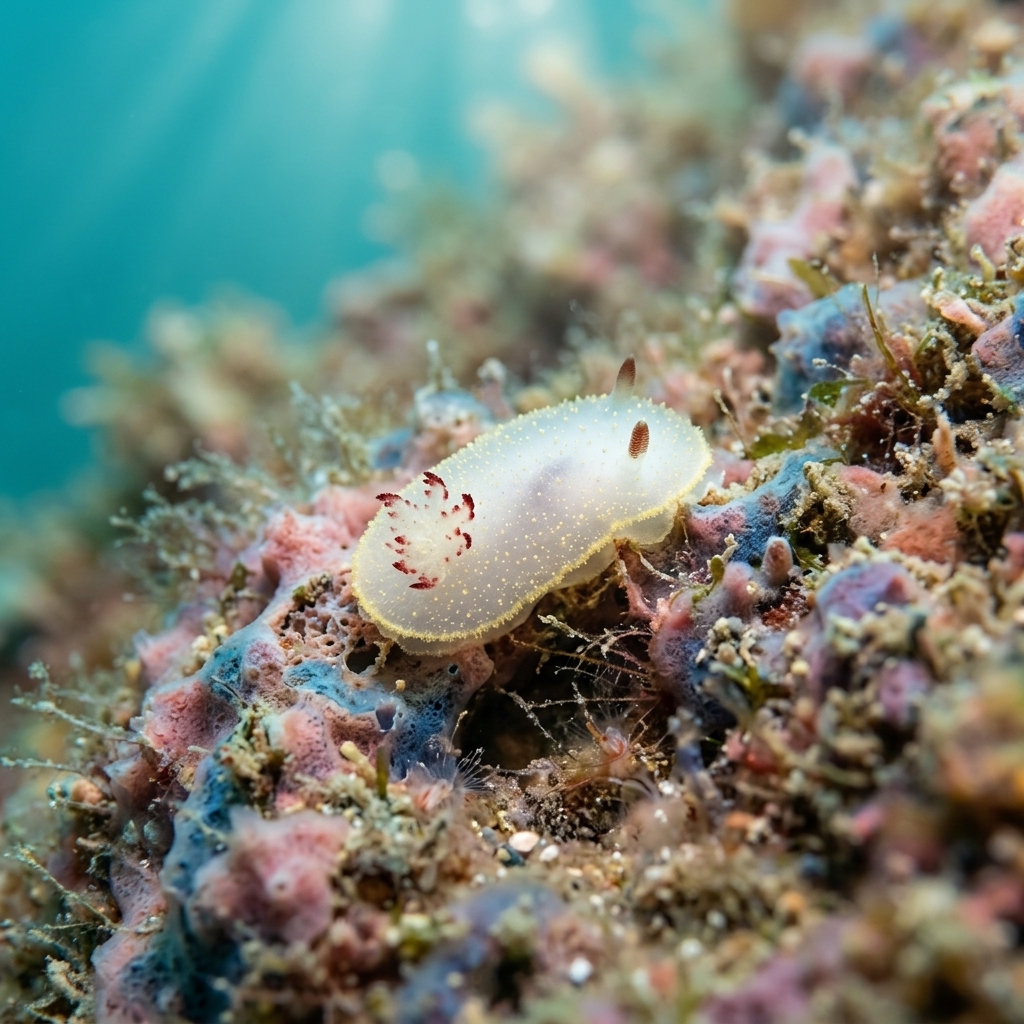
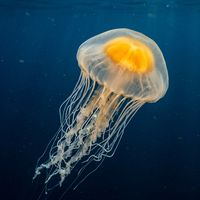
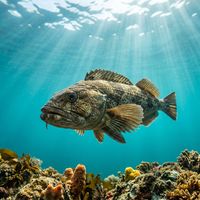
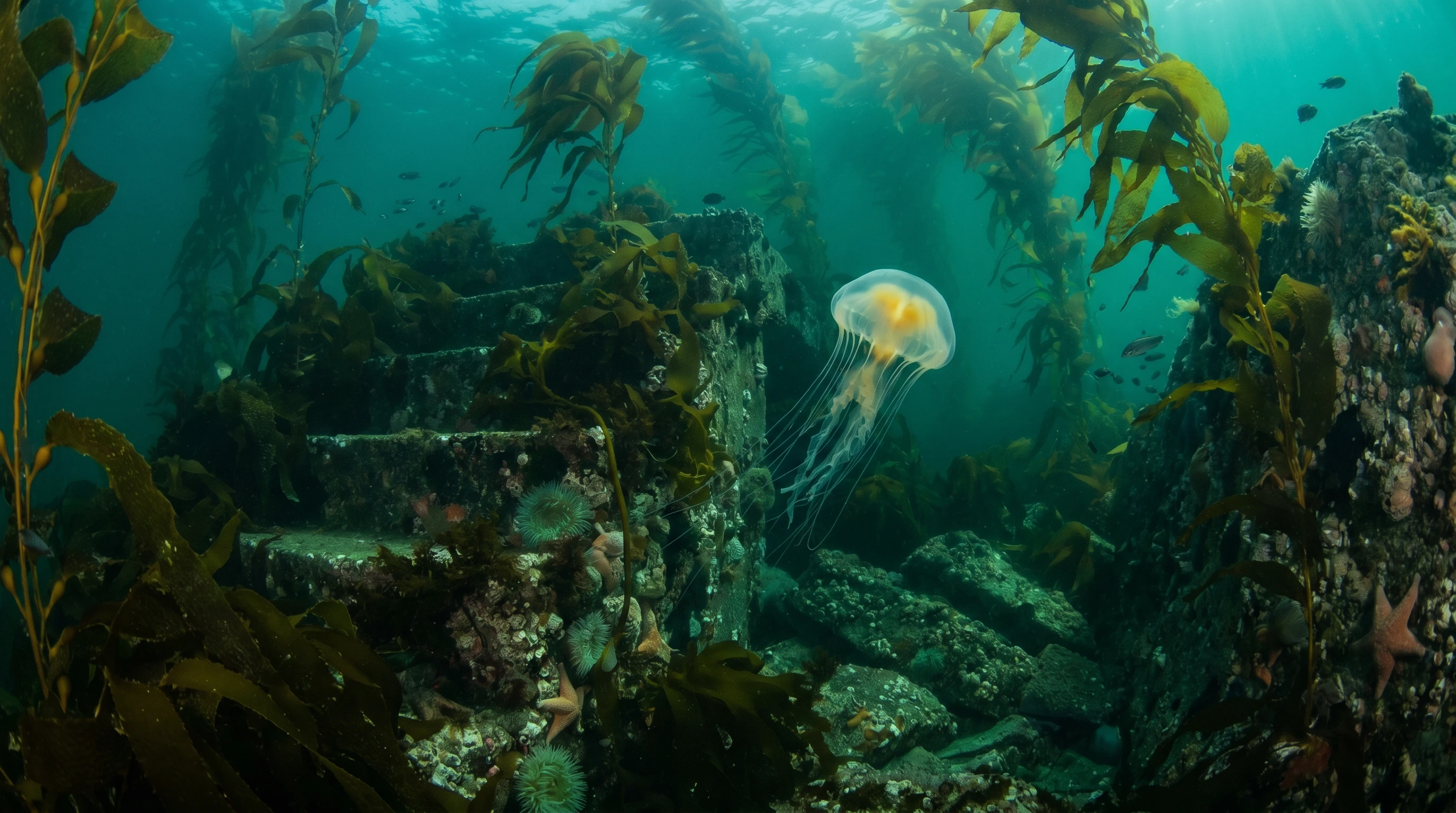
British Columbia's waters are particularly rich in invertebrates. Giant Pacific Octopus and East Pacific Red Octopus are observed across a wide range of sites, while nudibranchs including the Monterey Dorid, Nanaimo Dorid, Northern Leopard Dorid, White-lined Dirona, and Hermissenda are common finds. Divers also regularly encounter King Crab, Ling Cod, Scorpionfish, Egg-yolk Jellyfish, and multiple sea star species. Harbor Seal and California Sea Lion are among the signature animals of the region.
The region has a solid mix of skill levels. Shore-entry sites such as Arachne Reef, Tuwanek Beach, and Whiskey Cove are rated for beginners and offer gentle entries alongside interesting reef and kelp forest terrain. Intermediate divers are well served by wall and pinnacle sites including Browning Wall and Tyler Rock. Strong tidal currents at many locations mean that site selection and timing matter, and expert-only sites like Nakwakto Rapids are strictly for very experienced drift divers.
Vancouver Island has the greatest number of sites and covers the widest variety of site types, from walls and kelp forests to drift dives near Victoria and Port Hardy. The Gulf Islands offer a concentrated set of reef and mixed sites in relatively sheltered waters. Howe Sound includes the freshwater Alouette Lake dive alongside coastal sites near Horseshoe Bay. The Sunshine Coast, served by operators such as Dolphins Resort, is home to notable pinnacle, wall, and wreck sites including the deep MV Gulfstream.
Both access types are well represented across the region. Shore entries like Arachne Reef, Ansell Place, and Tuwanek Beach make independent diving straightforward and are particularly popular with beginners. Many of the more dramatic wall, pinnacle, and wreck sites, including Browning Wall, Tyler Rock, and the MV Gulfstream, require boat access. Operators including Pacific Pro Dive, Ogden Point Dive Centre, Vancouver Diving Locker, and Rowand's Reef Scuba Shop can arrange guided boat trips across the main sub-areas.