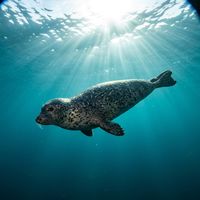
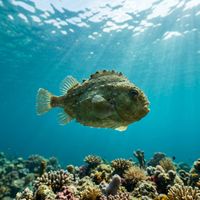
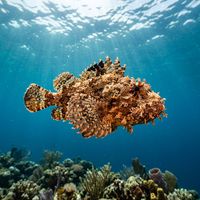
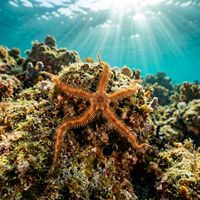
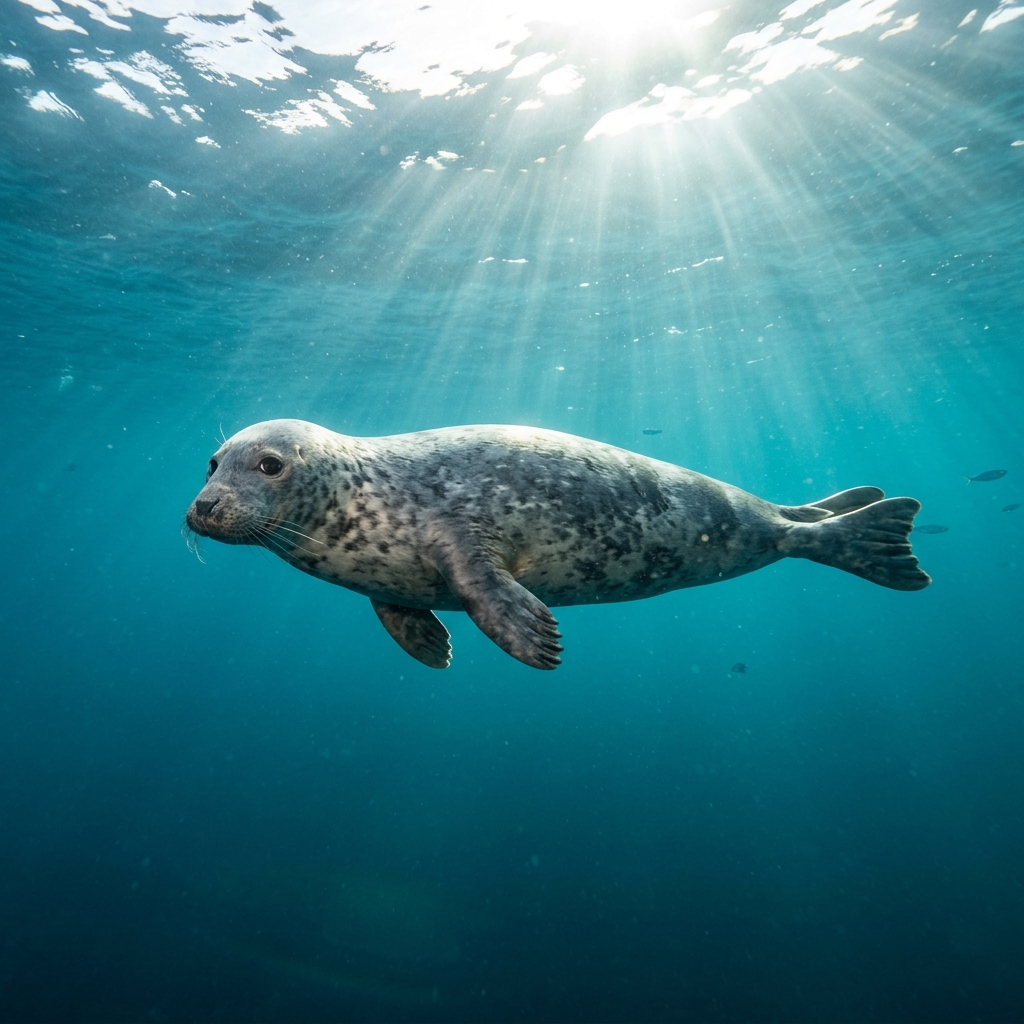
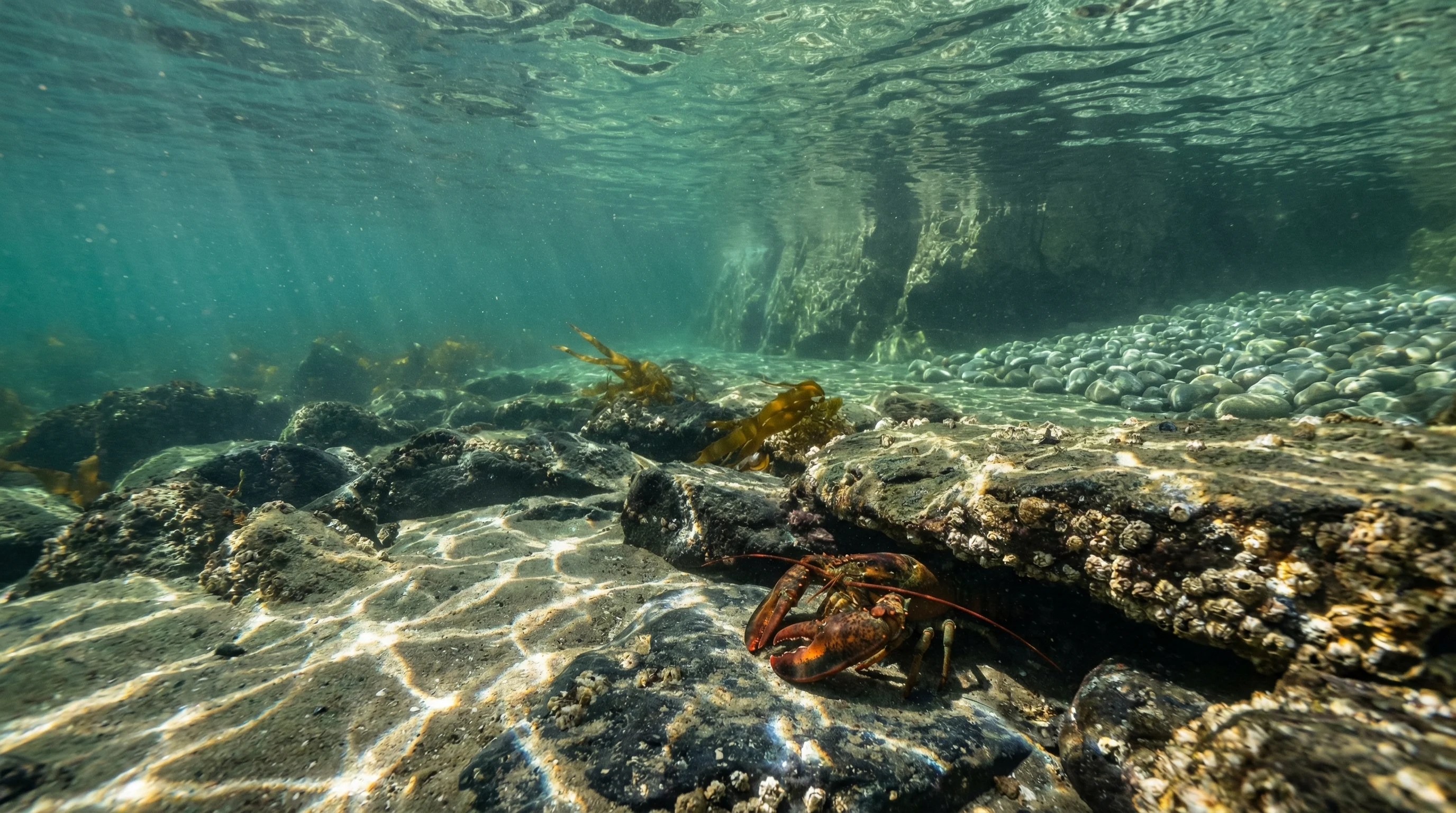
Quebec offers a striking range of underwater environments, from cold-water estuary reefs and drift dives in the Saguenay Fjord to flooded quarries near Thetford Mines and freshwater wall dives on the Montreal South Shore. The St. Lawrence Estuary holds the greatest concentration of sites, while the Magdalen Islands and Gaspé Peninsula add exposed coastal reef and wreck diving. Encounters with Harbor Seal, Lumpfish, Sea Raven, Cod, and Brittle Star are well-documented across the region. Water is cold for much of the year, warming through summer and peaking in late August before dropping sharply into autumn.
6 areas
 73
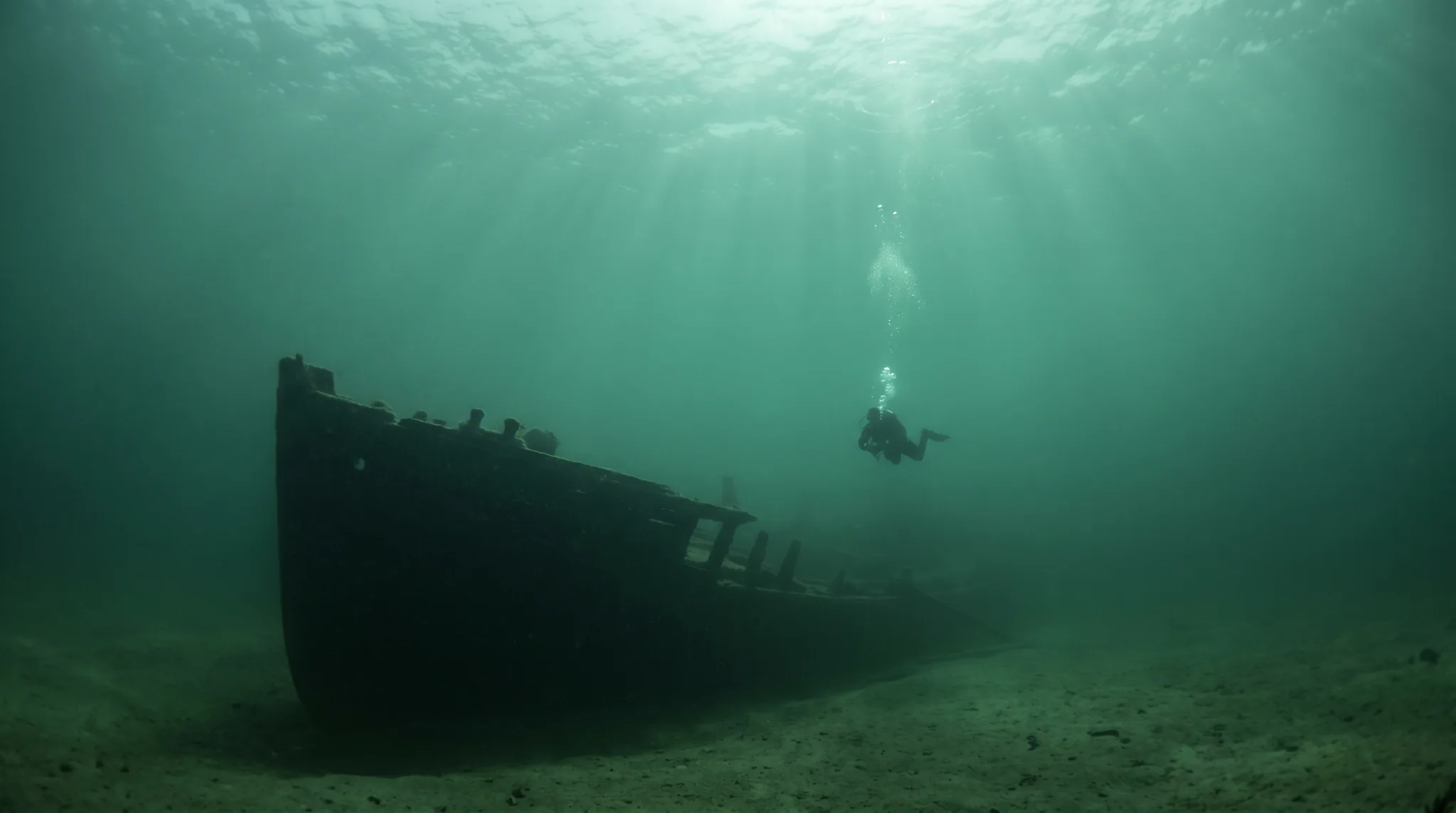
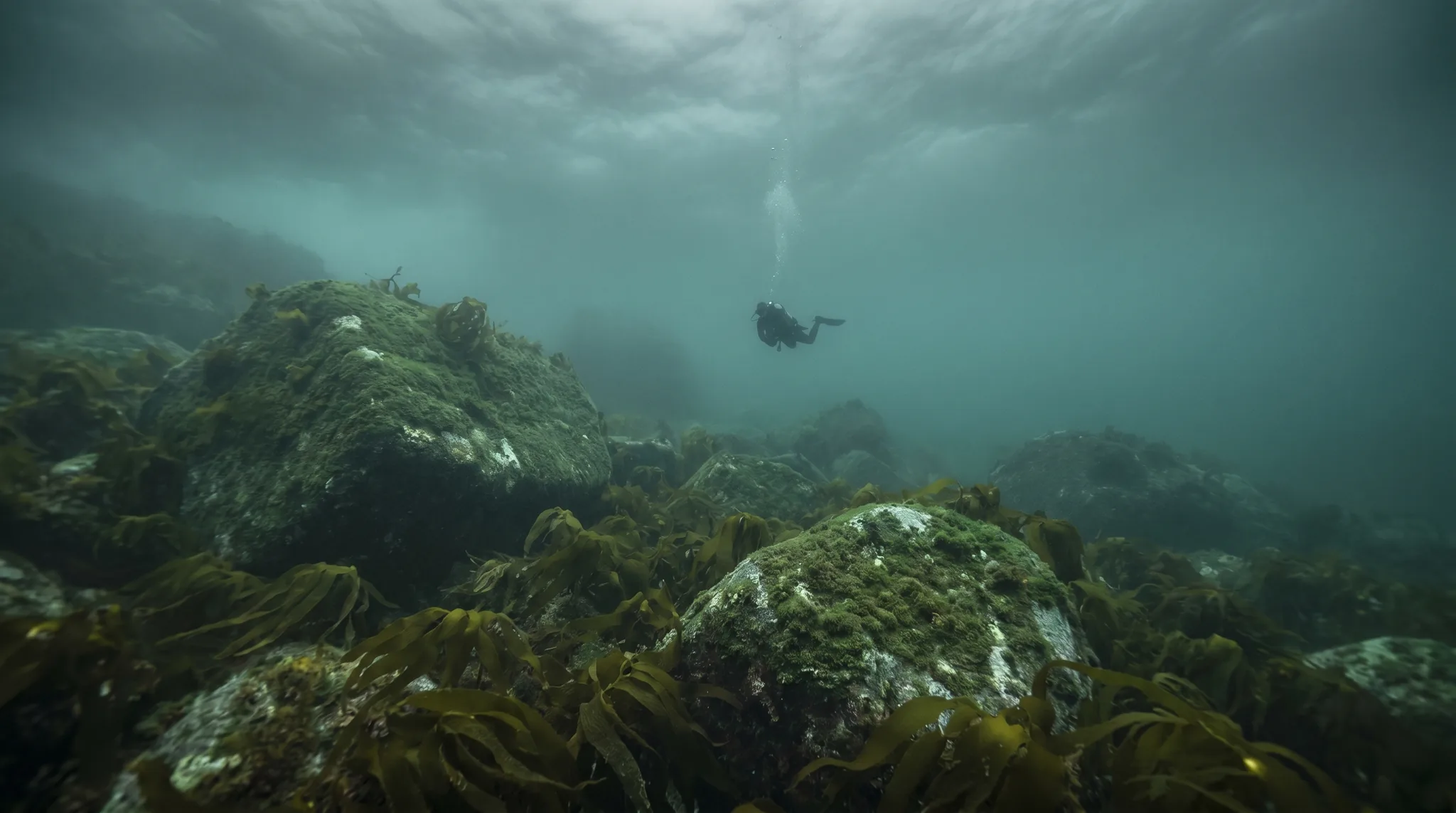
73Cold-water estuary diving with Lumpfish, Cod, Harbor Seal and wreck sites spread across three distinct sub-areas in Quebec.
 40
40Cold-water reefs and kelp forests with consistent Sea Raven and Feather Star sightings across two island sub-areas.
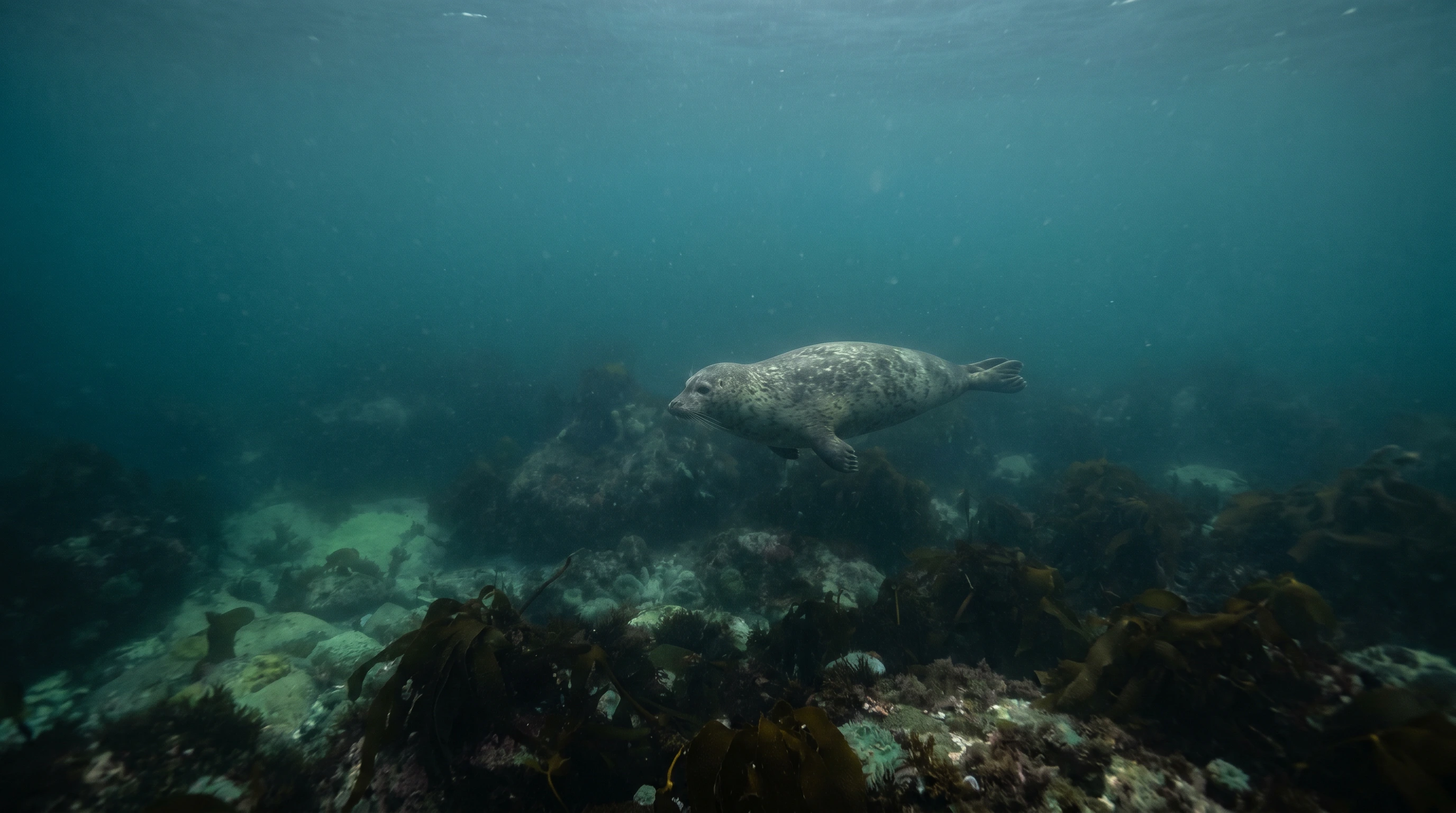
31Cold-water reefs and kelp forests where Harbor Seal and Gray Seal are a near-certainty, split between shore diving in Forillon and boat trips out of Percé.
Monthly water temperature across Quebec's sites, from satellite sea-surface data corrected for depth. The band shows the site-to-site spread.
Water temperatures sit near freezing through winter and early spring, rising gradually from May onward and reaching their warmest point in late summer before cooling again through autumn. The peak diving window runs from June through September, when conditions are most comfortable and the greatest number of operators are active. Exposed coastal sites in the Gaspé Peninsula and Magdalen Islands can carry current and require attention to surface conditions, while quarry and estuary sites tend to be more sheltered.
59 operators

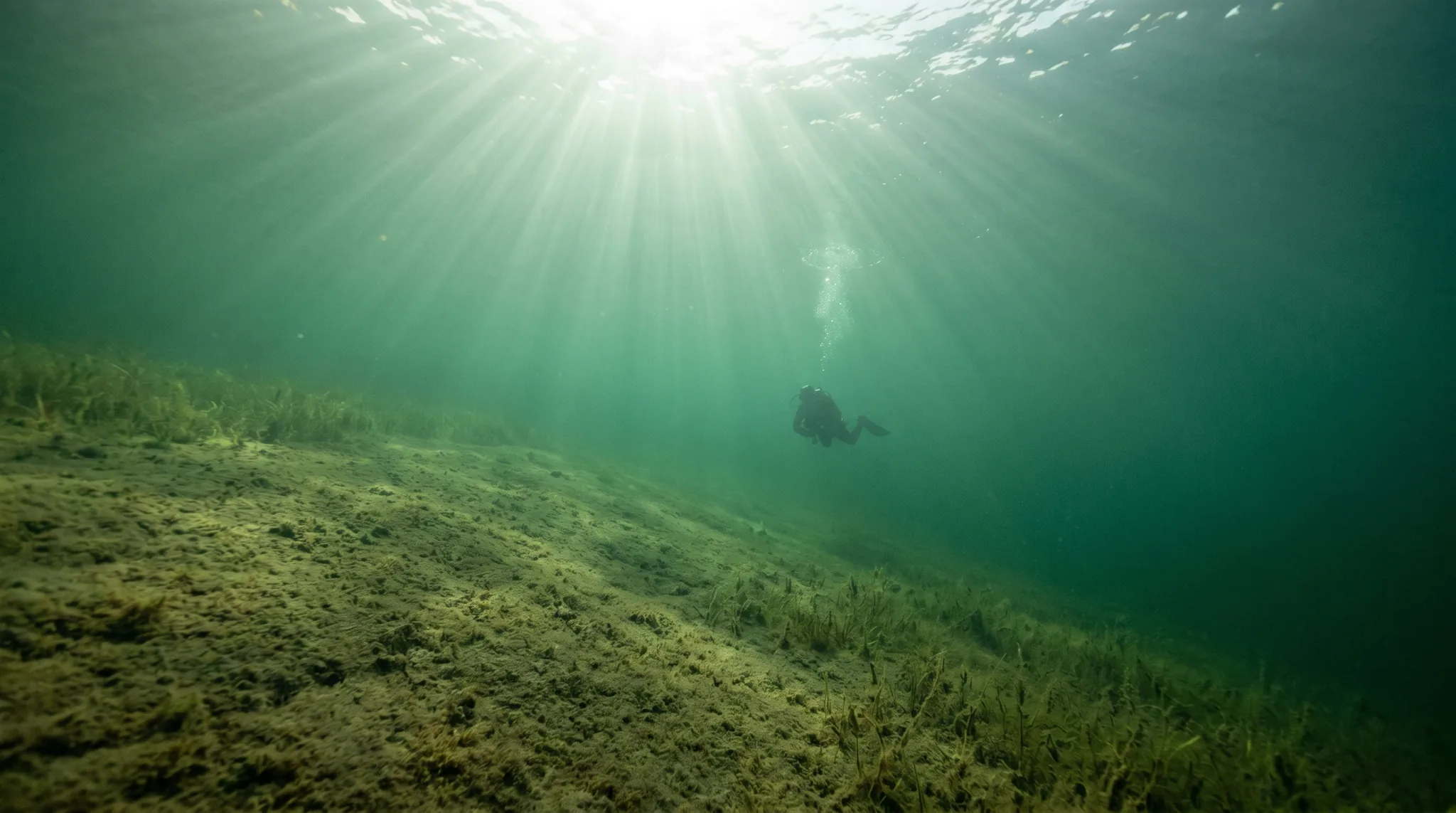
Freshwater quarry and wall diving on the South Shore, with Kahnawake Quarry's artificial reef as the centrepiece.
Water temperature around Quebec ranges from about -1°C in February to 16°C in August, based on satellite sea-temperature data for its dive sites.
In the warm season (about 16°C) a 7mm or semi-dry suit is comfortable in Quebec; in the coldest months (about -1°C) step up to a drysuit.
Fin maps 178 sites in Quebec (95 scuba diving sites and 97 snorkelling spots, with some suited to both), organised into 6 areas.
Across Quebec's dive sites, June, July, August, September and October are most often reported as the best months to visit.
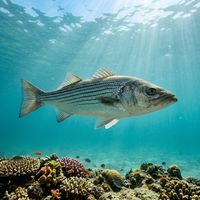
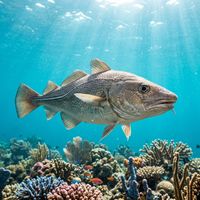
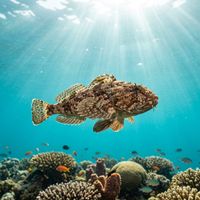
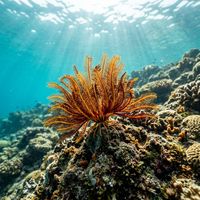
Observation-backed species across Quebec's sites include Harbor Seal, Lumpfish, Sea Raven, Cod, Brittle Star, Righteye Flounder, Sculpin, and Feather Star, all recorded as common. Less frequent but observed encounters include Atlantic Wolffish, Common Lobster, Gray Seal, and Humpback Whale. The Harbor Seal is the region's signature species and turns up across a wide range of site types.
A large share of Quebec's dive sites are rated for beginners, including shore-entry quarry dives on the Montreal South Shore such as Kahnawake Quarry, shallow estuary reefs like Vieux Quai, and the flooded quarry at Carrière Flintkote. Intermediate sites such as Germanicus and Crique Ouest introduce drift, greater depth, and boat-only access. Cold water means good buoyancy control and thermal protection matter even at beginner sites.
The St. Lawrence Estuary has the largest number of sites and includes shallow reefs, walls, and drift dives. The Saguenay Fjord within that area offers sites like Germanicus, Baie des anémones, and Crique Ouest with wall and drop-off topography. The Gaspé Peninsula focuses on coastal reef and wreck sites, the Magdalen Islands offer exposed coastal diving, and the Montreal South Shore and Thetford Mines Quarries provide sheltered freshwater alternatives year-round.
Most of Quebec's sites are shore-accessible, including well-known spots like Baie des anémones, Crique Ouest, Forillon National Park, and Kahnawake Quarry. Some sites, including Germanicus and Grande Ile, require boat access. Operators such as Centre de Plongée du Bas St-Laurent, Plongée Forillon, and Diving Nautilus can arrange guided boat dives across the key sub-areas.