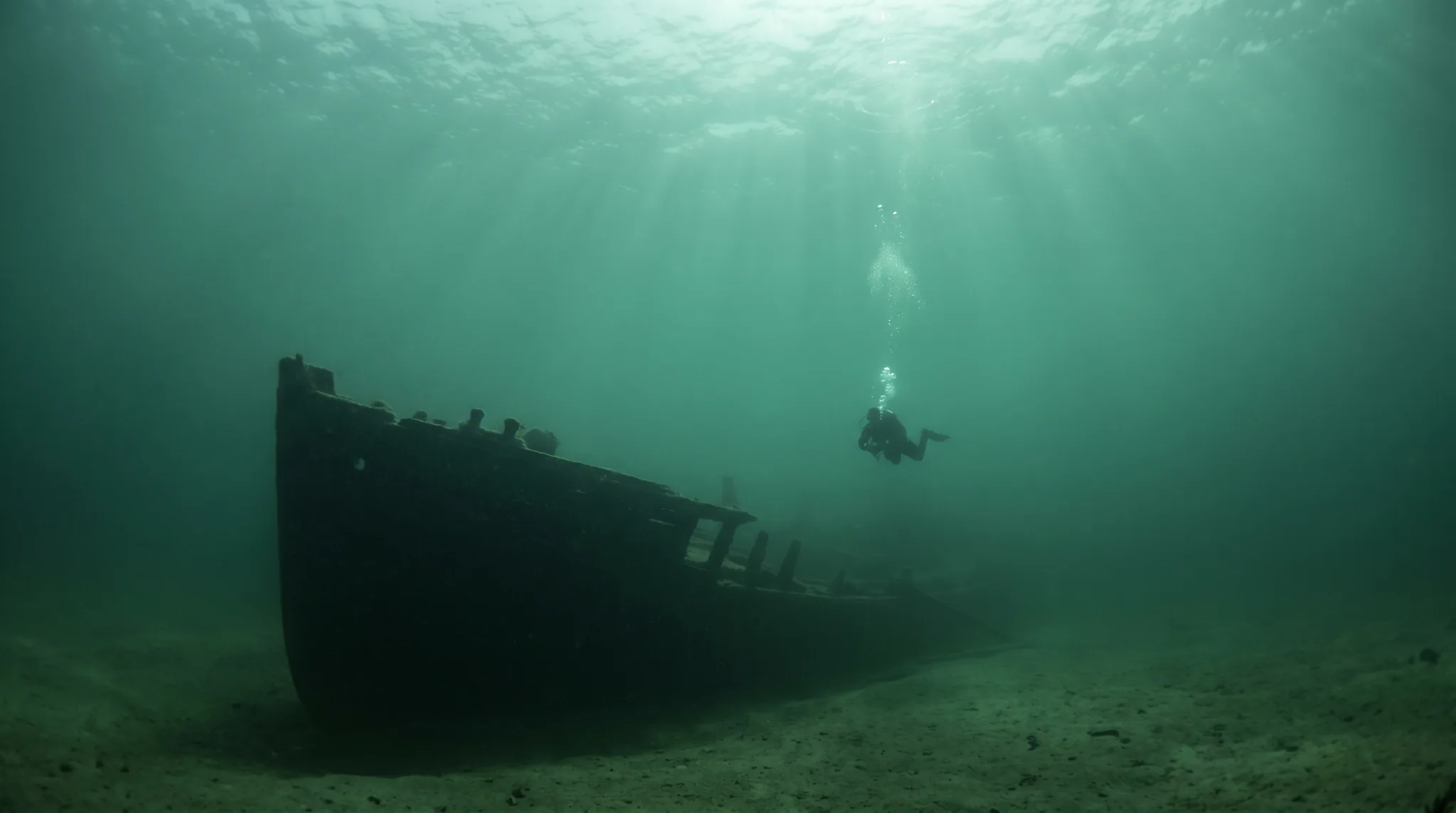
Ontario is freshwater diving and snorkelling country, defined by a remarkable density of shipwrecks, wall topography, and lake-bottom reef structure spread across sub-areas ranging from Tobermory and Georgian Bay to Brockville and Thousand Islands, Kingston, Lake Erie, and Lake Ontario. Wrecks dominate the site mix, from shallow schooners accessible to beginners to deep, current-swept vessels suited to advanced divers. Freshwater species such as Pike, Common Carp, Perch, Blue Gill, and the occasional Sturgeon replace tropical fauna. Water temperatures swing dramatically between winter cold and warm summer peaks, making summer and early autumn the most comfortable window for most visitors.
7 areas
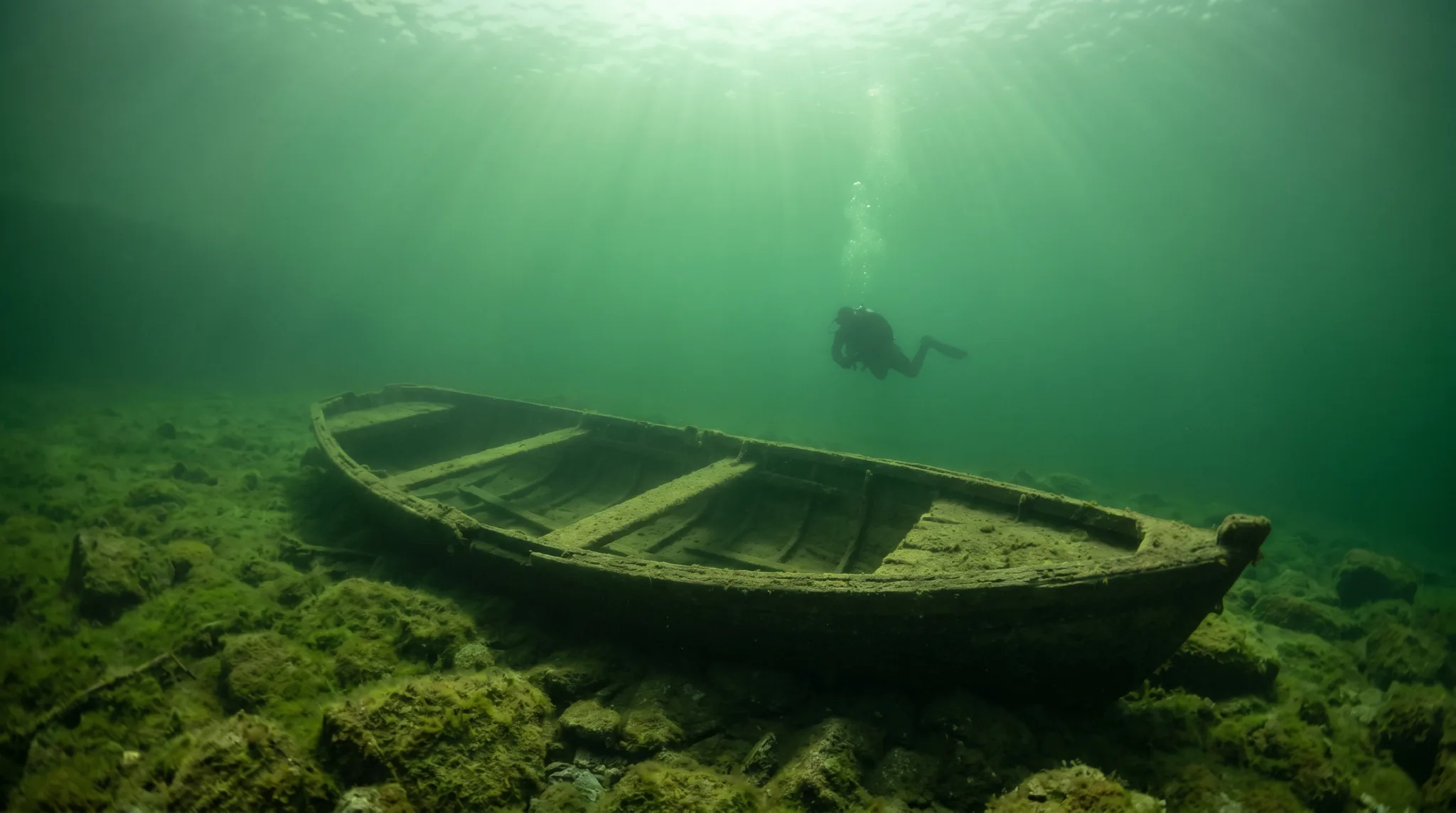 78
78Freshwater wreck diving and a rich fish community across five distinct shoreline areas, from historic wooden schooners to accessible beginner reefs.
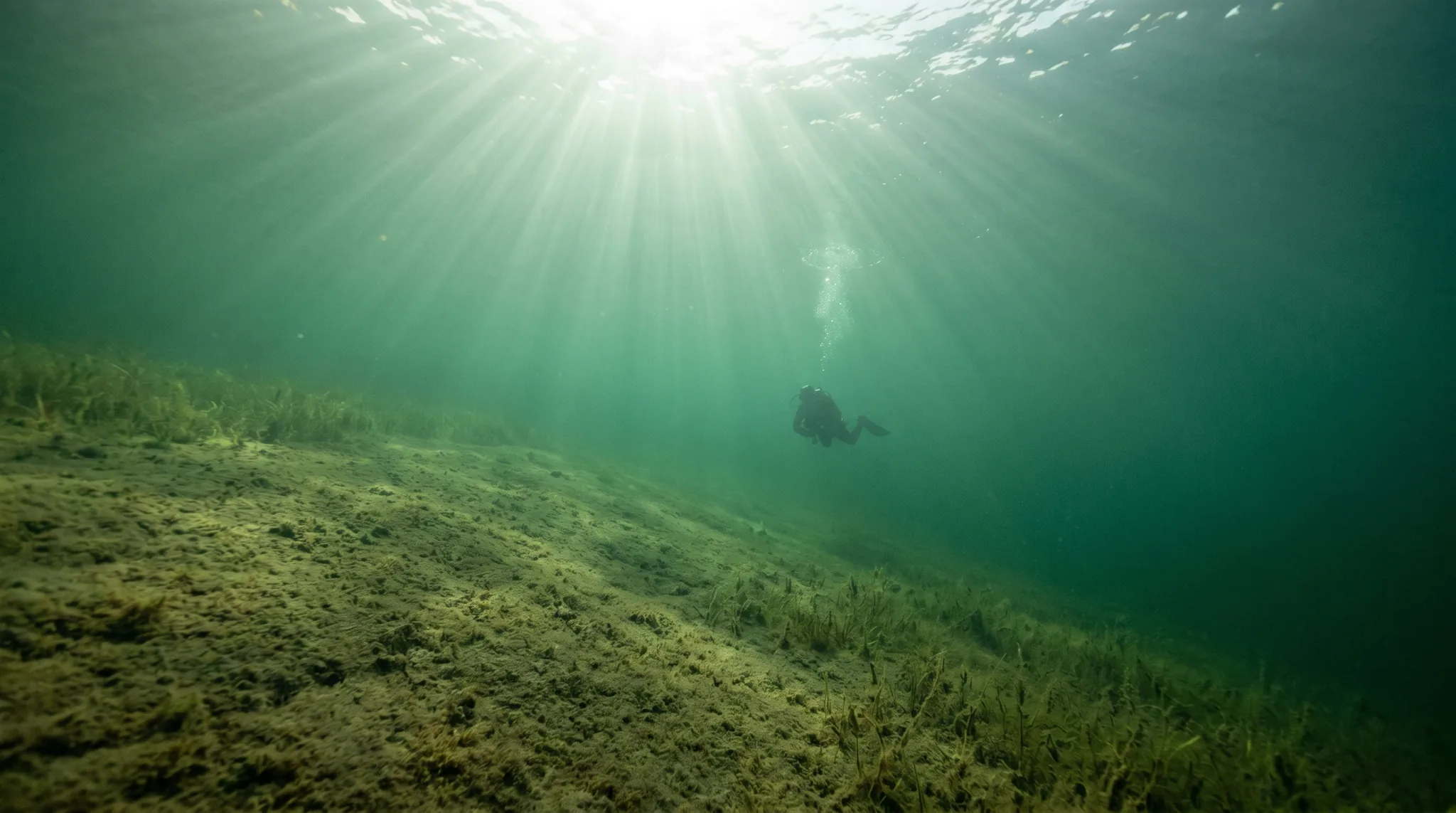 61
61Freshwater wreck diving and artificial reefs with abundant native fish, spread across three distinct Ontario sub-areas.
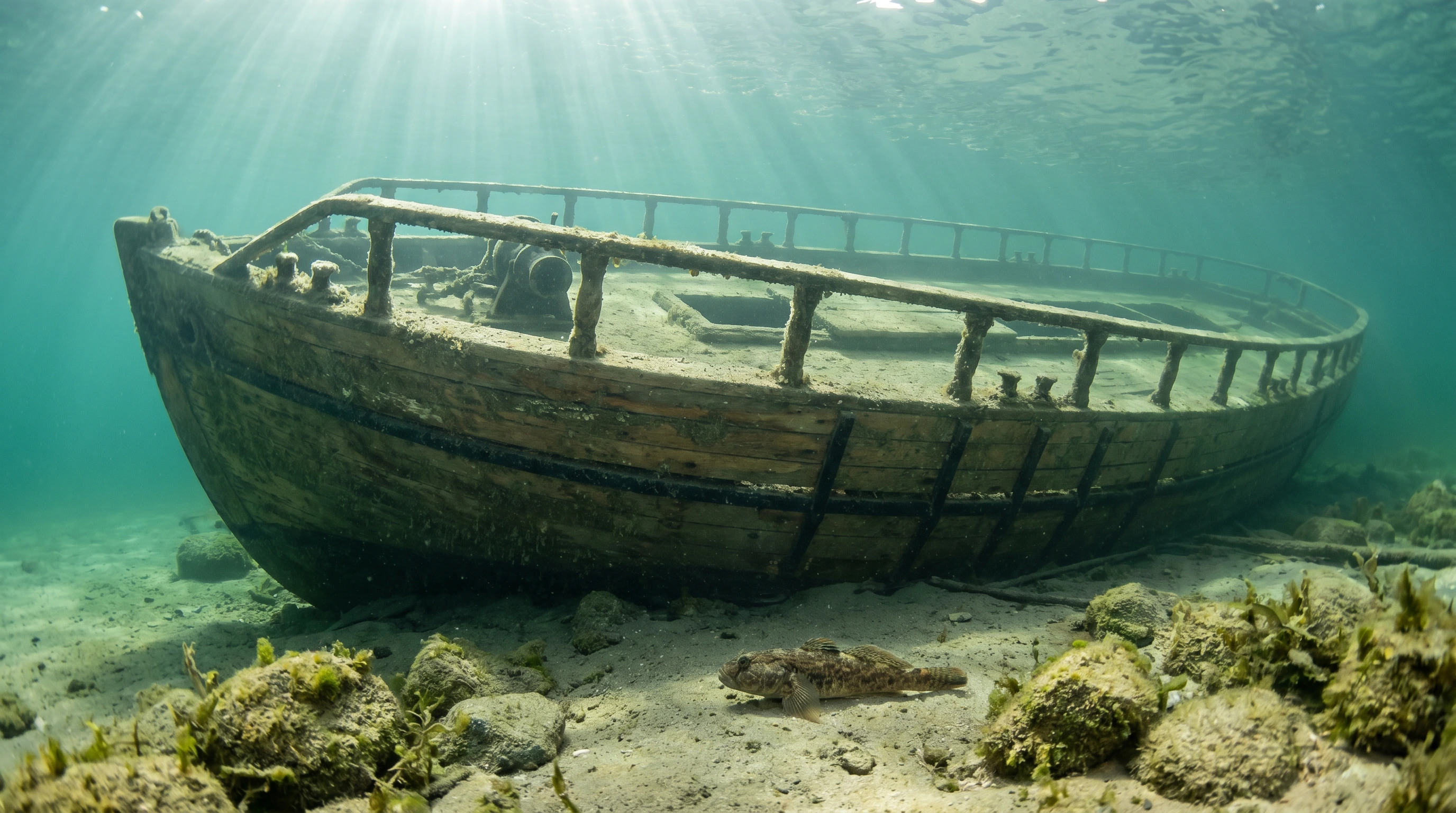 43
43Ontario's freshwater wreck capital, with historic shipwrecks accessible to all levels and cold, clear conditions year-round.
37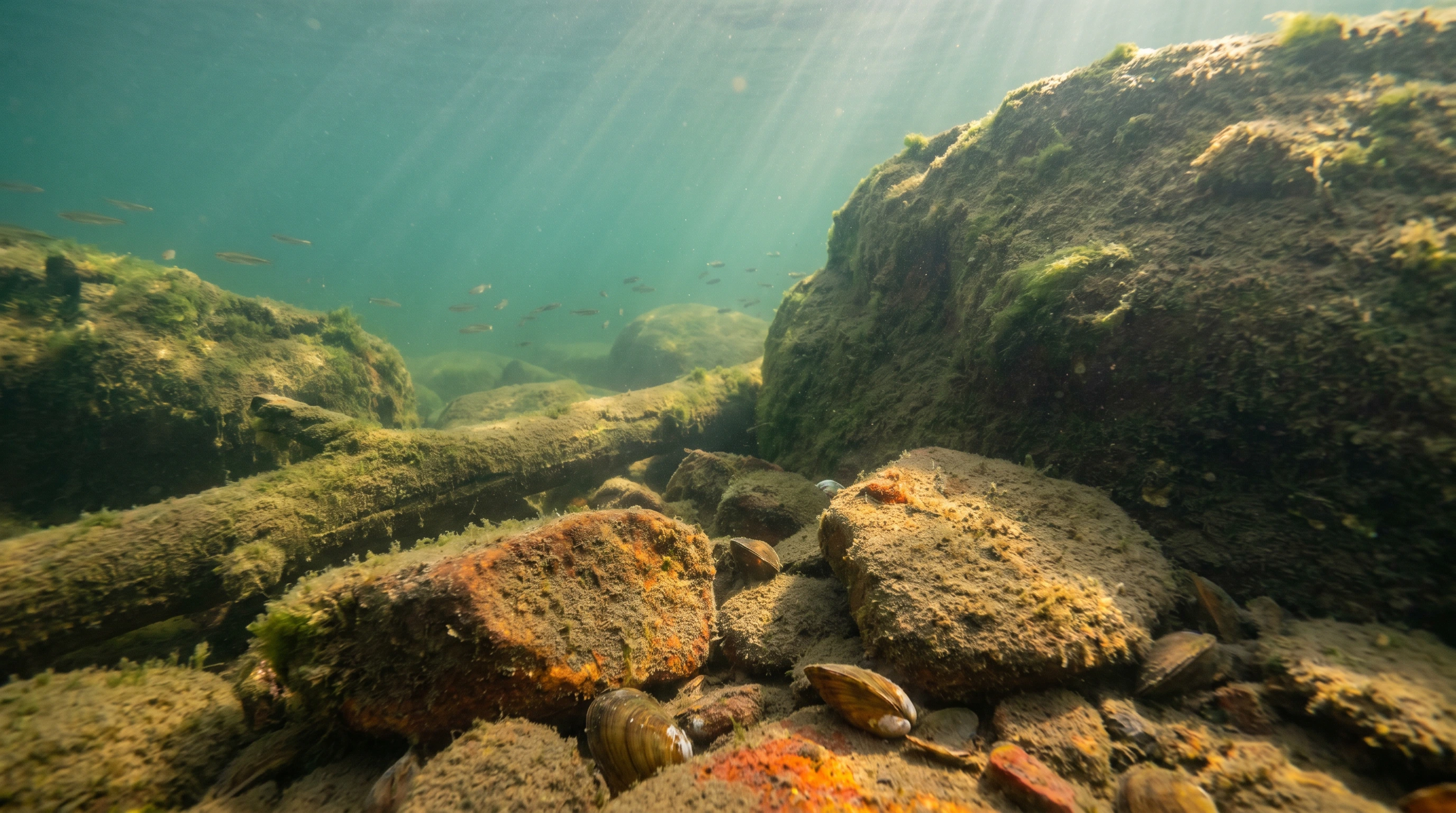
Monthly water temperature across Ontario's sites, from satellite sea-surface data corrected for depth. The band shows the site-to-site spread.
Water temperatures climb steadily from spring through to midsummer, peaking in July and August before cooling through autumn. The warmest and most popular diving runs from June through September, when conditions suit the broadest range of experience levels. Outside this window, temperatures drop sharply, and a drysuit becomes essential for comfortable diving in the colder months.
117 operators

Etobicoke, Canada


Freshwater wrecks, artificial reefs, and an impressive roster of native fish species make Georgian Bay a rewarding inland diving destination.
Water temperature around Ontario ranges from about 2°C in February to 21°C in July, based on satellite sea-temperature data for its dive sites.
In the warm season (about 21°C) a 5mm suit is comfortable in Ontario; in the coldest months (about 2°C) step up to a drysuit.
Fin maps 280 sites in Ontario (182 scuba diving sites and 129 snorkelling spots, with some suited to both), organised into 7 areas.
Across Ontario's dive sites, June, July, August and September are most often reported as the best months to visit.
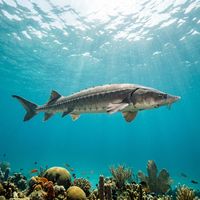
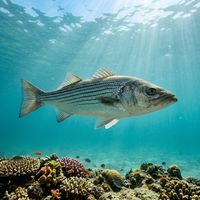
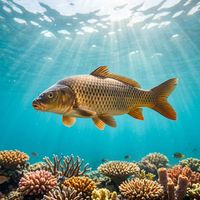
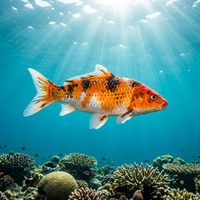
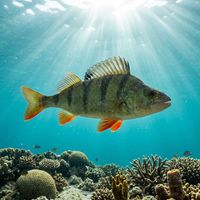
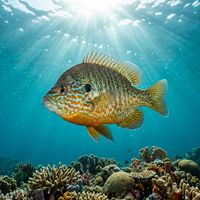
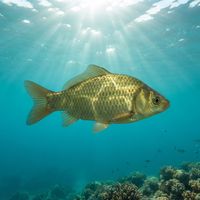
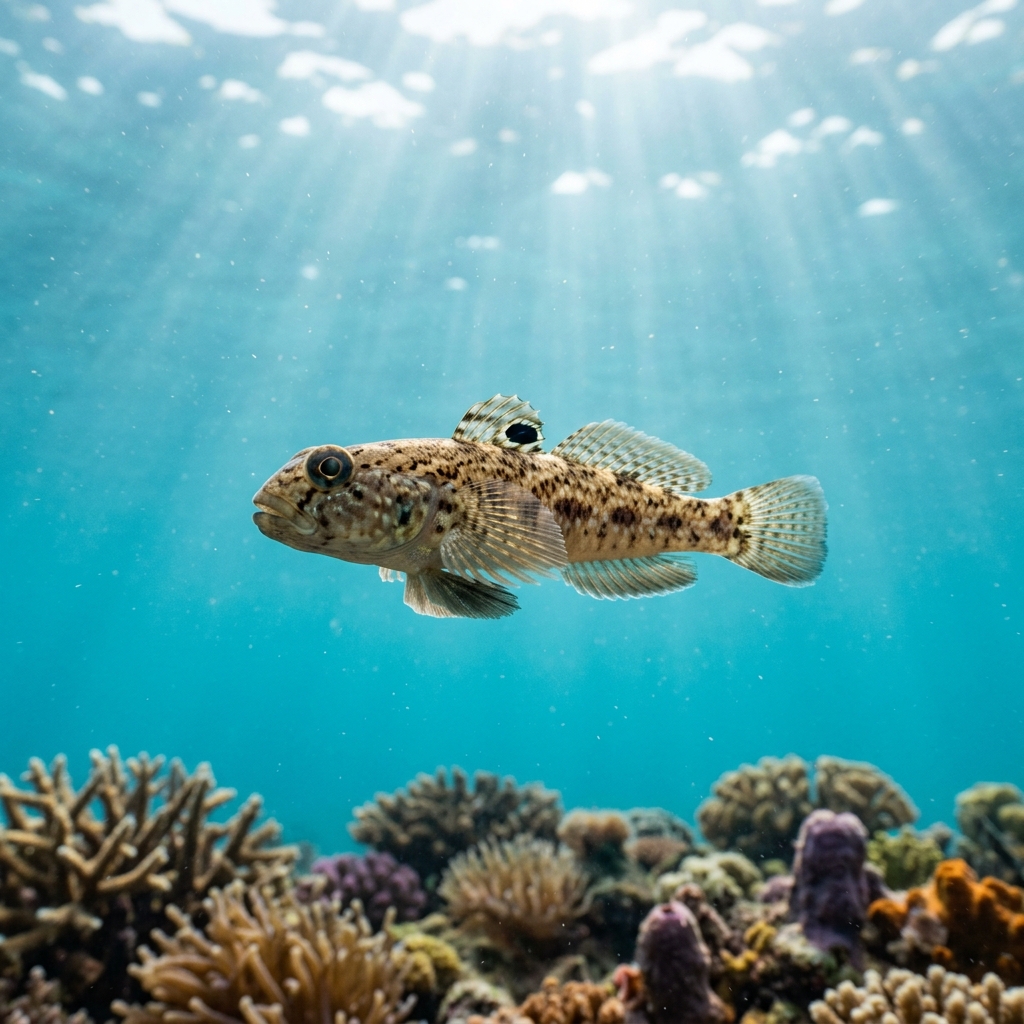
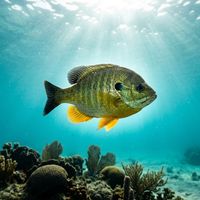
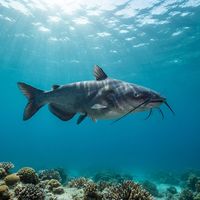
Ontario's freshwater lakes support a diverse range of fish species. Pike and Common Carp are commonly encountered across many sites, while Perch, Blue Gill, and Sun Perch are regular sights. Occasional encounters with Sturgeon, Burbot, Trout, and Lake Trout are also logged by divers, alongside smaller creatures such as American Crayfish and Round Goby.
A good portion of Ontario's sites are rated for beginner divers, including well-known wrecks such as the Sweepstakes and Cedar Hills, both of which sit at shallow depths with calm conditions. Intermediate and advanced sites are also plentiful, particularly the deeper wrecks in the Brockville and Thousand Islands area and Big Tub Harbour. Beginners should check individual site skill ratings and dive with one of the many local operators who offer guided access.
Tobermory and Big Tub Harbour concentrate a high number of wreck sites ranging from beginner-friendly schooners to deep advanced dives, while the Brockville and Thousand Islands area is known for offshore wrecks with stronger currents. Georgian Bay adds wall and artificial reef topography to the mix. Lake Ontario and Lake Erie offer their own wreck grounds, and Kingston Harbour holds notable intermediate-level shipwrecks within easy boat range.
Ontario offers both shore and boat entry depending on the site. Cedar Hills and the Tobermory HBC wreck are accessible directly from shore, making them convenient for independent divers. Deeper wrecks such as the Ash Island Barge, Henry C. Daryaw, and the Arabia require boat access. Several sites, including the Sweepstakes, accommodate both entry types, giving divers flexibility when planning their trip.