Hemitripteridae spp.
Spot sea ravens in Nova Scotia, the Bay of Fundy, and the US Northeast. Cold-water lurkers at 3-17 °C, most active Jun, Nov.
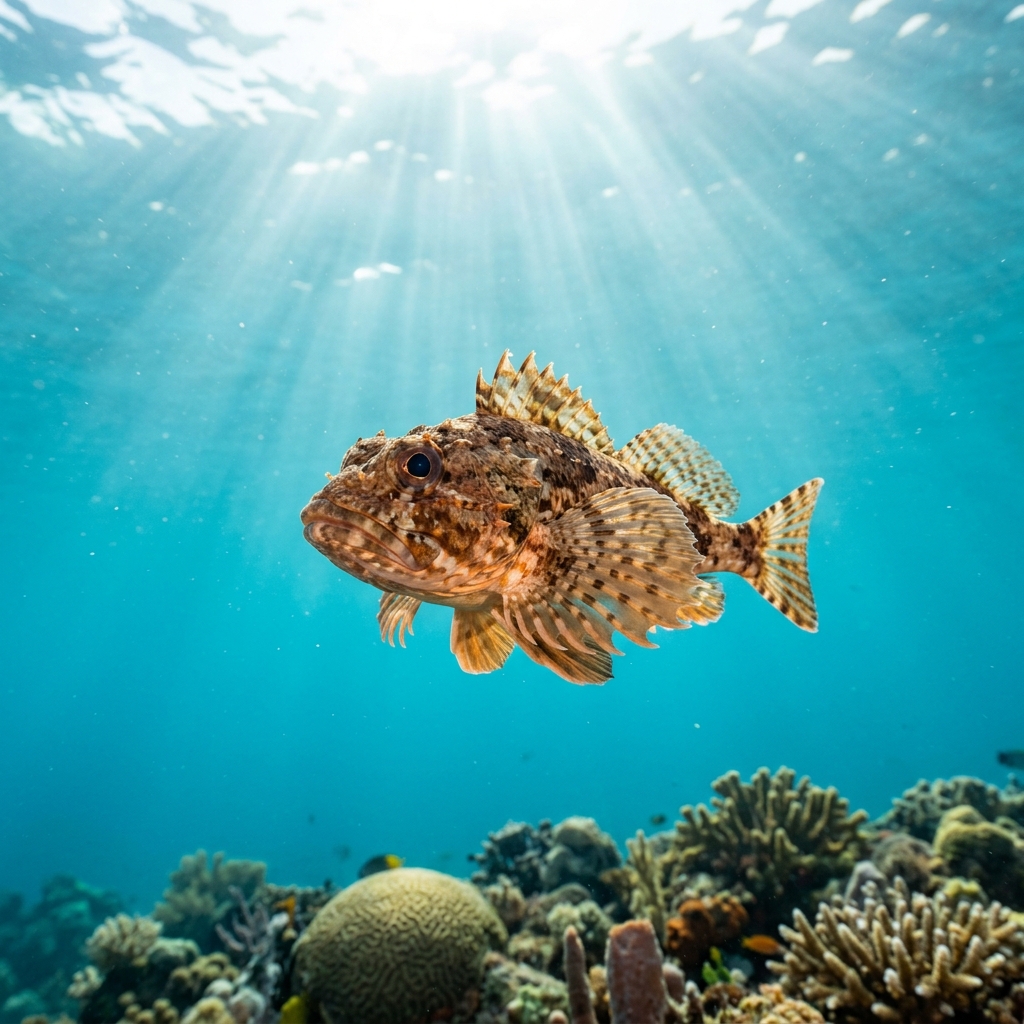
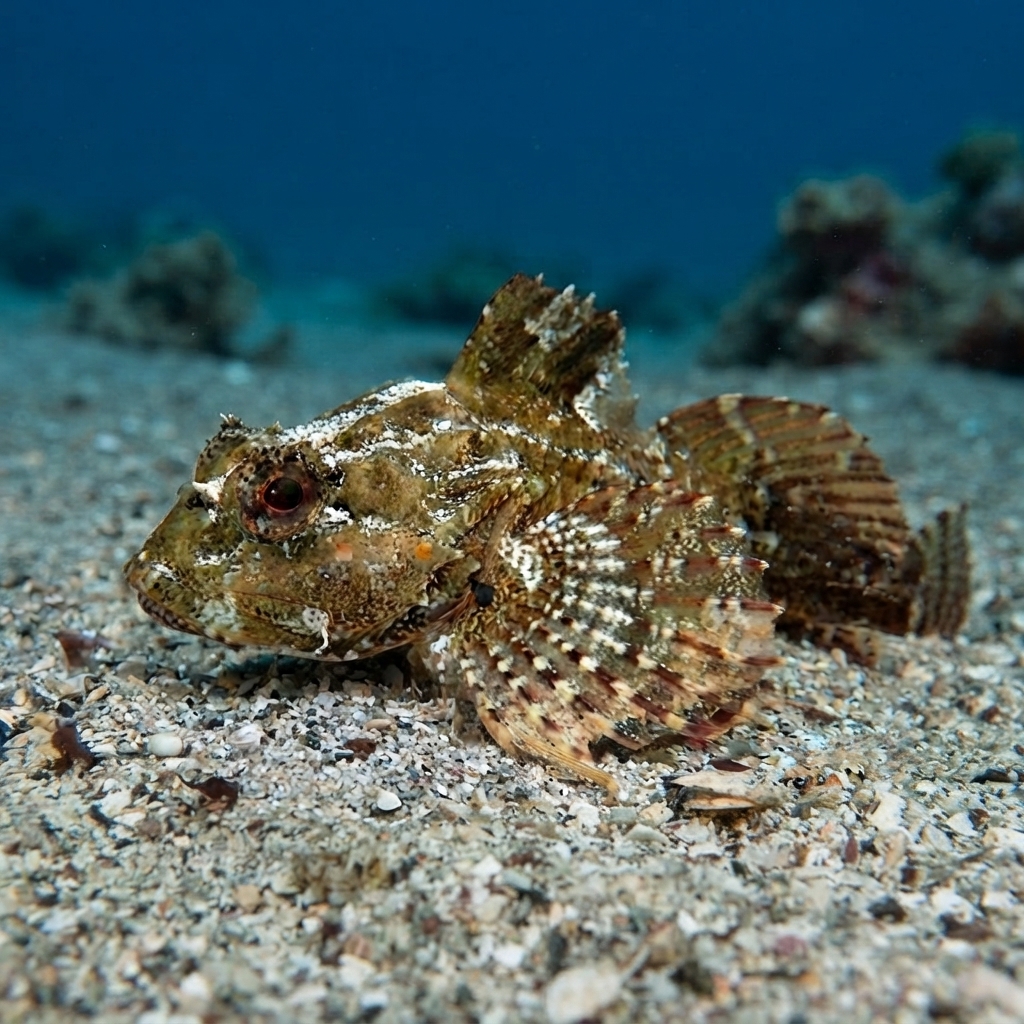
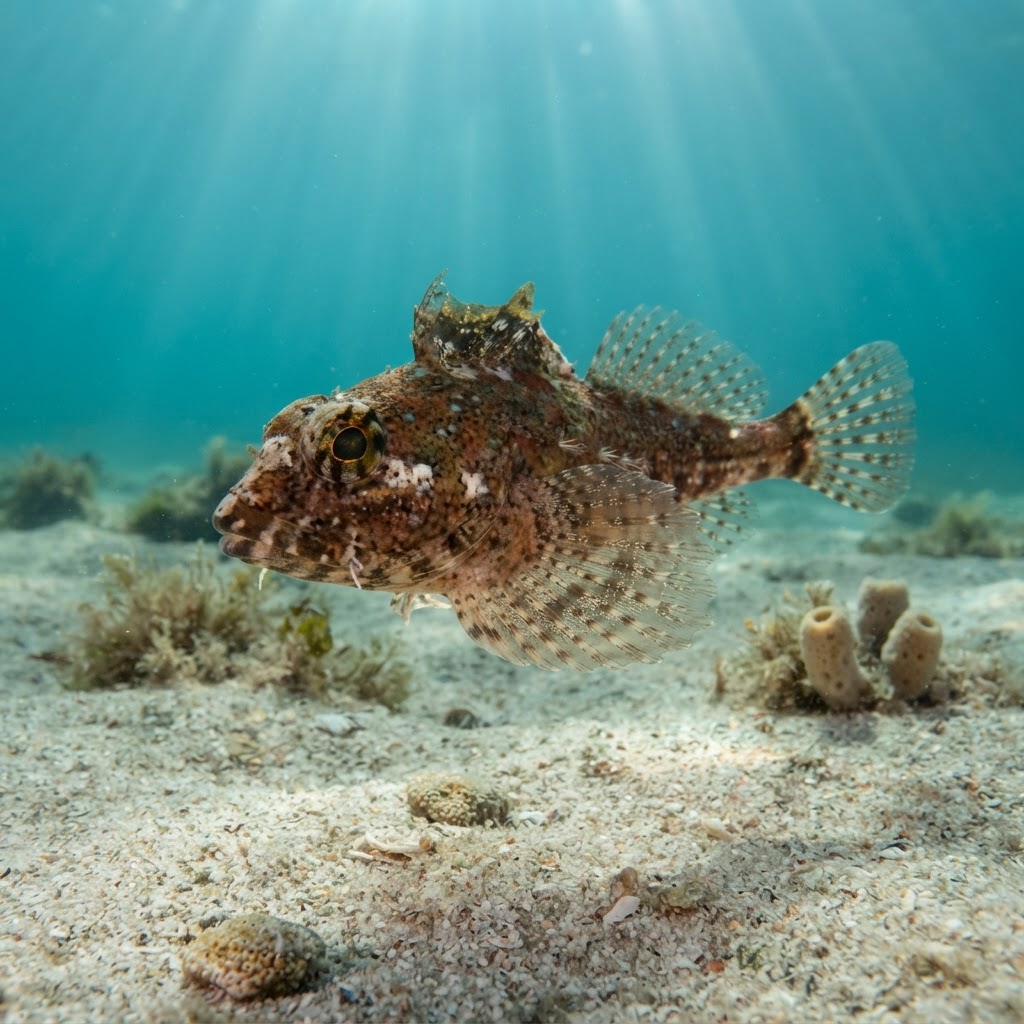
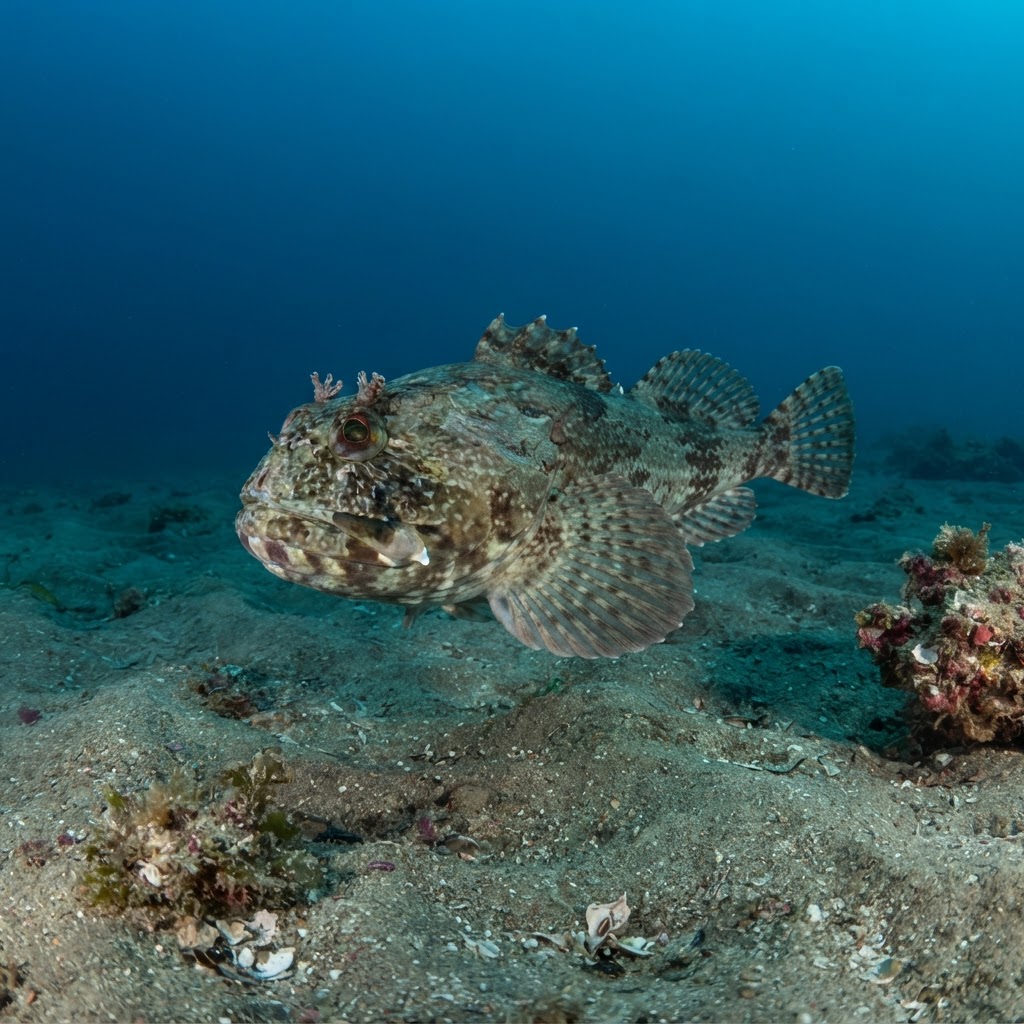
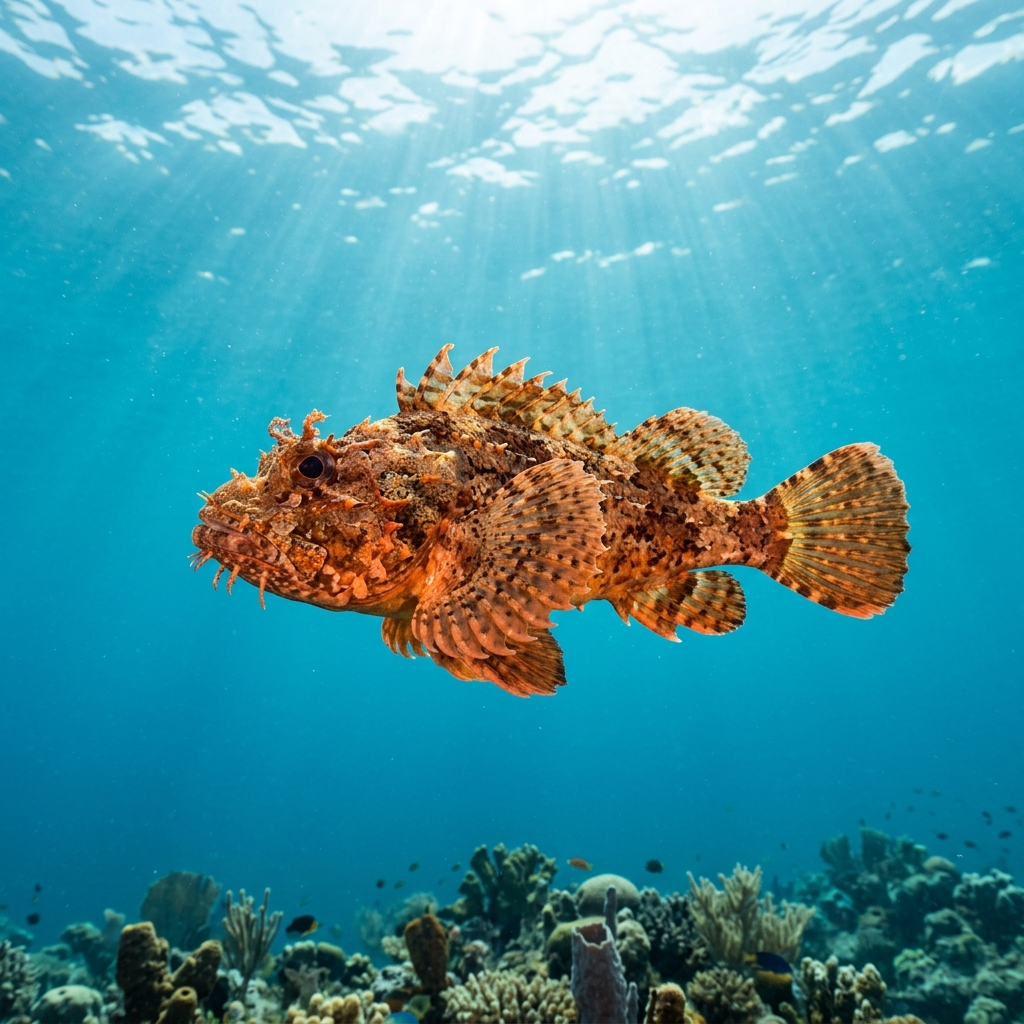
Sea ravens are chunky, bottom-hugging fish with broad, flattened heads and a distinctively ragged outline created by fleshy skin tabs and bumps along the body and head. Colouration runs from mottled reddish-brown through olive and yellow, often with darker blotching that blends against rocky reef or kelp. The large mouth and spiny dorsal fin (the fin running along the back) are the features divers key on first, together with that rough, warty skin texture no other cold-water fish quite replicates.
Sea ravens are ambush predators that spend most of their time motionless on rocky or mixed-substrate bottoms, relying on their camouflage rather than speed. When approached by a diver they tend to hold position, sometimes puffing up their bodies slightly, which makes them easier to study than most reef fish. Look low, along ledge bases and among kelp holdfasts rather than out in open water.
When threatened, sea ravens can inflate their stomachs with water or air, puffing up noticeably larger, a defence display you are quite likely to trigger simply by hovering close.
Northern Hemisphere sightings concentrate between June and November, which aligns with the warmer end of the family's cold-water range (3-17 °C) when divers are more actively exploring the rocky reefs these fish favour.
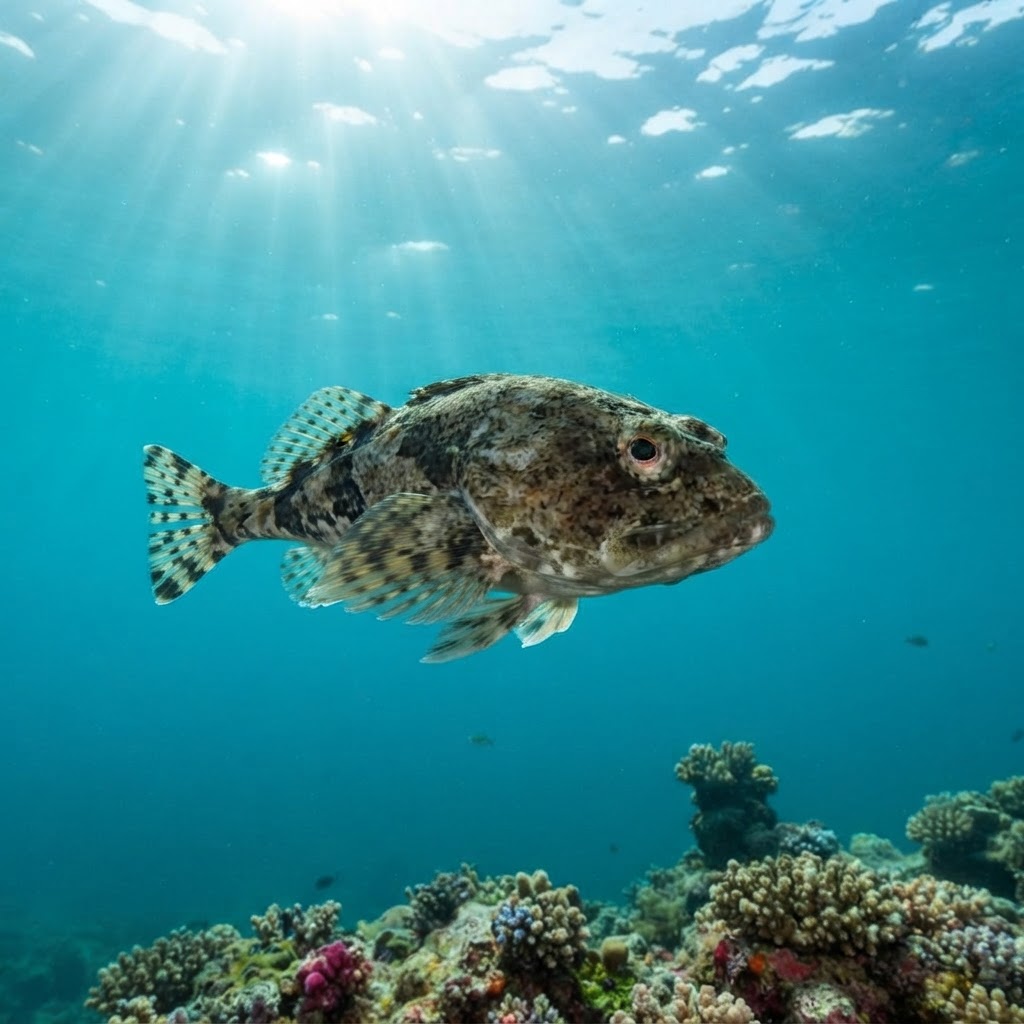
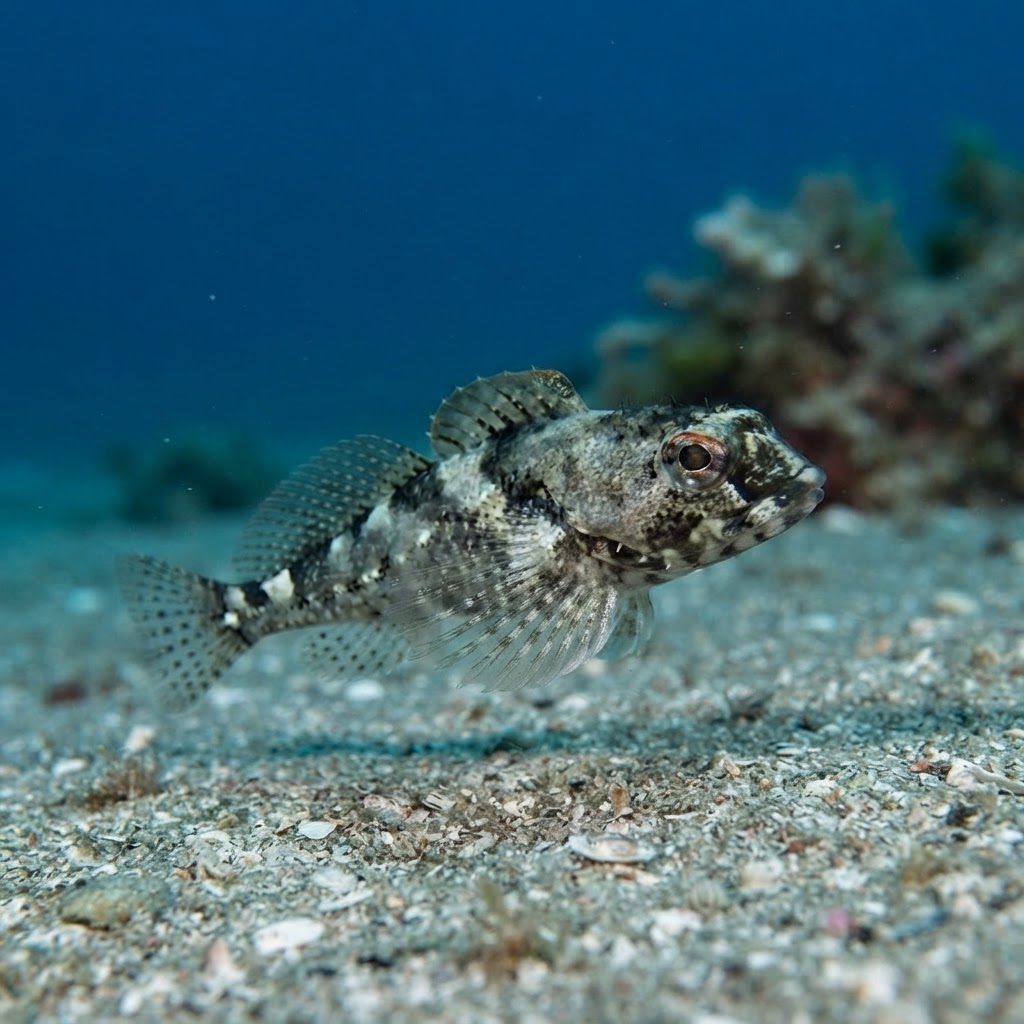
Reef neighbours a diver could mistake it for. Use the identification notes above to tell them apart.
The family is most commonly logged across eastern Canada, with Nova Scotia and the Bay of Fundy, the St. Lawrence and Quebec, and New Brunswick standing out as the strongest areas. The US Northeast and New England waters are the next most reliable zone, with sightings also recorded along the US Pacific Coast and in Japan and South Korea for divers exploring colder Indo-Pacific latitudes.
Mapping where Sea Raven is logged…
The best-documented diving is in eastern Canada, particularly Nova Scotia, the Bay of Fundy, the St. Lawrence region, and New Brunswick. The US Northeast is a solid second option, and colder Pacific waters in Japan and South Korea also hold records. Sightings are rare to uncommon at most sites, so targeted dives on rocky reef in these regions give the best odds.
Based on logged sightings, June through November is when divers most reliably encounter them in the Northern Hemisphere. This overlaps with the season when recreational diving activity peaks on the cold-water rocky reefs they inhabit.
Look for a broad, warty head, fleshy skin tags fringing the body, and mottled colouration in reds, browns, and olives. The fish sits still on the bottom, which helps, if it holds its position and looks lumpy and rough-skinned, it is very likely a sea raven rather than a plain sculpin.
No. Sea ravens pose no meaningful risk to divers. They are passive bottom-sitters that may puff up if approached closely, but they do not bite or sting. Standard good practice, avoid touching them, is all that is needed.
Sea ravens can inflate their stomachs with water or air when threatened, visibly swelling in size. This defence display is something divers hovering nearby can often observe first-hand, since the fish rarely flees.
Site and sighting data is aggregated from diver logs, iNaturalist and GBIF. For taxonomy and conservation status:
Tidepool Sculpin
205 sites