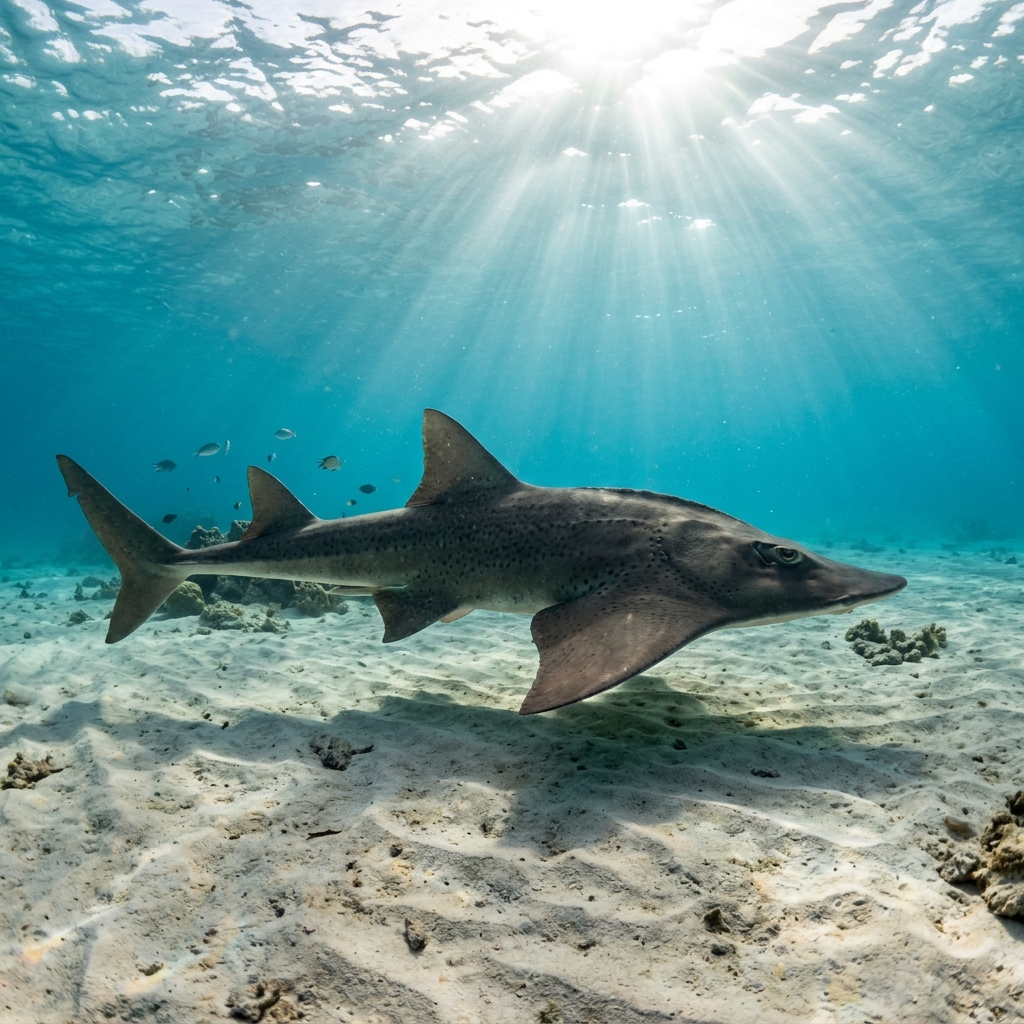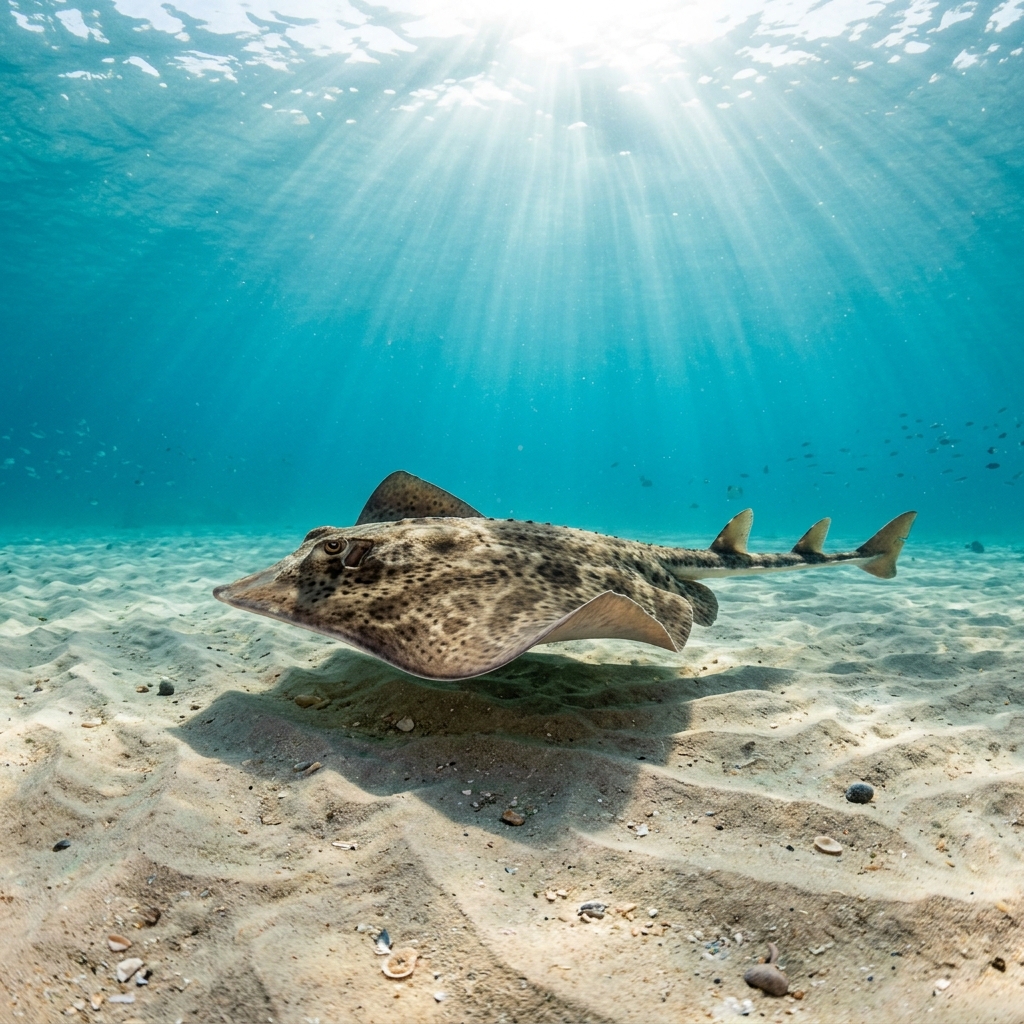
Rajidae spp.
Spot skates in cold Atlantic waters off Canada, the UK and Brittany. Sightings peak Jan, May in water as cold as 3.5 °C. Here's where divers find them.
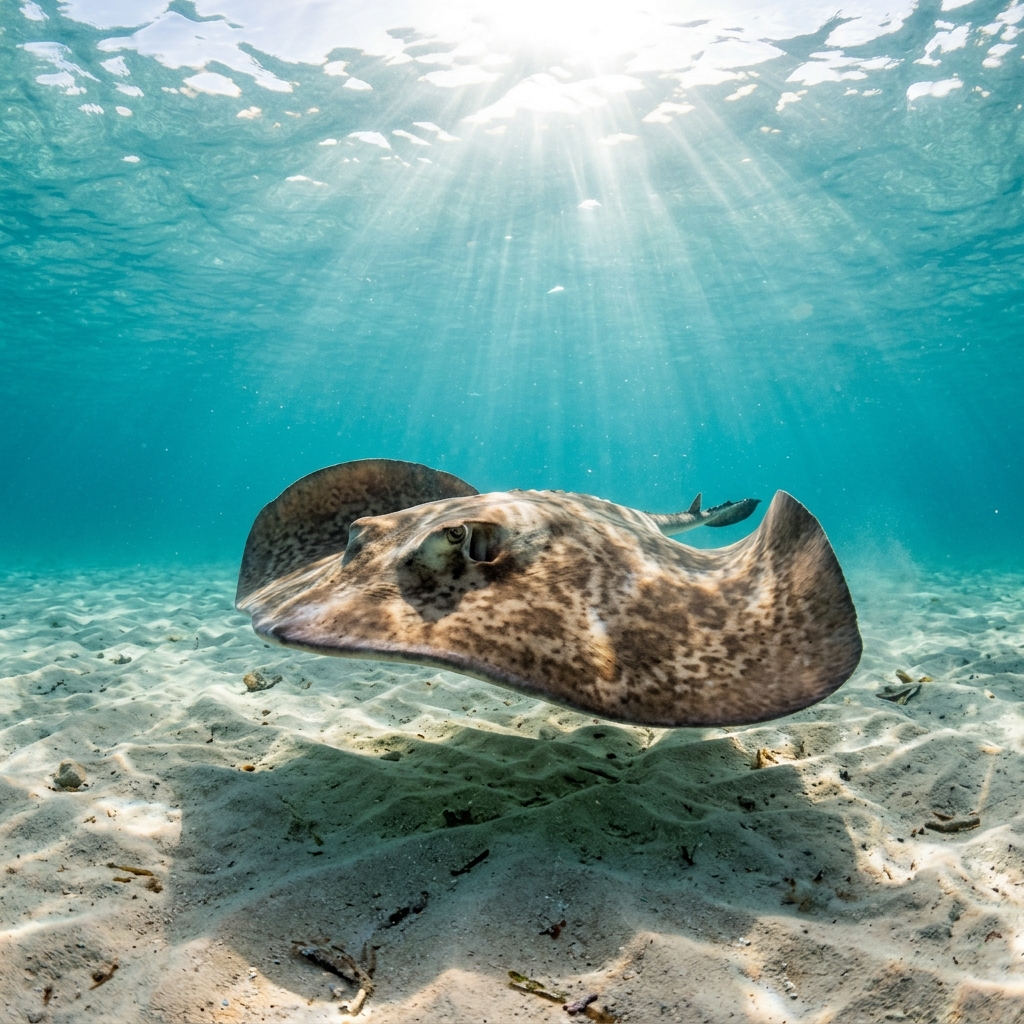
Skates are flat, diamond-shaped rays with a relatively stiff, angular disc and a slender tail that lacks a venomous spine. Most species are mottled brown, grey, or beige on top, patterned in ways that break up their outline against sand or gravel, useful camouflage that can make them easy to miss. The underside is pale to white. Look for the row of thorny denticles (small tooth-like spines) running down the midline of the tail, which distinguishes skates from most smooth-tailed rays.
Divers most often encounter skates lying motionless on sandy or gravelly bottoms, relying on their cryptic (camouflage) colouring to stay hidden rather than swimming away. When approached carefully, they tend to hold position or make a short, low glide before settling again. They are generally indifferent to divers who move slowly and don't crowd them.
Skates reproduce by laying leathery egg cases, the familiar 'mermaid's purses' sometimes found on beaches, which can take months to hatch. Unlike most rays, they do not give birth to live young.
Northern Hemisphere sightings concentrate between January and May, suggesting skates are most visible to divers during the colder months of the year, which aligns with their observed temperature range of 3.5 to 17.3 °C.
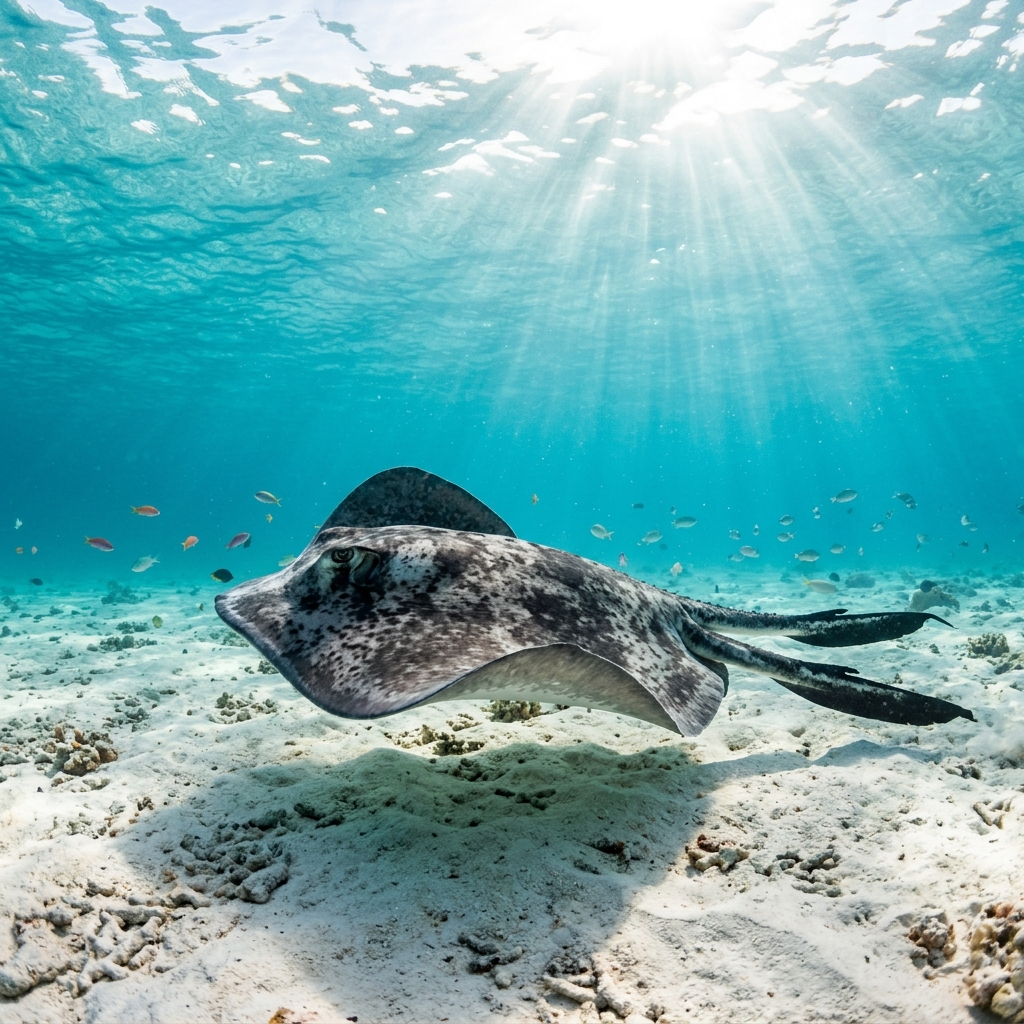
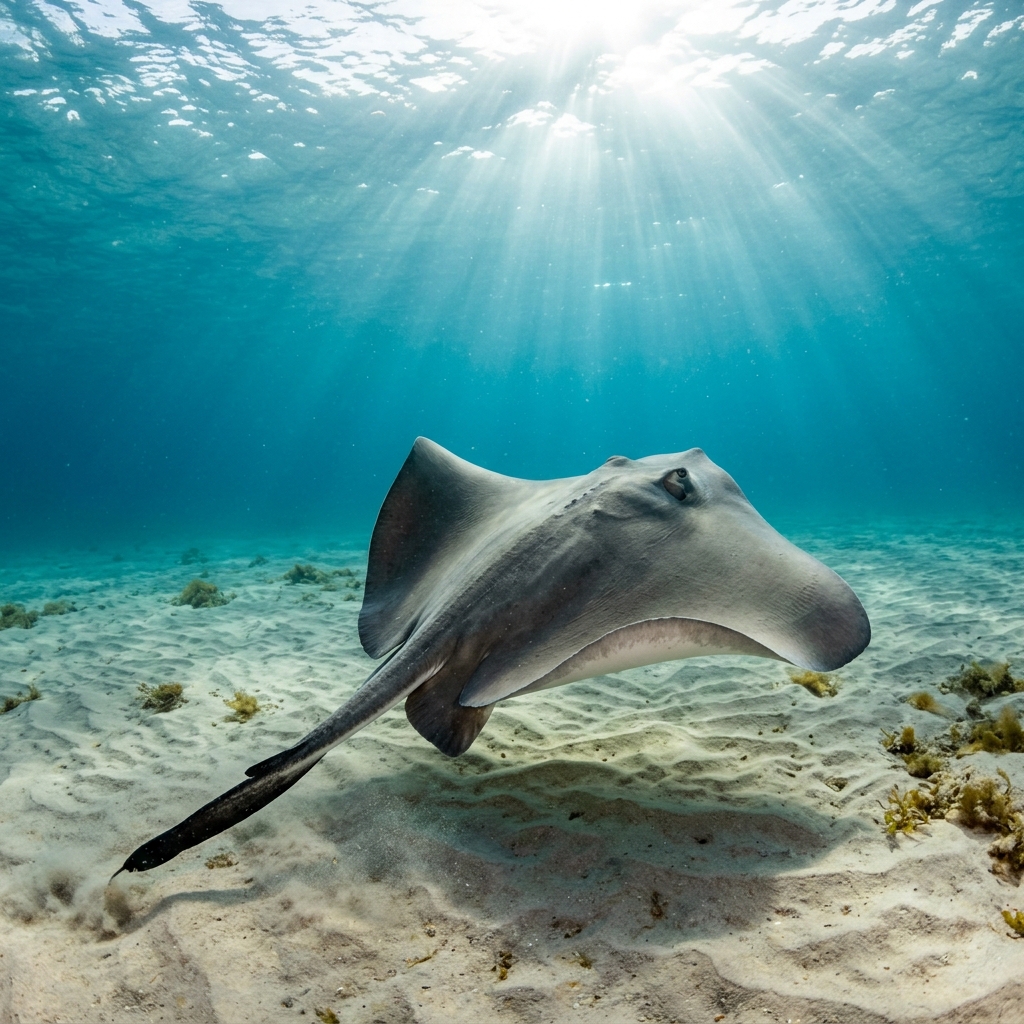
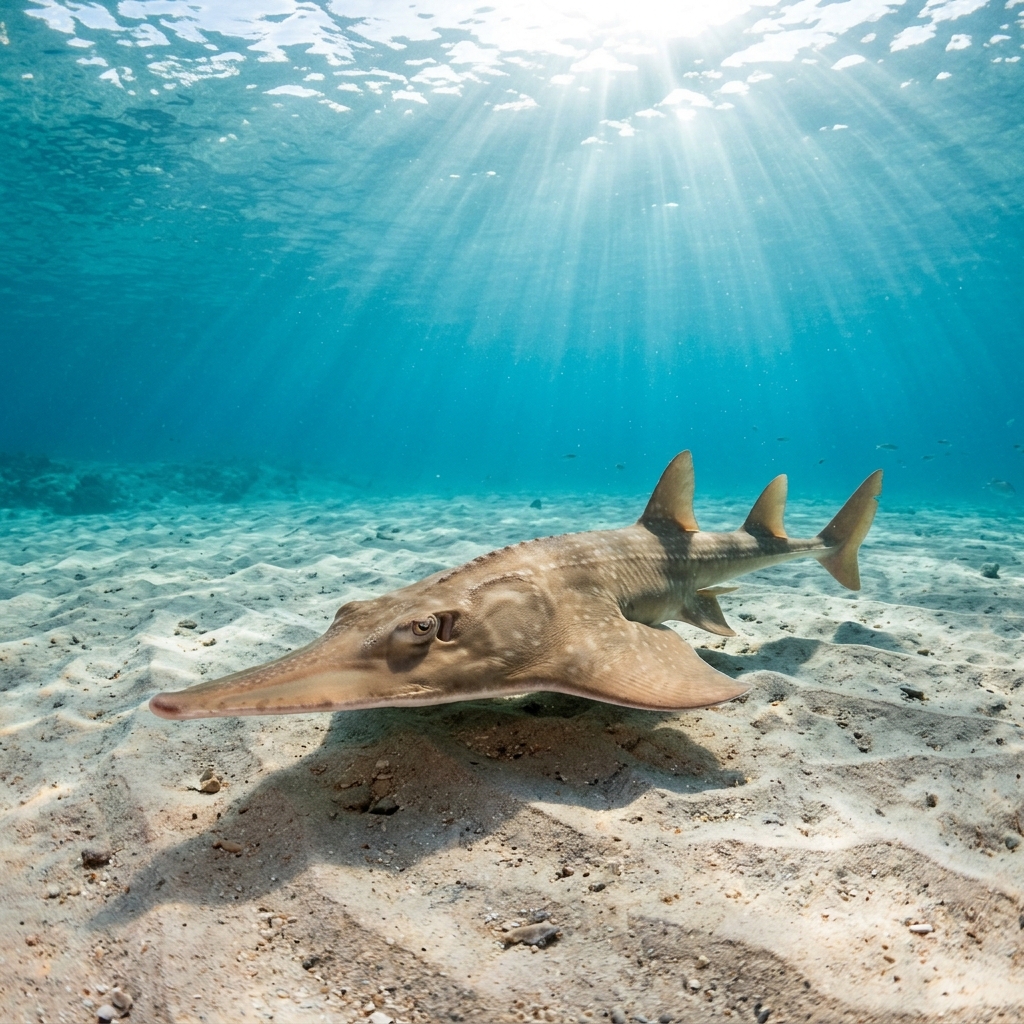
Reef neighbours a diver could mistake it for. Use the identification notes above to tell them apart.
Skates are most consistently logged in the cold-temperate Atlantic: Canada (especially Nova Scotia, the Bay of Fundy, and the St. Lawrence), the United Kingdom (with a strong showing along the South Coast), and France's Brittany and Normandy coast. Ireland's southwest coast and Norway round out the core European range, while Germany's North Sea sites also contribute regular records.
Mapping where Skate is logged…
The strongest dive records come from cold-temperate Atlantic regions: Nova Scotia, the Bay of Fundy, and the St. Lawrence in Canada; the South Coast of England and wider UK; and Brittany and Normandy in France. Ireland's southwest coast and Norway are also well-represented. These are cool, often low-visibility waters, so drysuit diving is common.
Based on logged sightings in the Northern Hemisphere, January through May is when skates appear most frequently to divers. This cold-season window fits their observed water temperature range, which extends down to around 3.5 °C.
Look for a stiff, diamond-shaped disc, mottled brown or grey on top, and a slender tail with a row of small spines running along its midline but no venomous spine at the tip. Smooth rays and butterfly rays have softer, rounder outlines and lack those midline spines. The angular 'wingtips' and thorny tail are your best quick checks.
No. Skates carry no venomous tail spine, unlike many stingrays, and pose no threat to divers. They rely on camouflage rather than defence, so the main risk is accidentally disturbing one you didn't see on the bottom.
Skates lay tough, rectangular egg cases known as mermaid's purses, which attach to the seabed or reef structure and can take several months to hatch. This makes them unusual among rays, which more commonly bear live young. Empty egg cases frequently wash ashore and are an easy way to confirm skates are present in an area.
Size varies considerably across the Rajidae family, small species top out at around 50 cm disc width, while larger species such as the common skate can exceed 2 metres from wingtip to wingtip. Most species a diver encounters will be somewhere in between, roughly 60 to 120 cm across the disc.
Site and sighting data is aggregated from diver logs, iNaturalist and GBIF. For taxonomy and conservation status:
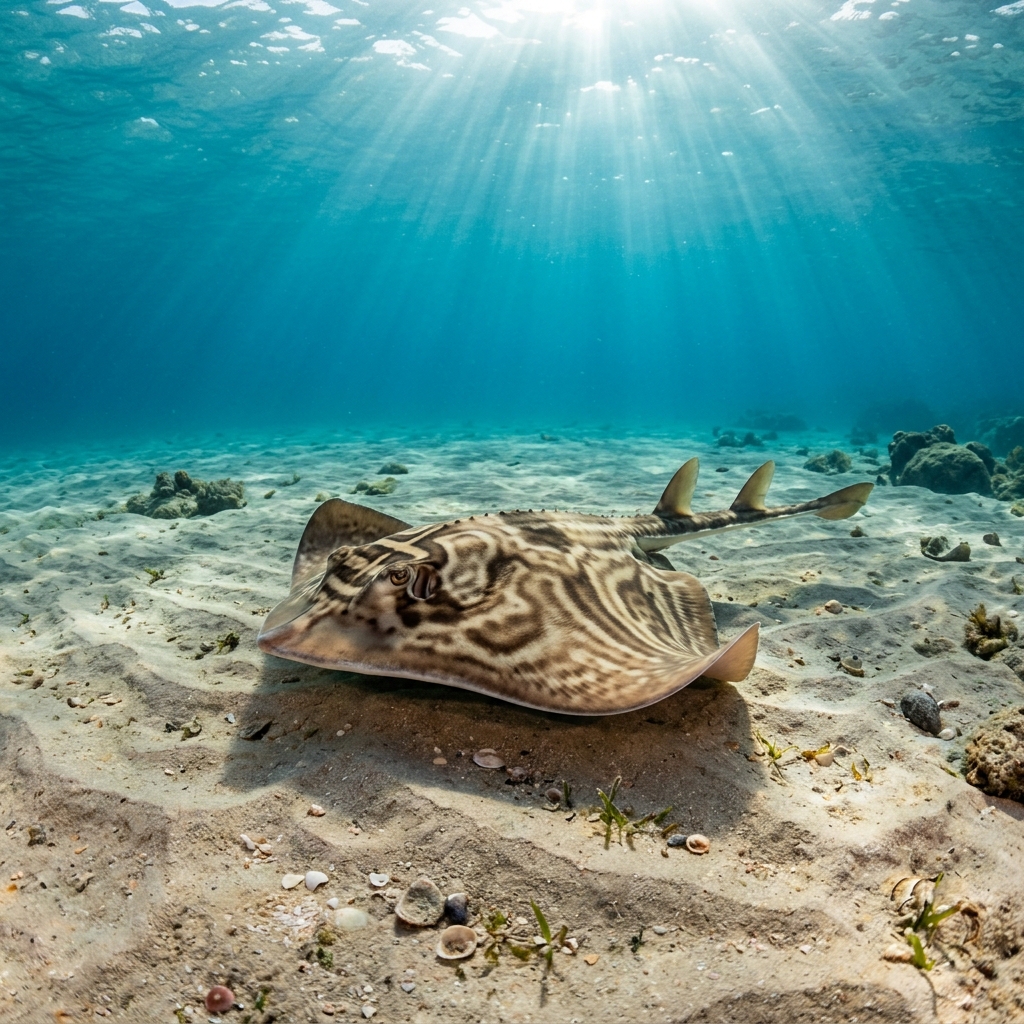
Fiddler Ray
342 sites