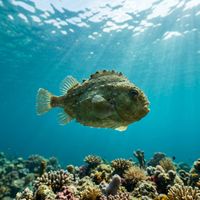
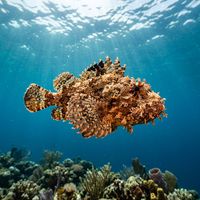
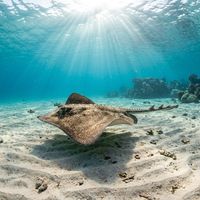
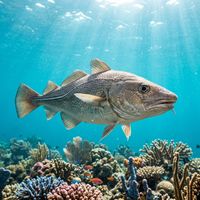
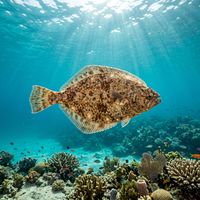
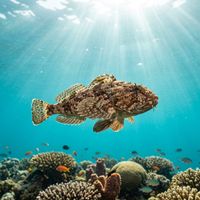
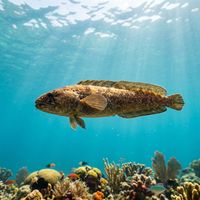
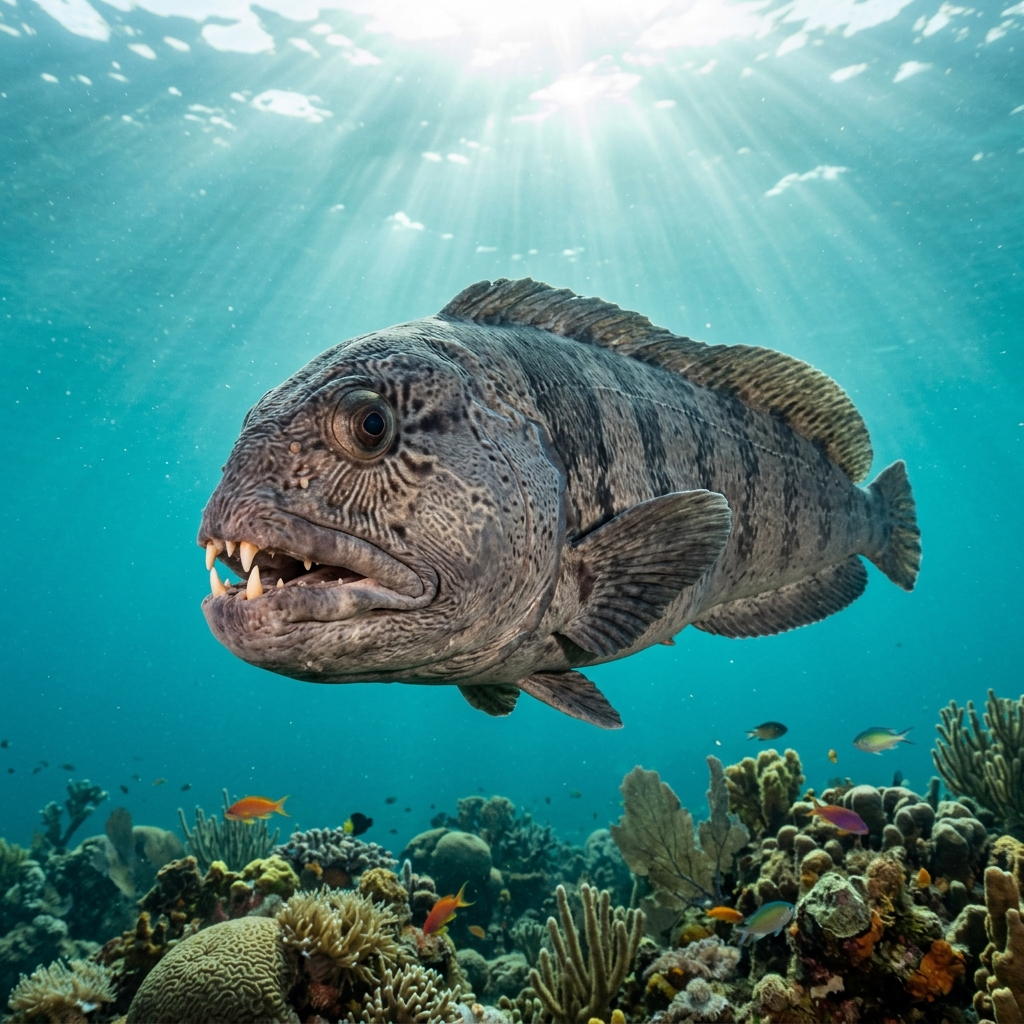
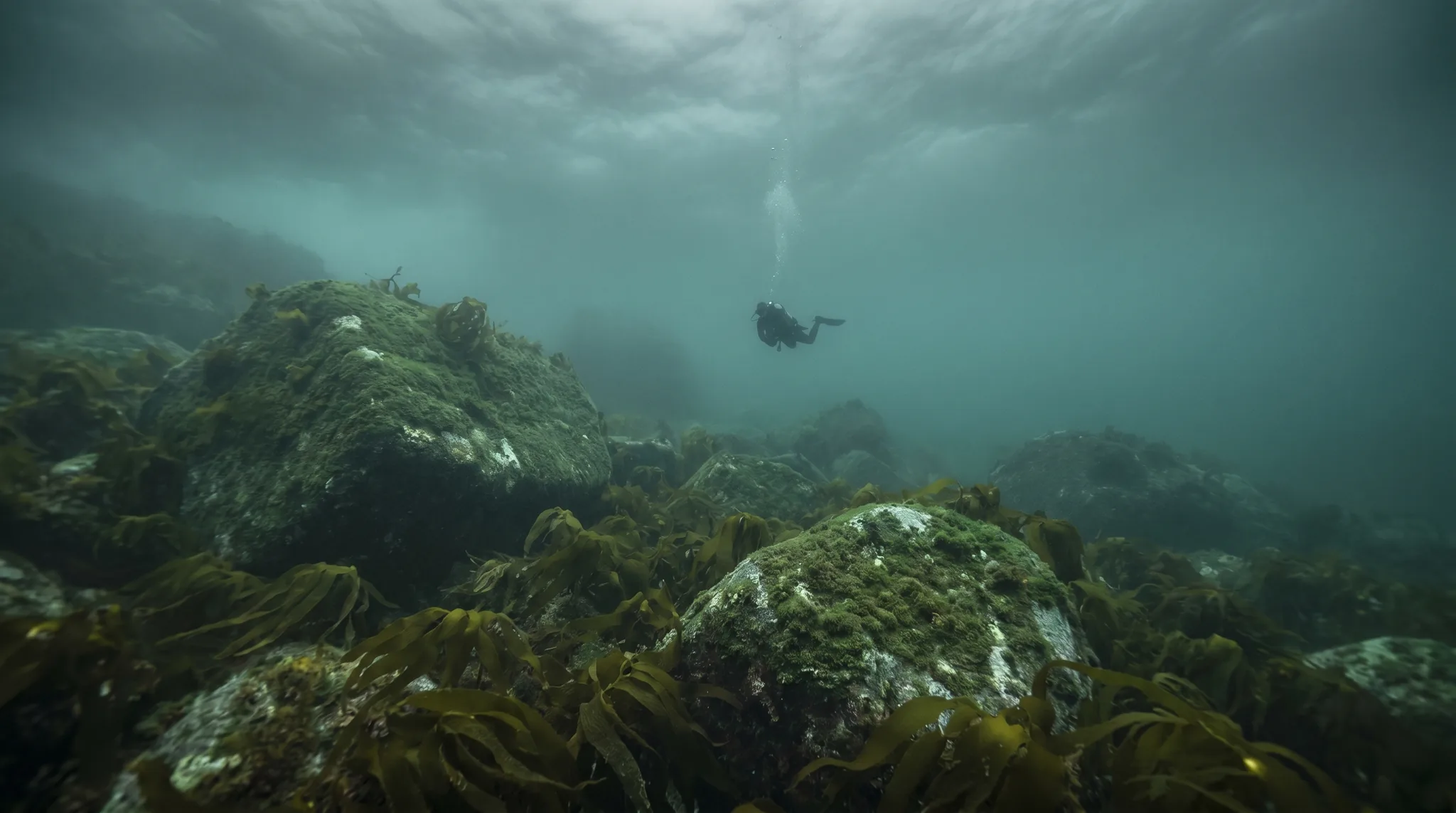
Newfoundland & Labrador is cold-water diving and snorkelling territory, shaped by near-freezing temperatures for much of the year and a marine fauna that reflects that chill. The bulk of the region's sites are concentrated in Bell Island, with Labrador contributing a single site. Shore entry is common, and reef diving is the dominant site type. Expect encounters with Lumpfish, Sea Raven, Cod, Skate, Righteye Flounder, and Sculpin on almost every dive. Pout and Sea Raven turn up with remarkable consistency, while Atlantic Wolffish and Wolf-eel reward attentive divers willing to search the reef structure.
2 areas
Monthly water temperature across Newfoundland & Labrador's sites, from satellite sea-surface data corrected for depth. The band shows the site-to-site spread.
Water temperatures sit close to freezing from winter through spring, then climb gradually to their peak in late summer before falling sharply through autumn. The warmest and most popular window runs from mid-summer through early autumn, when conditions are most comfortable for extended bottom time. Outside that window, diving is possible but demands dry-suit experience and a tolerance for cold.
Water temperature around Newfoundland & Labrador ranges from about 0°C in March to 12°C in August, based on satellite sea-temperature data for its dive sites.
In the warm season (about 12°C) a 7mm or semi-dry suit is comfortable in Newfoundland & Labrador; in the coldest months (about 0°C) step up to a drysuit.
Fin maps 25 sites in Newfoundland & Labrador (17 scuba diving sites and 11 snorkelling spots, with some suited to both), organised into 2 areas.
Across Newfoundland & Labrador's dive sites, July, August and September are most often reported as the best months to visit.
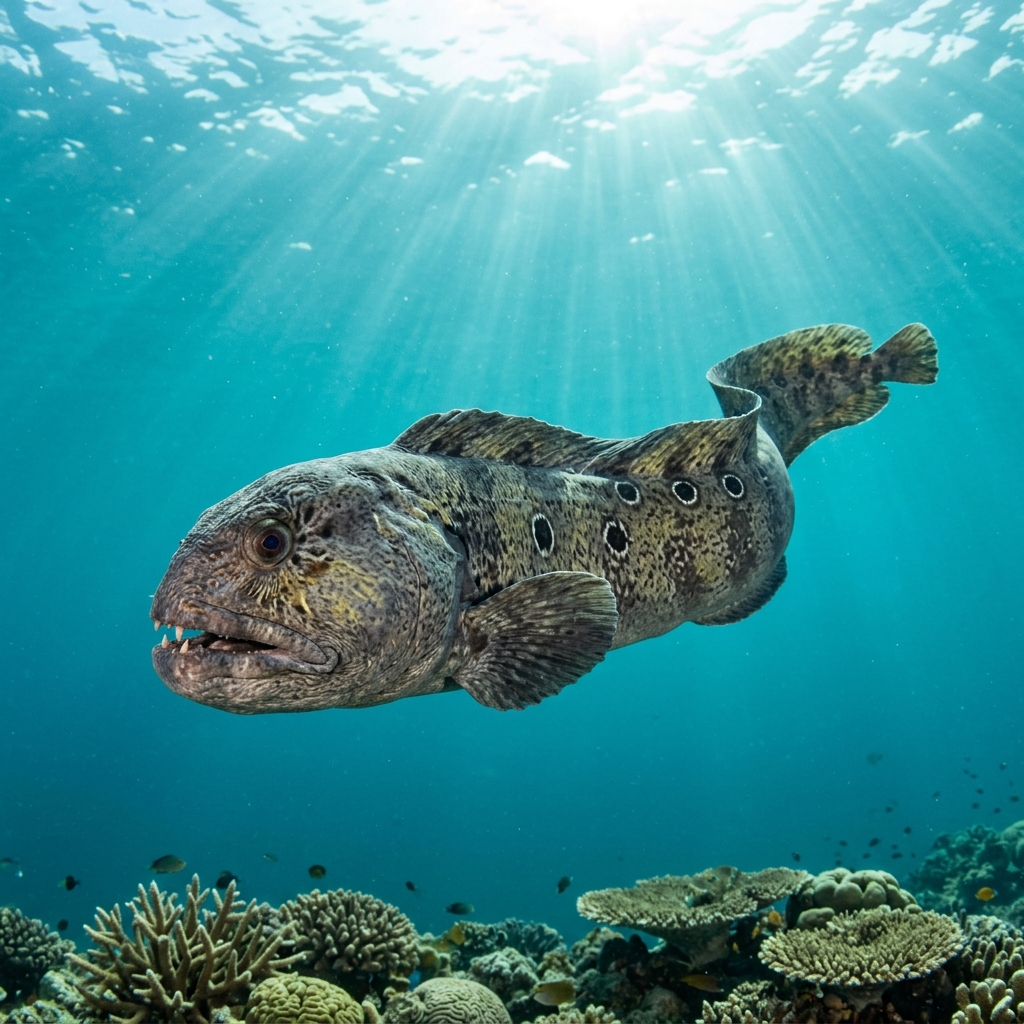
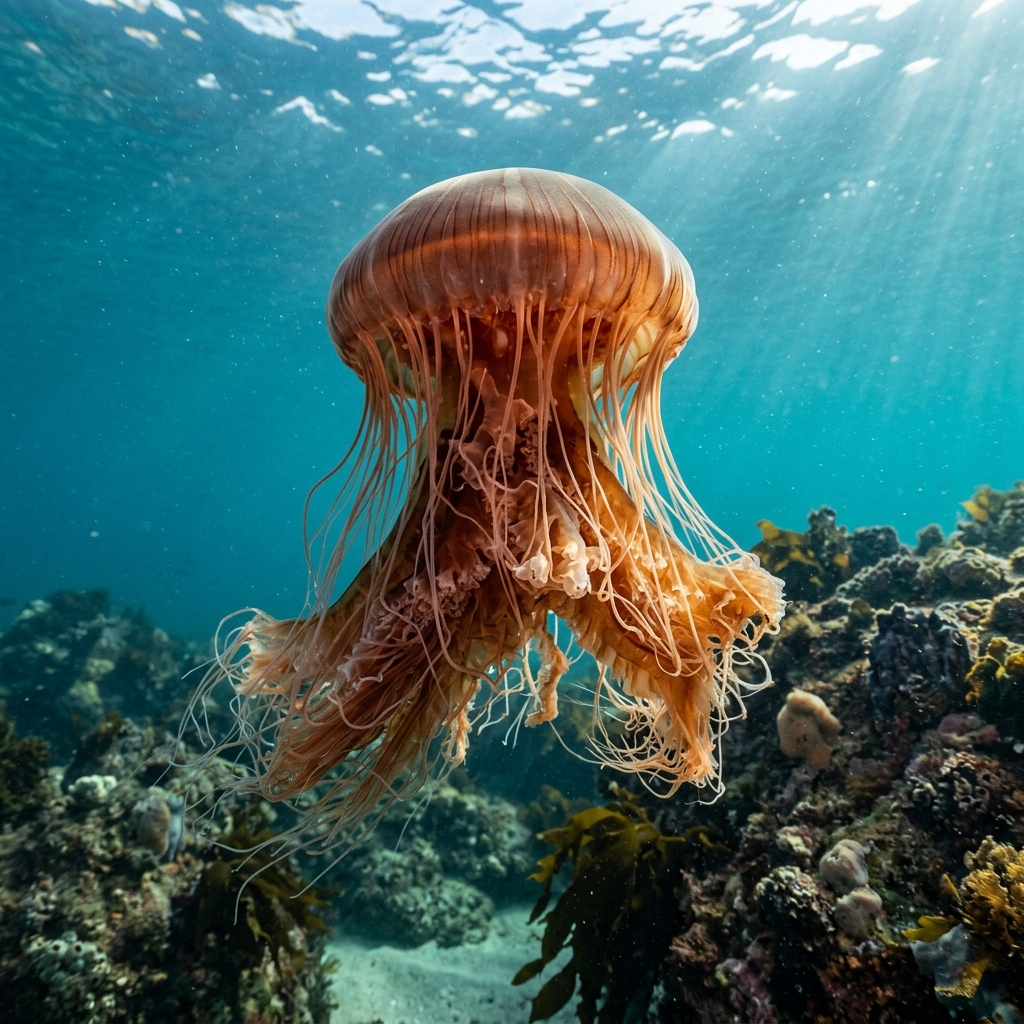
The most consistently observed species are Lumpfish, Pout, Sea Raven, Cod, Skate, Righteye Flounder and Sculpin. Less frequent but observed sightings include Atlantic Wolffish, Wolf-eel and Giant Jellyfish. Common Sea Star, Crab, Sea Anemone and Sea Urchin also appear across the reef sites. Humpback Whale has been observed, though rarely.
Some sites, including Portugal Cove–St. Philip's, are rated for beginner skill levels and offer shore entry onto reef terrain at moderate depths. However, the consistently cold water demands proper dry-suit training and equipment even at beginner-friendly sites. Newer divers should be comfortable in cold water before planning a trip.
Bell Island holds the vast majority of the region's sites, making it the clear centre of diving activity here. Labrador contributes only a single site, so divers focused on variety will find Bell Island the primary destination. Both sub-areas share the same cold-water character and fauna.
Shore entry is featured at documented sites in the region, including at Portugal Cove–St. Philip's. Shore access keeps logistical demands relatively low and makes the sites approachable without always needing a boat. Ocean Quest Adventures is the operator listed for the region and can provide local guidance on access.