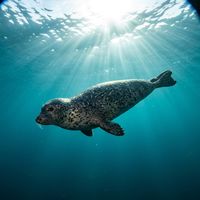
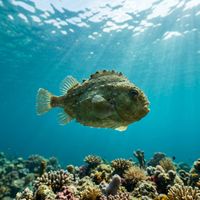
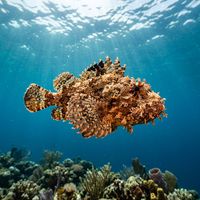
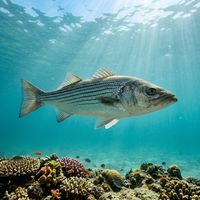
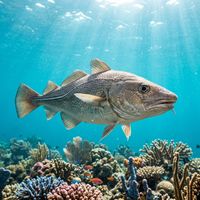
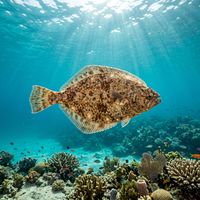
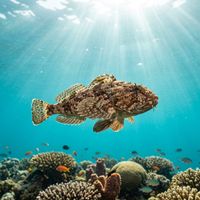
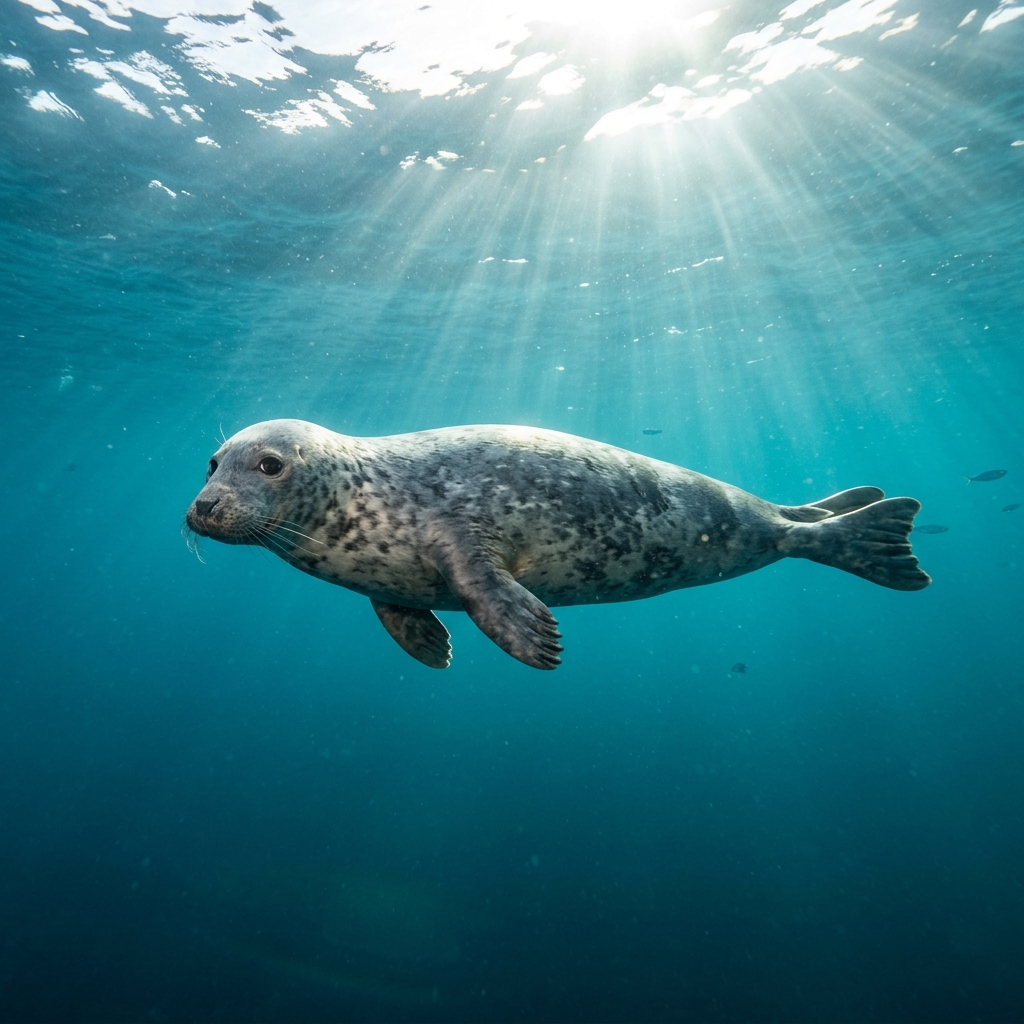
New Brunswick offers a cold-water Atlantic experience shaped by dramatic seasonal swings. Three distinct sub-areas define the region: Kouchibouguac holds the largest concentration of sites, the Acadian Coast provides a varied middle stretch, and Passamaquoddy Bay rounds out the southern reach. The underwater character is distinctly northern, with Cod, Sea Raven, Temperate Bass, and Righteye Flounder appearing consistently across sites. Harbor Seal is the signature encounter, observed widely throughout the region. Visibility is modest, and conditions reward those comfortable with cooler water. Most sites suit snorkellers, while diving skews toward intermediate experience.
3 areas
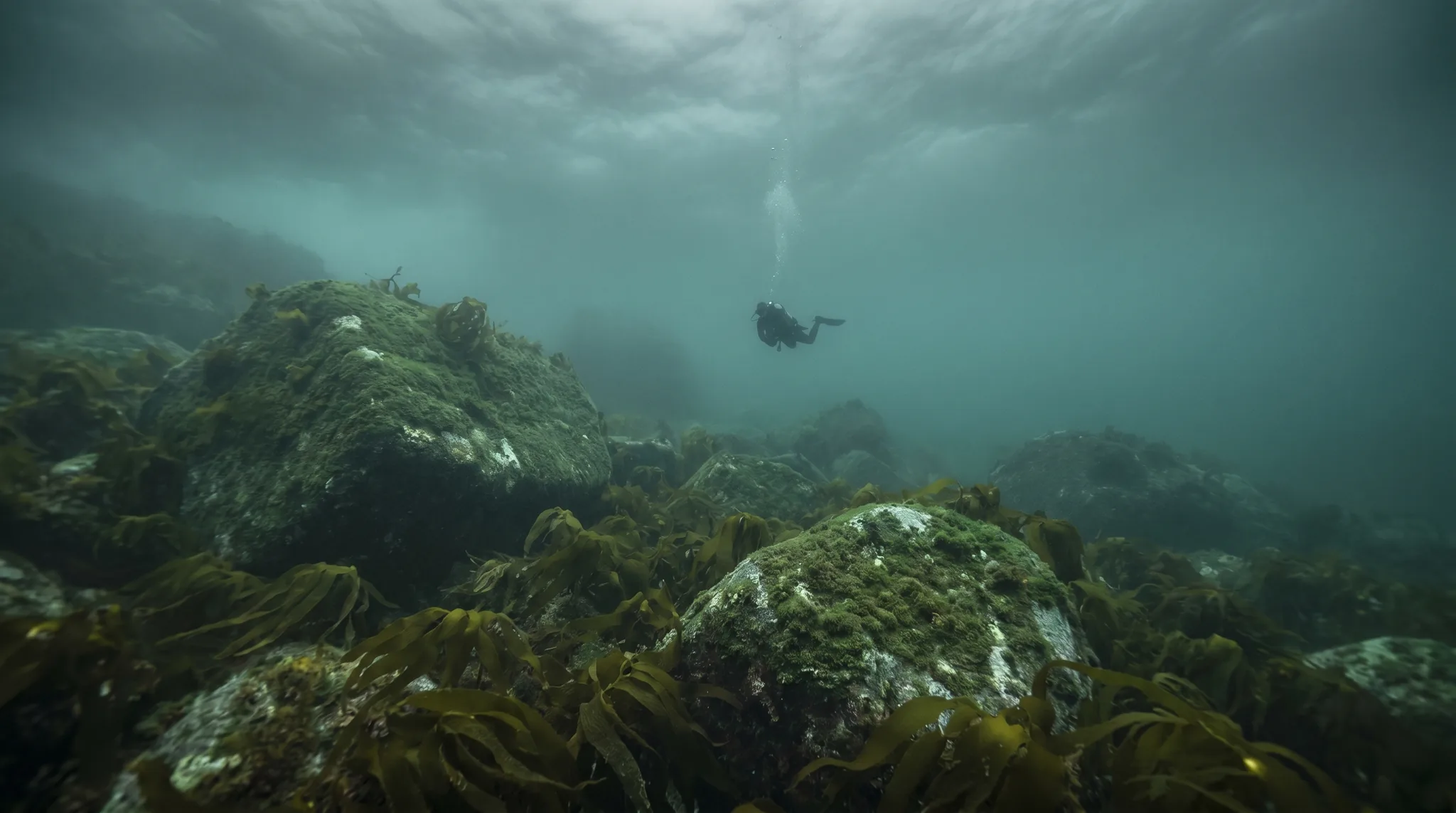 49
49Cool-water snorkelling and diving in New Brunswick, defined by resident Harbor Seal and a rich cast of bottom-dwelling species.
30Cold-water diving and snorkelling on the New Brunswick coast, known for Harbor Seal encounters and a rich mix of temperate fish species.
20Cold-water bay in New Brunswick where Sea Raven and Opalescent Inshore Squid define a rich, invertebrate-led underwater world.
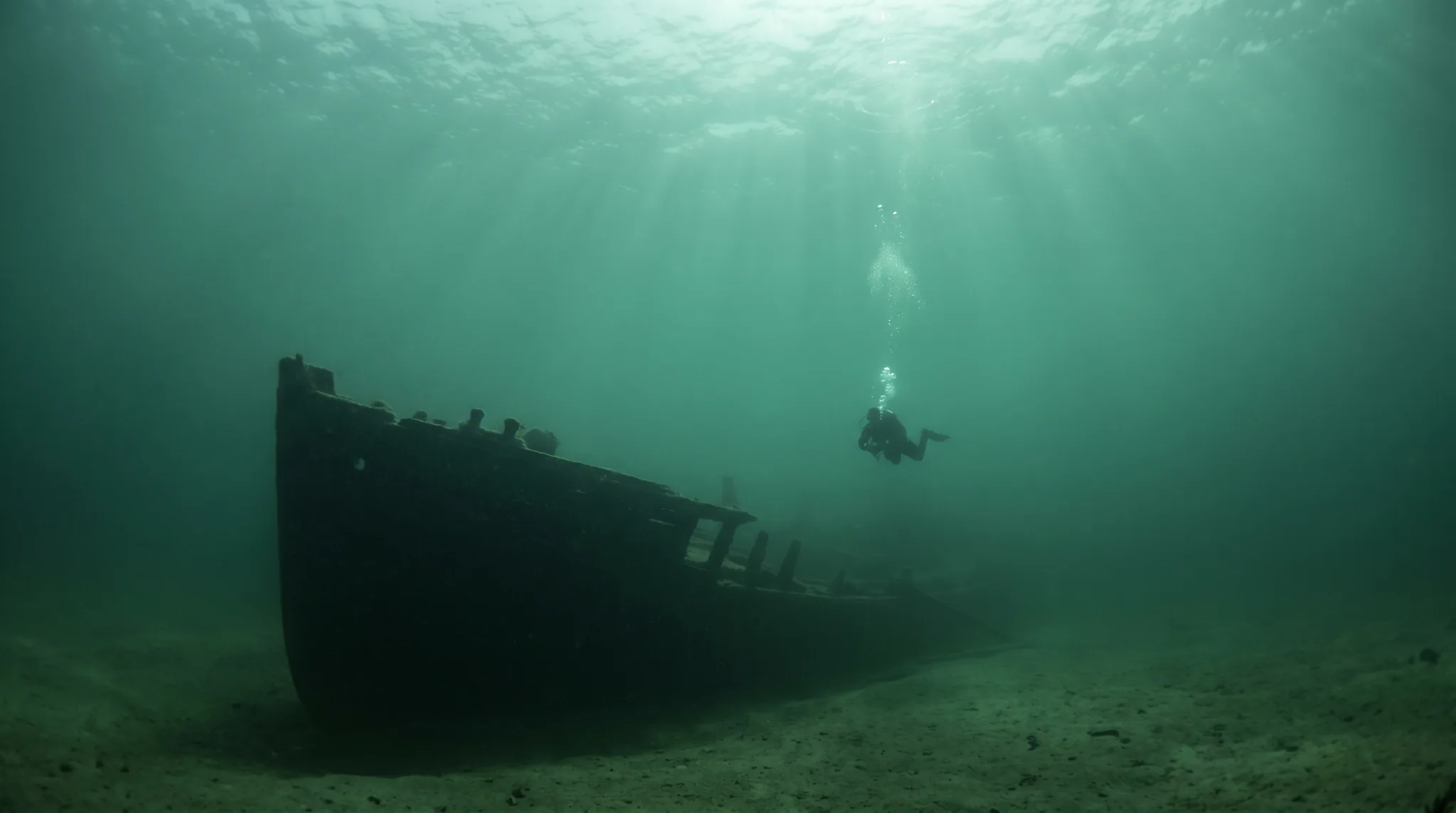
Monthly water temperature across New Brunswick's sites, from satellite sea-surface data corrected for depth. The band shows the site-to-site spread.
Water temperatures climb from near-freezing in late winter to their warmest in late summer, making the period from late spring through early autumn the practical diving window. Summer months bring the most comfortable conditions and align with peak site activity. Outside this window, cold exposure increases significantly and a well-configured drysuit or thick wetsuit becomes essential.
12 operators
Summerside, Canada
Water temperature around New Brunswick ranges from about -1°C in February to 19°C in August, based on satellite sea-temperature data for its dive sites.
In the warm season (about 19°C) a 5mm suit is comfortable in New Brunswick; in the coldest months (about -1°C) step up to a drysuit.
Fin maps 99 sites in New Brunswick (30 scuba diving sites and 80 snorkelling spots, with some suited to both), organised into 3 areas.
Across New Brunswick's dive sites, June, July, August and September are most often reported as the best months to visit.
The most consistently observed species across New Brunswick include Sea Raven, Temperate Bass, Cod, and Righteye Flounder. Harbor Seal is the region's signature species and is widely reported. Less frequent but confirmed sightings include Atlantic Wolffish, Common Lobster, Opalescent Inshore Squid, and on rare occasions Humpback Whale and Giant Jellyfish.
The dive sites in New Brunswick lean toward intermediate skill levels, as seen with sites such as Louise P. Cold water, modest visibility, and variable conditions mean beginners benefit from prior cold-water experience before diving here. Snorkelling, however, is far more accessible and suits a broad range of experience levels.
Kouchibouguac holds the greatest number of sites and offers the widest variety of snorkelling and diving options. The Acadian Coast provides a substantial mid-region selection, while Passamaquoddy Bay in the south has a smaller but distinct set of sites. Each sub-area draws from the same core Atlantic species community, though local conditions and entry types may vary.
Access varies by site, with some requiring boat support, as is the case for Louise P. Two operators, Ship To Shore Diving and Ship to Shore Diving and Engineering Ltd., are based in the region and can assist with boat access and local knowledge. Checking with operators directly is advisable given the seasonal nature of conditions here.