Cyclopteridae spp.
Spot lumpfish in Nova Scotia, the UK, and Zeeland in cold water down to 0°C. Sightings peak Nov, Jun, here's how to find and recognise them.
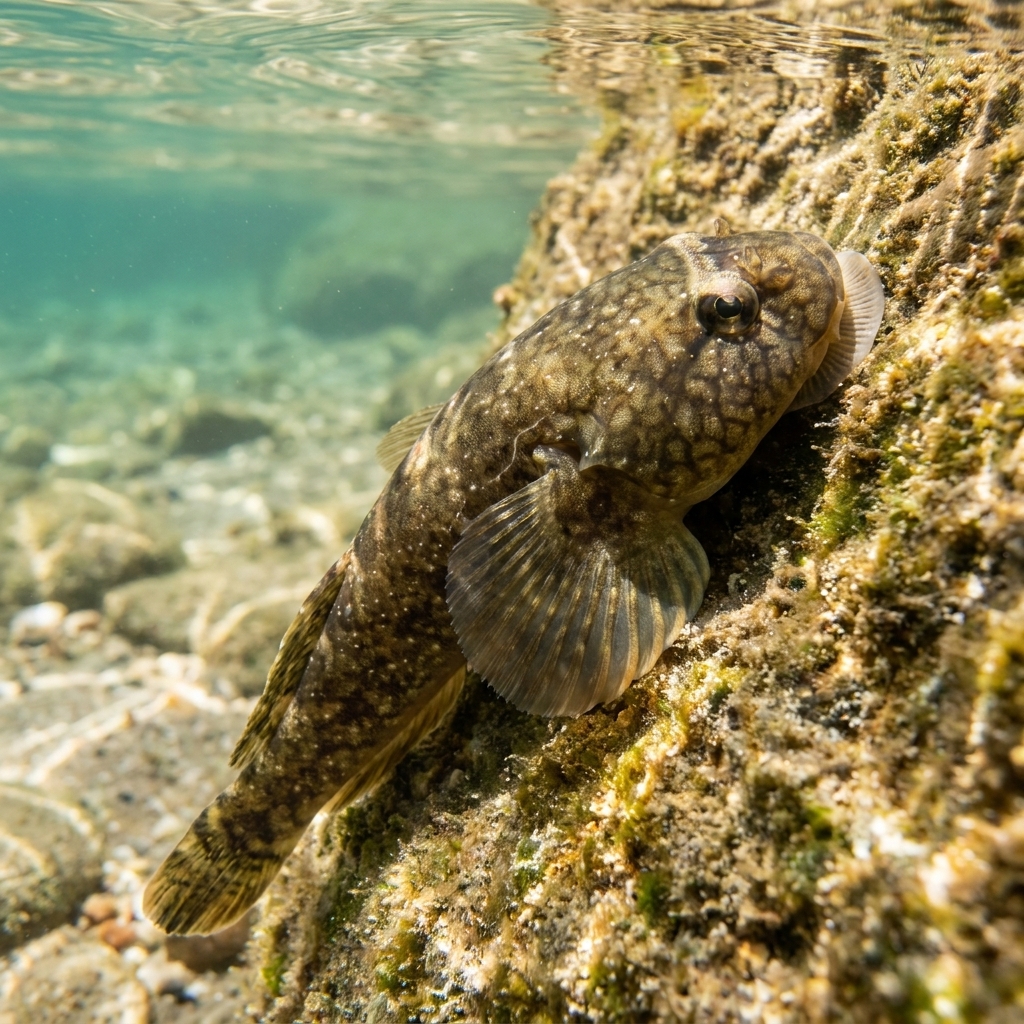
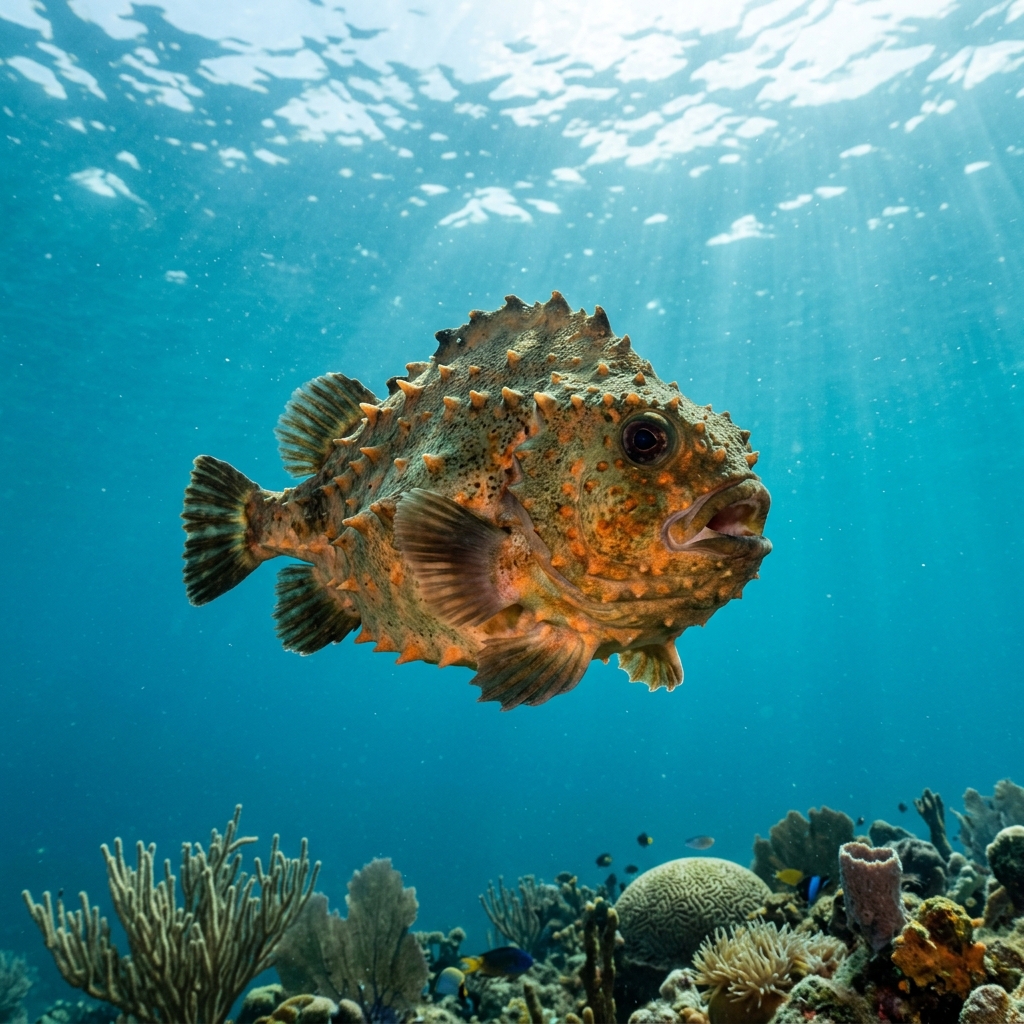
Lumpfish are hard to miss once you know the shape: a stocky, almost spherical body covered in rows of bony tubercles (knobby skin plates) giving them a lumpy, rough-textured look quite unlike any ordinary fish. Colouration runs from grey and bluish-green to olive, helping them blend against rocky, algae-covered reefs. The modified pelvic fins have fused into a suction disc on the underside, which they use to grip rock, you will often find one sitting very still, anchored to a boulder. Breeding males develop a distinctive reddish-orange flush along the belly, while females are larger and remain grey-green or bluish overall.
Lumpfish are typically found sitting motionless on rocky or weedy substrate, using their suction disc to hold position against surge and current, divers often mistake them for a lump of encrusted rock at first glance. They are not particularly shy and tend to stay put when approached slowly, making for patient, close-up observation. During the breeding season males can be found guarding egg masses attached to rock, fanning them actively with their fins.
The suction disc is not just for resting, during spawning, males anchor themselves to their egg clutch and guard it almost continuously for weeks, fanning the eggs with their fins to keep them oxygenated until they hatch.
In the Northern Hemisphere, sightings concentrate from November through June, aligning with the colder months when water temperatures suit their observed range of roughly 0 to 14°C. Summer sightings do occur but are less frequent, so plan for the colder half of the year.
Lumpfish are most commonly logged in Canada, particularly Nova Scotia, the Bay of Fundy, and the St. Lawrence, and across the United Kingdom and Ireland. Strong populations are also recorded in the Netherlands (especially Zeeland), Brittany and Normandy in France, northern Germany, and Norway, making this essentially a North Atlantic and northern European cold-water family.
Mapping where Lumpfish is logged…
Lumpfish are a North Atlantic cold-water family. The most reliable diving regions include Nova Scotia and the Bay of Fundy in Canada, across the United Kingdom and Ireland, Zeeland in the Netherlands, Brittany and Normandy in France, and the Norwegian coast. They are uncommon but consistently logged across all these areas.
Northern Hemisphere sightings concentrate from November through June, so the colder months are your best bet. Lumpfish thrive in water as cold as 0°C and are rarely observed above 14°C, meaning mid-winter dives in the North Atlantic are well-suited to finding them.
Look for a very round, lumpy body covered in rows of bony skin plates, typically grey-green or bluish, sitting anchored to a rock by a suction disc on its belly. Breeding males are distinctive with a reddish-orange belly. Juveniles are tiny and bright green, hiding in shallow weedy areas.
Size varies across the family, but females are noticeably larger than males. Females of the most familiar Atlantic species can reach around 50-60 cm in length, while males are considerably smaller. Underwater they often look compact and chunky rather than long.
Their pelvic fins have evolved into a strong suction disc on the underside of the body, allowing them to grip rock and hold station against powerful surge and currents. It is one of the most distinctive adaptations in cold-water fish and is immediately visible when you find one sitting motionless on a boulder.
Site and sighting data is aggregated from diver logs, iNaturalist and GBIF. For taxonomy and conservation status:
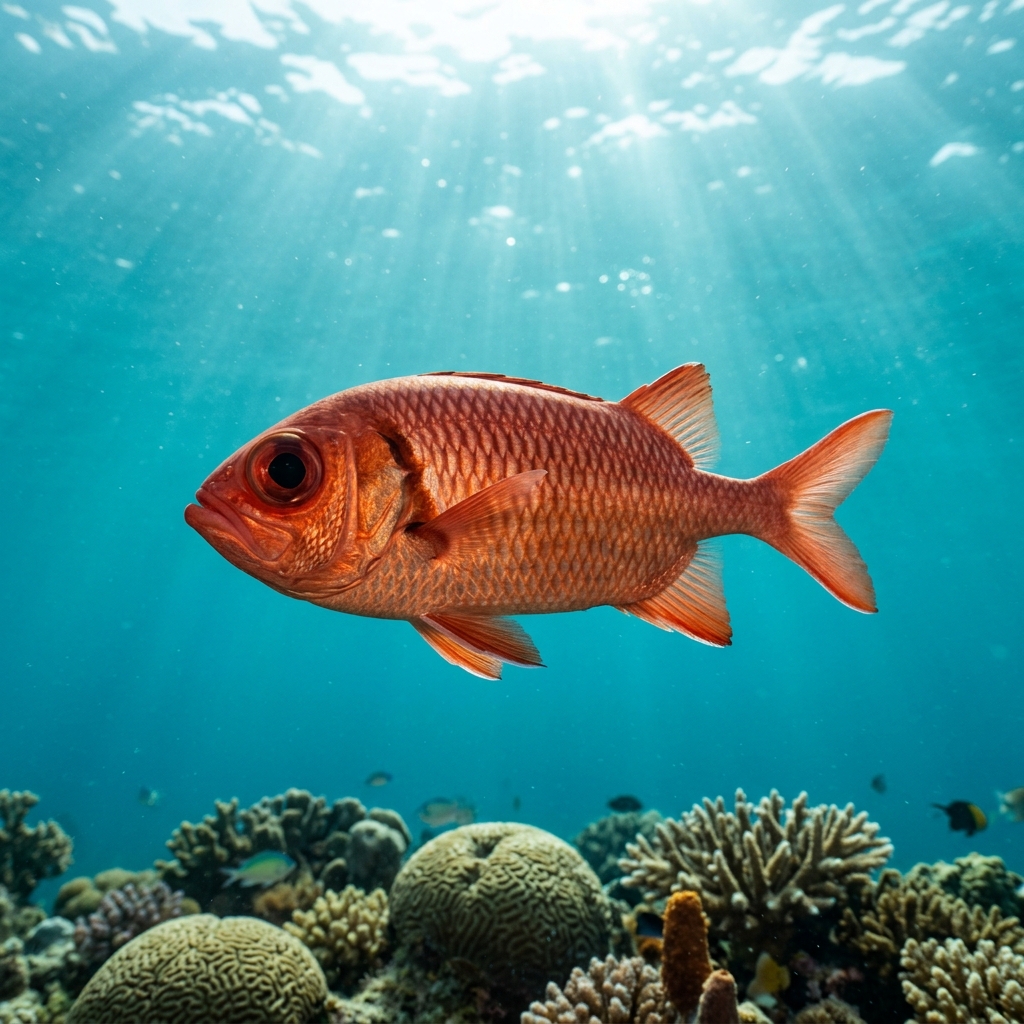
Soldierfish
3,612 sites