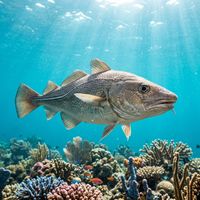
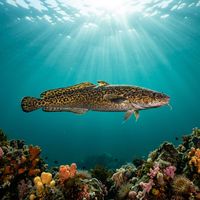
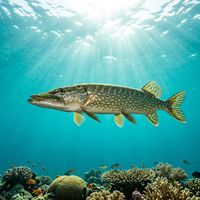
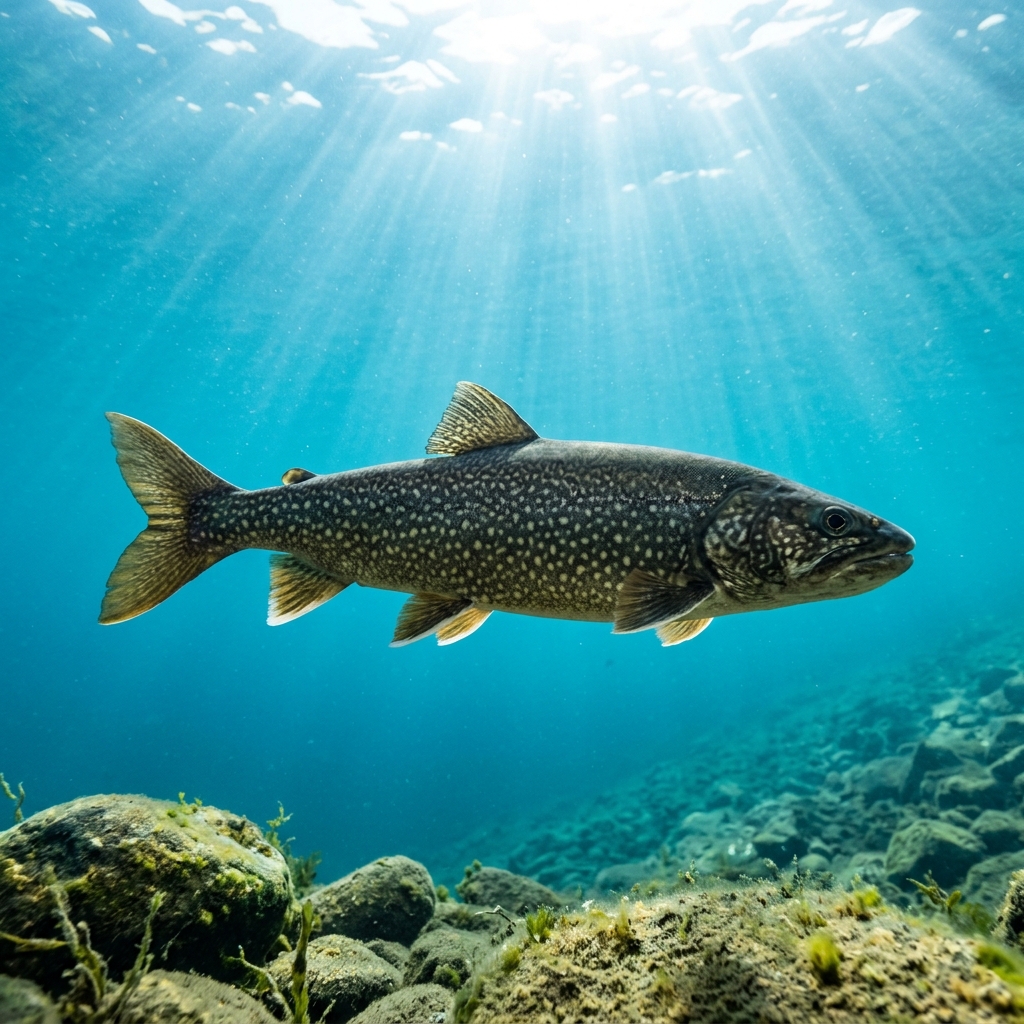
Northwest Territories divides into four distinct sub-areas: the remote coastal reaches of Banks and Victoria Island, the northern delta country around Inuvik and Tuktoyaktuk, and the inland lake environments of Great Slave Lake South and Yellowknife. Freshwater sites dominate the interior, where Pike, Burbot, Lake Trout, and Walleye have all been observed beneath the surface. Coastal sites bring the possibility of Humpback Whale and Cod encounters. Water stays very cold across the year, with a narrow warm window from late spring through early autumn. Conditions suit divers and snorkellers who are comfortable in cold, remote environments.
4 areas
 12
12Cold-water diving and snorkelling in Canada's Northwest Territories, with Humpback Whale and Cod among observed species.
 10
10Subarctic diving and snorkelling at the edge of the navigable season, with observed Humpback Whale and a short but rewarding summer window.
 8
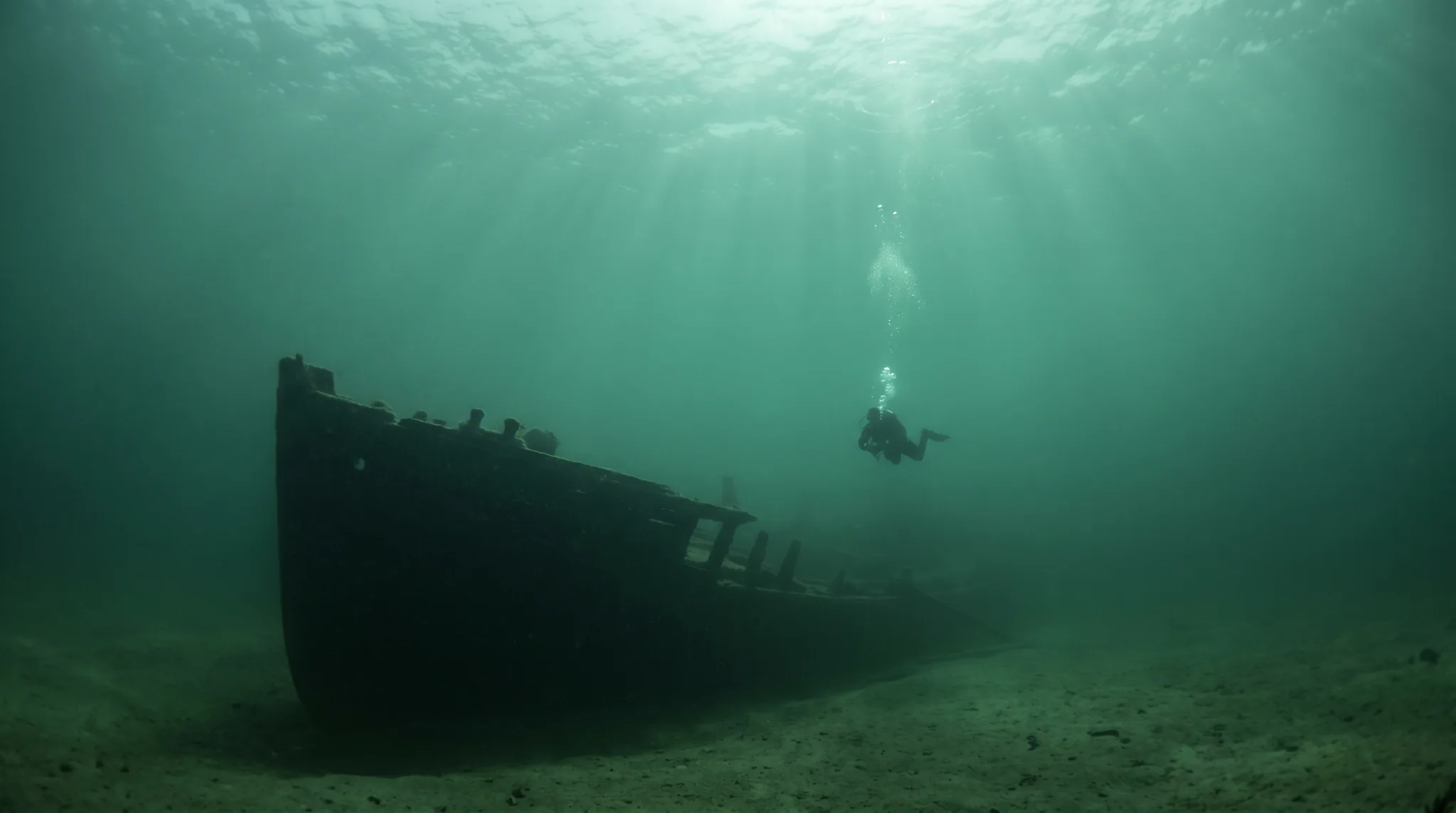
8Northwest Territories lakes and rivers south of Great Slave Lake, with flooded quarries, ghost vessels, and limestone waterfall pools.
Northwest Territories covers a wide stretch of coastline, so conditions vary by area. The band below shows the spread across its sites through the year.
Water temperatures remain at or below freezing for much of the year, rising only briefly during summer. The most accessible window runs from late spring through early autumn, when temperatures climb above freezing and visibility is at its best. Divers should be prepared for cold-water exposure at all times, even during the peak season.
9 operators
Lakes and rivers around Yellowknife, from clear backcountry snorkel sites to current-swept river dives, with summer and ice-diving options.
Northwest Territories spans a wide latitude range, so water temperature varies a lot by area: roughly -2-9°C across its dive sites. Check the individual area pages for local conditions.
Fin maps 37 sites in Northwest Territories (14 scuba diving sites and 24 snorkelling spots, with some suited to both), organised into 4 areas.
Across Northwest Territories's dive sites, June, July and August are most often reported as the best months to visit.
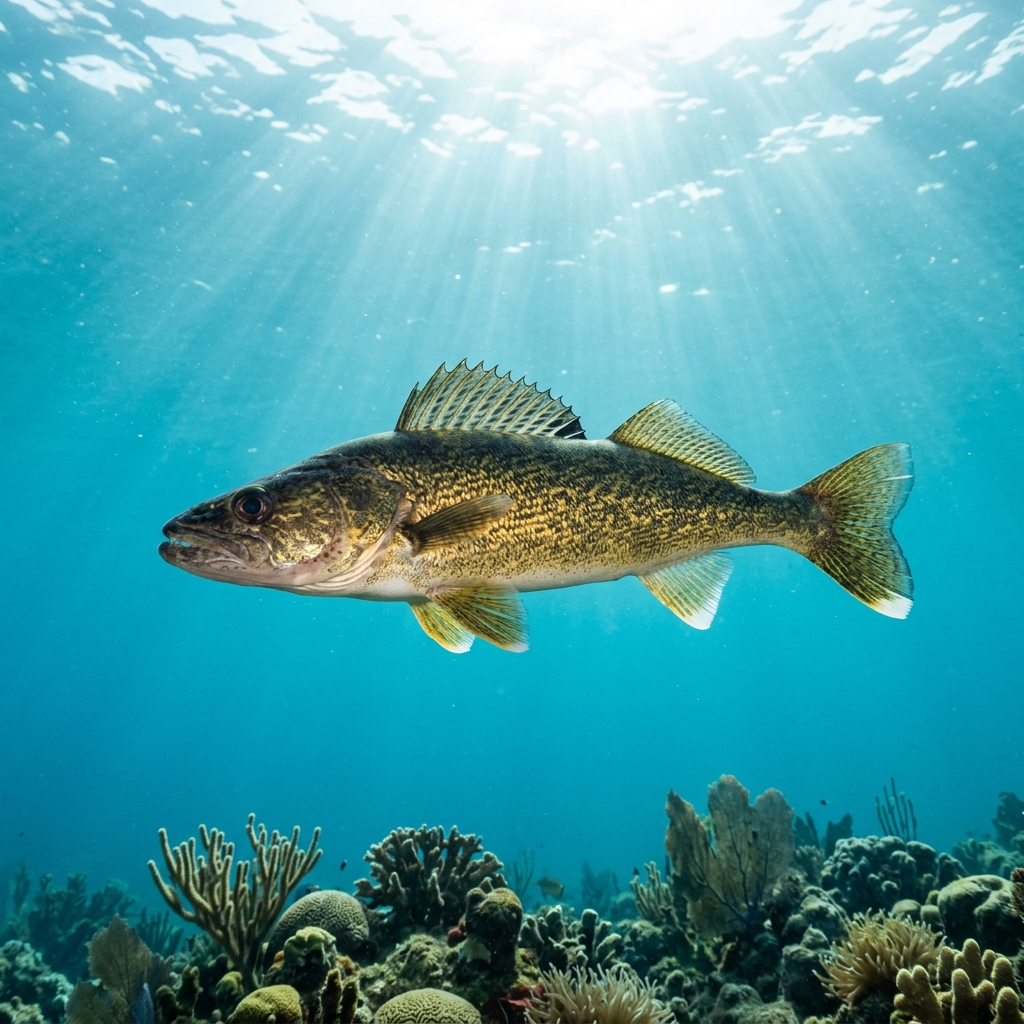
Observed species include Pike, Burbot, Lake Trout, Walleye, Cod, Humpback Whale, and Trout. Freshwater species such as Pike and Burbot are encountered across the inland lake sites, while coastal areas offer the chance of Cod and Humpback Whale sightings. The mix reflects the region's split character between interior lake diving and coastal exploration.
The cold water temperatures and remote setting make Northwest Territories more appropriate for experienced divers who are comfortable in cold-water conditions. Water stays at or near freezing for much of the year, demanding proper cold-water exposure protection and solid buoyancy control. Beginners would benefit from gaining cold-water experience elsewhere before visiting.
Banks and Victoria Island and the Inuvik and Tuktoyaktuk area offer coastal diving with species such as Cod and the possibility of Humpback Whale. Great Slave Lake South and Yellowknife are inland freshwater environments where Pike, Burbot, Lake Trout, and Walleye have been observed. Divers choosing between sub-areas should consider whether they prefer a freshwater lake or a remote coastal experience.
The region currently has no listed dive operators in our data. Visitors planning a dive or snorkel trip should arrange equipment, guides, and logistics independently or through operators based elsewhere in Canada before travelling to the area.