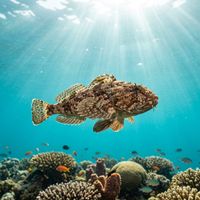
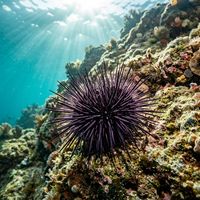
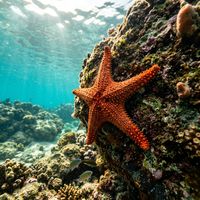
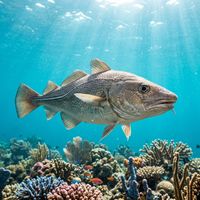
Nunavut offers one of the most demanding and rewarding cold-water diving and snorkelling environments in Canada. Sites span four distinct sub-areas: Baffin Island, Kivalliq, Kitikmeot, and Ellesmere and High Arctic, each bringing different exposure and character. Waters stay near freezing for much of the year, warming slightly through late summer. Observation-backed encounters include Orca, Humpback Whale, Harbor Seal, Lumpfish, Sculpin, Sea Urchin, and Sea Star. Snorkelling opportunities outnumber dive sites considerably, reflecting the abundance of accessible shallow terrain. A small group of specialist operators makes logistics manageable for those prepared for the conditions.
4 areas
 31
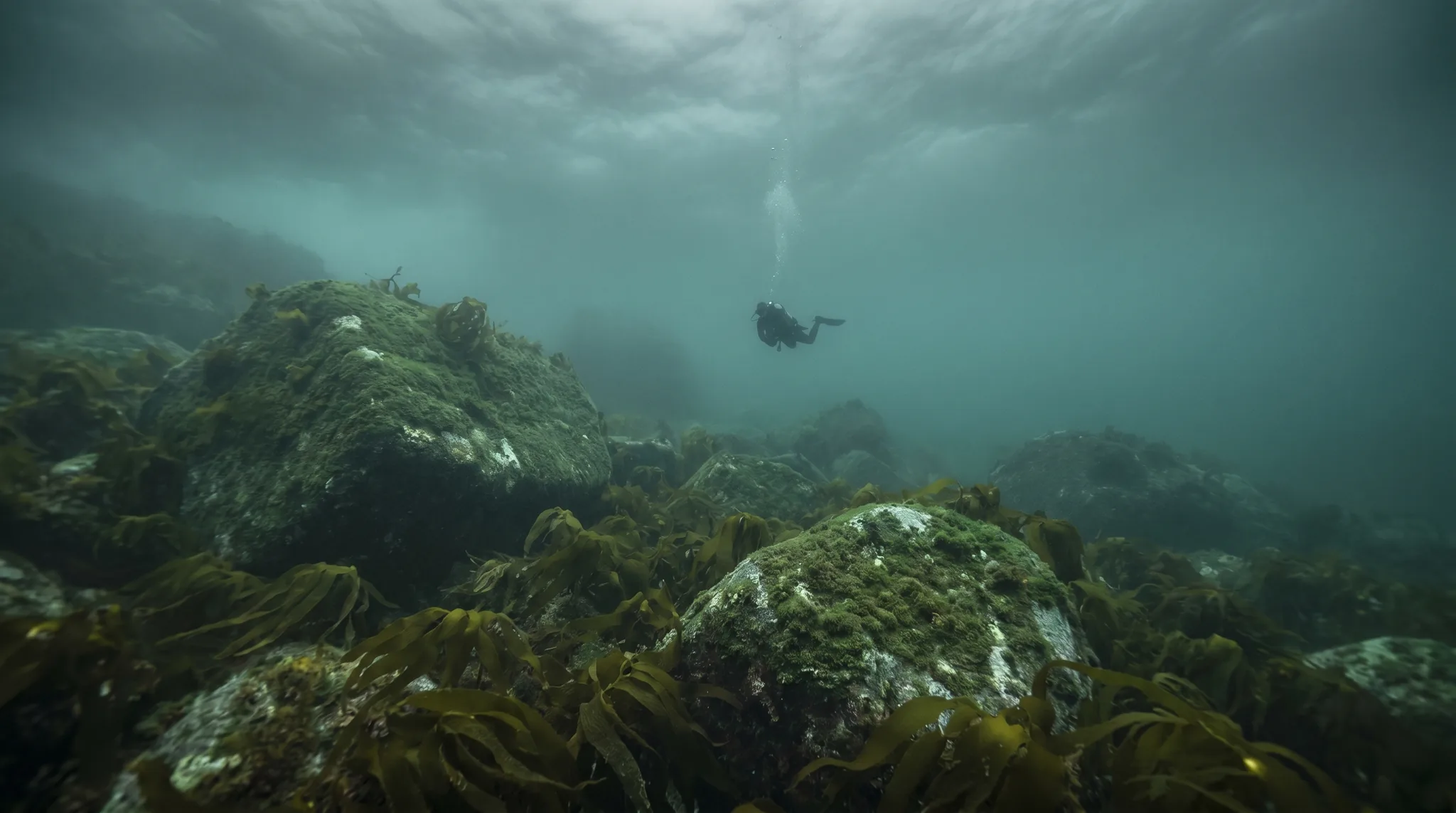
31Arctic diving and snorkelling with observed Humpback Whale, Orca and Harbor Seal in near-freezing waters.
25Subarctic diving and snorkelling in Nunavut, where Lumpfish dominate and Orca have been spotted in the same waters.
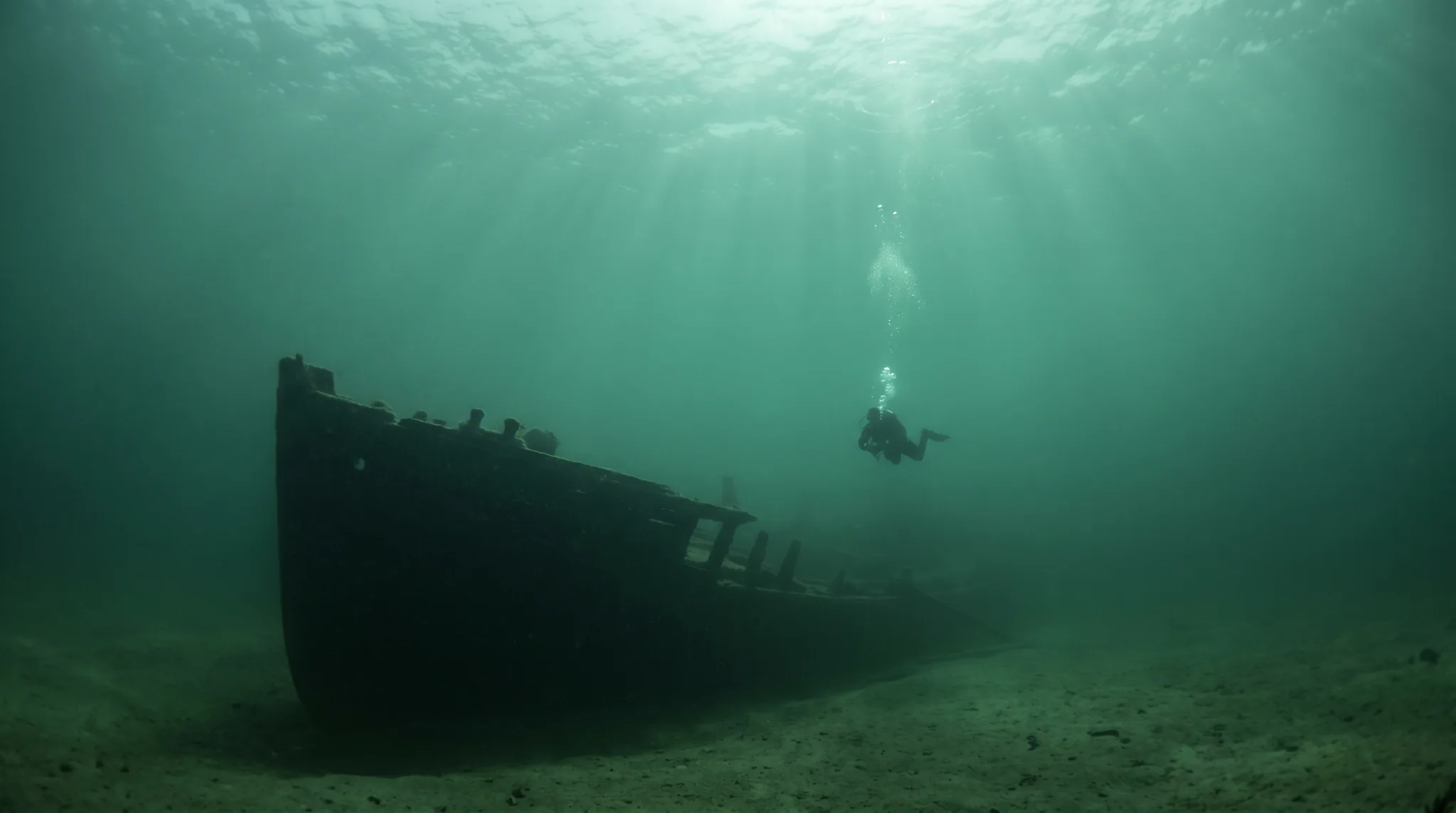
20Remote Nunavut diving with observed Humpback Whale, Orca, and cold-water species during a short but rewarding open-water season.
11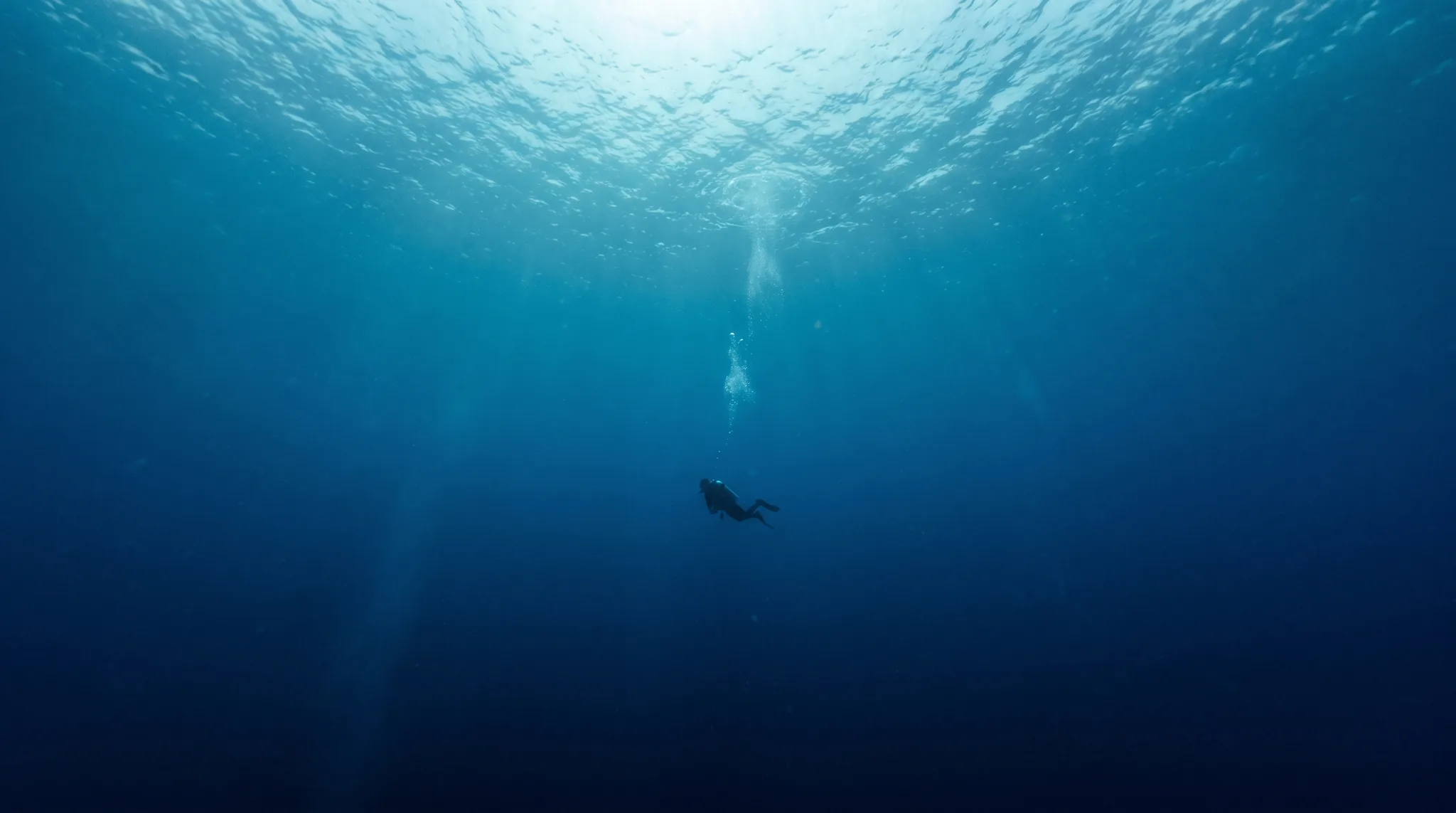
Nunavut covers a wide stretch of coastline, so conditions vary by area. The band below shows the spread across its sites through the year.
Water temperature stays near or below freezing from autumn through to early summer, rising only slightly during August and September, making dry-suit experience essential at almost any time of year. The most favourable diving window runs from late spring through early autumn, when slightly warmer water and longer daylight hours coincide. Exposure varies significantly between sub-areas, with Ellesmere and High Arctic sites demanding the greatest preparation and experience.
26 operators
Gjoa Haven, Canada
Iqaluit, Canada
Gjoa Haven, Canada
Sub-zero Arctic waters with Orca sightings and Sea Spider encounters across a short but memorable High Arctic season.
Nunavut spans a wide latitude range, so water temperature varies a lot by area: roughly -2-7°C across its dive sites. Check the individual area pages for local conditions.
Fin maps 87 sites in Nunavut (36 scuba diving sites and 61 snorkelling spots, with some suited to both), organised into 4 areas.
Across Nunavut's dive sites, May, June, July and August are most often reported as the best months to visit.
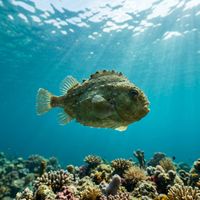
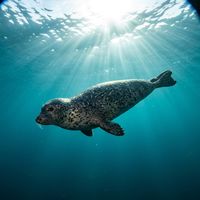
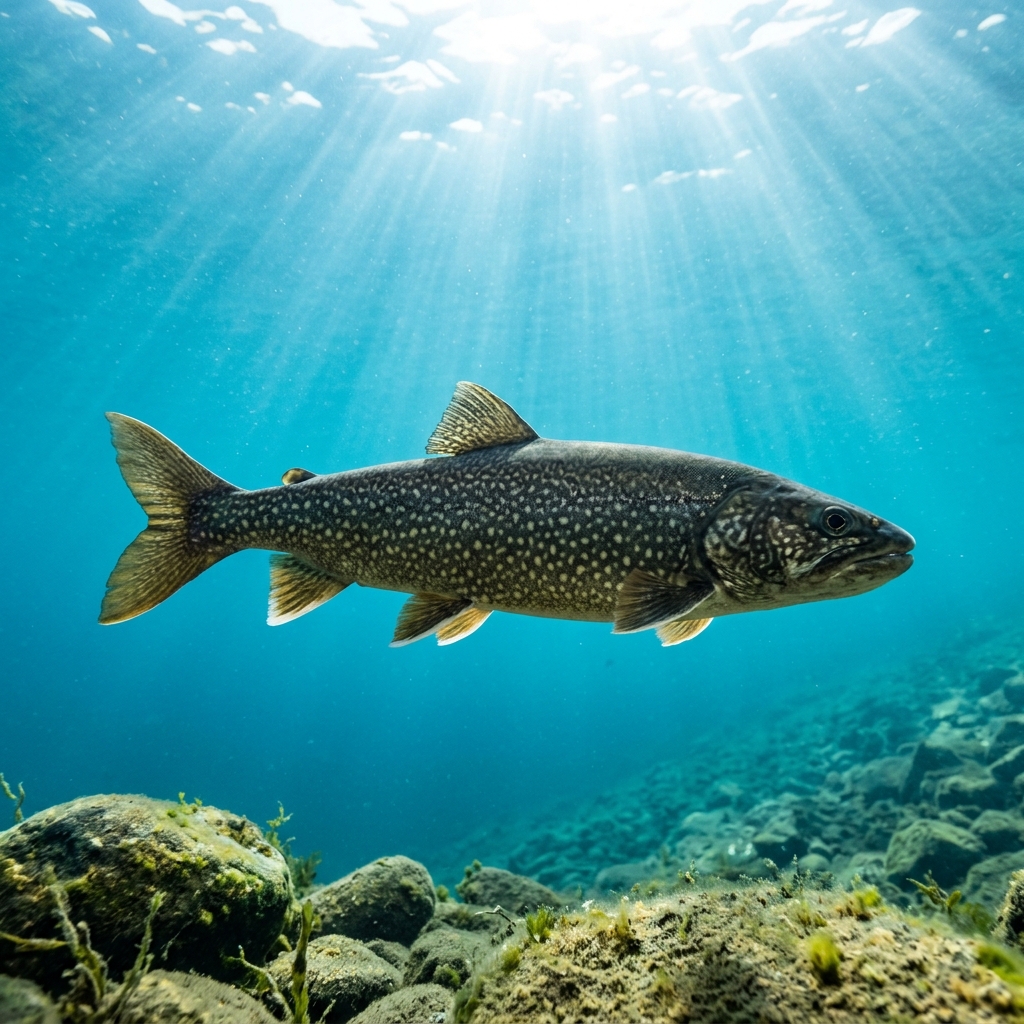
Observation-backed sightings in Nunavut include Orca, Humpback Whale, and Harbor Seal. Lumpfish and Sculpin are also recorded across a notable share of sites. These encounters are not guaranteed, but the region's remote waters do produce confirmed wildlife observations across multiple site types.
Nunavut is not a beginner destination. Water temperatures remain near or below freezing for the majority of the year, demanding dry-suit competence and cold-water experience before visiting. Conditions across sub-areas such as Ellesmere and High Arctic are especially challenging, and logistical support from one of the region's specialist operators is strongly recommended for all visitors.
Baffin Island holds the greatest number of sites and offers a relatively broad range of conditions. Kivalliq and Kitikmeot provide additional variety across the central and western parts of the territory. Ellesmere and High Arctic has the fewest sites and represents the most remote and exposed diving in Nunavut, suited only to highly experienced and well-equipped expeditions.
A small number of specialist operators serve the region, including Nanuq Tours, Inukpak Outfitting Inc., Arctic Watch Wilderness Lodge, Arctic Kingdom, and Arctic Bay Adventures. Because access to most Nunavut sites depends on local knowledge and expedition-style logistics, booking through one of these operators is the practical route for most visitors.