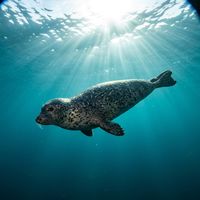
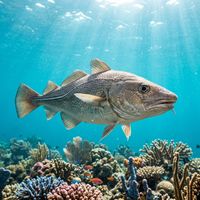
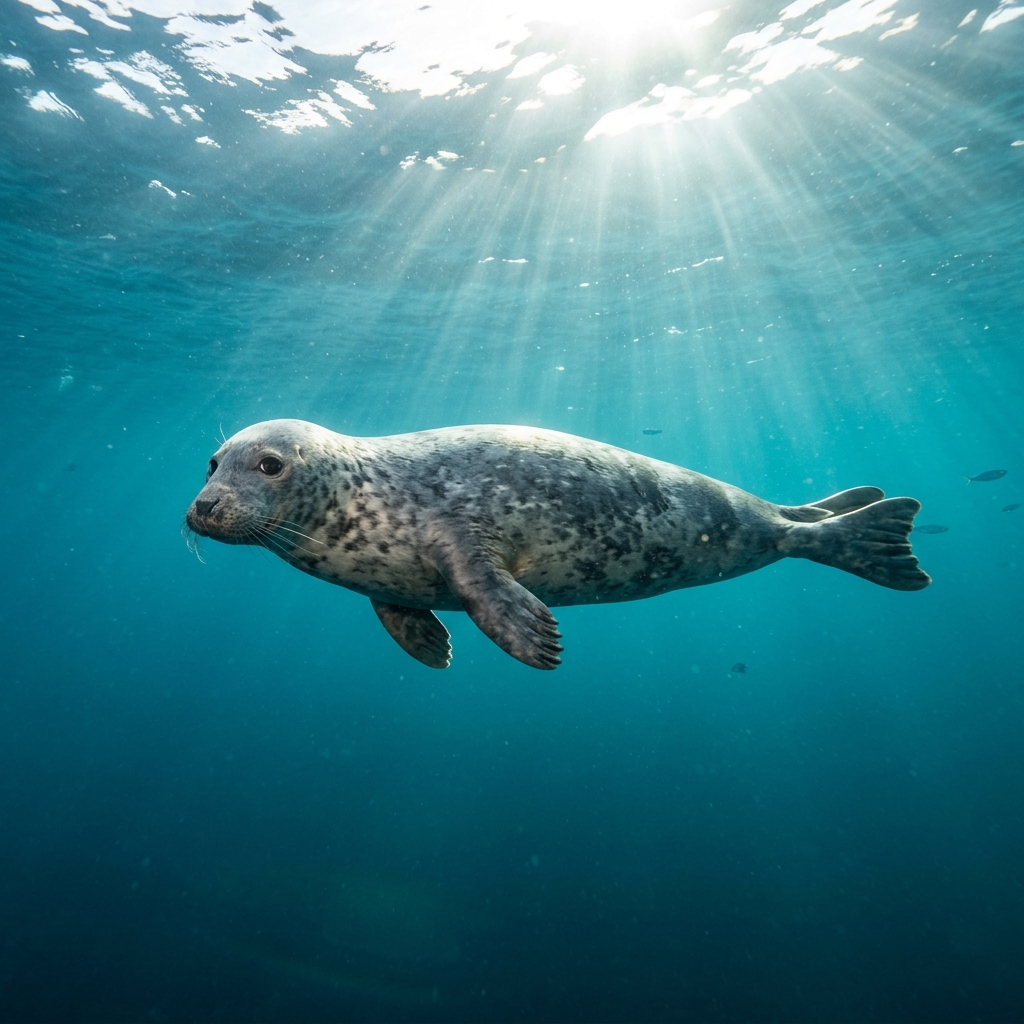
Prince Edward Island's underwater world is defined by cold, productive waters and a strong presence of marine life suited to temperate conditions. The Harbor Seal is the signature encounter, observed across the vast majority of sites, while Righteye Flounder and Cod are consistently seen throughout. Rock Crab, Common Lobster, and European Green Crab add texture to the seabed. Nearly all sites sit within Eastern PEI. Snorkelling dominates the site mix, with shallower entries accessible to a wide range of visitors, and a smaller number of sites suited to diving. Summer brings the warmest water and the broadest range of activity.
1 areas

Monthly water temperature across Prince Edward Island's sites, from satellite sea-surface data corrected for depth. The band shows the site-to-site spread.
Water temperatures follow a pronounced seasonal arc, sitting near freezing in winter and early spring before climbing through summer to their warmest in August. The most popular diving months run from June through September, when conditions are most comfortable and visibility is at its most reliable. Divers should be prepared for cold-water conditions even at the seasonal peak, and exposure protection should be matched accordingly.
5 operators
Souris, Canada
Souris, Canada
Water temperature around Prince Edward Island ranges from about -1°C in February to 20°C in August, based on satellite sea-temperature data for its dive sites.
In the warm season (about 20°C) a 5mm suit is comfortable in Prince Edward Island; in the coldest months (about -1°C) step up to a drysuit.
Fin maps 53 sites in Prince Edward Island (15 scuba diving sites and 43 snorkelling spots, with some suited to both).
Across Prince Edward Island's dive sites, June, July, August and September are most often reported as the best months to visit.
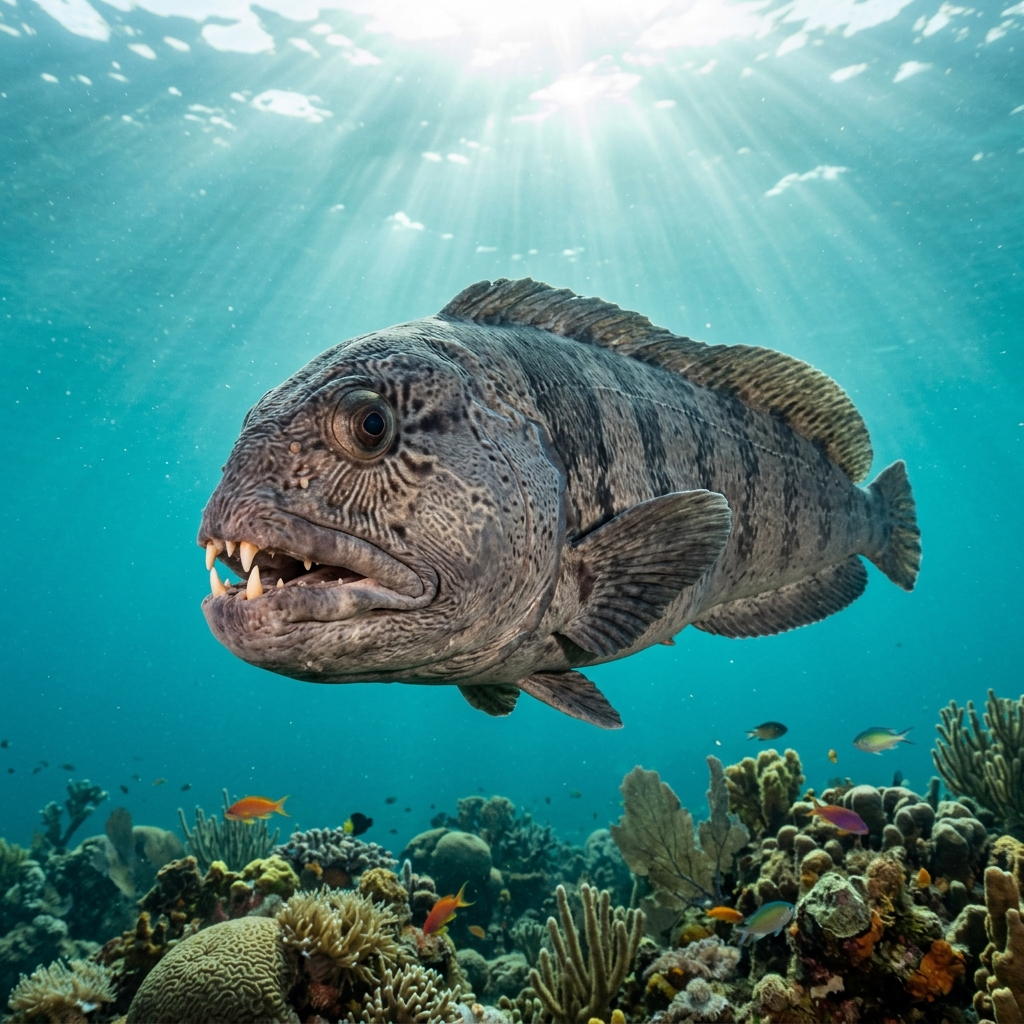
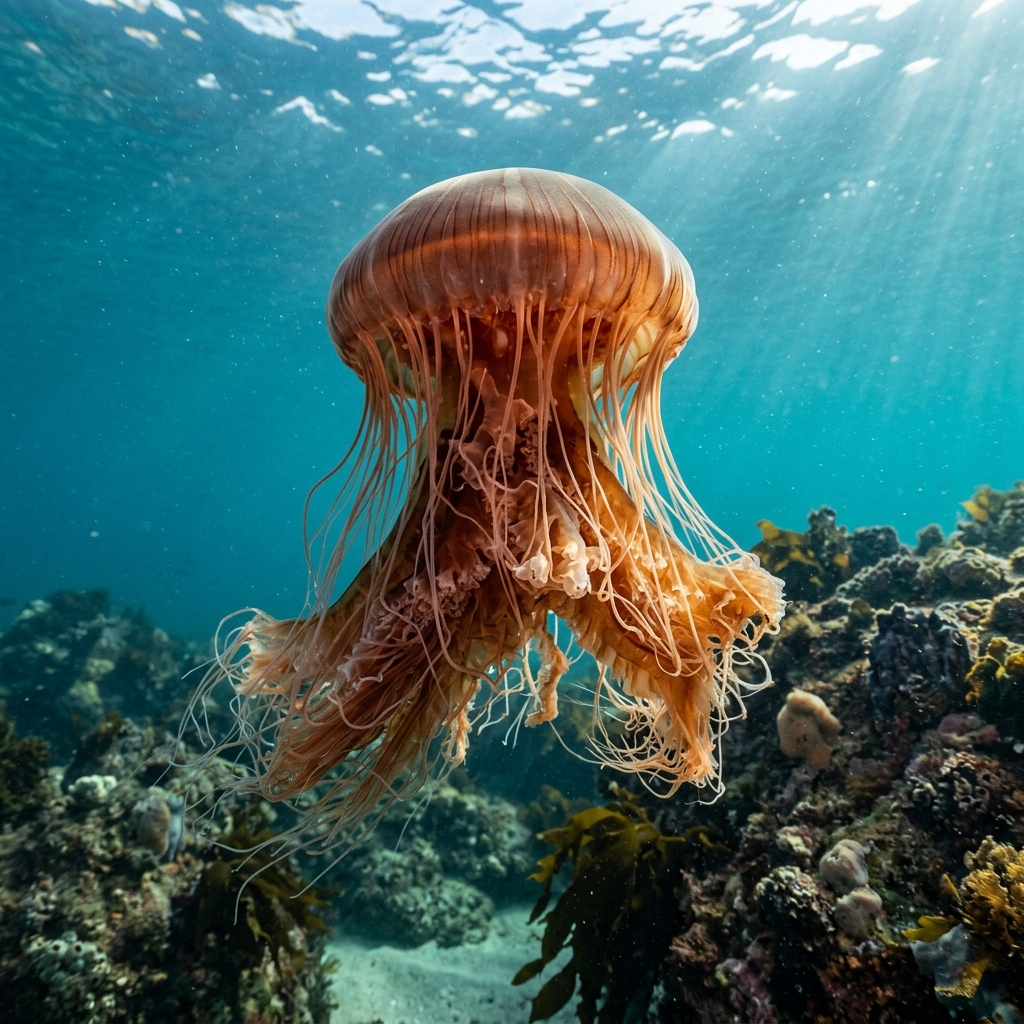
The most consistently observed species are Righteye Flounder, Harbor Seal, and Cod, all of which are recorded across the great majority of sites. Common Lobster and Rock Crab are also frequently encountered on the seabed. Less common but observation-backed sightings include Atlantic Wolffish, Gray Seal, and Giant Jellyfish.
The region's site mix leans heavily toward snorkelling, with many shallow-entry sites that suit beginners and families well during the summer months. The dive sites are fewer in number and the cold water requires comfort with exposure protection, which may favour divers with some prior cold-water experience. Operators Wicked Sea Adventures and PEI Sea Adventures are available to support those looking for guided experiences.
Sites are concentrated in Eastern PEI, and the region is served by two operators: Wicked Sea Adventures and PEI Sea Adventures. Both can assist with guided access to dive and snorkel sites. Shore entry is common given the large number of snorkel sites in the area.
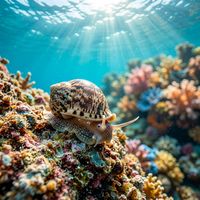
Snorkelling accounts for the majority of sites in the region and is generally the more accessible activity here. Shallow-water species such as Righteye Flounder, Snail, Rock Crab, and European Green Crab are visible without depth. Harbor Seal, the region's signature species, is observed at a very high proportion of sites, making seal encounters a realistic expectation for snorkellers as well as divers.