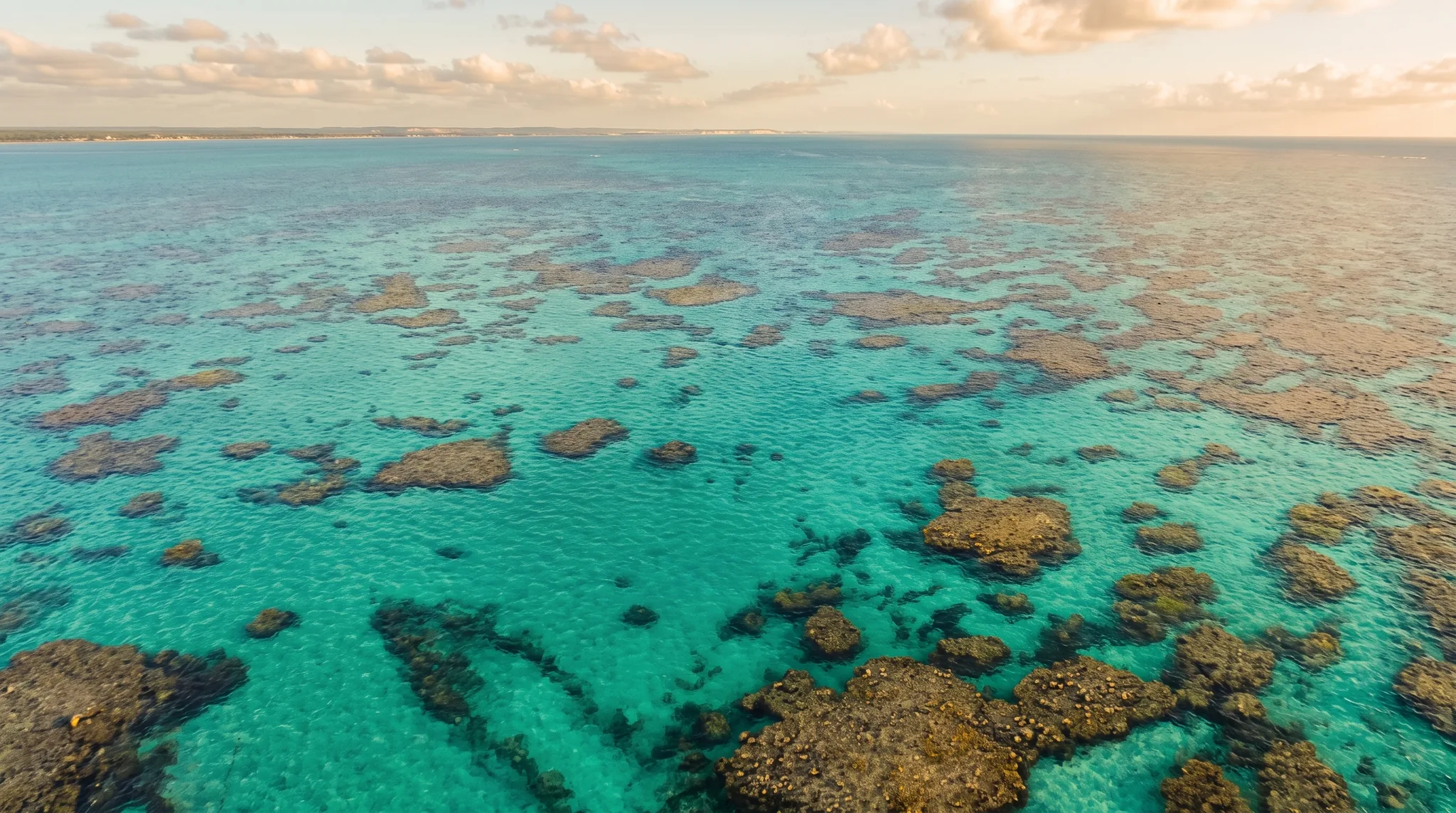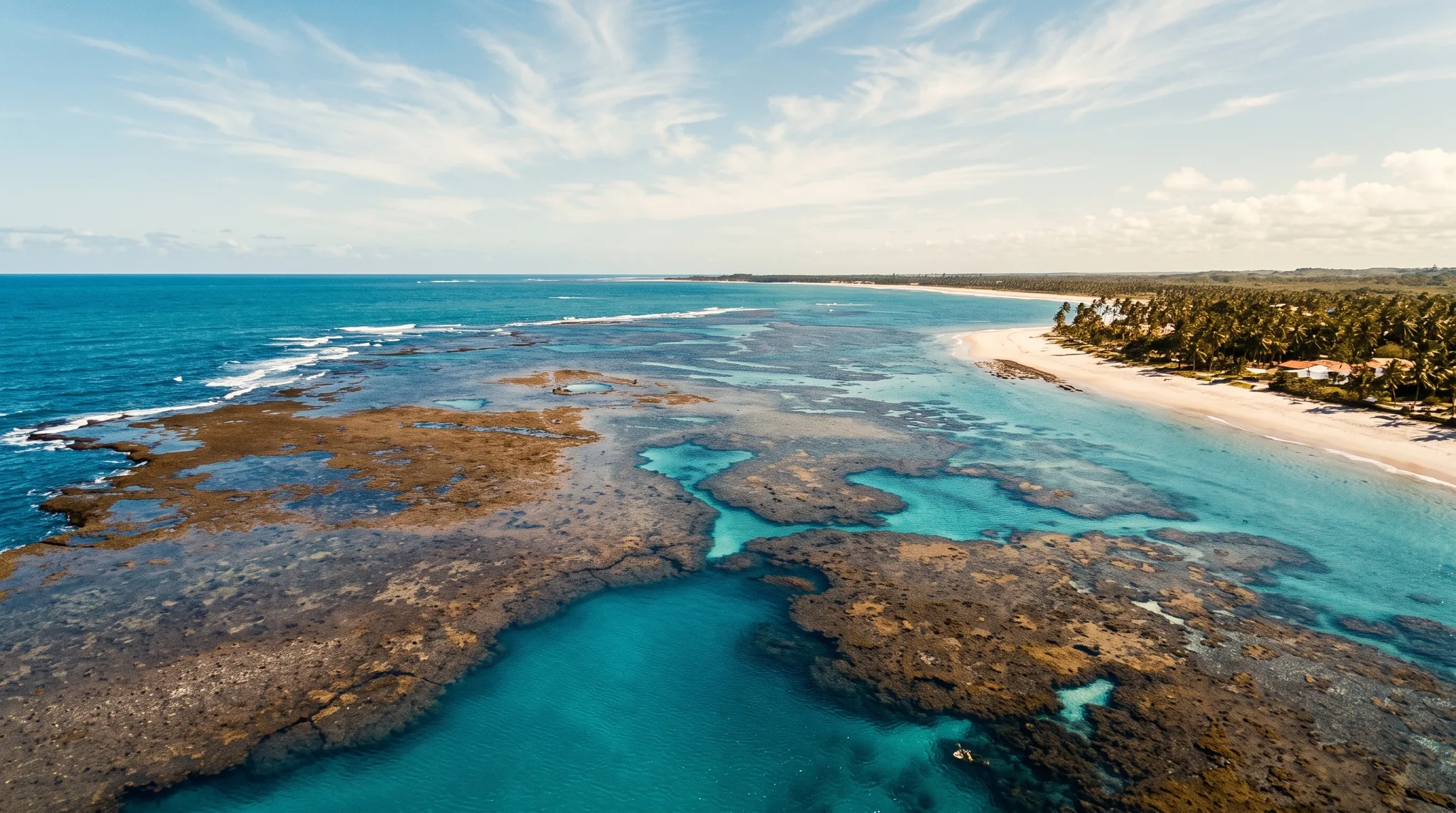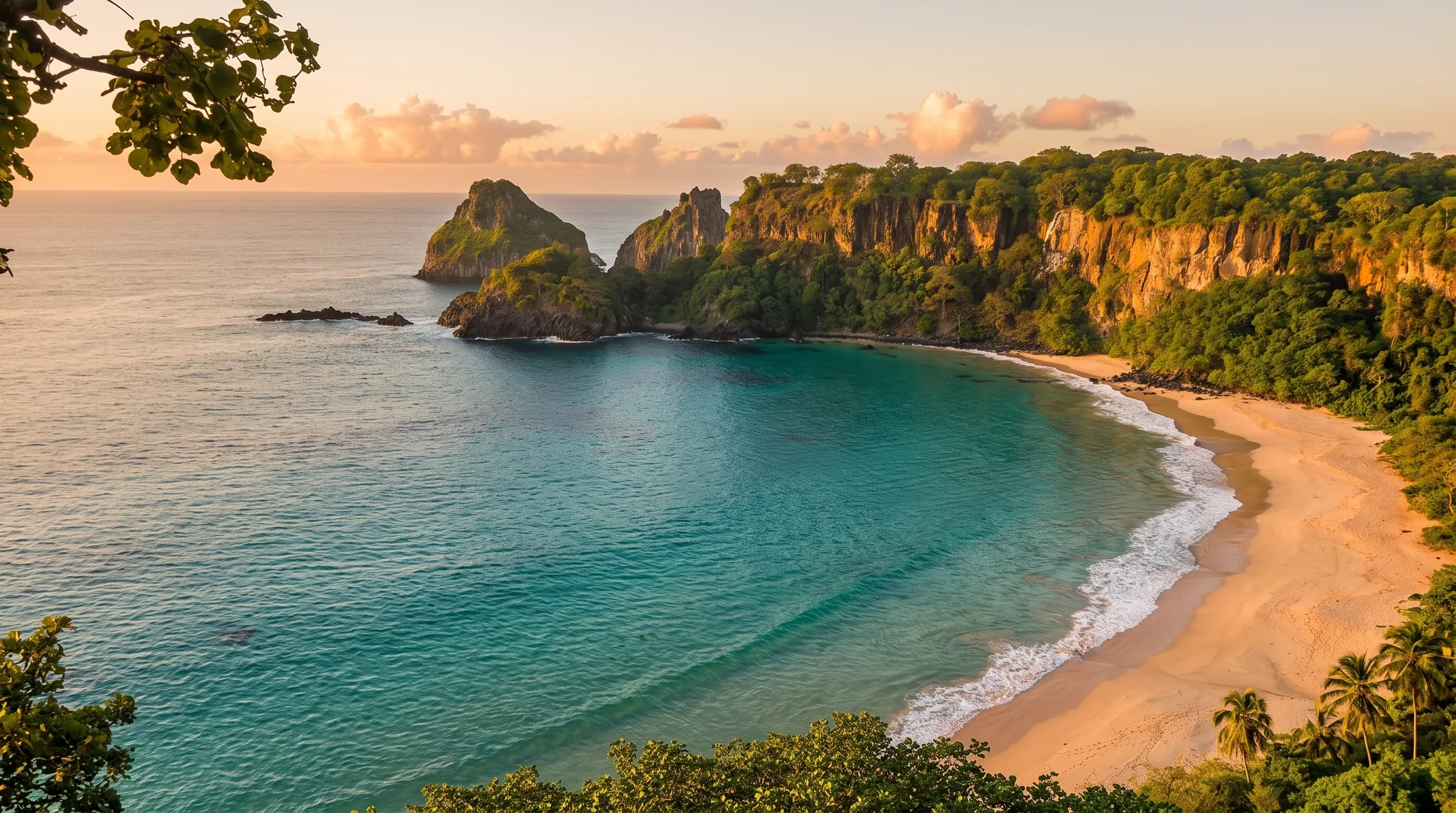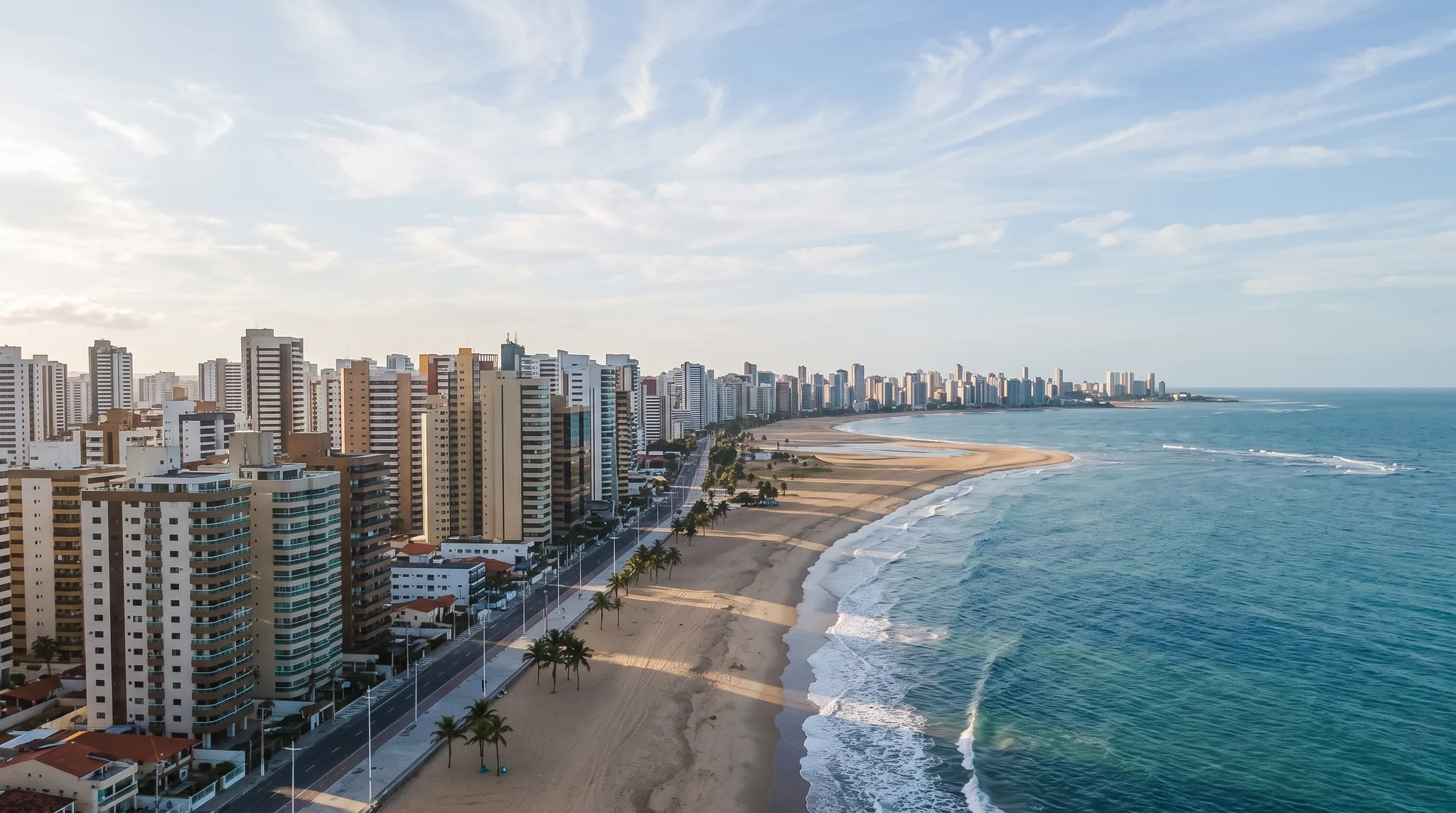
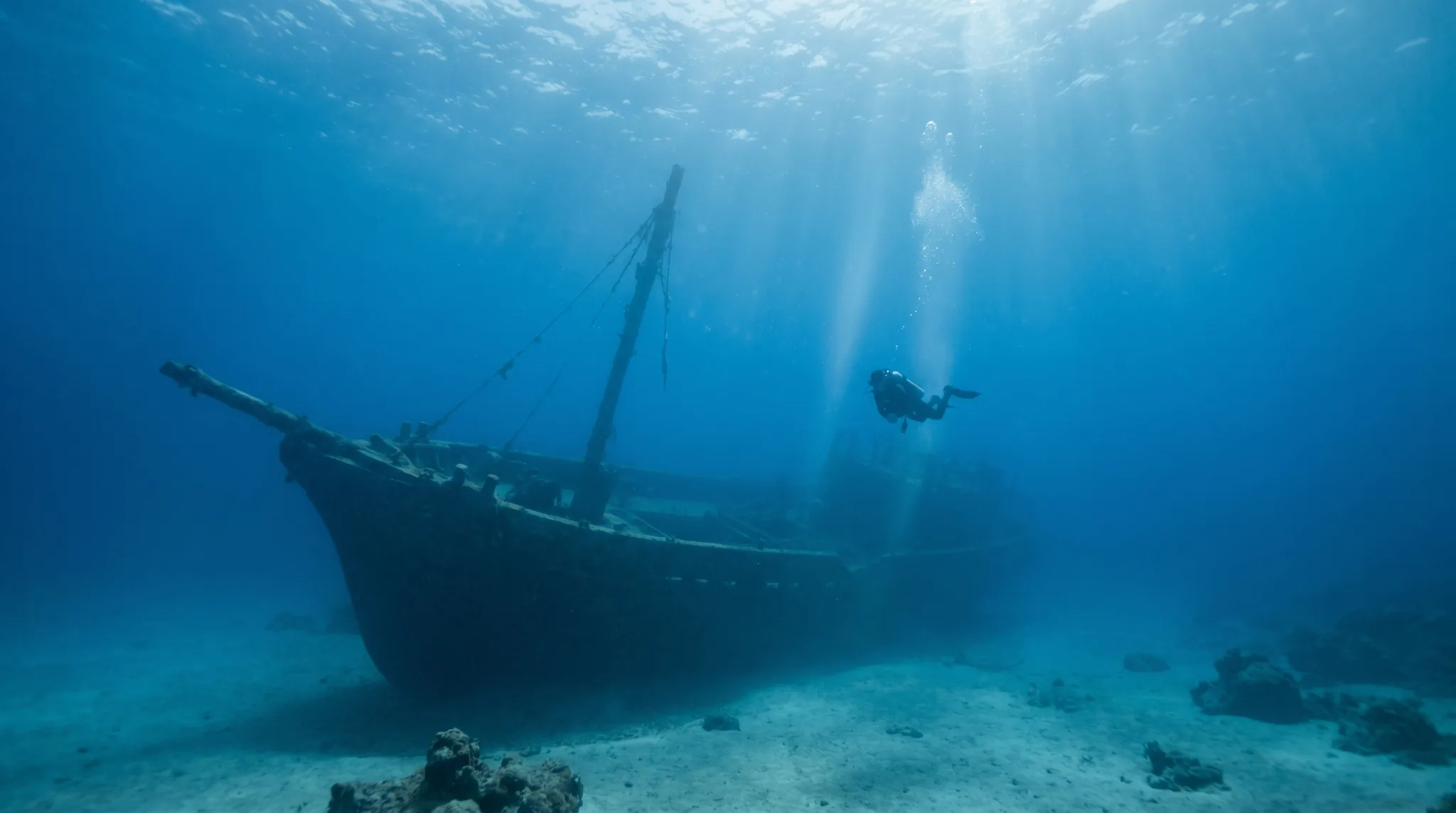
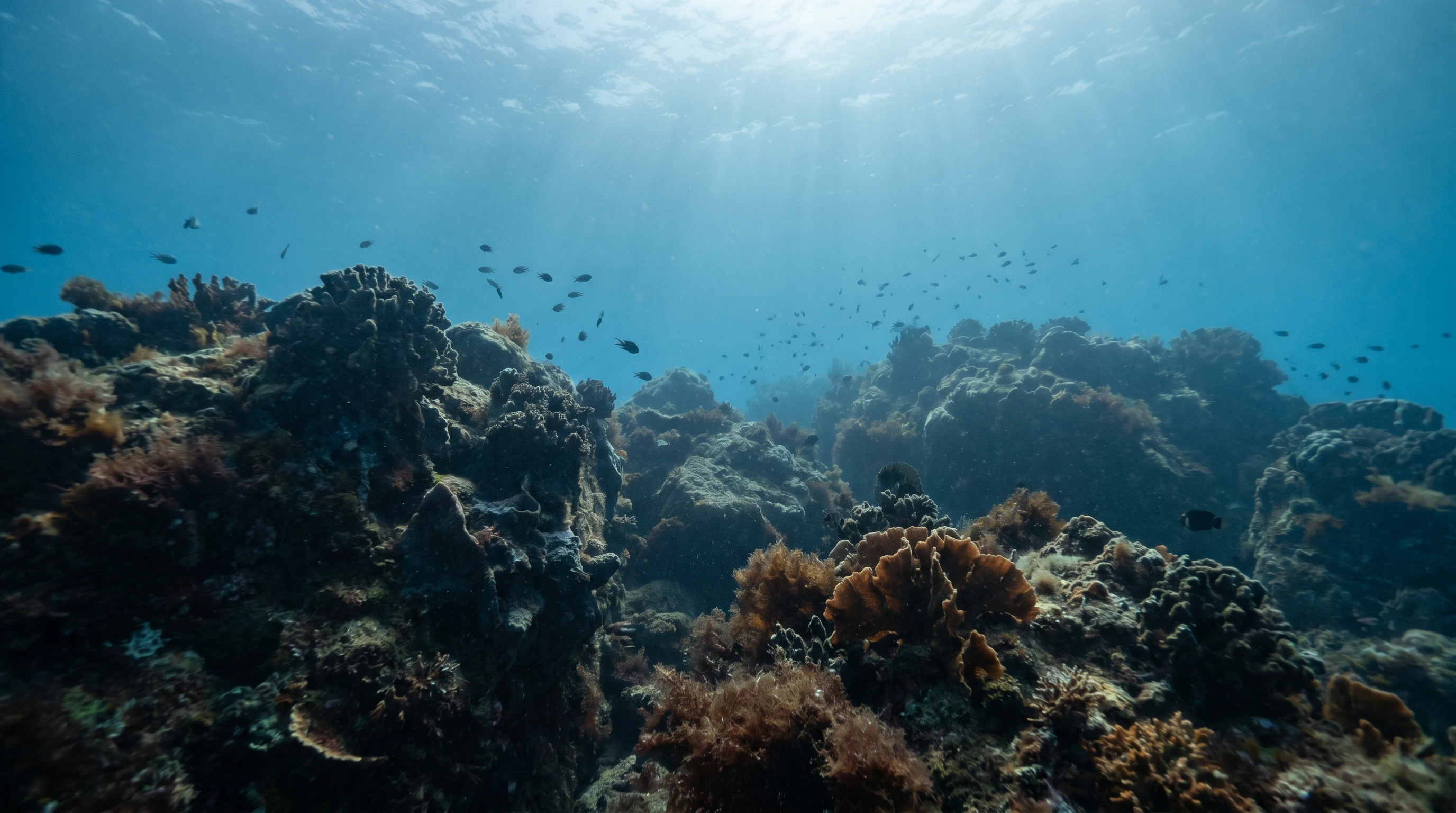
Ceará's diving is defined by wrecks and reefs reached almost entirely by boat. The site roster runs from shallow wreck dives suitable for beginners through to deeper hulls and natural reefs that reward intermediate divers. Green Sea Turtle and Nurse Shark are observed across the region with great regularity, and Whale Shark sightings are well documented. One shore-accessible site, Lagoa do Uruau, offers a gentler entry point. Visibility varies considerably between sites, and the warmest water coincides with the calmer, clearer months that make the deeper wrecks most rewarding.

Monthly water temperature across Ceará's sites, from satellite sea-surface data corrected for depth. The band shows the site-to-site spread.
Water temperature stays warm year-round, dipping only slightly in the middle of the year before climbing back through the final months. Diver reports peak around July and hold strong through to the end of the year, suggesting that the slightly cooler mid-year period brings improved conditions rather than deterring visits. The mix of shallow and deep wrecks means exposure and skill demands vary significantly from site to site.
Water temperature around Ceará ranges from about 27°C in July to 29°C in January, based on satellite sea-temperature data for its dive sites.
4 more sites to explore
With water around 27–29°C, a rash guard or 3mm shorty works in Ceará year-round.
Fin maps 10 sites in Ceará (10 scuba diving sites).
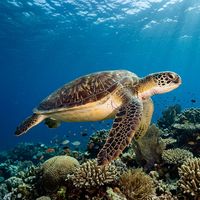
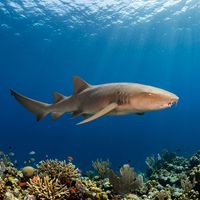
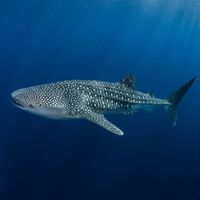
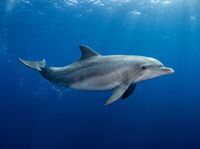
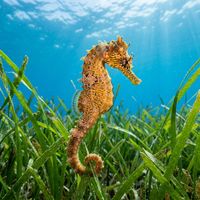
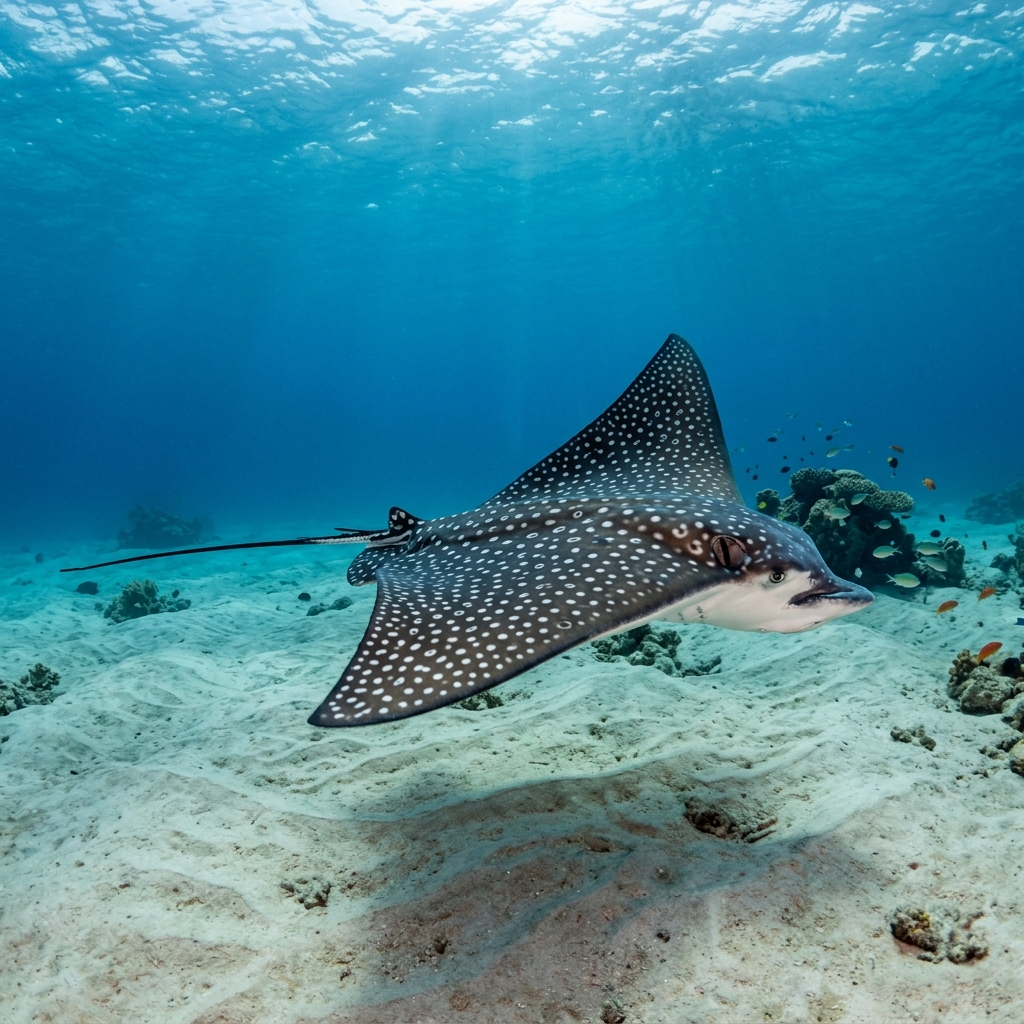
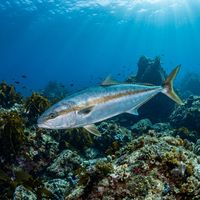
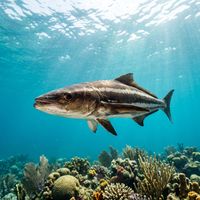
Green Sea Turtle and Nurse Shark are observed very commonly across the region's sites. Whale Shark sightings are also well documented, making Ceará one of the few places where all three appear with real regularity. Less frequent but recorded observations include Eagle Ray, Seahorse, Cobia, and Bottlenose Dolphin.
Most sites are rated for intermediate divers, particularly the boat-access wrecks that sit at greater depth. However, Navio do Titanzinho and Lagoa do Uruau are both listed as beginner-friendly, giving newer divers a way into the region. Building some open-water experience before attempting the deeper wrecks like Navio Do Pecem is advisable.
The vast majority of sites require a boat, and all three local operators, Ceara Sea Diving School, Atlantida Mergulho Ceara, and Amapá Dive, can organise trips. Cabeco do Arrastado is the exception, offering both shore and boat entry. Lagoa do Uruau is a shore-entry site, making it the most independently accessible option.
Wrecks dominate the site list, ranging from shallow hulls to deeper vessels resting well below the surface. Natural reef diving is also available, and Aviao Bandeirantes combines a wreck with an established artificial reef structure. This mix means Ceará suits divers who want the exploration feel of wreck diving alongside reef scenery.