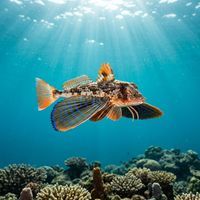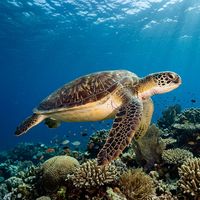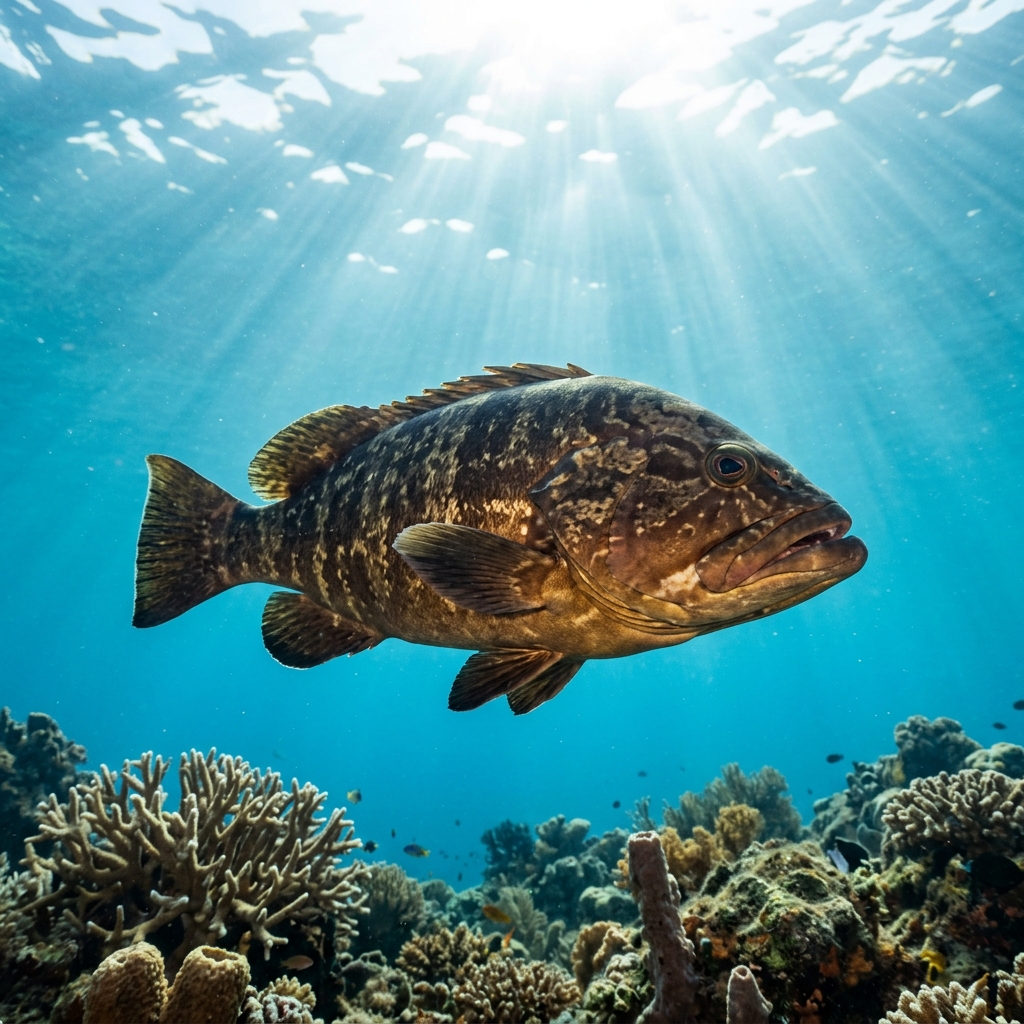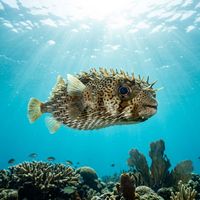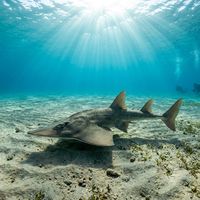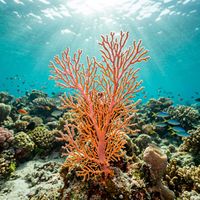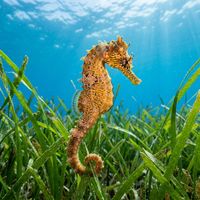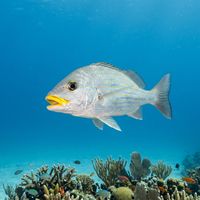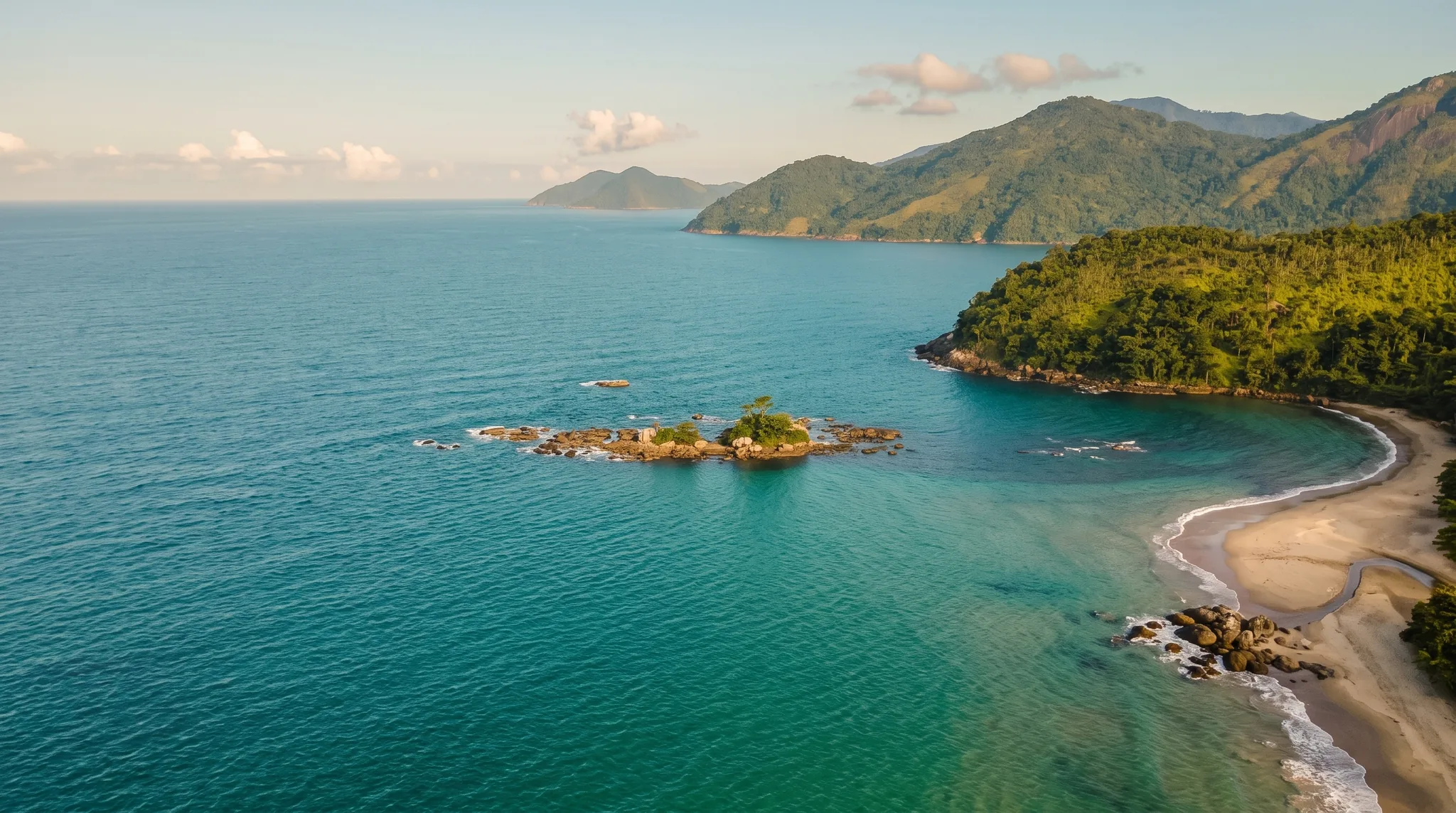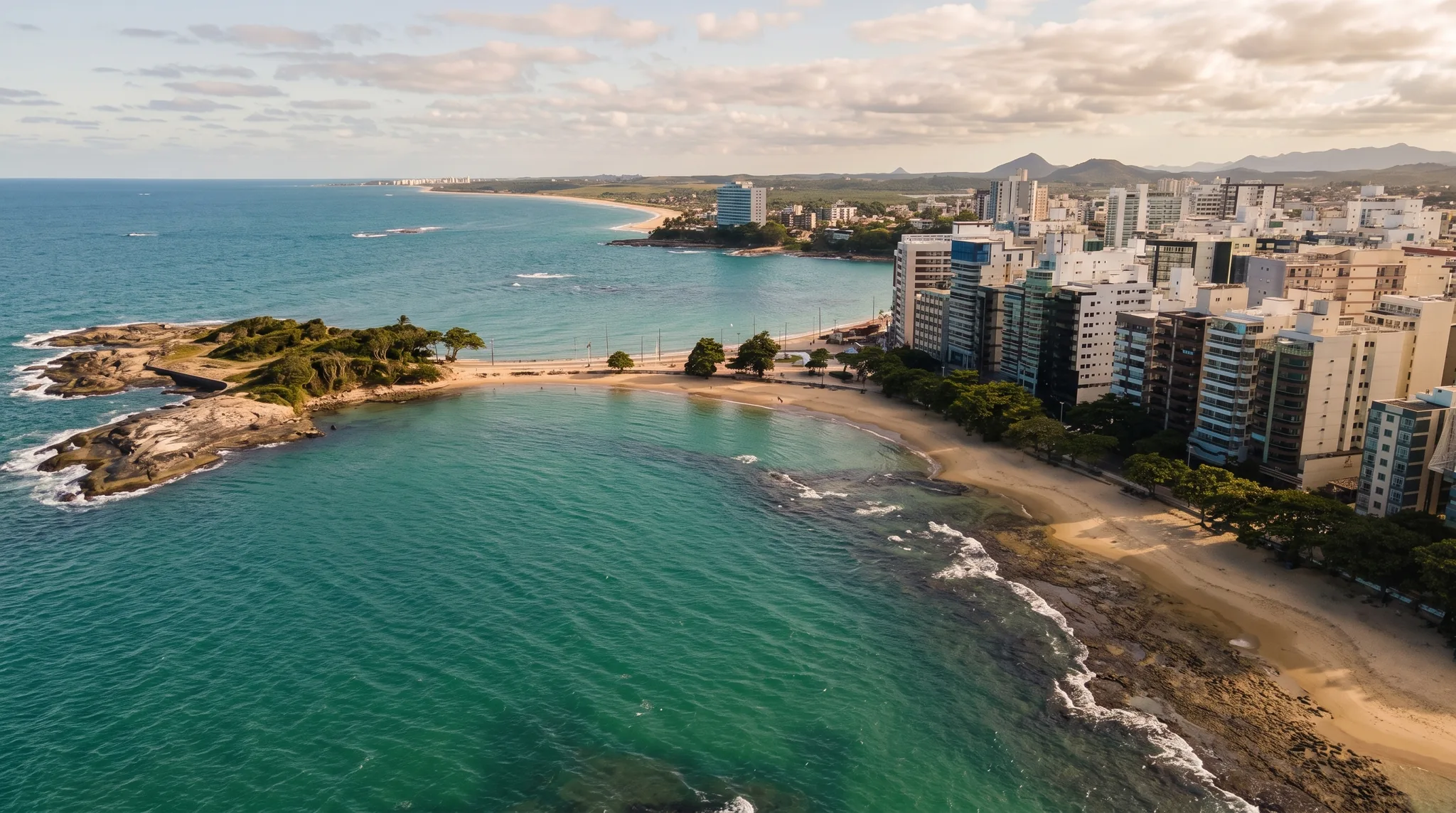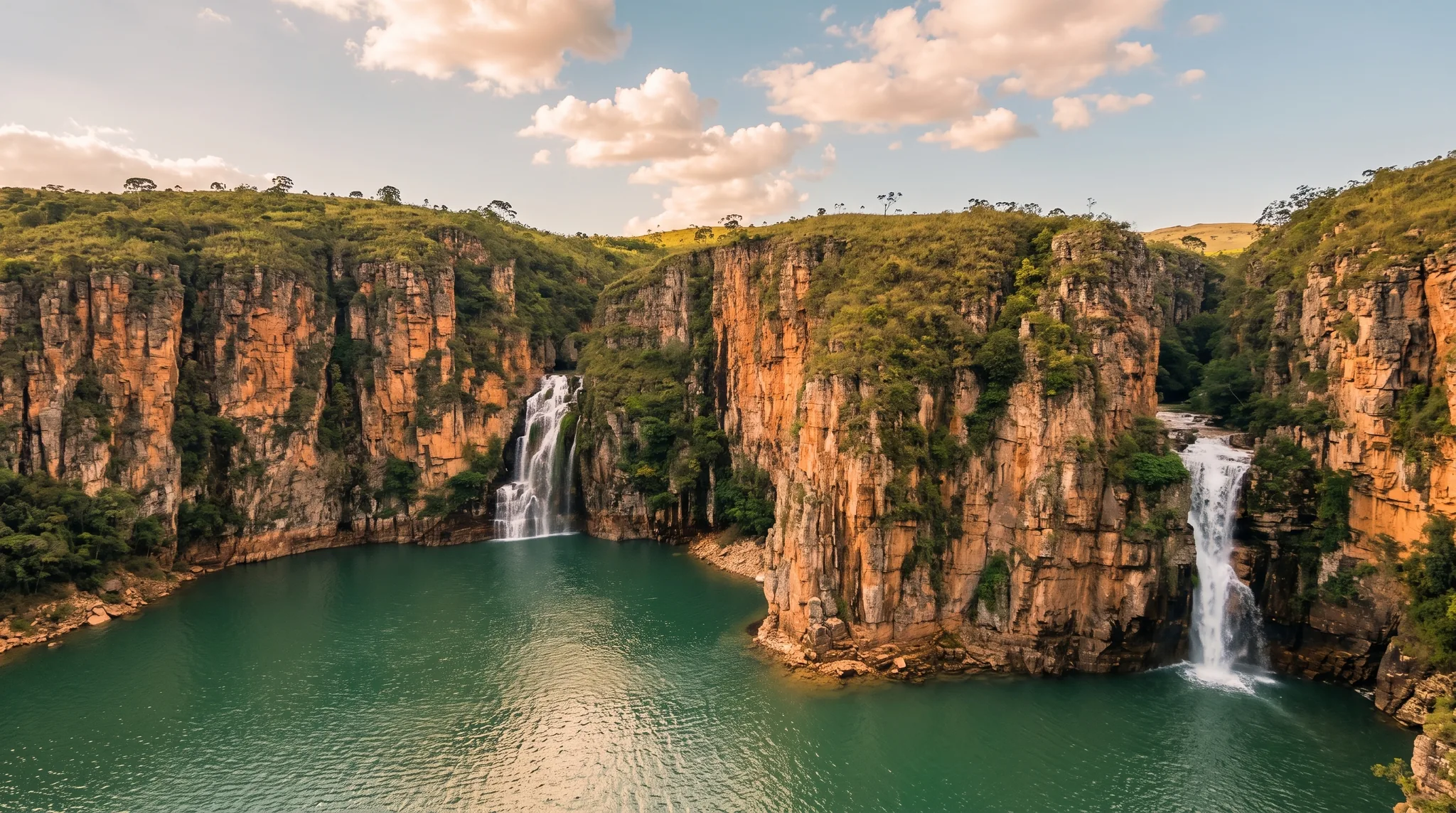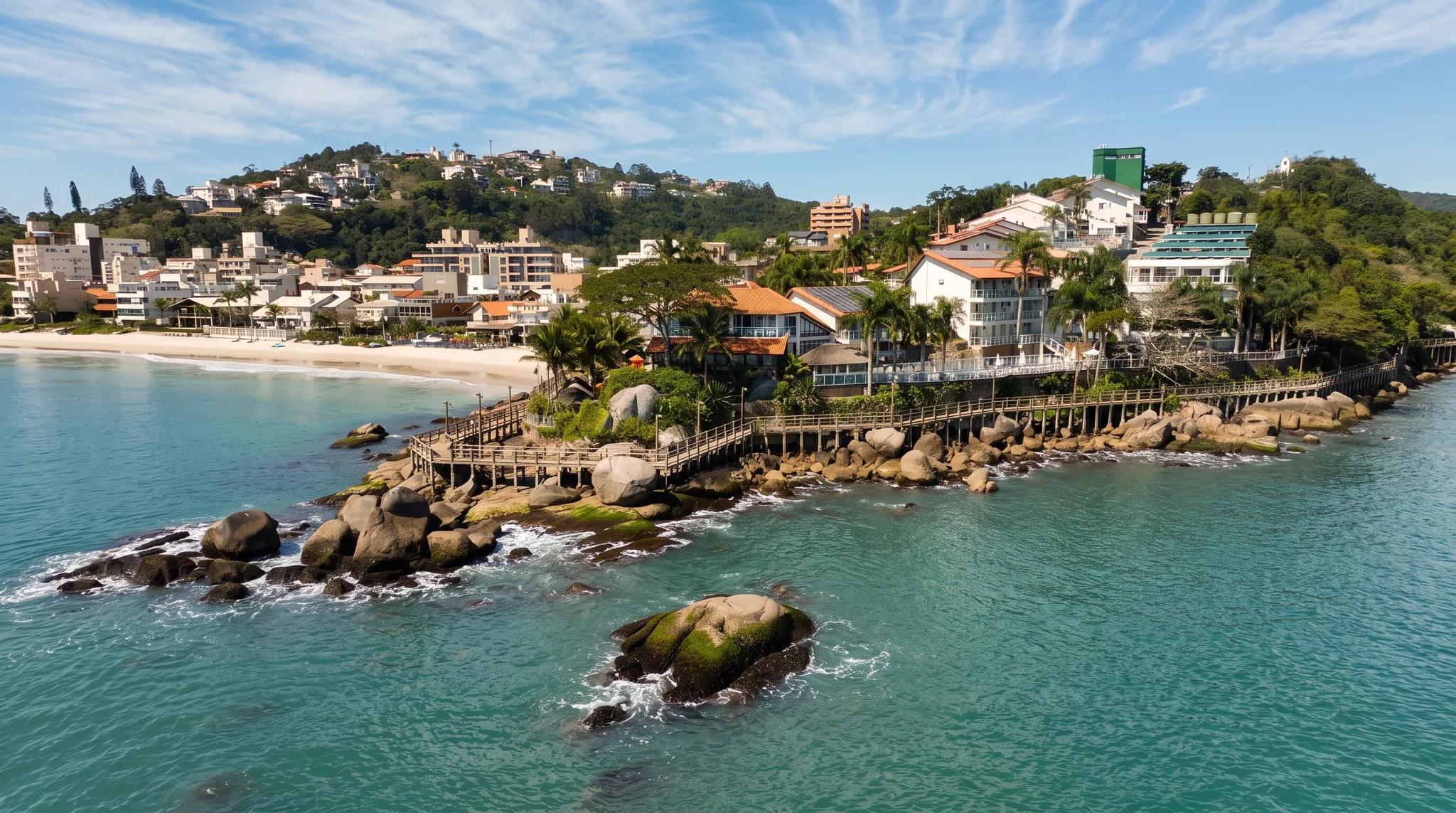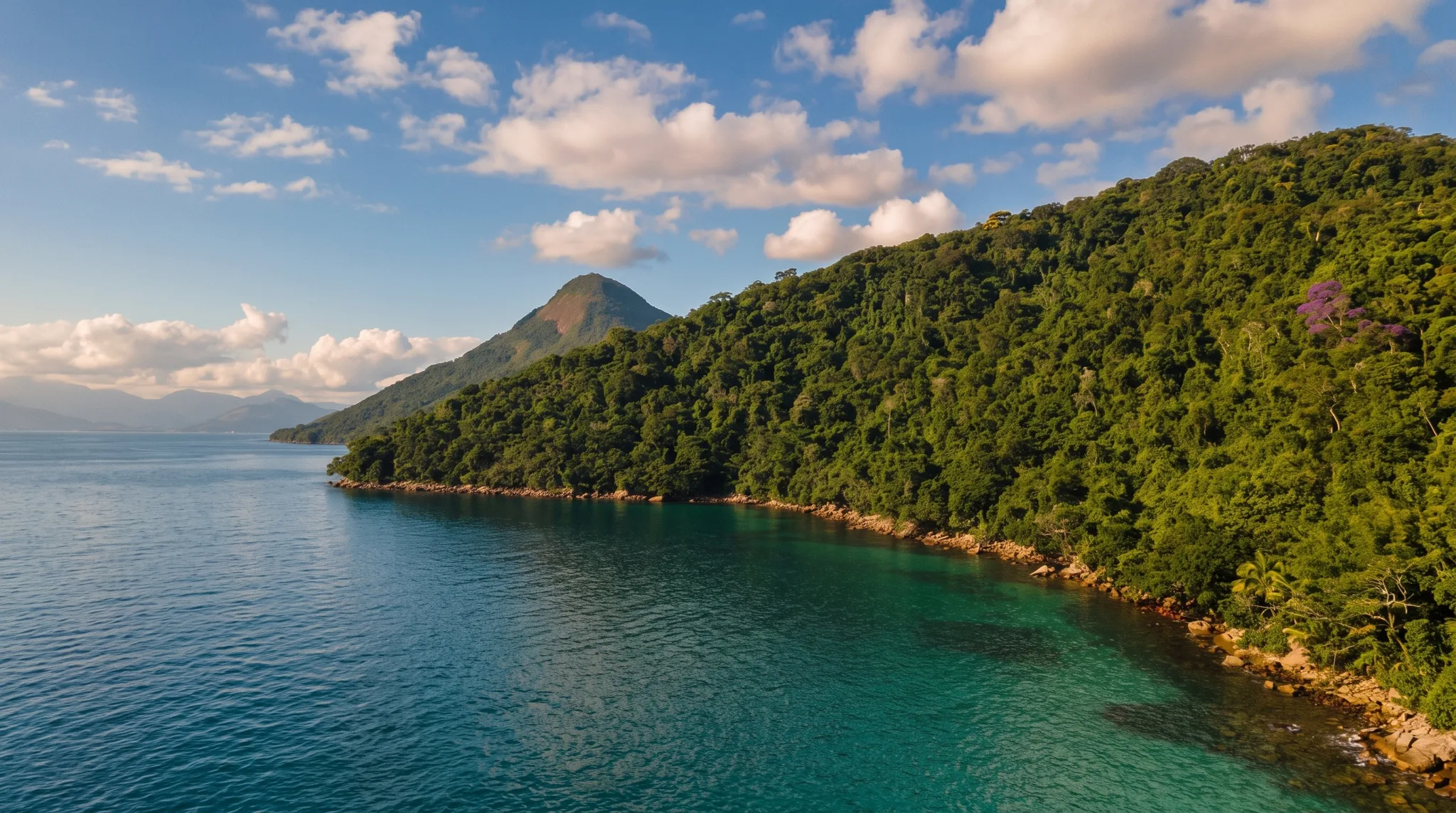
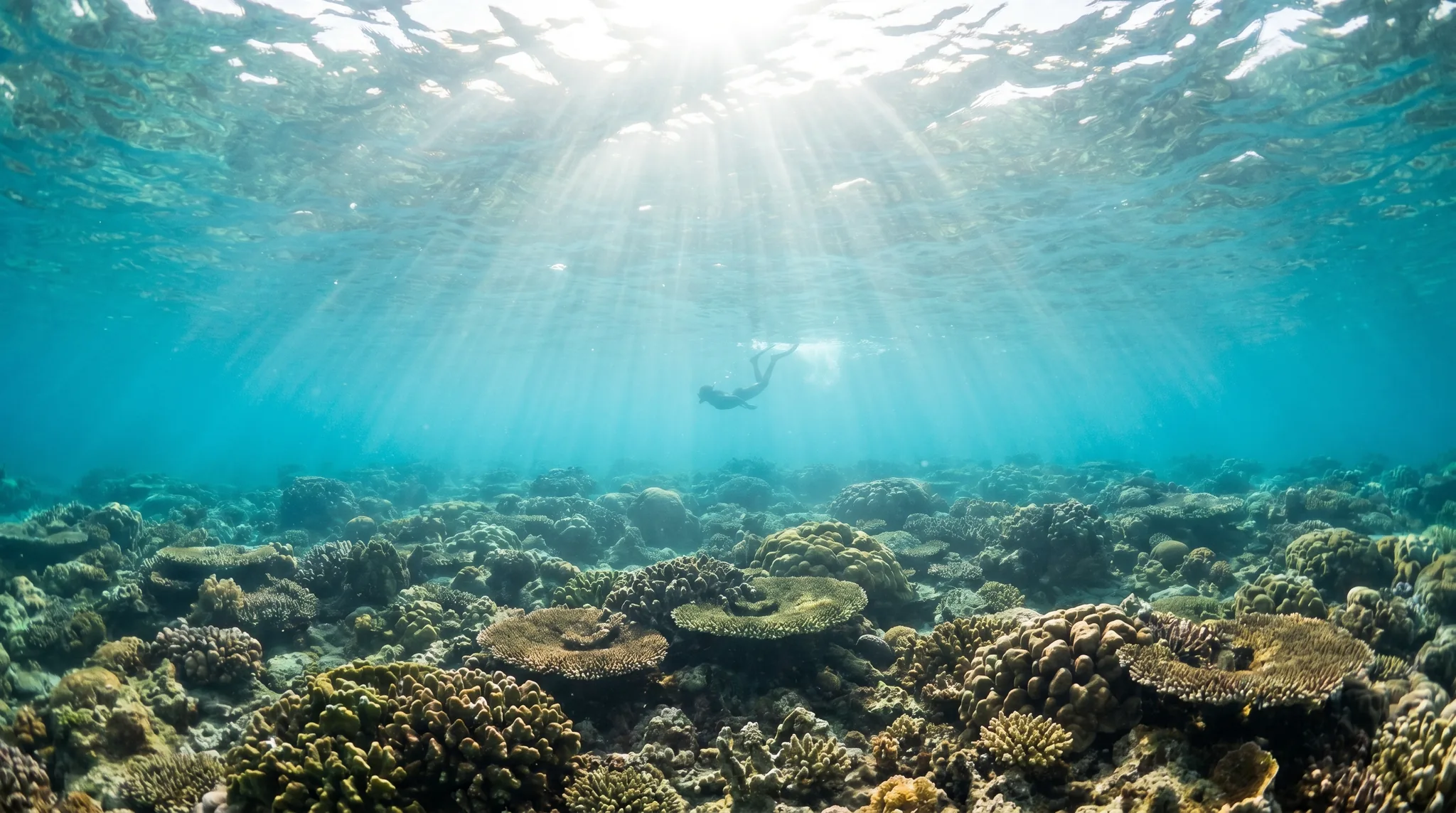
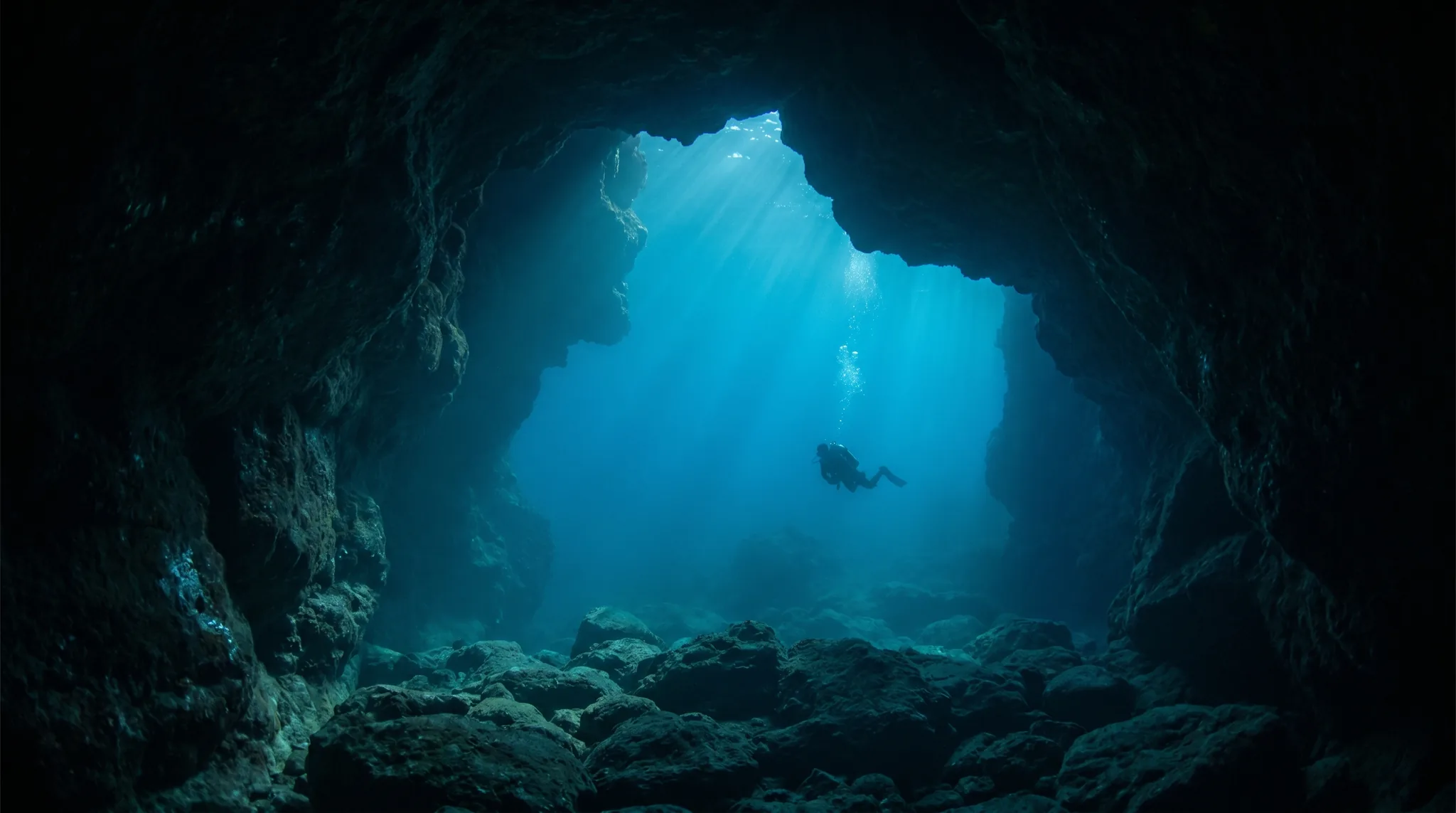
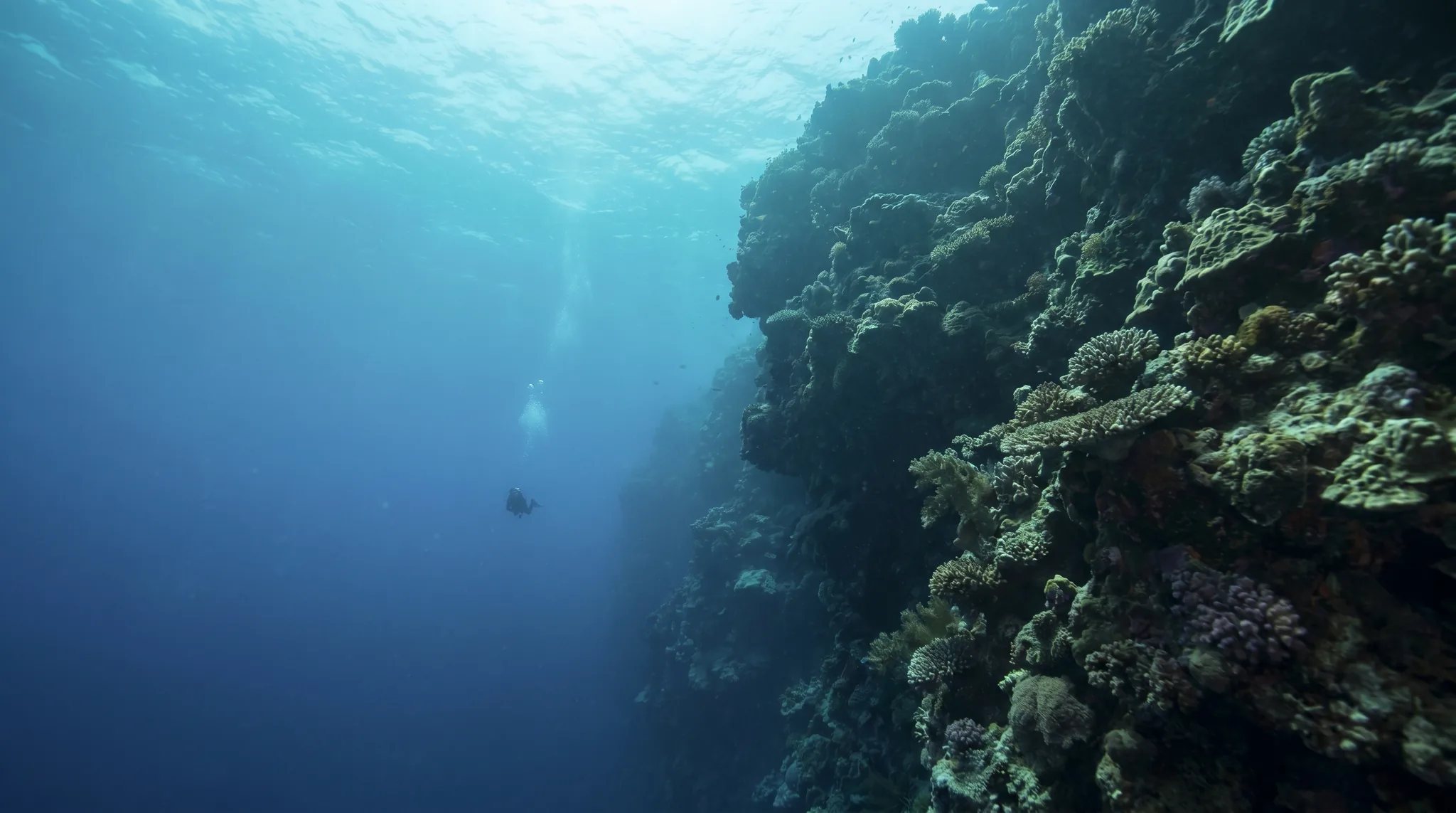
Rio de Janeiro's underwater territory spans six distinct sub-areas, from the exposed upwelling coasts of Arraial do Cabo to the sheltered bays of Ilha Grande, Angra dos Reis, and Paraty, with the reef clusters of Búzios and Cagarras rounding out the range. Site types run from shallow muck and reef to deep walls, caves, canyons, and pinnacles, meaning the region suits everything from a first open-water dive to demanding drift dives. The Green Sea Turtle, Flying Gurnard, Dusky Grouper, and Guitarfish are regularly observed across the region, and Gorgonian and Red Gorgonian growth adds structure to many reef walls. Visibility varies considerably by sub-area and season, and currents at several sites call for honest assessment of skill level before booking.
6 areas
 24
24Boat-access reef diving with caves, walls, and a rich cast of angelfish, morays, and the distinctive Flying Gurnard.
21Reef diving across a wide skill range, with regular Green Sea Turtle sightings and distinctive species like Flying Gurnard and Guitarfish.
18Reef and wall dives around island outcrops near Rio de Janeiro, with Green Sea Turtle sightings across the majority of sites.
Monthly water temperature across Rio de Janeiro's sites, from satellite sea-surface data corrected for depth. The band shows the site-to-site spread.
Water temperatures remain relatively stable year-round, with the warmest conditions arriving in late summer and a modest cool period through the southern winter months. The best-months data points to autumn and spring as the most favoured periods, particularly March through May and October, when visibility tends to improve and surface conditions settle. Arraial do Cabo's exposed coasts can bring stronger currents and variable visibility at any time of year, while the sheltered bays of Ilha Grande and Angra dos Reis offer more forgiving conditions.
101 operators
Beginner-friendly island reefs near Paraty, combining natural and artificial structures with consistent fish life and warm water throughout the year.
Water temperature around Rio de Janeiro ranges from about 22°C in July to 25°C in March, based on satellite sea-temperature data for its dive sites.
With water around 22–25°C, a 3mm full suit works in Rio de Janeiro year-round.
Fin maps 103 sites in Rio de Janeiro (93 scuba diving sites and 29 snorkelling spots, with some suited to both), organised into 6 areas.
Across Rio de Janeiro's dive sites, January, March, April, May, June and October are most often reported as the best months to visit.
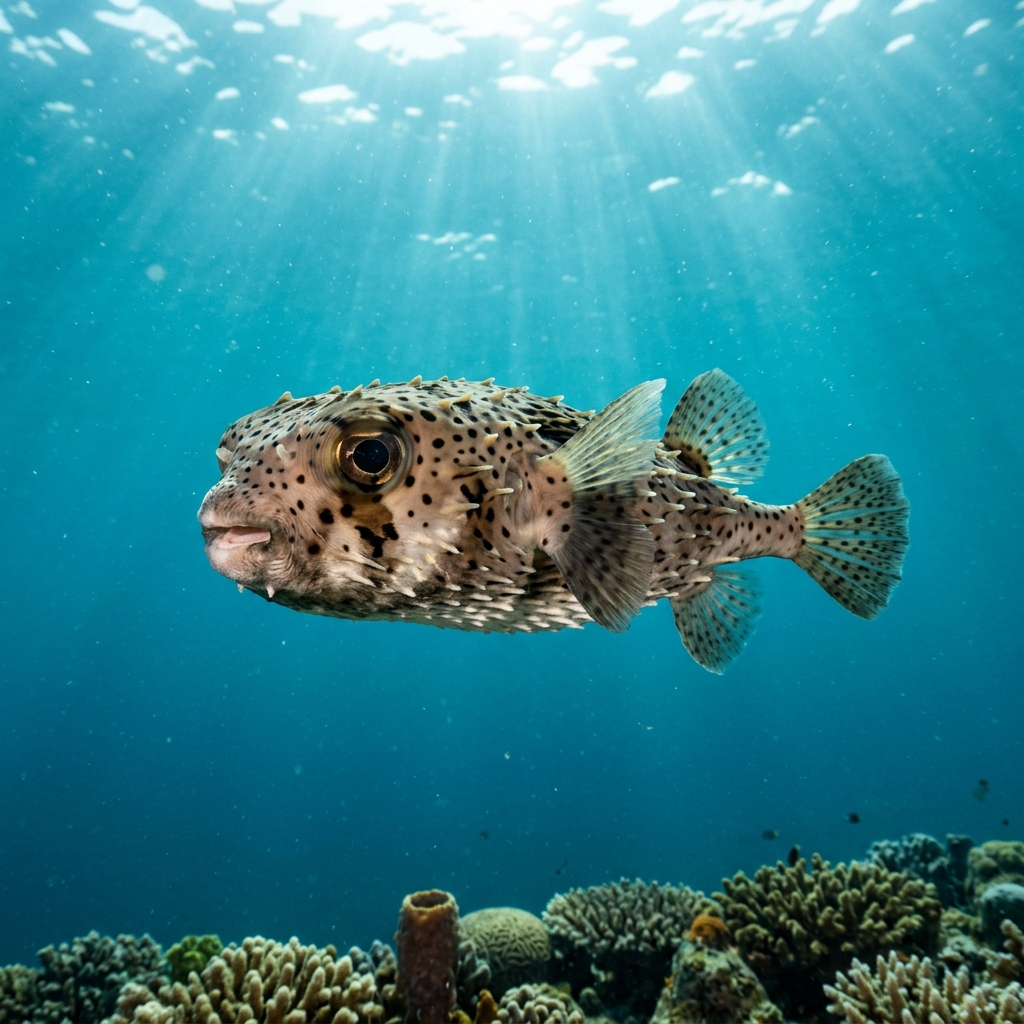
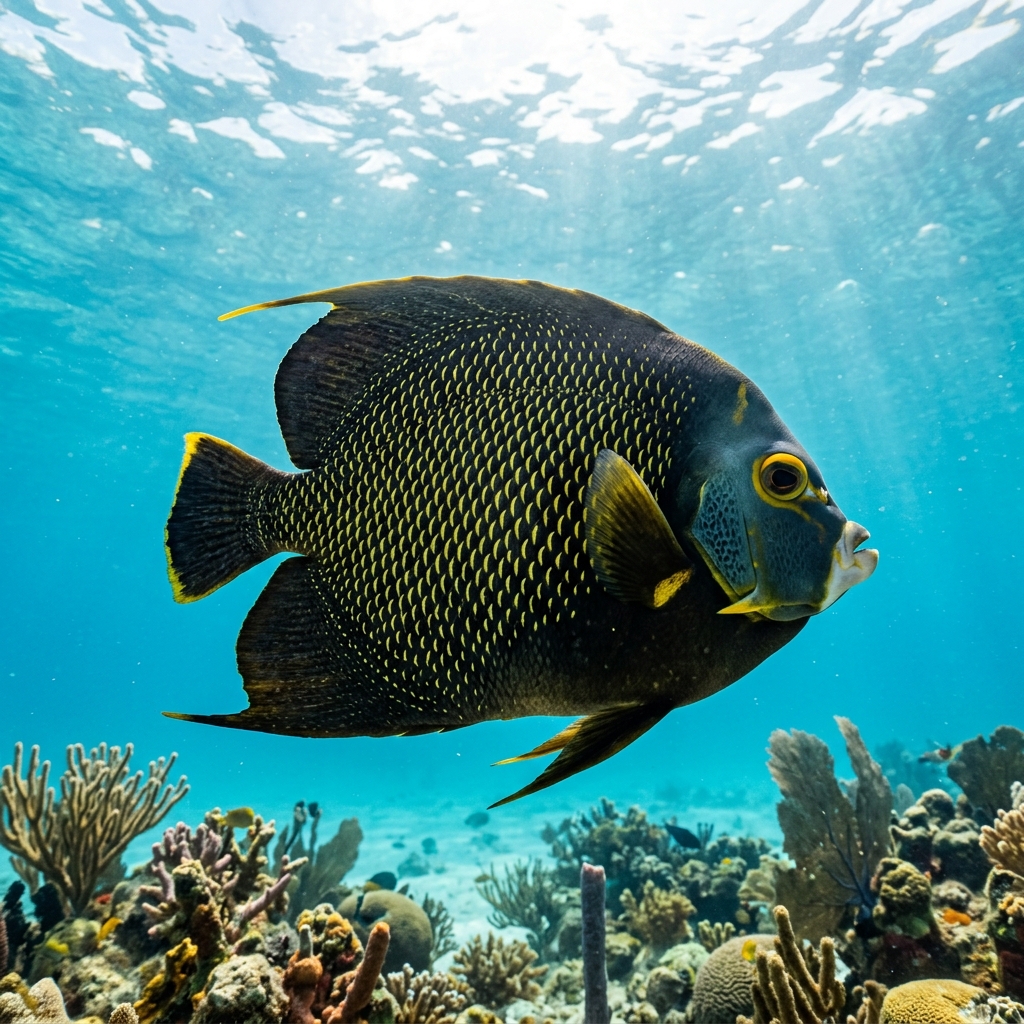
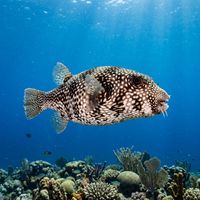
The region's signature species include the Green Sea Turtle, Flying Gurnard, Dusky Grouper, and Guitarfish, all of which are commonly observed across multiple sub-areas. French Angelfish, Checkered Puffer, Snake Eel, and Spotted Moray are also encountered regularly, along with Gorgonian and Red Gorgonian colonies on deeper walls. Goatfish and Cornetfish are among the most frequently logged species across the region, and Seahorse sightings have been recorded at a handful of sites.
Yes, a substantial portion of the sites listed across the region are rated for beginners, including shallow reef sites in Arraial do Cabo, Búzios, and Ilha Grande. Shore-entry options such as Praia Vermelha and Ponta do Bananal lower the barrier further, and operators like XDivers, Dive Soul, and Mergulho Carioca are well placed to guide newer divers. That said, several sites involve strong currents or significant depth and are rated intermediate or advanced, so it pays to read individual site descriptions carefully.
Arraial do Cabo is the most site-dense sub-area and is known for exposed conditions with variable currents, suiting a wide range of skill levels depending on the specific site. Ilha Grande offers diverse topography including walls, caves, and canyons, with some of the region's more demanding drift sites alongside calmer beginner reefs. Búzios and Cagarras provide reef and pinnacle diving closer to the city, while Paraty and Angra dos Reis tend toward sheltered bay diving with gentler conditions.
The majority of sites across Rio de Janeiro require boat access, and the region has a wide network of operators including Dolphin Dive Brasil, Búzios Divers, Acqua World, and Itaway Ecotours, among others. A smaller number of sites, such as Praia Vermelha and Ponta do Bananal, offer shore entry for those who prefer it. Some sites like Costao de Itaipu list both shore and boat access options, giving flexibility depending on conditions and group preference.