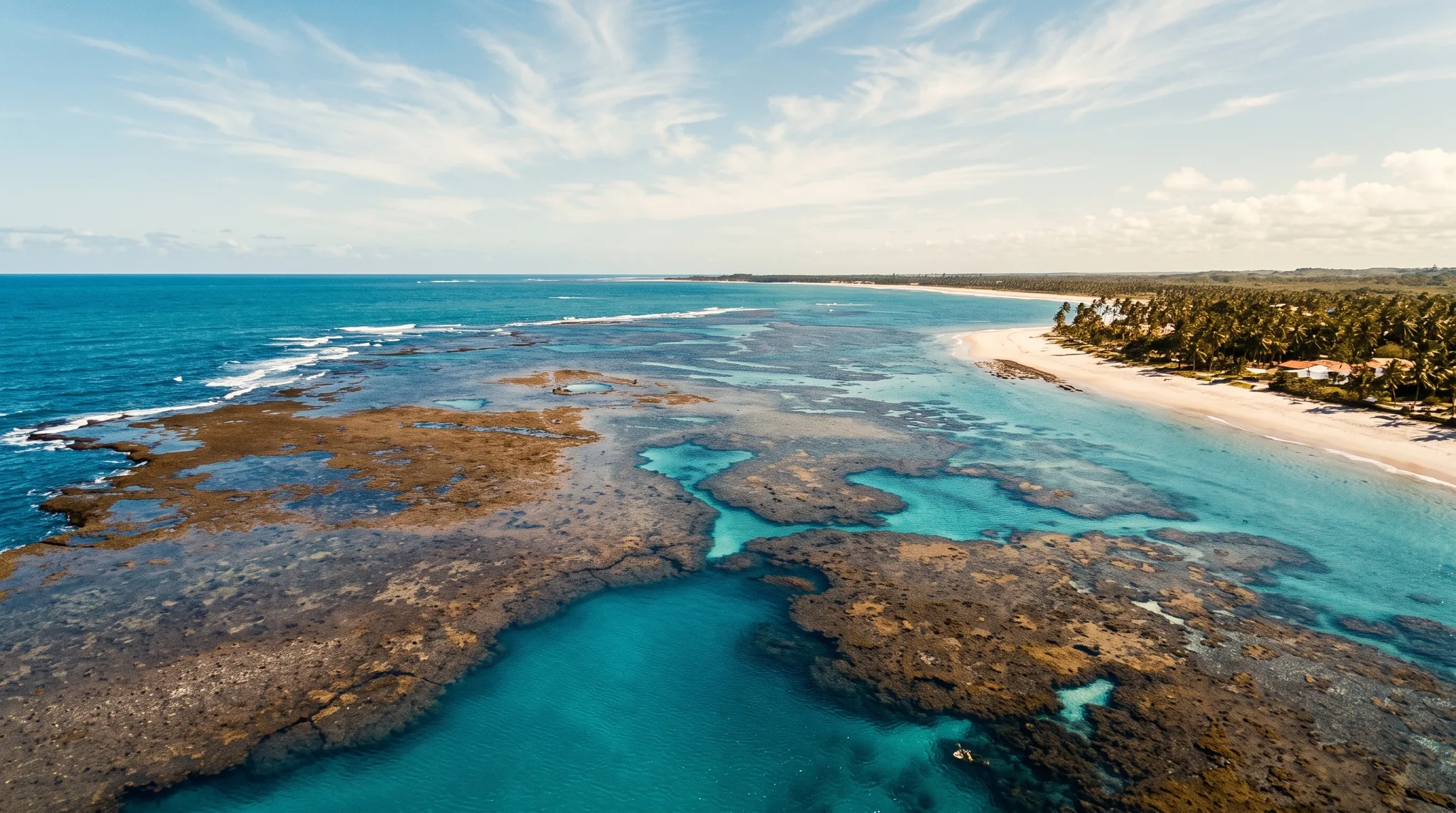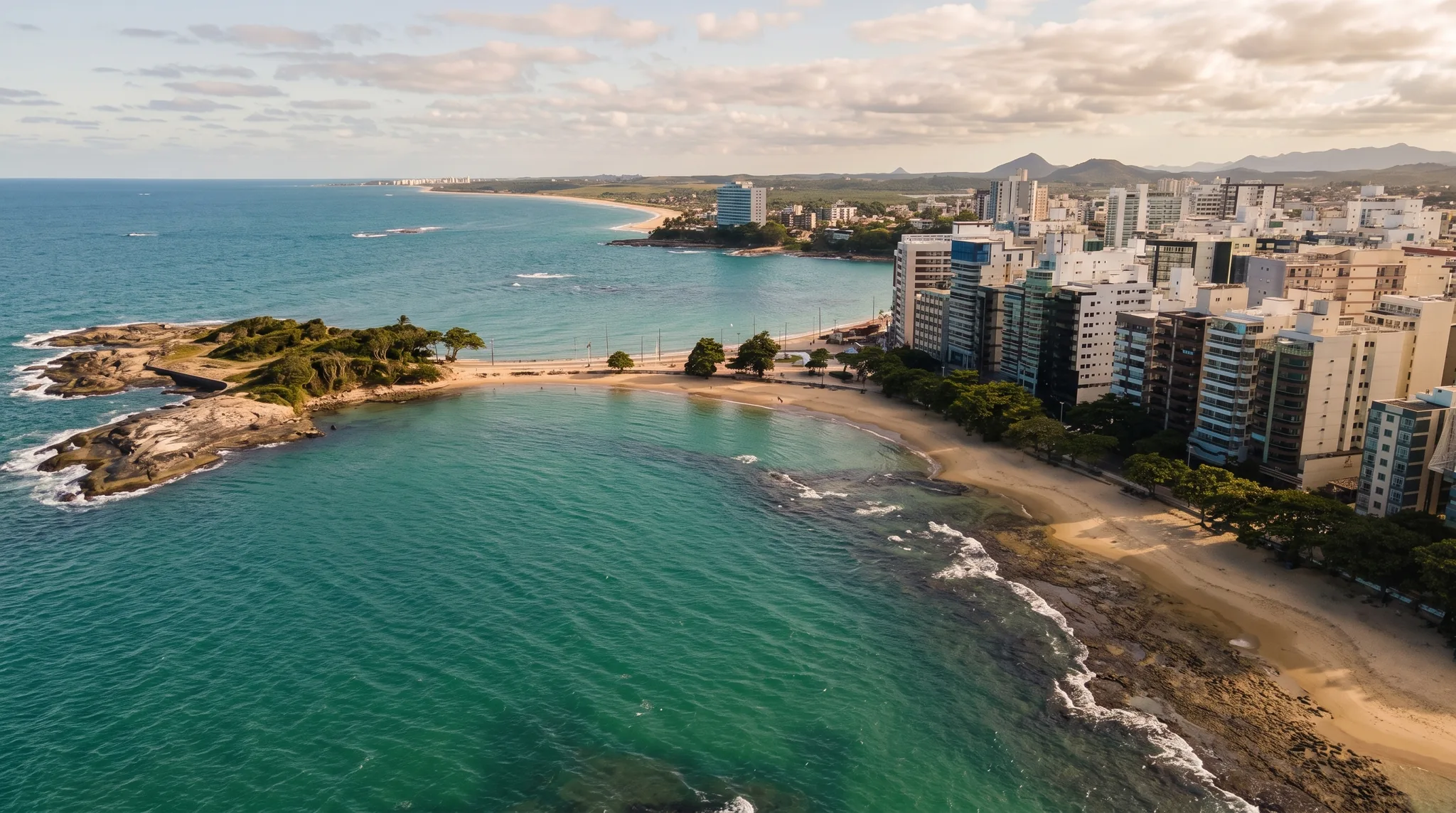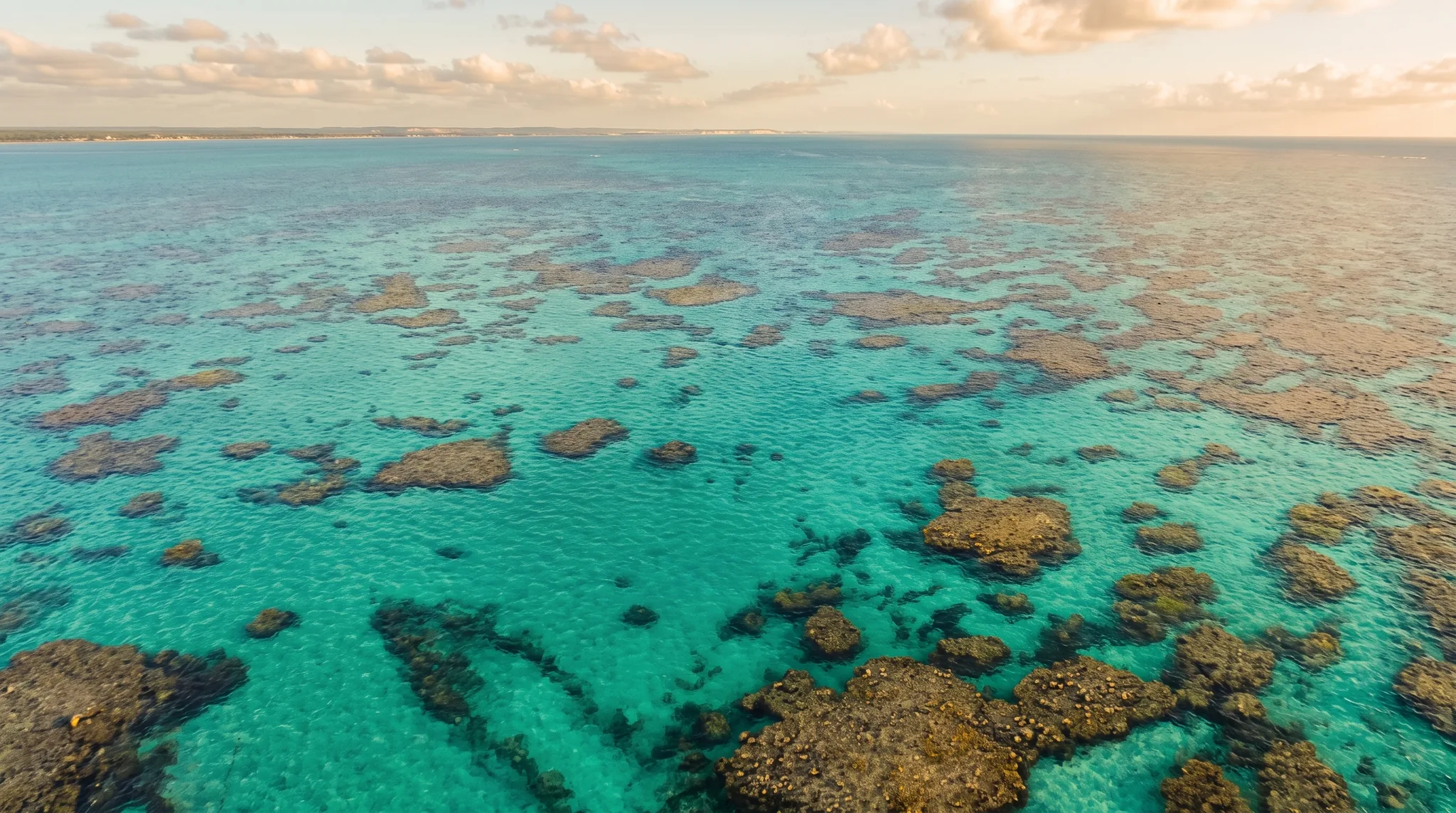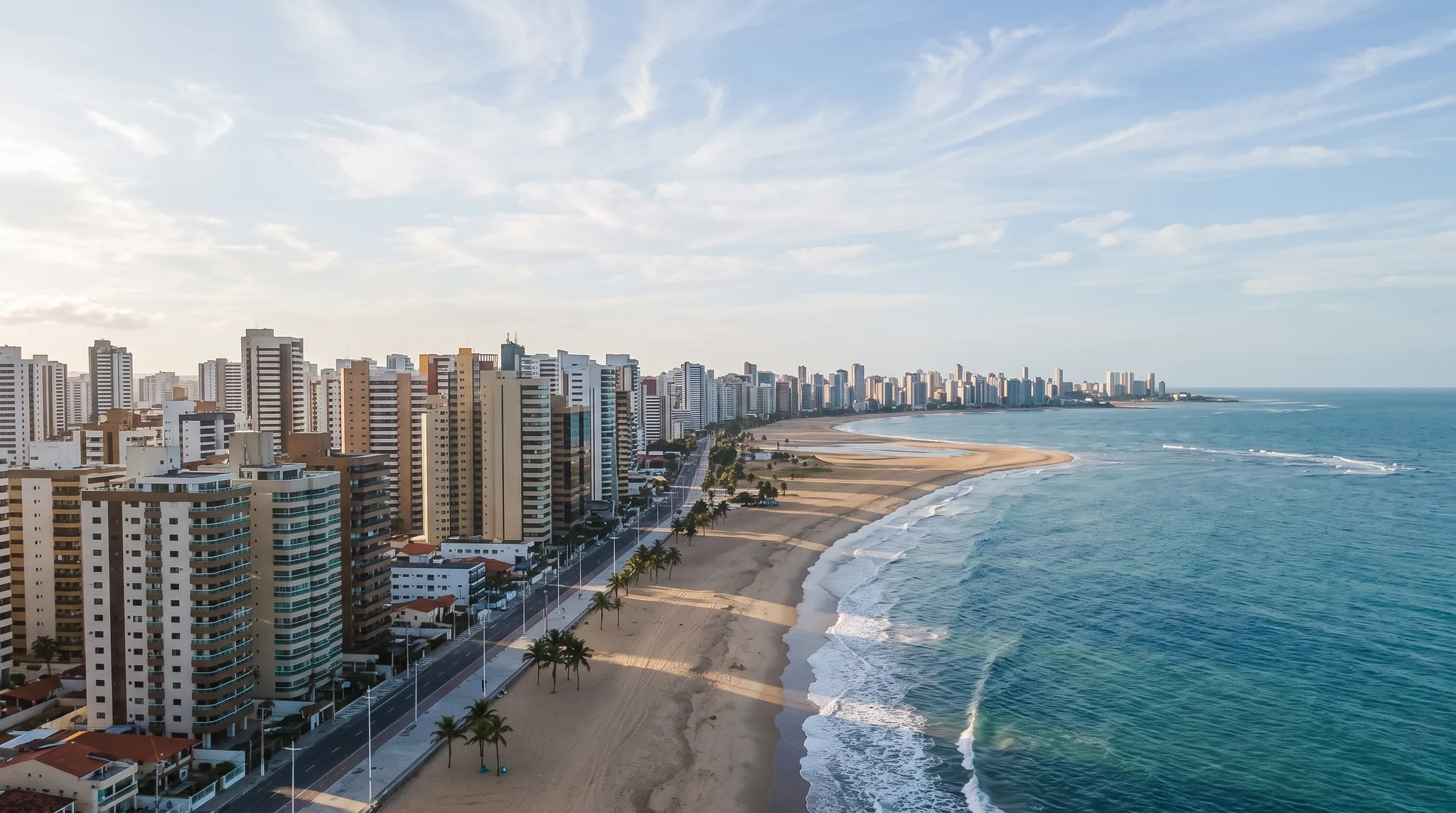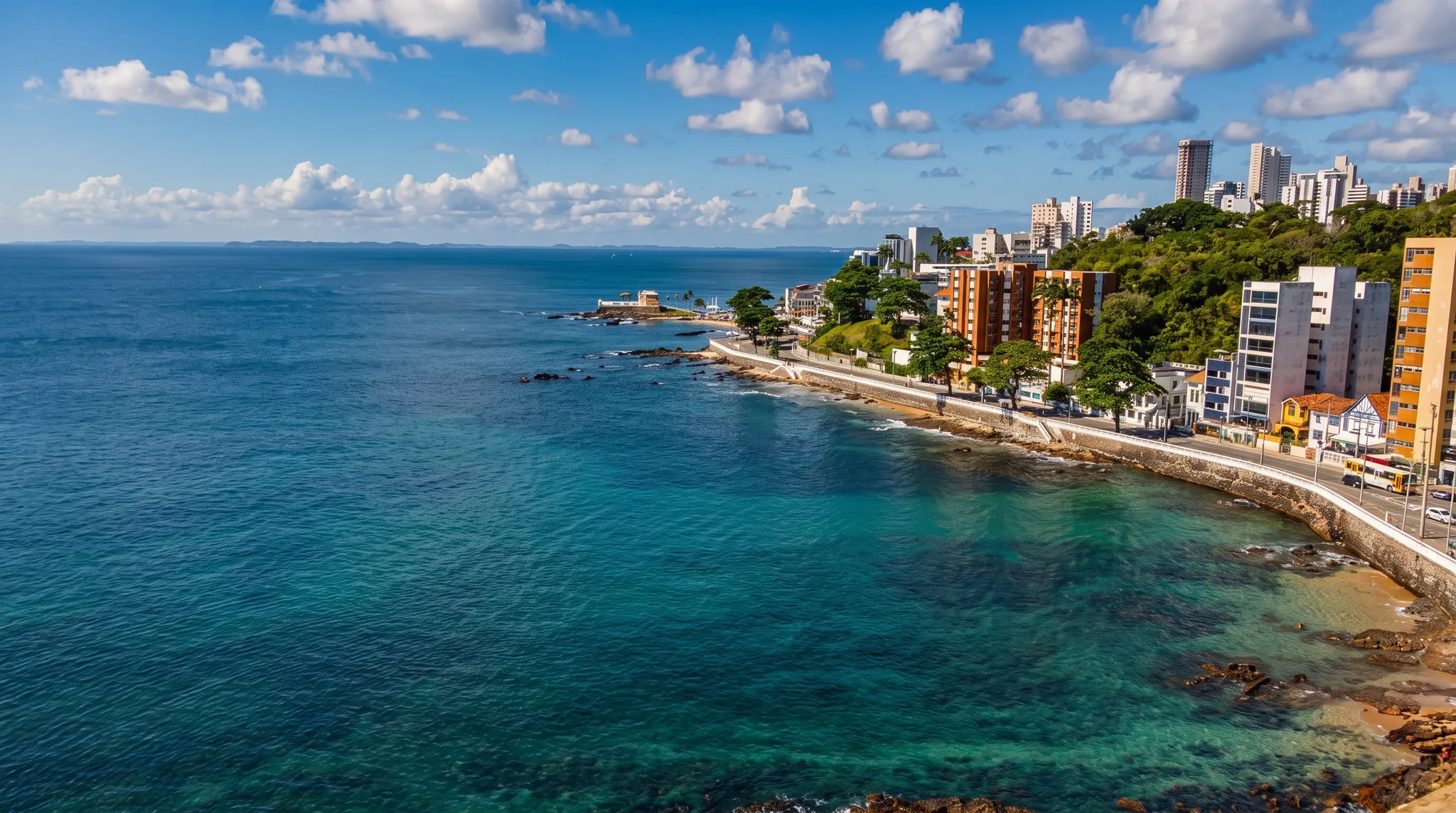
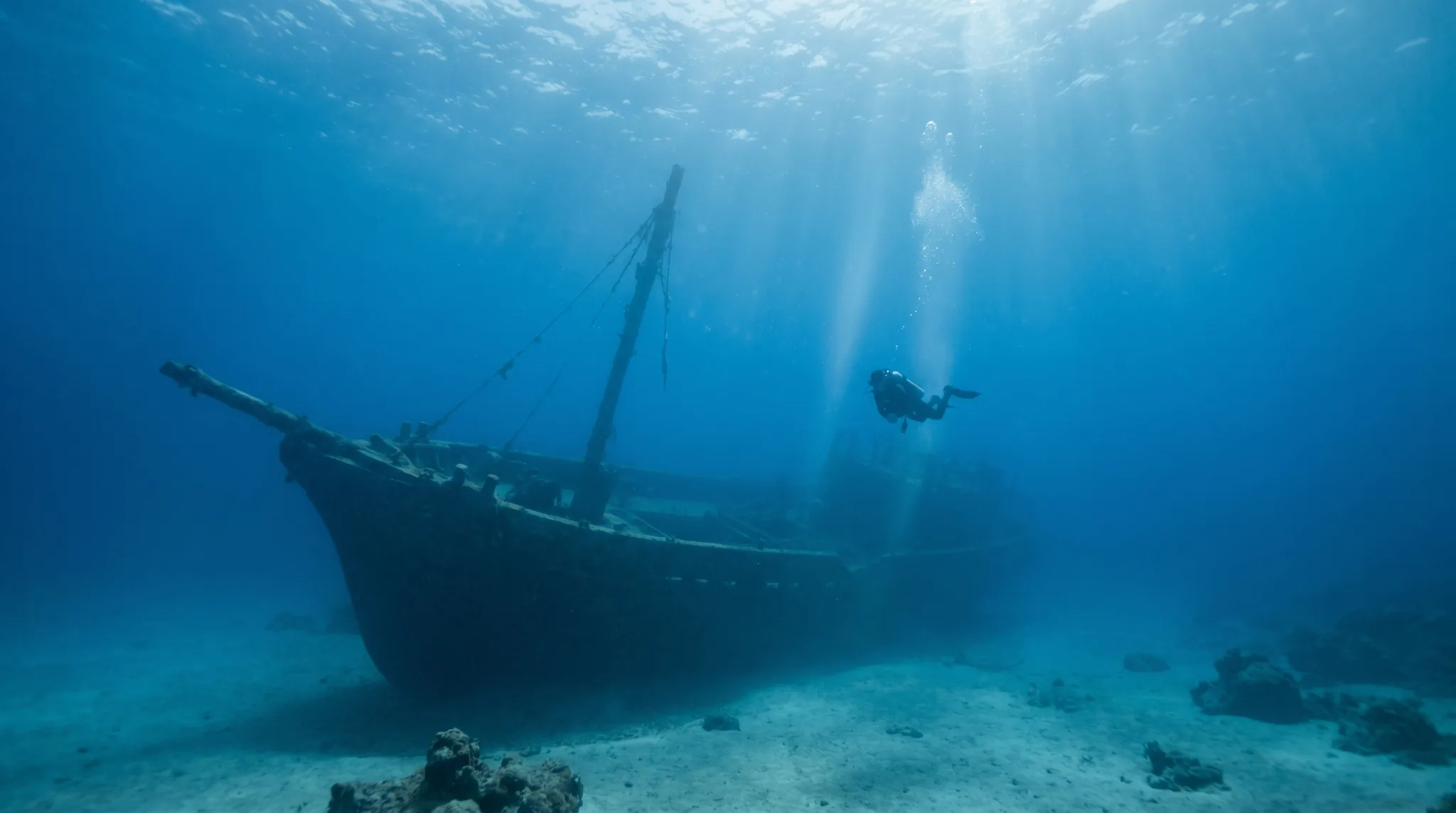
Bahia's diving character is shaped by a strong wreck heritage, varied reef structures, and a marine life roster that rewards patient observation. Salvador accounts for the bulk of sites, mixing deliberately sunk vessels and natural reefs across a wide range of depths and skill levels. Abrolhos offers a different flavour, with chapeirão formations, cave environments, and wrecks accessible only by boat. Itacaré adds a single deeper reef option. Across all three sub-areas, the Brazilian Reef Octopus, Green Sea Turtle, Snake Eel, and Reef Squid appear with notable regularity, while the Shortnose Batfish makes Bahia's species list truly unusual.
3 areas
 17
17A wreck-rich destination in Bahia where historic shipwrecks and coral reefs attract divers of all levels year-round.
 5
5Brazil's first Marine National Park, known for its distinctive mushroom-shaped coral pinnacles and wrecks, all accessed by boat.
1A single shallow shore reef near Maraú, Brazil, with warm water and beginner-friendly conditions year-round.
Monthly water temperature across Bahia's sites, from satellite sea-surface data corrected for depth. The band shows the site-to-site spread.
Water stays warm throughout the year, with temperatures peaking through the early months and remaining comfortable even at their annual low point. The best-months data clusters heavily around the first quarter of the year, with a secondary window in the final months. Conditions in Salvador's exposed bay sites can involve current and reduced visibility, making depth and entry type important considerations when planning.
29 operators

Water temperature around Bahia ranges from about 26°C in July to 29°C in March, based on satellite sea-temperature data for its dive sites.
In the warm season (about 29°C) a rash guard or 3mm shorty is comfortable in Bahia; in the coldest months (about 26°C) step up to a 3mm full suit.
Fin maps 23 sites in Bahia (23 scuba diving sites and 3 snorkelling spots, with some suited to both), organised into 3 areas.
Across Bahia's dive sites, January, February and March are most often reported as the best months to visit.
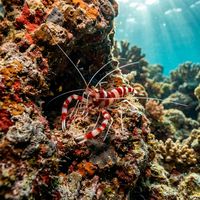
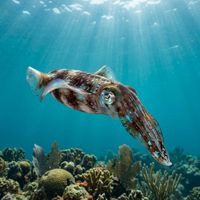
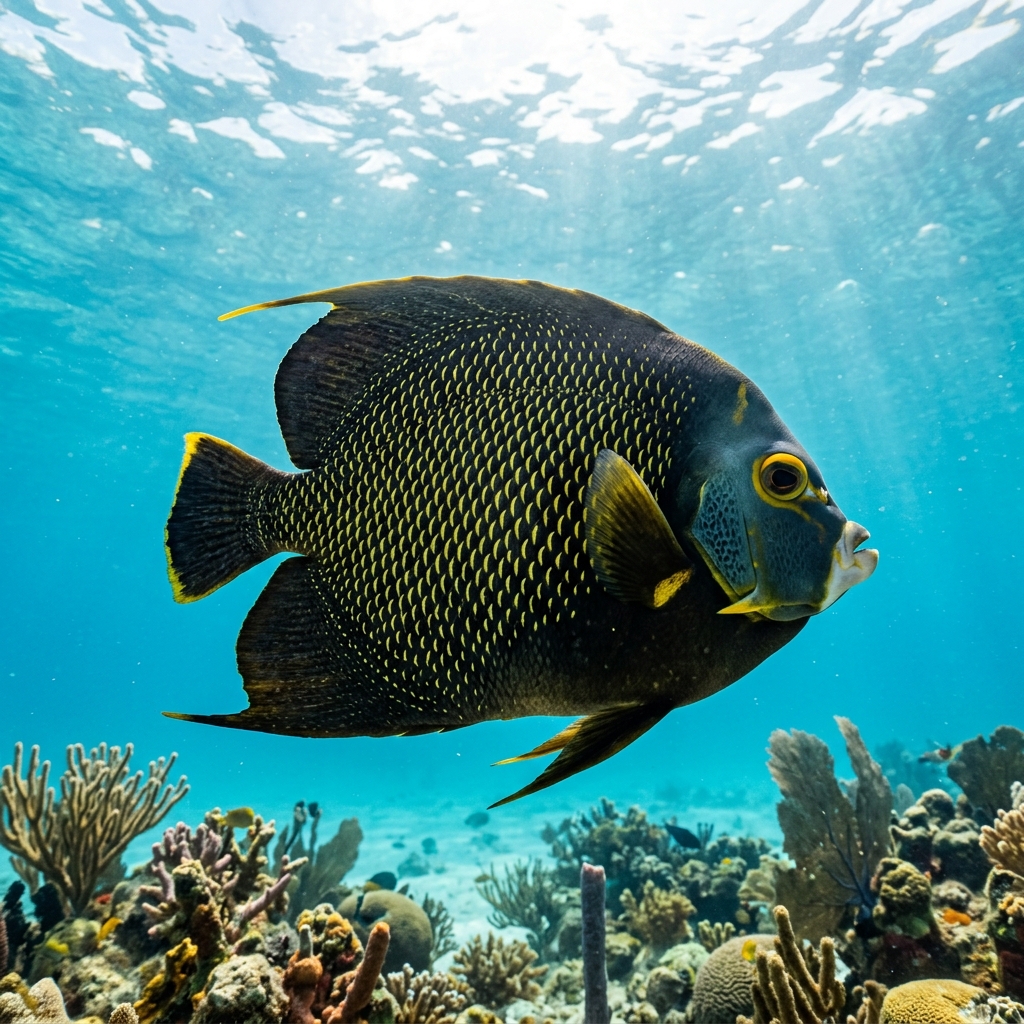
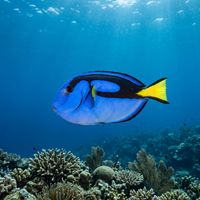
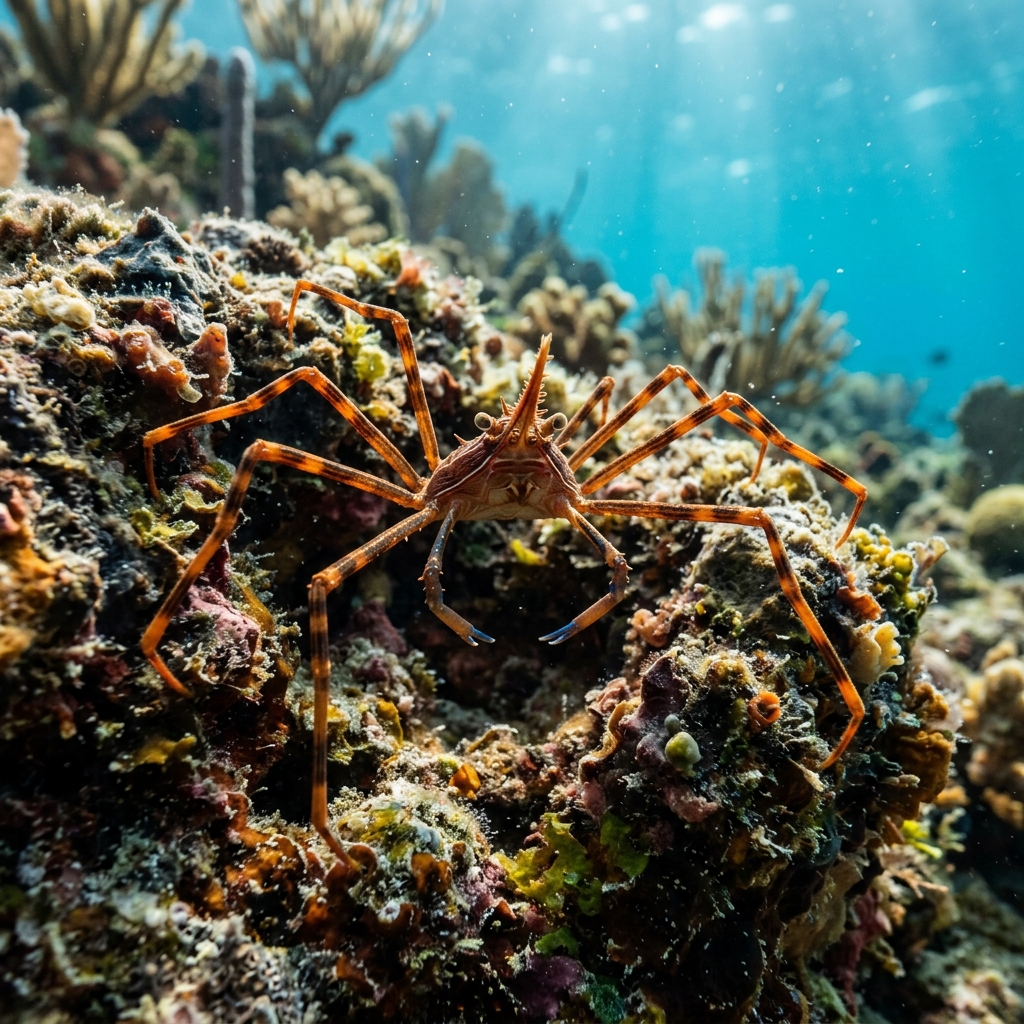
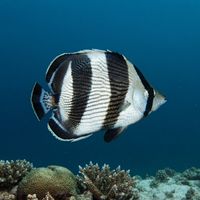
The Brazilian Reef Octopus, Banded Coral Shrimp, Blue Tang, Cornetfish, and Goatfish are observed across virtually every site in the region. Green Sea Turtle and Reef Squid are common sightings, and the Shortnose Batfish makes occasional appearances alongside the French Angelfish. Spotted Eagle Ray and Seahorse have also been recorded, though less frequently.
Yes, there are several sites in Salvador well suited to those early in their diving experience. Sites such as Blackadder, Naufragio Germania, Terno, and Corais de Ondina offer shallower depths and calmer conditions appropriate for beginners. Intermediate and advanced sites are also plentiful, so divers of all levels can find something appropriate within the region.
Salvador is the largest sub-area, offering the widest variety of site types including wrecks, natural reefs, and artificial reef structures across all skill levels, with both boat and shore entry options. Abrolhos is a more remote destination centred on distinctive chapeirão coral towers, cave dives, and a wreck, all accessed by boat. Itacaré contributes a single deeper reef dive suited to intermediate divers.
The majority of Bahia's dive sites require a boat to reach, which is particularly true in Abrolhos and Itacaré. In Salvador, most sites are also boat-accessed, though a handful of sites such as Blackadder offer the option to enter from shore as well. Operators including Mundial Scuba, CIA do Mergulho, and Abrolhos Embarcações run regular boat departures across the region.