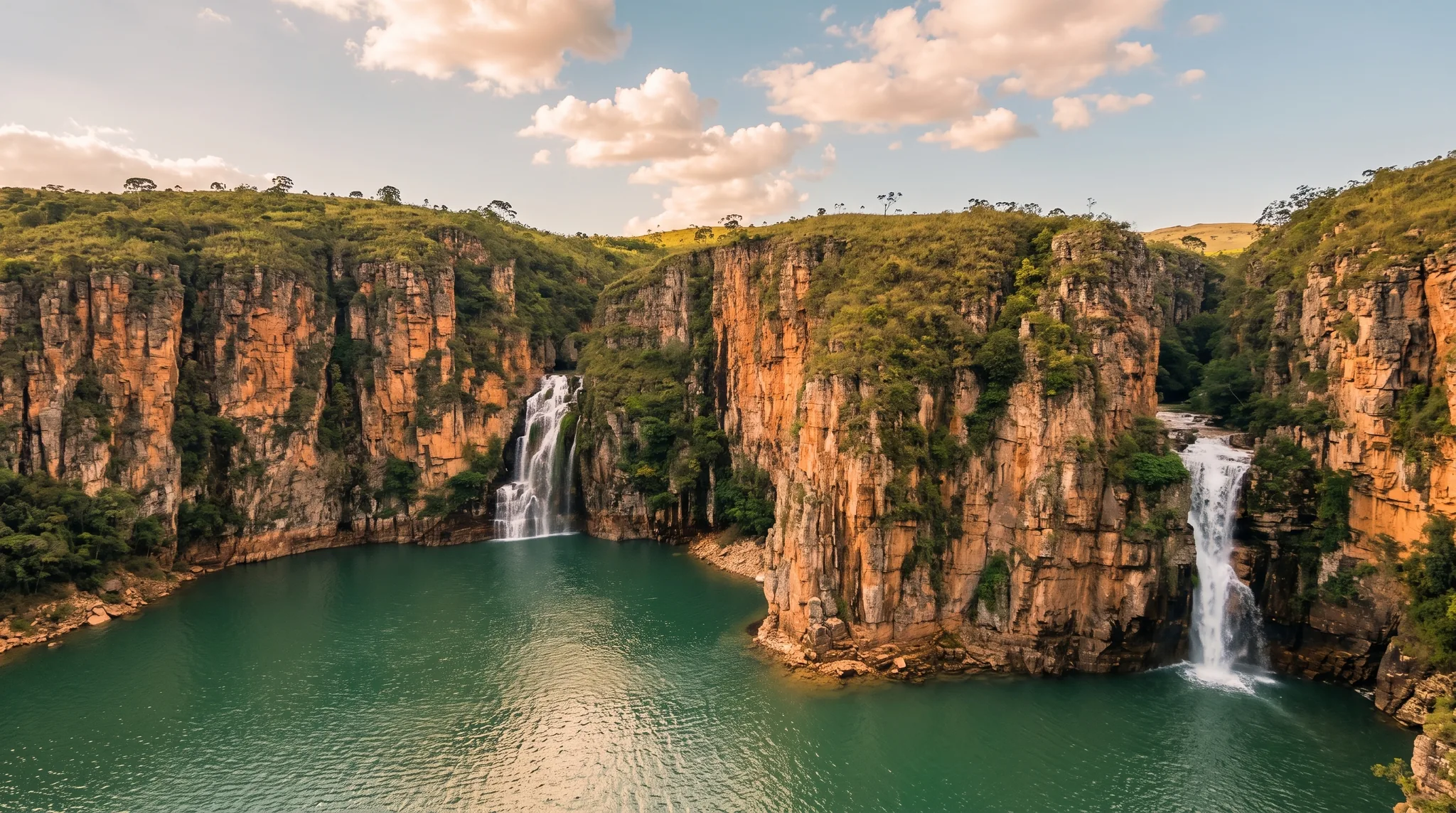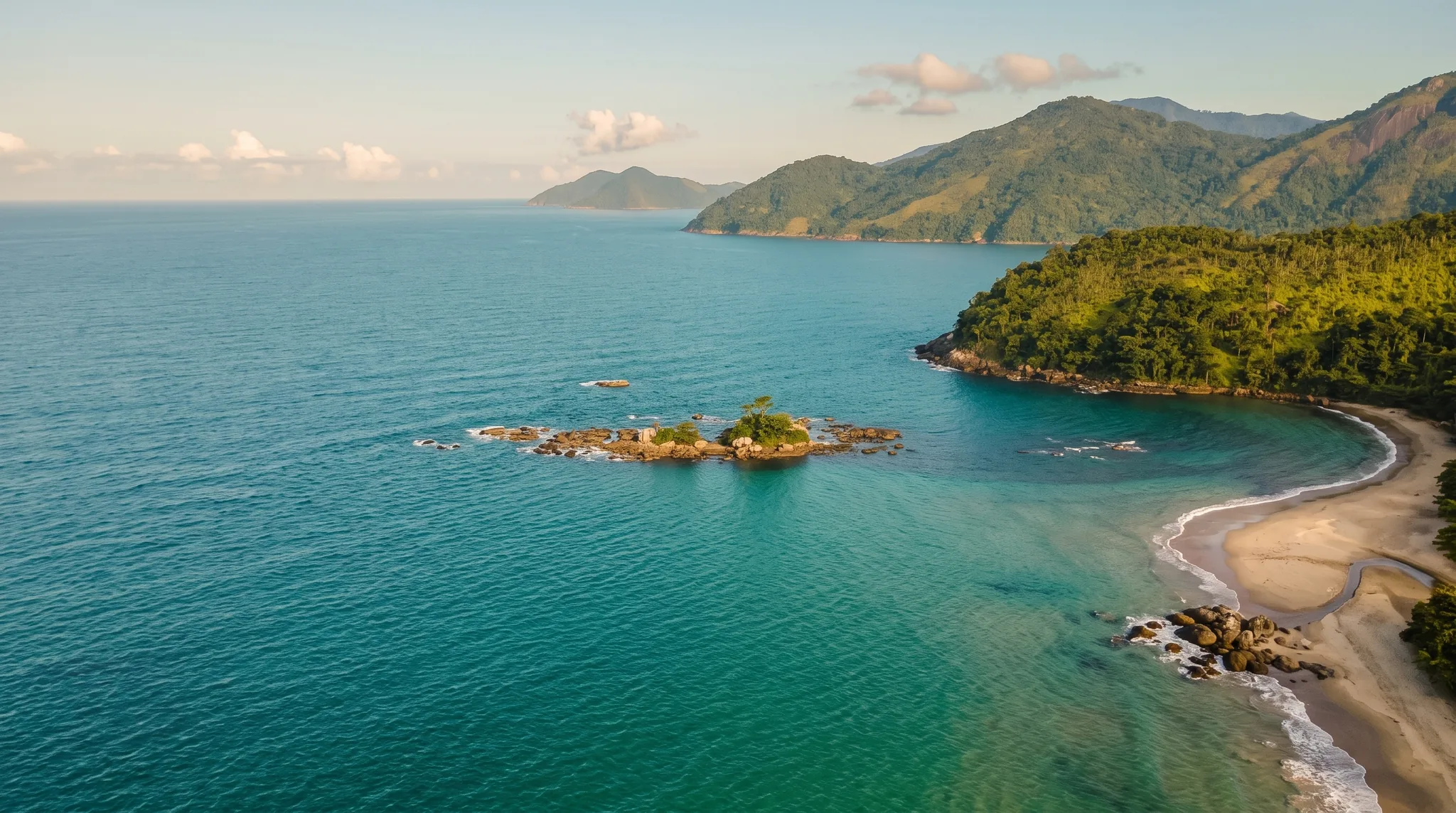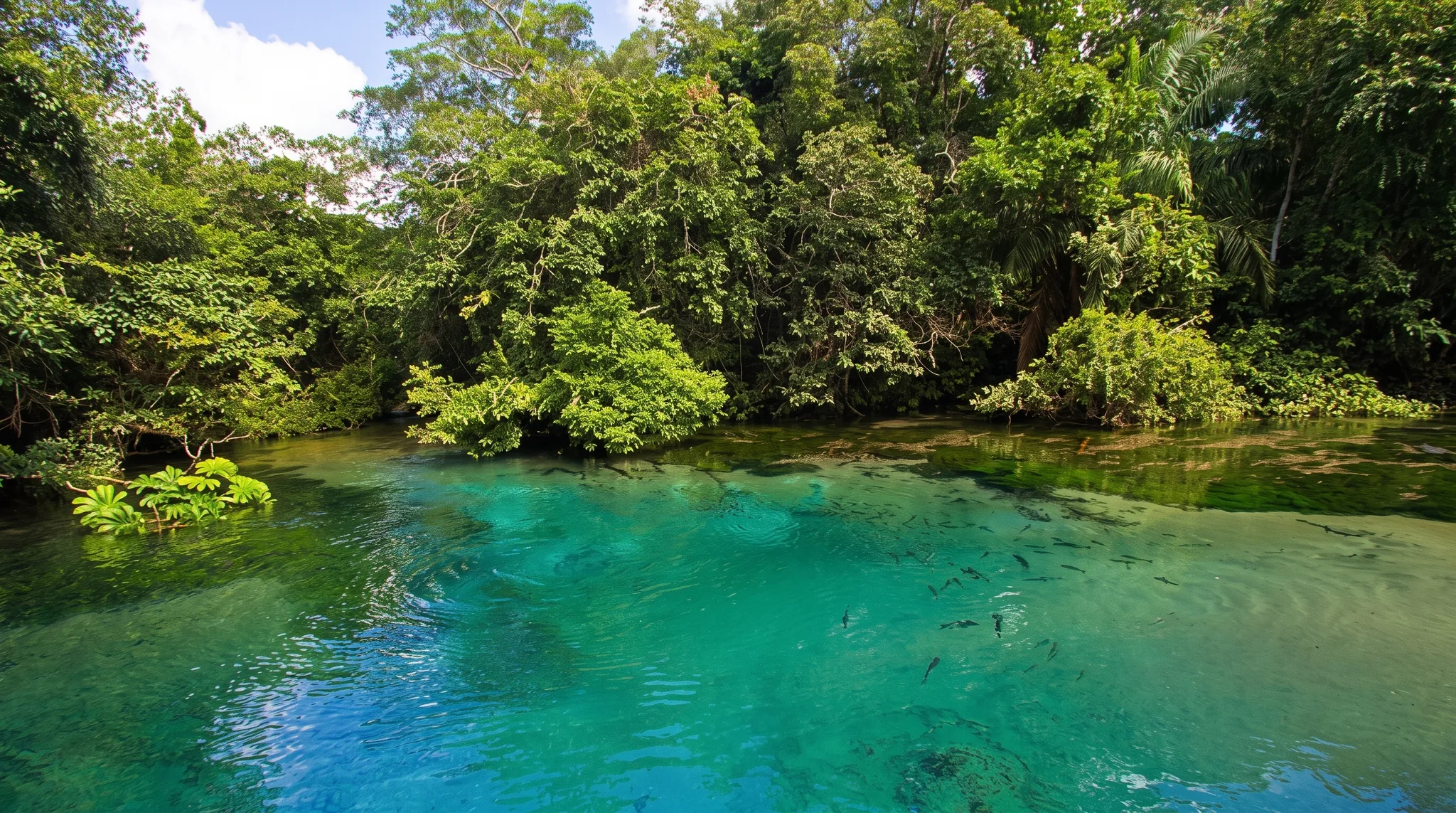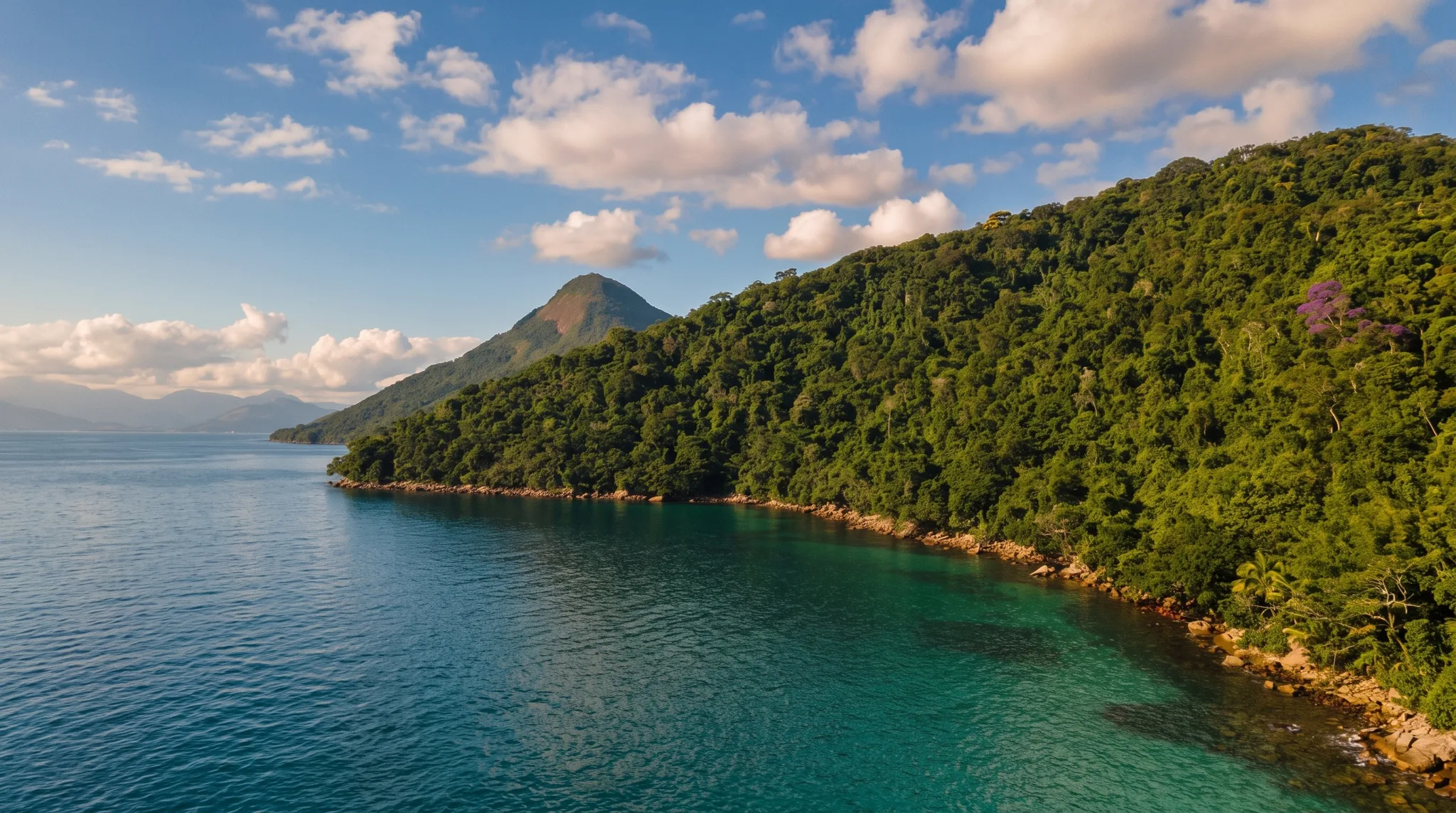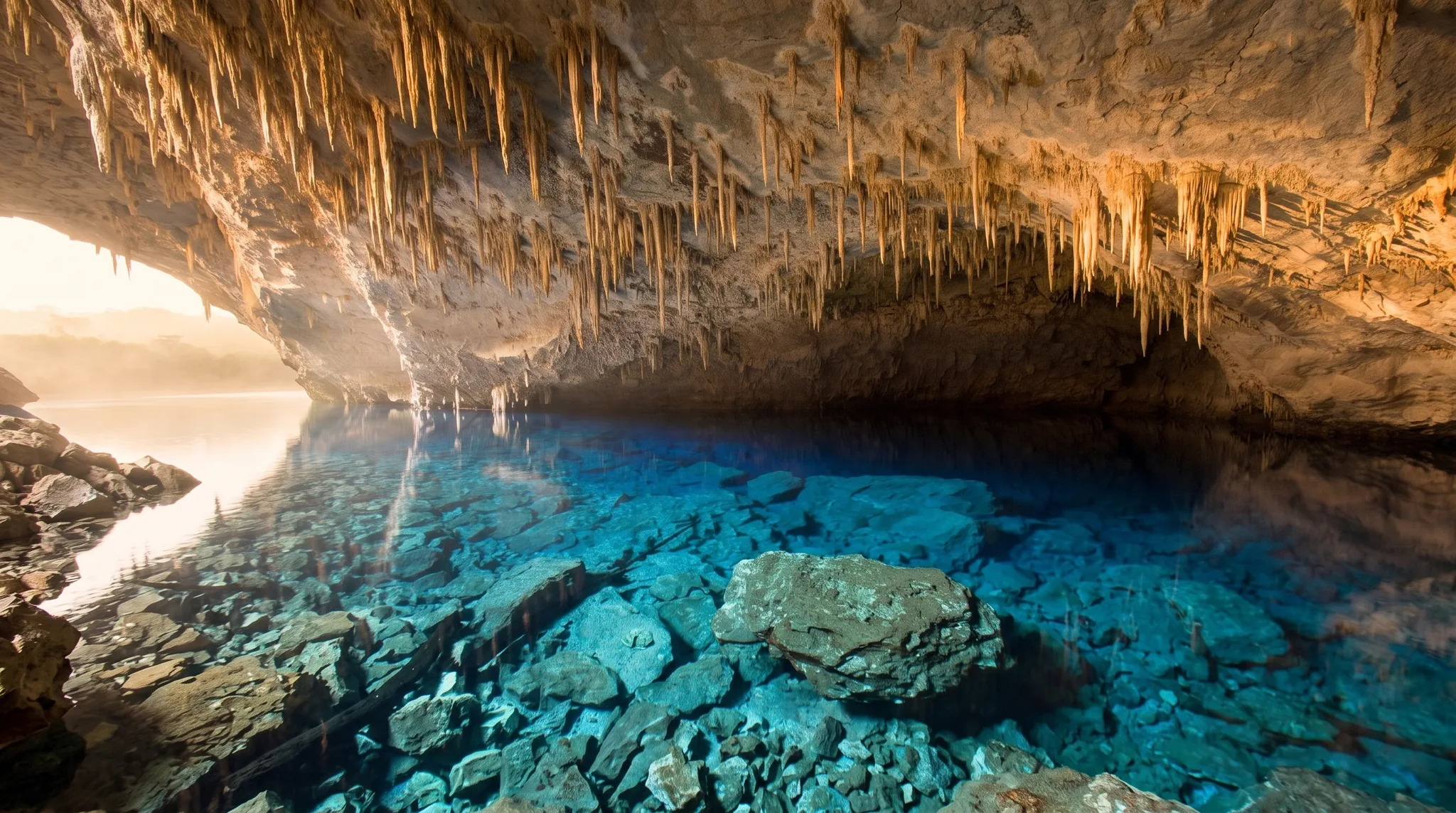
Inland Brazil offers a freshwater diving experience built around lakes, rivers, flooded mines and artificial reefs rather than coastline. The majority of sites are shallow and shore-accessible, making them well suited to beginners, though deep cave systems such as Lago Azul and strong-current drift dives like Fundao Rio Parana cater to advanced divers as well. Artificial reefs appear across multiple sites, from Barragem Lago Paranoa to Ponte JK in the centre of Brasília. Freshwater visibility varies by site, and the fauna leans toward riverine species rather than marine life.
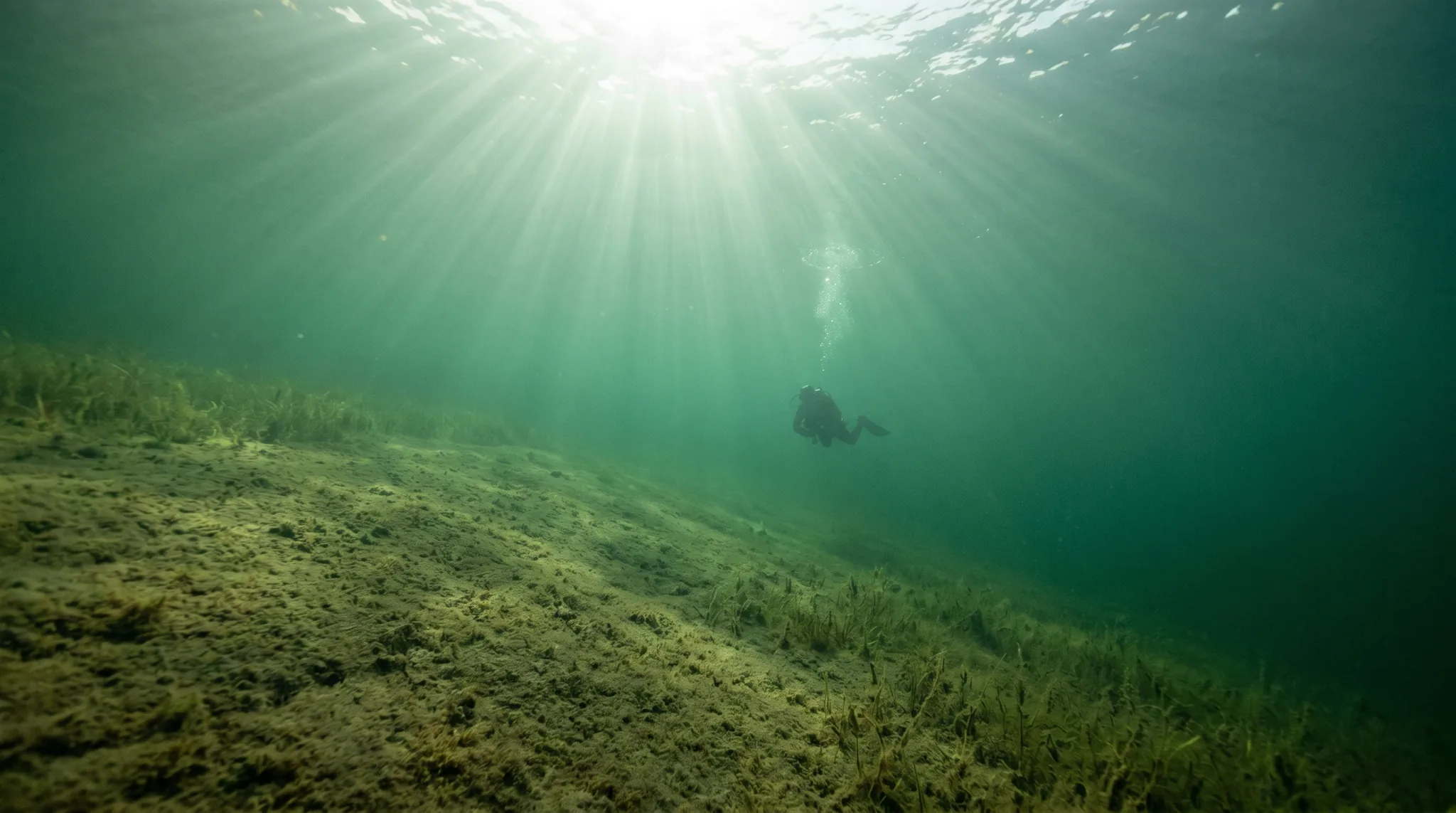
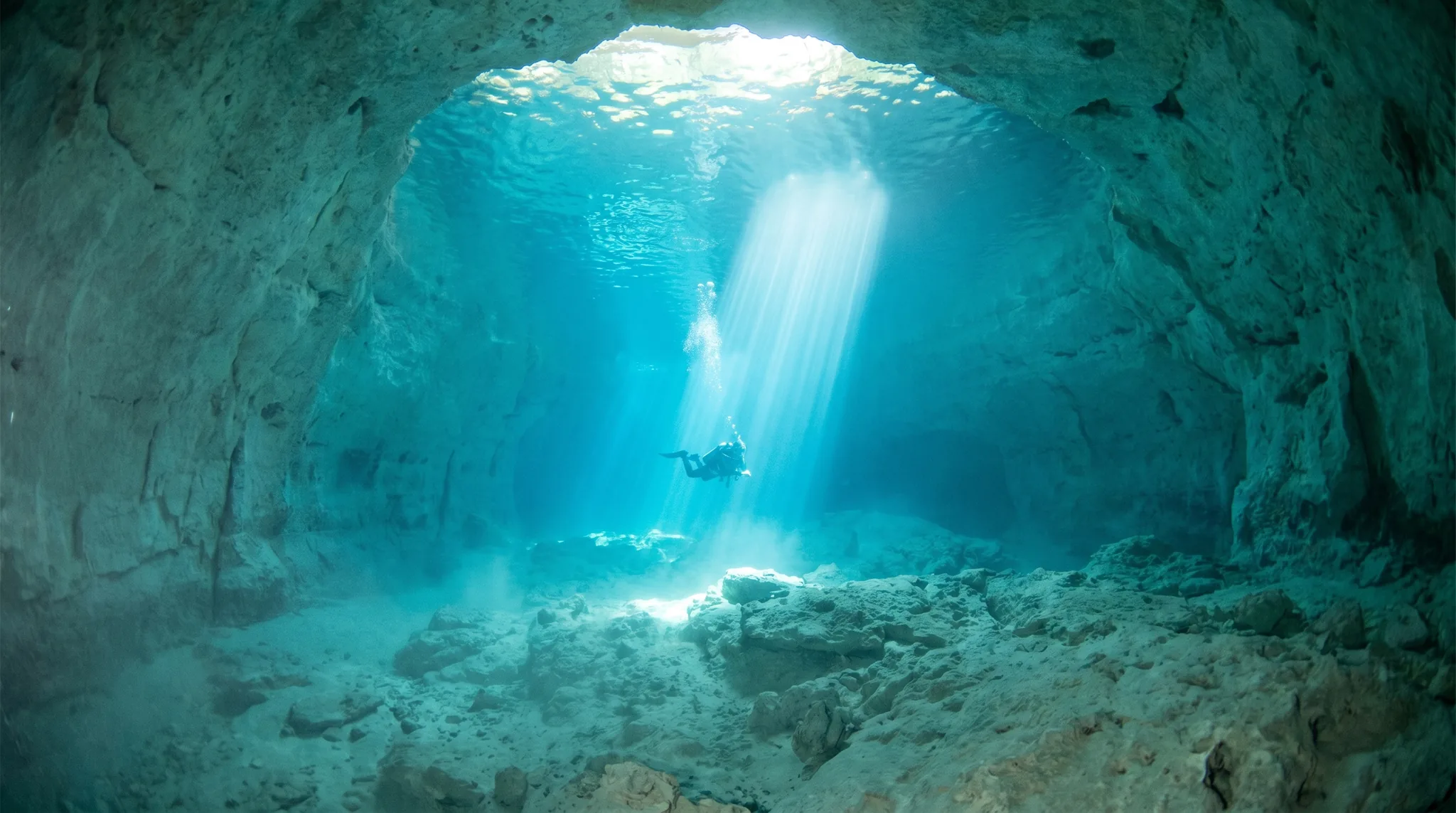
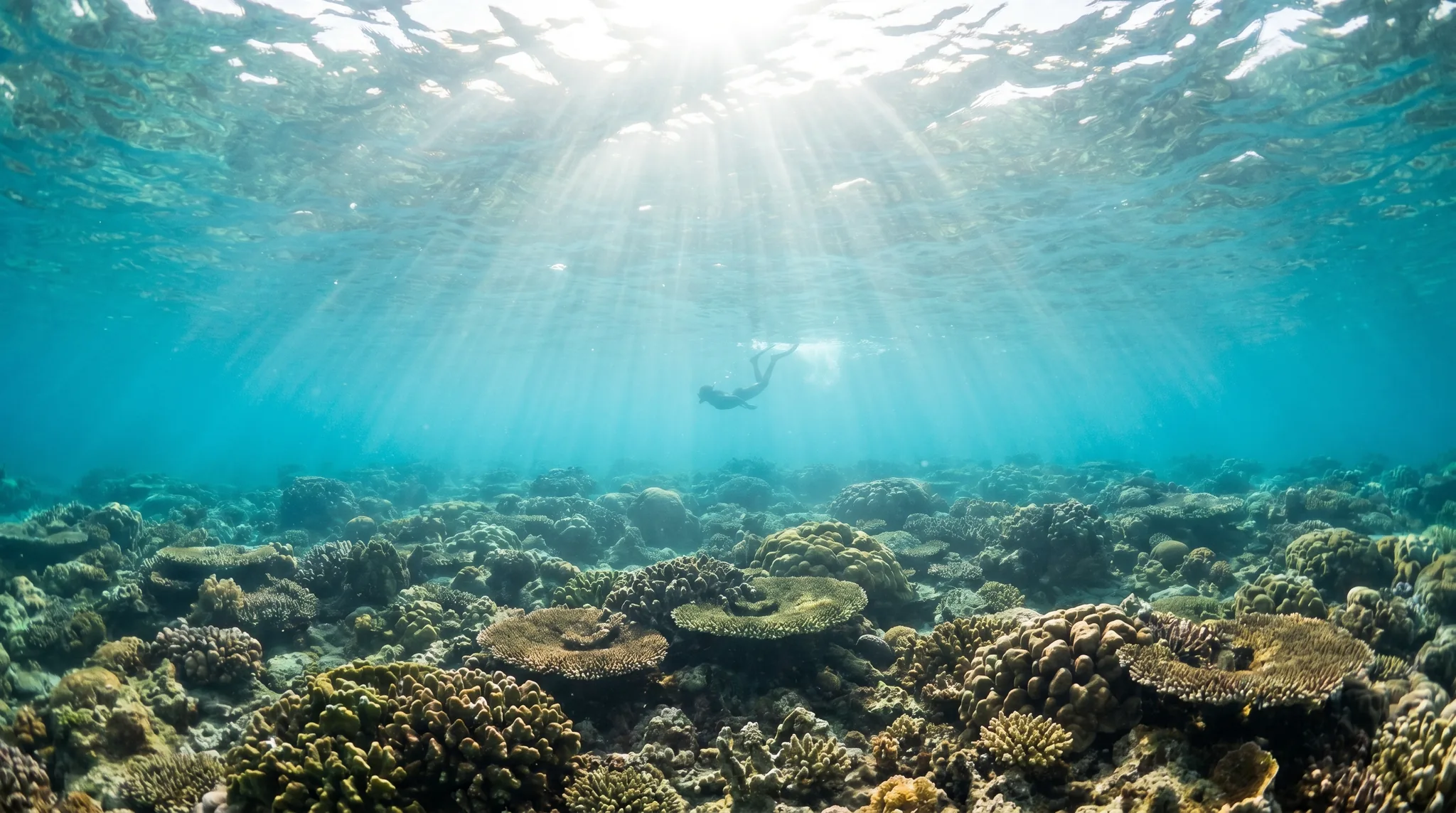
Fin maps 18 sites in Inland Brazil (18 scuba diving sites and 1 snorkelling spots, with some suited to both).
6 more sites to explore
Across Inland Brazil's dive sites, May, June, July, August, September and October are most often reported as the best months to visit.
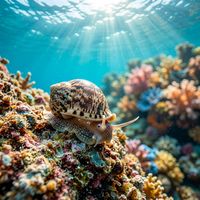
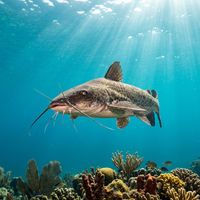
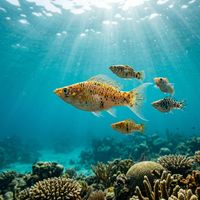
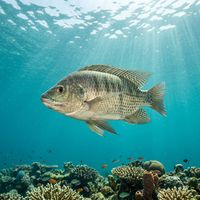
The region's sites are home to Catfish and Livebearer, both reported as very common across the area, as well as Tilapia. Snail has also been observed at sites here. The fauna reflects the freshwater river and lake environments rather than any marine ecosystem.
Most sites in the region are rated beginner level, with shallow, calm lake and artificial-reef sites providing a forgiving environment. Shore entry is the norm, removing the need for boat experience. Advanced sites such as Fundao Rio Parana and Lago Azul do exist for those seeking deeper or more challenging dives.
Shore entry is the standard across the vast majority of sites, from shallow drift sites like Meião da Brasil to deeper artificial reefs and cave systems. Fundao Rio Parana is a notable exception, requiring boat access due to its location on a large river with strong currents.
Artificial reefs feature prominently, with several purpose-built structures spread across lake environments. Cave diving is available at sites such as Tombant des Grottes and Lagoa da Lua. Drift diving on moving freshwater rivers adds variety, and Lago Azul offers a distinctive flooded mine environment with unusual depth and cave infrastructure.