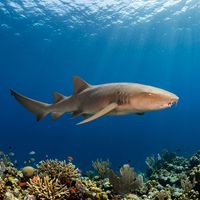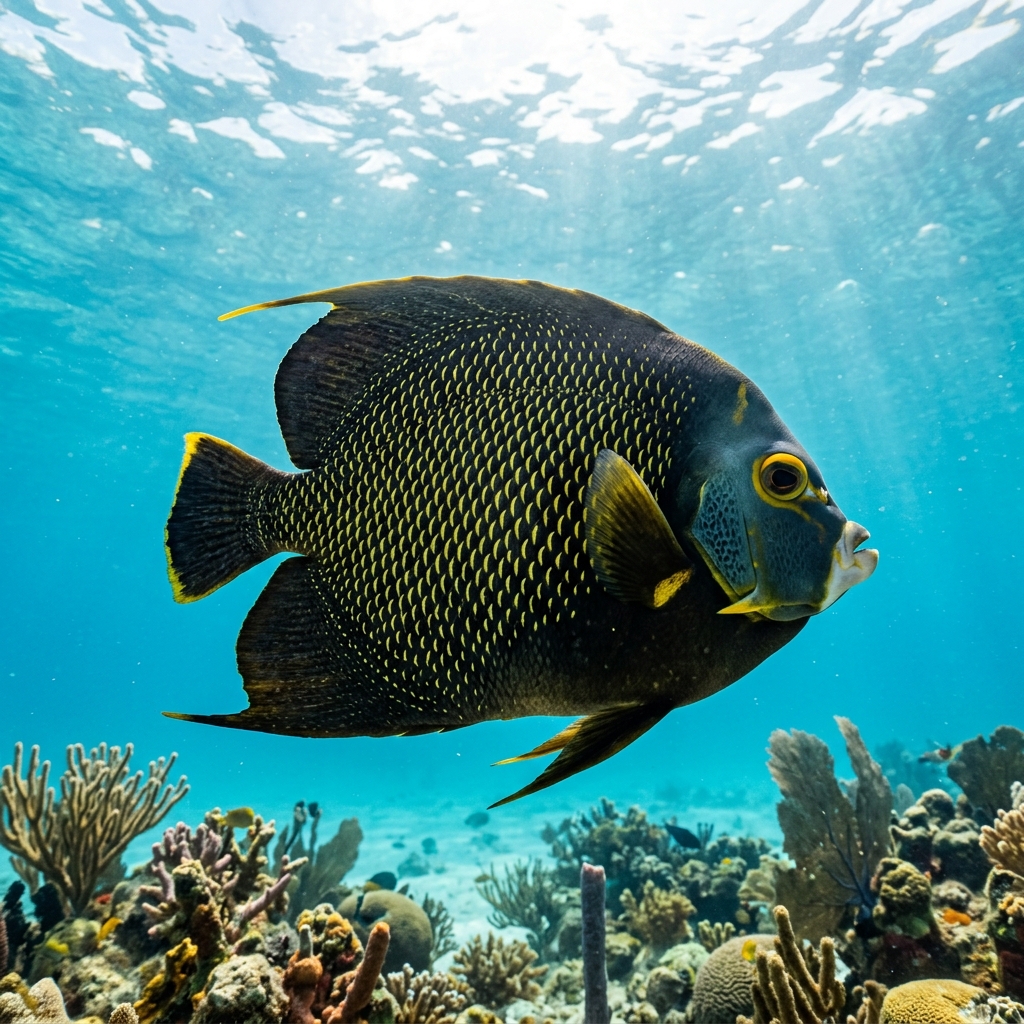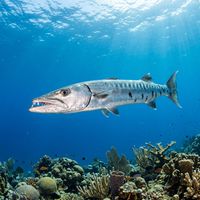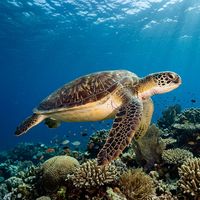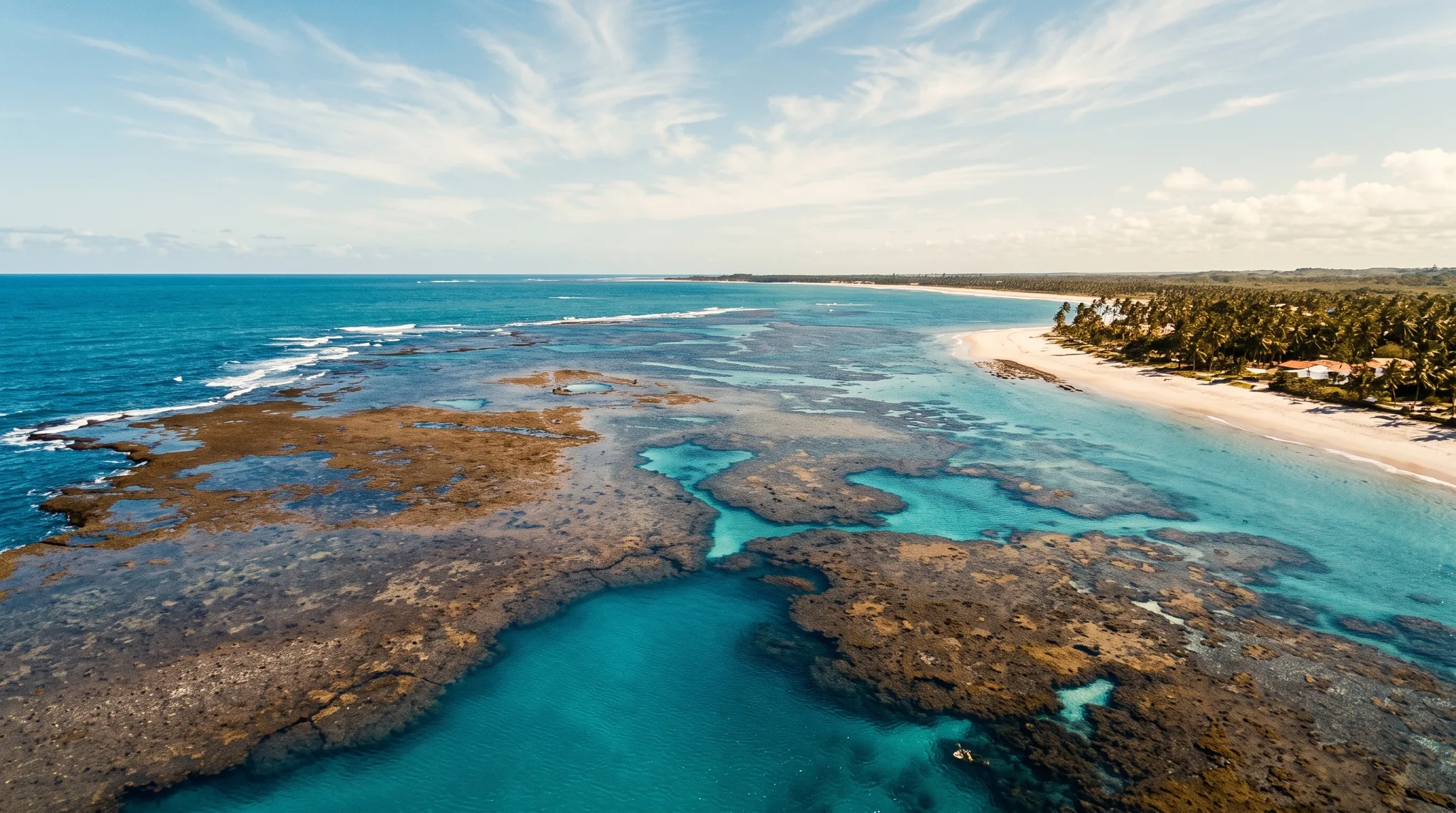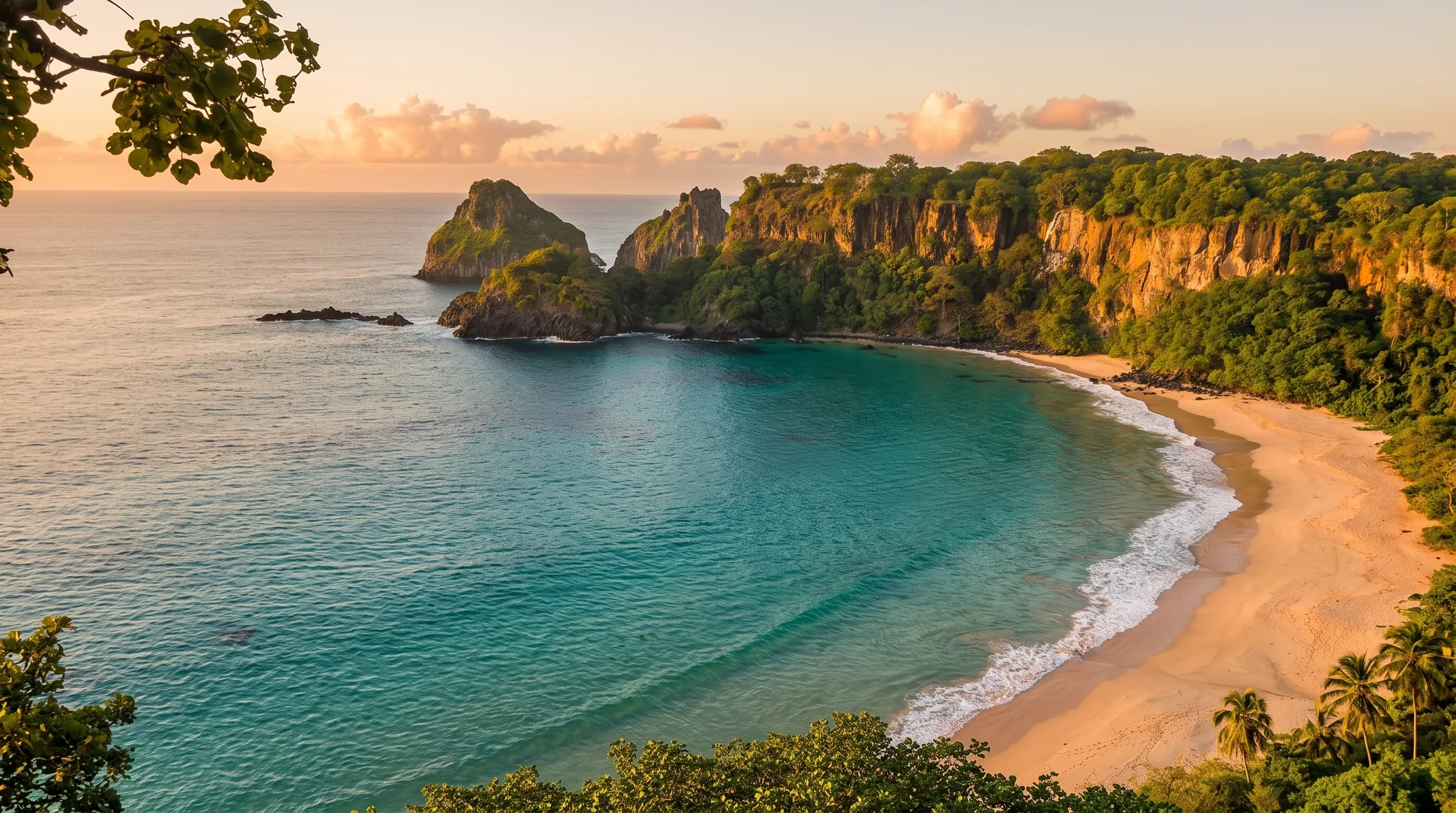
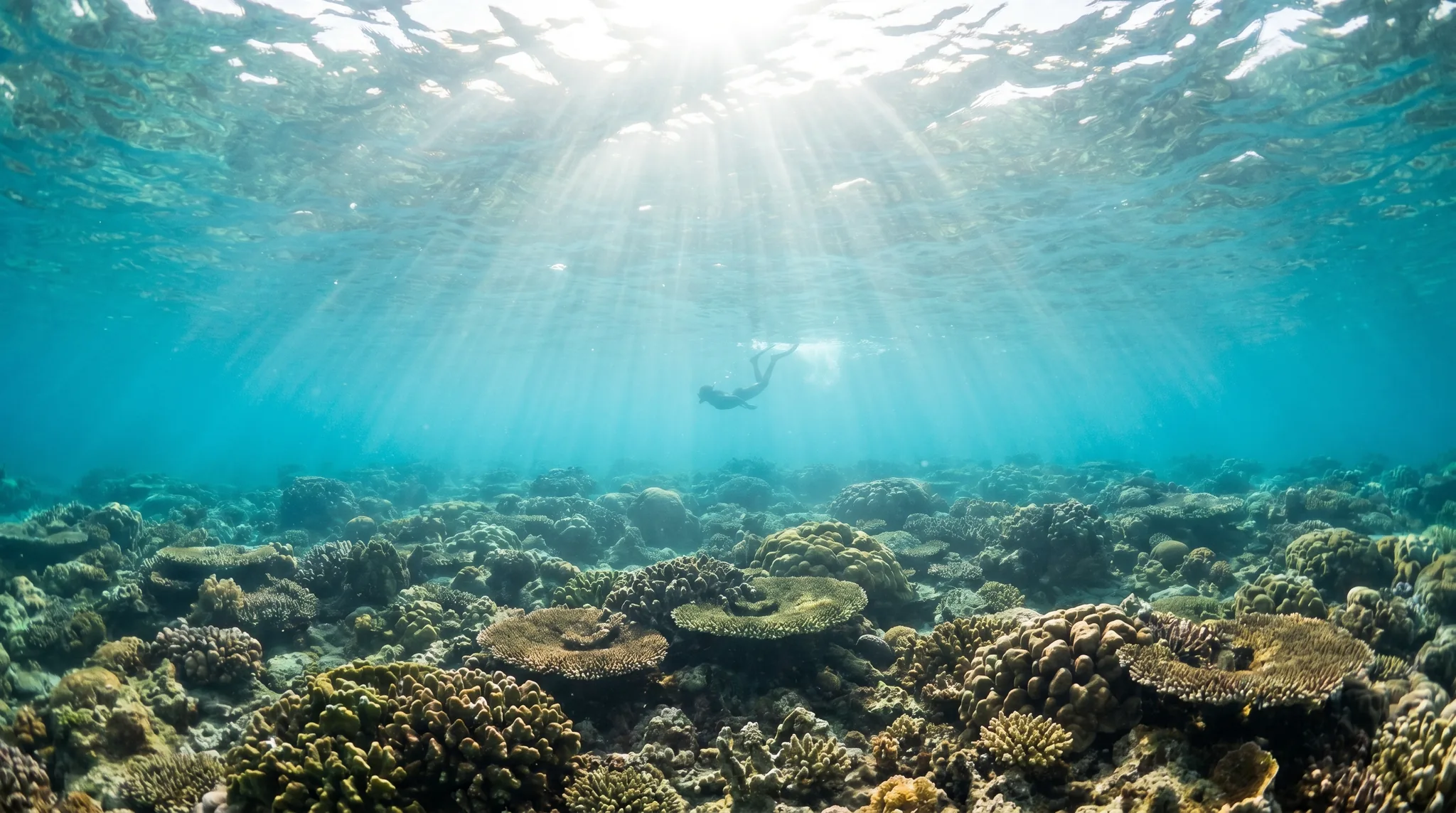
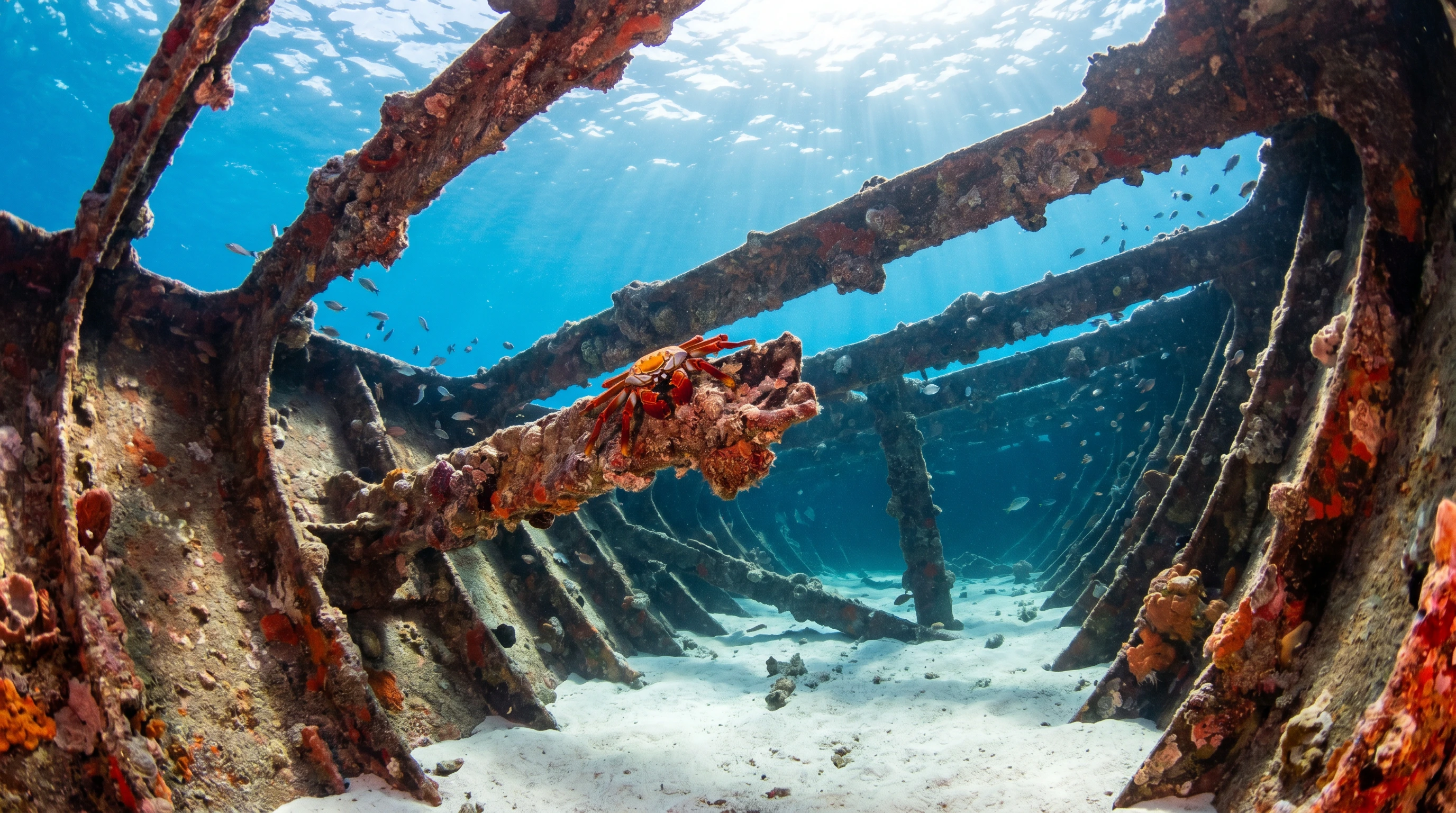
Fernando de Noronha offers a remarkably varied diving landscape for an oceanic island, ranging from shallow reef flats and a shore-accessible wreck to deep walls, drift dives, canyons, and a technical wreck sitting well beyond recreational depth limits. The site mix suits every level: beginners find reef dives and the shallow Naufrágio do Porto welcoming, while intermediate and advanced divers push deeper at Cabeco das Cordas, Cordilheiras, and the Corveta V-17 Ipiranga. Across nearly all sites, the Nurse Shark, French Angelfish, Great Barracuda, and Brazilian Reef Octopus appear with striking regularity, and the Green Sea Turtle is a consistent presence throughout.
Monthly water temperature across Fernando de Noronha's sites, from satellite sea-surface data corrected for depth. The band shows the site-to-site spread.
Water temperature stays warm throughout the year, with the warmest conditions from late summer through early autumn and a modest, gradual cooling from mid-year into the southern hemisphere spring. Visibility is consistently generous, peaking noticeably during the drier months of March and November, which also see the highest concentration of recommended dive days. Exposed oceanic conditions mean some sites carry currents that suit intermediate to advanced divers, particularly on the outer walls and drift sites.
18 more sites to explore
Water temperature around Fernando de Noronha ranges from about 27°C in July to 29°C in March, based on satellite sea-temperature data for its dive sites.
With water around 27–29°C, a rash guard or 3mm shorty works in Fernando de Noronha year-round.
Fin maps 30 sites in Fernando de Noronha (27 scuba diving sites and 6 snorkelling spots, with some suited to both).
Across Fernando de Noronha's dive sites, March, October, November and December are most often reported as the best months to visit.
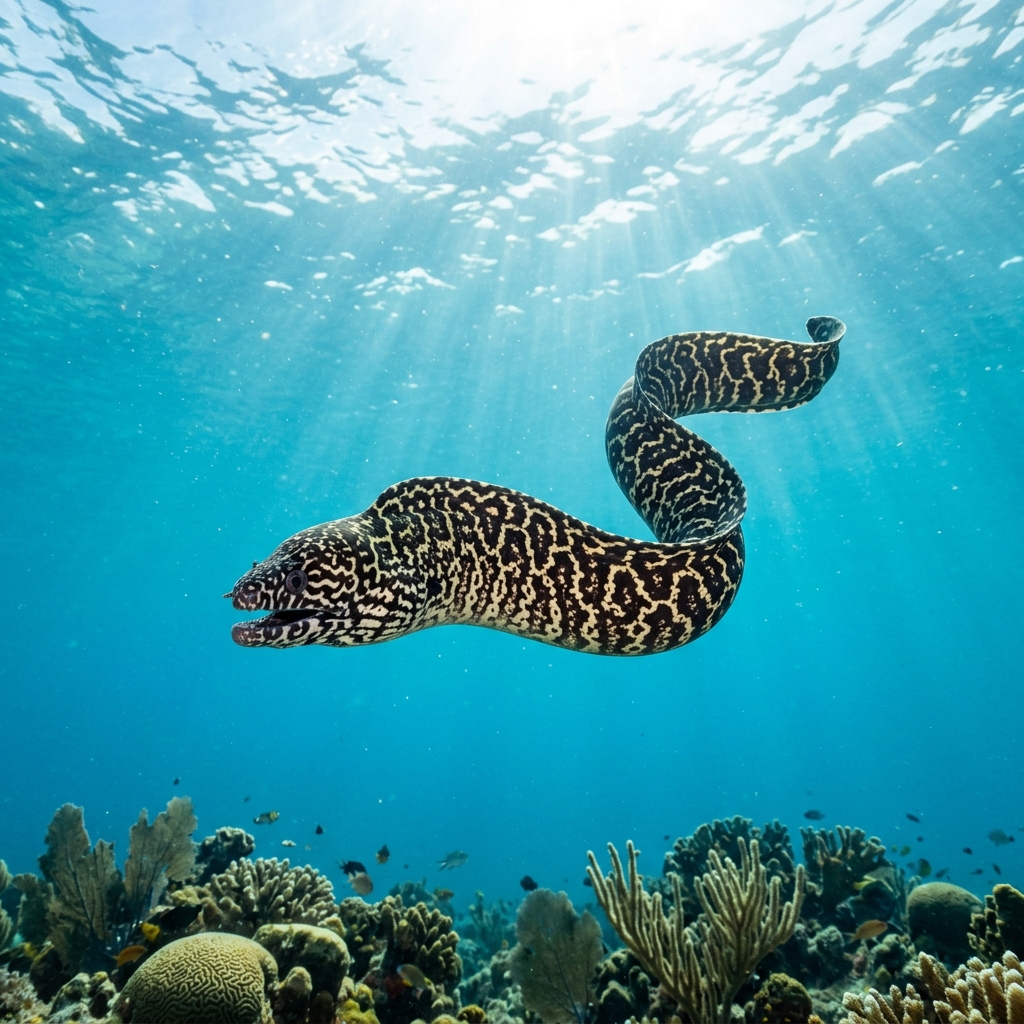
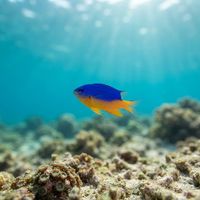
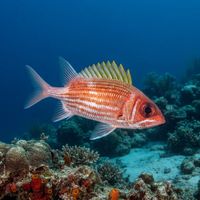
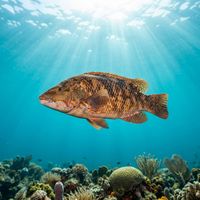
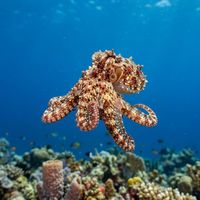
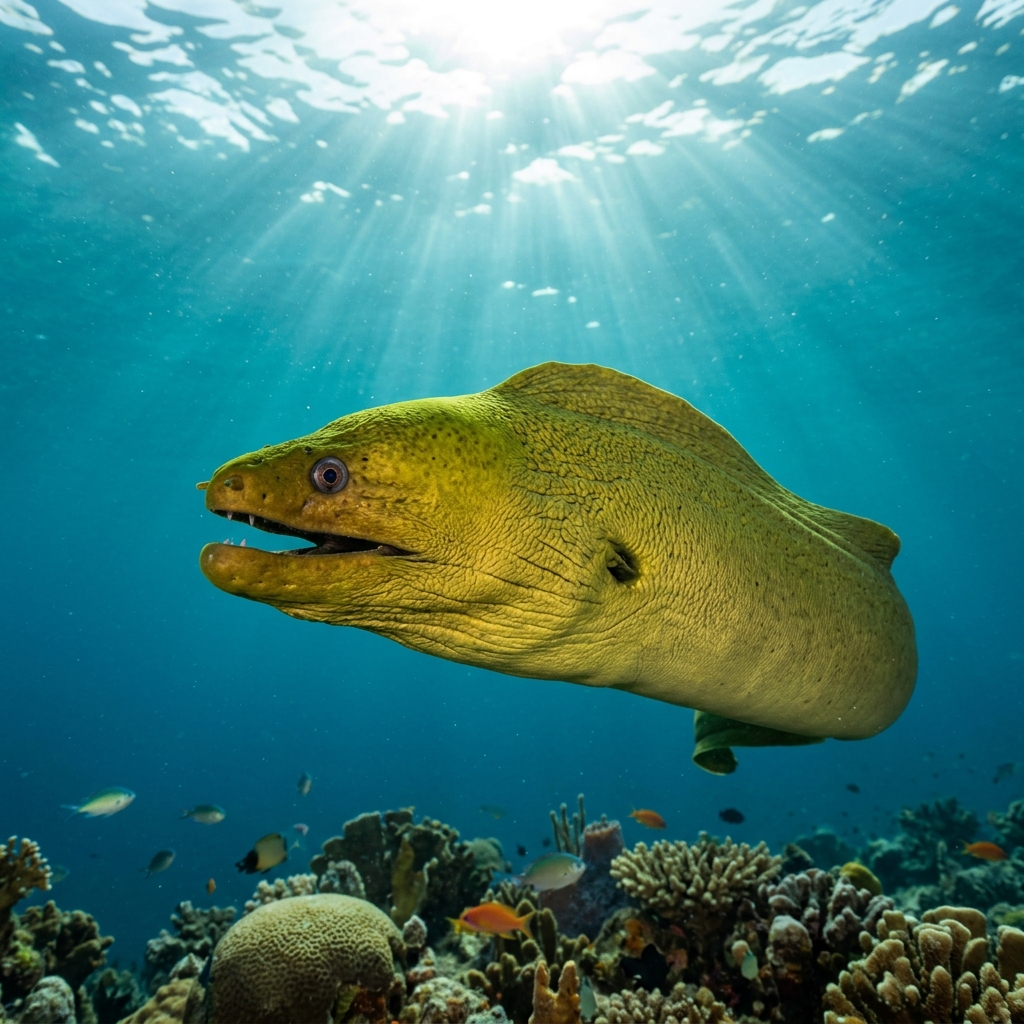
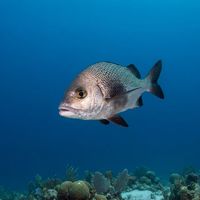
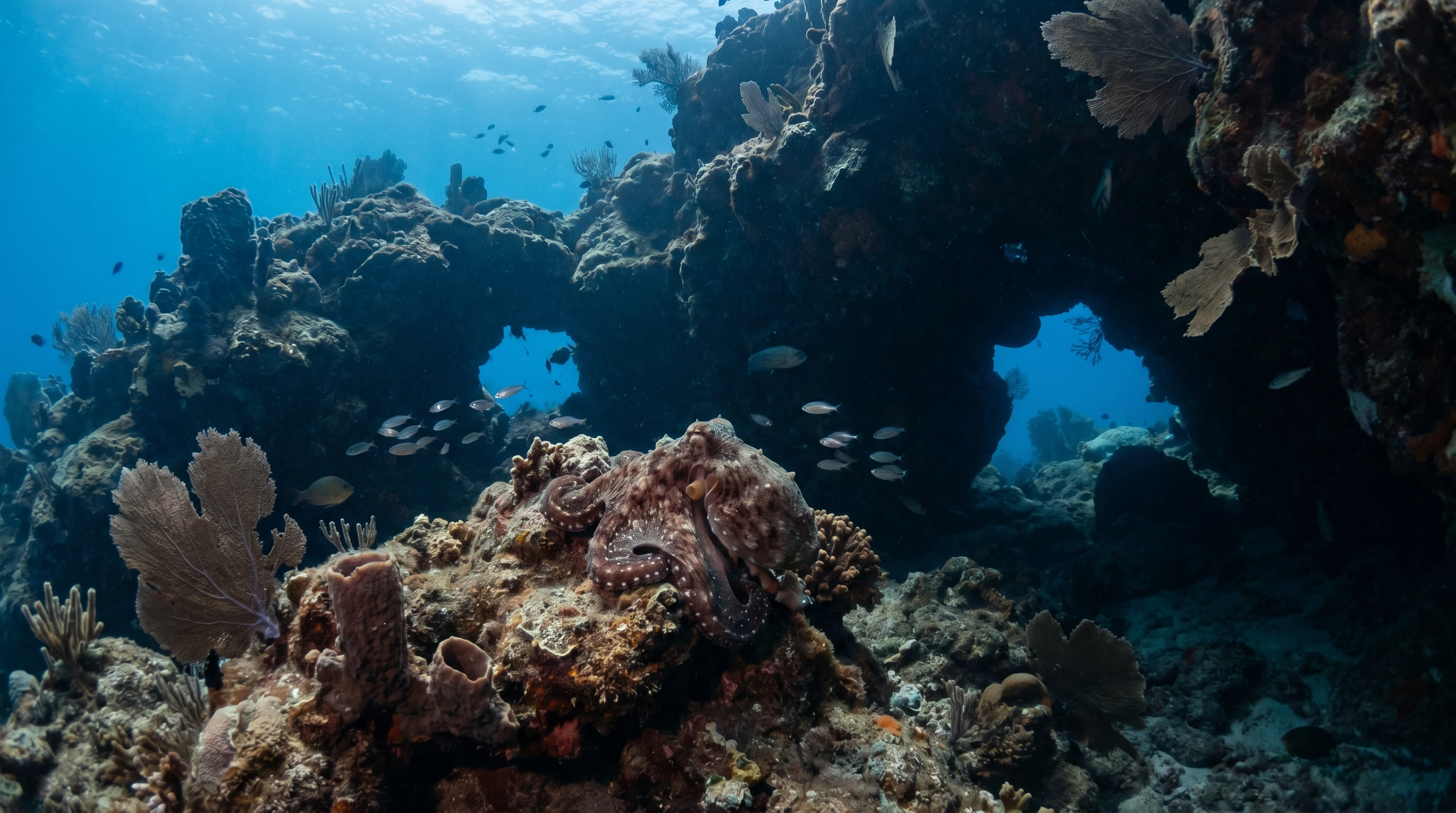
The Nurse Shark and French Angelfish are observed across virtually every site on the island. The Great Barracuda, Blue Tang, Groupers, and Scrawled Filefish are similarly widespread, while the Green Sea Turtle makes regular appearances. More patient divers may also spot the Brazilian Reef Octopus, Chain Moray, Green Moray, Honeycomb Cowfish, Spiny Lobster, and Banded Coral Shrimp.
A good portion of the site list is rated for beginners, including Morro de Fora, Caieiras, Cabritos, and the shallow wreck Naufrágio do Porto. These sites offer manageable depths and straightforward reef or wreck topography without strong currents. Intermediate and advanced sites such as Cordilheiras and the Corveta V-17 Ipiranga are also available for more experienced divers looking to push their limits.
The vast majority of sites require a boat, and three local operators, Atlantis Divers, Sea Paradise, and NORONHA DIVER, provide access across the site portfolio. The main exception is Naufrágio do Porto, a shallow wreck that can be reached directly from shore. Bahia do Sancho also offers the option of both shore and boat entry.
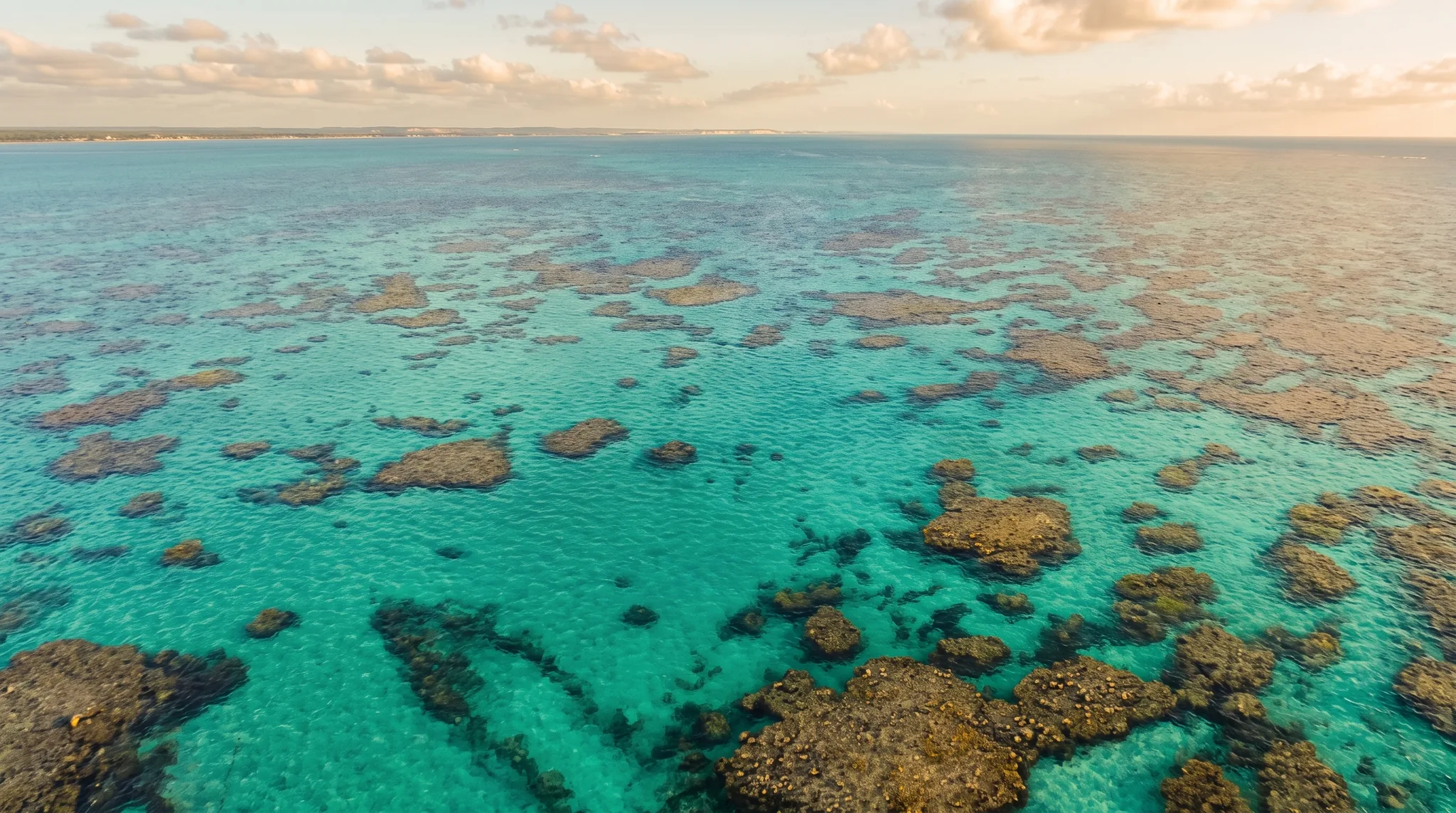
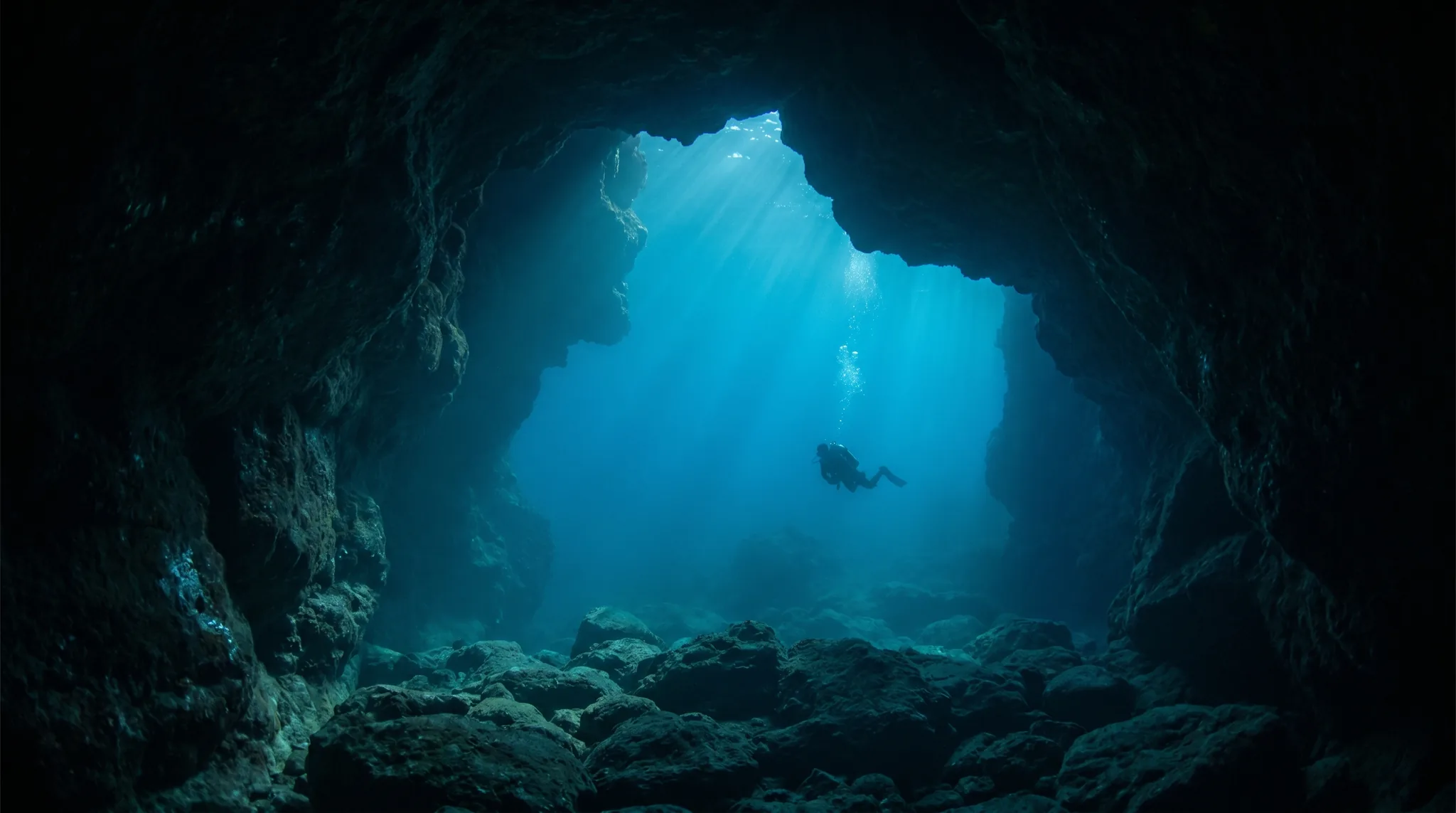
Reef diving is the dominant format, but the island adds considerable variety through walls, drift sections, caves, canyons, and a drop-off at Cabeco das Cordas. There is also a shallow wreck at Naufrágio do Porto for beginners and a deep technical wreck, the Corveta V-17 Ipiranga, for advanced divers. This range of topographies means the experience shifts substantially from one site to the next.