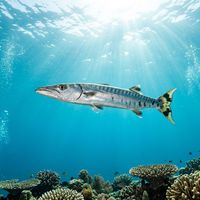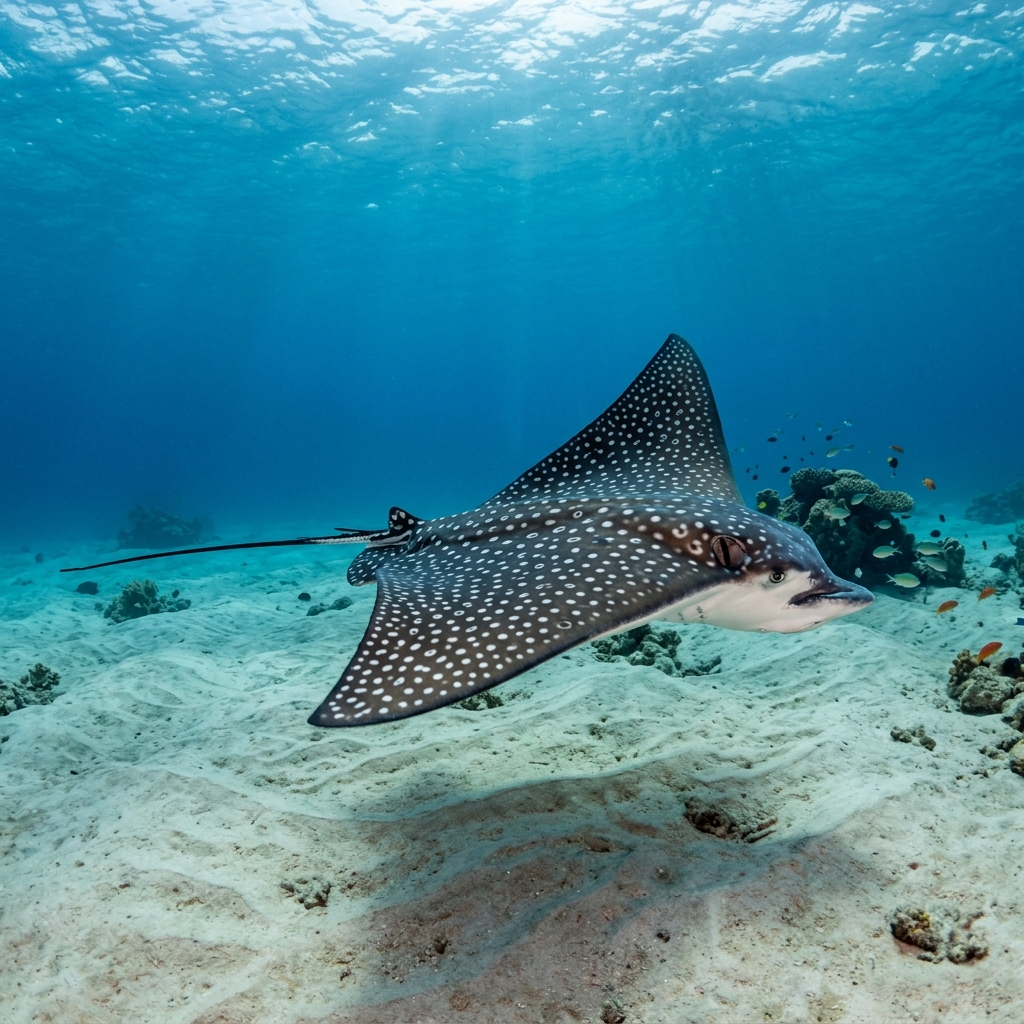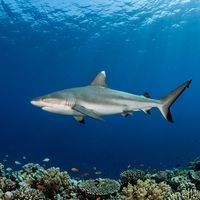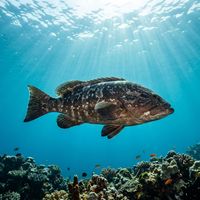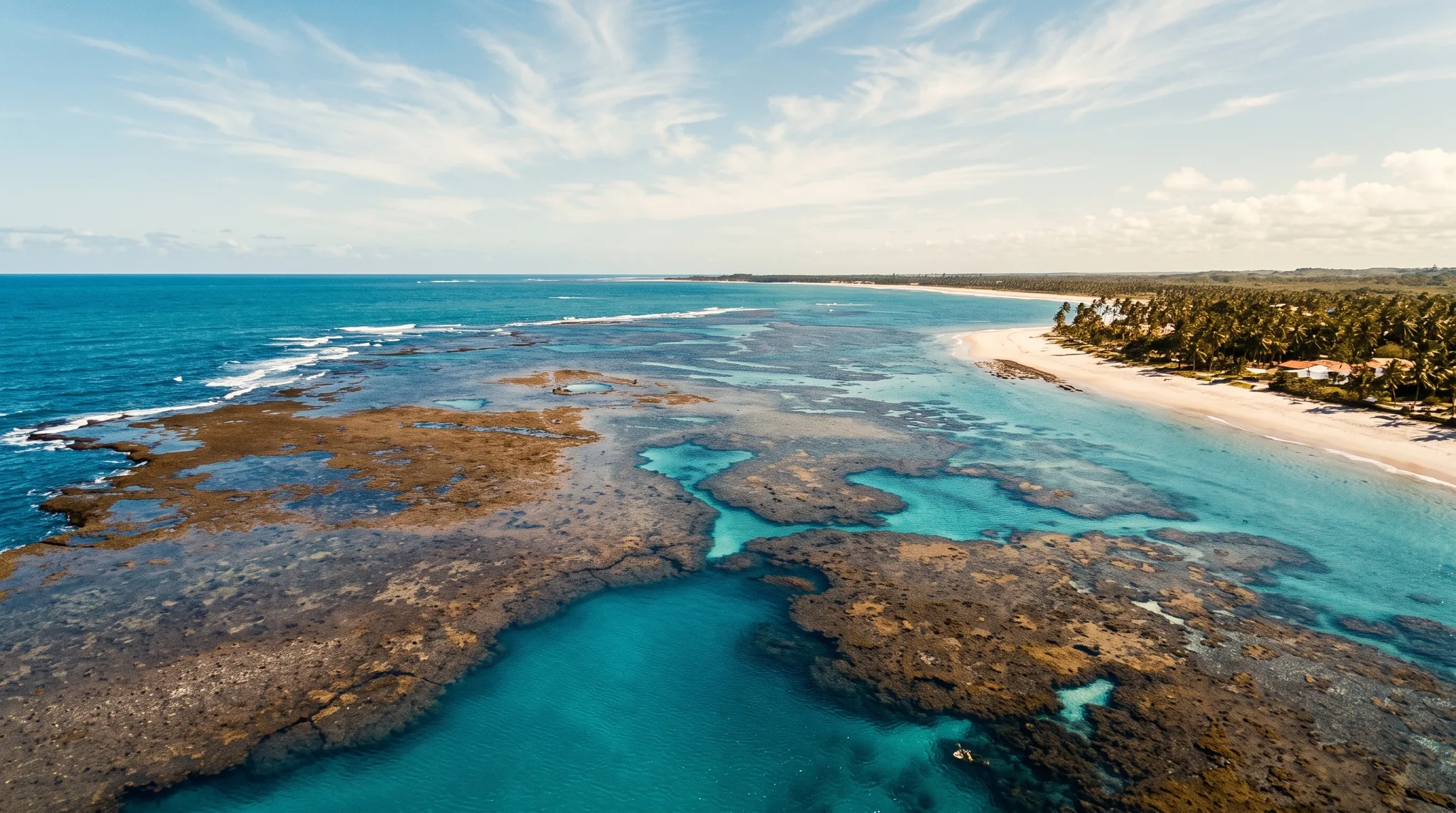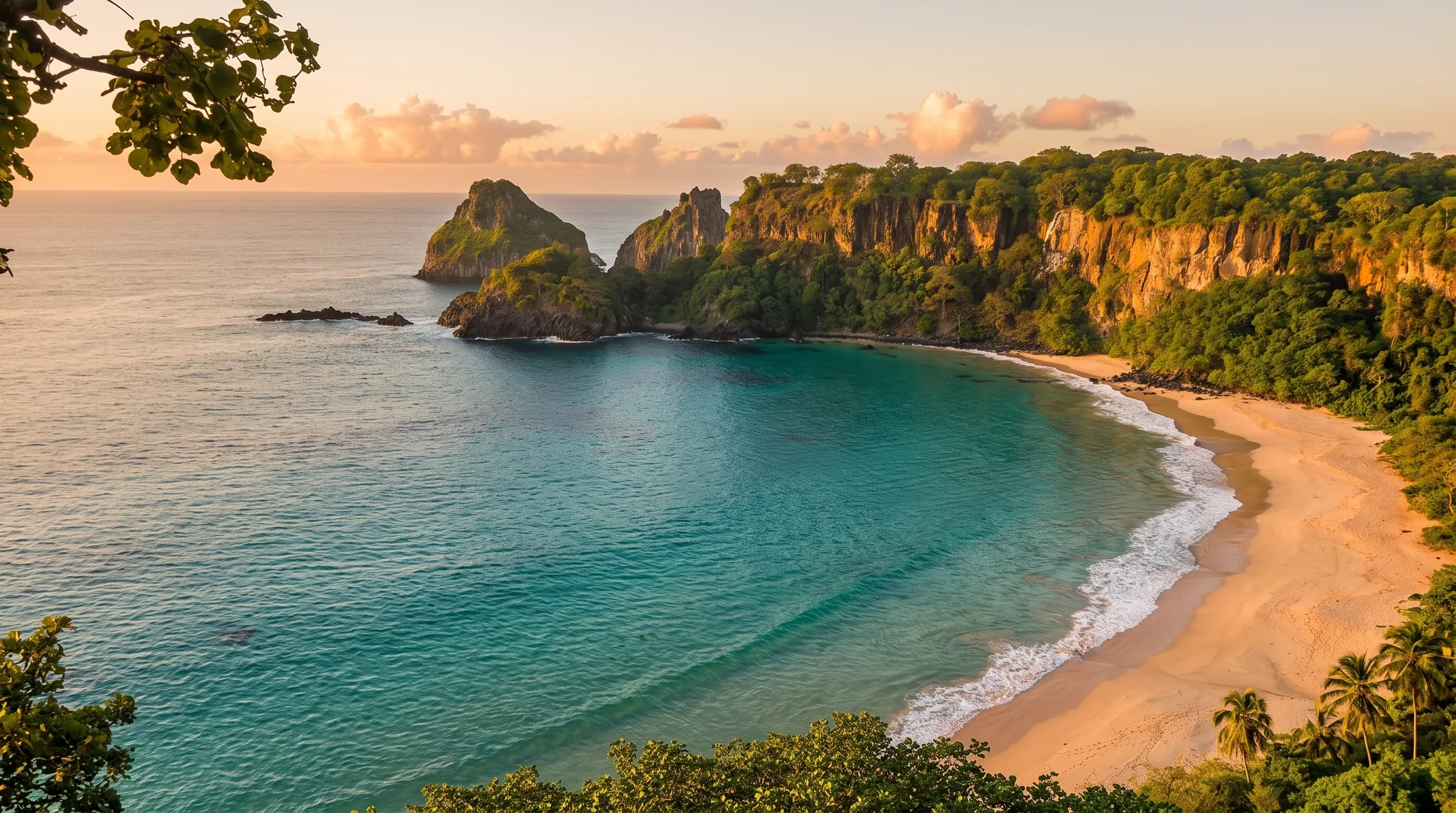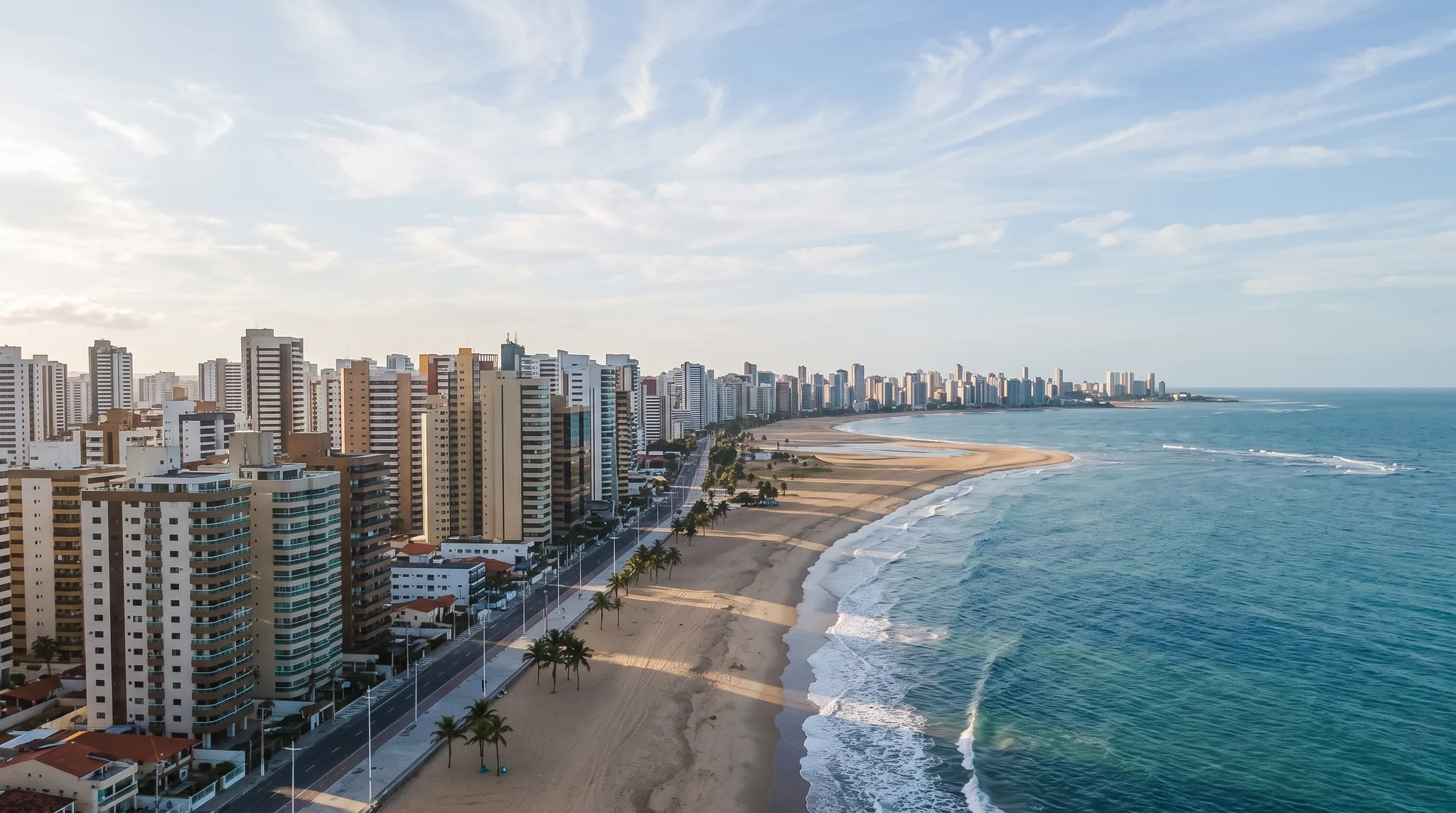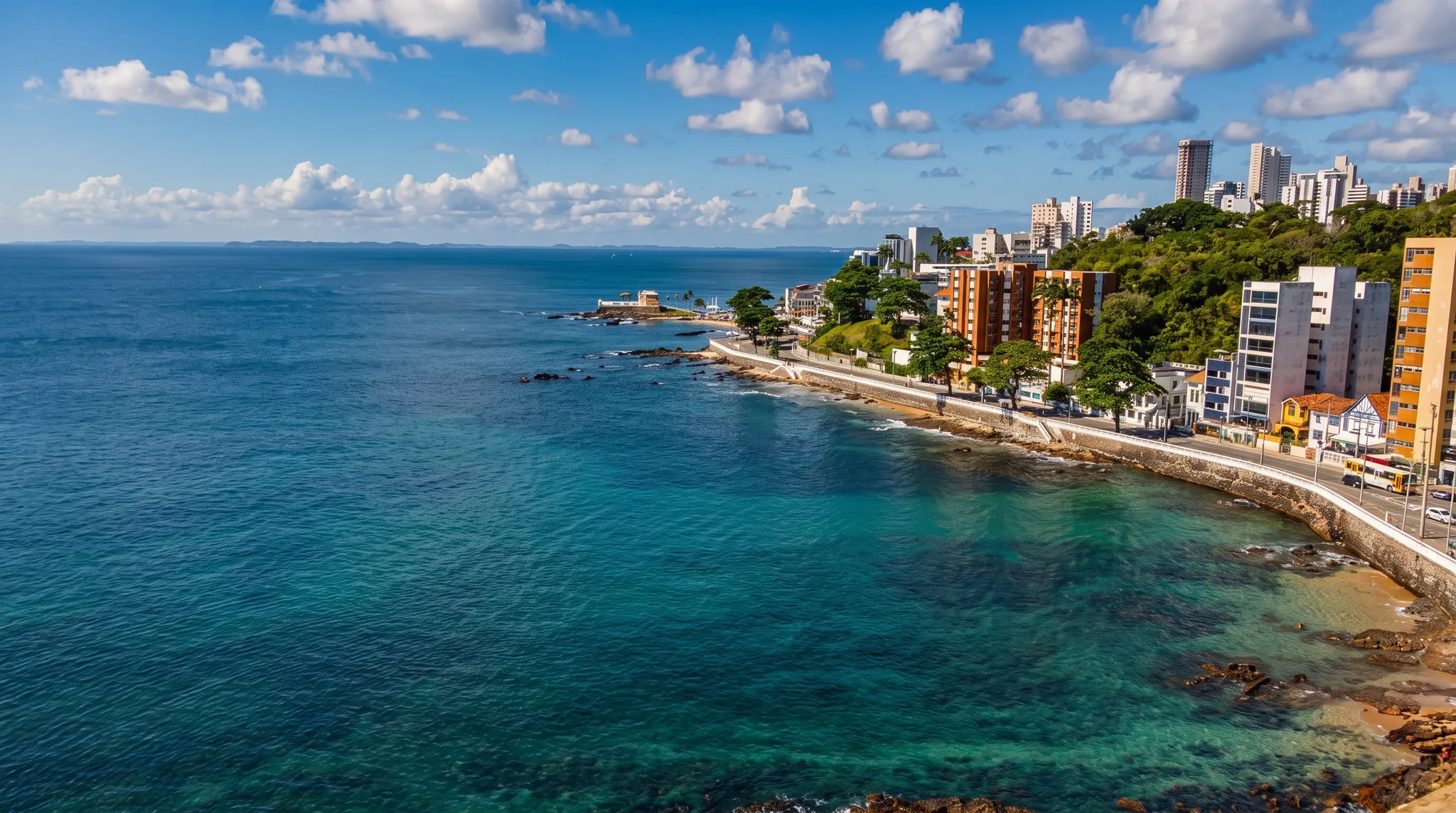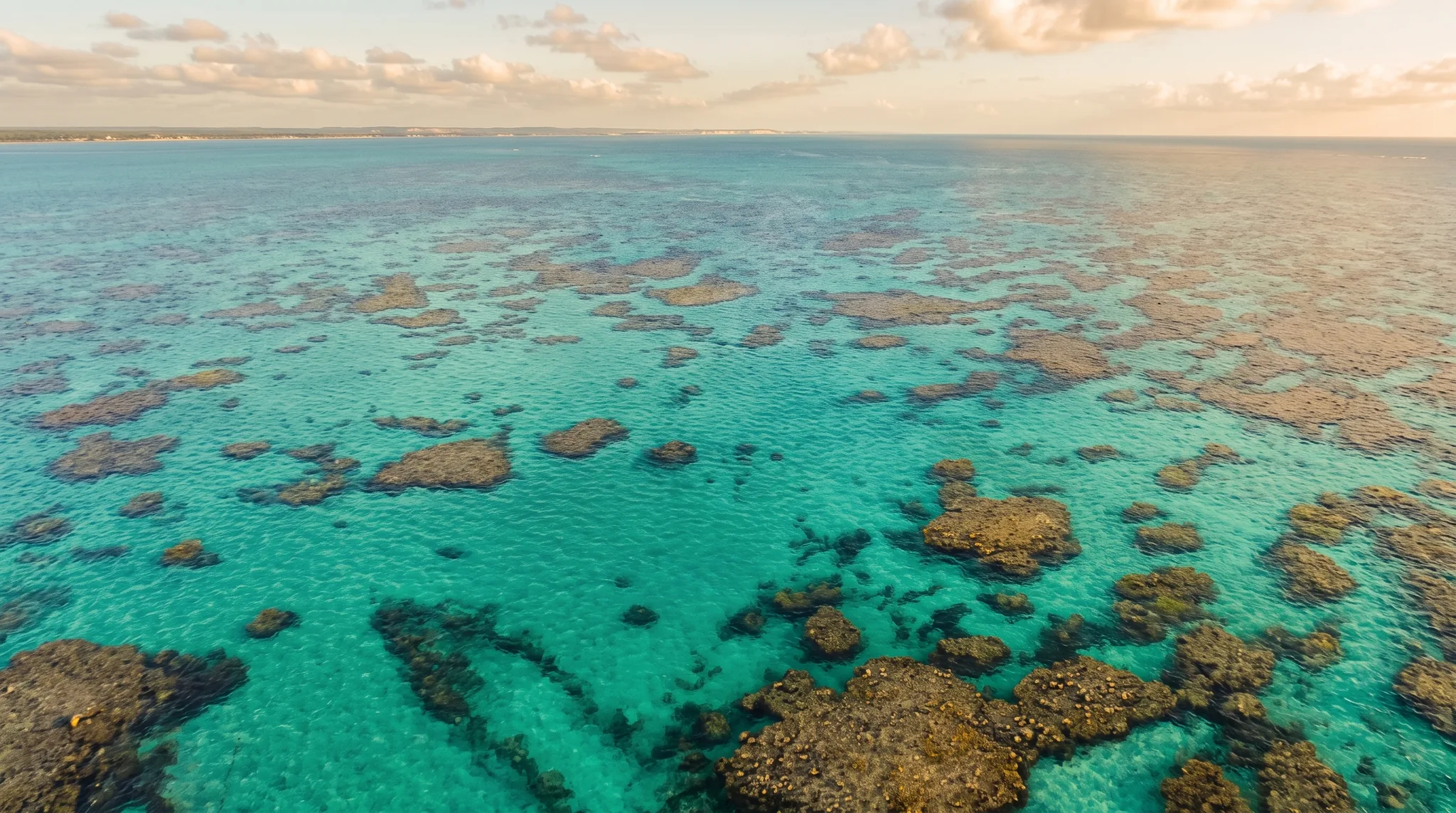
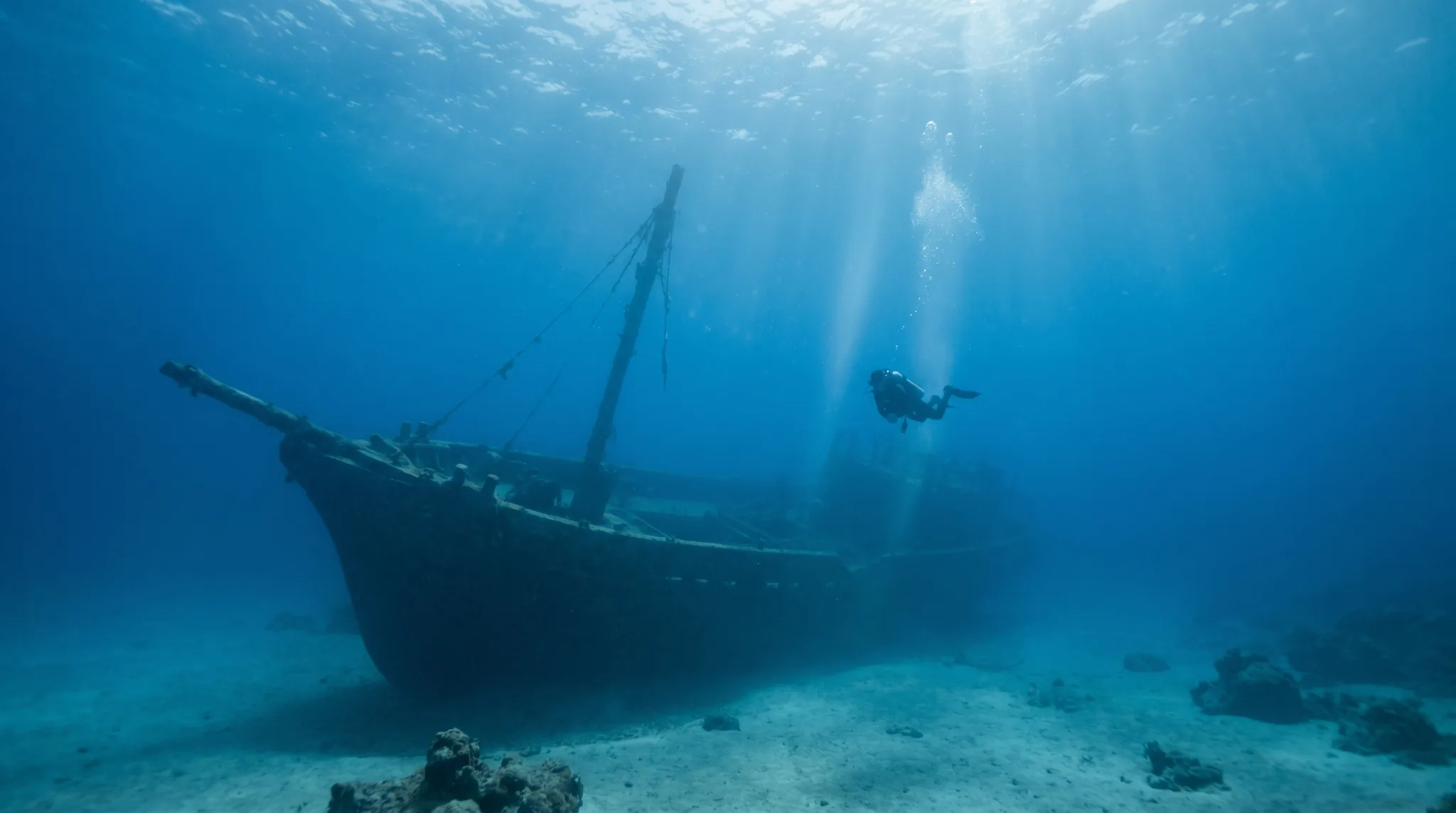
Rio Grande do Norte divides into two sub-areas, Natal and Pirangi, each with its own cluster of reef, wreck and cave sites reached almost entirely by boat. The region's underwater character is shaped by warm water year-round and a mix of accessible beginner reefs and deeper intermediate-to-advanced sites. Green Sea Turtle and Nurse Shark are observed across the area with exceptional regularity, while Barracuda, Eagle Ray and Green Moray add variety on the deeper structures. The offshore wreck Comandante Pessoa and the reef-cave system at Batente das Agulhas define the more ambitious end of the diving on offer.
2 areas

Monthly water temperature across Rio Grande do Norte's sites, from satellite sea-surface data corrected for depth. The band shows the site-to-site spread.
Water stays warm throughout the year, with the coolest months falling between July and October and the warmest period running from February through May. The best-months data points to the start and end of the calendar year as the most favoured windows, suggesting calmer seas and better visibility during that period. Boat access is standard across most sites, so conditions at the offshore reefs and the Comandante Pessoa wreck are worth checking before departure.
23 operators
Fernando de Noronha (Distrito Estadual), Brazil
Sao Miguel, Brazil
Natal, Brazil
Water temperature around Rio Grande do Norte ranges from about 27°C in July to 29°C in February, based on satellite sea-temperature data for its dive sites.
With water around 27–29°C, a rash guard or 3mm shorty works in Rio Grande do Norte year-round.
Fin maps 15 sites in Rio Grande do Norte (11 scuba diving sites and 6 snorkelling spots, with some suited to both), organised into 2 areas.
Across Rio Grande do Norte's dive sites, January, February, March, November and December are most often reported as the best months to visit.
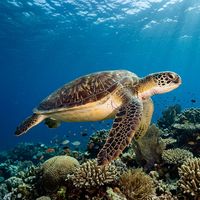
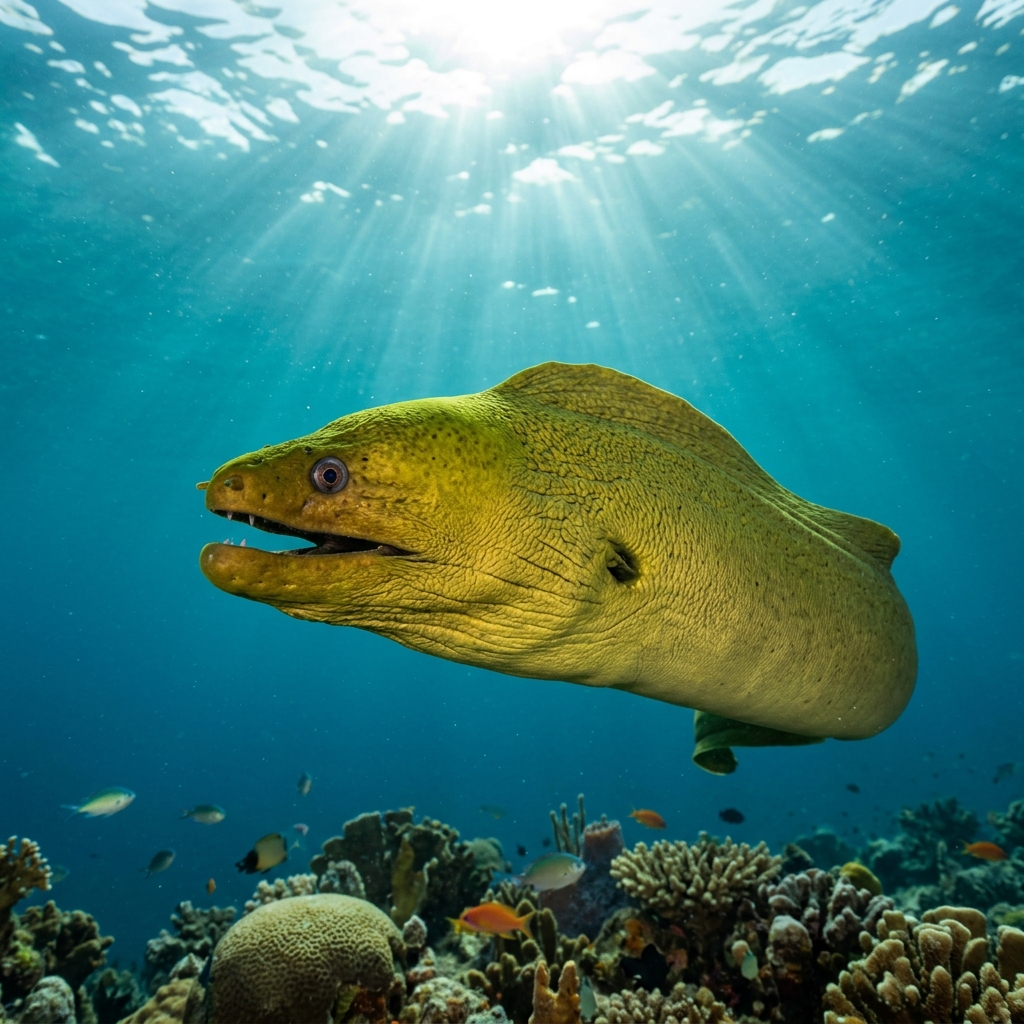
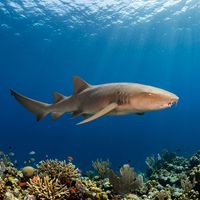
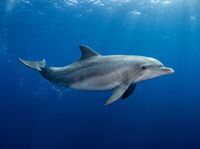
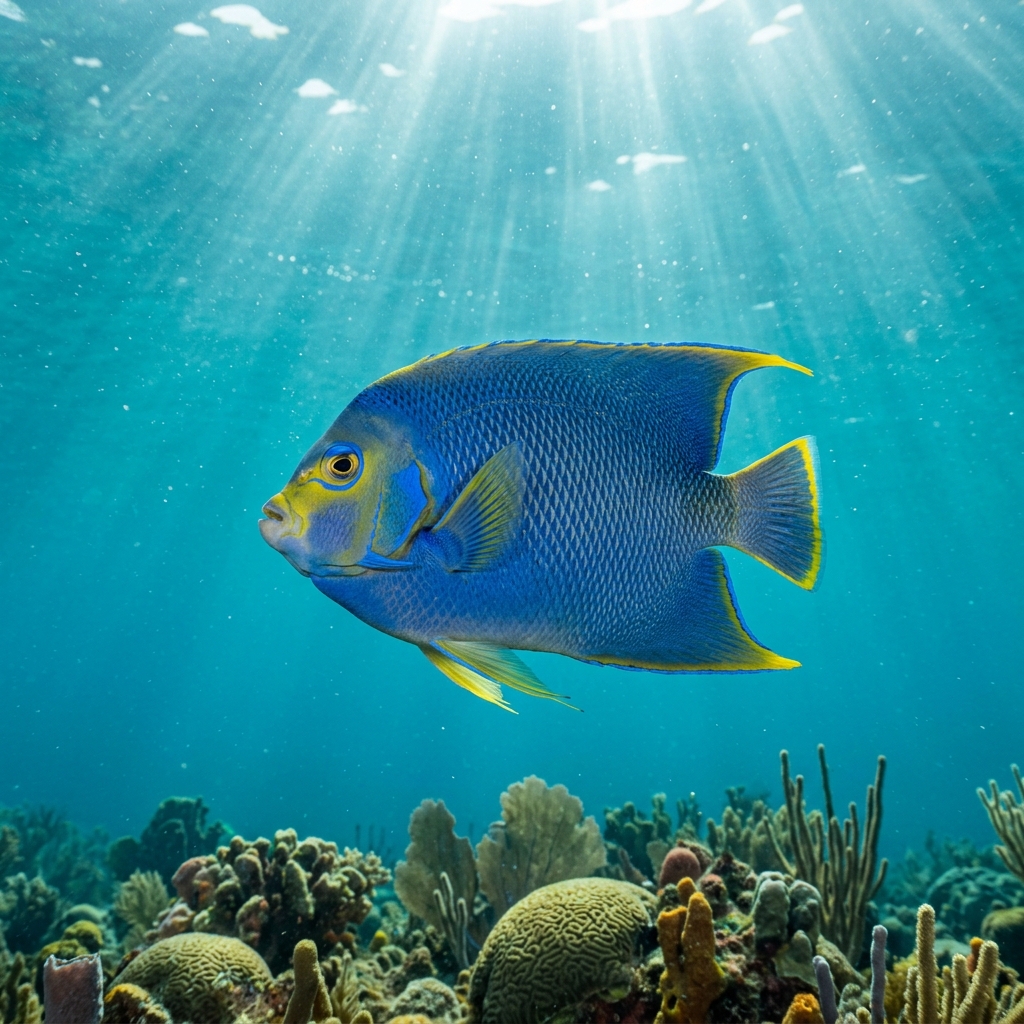
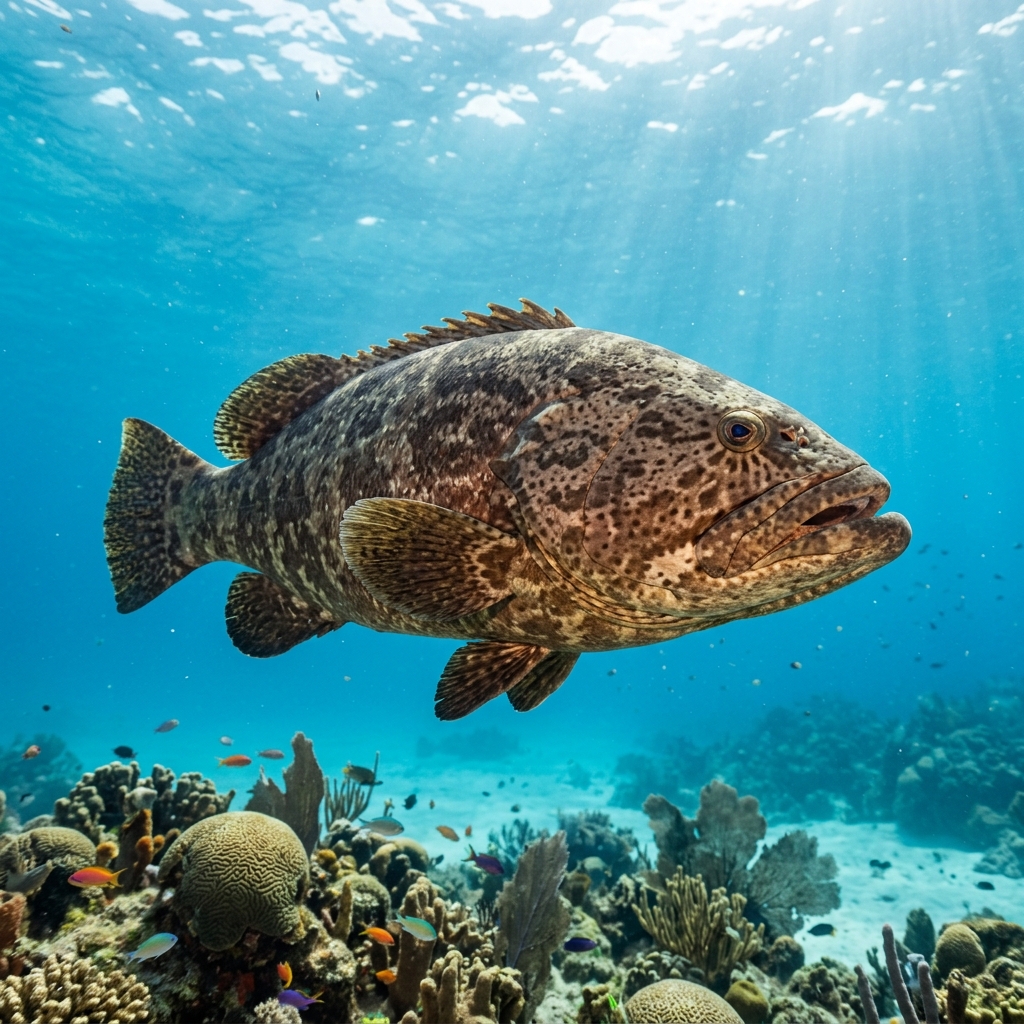
Green Sea Turtle and Nurse Shark are observed very commonly across the region and are effectively the signature encounters. Barracuda appear on a reasonable spread of sites, and divers have also recorded Eagle Ray, Green Moray, Groupers, Angelfish, Cobia and Grey Reef Shark. Bottlenose Dolphin sightings are rarer but have been logged.
Yes, the region includes beginner-rated reef sites such as Pirangi and Barrerinha, both of which are shallower and accessible by boat. Intermediate and advanced options like Comandante Pessoa and Batente das Agulhas are also available for more experienced divers looking for wrecks and cave systems. The mix means groups of mixed experience can often be catered for from the same base.
Natal hosts the greater concentration of sites including the offshore wreck Comandante Pessoa and the deeper reef-cave system at Batente das Agulhas, making it the focus for more technical diving. Pirangi offers a slightly smaller cluster of sites with shallower reef diving closer to the coast, including the beginner-friendly Pirangi reef site. Both sub-areas are served by several local dive operators.
The large majority of sites require boat access, and most operators in the region run boat departures as standard. Serigado de Fora is a notable exception, listed as a shore-entry site. For almost all other sites, including the wreck and cave dives, you will need to book a boat trip through one of the local operators.