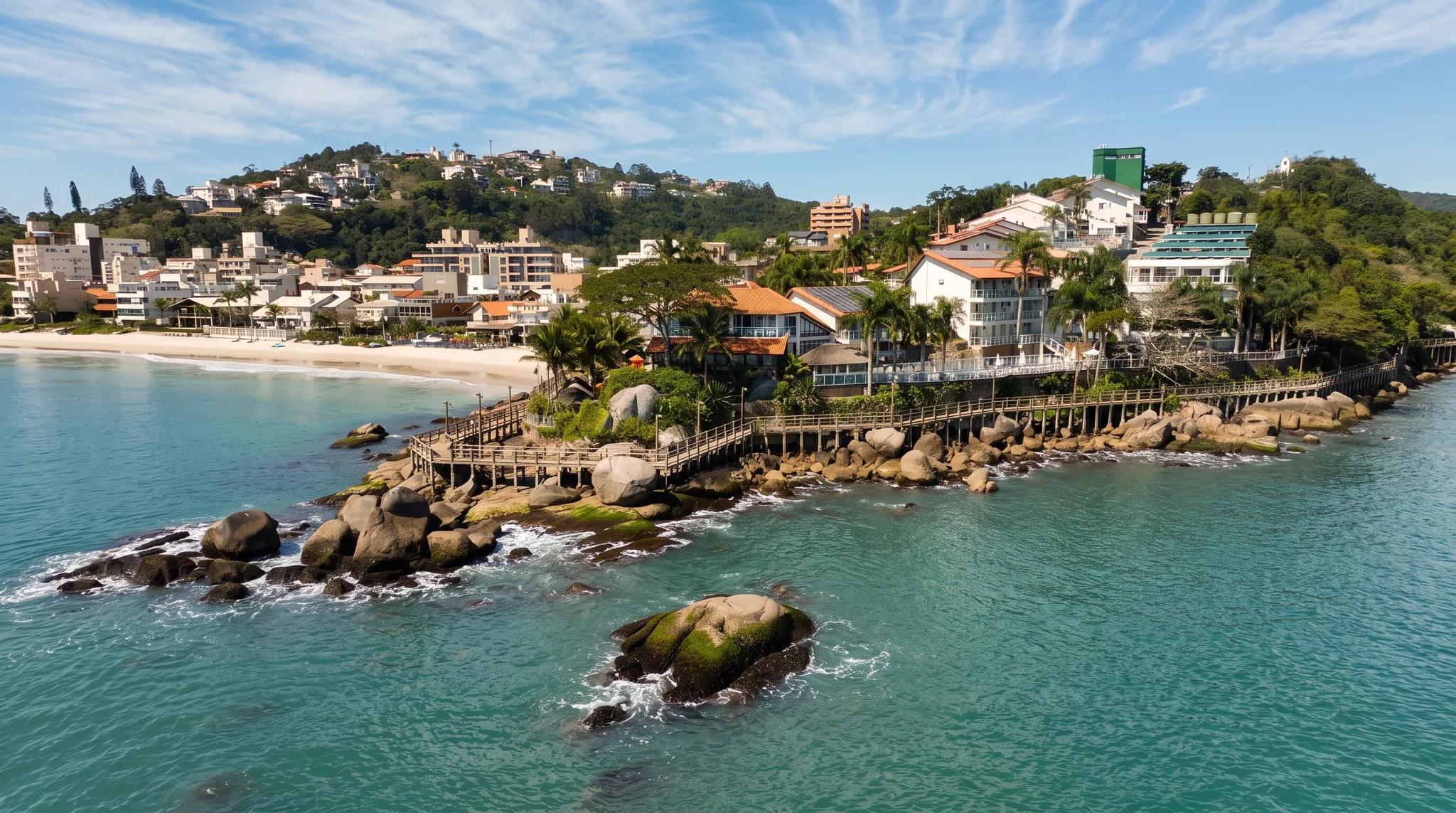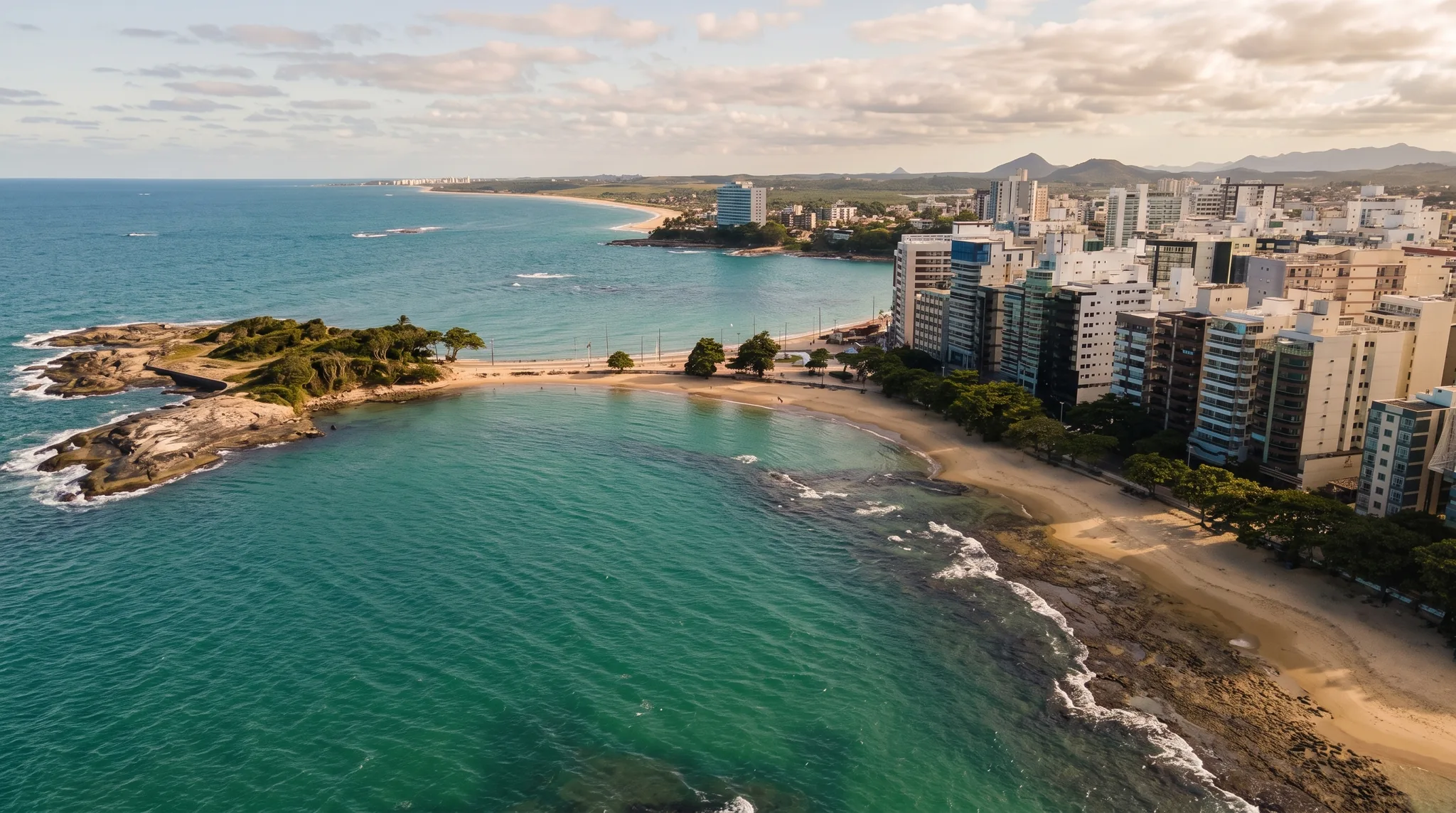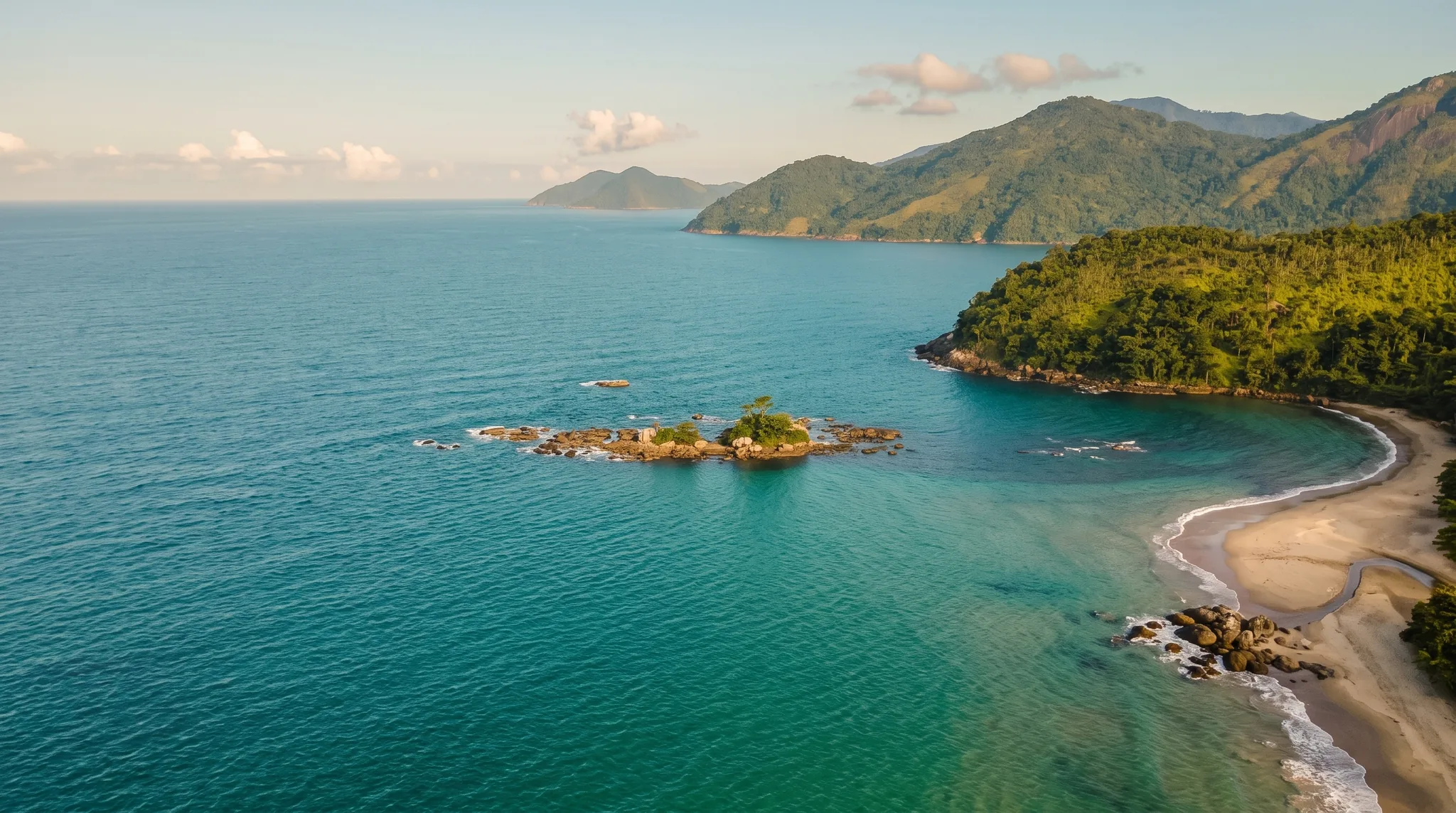
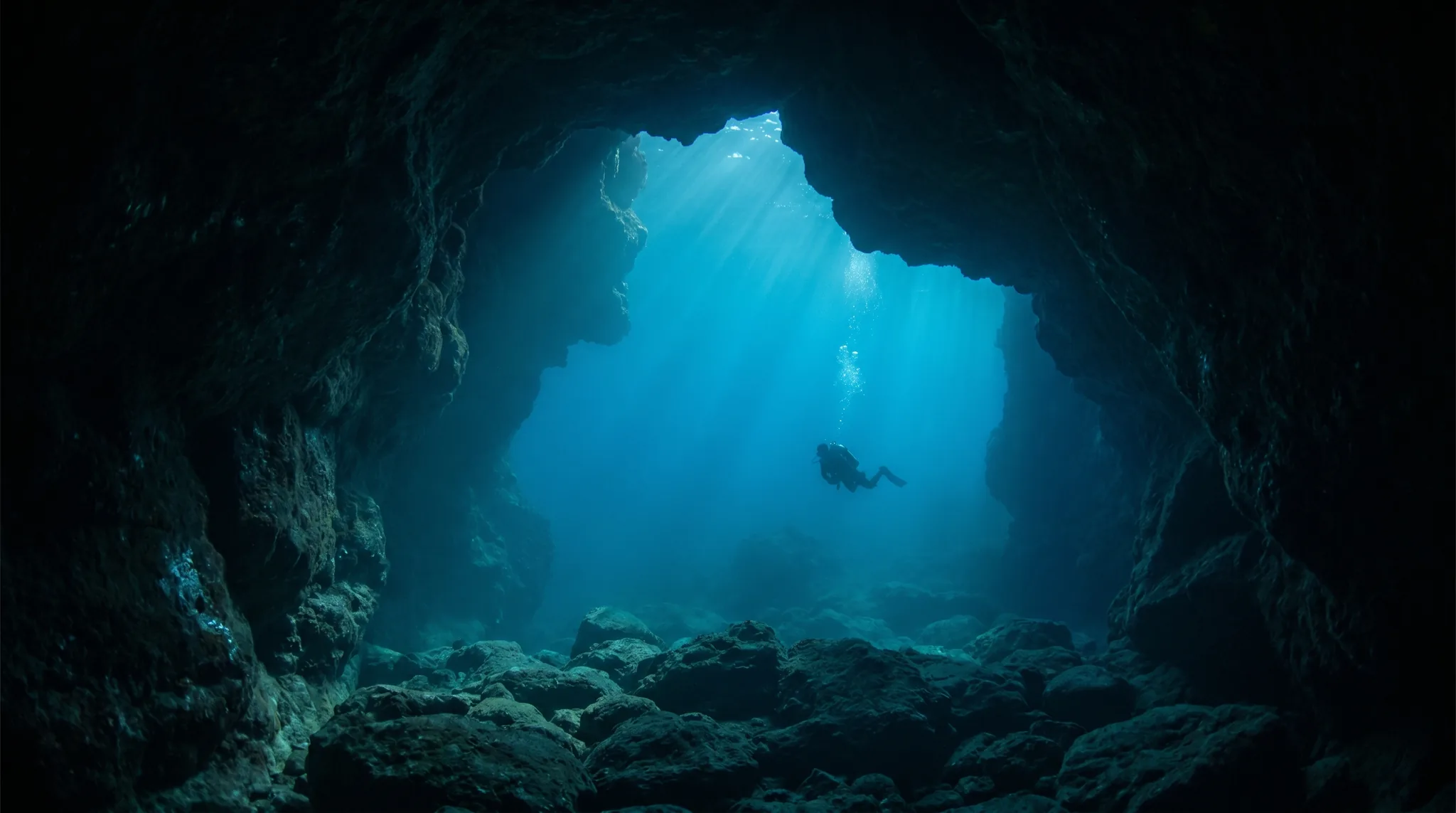
São Paulo's dive sites spread across three distinct sub-areas, each with its own character. Ubatuba and Ilhabela offer reef diving along a sheltered coastline, with shallow beginner-friendly sites alongside deeper walls and drift dives. Laje de Santos pushes further offshore, adding pinnacles, caves, wrecks and the exposed reef at Boca da Baleia for more experienced divers. Across the region, the Atlantic Goliath Grouper and Green Sea Turtle are reliably encountered, while the Dusky Grouper appears at almost every site. Water temperatures peak in late summer and conditions favour diving from December through March.
3 areas
 16
16Boat-access reef diving with resident Dusky Grouper, Shortnose Batfish and a mix of depths for beginner to intermediate divers.
14Reef and cave diving off São Paulo state, where Green Sea Turtle encounters are a near-certainty at boat-access sites suiting all levels.
 12
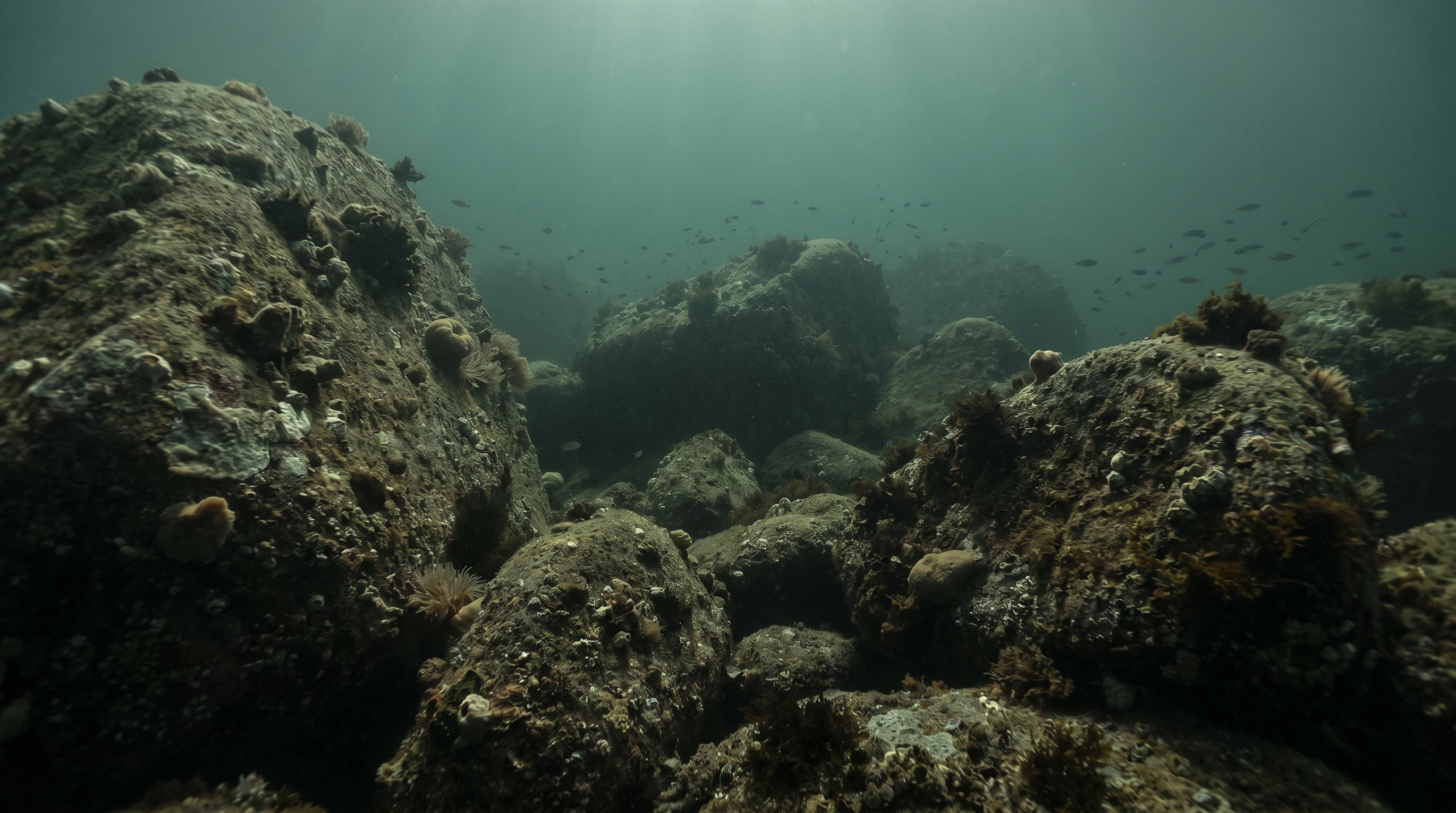
12Offshore boat diving with abundant Atlantic Goliath Grouper and Green Sea Turtle across reefs, pinnacles and a wreck.
Monthly water temperature across São Paulo's sites, from satellite sea-surface data corrected for depth. The band shows the site-to-site spread.
Water temperatures are warmest from late summer through autumn, when conditions also tend to be at their most settled and visibility at its best. The histogram strongly favours January through March and December for planned trips. Offshore sites like Laje de Santos can be affected by swell and current year-round, so conditions there vary more than at the sheltered inshore reefs of Ubatuba and Ilhabela.
45 operators
Brazil


Water temperature around São Paulo ranges from about 20°C in November to 24°C in March, based on satellite sea-temperature data for its dive sites.
In the warm season (about 24°C) a 3mm full suit is comfortable in São Paulo; in the coldest months (about 20°C) step up to a 5mm suit.
Fin maps 42 sites in São Paulo (42 scuba diving sites and 5 snorkelling spots, with some suited to both), organised into 3 areas.
Across São Paulo's dive sites, January, February, March and December are most often reported as the best months to visit.
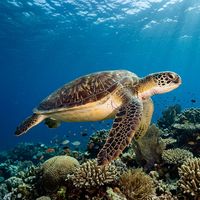
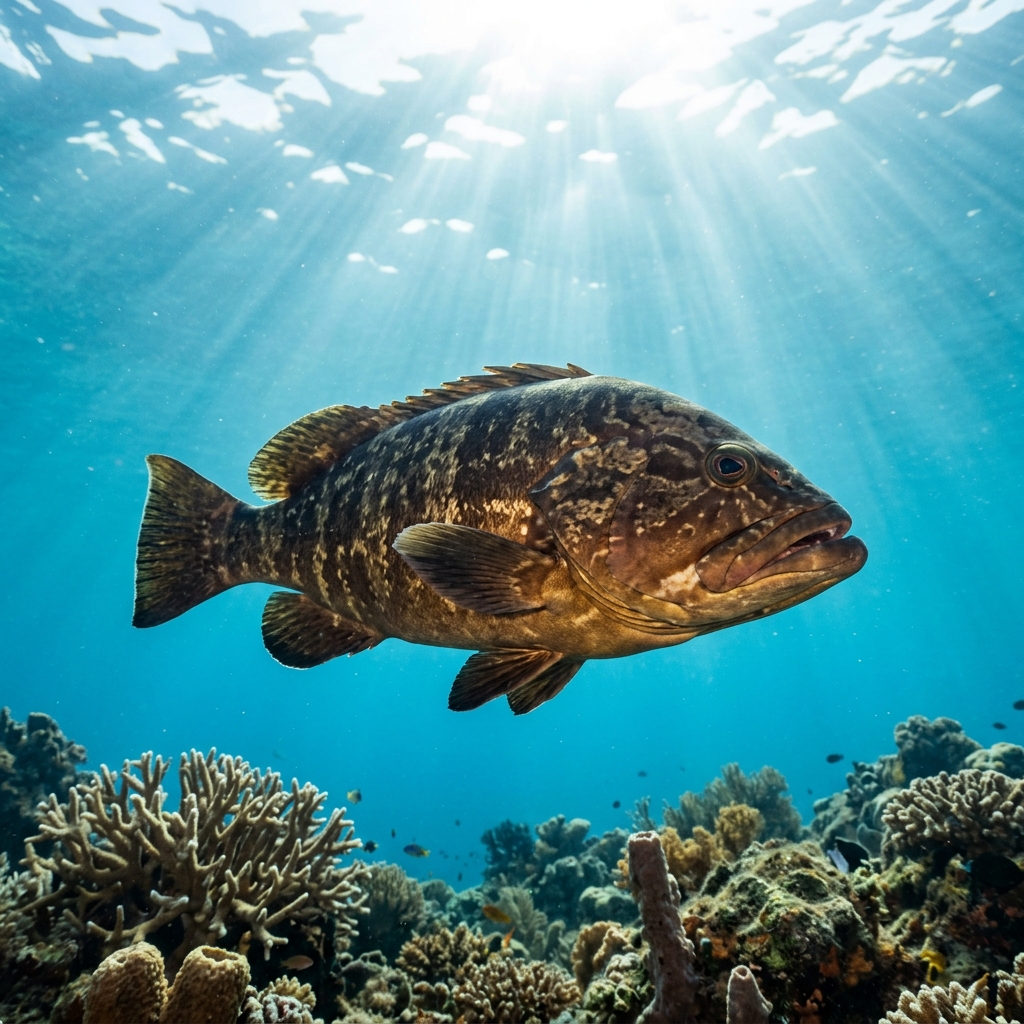
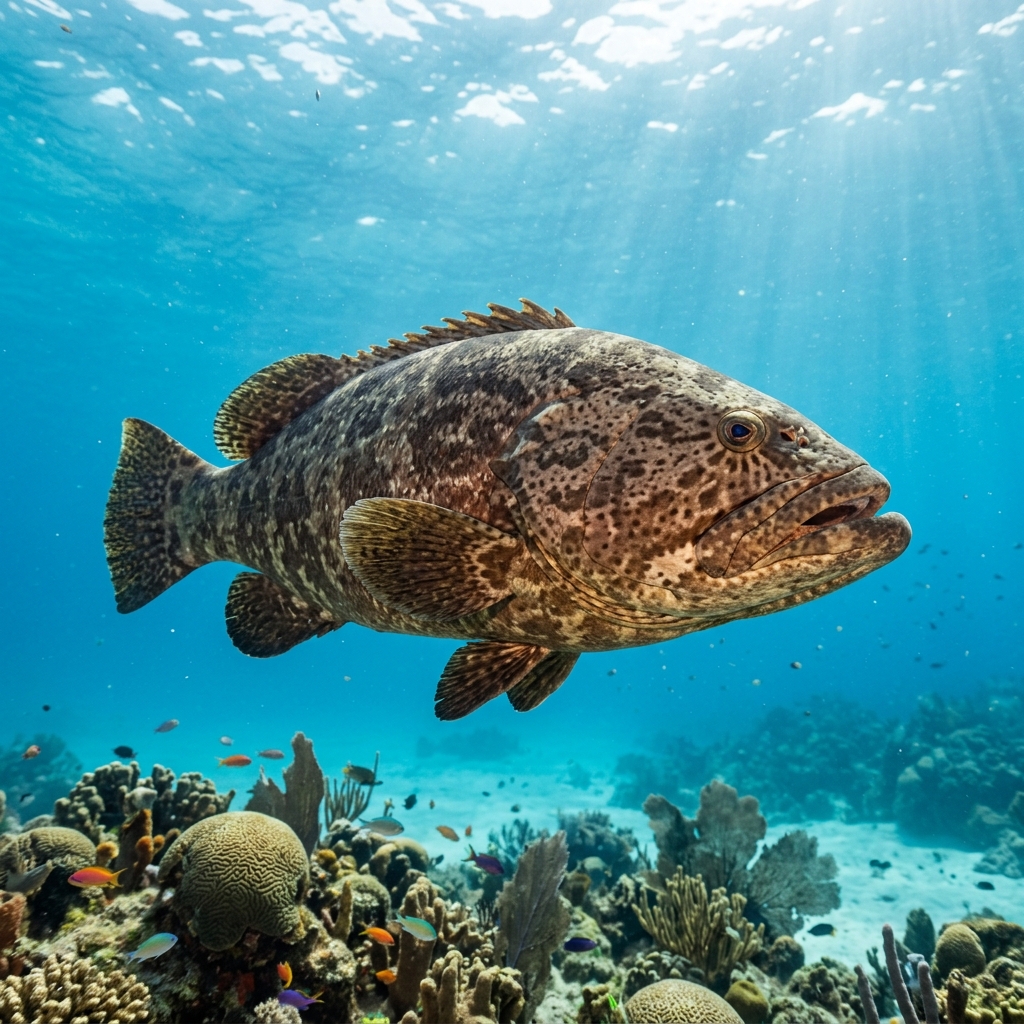
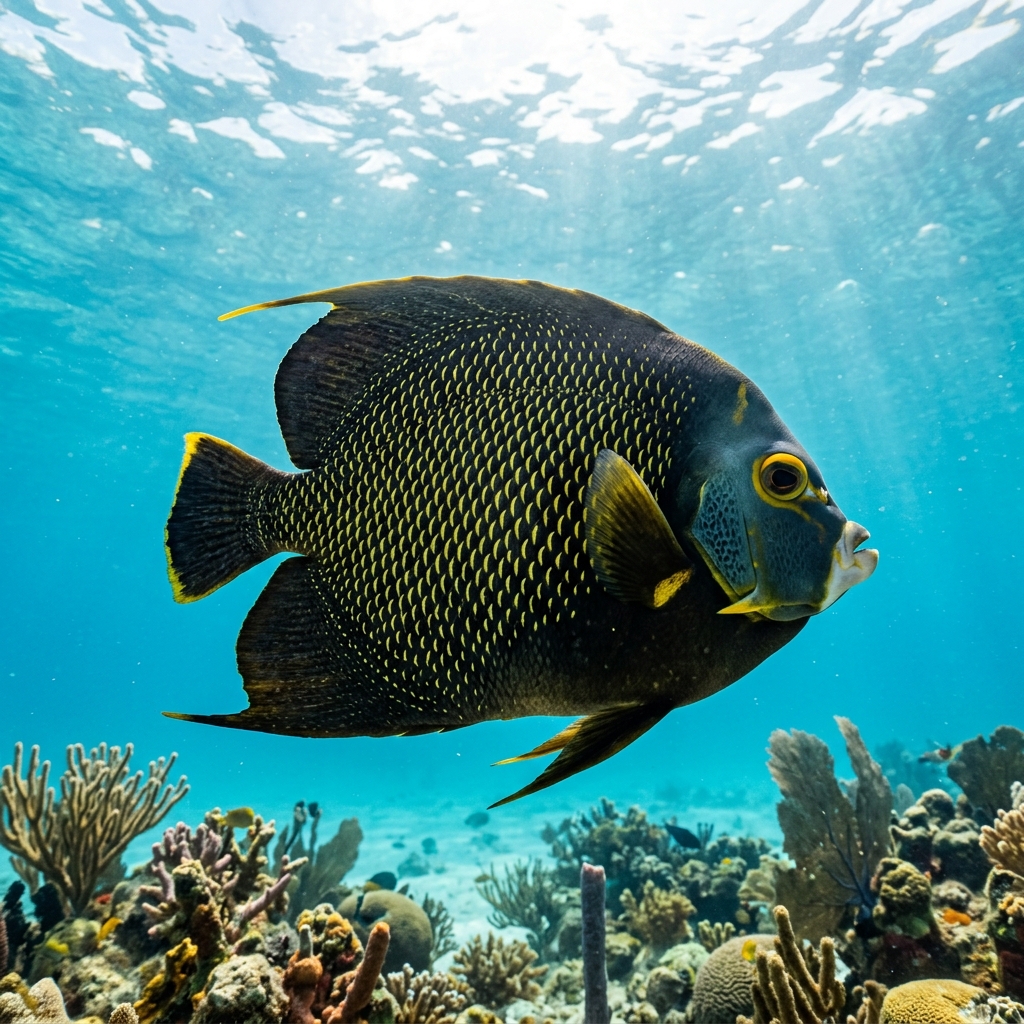
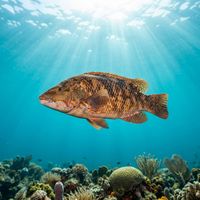
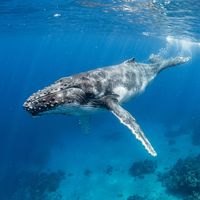
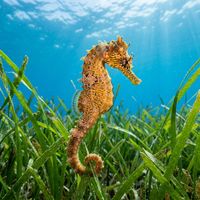
The Dusky Grouper and Atlantic Goliath Grouper are among the most consistently observed species across the region. Green Sea Turtle sightings are common, and French Angelfish appear at a number of sites. Less frequent but recorded encounters include Grey Reef Shark, Humpback Whale, Eagle Ray and the unusual Shortnose Batfish.
A large proportion of the sites in São Paulo are rated for beginners, including shallow reef dives at Ilha Vitoria, Saco do Funil and Jardim dos Corais. Shore entry is available at Praia do Juliao for those starting out. More advanced divers are catered for at deeper sites such as Calhaus and Boca da Baleia, which involve walls, strong currents and greater depths.
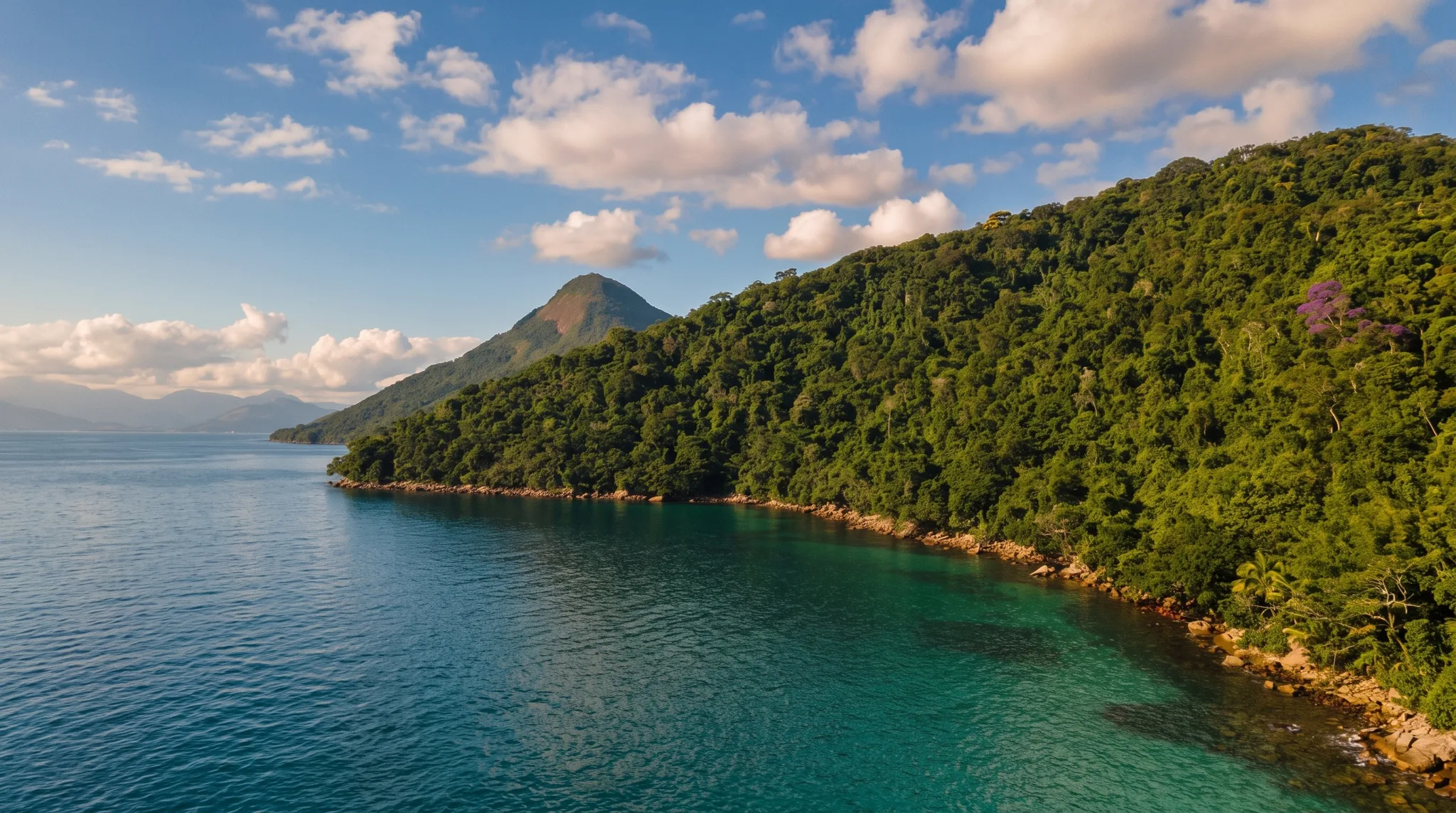
Ubatuba and Ilhabela concentrate on inshore reef diving with generally calmer conditions and a good mix of beginner and intermediate sites. Laje de Santos is the most exposed sub-area, reached exclusively by boat and offering a wider variety of site types including pinnacles, caves, wrecks and walls. Laje de Santos rewards divers willing to make the longer crossing with some of the region's most diverse topography.
The vast majority of sites require boat access, and several of the offshore sites at Laje de Santos involve a significant journey from shore. Shore entry is available at Praia do Juliao, making it a practical option for those without boat arrangements. Operators across the region, including outfits such as Abud Dive, Koka Sub and Aloha Dive, run guided boat trips to most of the top sites.