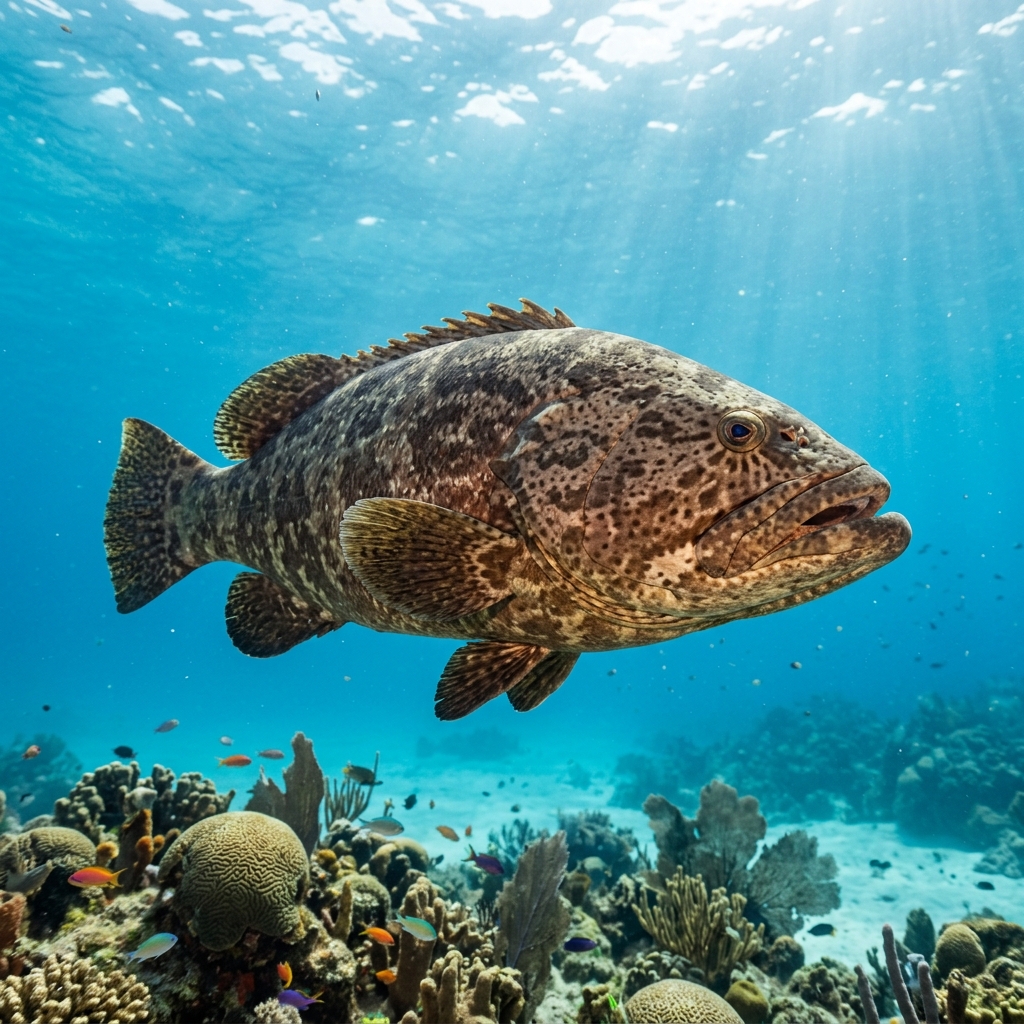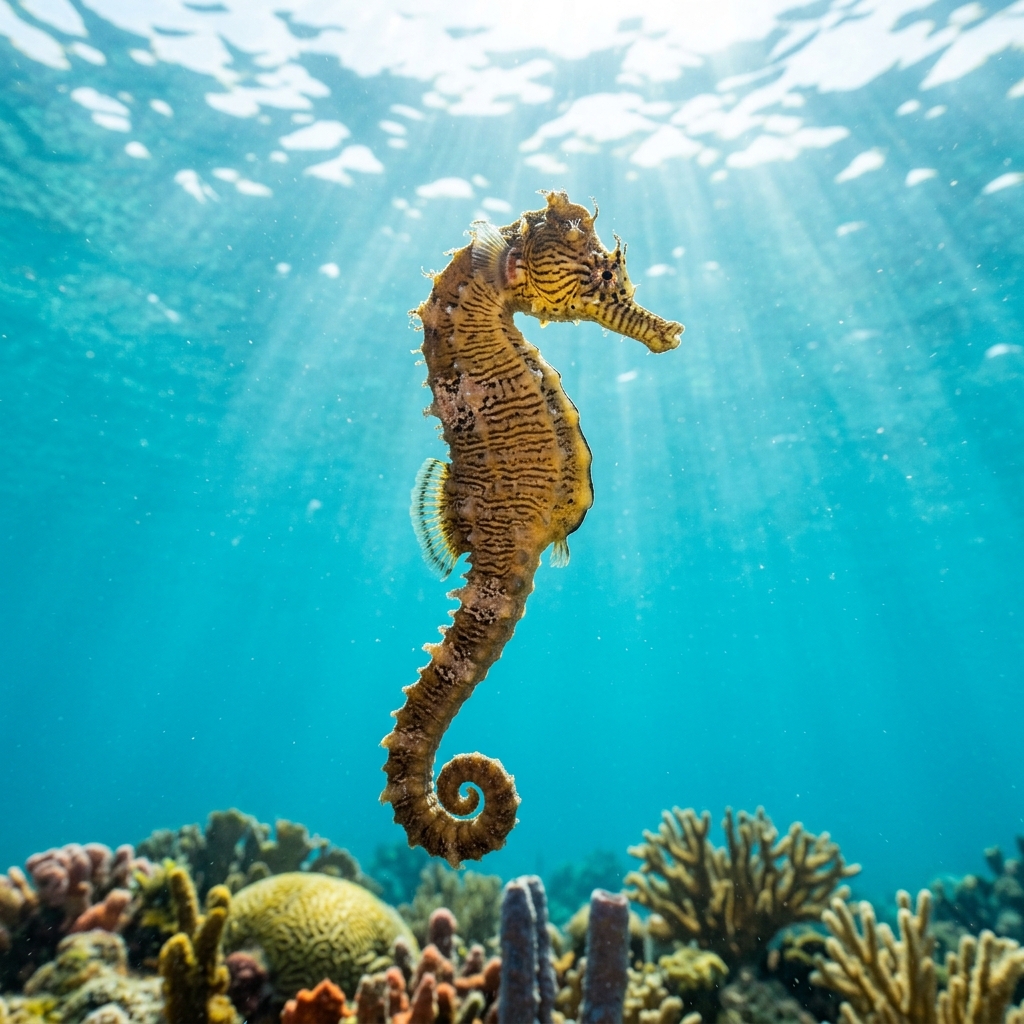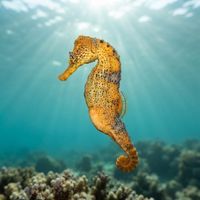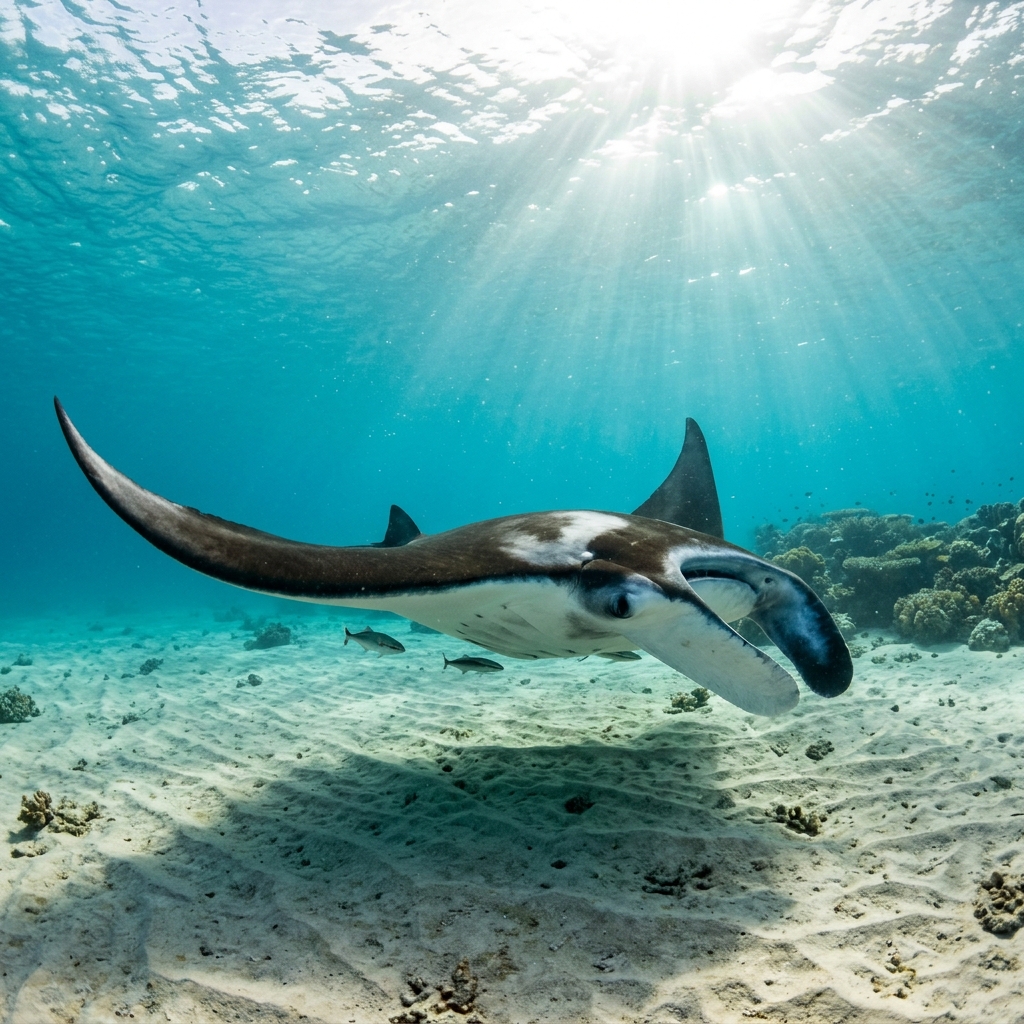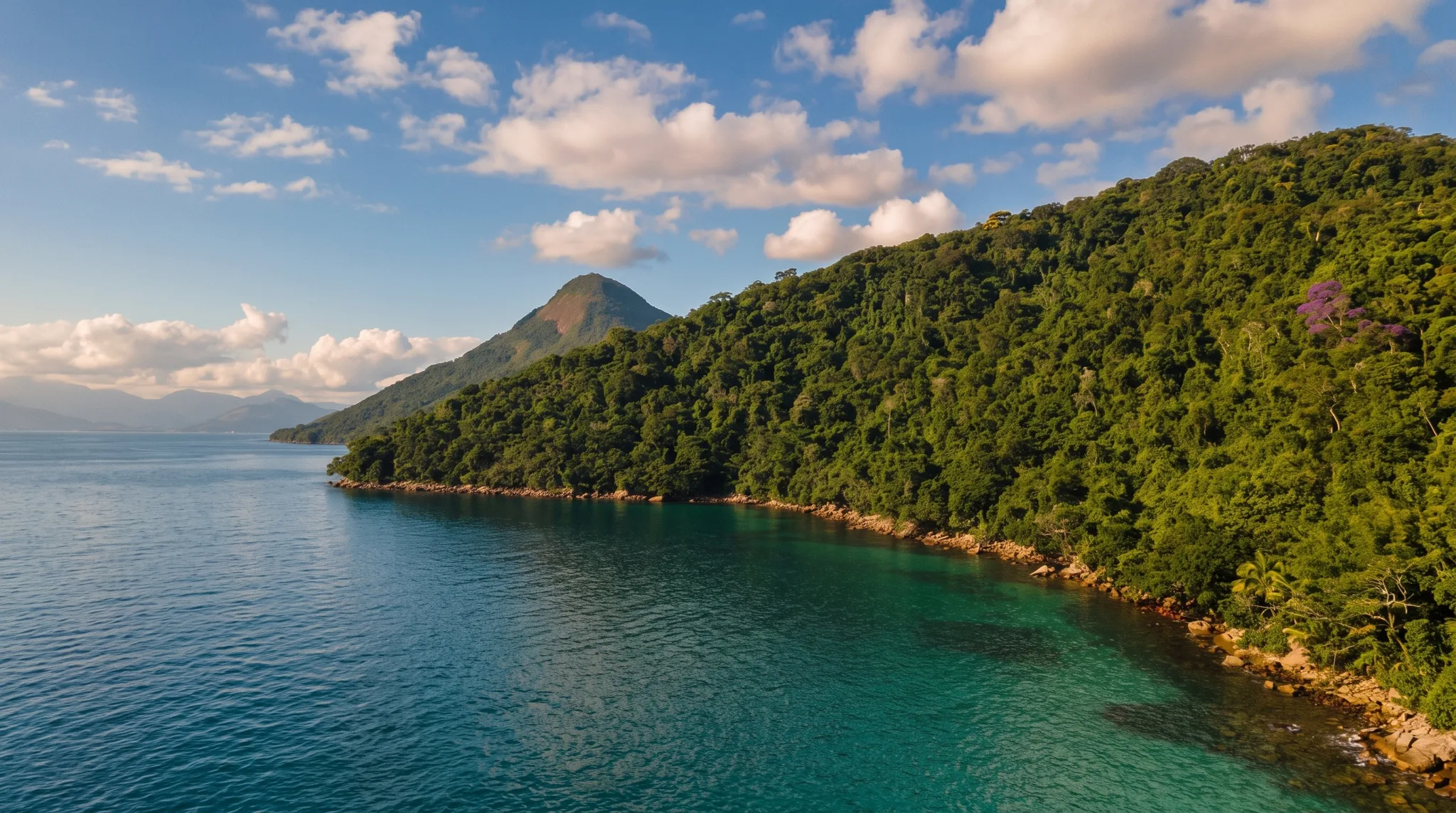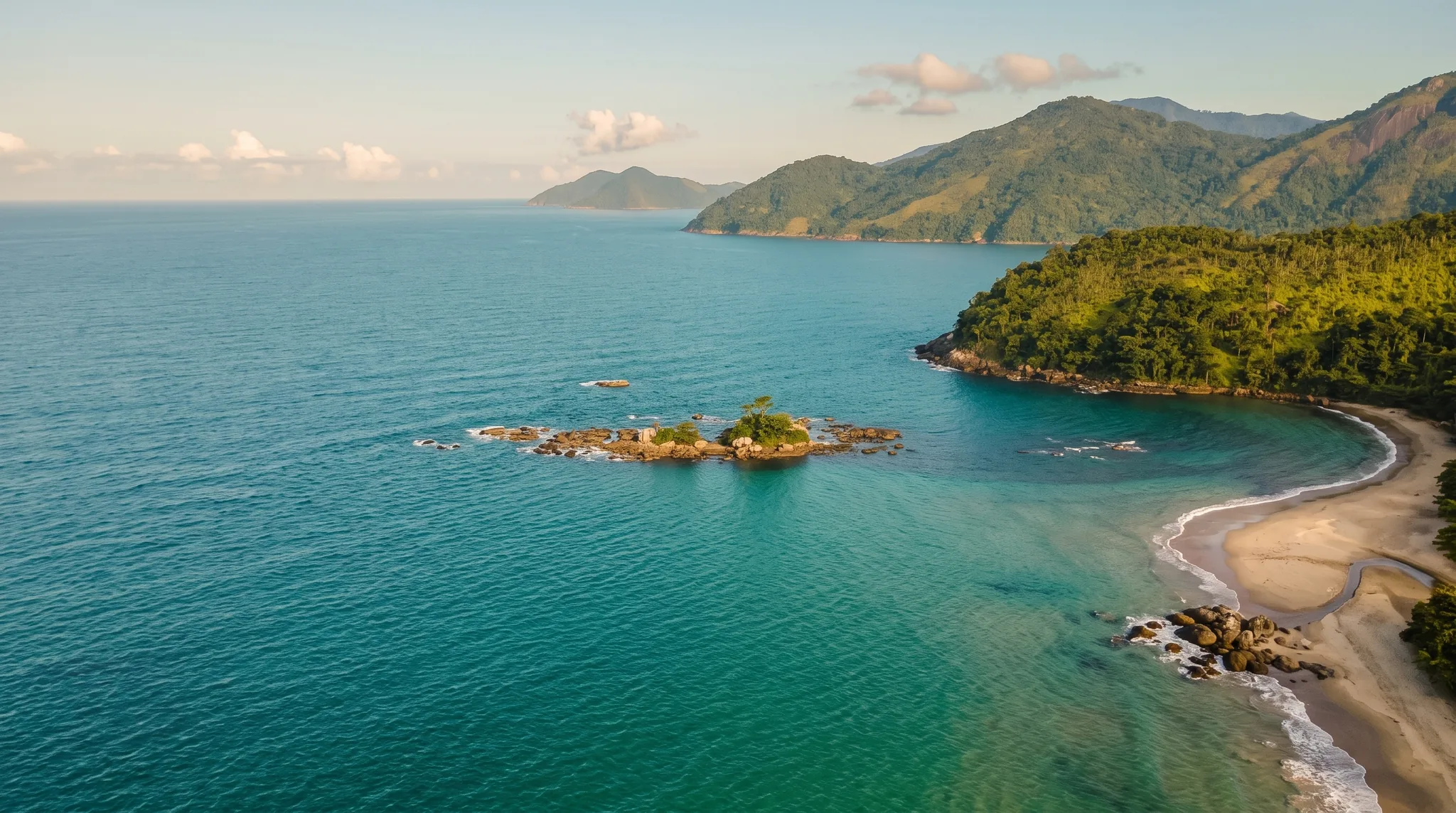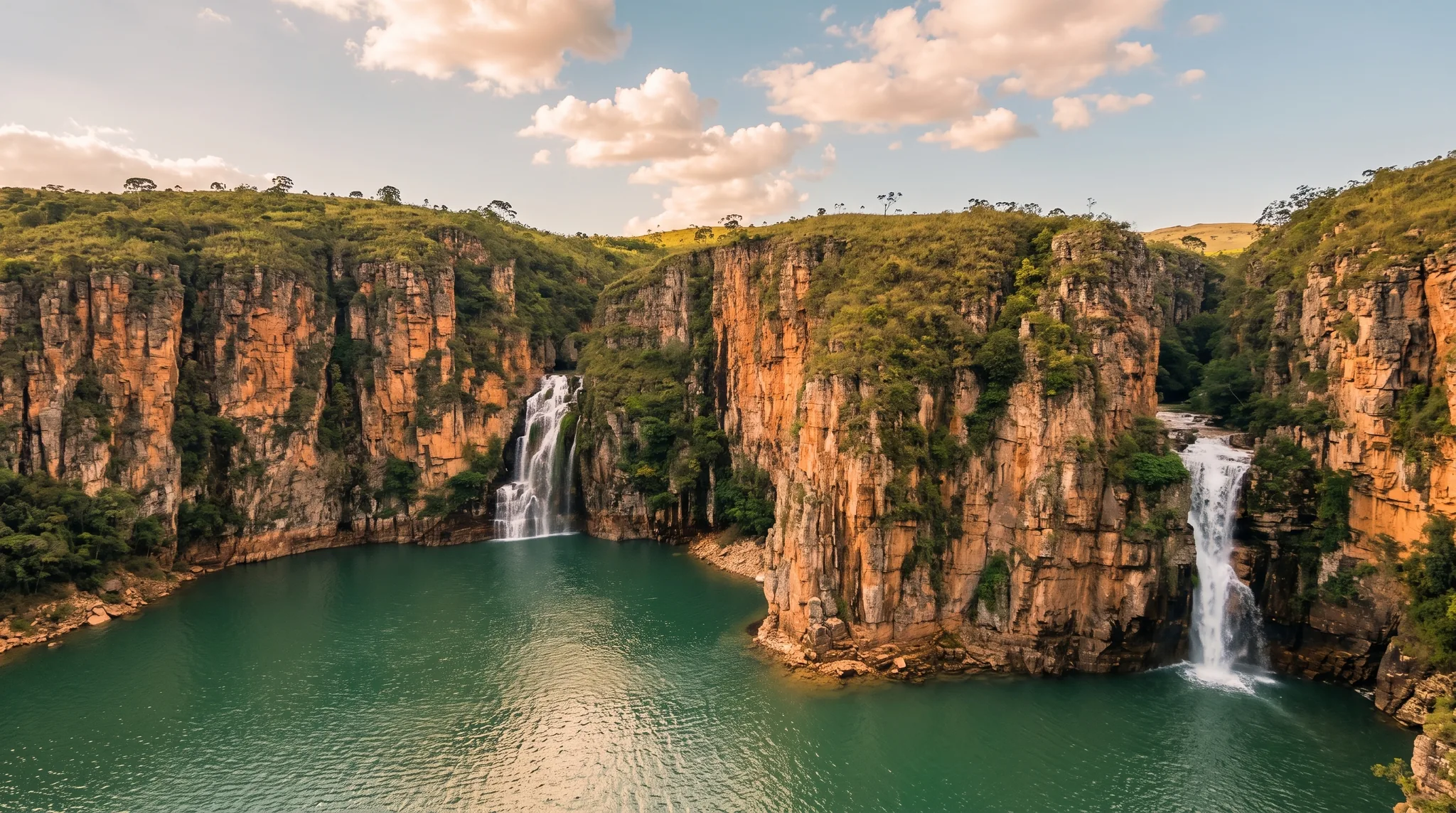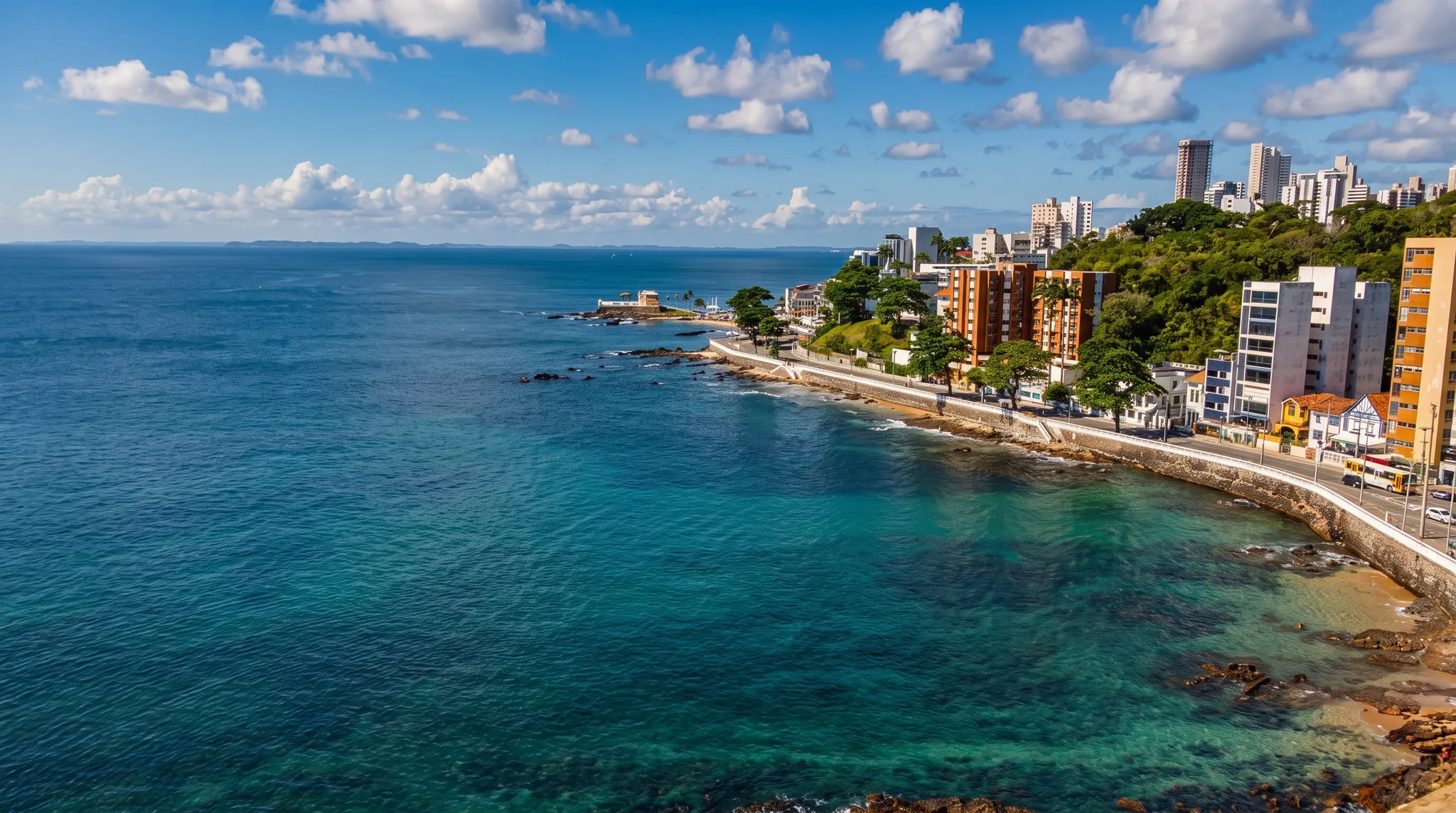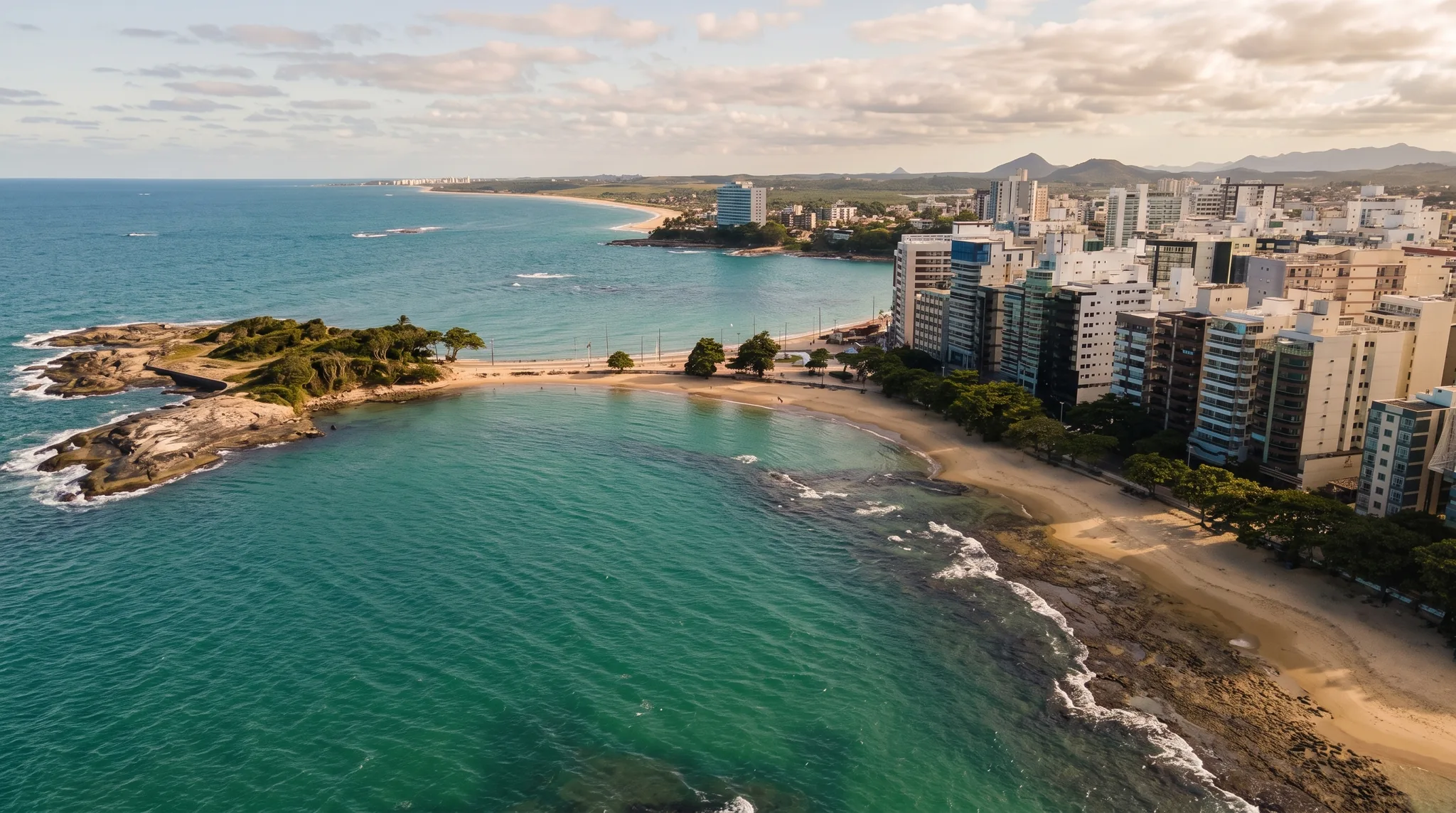
Espírito Santo draws divers with a consistent cast of large, charismatic animals across reef and artificial reef sites. The Atlantic Goliath Grouper, Green Sea Turtle, and Lined Seahorse appear across virtually every site, while the Nurse Shark is a near-certain encounter. Escalvada Island in Guarapari typifies the region: rock walls and coral structures reachable only by boat, pitched at intermediate skill levels. Visibility varies considerably by season, and the water runs warmest in late summer. October stands out as the peak month according to diver reports, with a strong cluster of preferred months spanning the southern hemisphere spring and winter.
Monthly water temperature across Espírito Santo's sites, from satellite sea-surface data corrected for depth. The band shows the site-to-site spread.
Water temperatures follow a clear seasonal curve, cooling through the southern hemisphere winter months before climbing back to their warmest in late summer. October attracts the strongest concentration of diver activity, and the period from late winter into spring consistently ranks highly in diver reports. Visibility can be variable, so the calmer, clearer conditions of the cooler upwelling season often reward those who plan around it.
12 more sites to explore
Water temperature around Espírito Santo ranges from about 23°C in July to 26°C in March, based on satellite sea-temperature data for its dive sites.
With water around 23–26°C, a 3mm full suit works in Espírito Santo year-round.
Fin maps 13 sites in Espírito Santo (13 scuba diving sites and 3 snorkelling spots, with some suited to both).
Across Espírito Santo's dive sites, July, August, September, October and November are most often reported as the best months to visit.
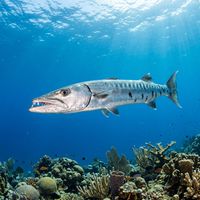
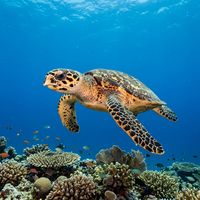
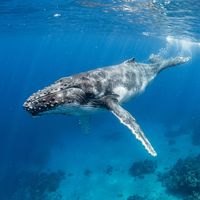
The Atlantic Goliath Grouper and Green Sea Turtle are observed across the full range of sites, making them near-certain encounters on most dives. The Nurse Shark is almost as reliable, appearing at the great majority of sites. Divers also report the Great Barracuda with some regularity, and the Hawksbill Sea Turtle, Grey Reef Shark, and Humpback Whale have all been observed, though less frequently.
The available site data points to an intermediate skill level as the baseline, as seen at Escalvada Island where walls and drift conditions add complexity. Beginners should discuss site selection with one of the local operators before booking, as boat access is standard and some sites involve currents. The range of operators based in the region, including Atlantes Viagens e Mergulho, Sealord Escola de Mergulho, and Vitoria Divers, can advise on appropriate site matching.
Boat entry is the standard mode of access across the sites in Espírito Santo. Escalvada Island, the most detailed site in the data, is a boat dive. Divers should expect to organise departures through one of the region's operators, several of which are based locally, including ACQUA SUB, Flamar Mergulho, Cia do Mergulho, and Port Ship Dive.
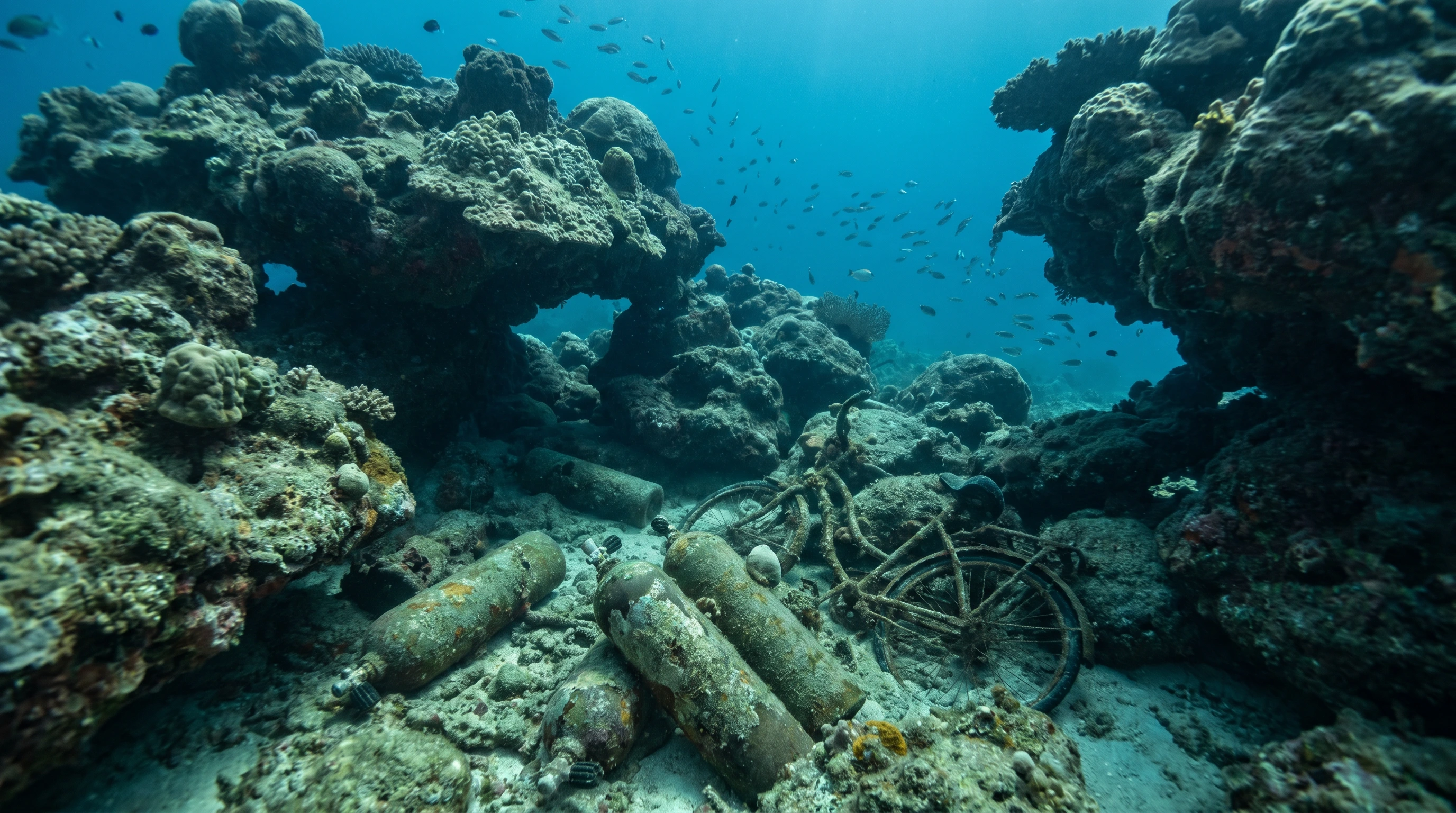
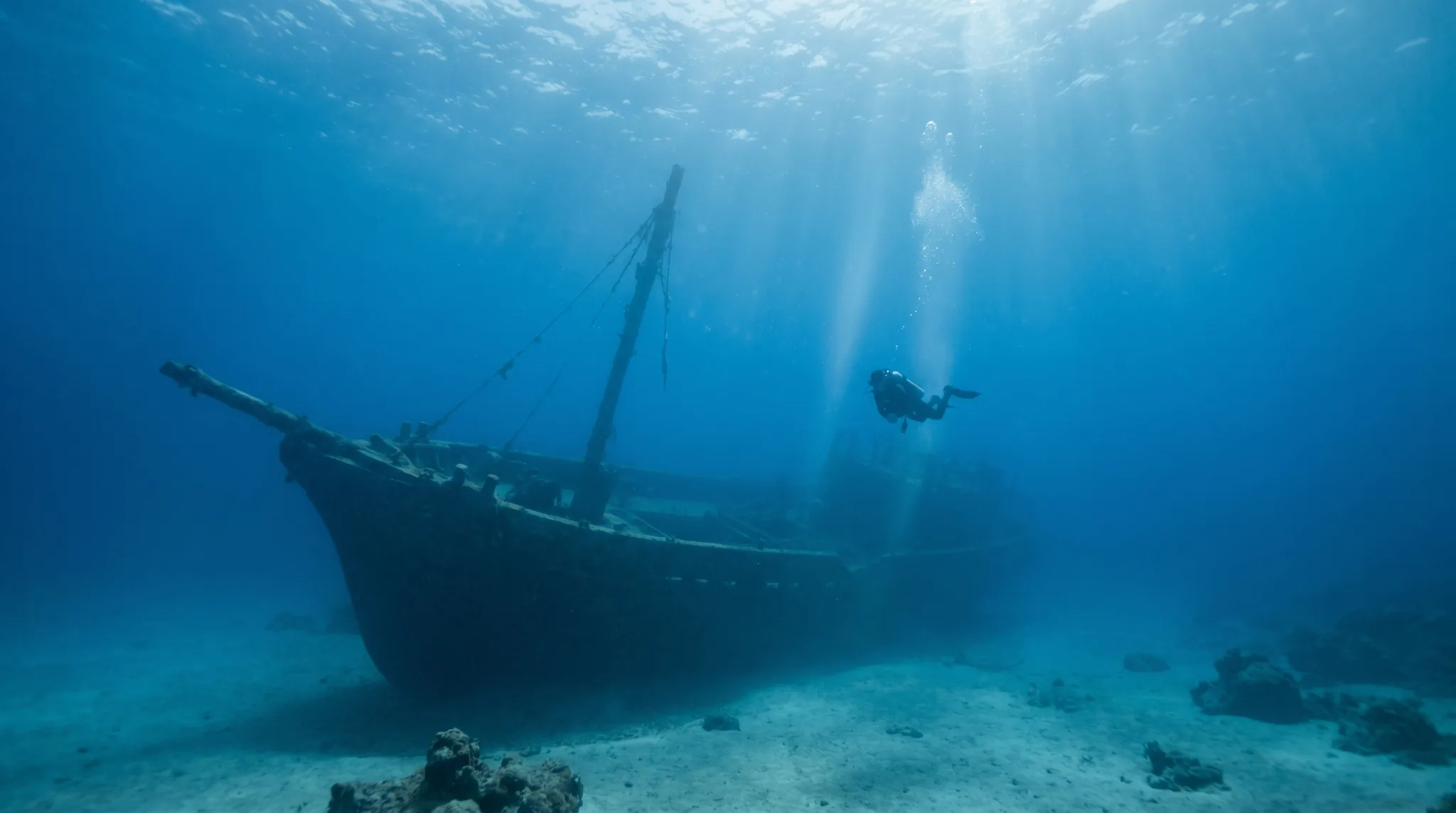
The region combines natural reef, artificial reef structures, and drift diving, often at the same site. Escalvada Island, for example, features both rock walls and coral reef alongside artificial reef elements. This mix rewards multiple dives at the same location, since currents and structure type can vary the experience considerably from dive to dive.